 AJ
AJ
The US/Israel Iran conflict appeared to be coming to an end according to an early Axios report, which may have been released for market manipulation in the United States, and if so, it clearly worked as oil prices began to drop, but Israel weren’t happy with the decision as they would ultimately fail in their goals against Iran.
Negotiations Back On?

Following the failure of Project Freedom by the United States, which was allegedly called off thanks to mediation efforts by Pakistan, the Pakistan Prime Minister Shehbaz Sharif said that Pakistan were committed to supporting efforts aimed at reaching a peaceful resolution through dialogue, and hoped that the current situation could lead to a permanent agreement that ensured peace and stability in the region.
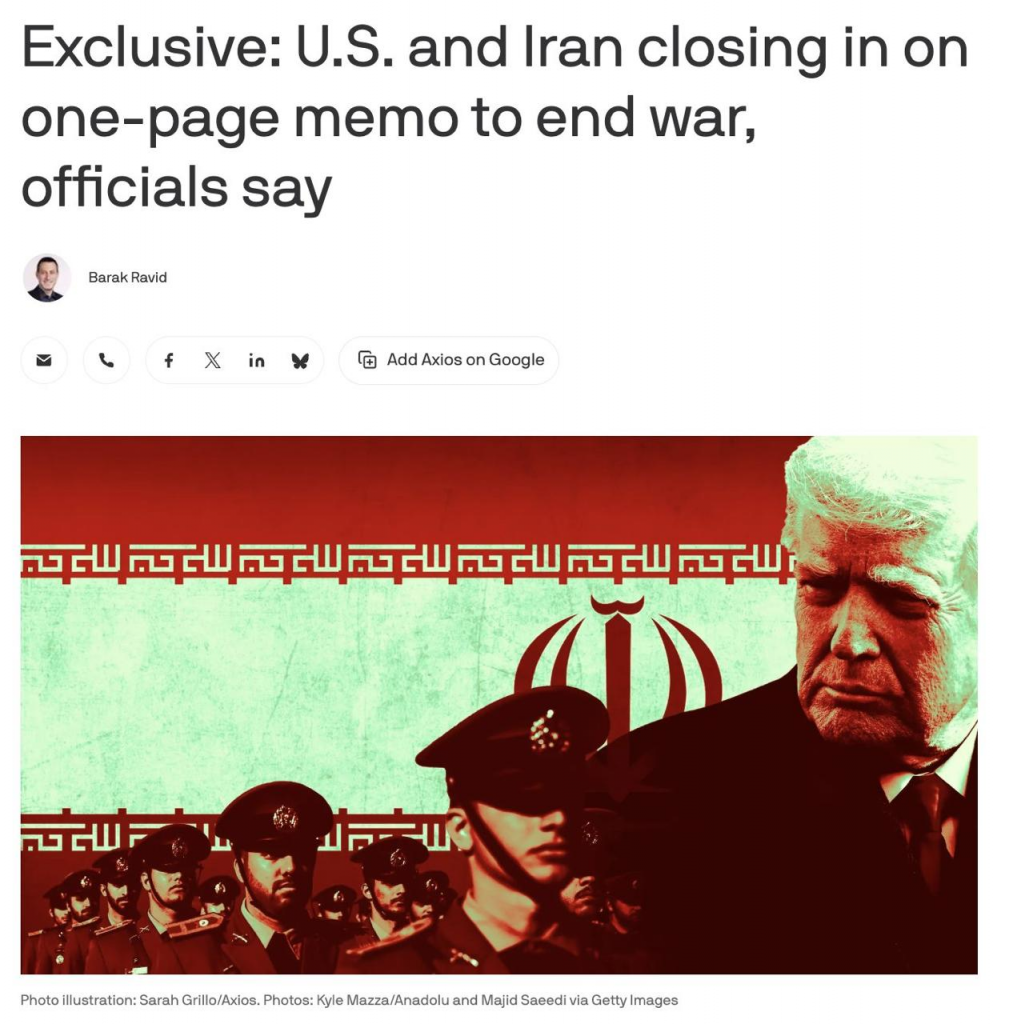
Early on Wednesday morning, Axios’ Barak Ravid posted that US and Iran were reportedly close to a brief 14-point one-page memorandum aimed at ending the current conflict and restarting the negotiations, in a deal which would pause Iran’s uranium enrichment for at least 12 years, ease US sanctions, release frozen Iranian funds and reopen the Strait of Hormuz.
Ravid stated the framework would begin with a 30-day negotiation period, likely in Geneva or Islamabad, while both sides would gradually roll back military and shipping restrictions, adding that Iran would also accept tougher UN inspections and pledge not to pursue nuclear weapons, but noted that no final agreement had yet been reached.
Talks were being led by Envoy Steve Witkoff and President Trump’s son-in-law Jared Kushner alongside Iranian officials, with discussions to cover inspections, limits on underground facilities, and the possible removal of Iran’s highly enriched uranium stockpile, however, the US said that divisions within Iran’s leadership continued to raise doubts about whether a deal would ultimately succeed.
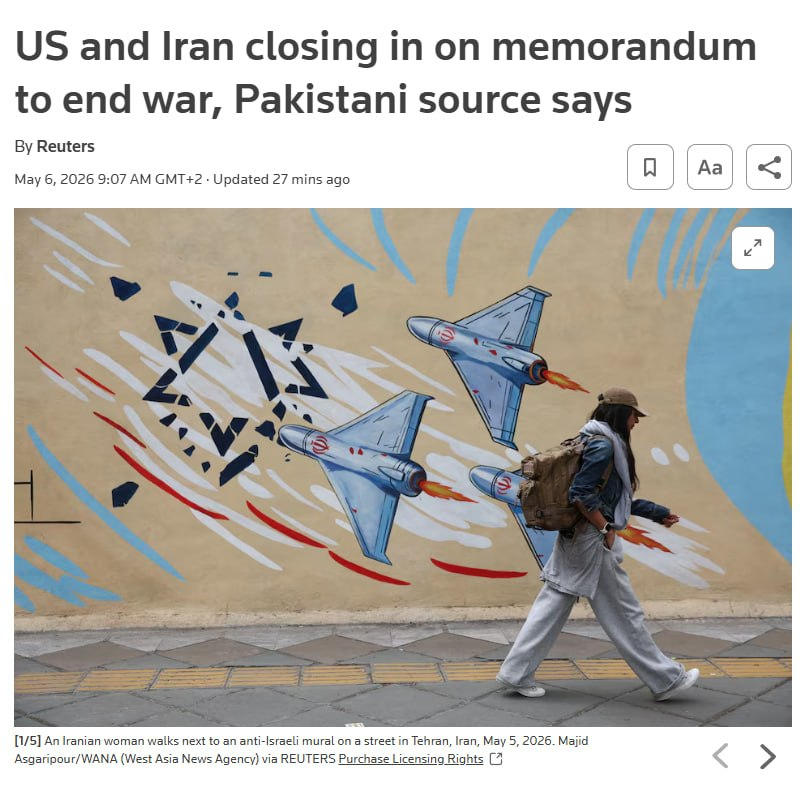
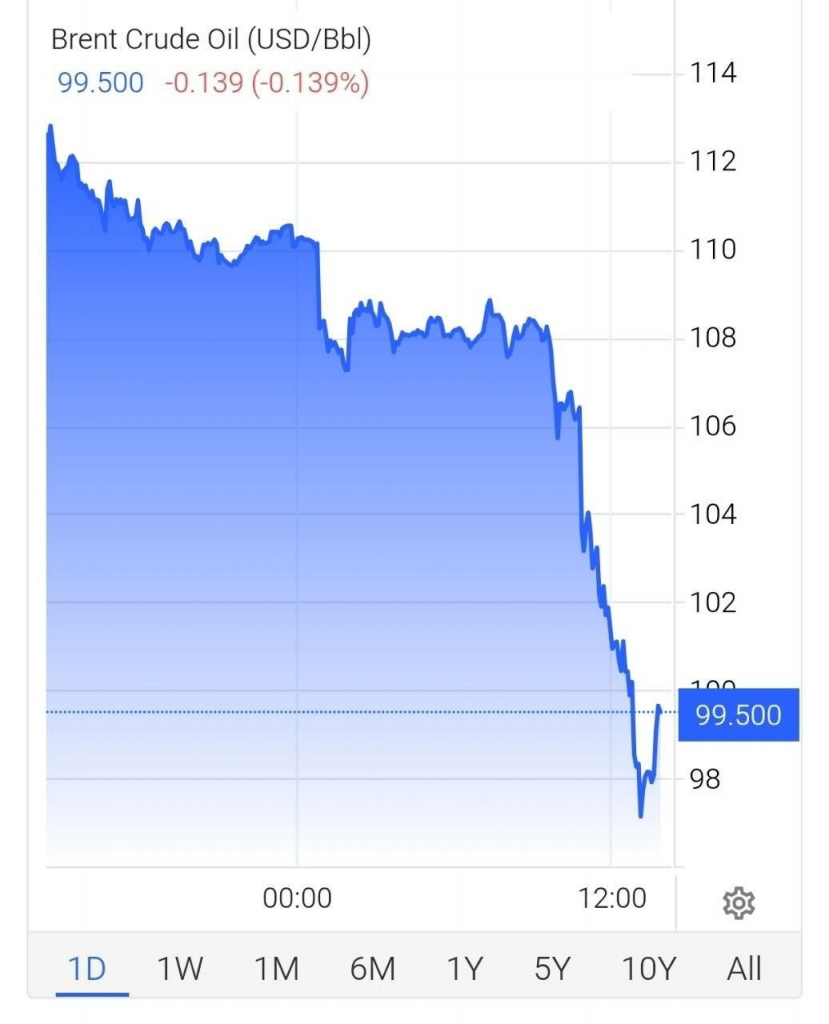
Oil prices had already dropped to under $100 per barrel for crude when Reuters confirmed an hour later via a Pakistan source that the United States and Iran were negotiating to finalise a one-page memorandum to end the war.
Saudi Al-Hadath claimed a source from Pakistan said: “We have a draft agreement most of whose clauses have the consent of both sides and they are close to signing a framework agreement, including a complete end to the war, reopening of the Strait of Hormuz to international navigation and set a timetable for ending all hostilities, along with a schedule for the next round of negotiations.”
The source added: “Both sides are closer to the beginning of a negotiation process that may last months, the negotiations recently took place indirectly between Witkoff and the Iranians,” adding the draft agreement also included clauses regarding enriched uranium and the release of frozen Iranian funds, while emphasising that it had no desire to possess nuclear weapons, and Washington had welcomed this.”
At this point an Al Mayadeen correspondent in Tehran reported that Iran had set its conditions and emphasised that the ceasefire must include all fronts, that the ball was now in Washington’s courts, the mediation efforts with Pakistan continued, and Iran had not given up, claiming control of the Strait of Hormuz, while the correspondent also claimed Iran separated the issues and the negotiations didn’t include the nuclear issue: “Iran emphasizes that the fundamentals of the negotiations focus on managing the Strait of Hormuz, lifting the naval blockade, frozen funds and compensations,” he said.
While the media were having there say, officials were just beginning to address the morning’s Axios post, including Iran’s Spokesperson of the National Security Commission Ebrahim Azizi, who said the Axios publication was a wishlist of the Americans rather than a version of reality, stating the US will not get in face-to-face negotiations what they failed to achieve during the war, adding: “Iran are ready and on the trigger, so if the US didn’t surrender or give the necessary concessions, or if they or their watchdogs wanted to act mischievously, we will give a hard and regretful response.”
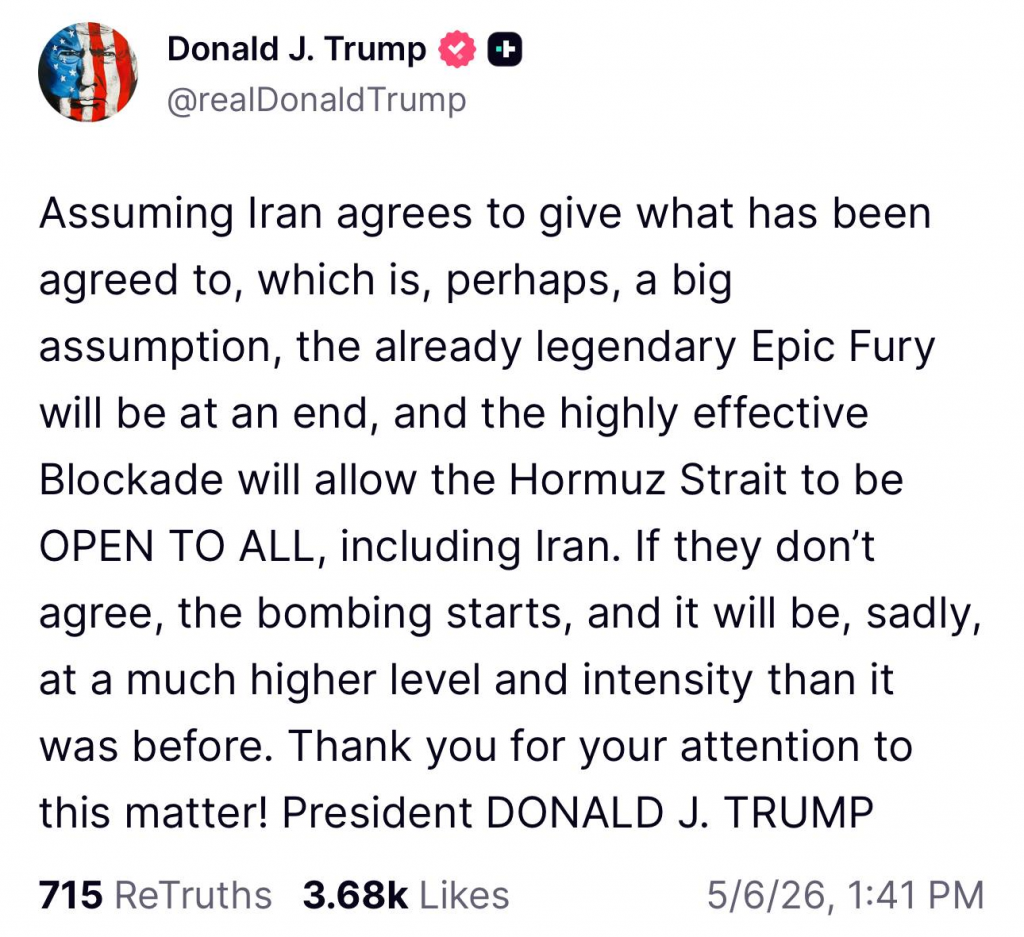
The first official confirmation of any potential deal came from President Donald Trump’s Truth Social post, stating that assuming Iran agreed to give what has been agreed to, which is a big assumption, operation Epic Fury would be over and the blockade would allow Hormuz Strait open to all, including Iran, but if they didn’t agree, bombing would start again at a level more intense than before.
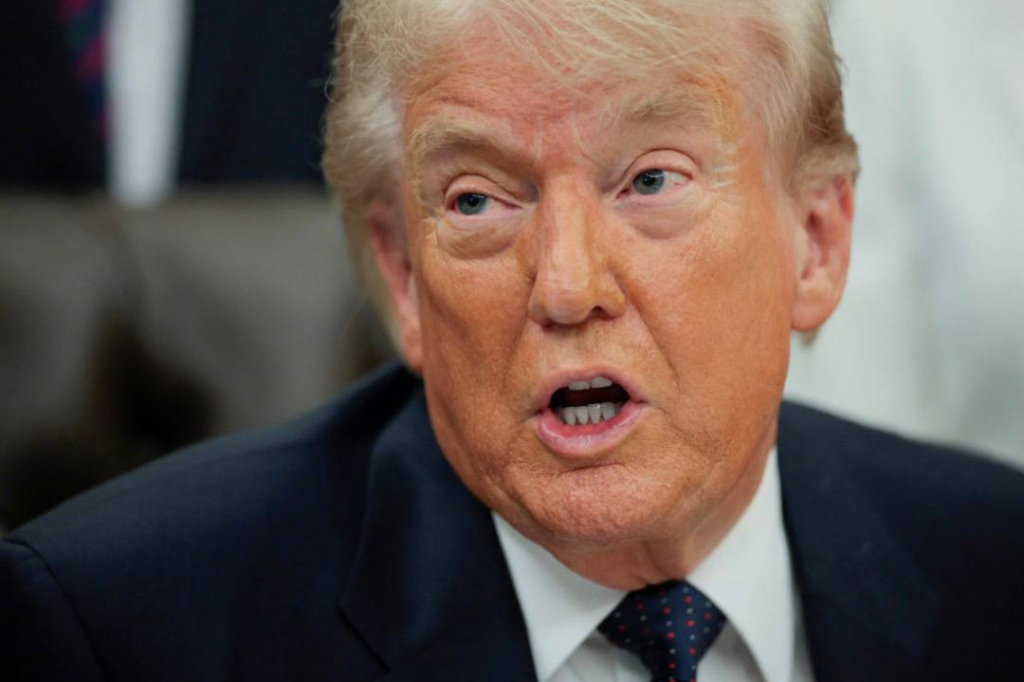
President Trump told PBS News that he expressed optimism about striking a deal with Iran, mentioning that a potential deal could include Iran exporting its highly enriched uranium to the US, adding that Trump also said it would be ideal if a deal could be reached before his visit to China.
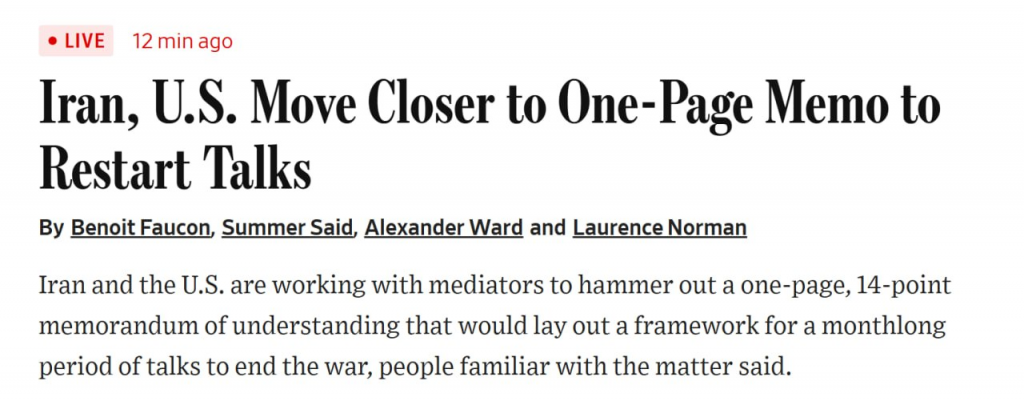
Both countries were still working through mediators on the one-page 14-point memorandum of understanding to establish a framework for a monthlong round of talks aimed at ending the war that could resume as early as next week in Islamabad, according to the WSJ, claiming officials said multiple draft proposals were being exchanged with the goal of consolidating agreements into a single framework document.
At this moment in time, the key issues that remained unresolved included the duration of any suspension of uranium enrichment, the potential removal of enriched material from Iran, Tehran’s insistence on a long-term role in overseeing the Strait of Hormuz, along with timing and scope of sanctions relief, the WSJ added.
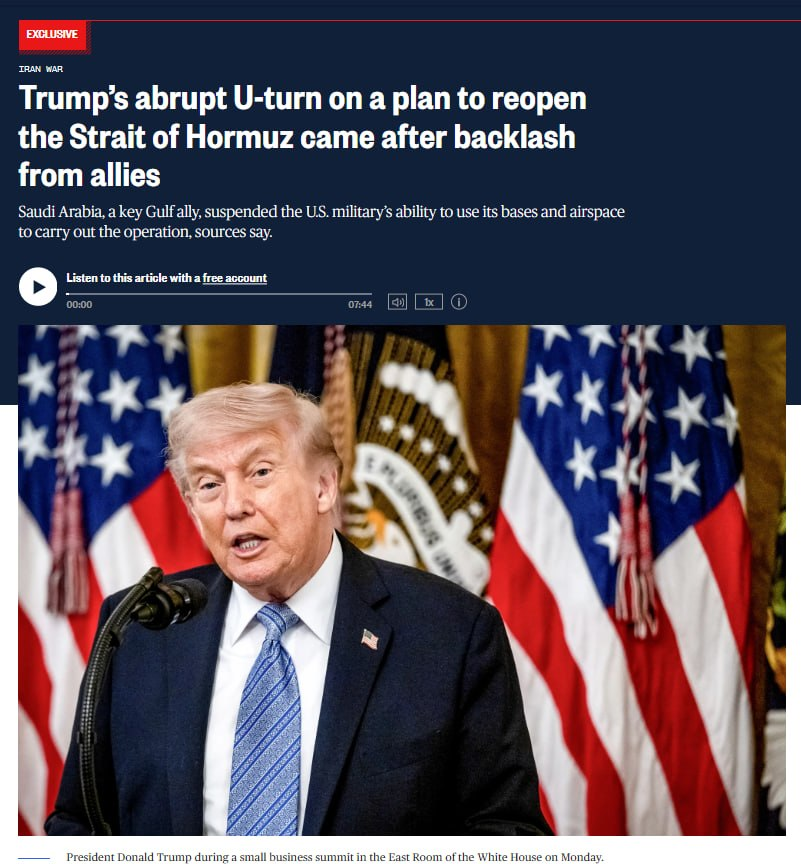
Saudi Arabia refused to allow the US to use its bases and airspace for Project Freedom, a key factor behind President Trump’s decision to suspend the operation, NBC reported, claiming Gulf allies were caught off guard after Trump announced the initiative on Truth Social, prompting Riyadh to deny the use of the Prince Sultan Air Base and Saudi airspace for related military flights.
A call took place between President Trump and Crown Prince Mohammed bin Salman, but it failed to resolve the dispute, while other regional partners, including Qatar and Oman, were informed only after the announcement, though a White House official maintained that allies had been notified in advance.
Journalist Ryan Grimm posted on X that Kuwait had also cut the US from using bases in the country as well as overflight for access to Project Freedom, alongside the Saudi’s, which could explain the pause.
The Associated Press also claimed that some of the Trump administration were surprised by the decision to pause Operation Freedom, with officials saying no clear guidance had been issued on whether requests for international support should be withdrawn, and the Department of State had only recently approached partner countries for support prior to the announcement of the suspension.
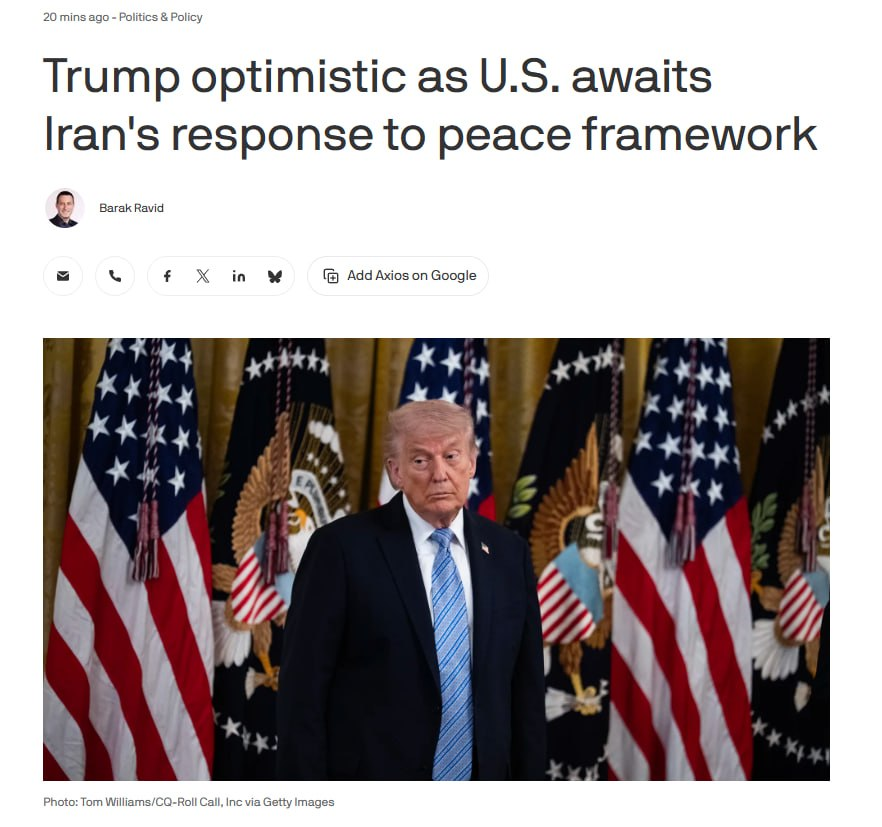
Axios claimed their US official insiders expected a response from Iran to the proposal within 24-48 hours, with one official allegedly saying: “We are not far, but there is no deal yet, while some officials remained sceptical that an agreement would ultimately be reached, but officials claimed the White House was aiming for a diplomatic breakthrough before Trump concluded his trip to China next Friday, so if no agreement is reached by then, Trump could consider military actions, and adding that negotiations were slow because Supreme Leader Mojtaba Khamenei was allegedly in hiding for security reasons.
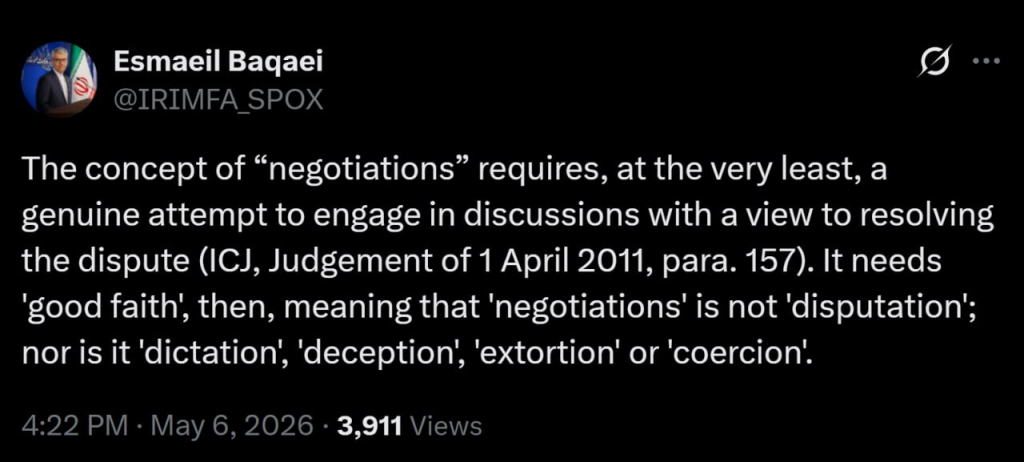
Iranian Foreign Ministry Spokesperson Esmaeil Baghaei posted an excerpt from the International Court of Justice on X, which said negotiations needed to be in good faith, which meant not under dictation, deception, extortion or coercion.
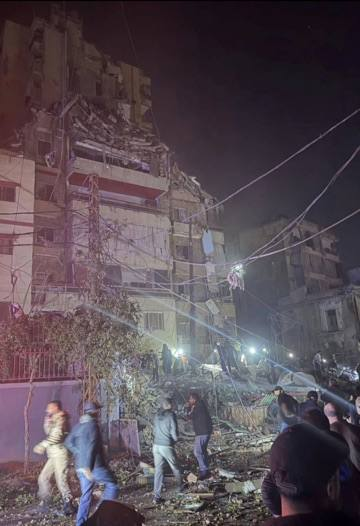
An airstrike in which 3 Israeli bombs fell on an apartment in Dahiyeh, eliminated the Commander of the Radwan Force Malek Balut along with several other militants, which Netanyahu confirmed was in coordination with the USA, threatened to disrupt any peace talks with Iran, after Tehran sent an immediate message to the Pakistan mediators in relation to the Lebonese attack that violated the Israeli ceasefire in Lebanon.
News from Iran:
Supreme Leader Mojtaba Khamenei released instructions for crossing the Strait of Hormuz, stating that ships first needed to send an email to info@PGSA.ir, while the main provisions of the crossing mechanism included priority in payment in Iranian national currency and bank guarantees to be issued through Iranian banks.
Any country that caused damage to Iran during the war must pay compensation before obtaining a transit permit, while countries that imposed sanctions on Iran or froze its assets need not apply, and stated the correct name of the ‘Persian Gulf’ needed to be used in all official documents, adding that any failure to comply would result in the ship being detained and a fine issued equivalent to 20% of the cargo value.
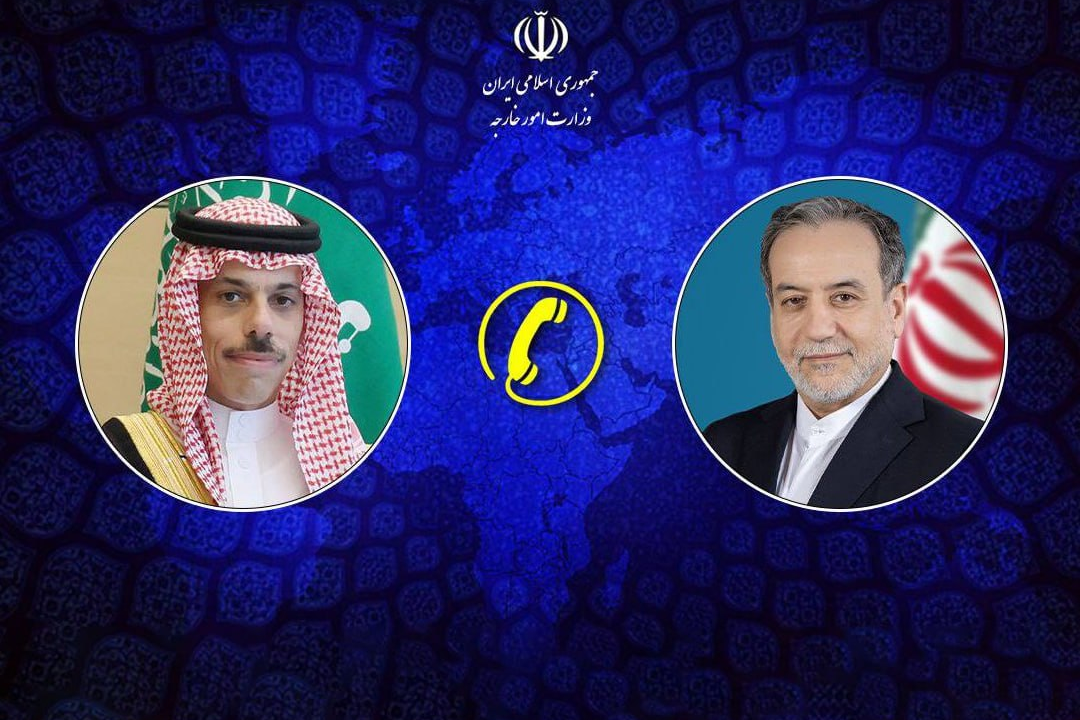
Foreign Minister Abbas Araghchi spoke with Saudi counterpart Faisal bin Farhan by phone on Wednesday afternoon while in Beijing consulting with Chinese officials, in a call where the two sides reviewed the latest regional developments, emphasized the continuation of the path to diplomacy and cooperation among regional countries to prevent the emergence and escalation of tensions, Fars reported.
Secretary of the Human Rights Headquarters Naser Seraj said that attacking hospitals, including Tehran’s Children’s Hospital or Khatam al-Anbiya Hospital, were considered ‘gross violations’ of the Geneva Conventions for war crimes, adding that the physical elimination of a country’s civilian leaders during peacetime, even if designed as the start of a conflict, had no justification under international law and was a clear state-sponsored terrorist act, Irib News reported.
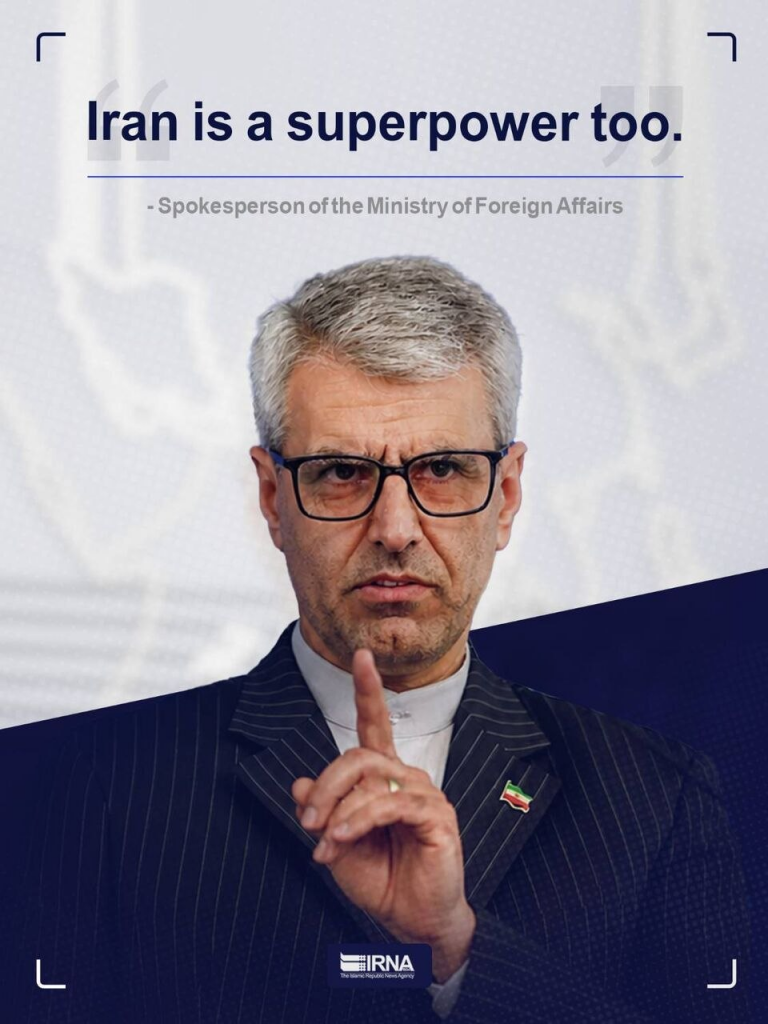
Foreign Ministry Spokesperson Esmaeil Baghaei responded to a question asking that because US were a superpower, did Iran have tools and support and how do you confront it, or why don’t you retreat or back down, to which he replied: “We are a superpower too,” IRNA reported.
The US State Department announcing the end of military operations in Iran and the launch of another military operation under the title ‘Project Freedom’ was a blatant attempt to circumvent the US Constitution, which doesn’t allow the president to wage war without congressional authorisation and only permits limited military operations for a period of 60 days.
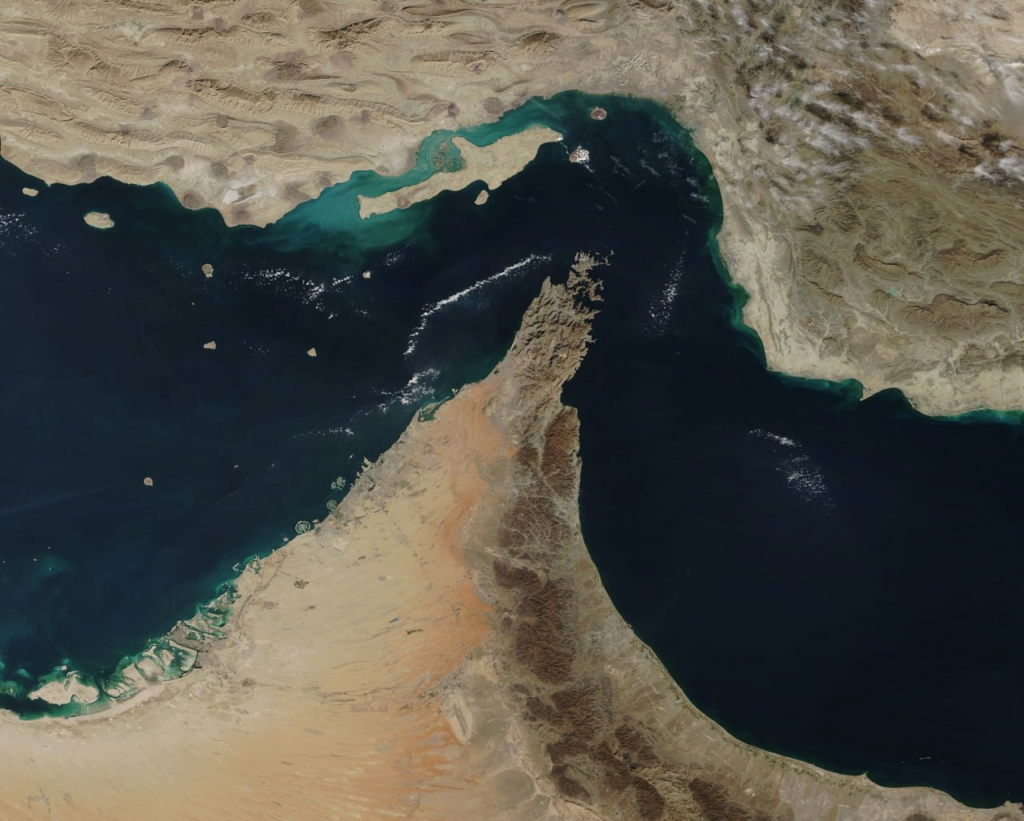
IRGC’s Navy opened the Strait of Hormuz on Wednesday morning announcing that ‘with the end of the aggressors’ threats and in the shadow of new procedures, the possibility of safe and sustainable passage through the Strait of Hormuz will be provided.’
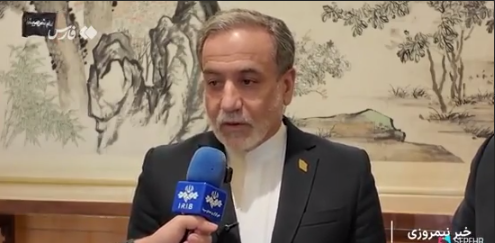
Following the meeting with Chinese Foreign Minister Yi, FM Araghchi said that Iran’s Chinese Friends believed Iran after the war was different before than the war, improving its international status, while proving its capability and power, bringing a new era of cooperation between Iran and other countries in the future, adding that in discussions they reviewed all the current issues including the war, how to end the war, topics related to Iran’s peaceful nuclear program, sanctions, the Strait of Hormuz, and the ongoing negotiations.
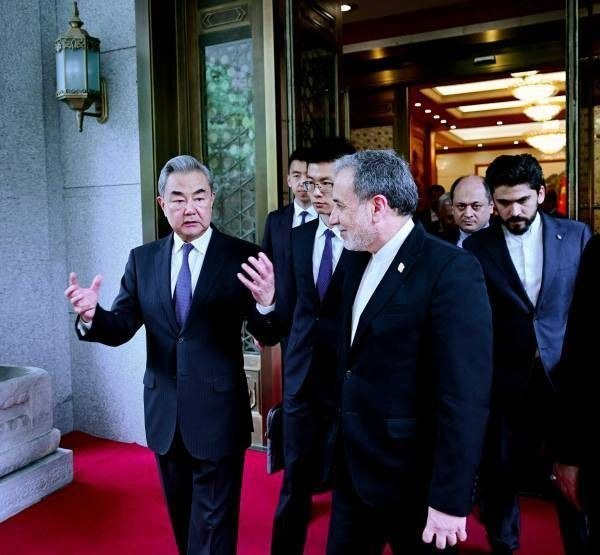
China’s Ministry of Foreign Affairs responded saying that China had been actively promoting peace talks, believing that a comprehensive ceasefire should be immediate so there is no restart to the war, while China supports the Iranian side to uphold national security and sovereignty, adding that the international community had a mutual concern regarding the normal passage in the Strait of Hormuz, and hoped relevant parties responded to the strong calls of the international community.
The Iranian Mission to the UN described on X that the US-backed UN Security Resolution to restore the freedom of navigation in the Strait of Hormuz was flawed and politically motivated, adding that Iran listed a permanent end to the war, lifting the maritime blockade and the restoration of normal passage as the only viable solution to restoring freedom of navigation in the Strait.
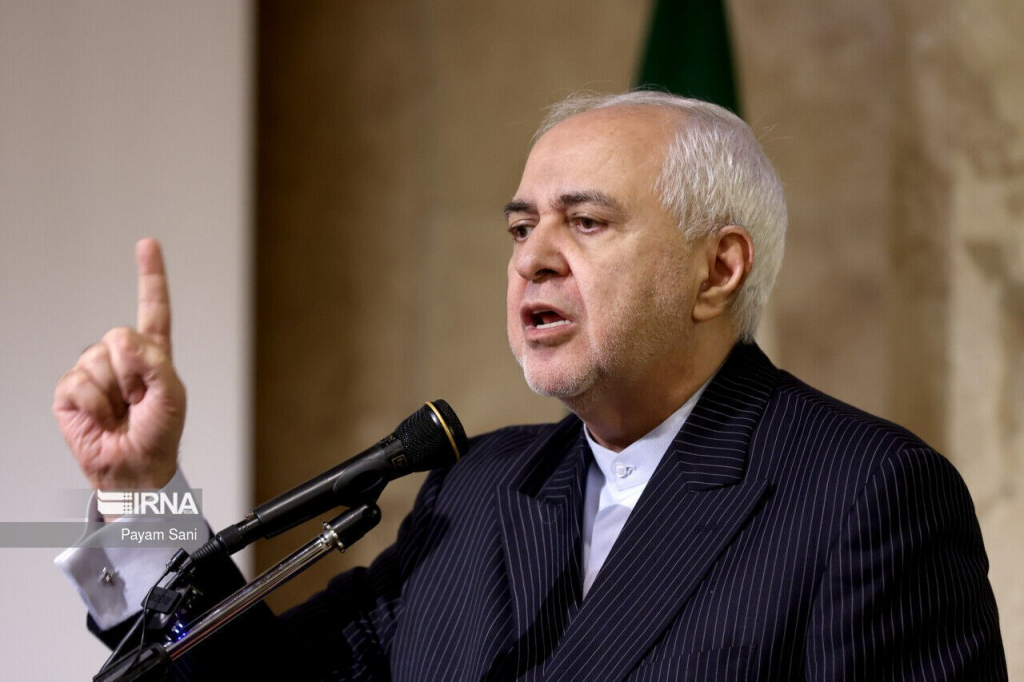
Former Iranian Foreign Minister Javed Zarif slammed President Trump’s administration about their silence over Israel’s nuclear weapons arsenal, which he called the ‘gravest threat to peace in the Middle East and the world,” as he referred to a recent Washington Post article titled ‘Some Democrats press Trump to break silence on Israel’s nuclear arsenal.’
Zarif wrote on X that Israel’s nuclear weapons had always been the gravest threat to peace in the Middle East: “It’s taken too long – better late than never – for US politicians to wake up to the hypocrisy of their government,” he said, reiterating: “Israel’s nuclear weapons have always been the greatest threat to peace in Middle East and the world, emboldening this genocidal regime to attack near and far, with US complicity.’
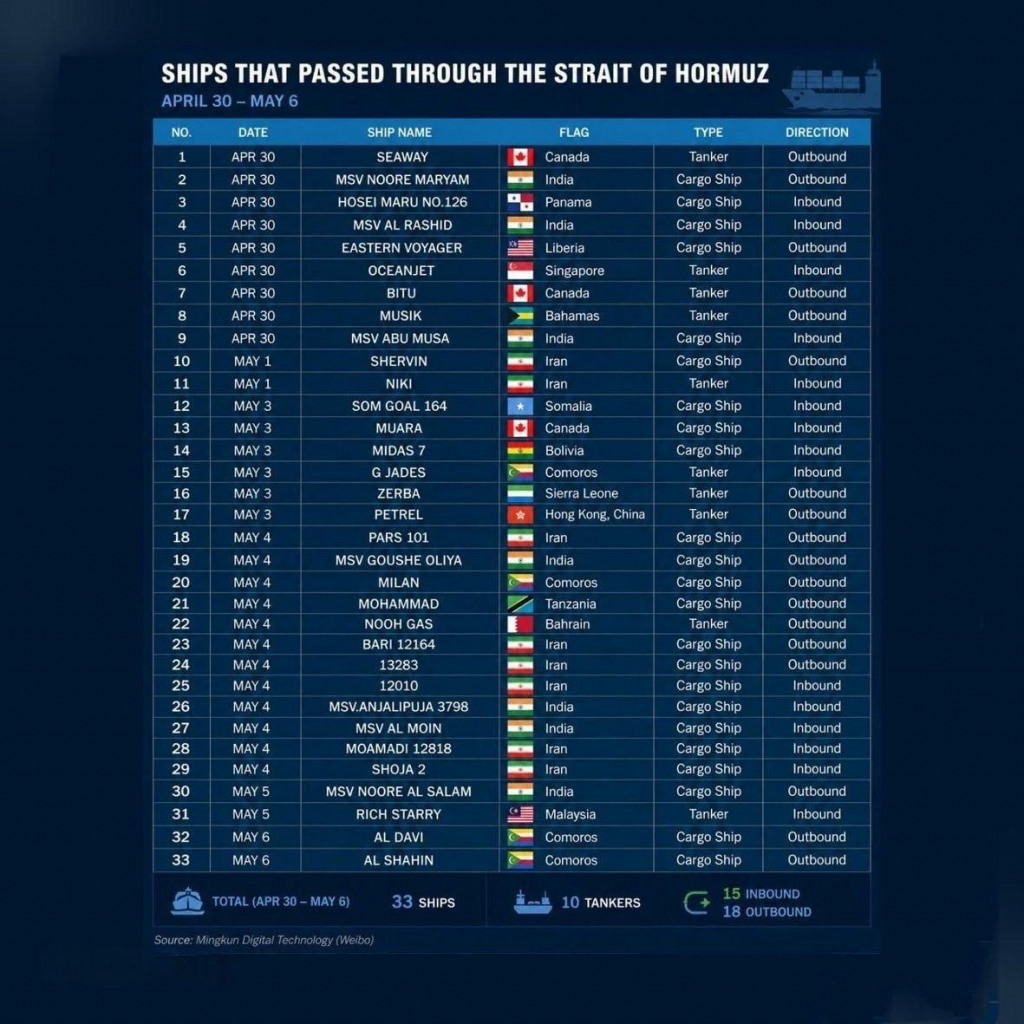
Press TV reported that satellite data showed 33 ships had passed through the Strait of Hormuz over the previous week, while despite the US blockade, 13 Iranian vessels also safely passed through the Strait.
French President Emmanuel Macron called President Masoud Pezeshkian stressing that the return of calm to the Strait of Hormuz could help advance negotiations on both the nuclear issue and other regional matters.

Hacking group Handala recently issued a statement mocking western intelligence and taunting FBI Director Kash Patel following their high-profile breach of his personal communications, claiming that despite 40 days of intensified scrutiny, they remained ‘stronger than before.’
“40 days have passed and we all are still alive and stronger than before.. By the way, is Kash Patel Good? It would be better if, instead of searching for us, you went after the leaders of Esptein’s pedophile network. You should be addressing the security disaster at the White House, where it seems like every day someone can just walk in unchecked,” they said on X.
Handala added that all their members were ready to proudly reveal their identities, because they doubted that even Patel had the capability to find them, and were awaiting an email from the FBI so they could provide their names directly, which came after the USA issued a reward of up to $10 million for names of a number of hacking groups.
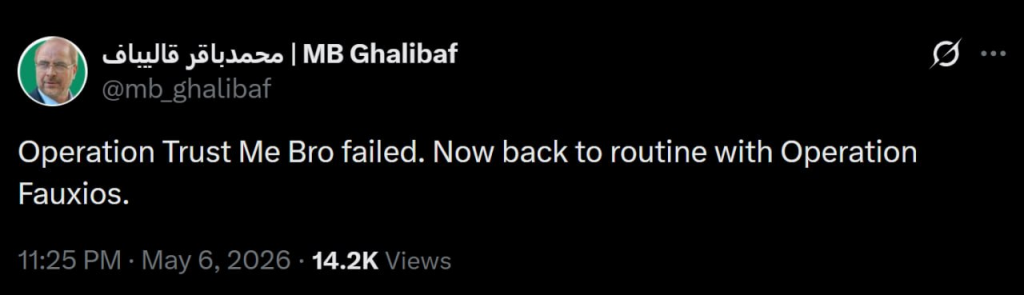
Parliament Speaker Mohammed Bagher Ghalibaf took to X to mock the Trump administration: “Operation Trust Me Bro failed,” he wrote: “Now back to routine with Operation Fauxious.”
News from the USA:
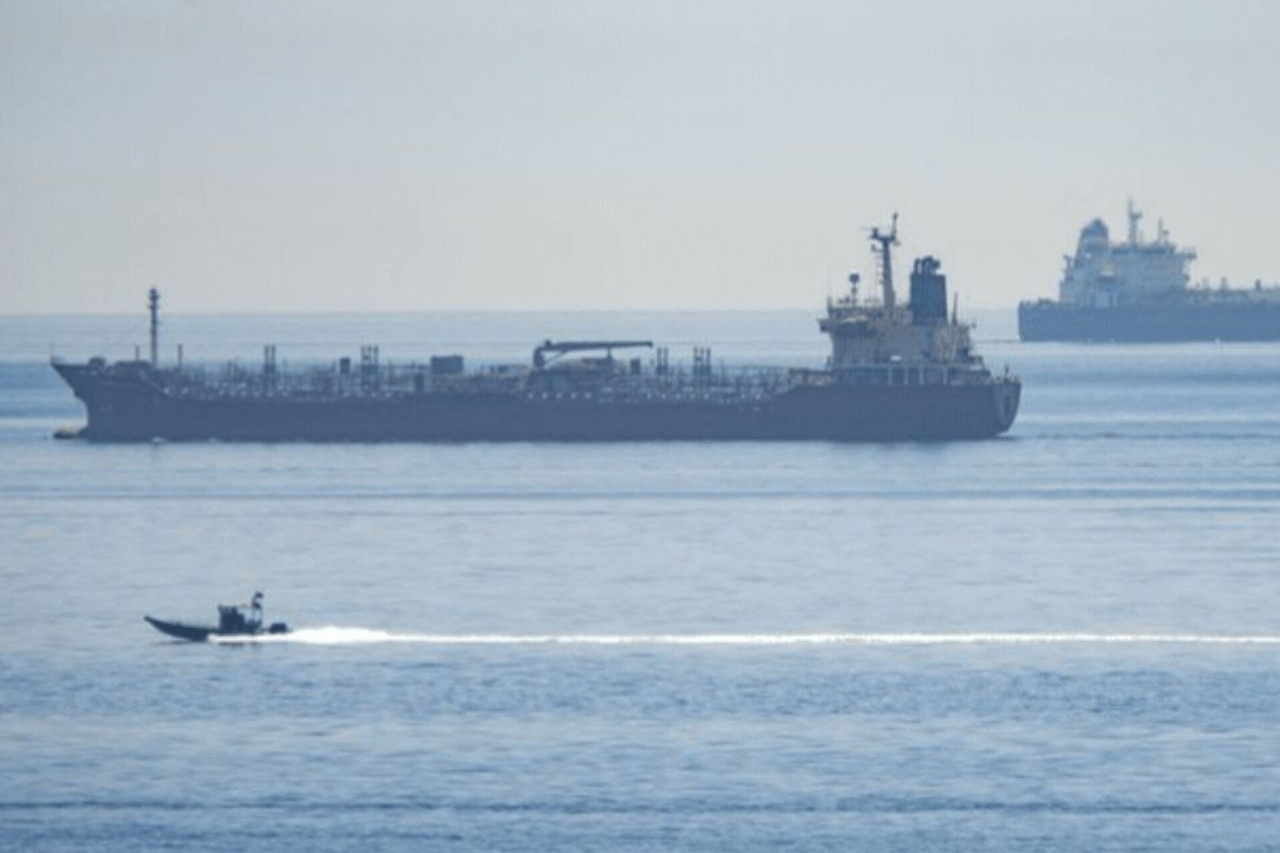
Iran was effectively controlling and bringing traffic in the Strait of Hormuz to a halt on Tuesday which led to President Trump’s suspension of a plan that failed to make any progress, Fars News reported, stating that the US announced two flags flying the American flag had left Hormuz, while Maersk released a statement saying that one of the ships was theirs and the US military had contacted them suggesting they leave the Persian Gulf, however, informed sources allegedly told Bloomberg that these two ships had been struck on the route proposed by the US in a tight corridor through the southern Strait of Hormuz, having neither a way forward or back from their positions.
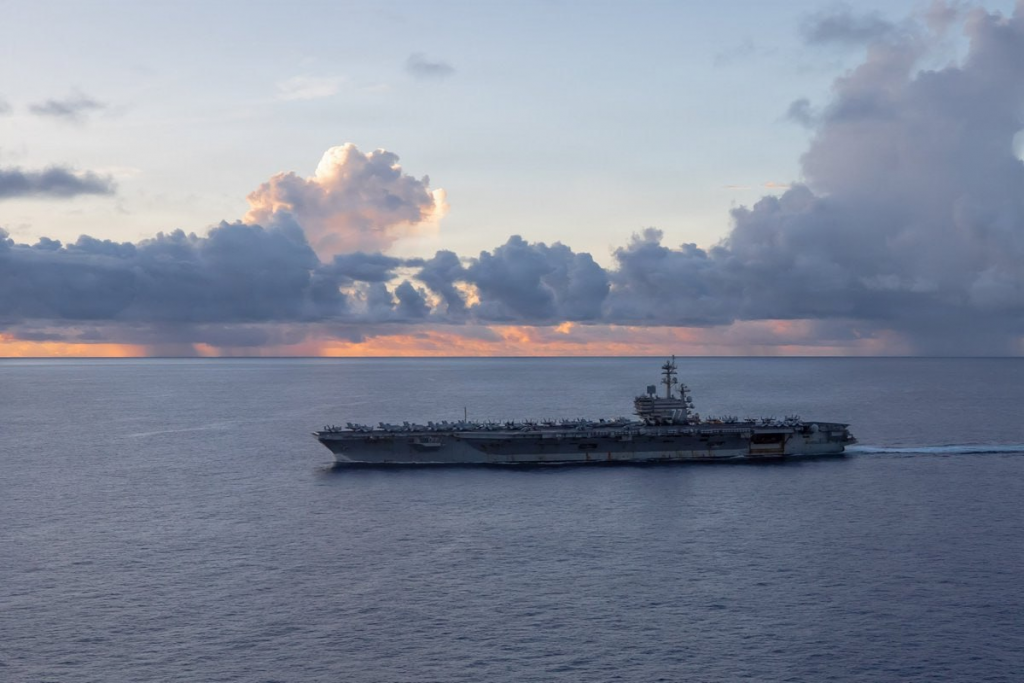
Central Command confirmed on Wednesday they had now turned around 52 Iranian commercial vessels which had approached the US Navy began the blockade.
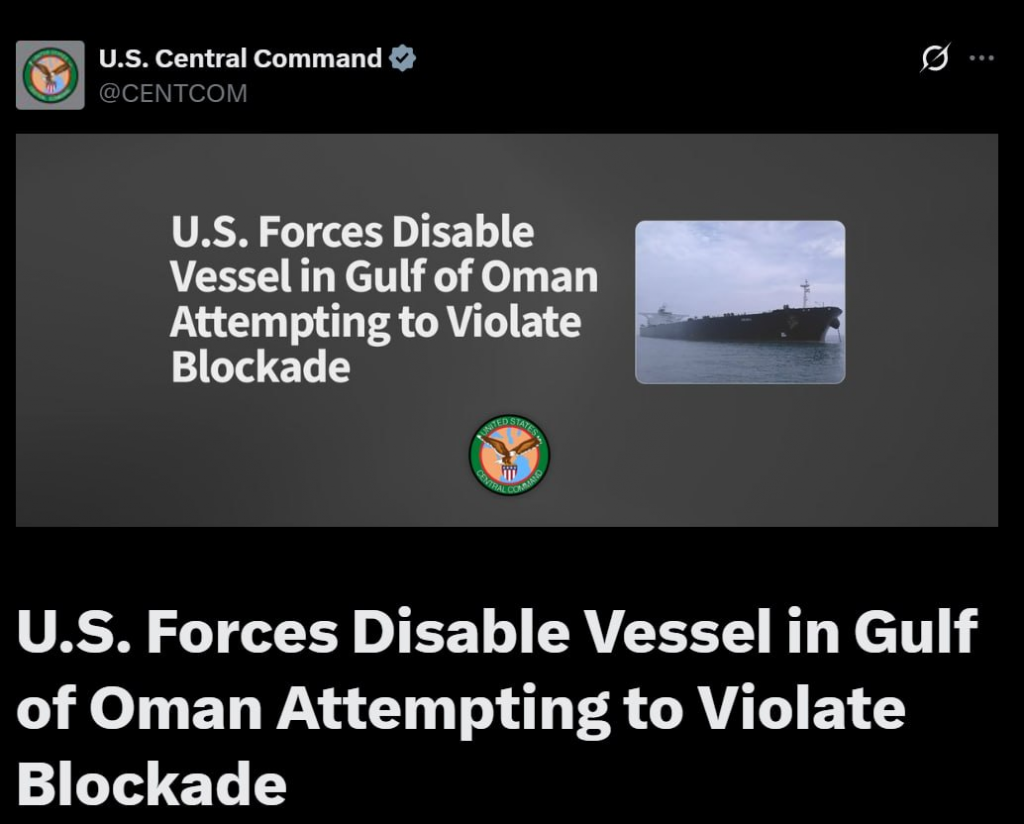
Meanwhile, the US forces in the Gulf of Oman stopped an Iranian-flagged tanker attempting to violate the US blockade on May 6, reported Centcom, stating that forces observed M/T Hasna as it transited international waters enroute to an Iranian port in the Gulf of Oman, at which point American forces issued multiple warnings and informed the vessel it was in violation of the blockade.
After Hasna’s crew failed to comply with repeated warnings, the US forces disabled the tanker’s rudder by firing several rounds from the 20mm cannon gun of a US Navy F/A18 Super Hornet launched from the USS Abraham Lincoln, and Hasna is no longer transiting to Iran.
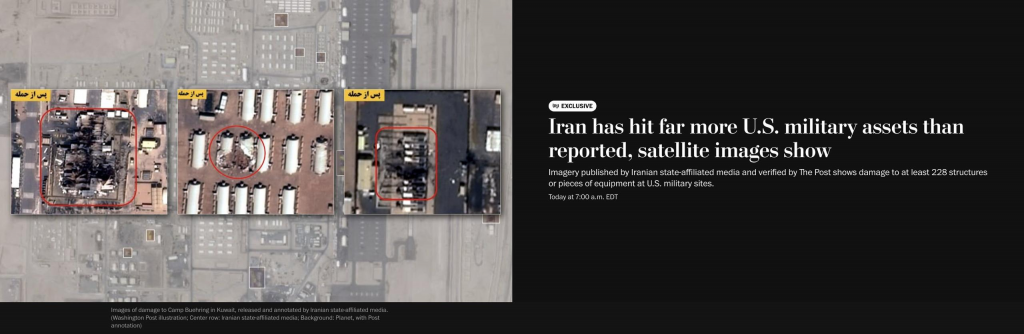
Iran damaged or destroyed at least 228 structures and pieces of equipment across 15 US military sites in the Middle East since the war began on February 28, far more than the US acknowledged, reported the Washington Post, claiming that strikes hit barracks, hangars, fuel depots, Patriot and THAAD systems, and even an E-3 Sentry aircraft.
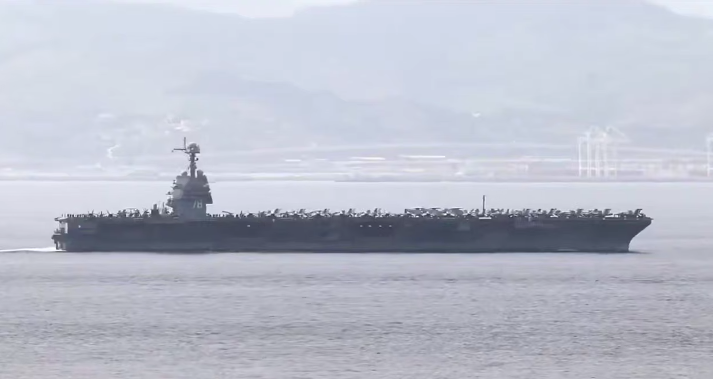
The USS Gerald R Ford headed west through the Strait of Gibraltar on Wednesday as it headed home after a long deployment of 316 days since the aircraft carrier left the US.
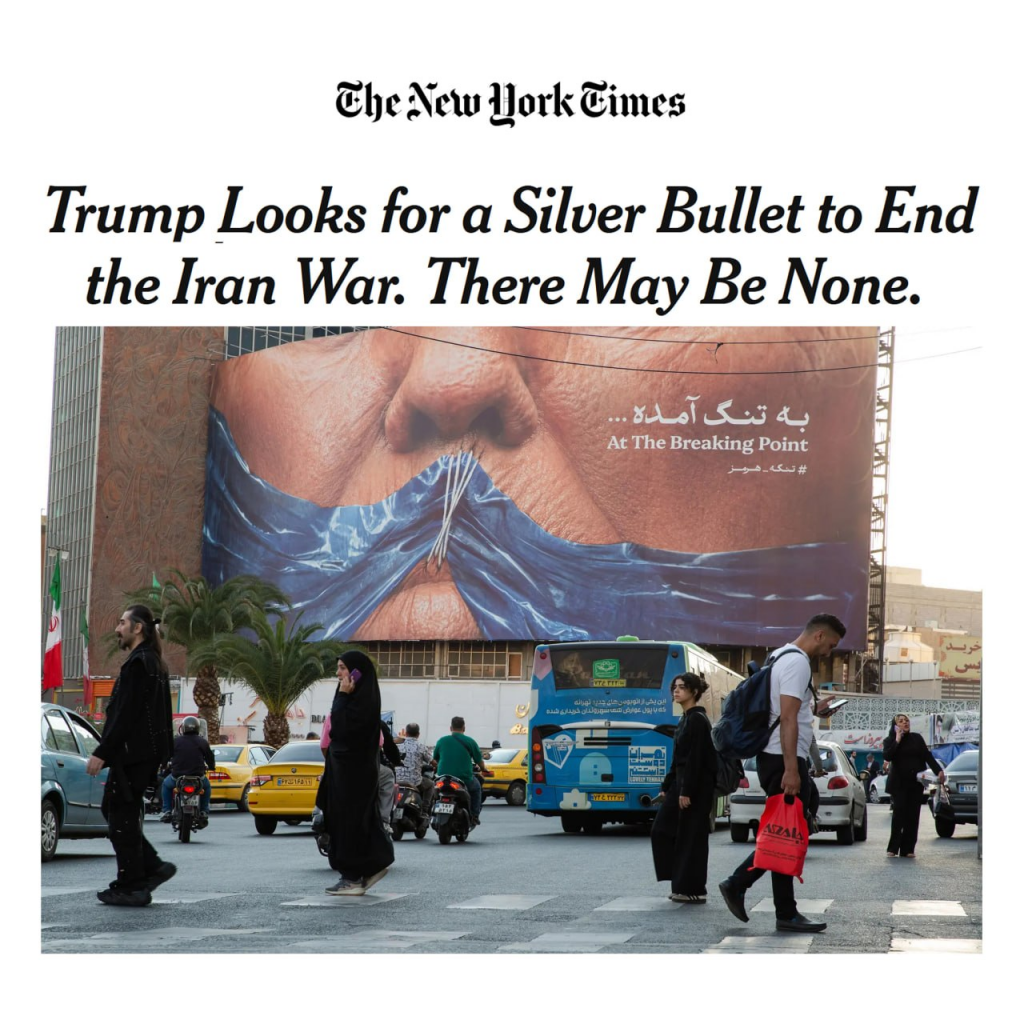
President Trump was looking for a magical exit from the conflict with Iran after previous efforts had failed, according to the New York Times, noting Trump was attempting to increase economic pressure, but it was unlikely the Iranian government would agree to a deal without a major concession and preserving its dignity.
Analysts believed Trump thought Iran’s surrender due to these tactics was deeply mistaken, as Tehran believed its tolerance for economic pressure exceeded Trump’s tolerance regarding rising energy prices, leading to a stalemate that was never going to last long, because although blockade and sanctions harmed the economy, Iran had sown it can resist pressures by using old oil tankers or land routes without collapsing its infrastructure.
When President Trump spoke to reporters in the Oval Office, a reporter said: “You are facing an opponent in Iran that has refused to submit,” to which Trump replied: “Why do you say they refuse to submit? You don’t know what’s going on.” The reporter hit back that Iran fired at US ships a few days ago, and the President responded: “A few days ago is a long time ago in the world of war – they want to make a deal badly.”
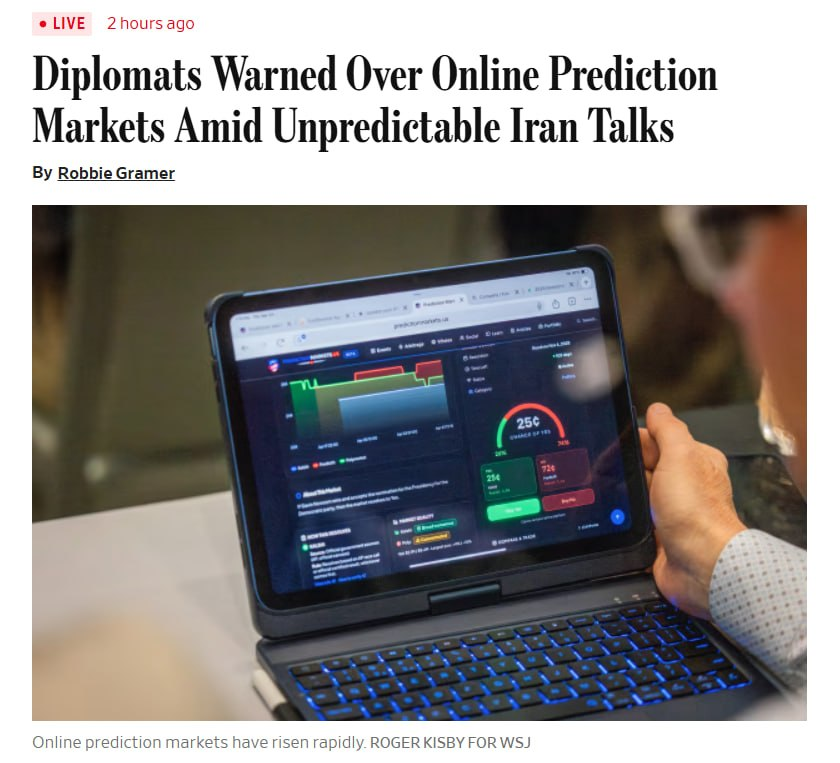
US diplomats have been warned by the State Department not to use confidential government information for betting on prediction markets such as Polymarket or Kalshi, amid growing wagers tied to the US-Iranian negotiations, according to WSJ, claiming an internal memo stated: “All employees are reminded that the misuse of non-public information by Department employees for financial benefit is a very serious offence and will not be tolerated.”
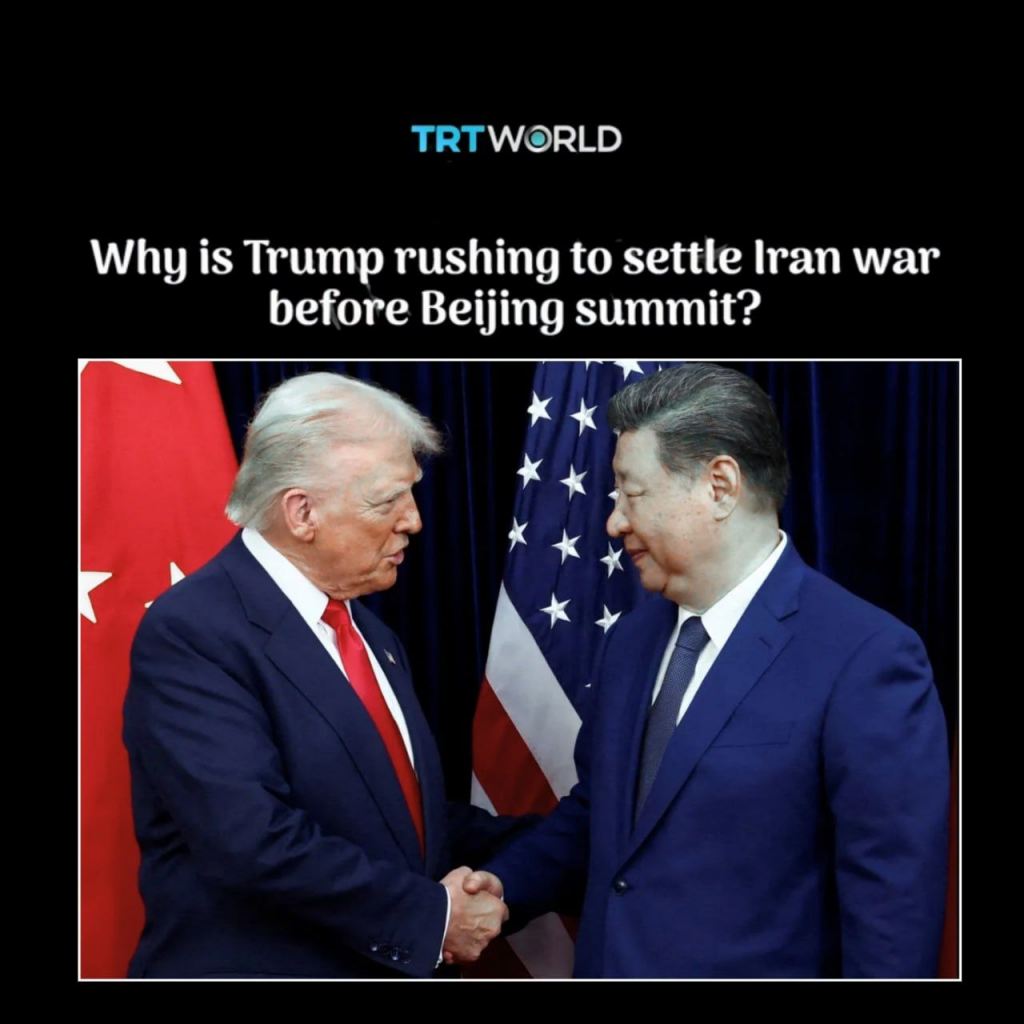
TRT echoed the NYT’s report that President Trump was in a hurry to end the conflict, however, they claim it was so the conflict was over before Trump’s trip to China, claimed analysts, which could help ensure maximum leverage for the US in negotiations with China, adding that Trump wanted to prove before arriving in Beijing that he had managed the Iran crisis so he could negotiate with the Chinese on trade and technology issues from an aggressive position.
News from Israel:
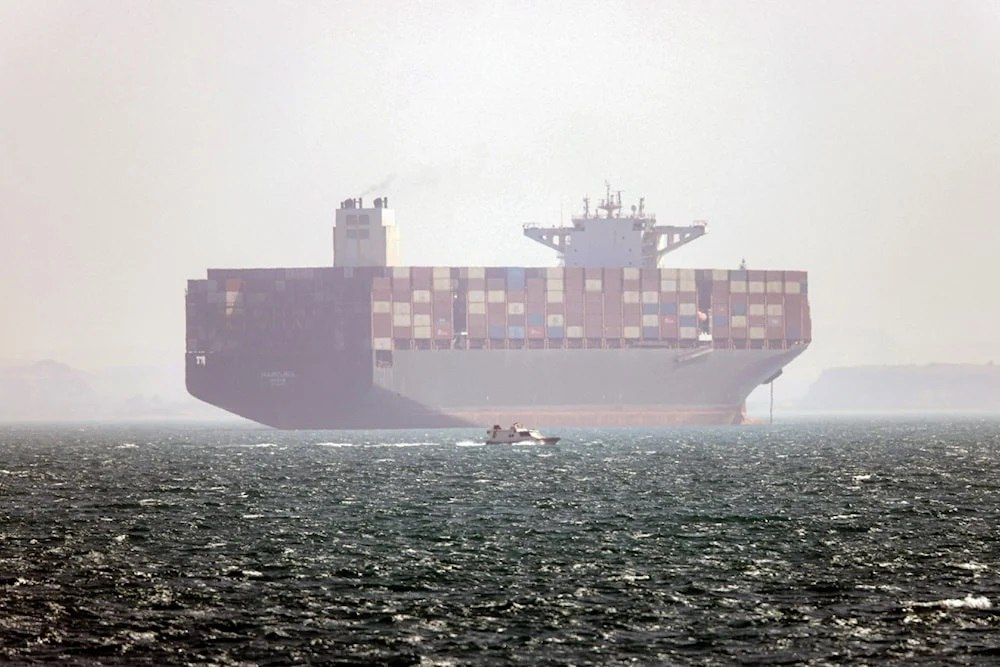
Israeli officials said that ships were refusing to cross the Strait of Hormuz despite the Americans attempts to persuade them to do so, as senior officials of the Israeli Army also stated that ship captains confirmed they had spoken about the US Central Command’s lack of ability to protect ships when moving.
Channel 12 quoted senior Israeli military officials who described President Trump’s decision to suspend the operation ‘a dramatic decision amid a fragile and deteriorating situation,’ and that ‘practically, the Americans do not have the ability to protect the ships passing through the Strait of Hormuz.’
Senior officials also told N12 and Axios that the US didn’t surprise them, PM Netanyahu was in constant contact with President Trump and that they spoke almost directly, while there was also direct communication between the PM’s team and the Trump administration.
“It was made clear to us from these conversations that President Trump is firm about his red lines, foremost among them to remove the nuclear material,” N12 wrote, adding: “The Prime Minister instructed the IDF to be prepared for any scenario, including a return to fighting if necessary.”
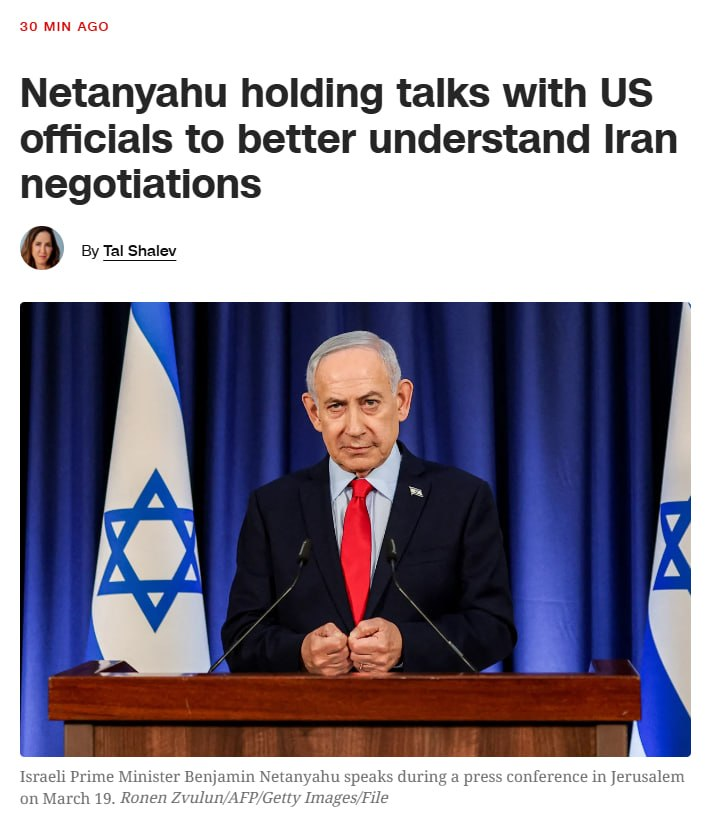
CNN confirmed that Prime Minister Benjamin Netanyahu was holding regular talks with the Trump administration officials to better understand the latest developments between the US and Iran, according to an Israeli Official, who said Israel was concerned about possible last-minute US concessions aimed at securing a deal.
Netanyahu was particularly sceptical regarding sanctions relief for Iran, while also pushing for limits on Iran’s proxy network and ballistic missile program, as well as seeking assurances that any agreement would preserve Israel’s military freedom of action in the region, CNN added.
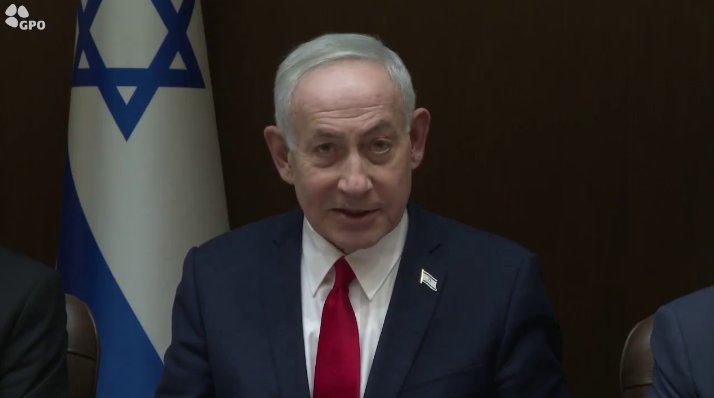
PM Netanyahu later said in a press conference that he spoke with President Trump almost daily, there was full coordination, without surprises, because they shared common goals, the most important of which is to remove the enriched material from Iran and dismantle Iran’s enrichment capabilities.
“President Trump believes he can achieve this one way or another, but we are prepared for every scenario, and this is my directive also to the IDF and our security agents,” he said, adding that: “Israel is stronger than ever, Iran and its proxies are weaker than ever.”
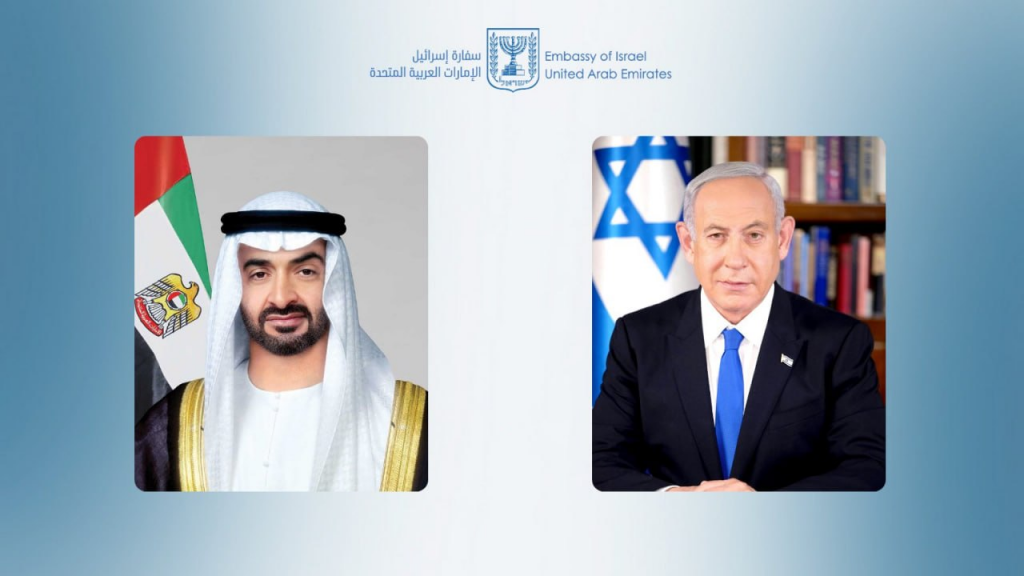
Israel’s Foreign Ministry said that PM Netanyahu and UAE President, His Highness Sheikh Mohamed bin Zayed Al Nahyan, held a call where Netanyahu expressed Israel’s firm condemnation of the Iranian attacks targeting civilian infrastructure in the UAE, describing them as a grave violation of sovereignty and a threat to regional stability, while the Israeli MFA claimed Netanyahu reaffirmed Israel’s unwavering solidarity with the UAE and its full support for all measures taken to safeguard the nation’s security and the safety of citizens.
Following an unprovoked attack on the location of the Radwan Commander and other militants in Beirut, the Home Front Command issued additional security measures for northern Israel, anticipating retaliatory strikes, which came 24-hours after HFC had issued extra alert notices for 41 communities in the north.
Israel released a joint statement about the attack: “With the approval of Prime Minister Netanyahu and Defence Minister Katz, the Israeli army launched an attack on the commander of Hezbollah’s Radwan Force in Beirut with the aim of thwarting his plans,” they said, stating that the terrorists, led by Radwan, were responsible for bombing Israeli settlements and harming Israeli soldiers: “We have promised security for the residents of the north, and this is our way,” they concluded.
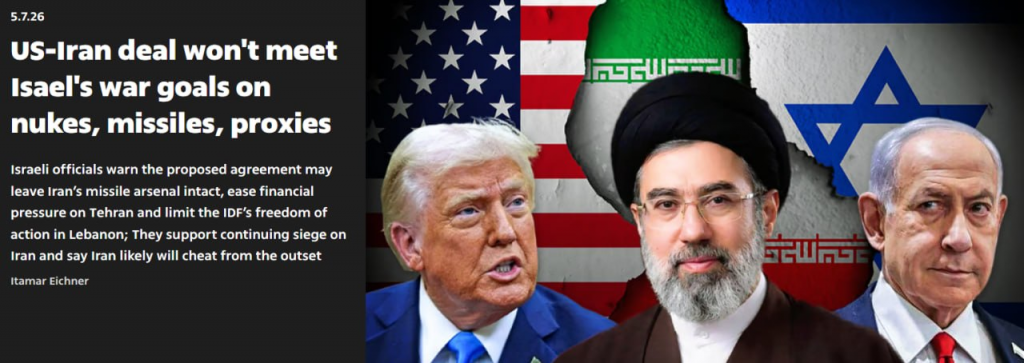
Officials from Israel told Ynet the potential agreement would fail to meet Israel’s war objectives regarding Iran’s nuclear program, ballistic missiles, and regional proxy network, because officials feared the deal would leave Iran’s missile arsenal largely untouched, release billions of dollars back to Tehran, and restrict the IDF’s operational freedom in Lebanon, with some warning the Israeli military could become ‘handcuffed and paralyzed.’
Israel was also disappointed that the restrictions on uranium enrichment would last around 15 years, with an official comparing the proposal to the Obama-era nuclear deal and questioning how it would prevent Iran from eventually resuming its path toward nuclear weapons, as another official described the emerging deal as ‘terrible for Israel,’ claiming Iran would likely violate it from the beginning.
Other News:
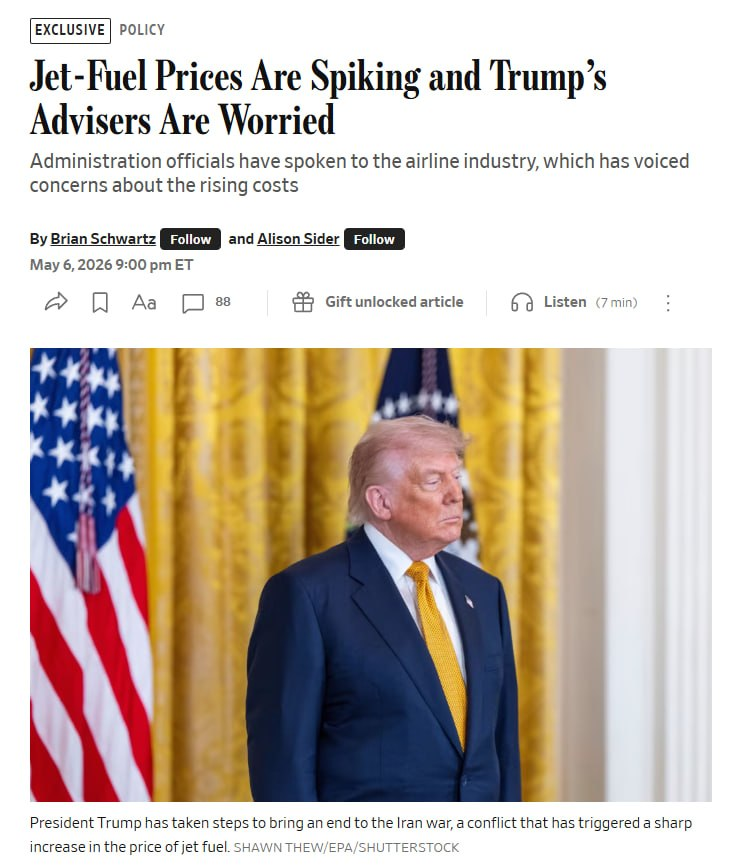
Trump advisers were increasingly concerned that rising fuel prices could hurt Republicans politically ahead of the November midterm elections, with many pushing for an end to the war in hopes prices will ease, according to the WSJ, adding that the war against Iran had driven up oil, gasoline, and jet-fuel costs, contributing to higher airfares and broader economic concerns for the administration.
Airlines worldwide are raising ticket prices and cutting millions of seats as soaring jet fuel costs linked to the Iran war continue to impact the aviation sector, reported Al Jazeera, claiming around 13,000 flights and nearly 2 million seats have reportedly been removed from schedules since May alone, with carriers such as Lufthansa and Turkish Airlines among those affected.
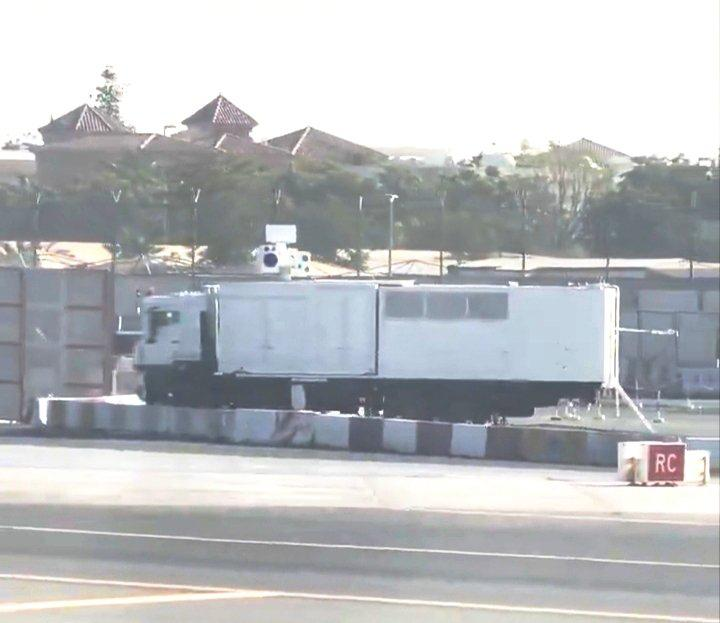
Bahrain appear to have a Chinese Guangilan-21A truck-mounted hard-kill laser counter drone-system installed near Dubai International Airport, according to several reports on Wednesday, claiming it was likely deployed to defend against potential Iranian drone strikes.
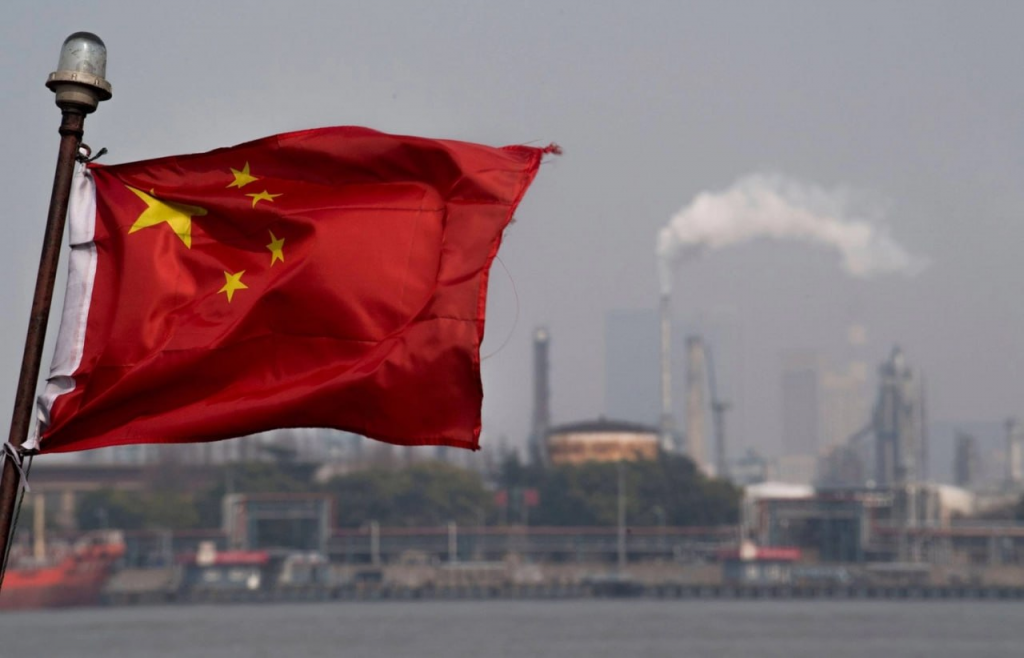
China’s financial regulator has instructed major banks to temporarily halt new loans to several refiners sanctioned by the US over their ties to Iranian oil, reported Bloomberg, noting the guidance affected companies including Hengli Petrochemical’s Dalian refinery, with banks told to review their exposure and avoid issuing new yuan-denominated credit while maintaining existing loans, in a move that contrasts with a notice from China’s Ministry of Commerce, that instructed companies to disregard US sanctions.
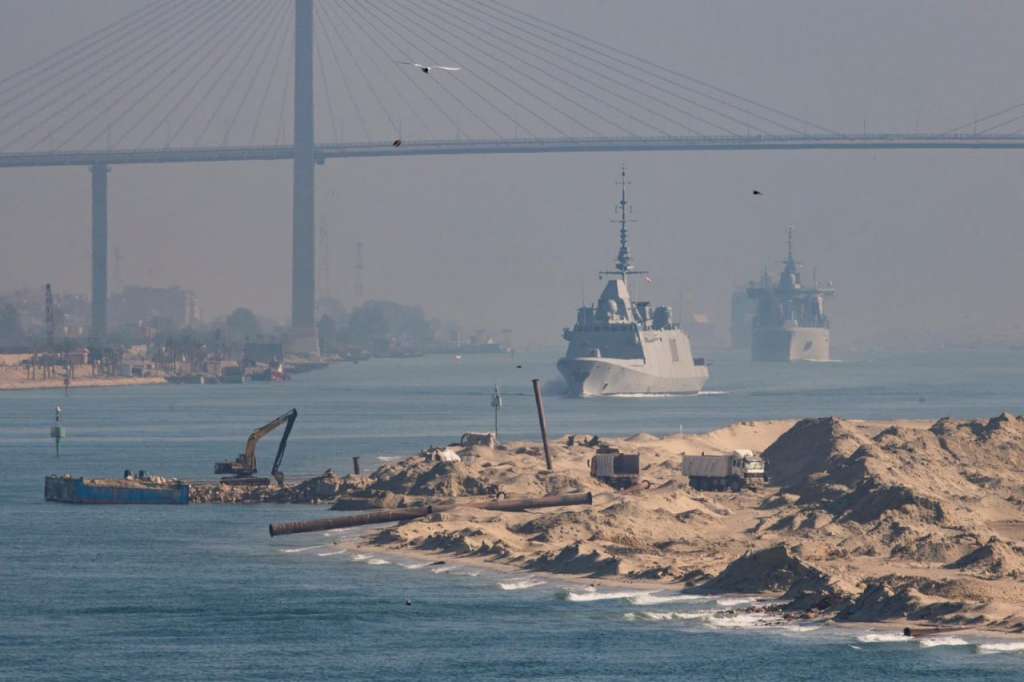
France’s only aircraft carrier the FS Charles de Gaulle has transited the Suez Canal and was heading towards the Red Sea, as the French Ministry of Defence said the carrier group would be deployed to the Red Sea and the Gulf of Aden ahead of a possible freedom of navigation operation in the Strait of Hormuz.
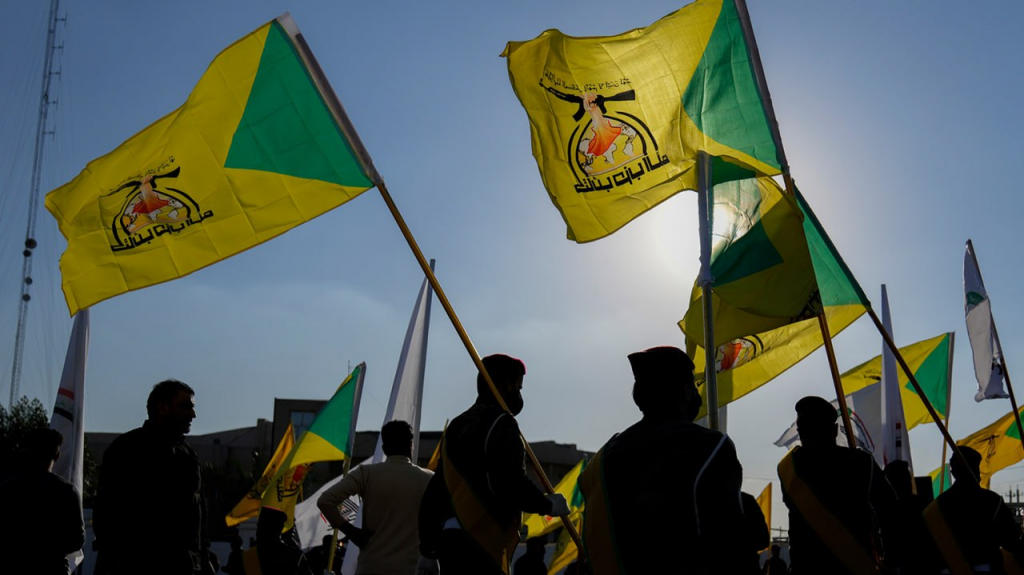
US facilities in Iraq faced more than 600 attacks since the outbreak of the war on February 28, according to CBS News, citing a senior US official, stating the attacks had ceased since the fragile ceasefire began on April 8, aside from Iranian strikes on Iraqi Kurdistan.
Iraqi Joint Operations Command said on Wednesday: “The heroic air force carried out two successful airstrikes in the Kirkuk-Hamrin mountains area, which resulted in the neutralization and destruction of two compounds used by terrorists for hiding and resupplying, and the elimination of three terrorists who were inside them.”
The US are demanding ‘concrete actions’ from Iraq’s incoming leadership to reduce the influence of pro-Iranian armed groups before restoring financial transfers and security assistance, a senior US official told CBS News, adding that the US said resumed support would depend on steps such as removing militias from state institutions, ending budget support, and halting salary payments to militia fighters.
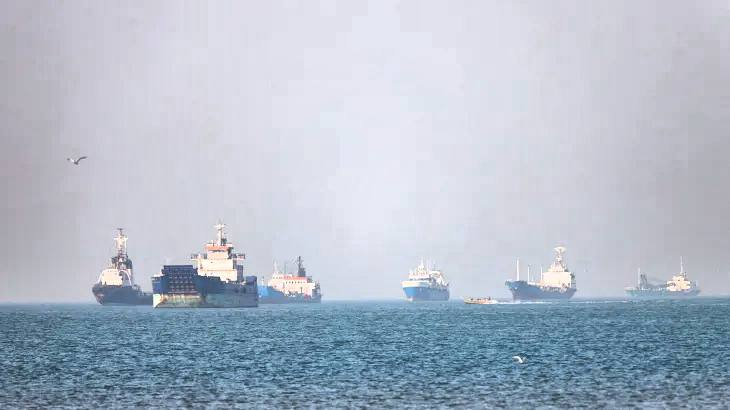
Saudi Arabia were warned by the Houthis that the fees for visiting the holy site of the Kaaba will result in a tariff increase for the Saudis on the Strait of Hormuz and attacks by the Houthis on their fleet.
The Saudi government posted a 33-and-a-half billion dollar budget deficit in the first quarter of 2026 amid declining oil revenues and rising government spending linked to regional instability, as oil revenues reportedly fell around 3% year-on-year, while military and government spending sharply increased, and the figures marked Saudi Arabia’s largest quarterly deficit since 2018, despite continued efforts under Vision 2030 to diversify the economy away from oil dependence, Al Jazeera reported.
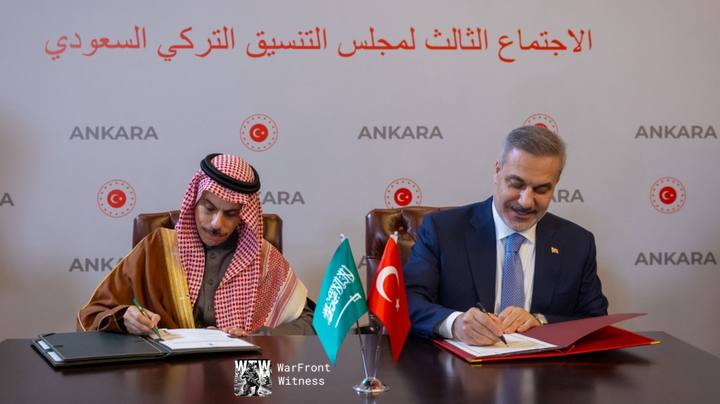
Turkish Foreign Minister Hakan Fidan received Saudi Foreign Minister Faisal bin Farhan in Ankara to participate in the Saudi-Turkish Coordination Council, reported Al Arabiya, stating that the meetings focused on bilateral cooperation and regional developments, with Turkey and Saudi Arabia also signing a visa exemption agreement for diplomatic and special passport holders, which reflects continued efforts by Ankara and Riyadh to deepen coordination on political, economic, and regional security issues amid ongoing tensions across the Middle East.
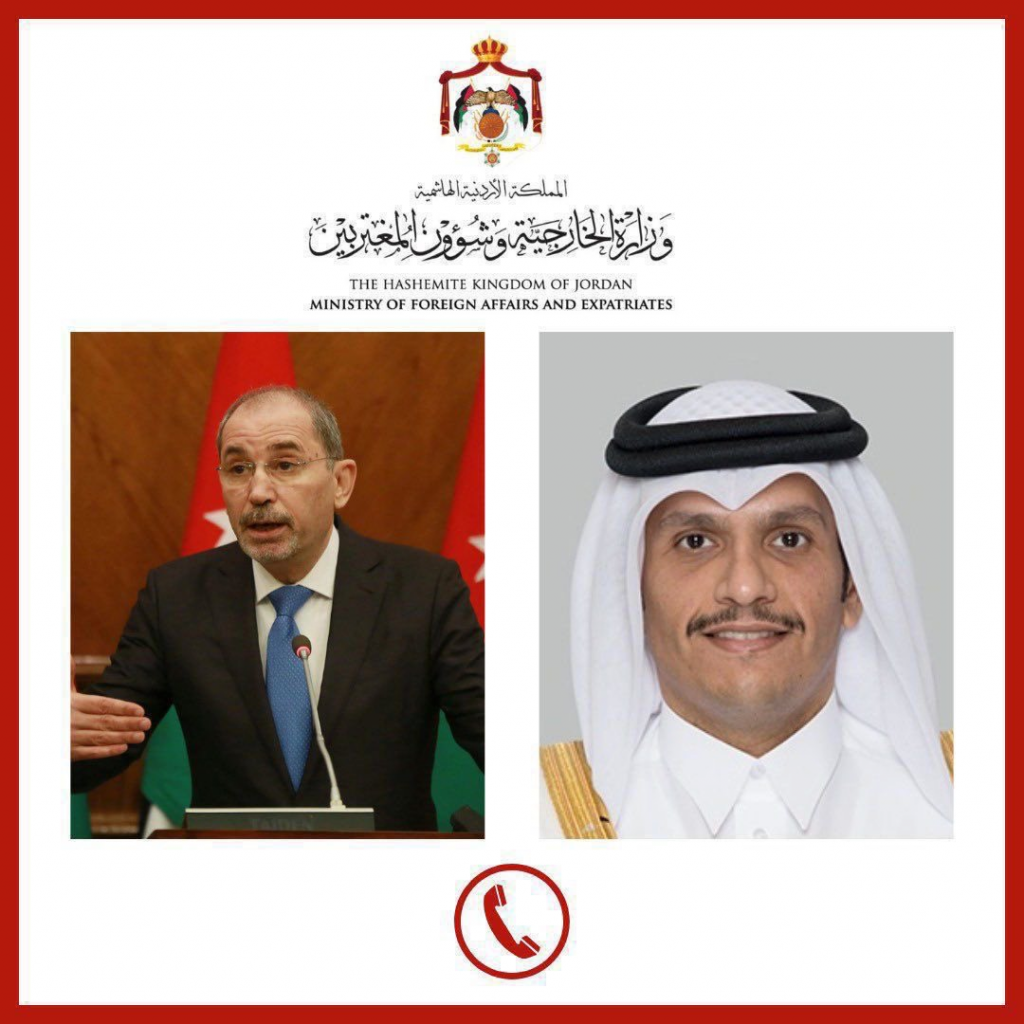
Deputy Prime Minister of Joran and Minister of Foreign Affairs, Mr Fuad Hussein, held telephone calls on Wednesday with his Qatari counterpart His Highness Mohammed bin Abdulrahman bin Jassim Al Thani, as well as Turkish FM Hakan Fidan, discussing bilateral relations and prospects of ending the escalation in the region.