 AJ
AJ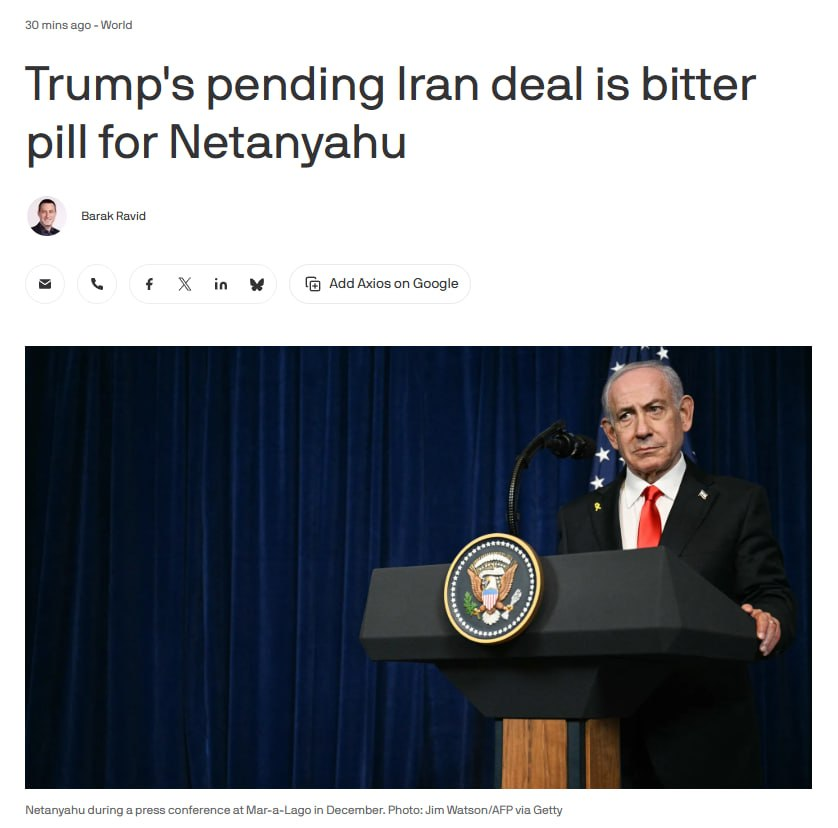
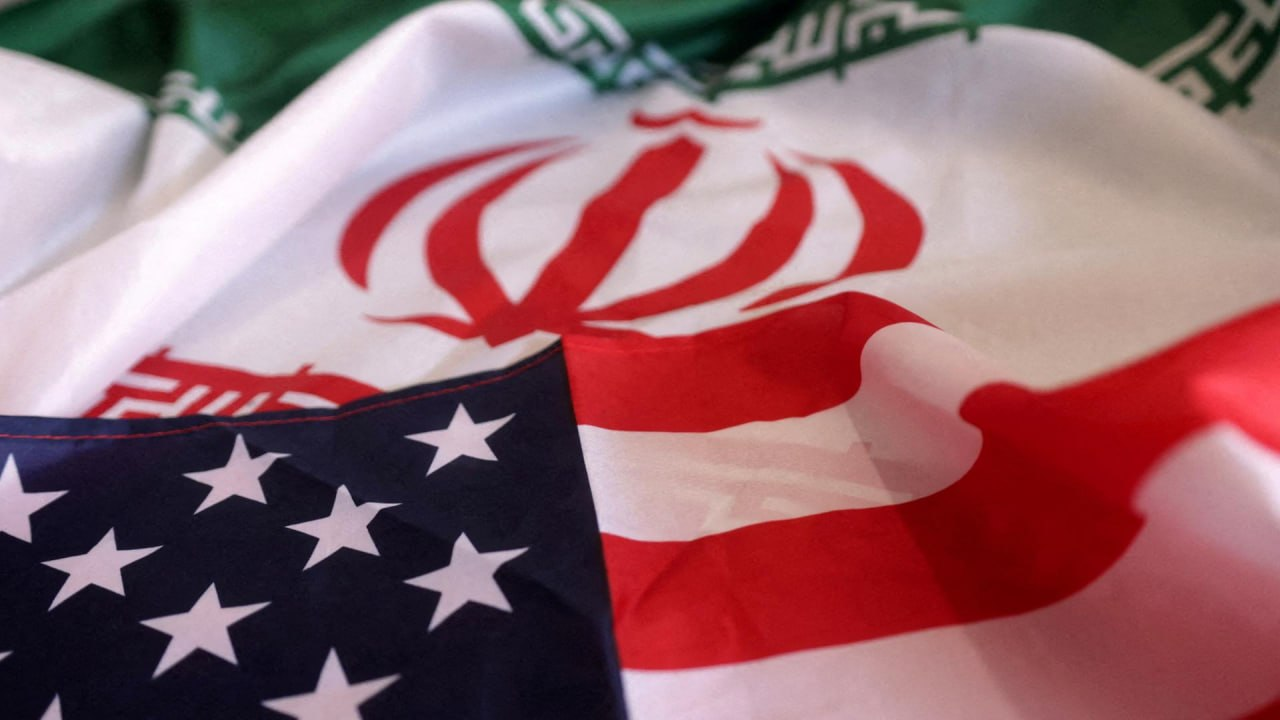
⚡️ Israeli Prime Minister Benjamin Netanyahu was told by US President Donald Trump during a call on Thursday night to expect a deal with Iran in the coming days, saying ‘it’s time to end the war,’ a senior official told Axios.
🔹 Netanyahu had hoped the conflict would result in regime change in Tehran, but now faces severe criticism and opposition from political rivals who are accusing him of allowing Israel to become too soft, claiming Netanyahu was becoming too dependent by accepting Trump’s path to peace.
🔹 The Israeli PM acknowledged he was unable to prevent the agreement moving forward and didn’t challenge Trump during the call, instead saying he trusted the US President to ensure the final deal addressed the shared concerns over Iran’s nuclear program at the very least.
🔹 Despite avoiding publicly criticising President Trump, Israeli officials remain privately sceptical, fearing Iran could prolong the negotiations without making meaningful concessions, while concerns mounted over a ceasefire that could cover Lebanon, restricting Israel’s current operational freedom against Hezbollah, and require US approval for any future strikes.
🔹 The White House remained confident Israel would ultimately support the agreement, arguing that Iran must first fulfil its commitments before receiving any benefits under the deal.
Left Behind
⚡️ Having entered the campaign with the US, Israel assessed they were being left behind, due to the claims that President Trump was moving forward with a deal that could bypass some of Israel’s objections, according to N12.
🔹 Israeli assessments said the emerging US position sifted from zero enrichment and strict rollback demands toward uranium dilution inside Iran, alongside omission or softening of earlier ballistic missile constraints.
🔹 The report said that officials were interpreting the changes in the US position as a reduced bargaining position, raising concerns that Netanyahu could face a finalised agreement without leverage comparable to previous nuclear negotiation phases: “The big fear is that Trump will do to us what Obama did,” sources close to Netanyahu claimed.
🔹 According to the report, Israel views Iran as strengthened post-conflict, potentially benefiting from an agreement structure, possible releases of funds, and expanded strategic leverage via regional pressure points including the Strait of Hormuz.
🔹 The report described an Iranian-linked deterrence equation in which any strike on the southern Beirut districts, including Dahieh, would be treated as the same as strikes on Nabatieh or Tyre, automatically constituting a ceasefire violation and justifying an Iranian retaliation.
🔹 Israel are attempting to carve out an explicit exception for ‘its right to self-defence,’ along with its rights to ‘attack if there is an imminent threat.’