 AJ
AJ
Review of the US/Israel Iran war ceasefire recap from the tenth day, which included the ongoing blockade in the Strait of Hormuz by the US and the end of the blockade by Iran, official discussions between representatives ahead of future talks in Islamabad, President Donald Trump ranting on Truth Social, along with other major reports published on day 10 (17 April).
Strait of Hormuz:
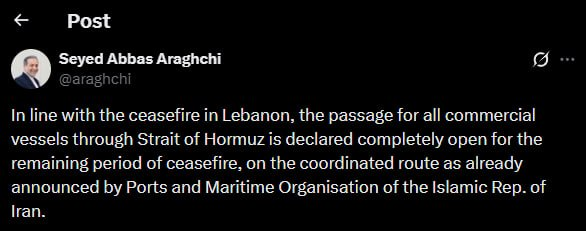

Iranian Foreign Minister Abbas Araghchi took to X to state that the Strait of Hormuz was open on Friday afternoon, timed to coincide with morning in Washington: “In line with the ceasefire in Lebanon, the passage of commercial vehicles through the Strait of Hormuz is declared open for the remaining period of the ceasefire,” he wrote.
Many began to welcome the decision soon after, starting with the UAE, who said it affirmed the right of transit passage through the Strait of Hormuz while strongly condemning Iran initially closing it.
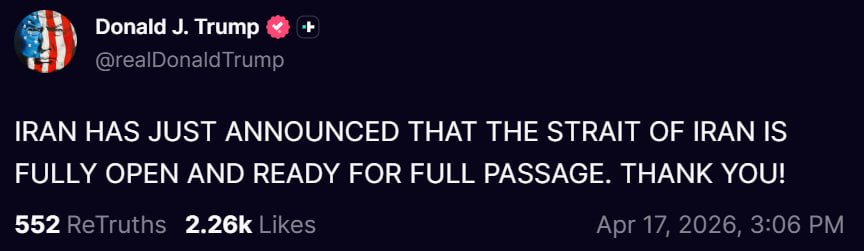
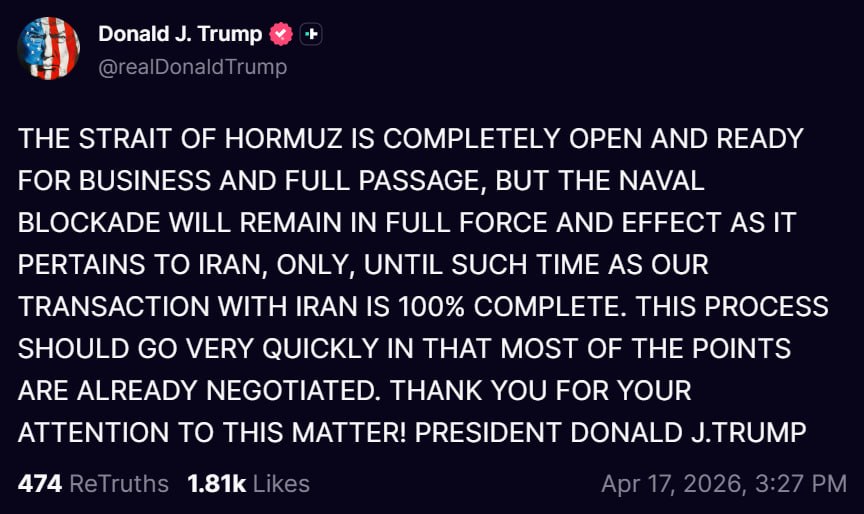
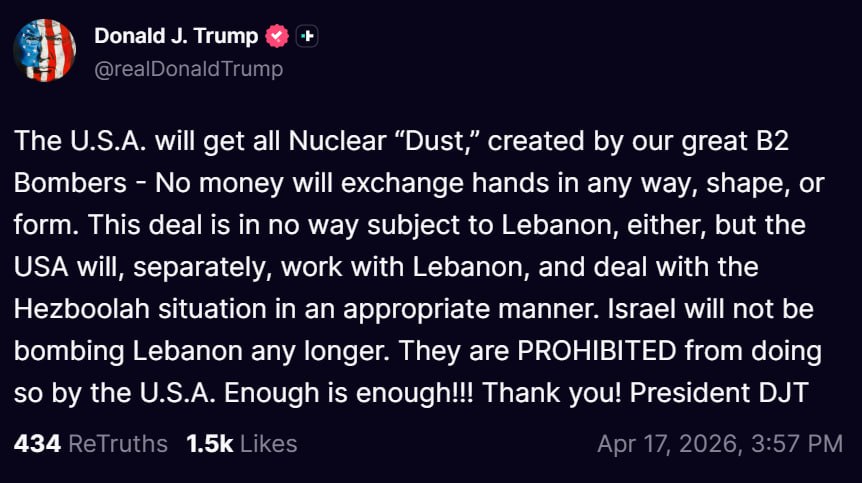
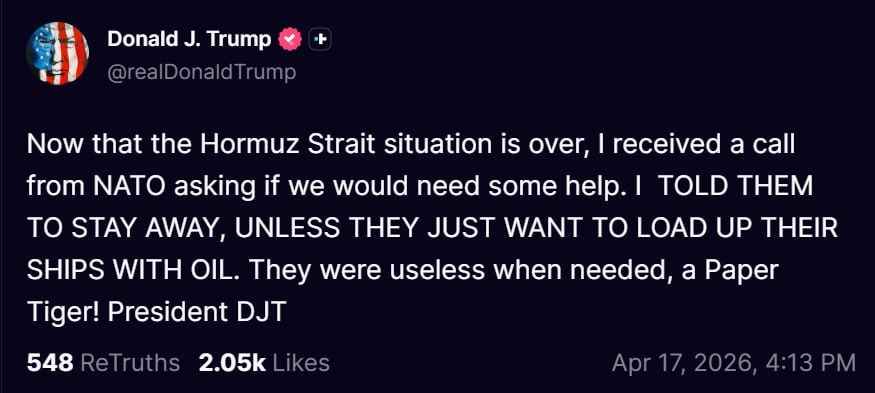

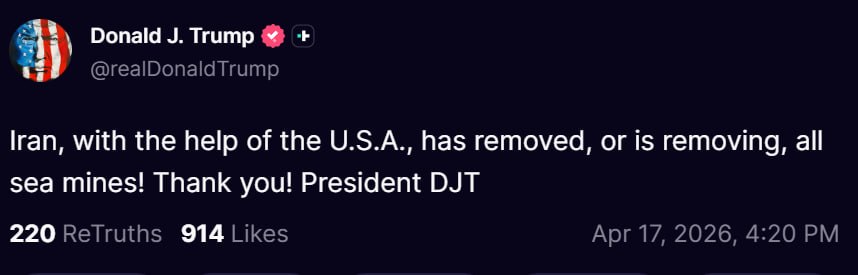
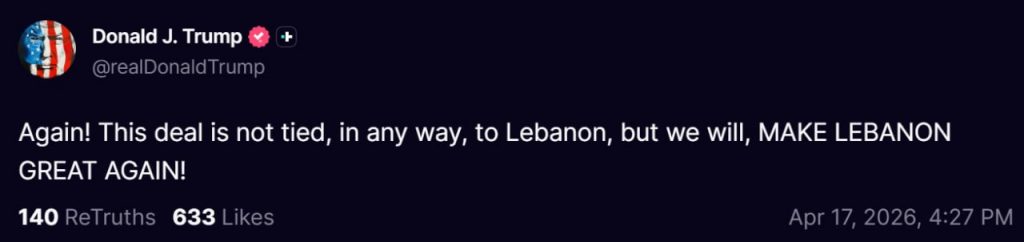
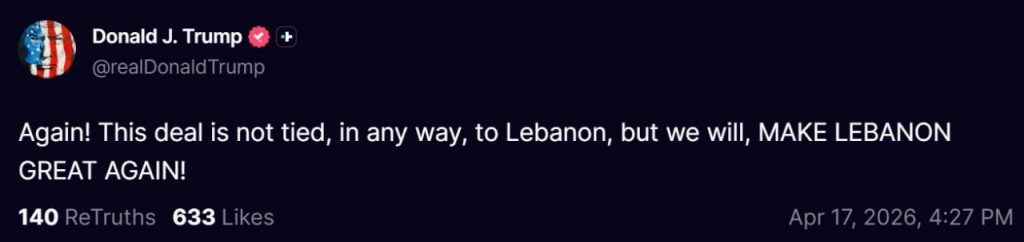
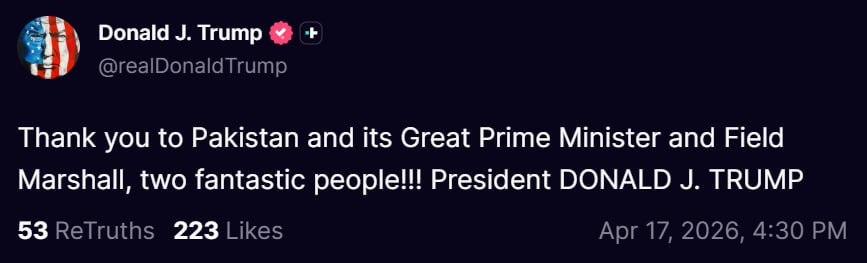

President Donald Trump wrote on Truth Social that Iran has just announced the ‘Strait of Iran’ is fully open and ready for full passage,’ in what was the first of multiple Truths that appeared to inform the Strait was open and free, later clarified by Iran as not the case.
Leading up to the mediation talks in Islamabad, Pakistan, following the announcement of the ceasefire, Iran had insisted that Lebanon be included in the ceasefire agreement before any action on reopening the Strait of Hormuz would be considered, which would allow 15-17 ships per day to pass providing they contacted Iran for navigation routes, as well as those required paying a toll for safe passage.
Tasnim News reported that Iran imposed three conditions on Friday for the Strait of Hormuz, including the fact ships must be commercial, because military travel is prohibited, while ships to hostile countries or their cargo shouldn’t try to pass, stating that ships must pass through the designated route, and the passage must be in coordination with the IRGC Navy.
Iran’s Foreign Ministry responded to Trump’s announcements, stating that the reopening of the Strait was part of the ceasefire agreement and was now being implemented thanks to the ceasefire in Lebanon: “A naval blockade will be considered a violation of the ceasefire terms – if the US naval blockade continues, the Islamic State will also take the necessary reciprocal measures,” they said, reported Middle East Spectator, while Fars News Agency said that Iran could potentially block the Strait of Hormuz to all traffic again.
Reuters reported that the USA had offered to release the $20 billion held in foreign accounts and frozen funds as a thanks for opening the Strait of Hormuz, but President Trump later took to Truth Social to say that no payments had been agreed, and when Reuters was able to ask President Trump about the payment, Trump denied it saying: “It’s totally false – no money is changing hands.”
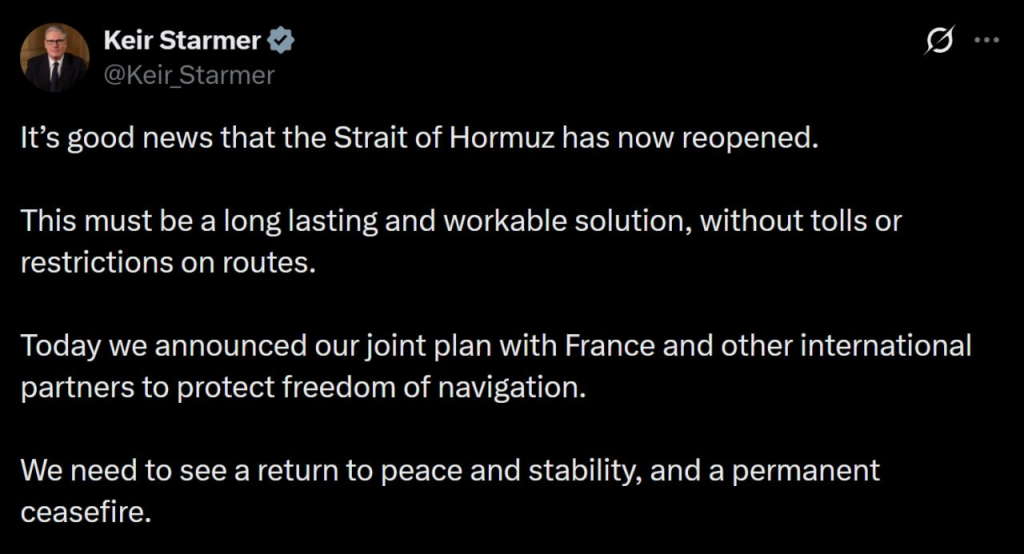
British Prime Minister Sir Keir Starmer said that the UK along with France will lead a multinational mission to protect freedom of navigation as soon as conditions allowed, noting it would be strictly peaceful and defensive as a mission to reassure commercial shipping and support mine clearance, while inviting all nations with an interest in the free flow of global trade to join.
German Chancellor Friedrich Merz said: “Iran must end its nuclear program, it must stop attacking Israel and the Gulf states, and it must reopen the Strait of Hormuz reliably, permanently, and without any form of payment.”
Britain, France, Germany and Italy are going to send a naval mission to the Hormuz Strait to protect freedom of navigation, which was confirmed by a joint statement by Merz, Starmer, Macron and Meloni.
Other News:
Western intelligence assessments indicated that Iran reduced the impact of strikes by the US and Israel through extensive pre-war planning, allowing it to preserve key missile and drone capabilities while maintaining command structures by quickly replacing killed leaders, Bloomberg reported, stating that despite heavy infrastructure damage and the losses of senior figures, Iran was still believed to possess a significant reserve of long-range missiles and drones, meaning it could respond if fighting resumed.
Dispersal of launchers and decentralisation of command helped limit the damage, the report added, though continued strikes would still be needed to further degrade its capabilities, noting that the findings contradicted the claims by the Trump administration that Iran’s military has been largely destroyed, suggesting that Tehran remains operationally capable and could be using the ceasefire period to rebuild.
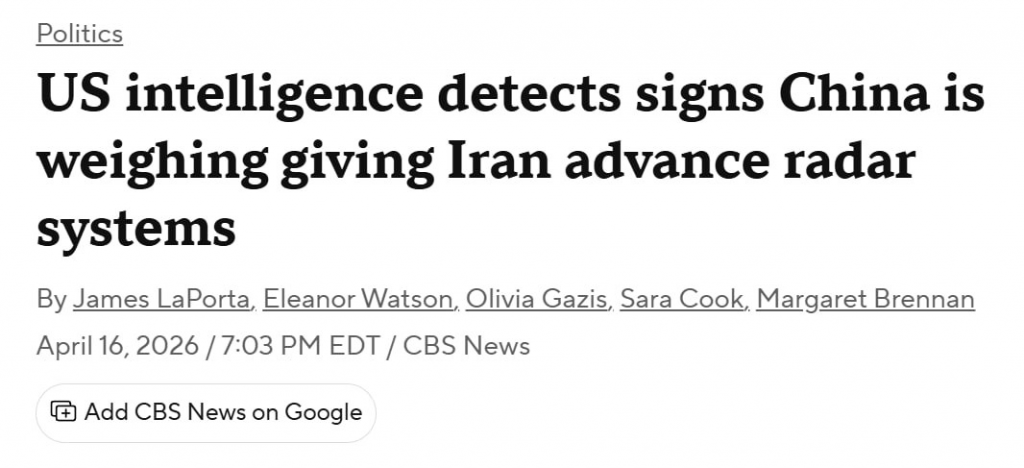
US intelligence indicated that China could have considered supplying Iran with advanced X-band radar systems early in the war, which would have improved detection and tracking of threats like low-flying drones and cruise missiles while strengthening its air defences, reported CBS News, adding that it was unclear if the transfer took place.
Republican Alexandria Ocasio-Cortez said the theatre of conflict in Iran was far too large to call it anything but a war, and wars required congressional authority to continue: “I think it’s extremely important, especially given the state’s and the president’s threat against the Iranian people, to ensure that Congress had its say,” she said.
Backchannel diplomacy was continuing via Pakistan which has brought Iran and the USA closer to reaching a deal with ‘talks in their final phase,’ as diplomatic teams worked alongside technical teams, noting the next meeting would likely be a deal signing ceremony, a Pakistani source told Reuters.
Pakistani tanker the SHALAMAR sailed safely through the Omani side of the Strait of Hormuz carrying 440,000 barrels of oil, having departed from the Abu Dhabi region and sailing towards Karachi, becoming the first large tanker to pass through the US blockade.
US officials informed European counterparts that some previously contracted weapons deliveries are likely to be delayed due to the ongoing war in Iran, reported Reuters, stating the delays would affect European countries, including those in the Baltic region and Scandinavia, which are a result of the US drawing on its weapons stockpile to support the war effort.
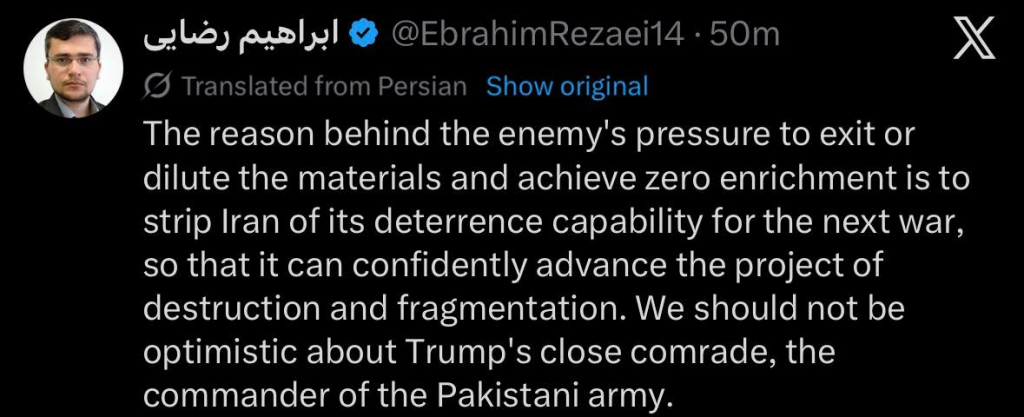
Iranian National Security and Foreign Policy Committee spokesperson Ebrahim Rezaei said that the pressure to end or limit enrichment is aimed to strip Iran of any deterrence, leaving it vulnerable to future war and fragmentation.
Sri Lanka repatriated 238 Iranian sailors, including 32 injured in a US submarine attack that sank the Iranian warship IRIS Dena in early March, as authorities said 87 bodies were recovered after the strike, while survivors from a second Iranian vessel that later docked in Sri Lanka were also sent home last week, and sailors who had been torpedoed off the coast of Sri Lanka on the Dena returned to Iran, saying that as they were attempting to exit the ship a second torpedo hit the evacuation point, leaving the sailors in the water for 10 hours until rescue ships arrived, adding that there were 20 people killed that hadn’t been found.
Omani Foreign Ministry said it had facilitated the return of Omani citizens from Iran through coordinated land and air arrangements via Tehran and Ankara, in coordination with Omani embassies.
French Defence Minister Catherine Vautrin said Belgium, the Netherlands and France had mine-clearing capabilities that could be used to help secure the passage through the Strait of Hormuz, stating that France and Britain would co-chair a meeting of around 40 countries in Paris to discuss restoring the freedom of navigation through the Strait, which carries around 20% of global oil and LNG flows.
Despite the US Naval blockade, Iranian commercial and oil tankers still entered and exited Iranian ports with limited restrictions, while Tehran’s fears of extending the ceasefire without tangible results may give Washington the time to rebuild its military capabilities, so Iran remained on high alert, reported Al-Akhbar, adding that the reason Hormuz wasn’t opened to the promised 15-17 ships a day was because Israel had violated the Lebanon ceasefire, which many had confirmed was in place before informing relevant officials.
Head of the International Atomic Agency said that the impacts from the Middle East could take around two years to compensate, reported various outlets including Irib News and Fars News Agency, noting that reopening the Strait of Hormuz wouldn’t return production to pre-war levels because facilities needed to be repaired and production resumed at various sites across the region.
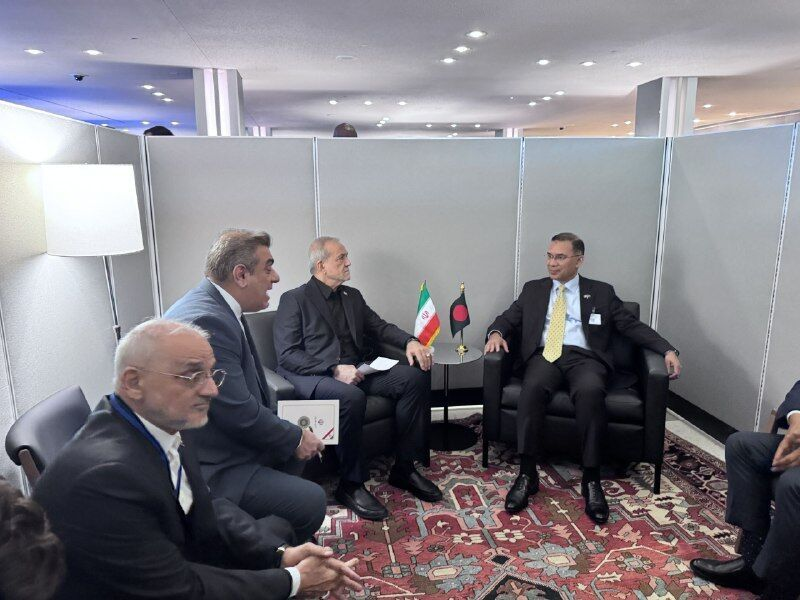
Foreign Ministers of Saudi Arabia, Turkey, Egypt and Pakistan met on the sidelines of the Antalya talks today to discuss regional developments in a behind closed doors meeting.
Israeli’s Ministry of Health reported that since start of the Iran and Lebanon conflicts, 7,834 casualties had been admitted to hospital.
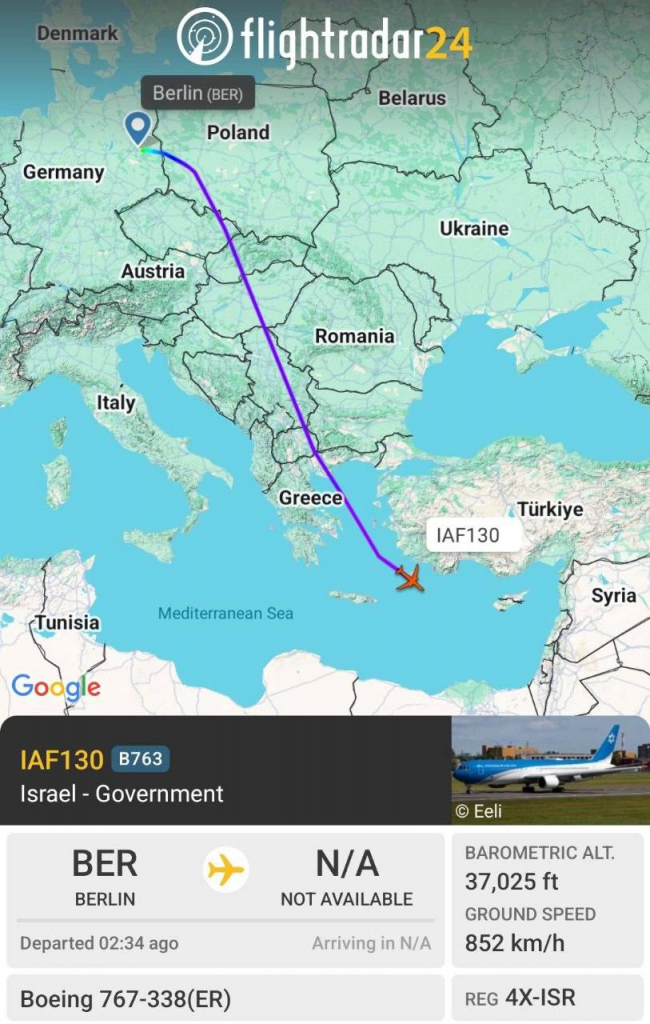
Official Israeli government plane the Wings of Zion returned from Germany to Israel after taking shelter at the outbreak of the war with Iran.
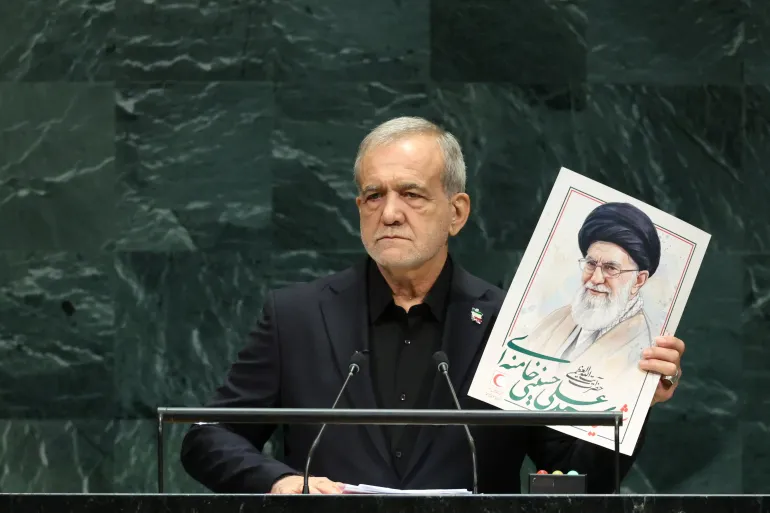
Iranian President Masoud Pezeshkian said that Iran had never sought to possess a nuclear weapon or stir up trouble in the region, reported Al-Mayadeen, adding that ‘we will continue to vigorously defend the unity of Iran,’ stating the armed forces created an extraordinary saga against aggression, because ‘enemies thought they would be able to subjugate Iran in a short period of time, but our armed forces and our people thwarted these plans.
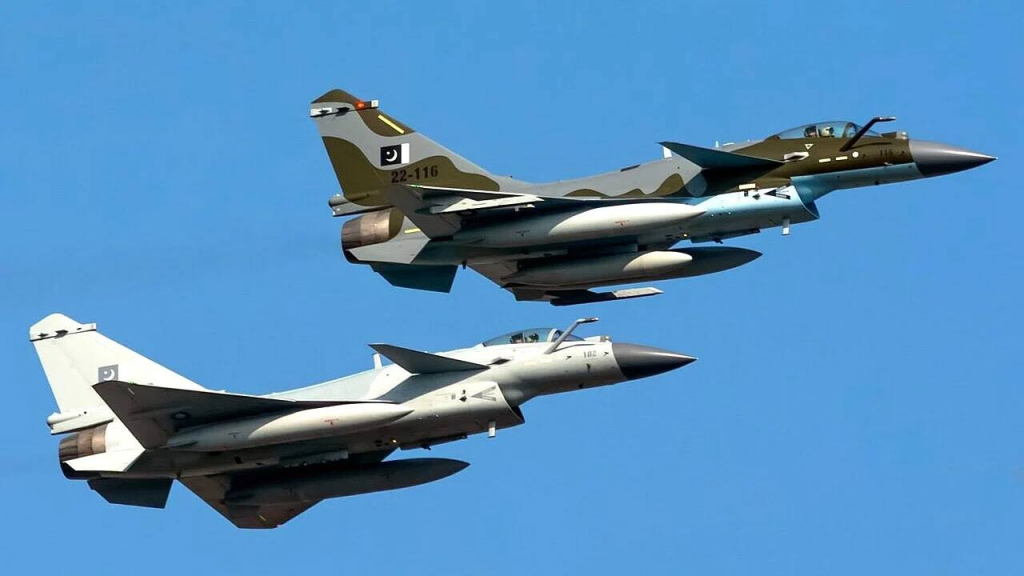
Pakistan’s air force escorted Iranian negotiators home from inconclusive talks with the US last weekend, launching a major operation following claims by the Iranians that Israel sought to kill them, three sources told Reuters, stating that Pakistan deployed two dozen jets as well as the force’s Airborne Warning and Control System for aerial surveillance to ensure the safety of the delegation back from Islamabad, according to two Pakistani sources with knowledge of the operation, but noted that a regional diplomat briefed by Tehran, however, said Pakistan insisted on the escort after Iranian delegates raised the ‘hypothetical’ possibility of a threat.
Iran’s Deputy Foreign Minister emphasized that Tehran didn’t accept any temporary ceasefire and insisted on a complete end to the conflict across the region from Lebanon to the Red Sea in an interview on the sidelines of the Antalya Diplomatic Forum, also referring to Pakistan’s mediation efforts and said they must lead to a permanent solution and not a temporary halt, reported Fars News.
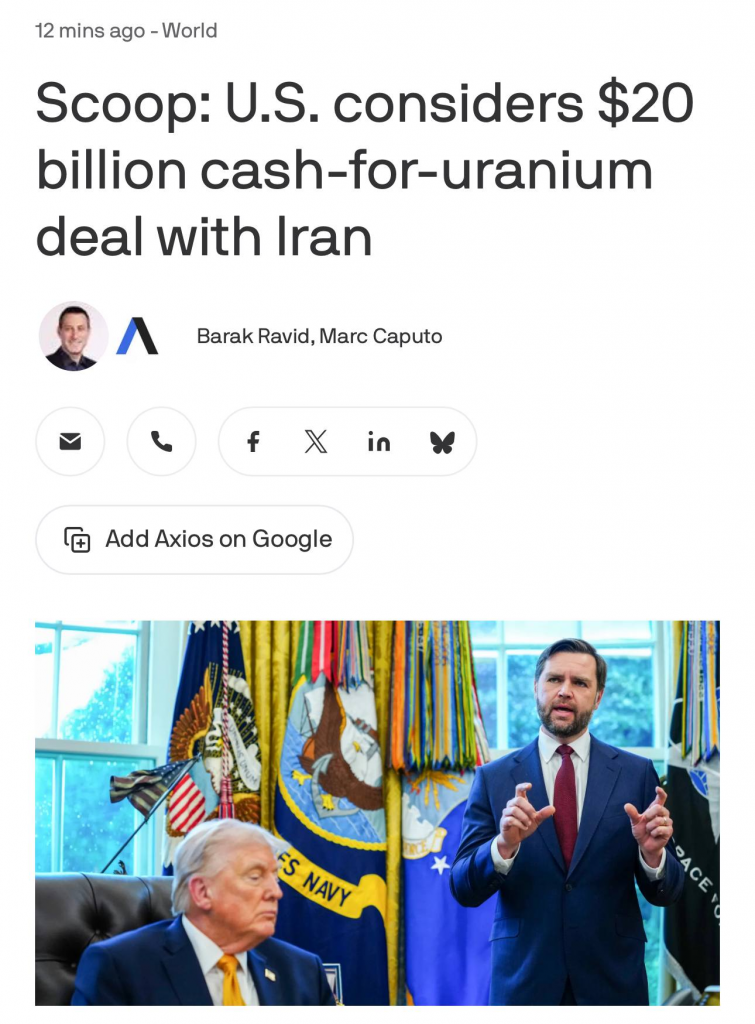
The United States was reportedly considering a deal worth $20 billion in order to purchase the Uranium from Iran, reported Naya News citing Axios, but the reports actually suggested that the US were considering instead releasing the $20 billion in frozen seized assets, again which Trump denied in a Truth Social, as back and forth between the two nations not only continued through mediators, but also through social media.
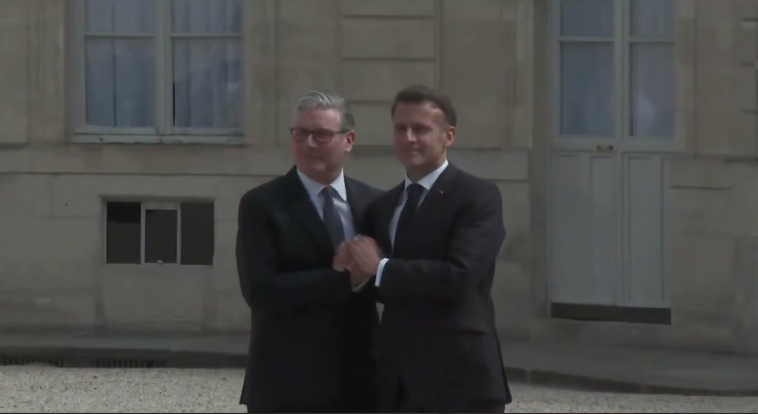
French President Emmanuel Macron welcomed British Prime Minister Sir Keir Starmer to the Élysée Palace in Paris, where after lunch they hosted a video call with around 40 other countries regarding a multinational effort to restore safety of navigation in the Strait of Hormuz as soon as security conditions allowed.
Turkish Foreign Minister Hakan Fidan said on Friday that the greatest threat to the Middle East region is Israel, and peace cannot be achieved unless a solution is found to both deter and put an end to that threat.
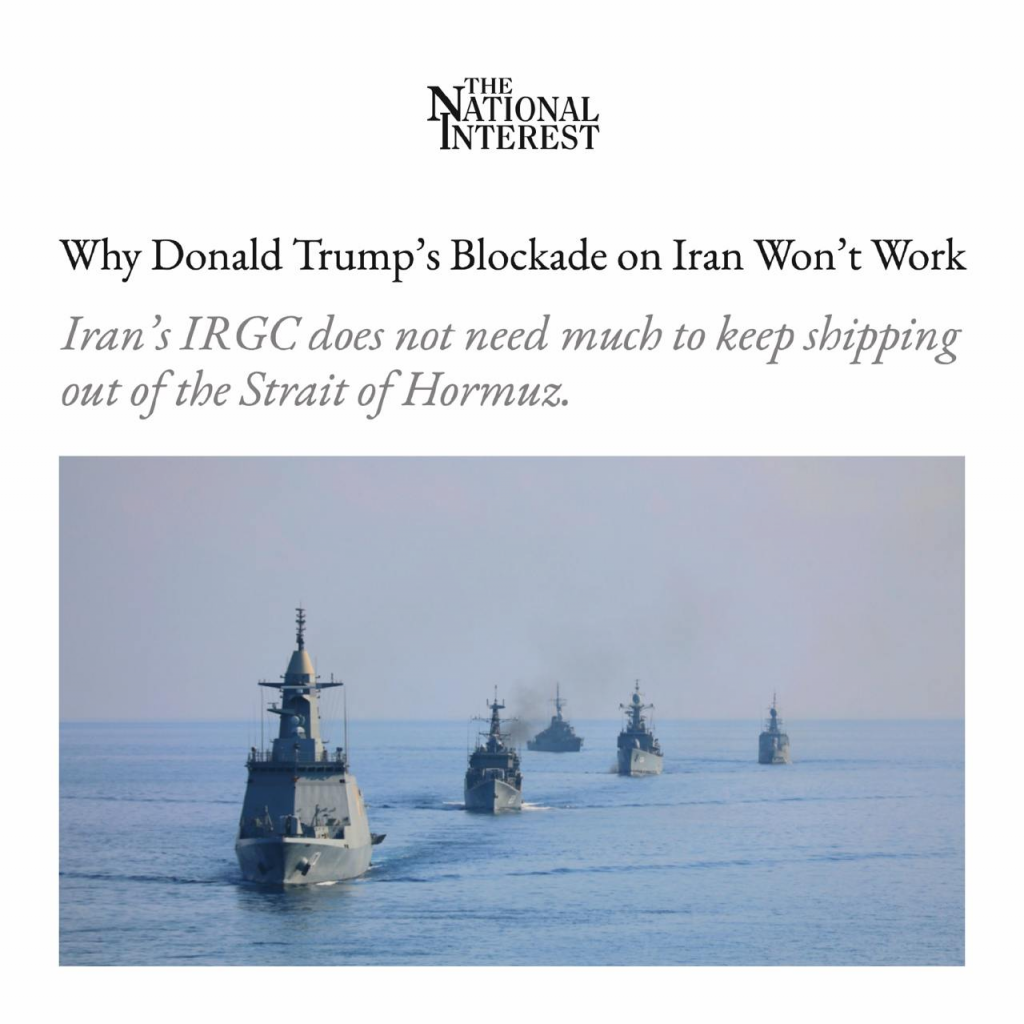
President Trump’s blockade will not succeed against Iran because Iran doesn’t need many facilities to continue exports from the Strait of Hormuz, reported the National Interest, stating that analysts said that even with a naval blockade, Iran could still find ways to continue exporting goods and oil, thanks to the vast geography, military capabilities, and experience in circumventing restrictions.
NewsNation was told by President Trump that Iran had agreed to stop enriching uranium, noting that he replied ‘Yes’ when asked if Iran had agreed, and when pressed again, Trump repeated ‘Yes’ before adding ‘Are you surprised? I’m not surprised by anything.’
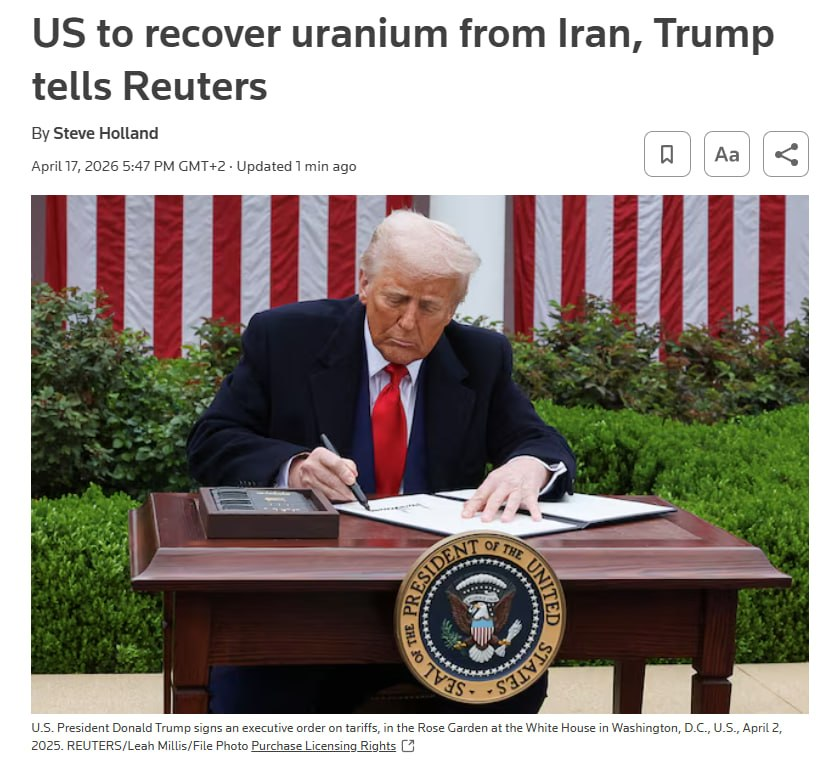
Trump then told Reuters that the US had agreed to work with Iran to recover enriched uranium that would be taken to the United States: “We’re going to get it together, we’re going to go in Iran, at a nice leisurely pace, and go down and start excavating with big machinery… We’ll bring it back to the United States.”
An informed Iranian official strongly denied that Iran agreed to hand over its enriched uranium, reported the Middle East Spectator, noting that the two sides were still working on a framework for negotiations, not a finalised agreement.
President Trump then spoke with Axios, telling reporters that negotiators for Iran and US may meet again this weekend in Pakistan and he expected them to finalise a deal: “The Iranians want to meet, they want to make a deal – I think a meeting will probably take place over the weekend and I think we will get a deal in the next day or two.”
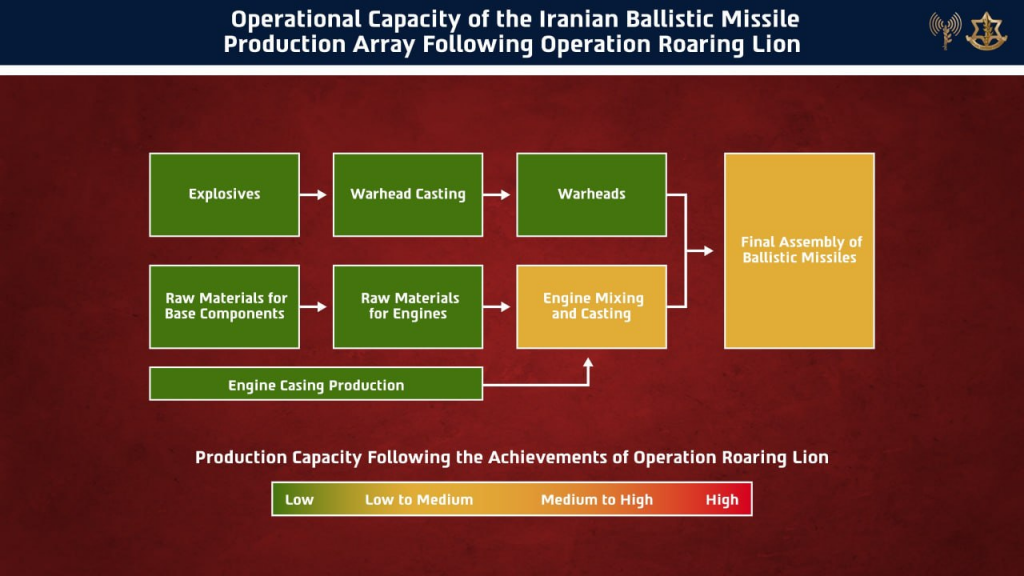
The IDF assessed Iran’s ballistic missile production capability had been downgraded from a ‘high level’ to ‘low’ or ‘low-to-medium’ levels across all major phases, including explosives manufacturing, warhead formation, engine production, and final assembly.
Senior IDF officials didn’t want peace and warned the political echelon not to concede to Iran in nuclear talks, stating that Iran was beaten and weak, so they wanted the enriched uranium removed and Iran permanently banned from future enrichment, while assets that are frozen shouldn’t be lifted, ballistic missiles hadn’t been addressed, Iran’s centrifuges remained intact and the chance of regime collapse from air strikes was always low, but cracks were now appearing, reported Warfront Witness.
IDF Chief of Staff Eyal Zamir has ordered the IDF to prepare for a campaign against Iran with a target readiness date between June and November 2026, with a map divided into sectors for western Iran for the IDF alone, Tehran and central Iran for joint operations, or southern and eastern Iran for the US alone, reported Kan News.
Iran fired around 1,400 missiles in total during the war, with 39% aimed towards Israel, but the interception rate was 84%, much lower than previous conflicts, mainly because of the use of cluster warheads. Over 70% of impacts in Israel were from cluster munitions, causing damage estimated at $100 billion that would take years to rebuild. Israel dropped 19,000 heavy munitions on Iran during the war, 2,000 more than the US at 17,000.
The United States proposed to give Iran access to $20 billion if it was to hand over its stockpile of near-weapons-grade uranium, reported Wall Street Journal, adding that it wasn’t immediately clear whether the offer would include all of Iran’s fissile material, which also includes medium- and low-enriched uranium, but Iran has neither accepted nor dismissed the proposal.
Iran and the US were also on the verge of signing a memorandum of understanding that would limit uranium enrichment and remove the enriched uranium from Iranian soil, according to Kan News, who said a draft had been sent to Iranian Supreme Leader Mojtaba Khamenei, with hopes of a decisive meeting on Sunday or Monday.
An informed military source told Tasnim News Agency that if the ceasefire in Lebanon had not been reached, then Iran intended to attack Israel at 8pm on Thursday night, noting that all preparations had been readied, including missile launchers set to destroy pre-determined targets. The source said that the lack of a Lebanon truce would have constituted a complete violation of the ceasefire, and Iran’s patience had been running out, but US President Trump announced the Lebanon ceasefire at around 7pm Iran time, giving enough time to halt the attacks.
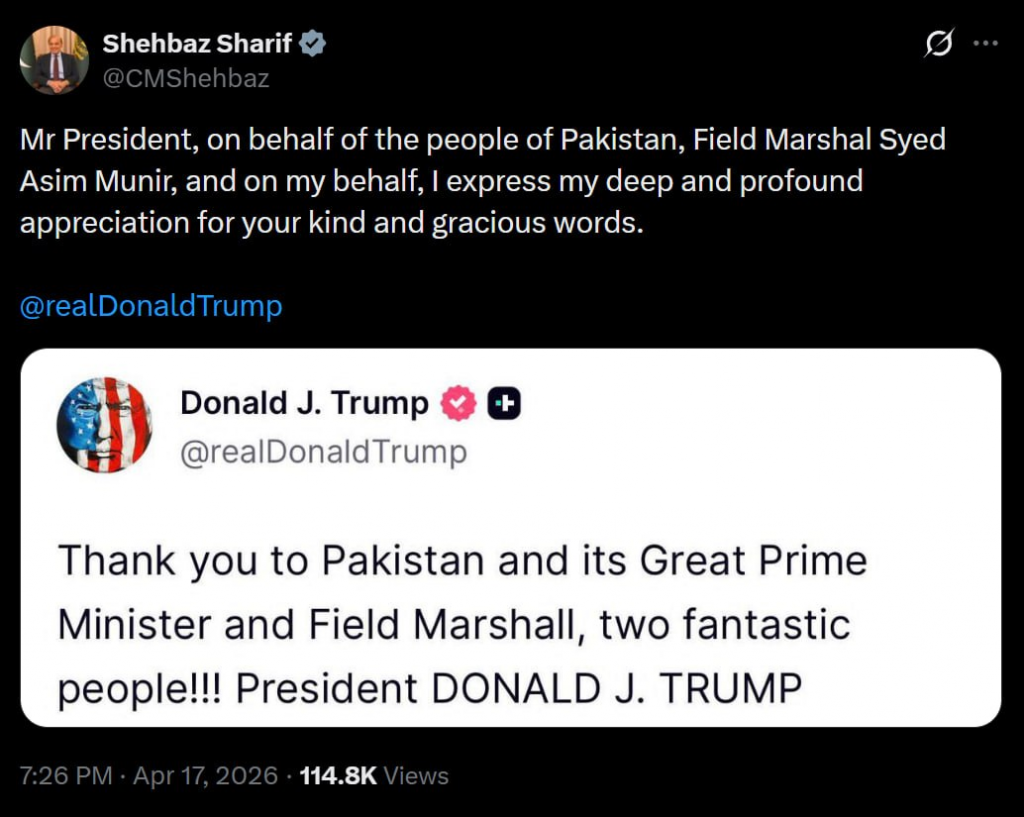
Pakistani Prime Minister responded to President Trump’s thanks on Truth Social, saying: “Mr President, on behalf of the people of Pakistan, Field Marshal Syed Asim Munir, and on my behalf, I express my deep and profound appreciation for your kind and gracious words.”