 AJ
AJ
Israeli Prime Minister Benjamin Netanyahu, along with various ministers and the help of the Israeli media including Kan, Channel 12, Channel 13, and Haaretz, attempted to give an impression on Wednesday that a ceasefire was going to be reached, dragging a decision out throughout a 24-hour period, eventually ending in ‘no deal.’
Ceasefire push:

Kan News referred to a ‘race being under way’ between the Iranians and the Americans over who would claim credit for a Lebanese ceasefire after Israel’s own attempts failed on Wednesday, stating that Iranian Parliamentary Speaker Mohammad Bagher Ghalibaf spoke with his Lebanese counterpart Nabih Berri, a Shia ally of Hezbollah, where both officials stressed that any ceasefire agreement must also include Lebanon.
All eyes were on US President Donald Trump on Thursday, the last chance for a brokered ceasefire in Lebanon that could see peace in the region, but the Trump administration had still been distancing themselves from the Israel-Lebanon conflict, insisting it had been a separate issue, so what Trump said next came as a surprise.
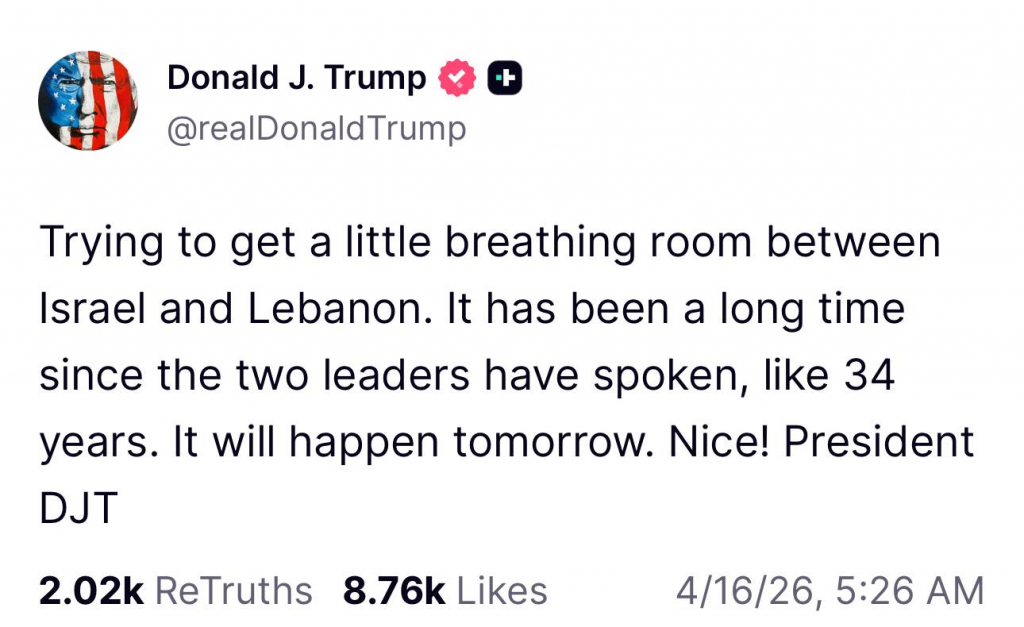
“Trying to get a little breathing room between Israel and Lebanon,” the President wrote on Truth Social: “It has been a long time since the two leaders have spoken, like 34 years, it will happen tomorrow – nice!”
Iran had also been pushing for a ceasefire deal to be included in Lebanon as part of the Iranian ceasefire agreement, according to Reuters, which had initially been confirmed by Pakistani Prime Minister Shehbaz Sharif during mediation talks, but later disputed by the Trump administration following begging calls from Netanyahu which allowed Lebanon and Hezbollah to be separated from the Iranian war.
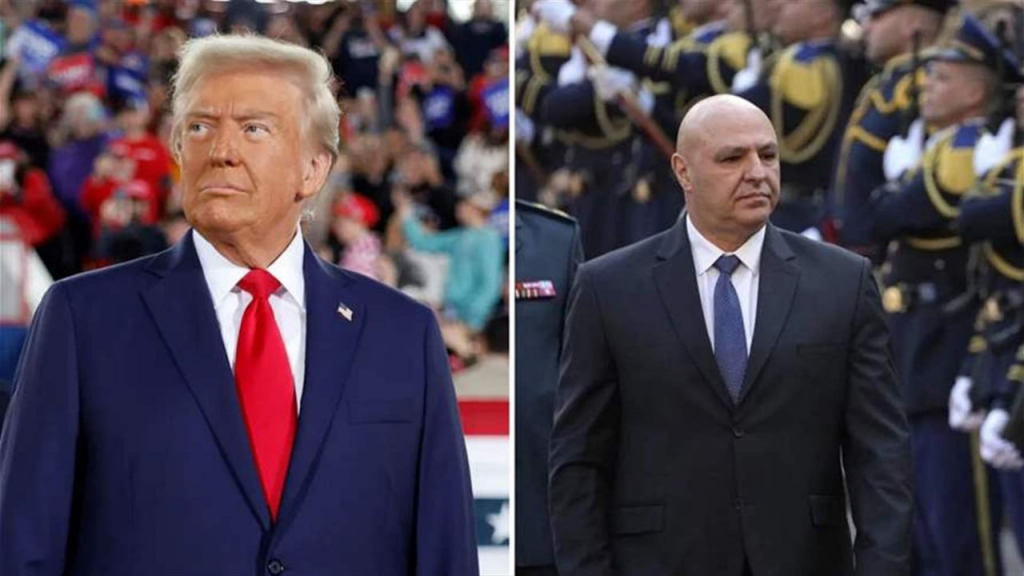
Lebanese President Joseph Aoun held a telephone call with US Secretary of State Marco Rubio, reported LBCI Lebanon, stating that President Aoun told Rubio it was too soon to speak to Netanyahu, but the Lebanese leader cleared his schedule to make way for a call from Trump later in the day, reported Al-Jadeed.
Following the call with Rubio, LCBI Lebanon reported that President Aoun and President Trump spoke on the phone and discussed a potential ceasefire in Lebanon in which a decision could be announced within hours, as other reports suggested that Trump had already spoken with PM Netanyahu ahead of the call, according to Israel Channel 12.
Ceasefire announcement and comments:
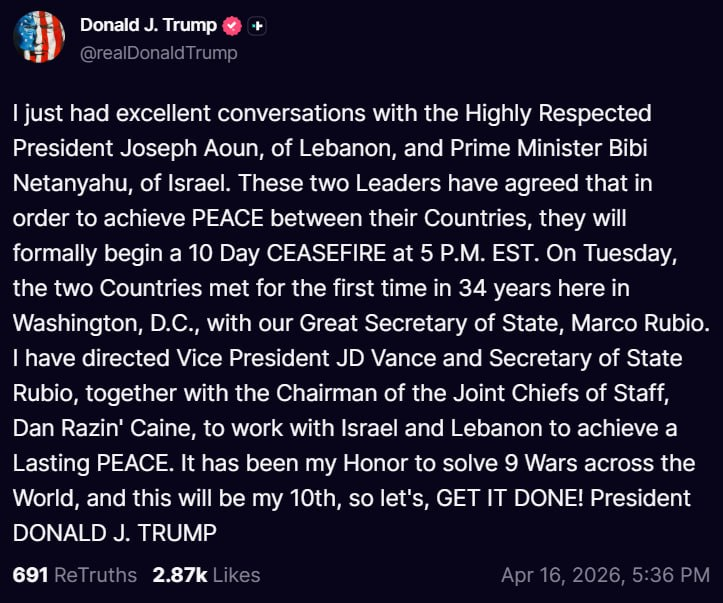
Both calls completed, President Trump took to Truth Social formally announcing a 10-day ceasefire which would begin at 5pm US time, midnight Israel time, following conversations with both leaders, and had directed Vice President JD Vance, Marco Rubio, and Joint Chiefs of Staff Dan Razin’ Caine, to work with Israel and Lebanon to achieve a lasting peace, claiming this would be the ninth war the President had stopped.
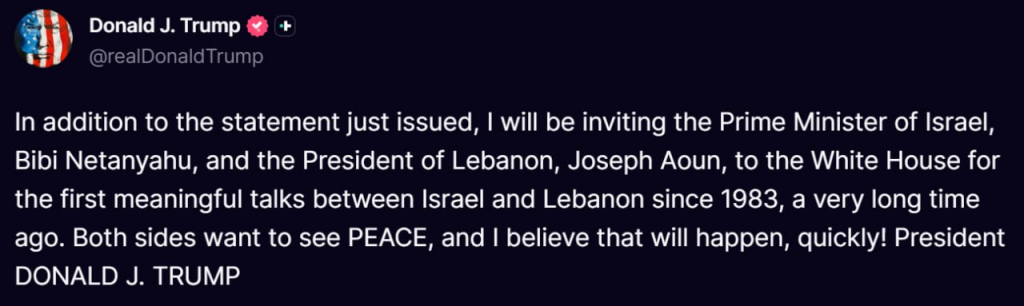
Invitations were offered almost as an afterthought in a follow-up Truth to both Netanyahu and President Aoun to the White House, in what would be the first meaningful talks between the two countries since 1983.
After Trump’s announcement, PM Netanyahu convened a security cabinet to discuss and vote, reported Axios, noting ministers had been informed of the ceasefire announcement at the start of the call, before any substantive discussion had taken place.
Israeli Channel 12 reported that the ceasefire would follow a similar format to the 2024 agreement, which would allow Israel to retain the freedom to ‘act in response to threats.’
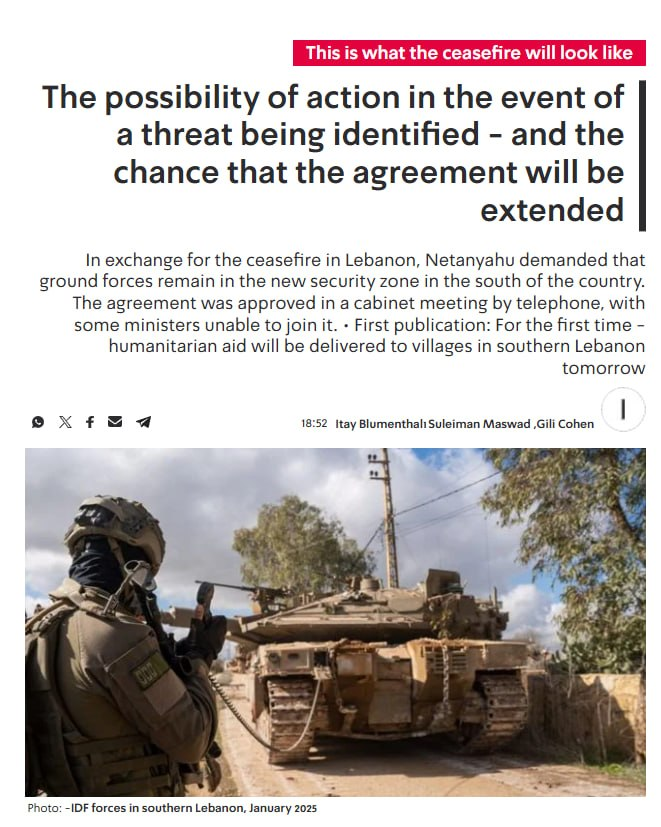
Although President Trump pressed Netanyahu to accept the ceasefire in Lebanon, Bibi insisted Israeli ground forces remain in place in the new ‘security zone’ in southern Lebanon, Kan News reported, stating that Israel also planned to allow humanitarian aid into southern Lebanon, with trucks from the Samaritan’s Purse organisation scheduled to deliver supplies under IDF security to residents who stayed in the Christian villages of Rmaish, Debel, and Ain Ebel near Bint Jbeil.
When asked why this decision of a ceasefire in Lebanon will be better than any previous one such as the 2024 ceasefire, and what the big difference was this time, Trump simply responded: “The big difference is me – big difference!”
Prime Minister Netanyahu told Israeli audiences that there is an historic opportunity to make peace in Lebanon if two fundamental demands were accepted, which included the disarmament of Hezbollah and a sustainable peace agreement – peace through strength: “We remain in Lebanon in a reinforced security zone, we are not leaving,” he warned, stating the security belt stretches from the sea to Mount Dov and the approaches to Mount Hermon, up to the Syrian border, in a ten kilometre zone that is much stronger, continuous and solid than before: “We are there and we are not leaving.”
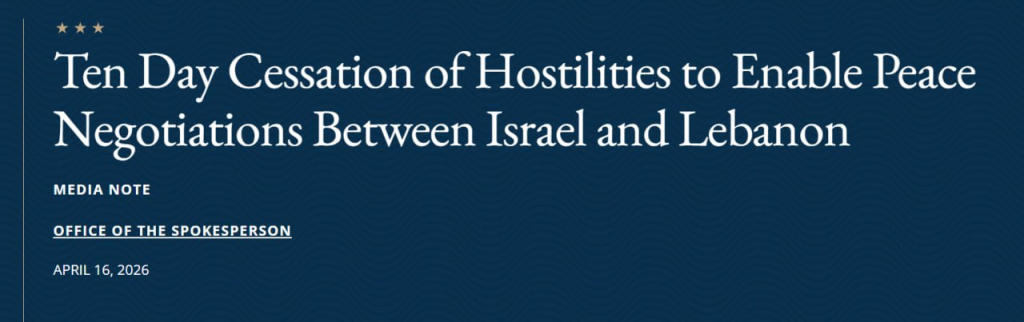
US Department of State published a statement saying that Israel would preserve the right to take all necessary measures in self-defence, at any time, against planned, imminent, or ongoing attacks, which will not be impeded by the cessation of hostilities: “Besides this, it will not carry out any offensive military operations against Lebanese targets, including civilian, military, and some other targets, in the territory of Lebanon by land, air, and sea.”
Hezbollah lawmaker Hassan Fadlallah said Hezbollah was informed by Iran’s ambassador in Beirut that a one-week ceasefire could begin on Thursday evening, stating the potential ceasefire was a result of Iranian diplomatic efforts in the region, reported Reuters.
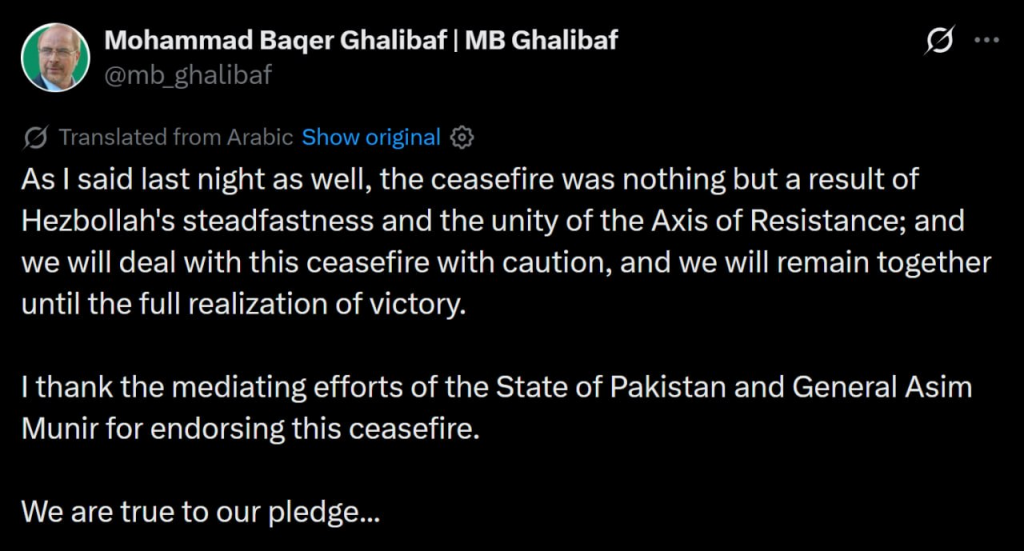
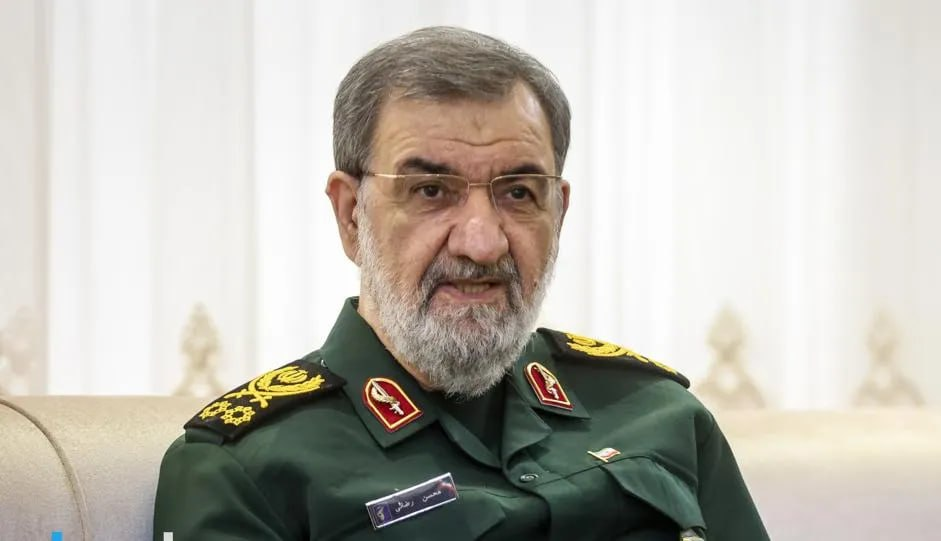
Iranian Parliament Speaker Ghalibaf said on X that the ceasefire was nothing but a result of Hezbollah’s steadfastness and the unity of the Axis of Resistance, and now they would deal with the ceasefire with caution, remaining together until the full realisation of victory, while also thanking the State of Pakistan and General Asim Munir for endorsing the ceasefire.
An Israeli defence official told Axios that the ceasefire between Lebanon and Israel could be announced as early as midnight, stating: “We are at a crossroads – nothing is final but it could happen today,” Axios reported.
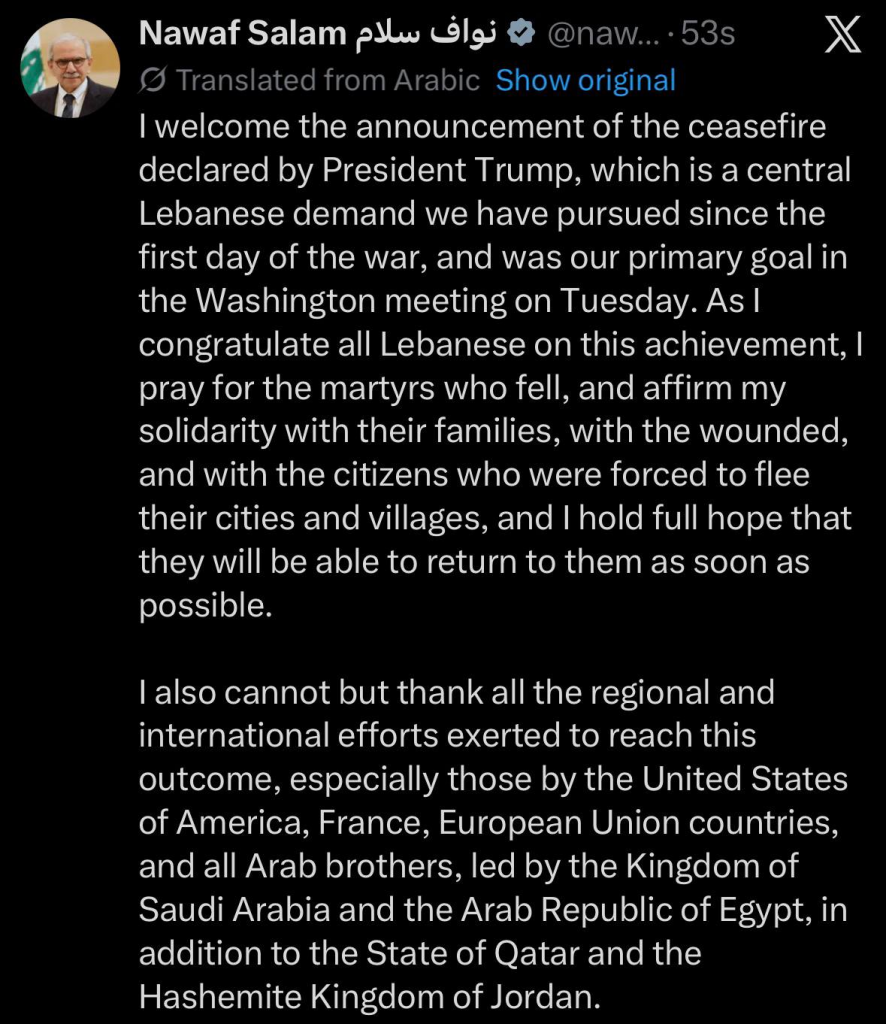
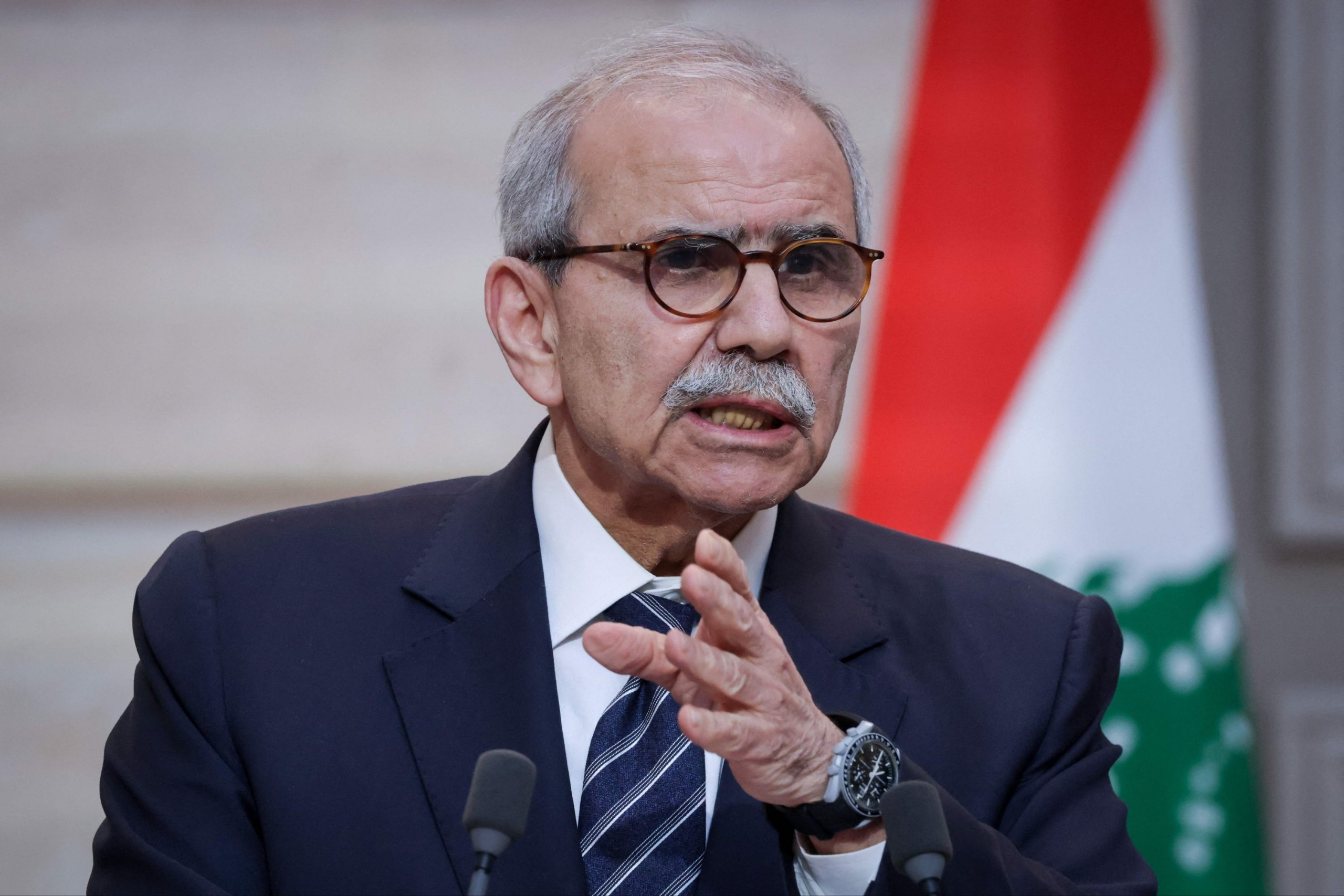
Lebanese Prime Minister Nawaf Salam said on X that the ceasefire was welcomed and was a central Lebanese demand pursued since the first day of the war, thanking the US, France and other European countries, as well as Arab brothers and Gulf countries for helping the ceasefire become a reality.
Israel held a cabinet meeting in which officials were informed the ground forces were expected to stay in place while the ceasefire is set to focus on halting aerial strikes at US President Trump’s request, without undergoing the usual vote in the cabinet, and Netanyahu told ministers that the security belt in southern Lebanon would remain in place.
Opposition leaders condemned the move, including Avigdor Liberman who called it a betrayal of northern residents, as well as former Chief of Staff Gadi Eisenkot who said Netanyahu failed to translate military achievements into political gains, leading to a third imposed ceasefire, and northern regional council heads warned that agreements in Washington are paid for in blood, demanding effective enforcement and a ‘terror-free buffer zone’ up to the Litani River.
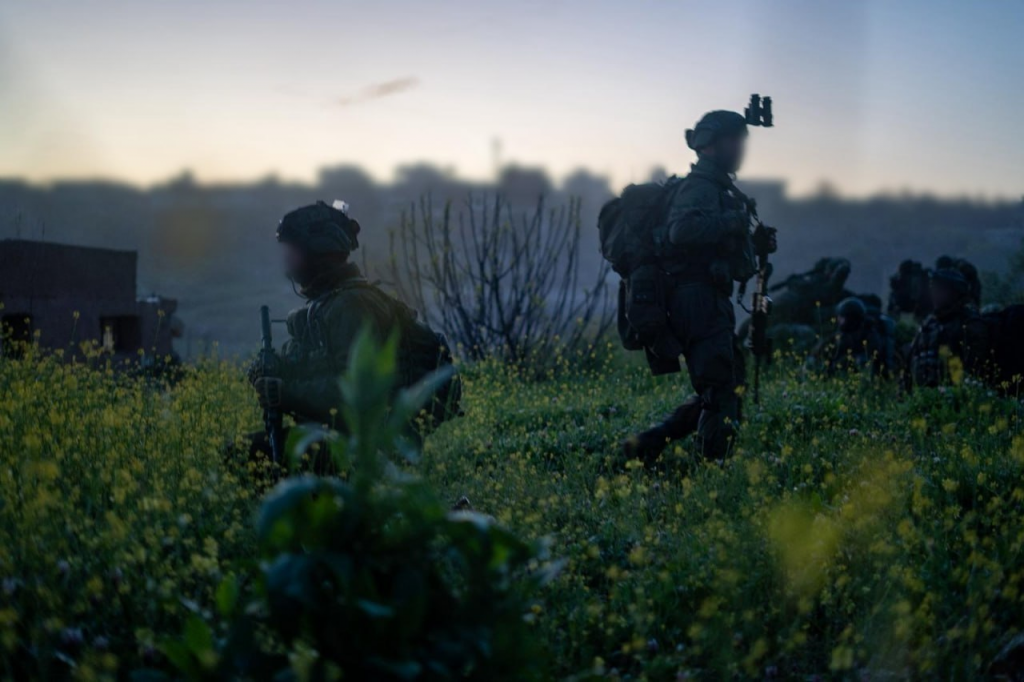
Hezbollah MP Ibrahim Moussawi told DropSite News that Hezbollah would respect the ceasefire agreement stating that it went back to the same agreement reached in Islamabad by the Iranian regime, noting that it will be respected and would be dealt with cautiously, adding that the Israelis have to abide by it completely, with a comprehensive ceasefire in all Lebanese territories, including the areas bordering Palestine.
Lebanese President Aoun refused to speak with Netanyahu because the step was too fast, reported Kan News citing a Lebanese political source, who said that such talks should take place in the final stages of negotiations and not before they had begun, adding that Aoun feared Hezbollah would ‘hold it against him’ to destabilise his rule, especially after the group had already been angered over this week’s historic meeting between Israeli and Lebanese ambassadors in Washington.
Hezbollah and Israeli officials both warned residents not to return to the targeted areas in southern Lebanon, the Bekaa and Beirut’s southern suburbs until the situation becomes fully clear following the ceasefire announcement, acknowledging that the desire to return home and praising the people’s patience and steadfastness, but urged restraint out of concern for their safety, as they promised that residents would return with heads held high, as always.
Attacks throughout April 16:
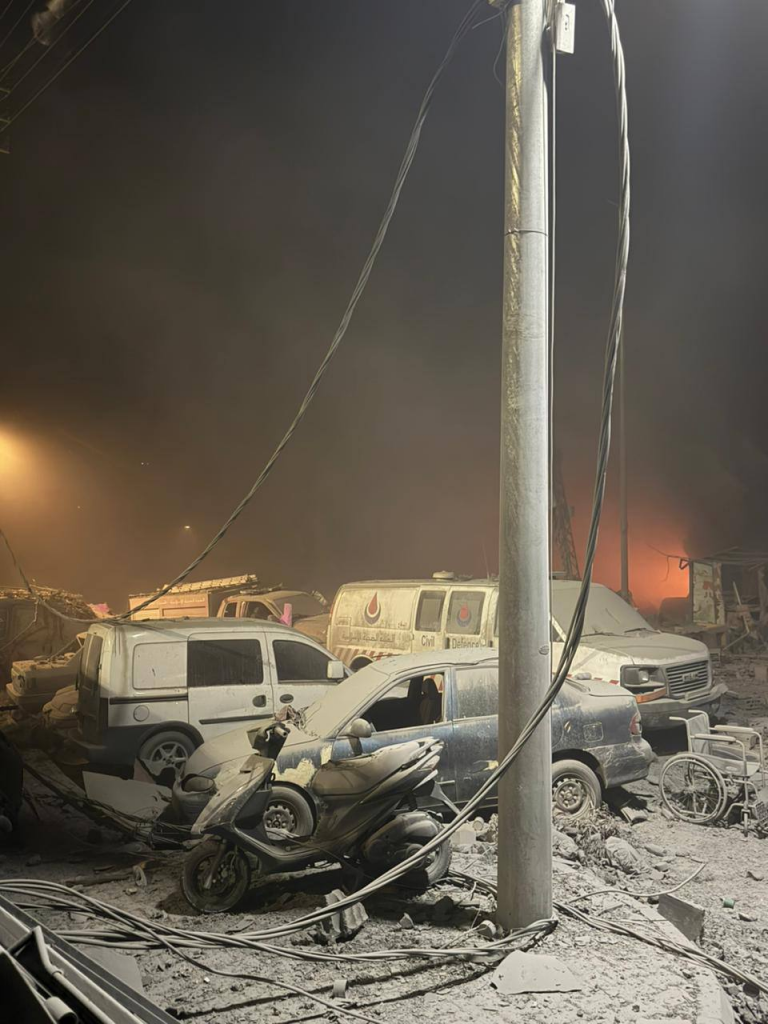
An Israeli airstrike struck near the Tebnin Governmental Hospital in southern Lebanon, causing extensive damage in the area.
Scenes from the impact site in Tebnin, southern Lebanon, near the Governmental Hospital.
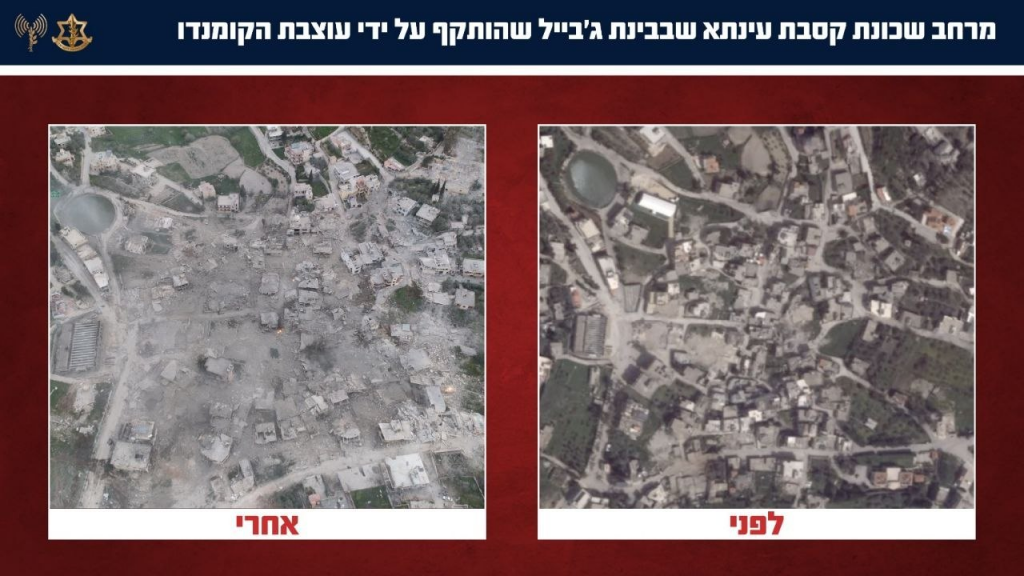
The IDF said it razed 70 Hezbollah sites in the Bint Jbeil area in southern Lebanon after it was raided by commando forces on Wednesday.
Israeli airstrikes struck the Qasmiyeh bridge in southern Lebanon.
Heavy Israeli airstrikes were also carried out on Nabatieh in southern Lebanon throughout the day.
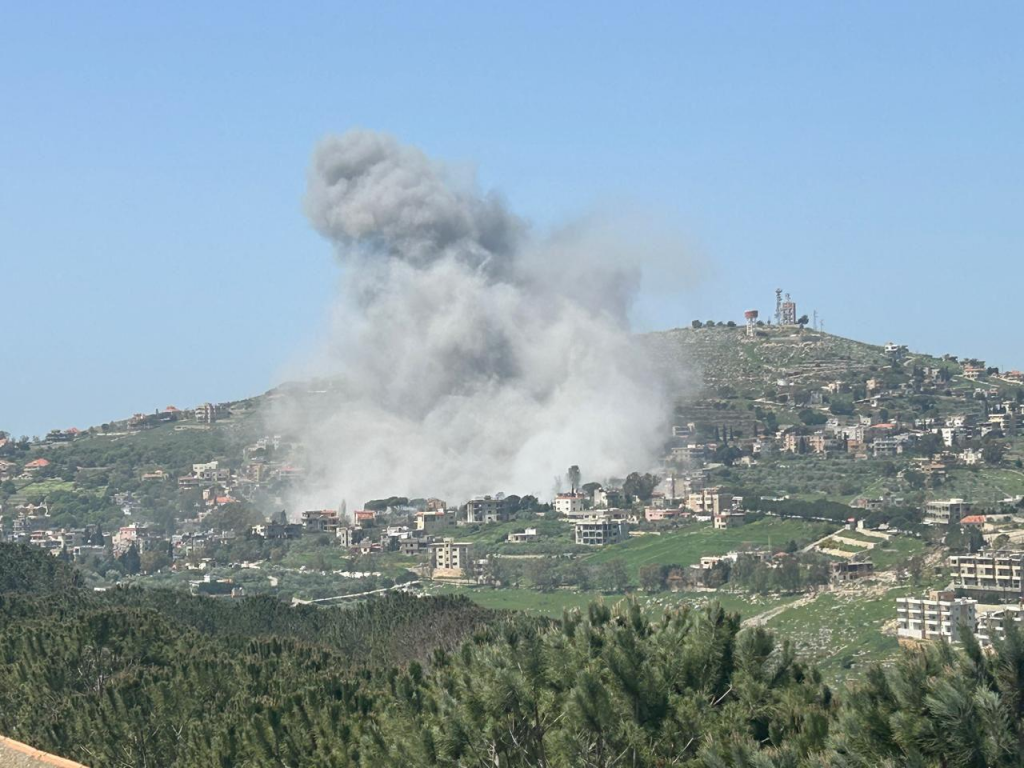
Strikes targeted Kfarhatta, Kfarreman and other areas of southern Lebanon.
Emergency services published the scenes from Hannaouiyah in southern Lebanon that was hit by Israeli airstrikes.
Israel’s armed forces destroyed a school in Bint Jbeil in southern Lebanon where they claimed more than 130 weapons had been found.
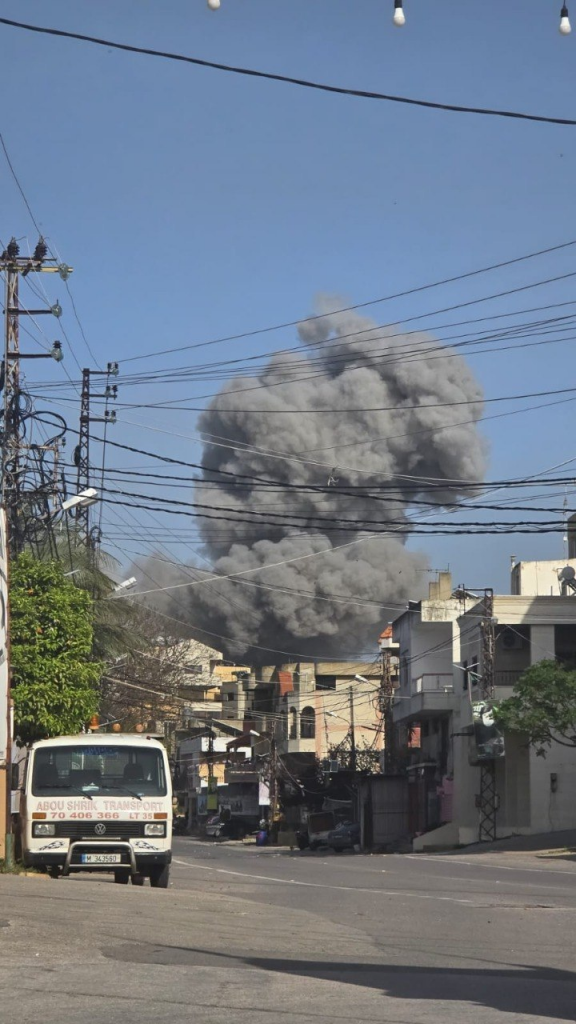
Heavy Israeli airstrikes were recorded on Zrariyeh and Deir Qanoun an-Naher in southern Lebanon.
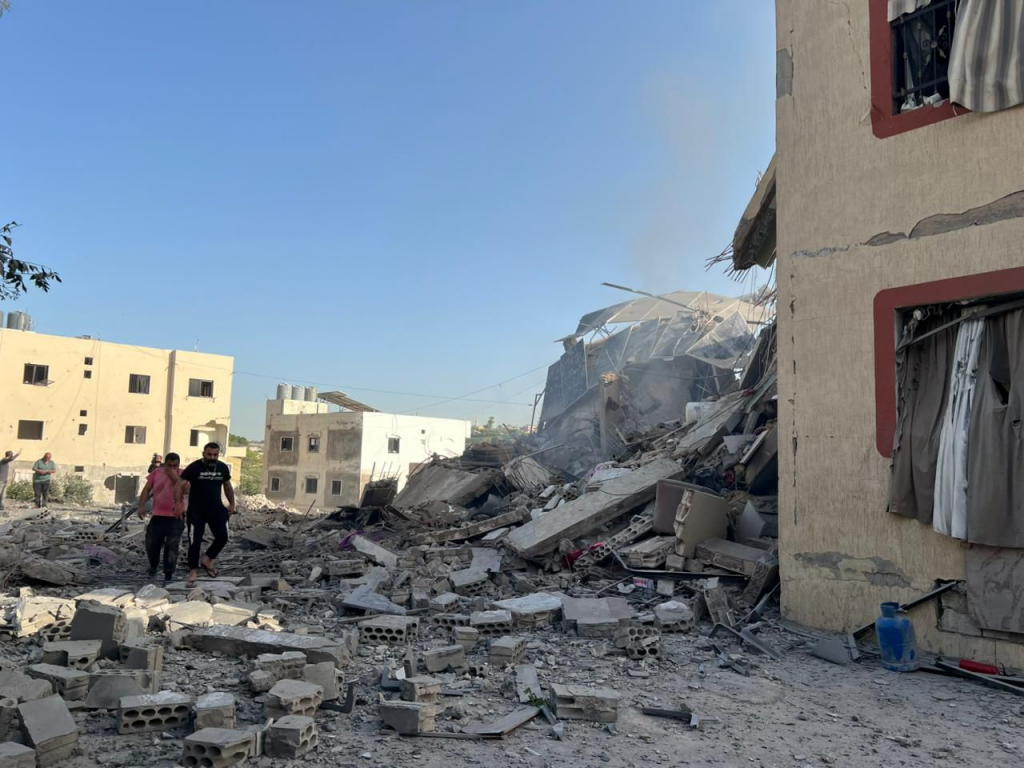
Carpet bombing of the town of Al Majdil in southern Lebanon left a fire belt across the town, reported locals, and an Israeli drone strike targeted Al-Amanah station in al-Dawair, southern Lebanon, while pictured is the results of Israeli airstrikes on As-Saksakiyah.
The Israeli army withdrew from Deir Siryan and Qantara after extensive destruction as part of an effort to consolidate the boundaries of a ‘buffer zone,’ rather than keep troops deployed in positions considered too exposed to Hezbollah attacks, reported L’Orient Today, stating that the two villages were heavily razed during the offensive, with Deir Siryan’s mokhtar reporting fresh explosions in the village as recently as Sunday and Monday, indicating Israeli forces had remained there until shortly before the pullback.
Hezbollah retaliations:
IDF said that Hezbollah fired a ballistic missile on Wednesday night or early hours of Thursday morning towards the southern Haifa Bay area, but no sirens sounded in any towns and the missile hit an open area, the IDF reported.
An impact from an Hezbollah rocket was reported on an empty car in Kiryat Shmona with no injuries recorded from the attack.
Barrages of rockets were fired by Hezbollah throughout the day, including five rockets towards the Krayot suburbs in Haifa in northern Israel at around 6pm local time, as the Israeli military reported some of the rockets were intercepted and others impacted in open areas.
Hezbollah continued launching rockets up to the deadline time that had been set, with one rocket impacting in Nahariya in northern Israel, setting several cars on fire and injuring a man in his 40s, while 15 rocket launches were conducted in the barrage, noting that 10 targeted Karmiel area (of which 8 were shot down) and 5 targeted Nahariya, but air defences were able to shoot down four, while the rest hit in open areas.
Following Hezbollah’s final barrage of rockets, in which they targeted positions and equipment of the Israeli army with several waves of missile attacks, the ceasefire began at 00:00 Beirut time, and while attacks still continued for a short time after, Israel planes withdrew within the hour and reports of attacks and ceasefire violations began to reduce.