 AJ
AJ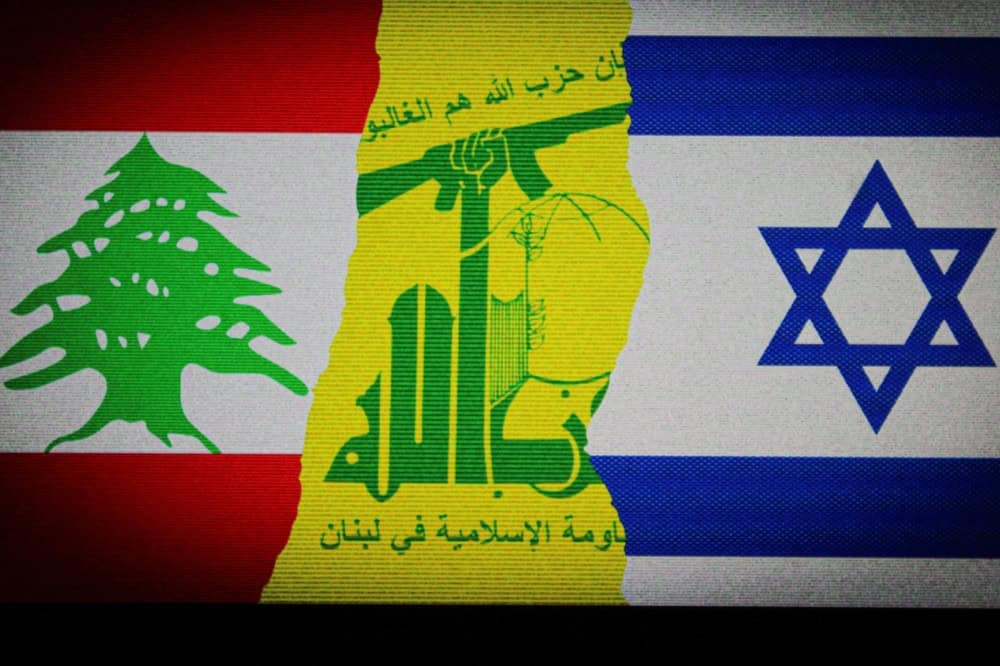
Lebanon have been under Israeli attack since Hezbollah joined Iranian forces in targeting Israel on March 2, as the Army and Government sit back and allow Israel to not only take but settle on land in southern Lebanon, while Israel continue to bombard towns and the capital, claiming attacks on Hezbollah figures or infrastructure.
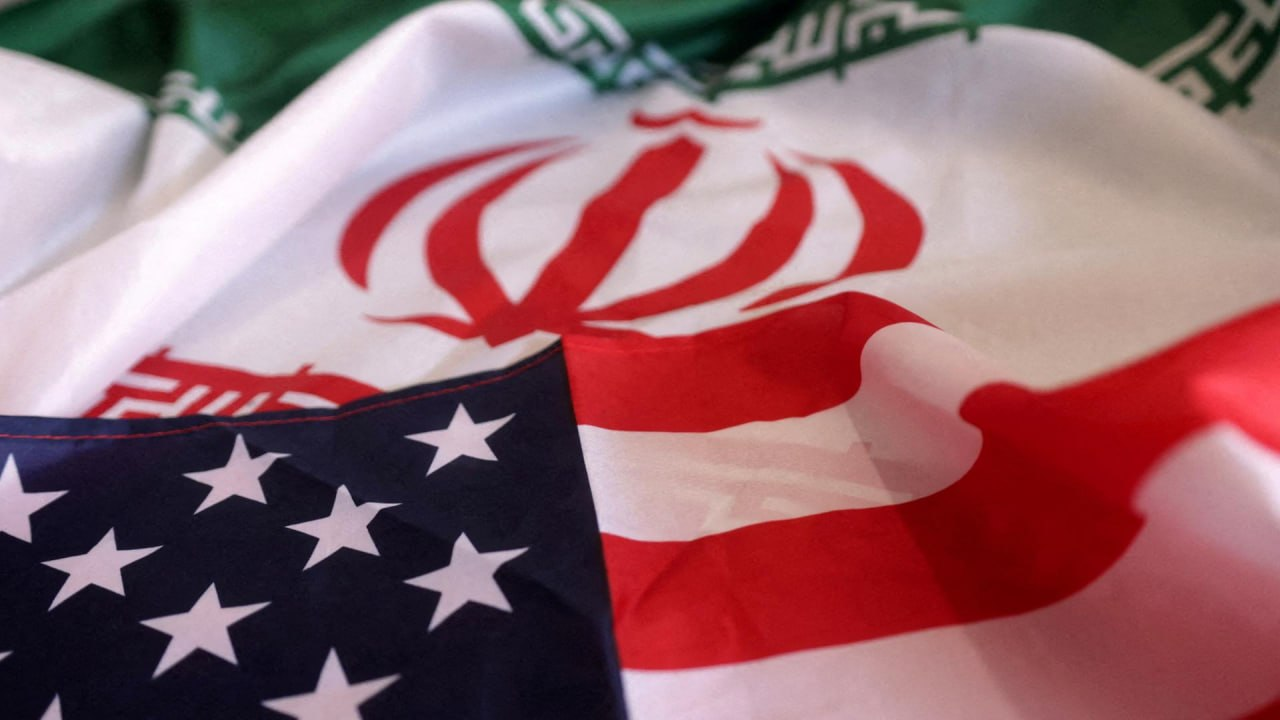
Iran had hoped, even pleaded, for the US to allow Lebanon to be included in the US-Iran ceasefire negotiations, which initially appeared to have been accepted when Pakistani Prime Minister Shehbaz Sharif issued a tweet stating the ceasefire, an agreement which the IRGC and Iranian forces, the Iraqi militias, the Houthis and Hezbollah adhered to.
Meanwhile, Israeli Prime Minister Benjamin Netanyahu pushed hard on US President Donald Trump and the administration not to allow Lebanon to be included in the agreement, which Israel had stated on the morning of the ceasefire, going on to launch massive attacks killing more than 300 people and injuring over a thousand in Lebanon, while Hezbollah were still on the understanding a ceasefire was in place until anything official was reported.

Due to time-zone differences, the United States don’t wake up until around the evening in Israel, (9am ET is 4pm Israeli time), statements from the US were delayed, which verified that the ceasefire agreement only included the Iranian regime and didn’t include Lebanon.
Ambassadors met on Tuesday April 14 in Washington to hold peace talks, however, by this time fire was being exchanged between Israel and Hezbollah in southern Lebanon, including the town of Bint Jbeil, which Israel had completely surrounded and were intent on killing every single ‘alleged’ Hezbollah member inside the town, and Hezbollah stated they were against any talks that excluded the organisation.
Iran was still pushing for Lebanon to be included in the Iranian ceasefire agreement on Wednesday April 15, but a senior Israeli official told Israeli Channel 12 that there had been no official decision or request to hold fire,’ yet a senior Iranian political-security official had told Lebanese Al-Mayadeen that ‘following pressure from Iran, a ceasefire in Lebanon will be approved tonight,’ adding that it would last one week and could be extended depending on the US-Iran ceasefire.
Senior Israeli officials were telling N12 that there was still no official agreement for any ceasefire as evening came, noting that the cabinet were due to meet at around 10pm local time to discuss developments and a potential ceasefire in Lebanon, but until then there would be no halt in military activity.
Washington was also pressuring Jerusalem to implement a deal, according to several Israeli news channels, wanting Israel to refrain from attacking inside Lebanon, starting in the coming days, as America proposed the ceasefire be ‘defined as temporary,’ at the end of which there would be an ultimatum to either resume fighting within a week or to sign a deal.
Peace didn’t look imminent ahead of the Israeli cabinet meeting, after IDF Chief of Staff Eyal Zamir said: “We have approved military plans to continue the fight in Lebanon and Iran.”
Just ahead of the cabinet meeting, an official Lebanese source told Al Araby that there were positive indicators regarding Lebanon’s request for a ceasefire with Israel, but noted the country hadn’t yet been formally notified, while IDF Chief of Staff Eyal Zamir said: “Hezbollah has over 1,700 killed since the start of the campaign, and I have approved plans to continue.”
Israeli Minister of National Security Ben Gvir said he really hoped there wouldn’t be a ceasefire in Lebanon because there were still a lot of missions to complete, adding that he could see how hard PM Netanyahu was trying and kept telling the PM that ‘we are behind you,’ while stating that Hezbollah must be destroyed and wiped out, which is Israel’s job.
Netanyahu put to bed any rumours of an agreement ahead of the cabinet meeting, stating that the Israeli forces were striking Hezbollah and ‘about to conquer Bint Jbeil’ which is Hezbollah’s southern Lebanon stronghold where Hassan Nasrallah once called Israelis ‘weaker than a spider’s web’, and said he’d ordered the IDF to expand the security zone eastward to Hermon slopes to assist Druze communities. The PM also confirmed that direct talks were ongoing with Lebanon for the first time in over 40 years with two goals in mind, including the disarmament of Hezbollah and achieving a sustainable peace from a position of strength.
Talks did continue through the evening through backchannels, reported Kan News and NYT, citing an Israeli source, who confirmed contacts were under way for a temporary ceasefire in the coming days, while Israel weren’t ruling out a US request for a temporary truce in exchange for a commitment to resume fighting if no deal is reached with Iran, as long as Hezbollah also stops attacking Israel.
However, a security cabinet meeting ended shortly after the report by Kan News, which stated no agreement had been reached on a ceasefire with Lebanon and attacks would continue as normal, reported Axios who cited two Israeli officials.
Israel set three conditions for any agreement with Lebanon, reported Ynet, stating that a buffer zone in southern Lebanon up to the Litani River which would be completely free of Hezbollah presence and infrastructure, full military freedom of action to remove threats, including from north of the Litani River, and a long-term process for disarming Hezbollah under US oversight.
Pressure from President Trump had already led to Israel moderating strike action and requiring PM approval, reported Israeli Channel 13, stating that as America push for a ceasefire in the northern sector, contradictory to the wishes of the IDF, the Security Establishment and the political echelon, Israel are still looking to continue to strike, adding that Israeli citizens would likely find out any truce from foreign reports first and only official Israeli announcements later, if at all.
US Secretary of State Rubio, Israeli Ambassador to the US Leiter, and Lebanese Ambassador to the US Hamadeh held talks on Thursday and put forward a proposal which included confidence-building measures by both sides, noting Israel was expected to consider a ceasefire as part of the framework, and both Ambassadors were to consult with their respective leaders before returning with responses.
Soon after the announcement that there would be no ceasefire on Thursday night/Friday morning, Israeli airstrikes were reported on Qana and Debbine in southern Lebanon, as Hezbollah responded with drones fired into northern Israel.