 AJ
AJ
The US/Israel/Iran recap for May 22 featured the latest back and forth in negotiations between Iranian and United States mediators, facilitated by Pakistan, with Army Commander General Asim Munir eventually making his way to Iran to head up the process; a second ship in two days was attacked, but was able to make the assault vessel retreat thanks to onboard security services; and other news in relation to the conflict.

Negotiation News:

On Friday morning, negotiations were continuing with Pakistan’s Foreign Minister Mohsin Naqvi remaining in Tehran overnight, and China was in touch early to support mediation efforts, putting forward a five-point initiative in cooperation with the talks, reported Sabereen News and IRIB News.
US Secretary of State Marco Rubio issued updates on Iran prior to heading into a NATO Foreign Ministers meeting on Friday morning, saying that there has been slight progress in talks with Iran, while saying Tehran was attempting to establish a tolling system in the Strait of Hormuz.

Rubio described the system as unacceptable, stressing that no country should accept Iranian control over the strategic waterway or taxation of passage, however, Iran is committed to exercising its rights over the territorial waters and safeguarding the Strait from hostile military forces.
Al Jazeera said the US and Iran were steadfast on their demands concerning uranium and the Strait of Hormuz during the negotiations, adding Islamabad were still optimistic about the possibility of reaching an interim deal between Tehran and Washington.
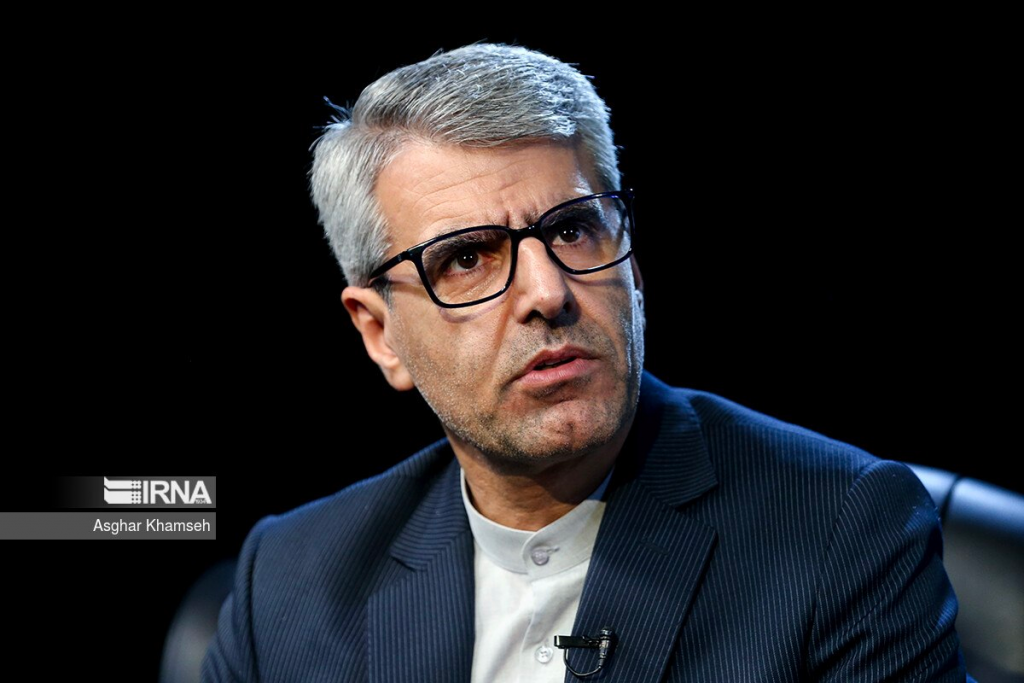
Iranian Foreign Ministry Spokesperson Esmaeil Baghaei said on Friday that the process and presence of senior Pakistani officials in Tehran didn’t mean there had been a turning point or decisive decision, adding: “If you recall, Mr Asim Munir also made a trip to Tehran before, and this process continues.”
Baghaei responded to a question whether it meant a change in the negotiation process by saying: “Yes, we cannot say that we have reached a point where an agreement is near; necessarily no, it is not like that,” he said.
According to Baghaei, the process is ongoing and is neither abnormal or normal: “I have said before that the differences between Iran and the US are so deep and numerous, especially after the crimes they have committed in the last two or three months.”
The FM Spokesperson added: “It cannot be said that with a few rounds of negotiations within a few weeks or months we will definitely reach a result – diplomacy takes time and both sides use every opportunity to convey their views.”
Baghaei also said during the interview that the priority currently is to stop the war, not the nuclear files, so the focus of negotiations is solely on ending the war on various fronts (including Lebanon and the Strait of Hormuz), and due to the past excessive demands of the US, nuclear issues are not currently being discussed in detail.
Pakistan also remain the official mediator of the talks, despite a Qatari delegation travelling to Tehran to help reduce tensions, Baghaei said, confirming the official channel and mediator of the talks remained Pakistan.
An Iranian official source told Al Jazeera that stopping the war on all fronts is the fundamental prerequisite for any upcoming negotiations: “There is no final agreement yet, and efforts are ongoing to narrow the gap between Tehran and Washington,” he said, adding: “The positive atmosphere accompanying the diplomatic efforts is important, but it’s not enough for a real agreement.”
Mediators were still scrambling to secure a stopgap deal between Iran and the US as midnight approached in the Middle East, attempting to prevent new strikes which could come in days, according to repeated warnings by officials and Jewish media.
Pakistan, Qatar and other regional players are trying to bridge gaps over Iran’s nuclear program, sanctions relief and regional security, but the aim isn’t a full agreement, instead more of a temporary framework that extends the ceasefire and allows for broader negotiations to continue.
An informed source close to the negotiating team allegedly told Tasnim News that talks and consultations on disputed issues were ongoing with no final results reached as of yet, however, the Pakistan media is still exchanging messages and discussing various topics.
Tasnim’s informed source said the current focus was still on ‘ending the war’ and until this matter was finalised, no other issue would be negotiated, adding that some progress had been made compared to before on some issues, but no agreement had been reached, and texts that some Western sources published about the details of the drafts were inaccurate.
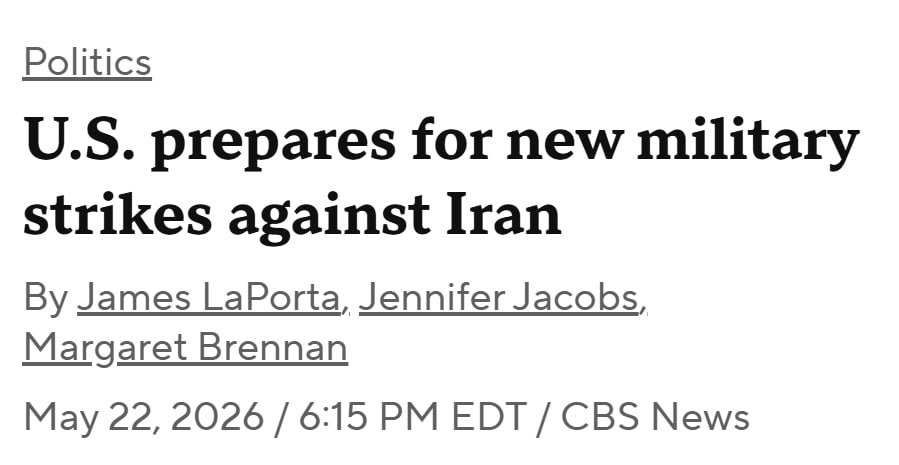
CBS reported that the Trump Administration were preparing for a potential new round of strikes despite ongoing diplomatic efforts, as several US military and intelligence officials cancelled Memorial Day weekend plans amid expectations that military action could be ordered.
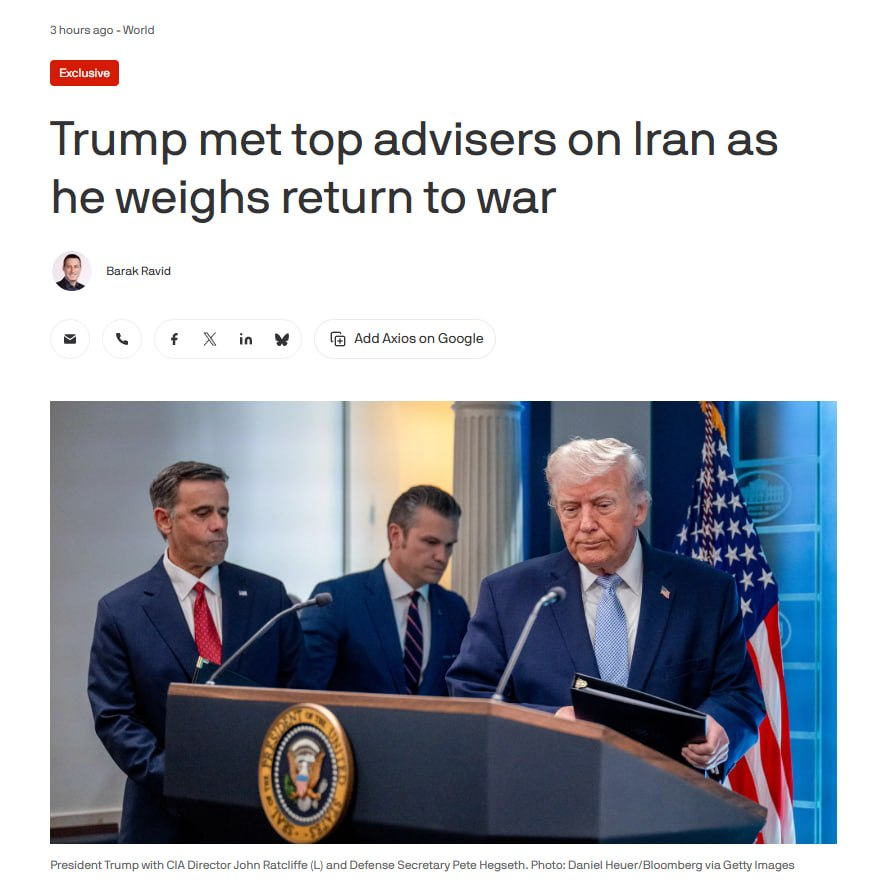
Axios reported President Trump met with senior national security advisers on Friday, weighing the possibility of new military strikes, according to US officials, stating that although no final decision has been made to resume the war in Iran, Trump could seriously consider action unless negotiations improved significantly.
US Vice President JD Vance, Secretary of War Pete Hegseth and CIA Director John Ratcliffe all attended a meeting which led to Trump cancelling attending his son’s wedding this weekend, citing government duties, and will remain in the White House.
Israeli news channel N12 reported that President Trump was becoming frustrated with a lack of a breakthrough in negotiations, as sources warned Trump’s frustration increased the risk of decisive action against the Iranian government.
As the evening turned into morning, Iranian Foreign Minister Abbas Araghchi held talks with Commander of the Pakistani Army General Asim Munir, discussing the negotiation process and efforts to mediate the peace agreement, but it appears as of Saturday morning, there was still no further updates.
Marco Rubio’s comments on Iran:
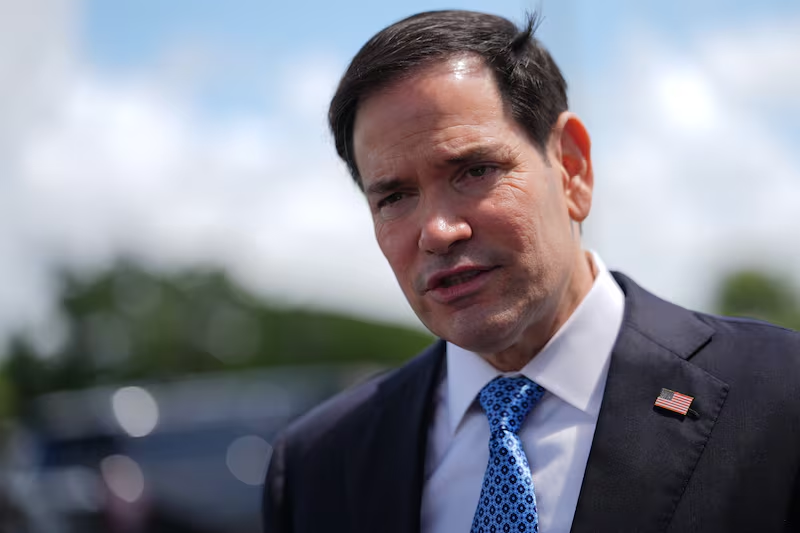
Secretary of State Marco Rubio said that everyone would be happy to see an agreement with Iran in which they opened the Strait of Hormuz and abandoned their nuclear weapon ambitions, and the plans continued to be worked on, but the US also needed a Plan B, because what happened if Iran refused to reopen the Strait and charged tolls on it?
Rubio said: “At this point something would have to be done, and we need to start thinking about what we will do if in a few weeks Iran decides – we don’t care, we will keep the Strait closed, shoot and sink any ship that does not agree with us or pay us a fee.
“Let’s say Iran decide to open the Strait and does not shoot at ships – someone will still have to enter the Strait and remove mines, and that is the efficiency of the Anglo-French mechanism – Plan B is in case Iran refuses to open the Strait,” added Rubio.
Rubio also said that despite a Qatari delegation being in Iran, that the main mediator was Pakistan, who was doing a ‘good job,’ and while other countries had interest, especially the Gulf countries at the centre of the crisis, the US have spoken with all of them.
The Secretary added that the negotiators were dealing with a ‘very difficult group of people,’ and if it doesn’t change, then President Trump has been clear on his other options, though he prefers the negotiated option and having a good deal,” adding that: “Trump has expressed concern that maybe that’s not possible, but we’re going to keep trying – I know our guys are still working on that very hard.”
News from Iran:
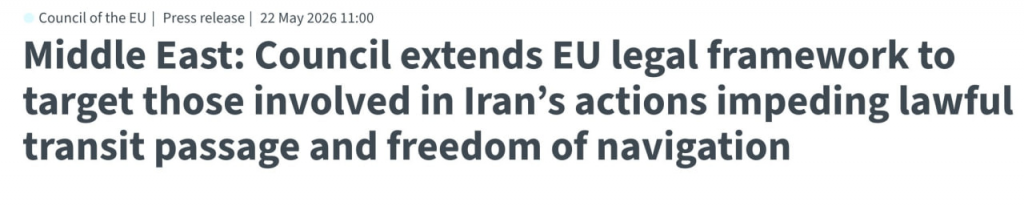
The European Council extended its sanctions framework, targeting individuals and entities involved in Iran’s actions in the Middle East, including the Strait of Hormuz, which was originally established to address Iran’s military support of Russia and armed groups of the region, but will now allow the EU to impose travel bans and asset freezes on those undermining lawful transit passage.
This latest decision implemented a political agreement reached by EU foreign ministers on 21 April, and the EU said Iran’s actions against vessels transiting the Strait are contrary to international law, infringing on established rights of passage through international waters.
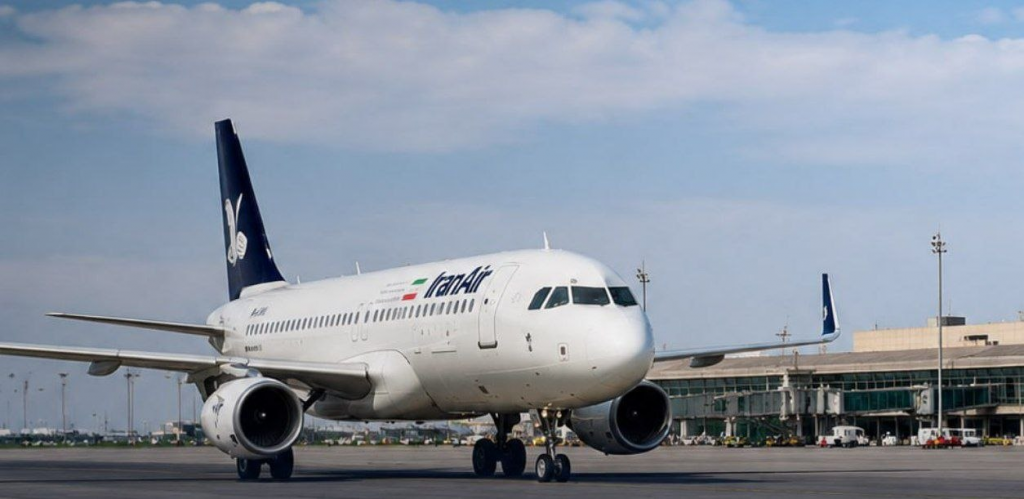
Mahshahr and Ahvaz airports are reopening and returning to operation on Saturday, the Civil Aviation Organisation announced, with flights likely to begin nationally, and international flights will resume on a timetable.
News from the Strait:
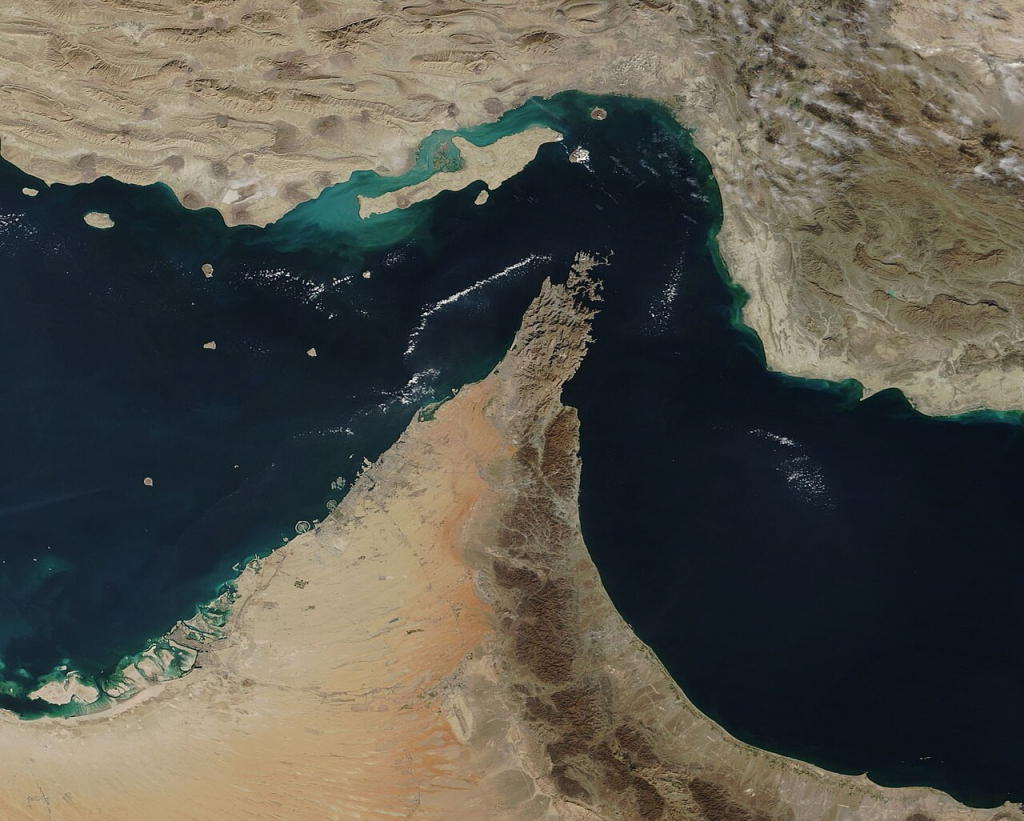
Iran’s IRGC Navy reported to Tasnim News that 35 vessels, including oil tankers, container ships and other commercial ships had passed safely through the Strait of Hormuz under coordination and security provided by the IRGC Naval Forces in the previous 24 hours, taking the total to 93 vessels in 3 days.
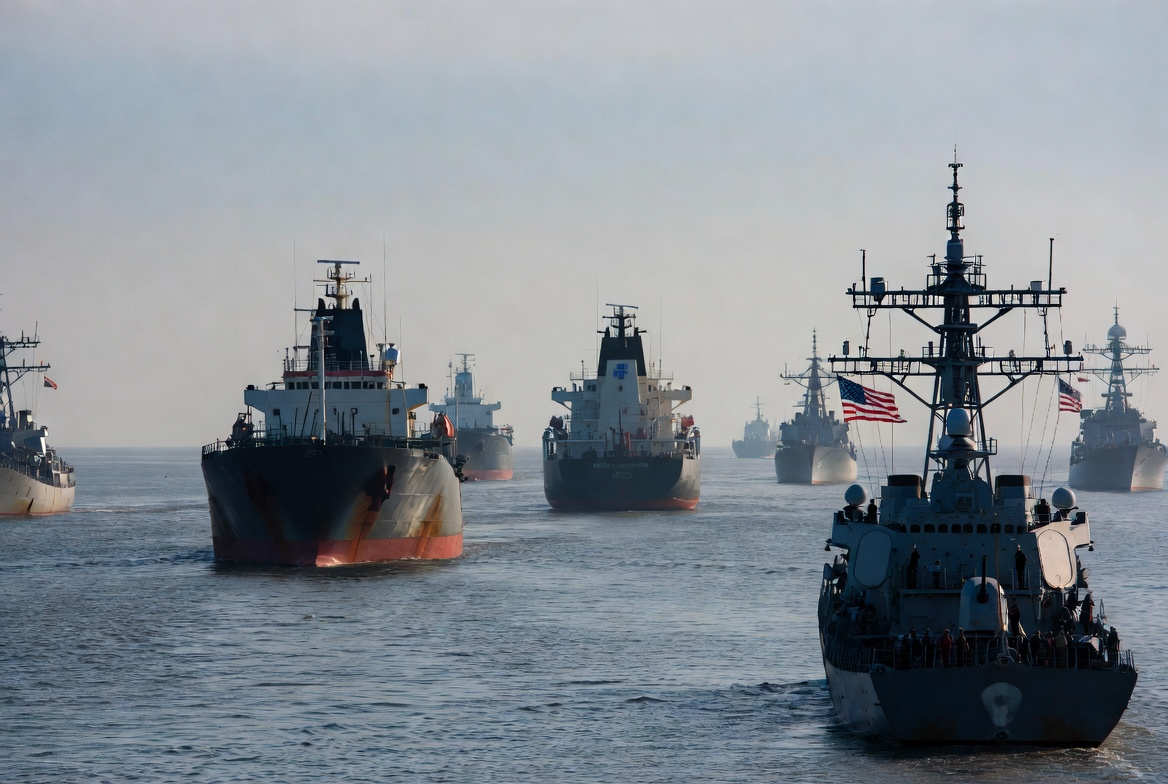
US Central Command said on Friday they’d seized another three vessels within 24 hours, taking the total number to 97 since the start of the blockade, along with the four disabled for compliance.
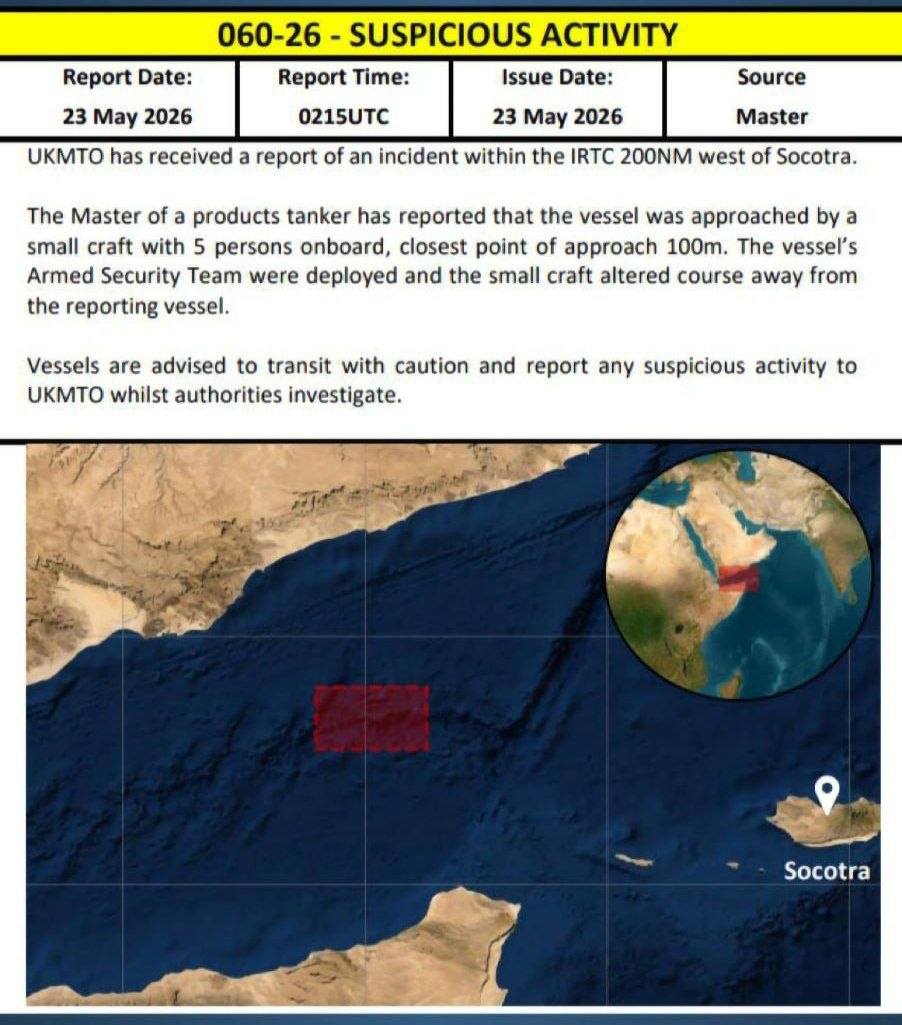
An incident occurred involving an oil tanker 200 nautical miles west of Socotra in Yemen, reported the UK Maritime Operations Organisation, claiming a vessel was approached by an armed force of five personnel, but security crews fired warning shots and the vessel retreated.
Discussions about regional issues:
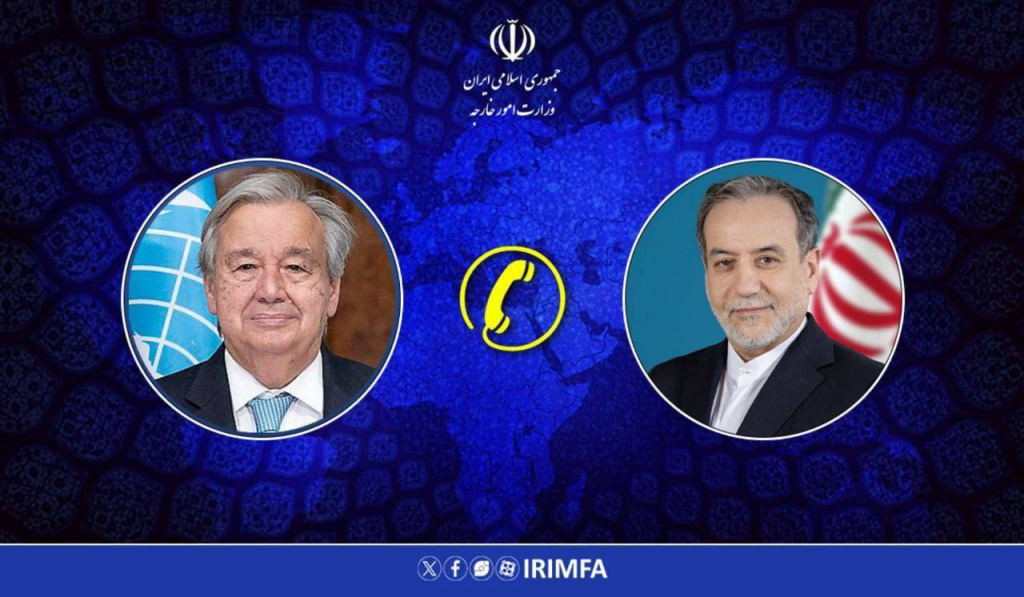
United Nations Secretary-General Antonio Guterres held a call with Iranian Foreign Minister Abbas Araghchi to discuss the latest regional situation, developments related to diplomacy between Iran and the US, mediation efforts by Pakistan, and exchange views on the latest regional and international developments.
Iran said they considered contradictory stances and repeated excessive demands as factors for disrupting the talks mediated by Pakistan, stating: “Despite severe suspicion towards the United States, the Islamic Republic of Iran has entered this diplomatic process responsibly and with full seriousness, striving to achieve a reasonable and just outcome.
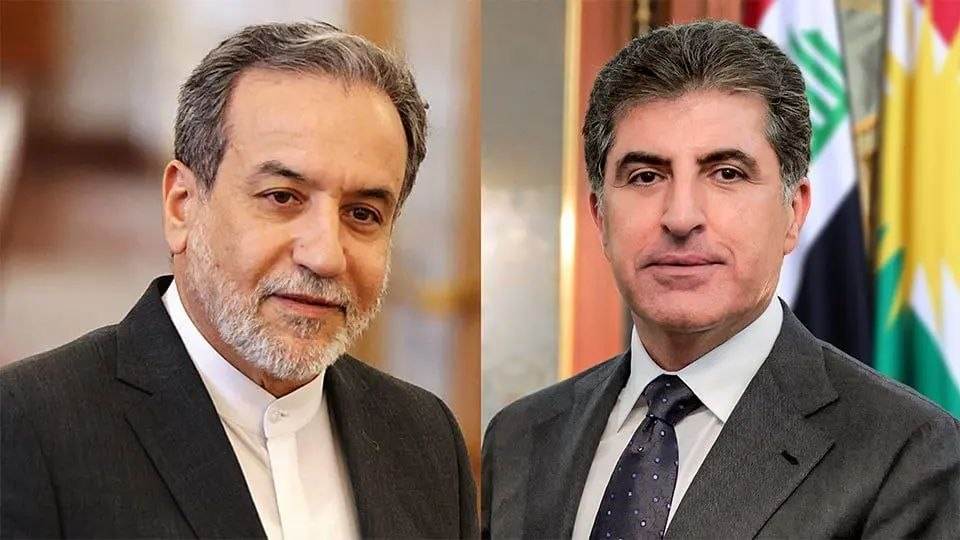
Iran’s Foreign Minister Abbas Araghchi spoke with President Barzani of the Kurdistan Region of Iraq in a phone call, discussing issues of mutual interest including bilateral Iran-Iraq relations, regional developments, maintaining the security of shared borders, and combating terrorism.
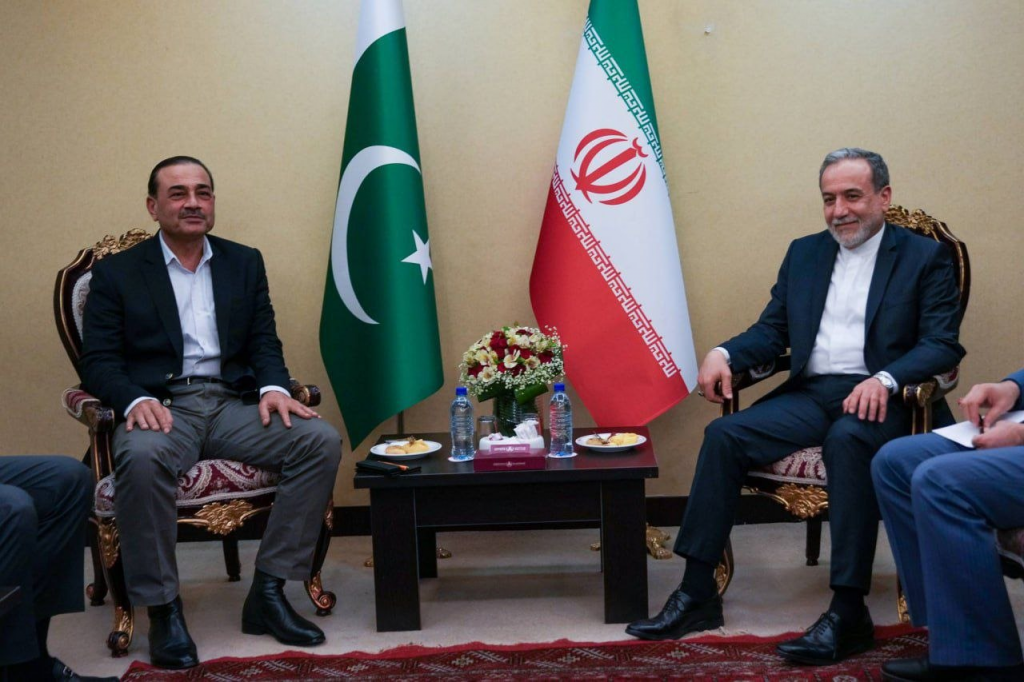
Foreign Minister Abbas Araghchi began a meeting with Commander of the Pakistan Army Asim Munir late in the evening, which continued until the early hours of the morning, to exchange views on the latest diplomatic efforts and initiatives to prevent escalation of tensions, as well as ending the war, along with ways to strengthen peace, stability, and security in the West Asia region.
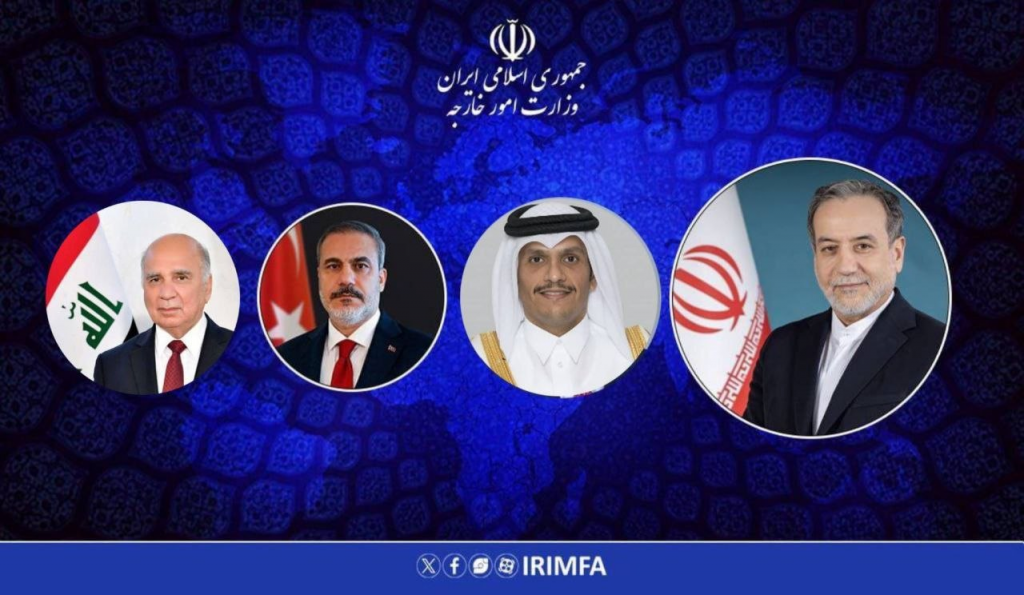
Iran’s Foreign Minister Abbas Araghchi also held calls on Friday with Turkish Foreign Minister Hakan Fidan, Qatari Foreign Minister and PM Mohammed bin Abdulrahman Al Thani, and Iraqi Foreign Minister Fuad Hussein, to discuss bilateral issues, the latest developments both regional and international, along with progress in the current negotiation process.
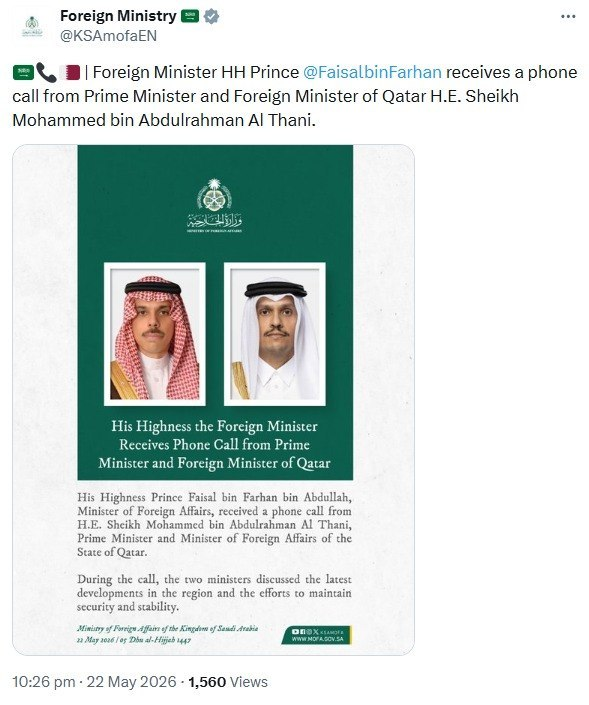
Saudi’s Foreign Ministry announced on X that Foreign Minister Faisal bin Farhan had spoken on the phone with the Prime Minister of Qatar and Foreign Minister Mohammad bin Abdulrahman Al Thani, discussing recent developments in the region and the efforts to maintain security and stability.
Other News:
German Foreign Minister Johann Wadephul said on Friday that Germany will participate in securing the Strait of Hormuz under British leadership and alongside the French forces in the region.
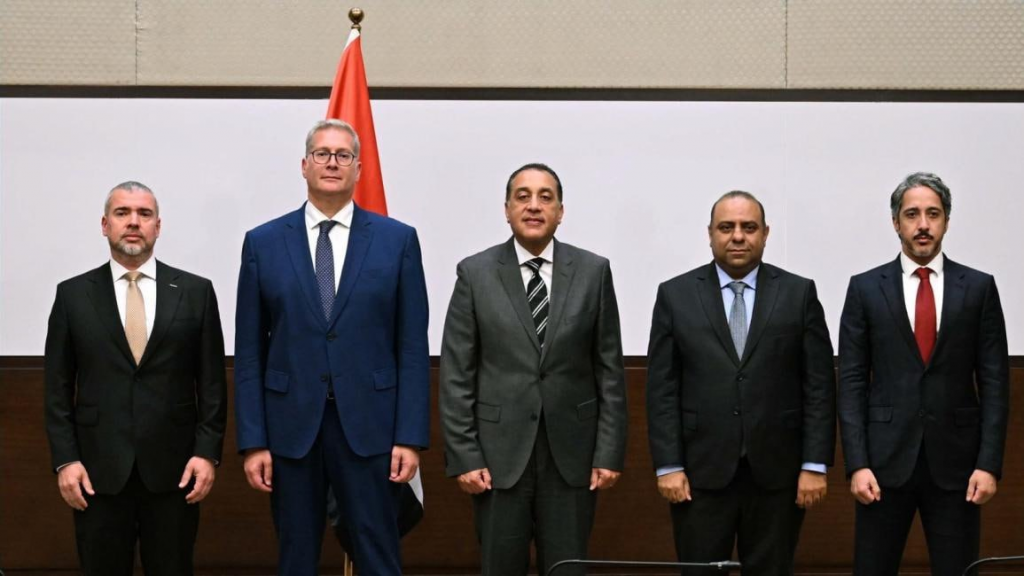
QatarEnergy signed a memorandum of understanding with both ExxonMobil and the Egyptian Government in order to study the development and marketing of gas discoveries in Cyprus, using Egypt’s existing infrastructure for gas and LNG exports.
The agreement aims to enhance Egypt’s role as a potential Eastern Mediterranean gas hub and support regional integration, as QatarEnergy’s CEO said the MoU represented an important step unlocking the long-term commercial potential of natural gas resources in the region.
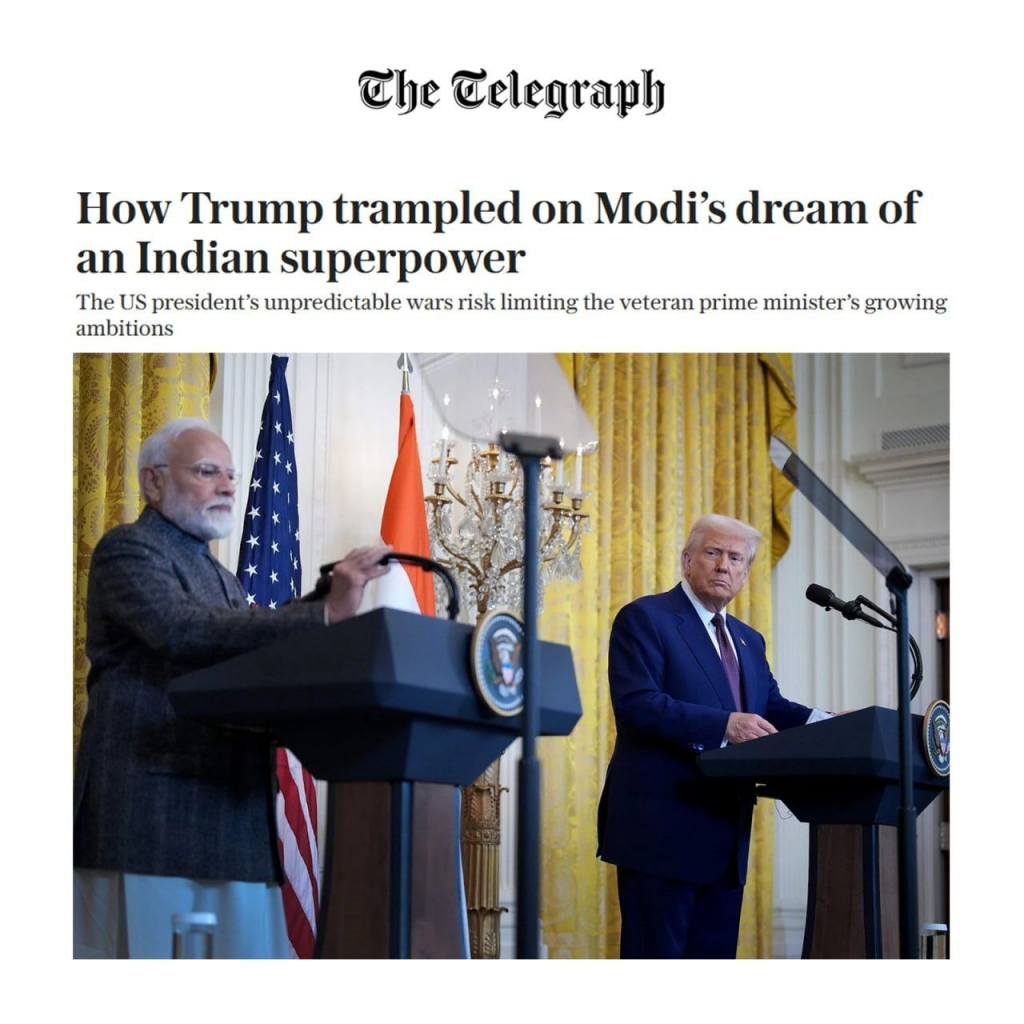
President Trump’s war with Iran allegedly trampled Modi’s dream of India becoming a superpower, derailing the country economically and geopolitically, reported The Telegraph, noting that foreign investors were fleeing, the currency was plummeting, petrol prices were rising, and Modi had been forced to impose tariffs and import restrictions on goods including gold – Indians’ most popular purchase.
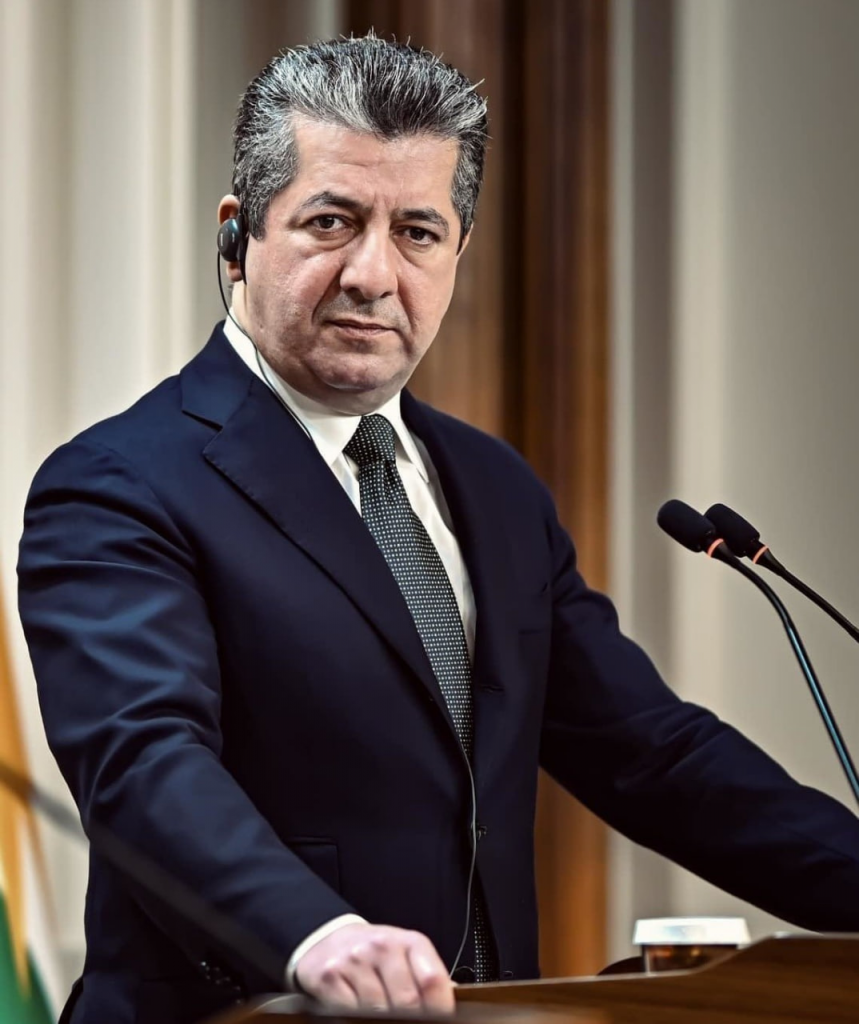
Kurdistan Regional Government Prime Minister Masrour Barzani and Iraqi Prime Minister Ali al-Zaydi are due to meet next week in Baghdad, for talks that include electricity reform, oil exports, drone attacks and salary disputes.
The KRG plans to offer its experience with the Runaki 24-hour electricity Project which serves almost 5.5 million residents, while in return will seek security guarantees to allow international oil companies to resume production and exports, which were disrupted by drone attacks on energy infrastructure.
Iraq are facing an estimated monthly financial gap of around $9.5 billion due to declining exports and the closure of the Strait of Hormuz, a financial adviser to Prime Minister al-Zaydi told Middle Eastern newspaper The New Region.
Oil export revenues fell from $6 billion in February to just over $1 billion in April, leading the finance ministry to prepare an emergency three-part plan that included domestic borrowing, foreign borrowing and measures to increase non-oil reserves through taxes, fees and financial reforms.
“The current crisis represents a real test for Iraq’s oil-dependent economic structure,” Salih said, adding that accelerated financial and banking reforms, along with diversifying the economy, would strengthen the country’s ability to withstand geopolitical shocks.
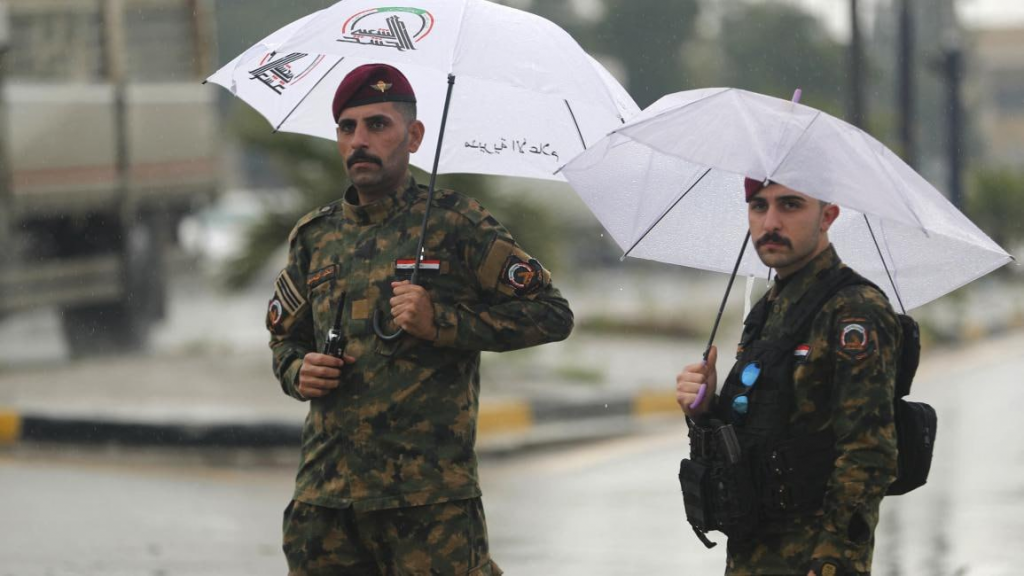
Iraqi security and political leaders have been discussing the creation of a ‘Federal Security Ministry’ that would combine all armed formations in the country that are not part of the regular armed forces, including the Popular Mobilisation Forces and the Peshmerga, into the country’s military.
The proposal is an update to one issued earlier this week to the US responding to international pressure to centralise weapons under state control while avoiding direct confrontation with militia groups.
According to the new update, the plan would unite the PMF, Peshmerga, Rapid Response Forces and Federal Police under a single authority, but it remains at an early stage and faces opposition from some Shia factions who believe it could dismantle the PMF’s ideological structural identity, while a member of the al-Nujaba movement called the initiative an Israeli-backed US pressure tactic.
Jewish media, this time The Jerusalem Post, continued to post war warnings almost two weeks after Axios claimed to have had copies of a peace agreement and warned that if it wasn’t accepted, then war would resume, however, with the weekend approaching, a lot of media tend to fear the worst, or fearmonger the worst.
The Jerusalem Post were allegedly told by Israeli intelligence officials that Iran could be preparing a surprise missile and drone attack against both Israel and Gulf states amid escaling regional tensions.
Concerns were raised following a situational assessment involving senior Israeli military leaders and Defence Minister Israel Katz, all of whom are worried that the US will sign a deal with Iran that won’t meet any of Israel’s initial goals.
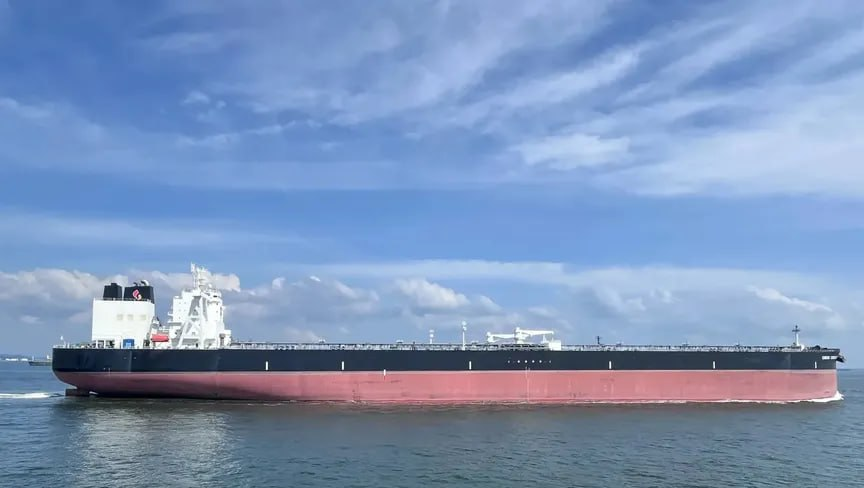
Japan are set to receive their first crude oil tanker from the Gulf via the Strait of Hormuz since the beginning of the war, as the large crude carrier Idemitsu Maru, carrying 2 million barrels of Saudi crude, crossed the Strait in late April and is now expected to arrive at the Aichi refinery on Monday.
Reports also suggest a second Japanese-linked tanker, Eneos Endeavour, also transited the vital waterway earlier in May, but since the war almost completely shut the Strait, major importers have been forced to tap into strategic reserves and seek alternative supplies.
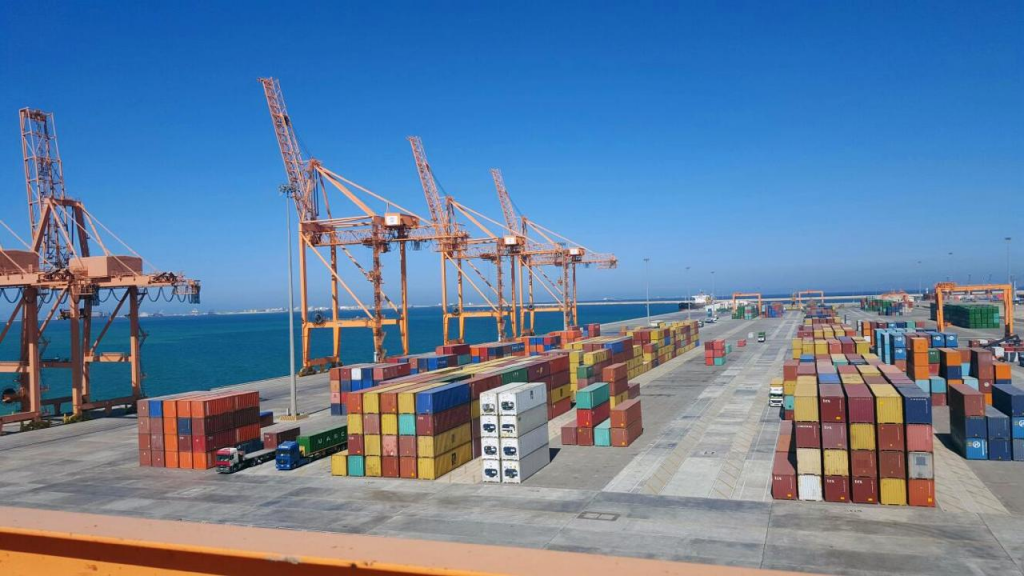
Saudi Ports Authority Mawani launched a new shipping service recently, connecting the ports of Jeddah, Salalah, and Djibouti with a capacity of 1,730 standard containers, according to Saudi State TV, in a move aimed at strengthening maritime trade links between the Kingdom and global ports.
According to reports, this move came as Saudi Arabia accelerated alternative Red Sea shipping corridors amid disruptions tied to the war and the effective blockade of the Strait of Hormuz.
Mawani also launched the ‘Red Sea Express’ route this week, which links Jeddah and Yanbu with Egypt’s Ain Sokhna and Jordan’s Aqaba.
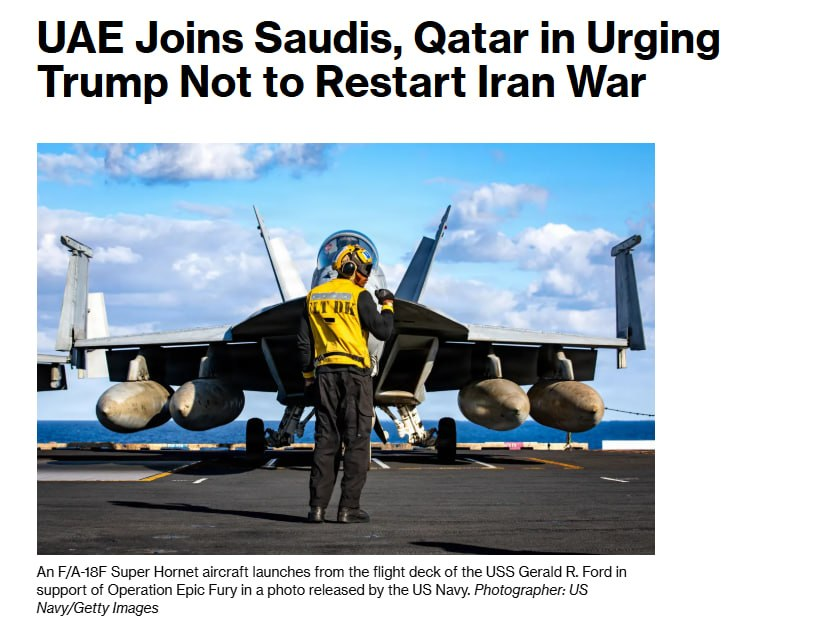
Since recent revelations surrounding the UAE and Israel becoming very close, the UAE have appeared to do a 180 and are now intensifying efforts to end the war with Iran, joining Saudi Arabia and Qatar in urging the President to continue with the negotiations, rather than siding with Israeli Prime Minister Benjamin Netanyahu’s war plans to ‘cripple Iran,’ according to Bloomberg.
Gulf leaders warned that renewed hostilities and possible Iranian retaliation could destabilise regional economies and create widespread disruption, and while the UAE, Saudi Arabia and Qatar differ on what type of agreement Washington should pursue with Iran, they all want the war to end.