 AJ
AJ
The US/Israel/Iran recap for May 21 includes details about the negotiations, although talks were still ongoing, news from and about Iran and the US, as well as news from around the world.

Negotiation News:
⚡️ Iran are reportedly reviewing the proposal sent by the United States regarding a possible agreement framework, ISNA reported.
🔹 According to the report, discussions in Tehran are focused on the overall framework, specific details, and confidence-building guarantees, stating that the latest US proposal reduced some gaps between the sides, but said ‘further progress depended on the end of the temptation of war on Washington’s side.’
🔹 Pakistan’s Army Chief General Asim Munir’s visit to Tehran is aimed at helping narrow the remaining differences and move towards an official acceptance of a memorandum of understanding, the report concluded.
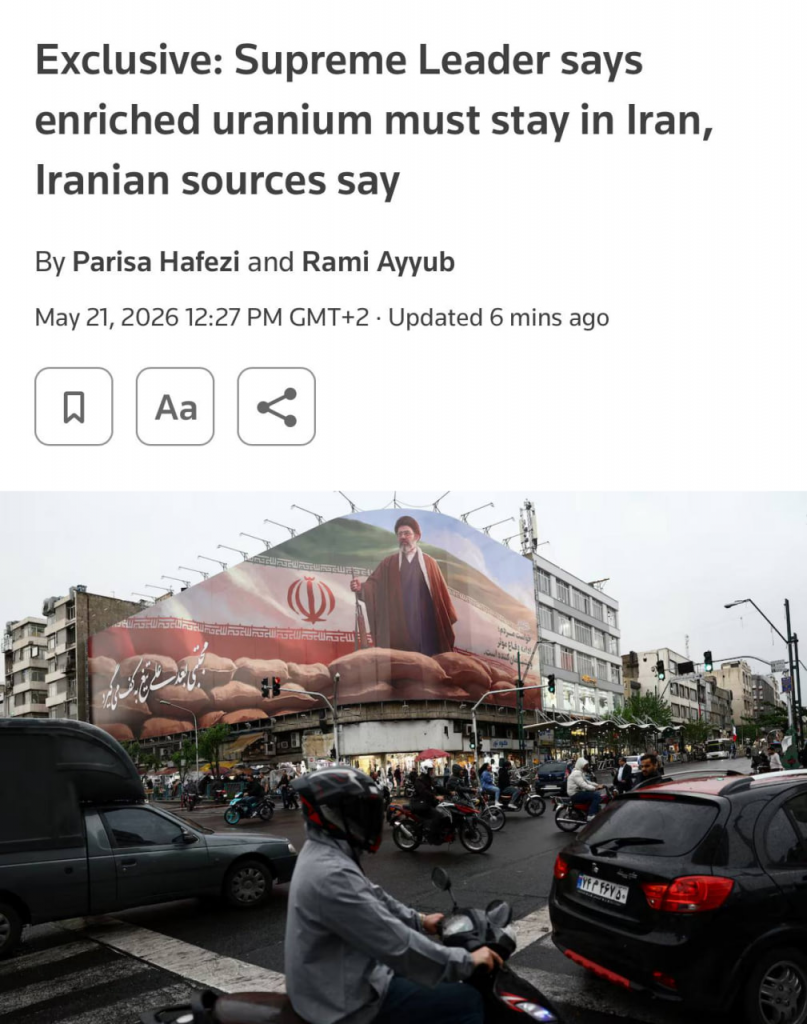
⚡️ Iranian Supreme Leader Mojtaba Khamenei has ordered that Iran’s near-weapons-grade enriched uranium must remain inside the country, according to Reuters.
🔹 Two senior Iranian sources confirmed the directive, with one saying that “the consensus within the establishment is that the stockpile of enriched uranium should not leave the country.”
⚡️ Officials at the White House are denying a previous report that Iranian Supreme Leader Mojtaba Khamenei ordered that the highly enriched uranium in Iran was a false report, a source involved in the negotiations told Fox News.
⚡️ A senior Iranian official told Al Jazeera that claims from Reuters of the Iranian Supreme Leader issuing a new order requiring enriched uranium to remain inside Iran was propaganda by the ‘enemies of the deal,’ stating that no new order had been issued and that Tehran’s position remained consistent – Iran would downblend the material itself.
⚡️ President Trump confirmed on Thursday that negotiations with Iran were ongoing, and one way or another, ‘they will not have nuclear weapons,’ adding that the US will receive the uranium: “We do not want it and will probably destroy it, but we will not allow it to be in their possession,” he said.
⚡️ Saudi-owned news outlet Al-Arabiya TV said they’d allegedly obtained a final draft of a Pakistan-mediated agreement between the US and Iran, reportedly set to be announced within hours, but no announcement came.
🔹 According to the outlet, the draft included an immediate and comprehensive ceasefire on all fronts, mutual guaranteed freedom of navigation in the Gulf and Strait of Hormuz, along with a joint monitoring mechanism.
🔹 Sanctions would be gradually lifted in exchange for Iran’s cooperation, the report continued, adding that negotiations on outstanding issues would begin within seven days, and the agreement would enter force immediately upon a formal announcement.
⚡️ As midnight approached in Iran and the negotiation process continued, talks were still tense, but progressing, reported Reuters, stating no deal had been made, but gaps had been narrowed, while noting that Iran’s uranium enrichment program and its control over the Strait of Hormuz remained the key sticking points.
USA:
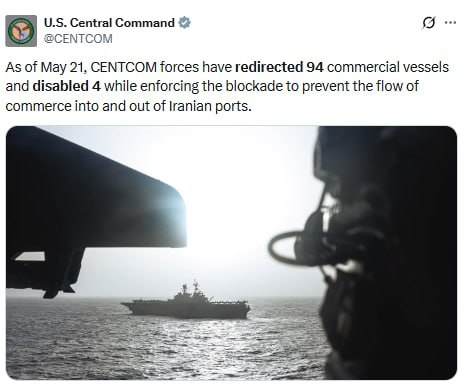
⚡️ CENTCOM reported that forces had ordered another 3 vessels to turn around in a 24-hour period, taking the total to 94 commercial vessels redirected and 4 disabled, as part of the ongoing efforts to enforce the blockade on the Iranian ports.
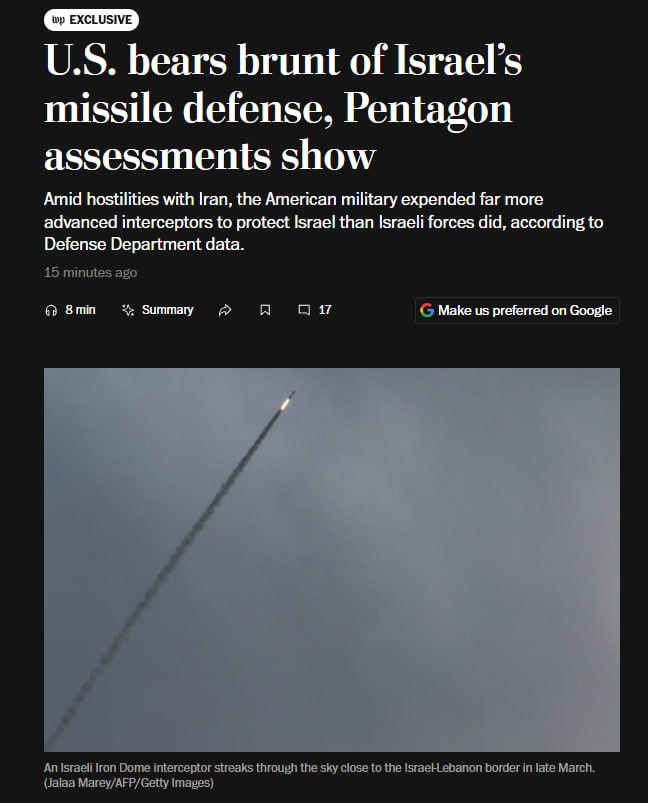
⚡️ The US military depleted significant portions of advanced missile-defence interceptors, due to defending Israel during the war, than what Israel forces had used themselves, The Washington Post reported, citing Defence Department assessments.
🔹 Officials said Washington launched more than 200 THAAD interceptors, approximately half of the Pentagon’s inventory, along with more than 100 SM-3 and SM-6 naval interceptors, during the war, compared to around 100 Arrow interceptors and 90 David’s Sling interceptors launched by Israel.
🔹 An administration official warned that if fighting was to resume, the disparity could grow further because some of Israel’s missile defence batteries were offline for maintenance.
🔹 The Pentagon and Israeli officials defended the cooperation, saying both countries contributed across multiple and and missile defence systems during the conflict.
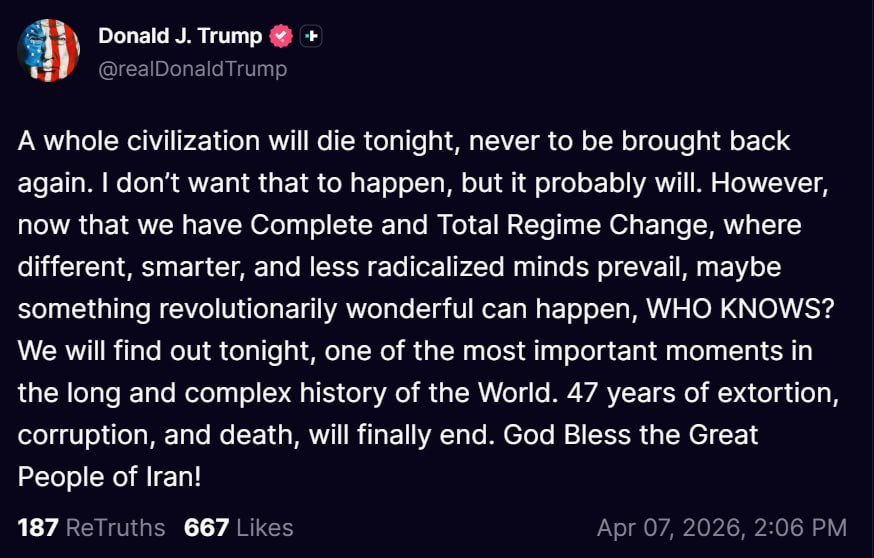
⚡️ European and Asian officials were concerned that President Trump could be hinting at using a nuclear weapon when a Truth Social on April 7 said ‘a whole civilisation will die tonight,’ Reuters reported.
🔹 Russia could then have justification to use nuclear weapons in Ukraine, possibly creating simultaneous crises in multiple regions, governments feared, leading to the European governments seeking clarification from the US State department, but officials said they didn’t know what Trump had meant, or what actions could follow from the statement.
🔹 United Kingdom, France, and Germany drafted a joint statement but ultimately chose not to release it, fearing it could have prompted President Trump to continue the bombing of Iran.
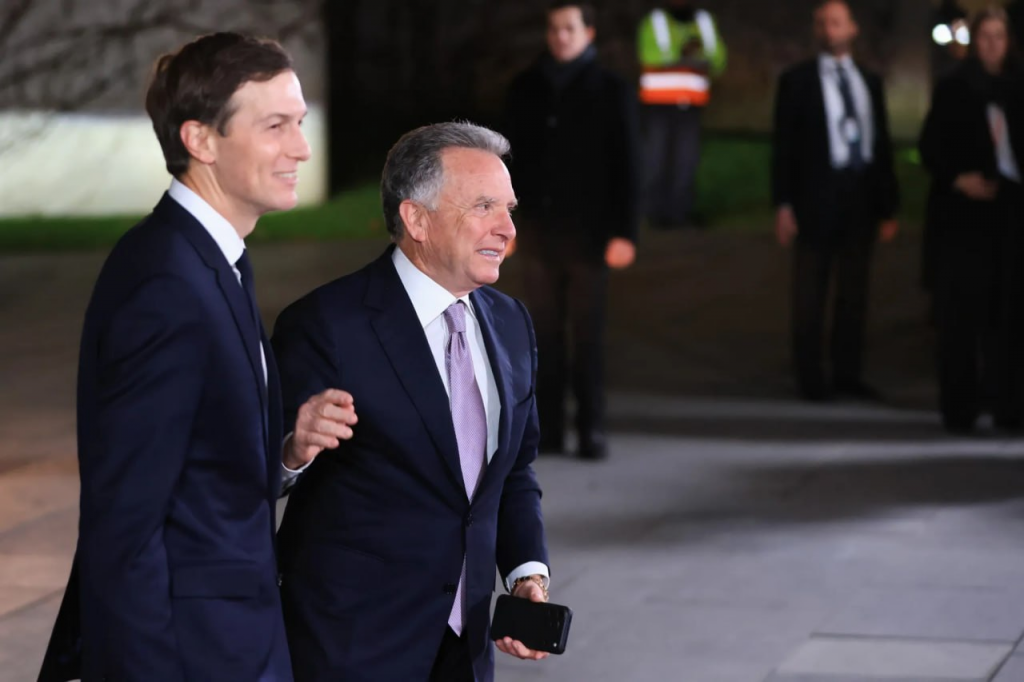
⚡️ President Trump increasingly relied on Jared Kushner and Steve Witkoff taking the lead roles in the Iranian negotiations rather than the traditional diplomatic efforts, pushing out Iranian nuclear experts in the process, reported Reuters.
🔹 Kushner and Witkoff met Iranian representatives in Geneva in late February without US nuclear specialists present, even after the administration had dismissed several Iran experts, including diplomat Nate Swanson, who helped implement the 2015 Iran nuclear agreement under former President Barack Obama.
🔹 Swanson said Witkoff initially asked him to re-join the talks with Tehran but later stopped seeking exert input, and was eventually dismissed after criticism from Trump confident Laura Loomer, who called him an ‘Obama holdover.’
🔹 Witkoff appeared to misunderstand parts of Iran’s proposal during the subsequent briefings, overstating the immediacy of Tehran’s nuclear threat, Reuters said.
🔹 One senior European diplomat said the US negotiating team struggled to understand aspects of Iran’s nuclear program, including uranium enrichment thresholds, requiring European officials to explain key details during the Geneva discussions, and when the talks collapsed on February 28, Israel and the US launched strikes on Iran.
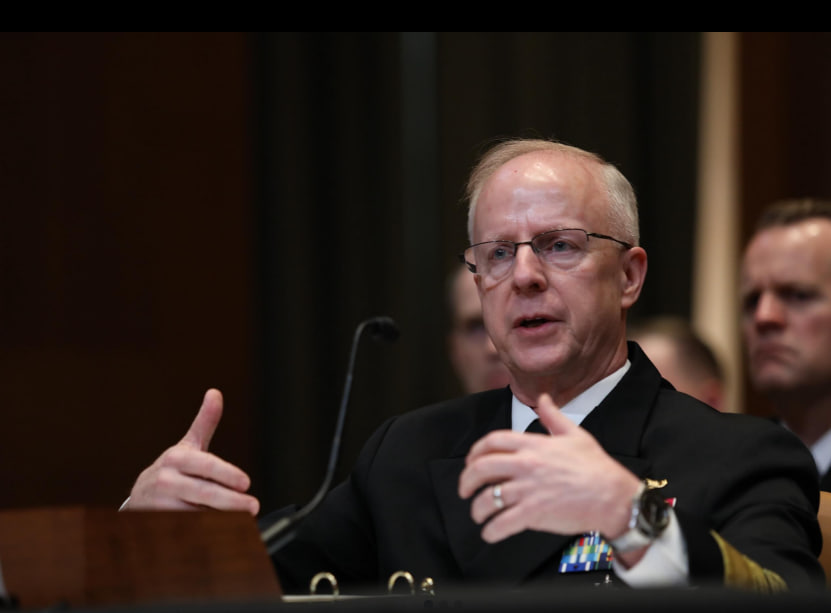
⚡️ Chief of Naval Operations, Admiral Daryl Caudle, told Congress on Thursday that the US had shot a lot of Iran’s mine layers, which took a lot of intel, as well as dynamic targeting, to complete the operation effectively, while the US continued expeditionary UUV-enabled demining operations, hoping to give confidence that commercial shipping can transit the Strait of Hormuz safely.
🔹 Admiral Caudle said that the US looked into escorting vessels, but it was a very challenging mission in a contested narrow strait, so the forces needed to get to a place where the strait is open with a generally accepted ceasefire before escorting can be turned on en masse, adding that providing escorts through a contested strait will, in his military opinion, exceed the capacity of the Navy to do that effectively.
Iran:
⚡️ US intelligence assessments allege Iran has restarted parts of its drone production during the six-week ceasefire that began in early April, with officials telling CNN that Tehran is rebuilding some military capabilities faster than anticipated.
🔹 Officials added that Iran are also restoring missile sites, launchers, and weapon production infrastructure that was damaged during the strikes, with officials warning Iran still poses a significant threat in the region if the campaign was to resume.
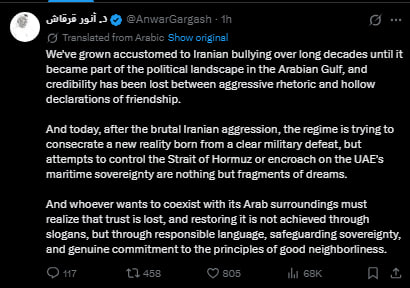
⚡️ Diplomatic advisor to the UAE President, Anwar Gargash, took to X to accuse Iran of ‘decades of bullying’ in the Gulf and said recent events exposed what he described as a loss of credibility between Tehran’s rhetoric and actions.
🔹 Gargash stated that attempts by Iran to control the Strait of Hormuz or challenging the UAE’s maritime sovereignty were ‘nothing but fragments of dreams,’ adding that rebuilding trust with Arab neighbours required ‘responsible language, safeguarding sovereignty, and genuine commitment to the principles of good neighbourliness.’
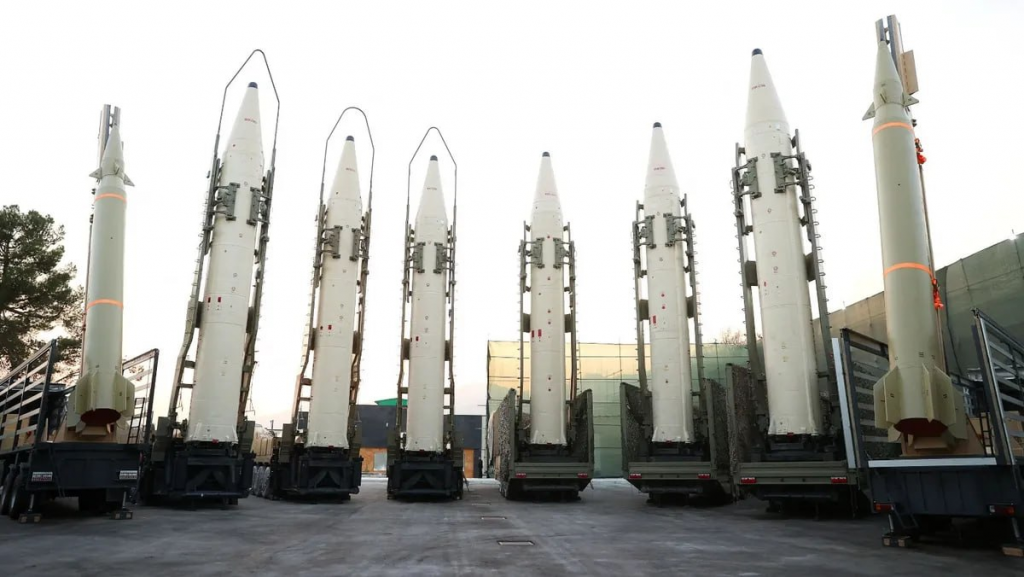
⚡️ Iran allegedly asked China for thousands of tonnes of ammonium perchlorate, which is a solid rocket fuel oxidiser, so that Iran can rebuild its ballistic missile capabilities, according to a report by Asharq, who stated the shipment could help manufacture up to 800 missiles.
🔹 An Iranian company applied to import the components from an Hong-Kong based firm, according to the report, noting that the US had sanctioned several Chinese and Iranian entities already for supporting Iran’s missile program.
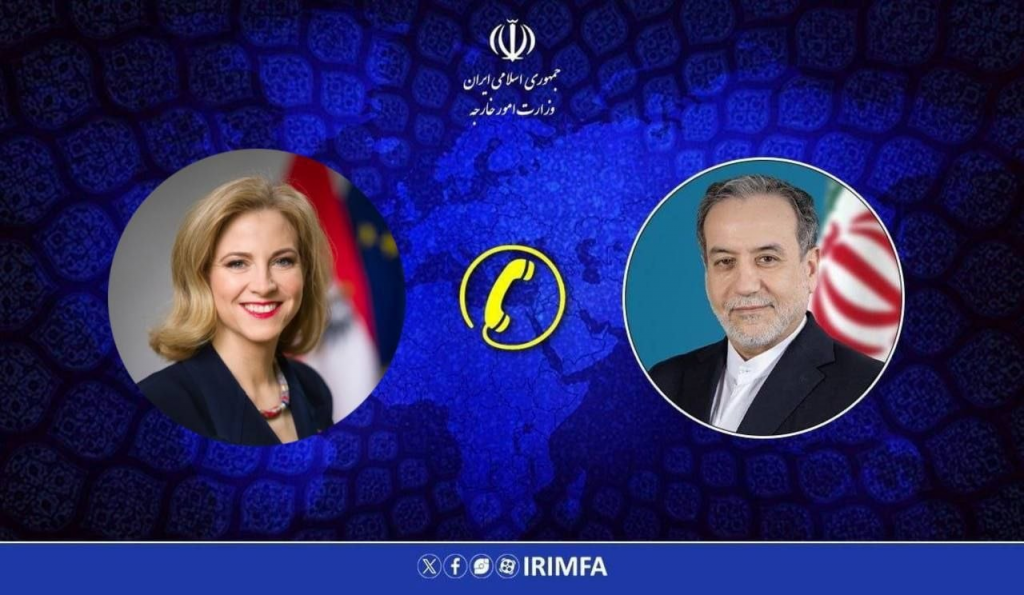
⚡️ Iranian Foreign Minister Abbas Araghchi held a conversation with Austrian Foreign Minister Beate Meinl-Reisinger, discussing the latest developments and issues related to diplomacy and bilateral relations, exchanging views, and discussing the potential outcome of any possible deal.
⚡️ 20 Iranian sailors were returned to Iran on Thursday afternoon, and Iran’s ambassador to Pakistan issued a statement saying: “I sincerely appreciate the humanitarian and benevolent action of the honourable government of Pakistan in pursuing the release of 20 Iranian sailors who were in an unfavourable situation due to the seizure of their ship in Singapore waters.”
🔹 The ambassador continued: “In this regard, I thank the tireless efforts of the honourable Prime Minister and the Ministry of Foreign Affairs of Pakistan, especially the Deputy Prime Minister and Minister of Foreign Affairs, and other relevant institutions – after diplomatic efforts, these sailors were transferred from Singapore to Islamabad and returned to their dear homeland a few hours ago.”
⚡️ IRNA’s Managing Director was summoned to the prosecutor’s office following the publication of images of a woman without observing the country’s Islamic laws and regulations, and now the MD needs to visit the Culture and Media Prosecutor’s Office to provide explanations, Fars News reported.
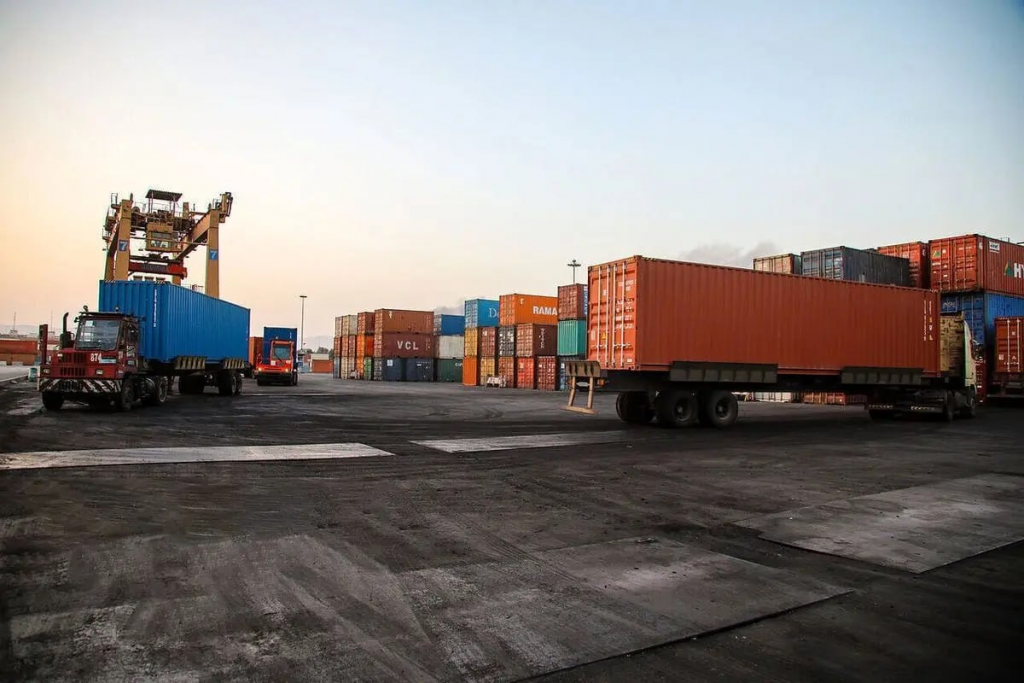
⚡️ Iran’s head of the Road Maintenance and Transportation Organisation said around 6 million tons of cargo had been transported from the country’s southern ports between February 28 and May 20, adding that it amounted to around 20% more compared to the same period last year.
⚡️ Russian Foreign Ministry Spokesperson Maria Zakharova reaffirmed Moscow’s stance on Iran’s nuclear program on Thursday, stressing that the issue can only be resolved through diplomatic channels that respected Tehran’s interests, and declared that Iran’s right to develop the peaceful use of nuclear energy is both firmy established and inviolable.
🔹 Furthermore, Moscow asserted Iran’s right to enriched uranium must not be questioned or subjected to arbitrary restrictions to satisfy the circumstantial demands, political agendas, or warnings of foreign nations.
🔹 Zakharova added that it was up to the Iranian people alone to decide how to exercise their enrichment rights, noting that Iran itself must dictate the fate of its uranium stockpiles.
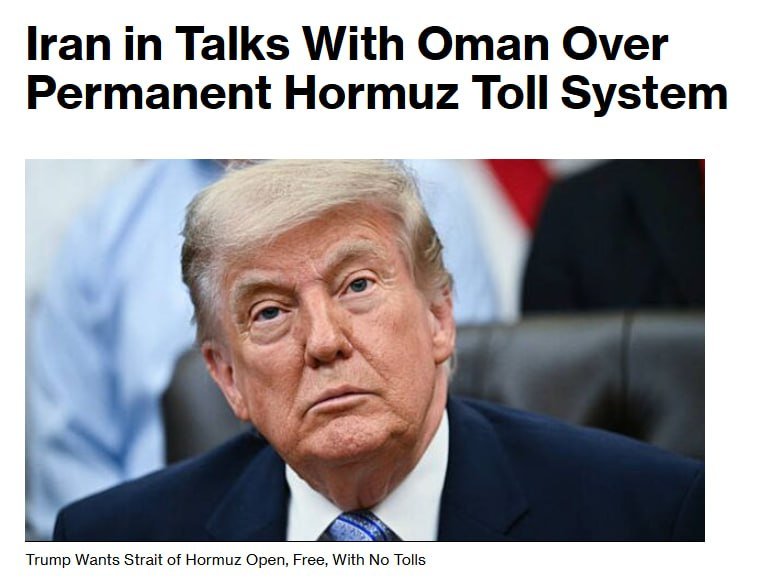
⚡️ Iran have been holding discussions with the Sultanate of Oman on how to establish a form of permanent fee system that would formalise control over maritime navigation through the Strait of Hormuz, Bloomberg reported.
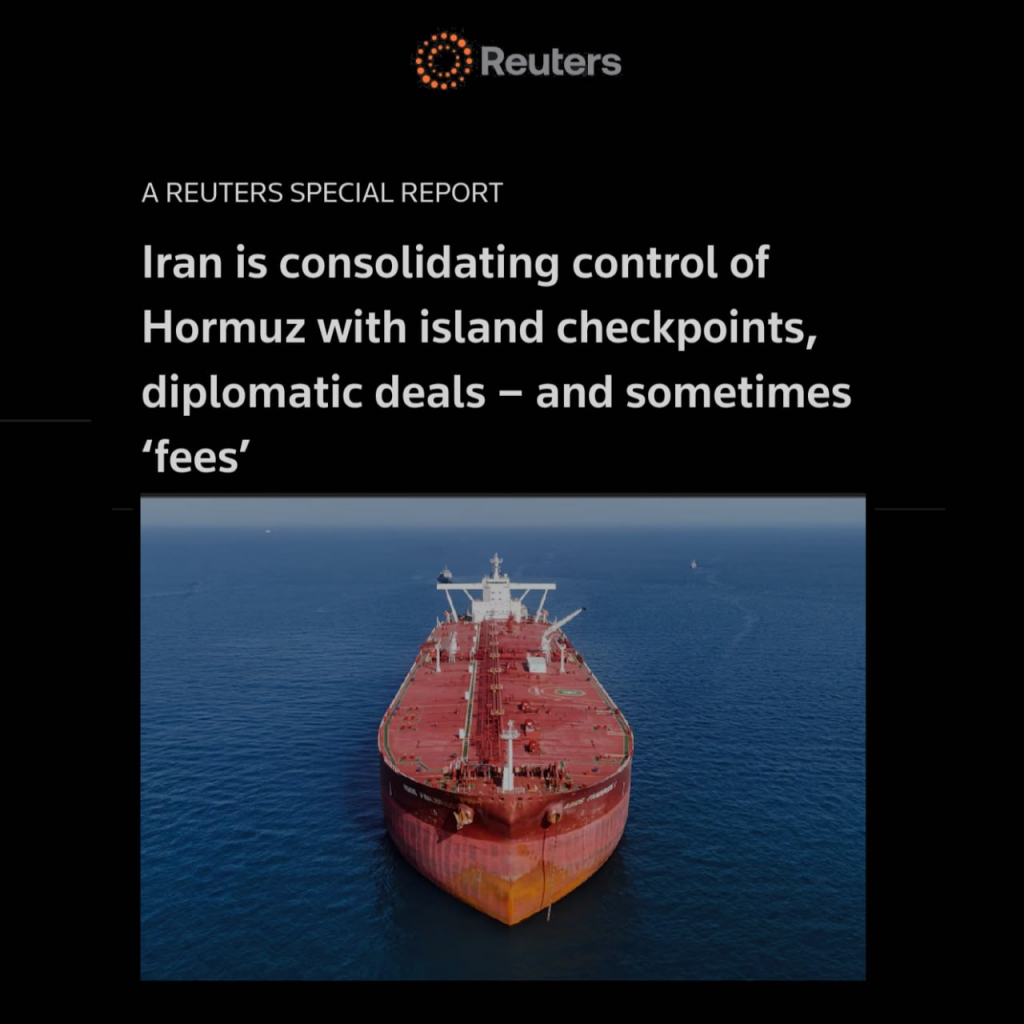
⚡️ Iran have been consolidating control over the Strait of Hormuz, establishing checkpoints, diplomatic agreements, and ‘sometimes charging fees,’ reported Reuters, noting the multi-layered system comes at a time when countries are trying to secure dwindling energy reserves.
🔹 The US warned about countries complying with Iran’s controls, but some governments and shipping companies are prepared to accept the risk.
🔹 Under Iran’s new mechanism is a prioritisation system that gives precedence to ships related to allies, namely Russia and China, followed by countries like India and Pakistan that have close ties to Iran, and other governments follow these.
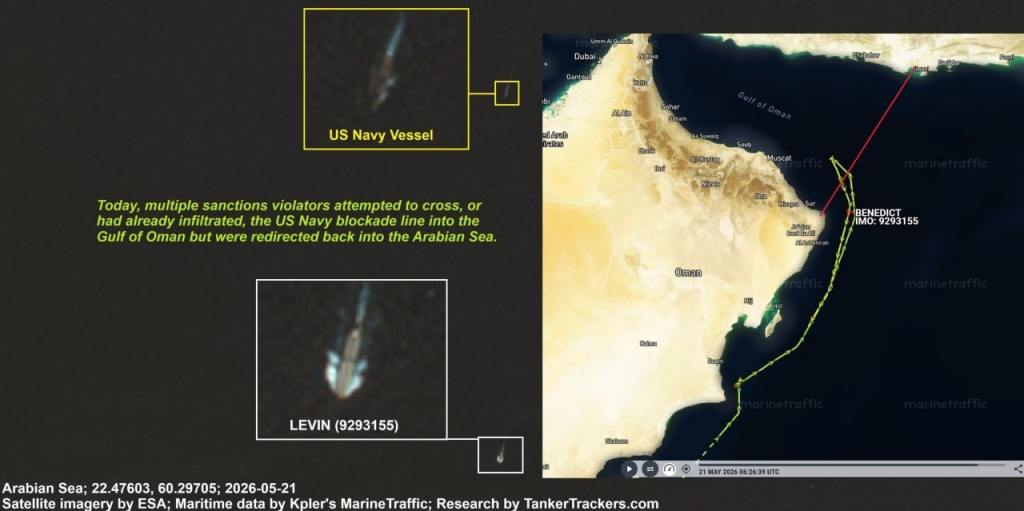
⚡️ Tanker Trackers reported that the US Navy had blocked several sanctions-violating tankers off the east coast of Oman, including the empty cargo Aframax tanker Levin, which normally transfers Iranian oil, but was pursued and redirect back to the Arabian Sea.
🔹 However, multiple non-sanctioned but Iranian-linked tankers have entered the blockade perimeter because the US Treasury hadn’t sanctioned them yet, with around 49 tankers currently waiting to transit.
Other News:
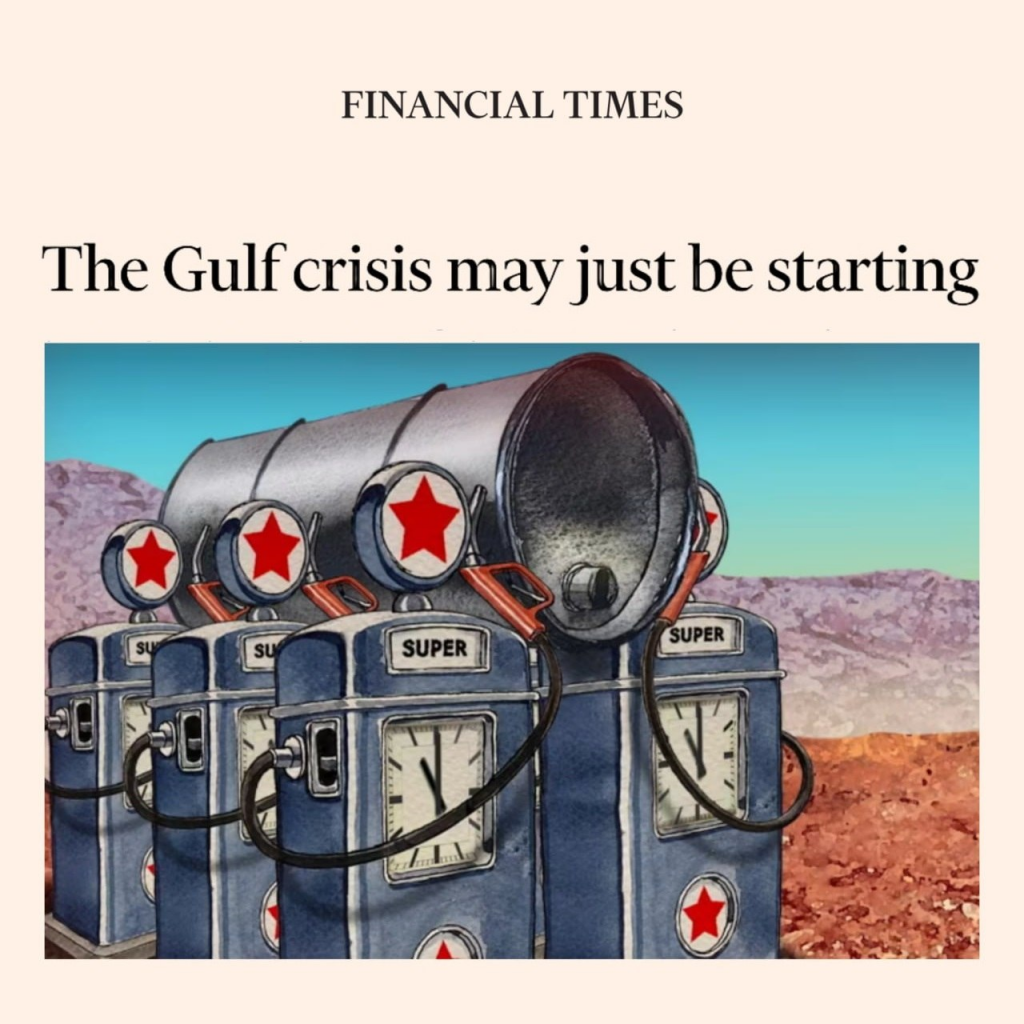
⚡️ Vessels that had already passed through the Strait of Hormuz before it was closed have mostly reached their destinations, but since late February, no ships carrying oil, liquified natural gas, petroleum derivatives, urea, hydrogen, helium, and other goods, have passed through the Strait.
🔹 Financial Times also reported that until today, shortages have mostly been hypothetical, but with the reduction and depletion of stockpiles, shortages are becoming real, and the absence of the shipments that didn’t move will be increasingly felt.
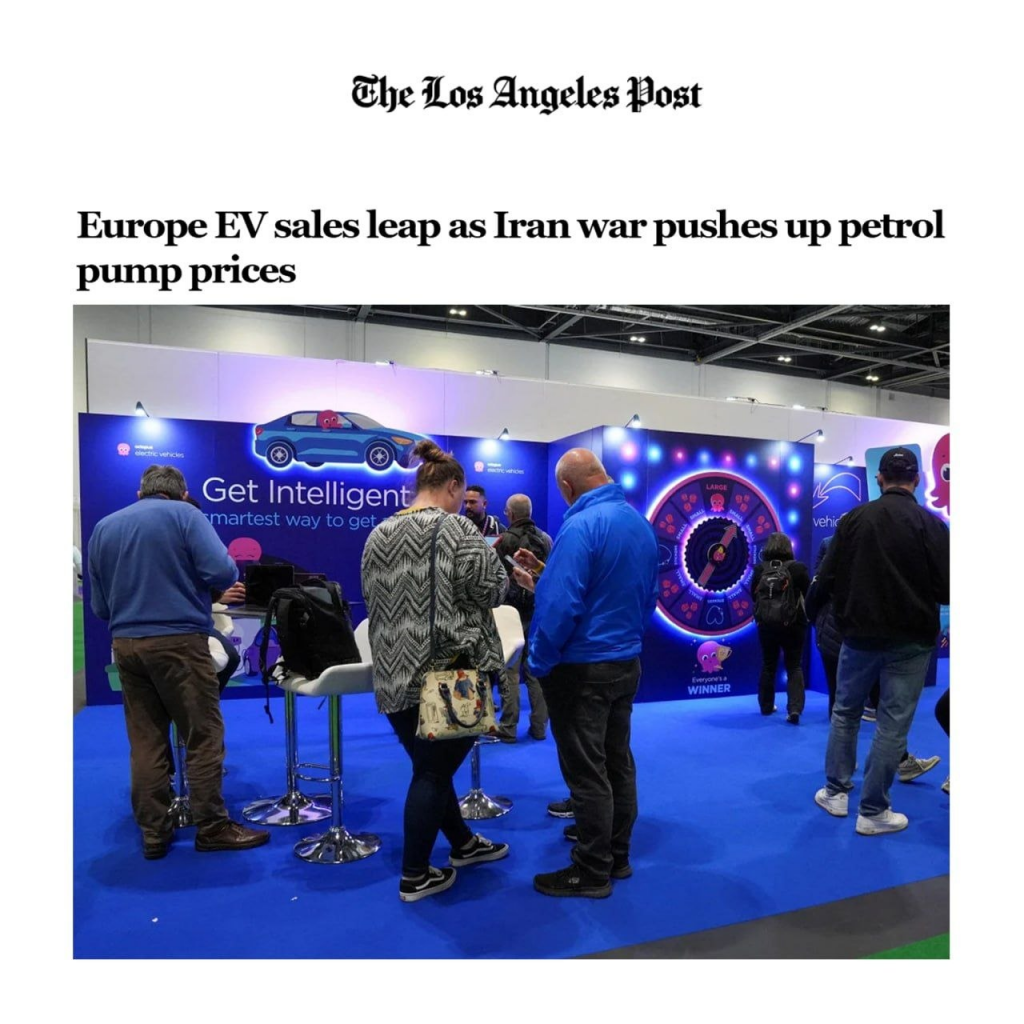
⚡️ Demand for electric vehicles in Europe surged recently as high fuel prices driven by the war boosted sales of both new and used electric cars, reported the Los Angeles Post.
🔹 The war has given the electric car industry a new lease of life, the Post said, adding that the war had fundamentally shifted Europeans’ thinking on energy security, moving electric vehicles from ‘maybe someday’ to ‘right now.’
⚡️ France’s government believe the crisis in the Middle East is going to last longer than other nations believe, with the French state aid to gas for fishing and farming industries being prolonged for three months, as well as €710 million of additional public aid to lower the effects of the gas crisis.
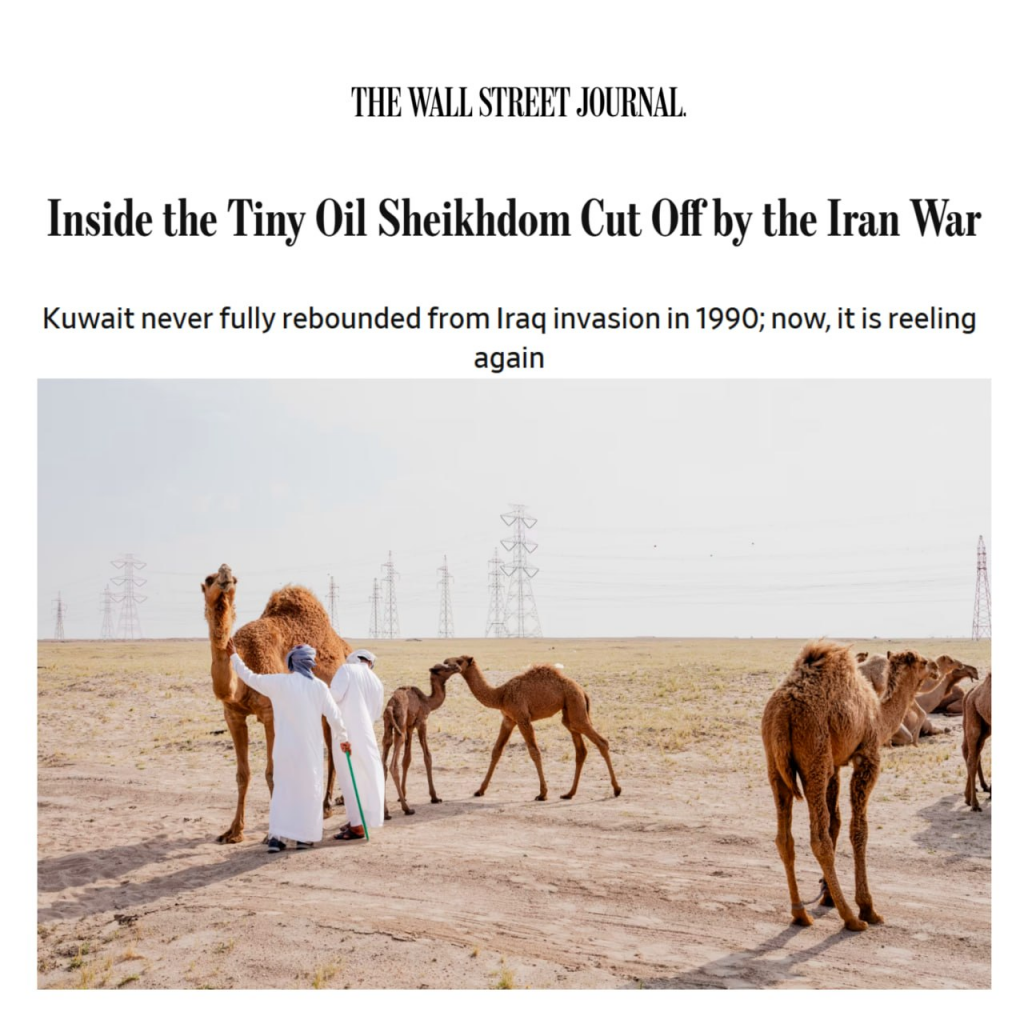
⚡️ Kuwait didn’t fully recover from the Iraq invasion in 1990, but is yet again plunged into crisis due to the closure of the Strait of Hormuz and damage caused by Iranian drone attacks, resulting in Kuwait’s daily export of 2 million barrels of oil completely stopping.
🔹 According to the report, the lack of 2 million barrels per day deprives the world of around 2% of its daily needs and also cuts off Kuwait’s main source of income, and almost all food or drink supplies come through trucks via land routes across Saudi Arabia, costing six times more than sea transport.
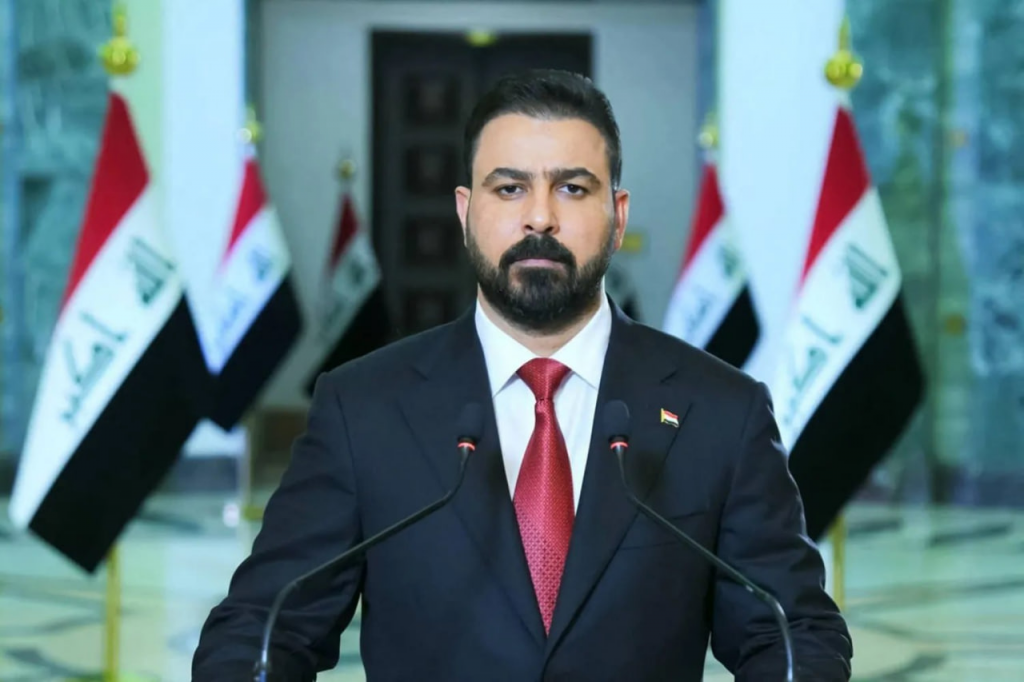
⚡️ Iraq are looking to investigate drone attacks that struck the UAE and Saudi Arabia, which the Gulf officials have claimed came from Iraqi territory, by sending an high-level team to the two countries to investigate the issue further.
🔹 The UAE accused Iraq-launched drones of targeting its Barakah nuclear power plant, while Saudi Arabia intercepted drones entering its airspace from the Iraqi direction.
🔹 Iraq’s national security council has now formed a two-team committee, with one visiting Saudi Arabia and the UAE to study radar evidence and flight paths, while the other will investigate inside Iraq to identify those responsible.
🔹 Prime Minister Ali al-Zaydi pledged to take all necessary measures against perpetrators if the use of Iraqi territory is confirmed, as the government also condemned the attacks, reaffirming its respect for the sovereignty of neighbouring countries.
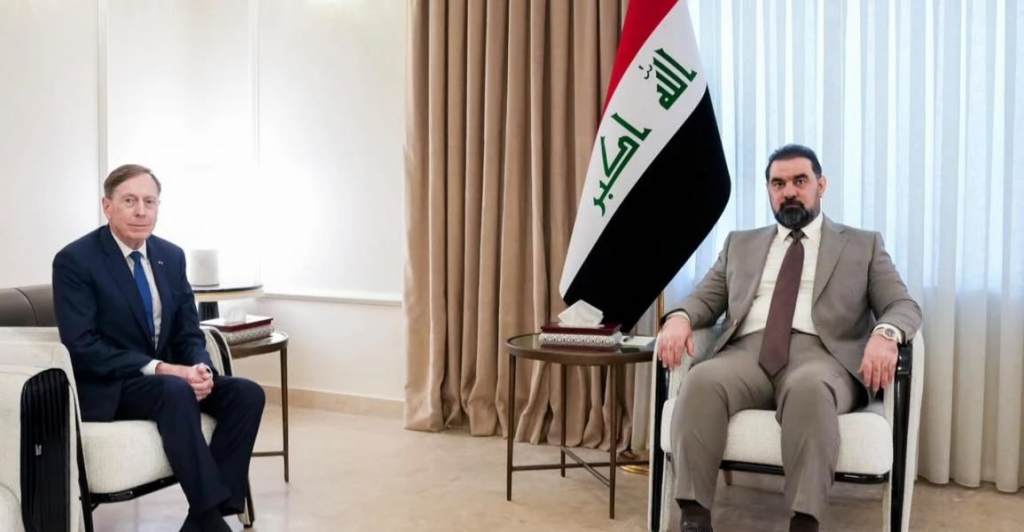
⚡️ US officials are demanding the disarmament of Iraq’s armed militia factions, along with the isolation of their leaders, as a condition for foundations to normalise relations, Iraqi officials told Asharq Al-Awsat.
🔹 Former CIA Director-General David Petraeus visited Baghdad last week as an ‘independent expert’ for the White house in order to discuss a framework for integrating the Popular Mobilisation Forces (PMF) into state security structures.
🔹 Petraeus met with Iraq’s Prime Minister Al-Zaydi, Parliament Speaker Haibat Al-Halbousi and Iraqi counter-terrorism chief Karim Aboud al-Tamimi.
🔹 According to the report, Petraeus said Iraqi officials acknowledged the importance of ensuring that security forces had a monopoly on the use of force, but Shiite factions view the PMF as a red line and are resisting the Plan, as Tehran urge them to oppose US efforts.
🔹 The US rejected Iraqi proposals for restructuring the PMF, reported Asharq Al-Awsat, adding that a first phase under discussion involved handing over heavy and medium weapons to a trusted Iraqi security body and removing commanders linked to attacks on US allies.
⚡️ Yediot Ahronot reported viewing satellite images which showed damage to the Ramat David base, along with possible damage to the Nevatim base and another belonging to Unit 8200, among others that had also suffered damage due to the Iranian bombing during the 40-day war.
⚡️ Islamabad have entered talks with Kuwait and Saudi Arabia to build a strategic oil reserve capacity of 17 million barrels in Pakistan, as reports indicate plans for Kuwait to build capacity to hold 7 million barrels, and Saudi Arabia to make up the remaining 10 million barrels of oil.
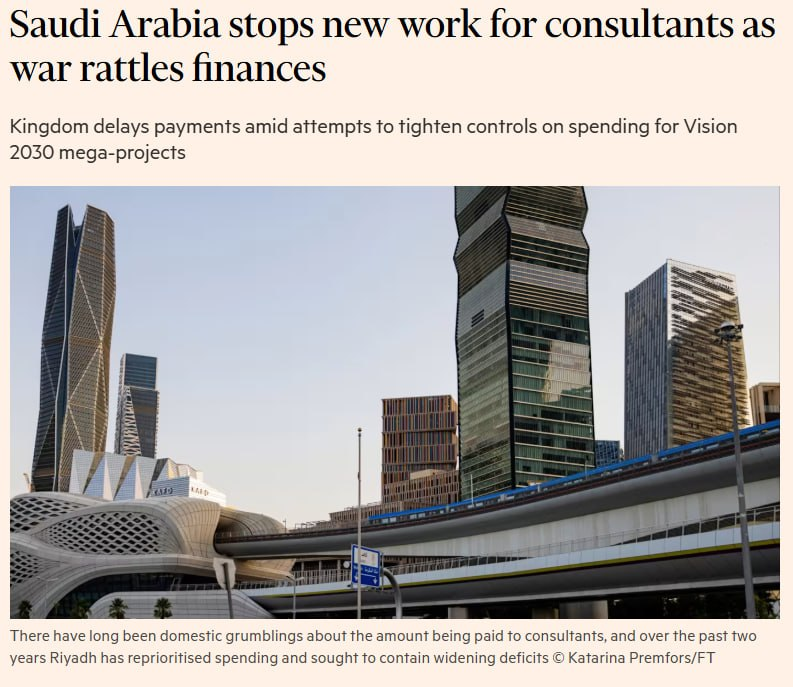
⚡️ Saudi Arabia paused new contracts for Western consulting firms, while also delaying some payments, as the Kingdom deals with widening budget deficits and the economic impact of the war with Iran, reported the Financial Times.
🔹 The Kingdom tightened spending under its Vision 2030 initiative, with ministries being instructed not to approve new consultancy contracts without special authorisation from the Finance Ministry, while some invoice payments had been postponed until July.
🔹 Saudi Arabia had already been scaling back or delaying expensive megaprojects recently, including NEOM, amid growing concerns of overspending.
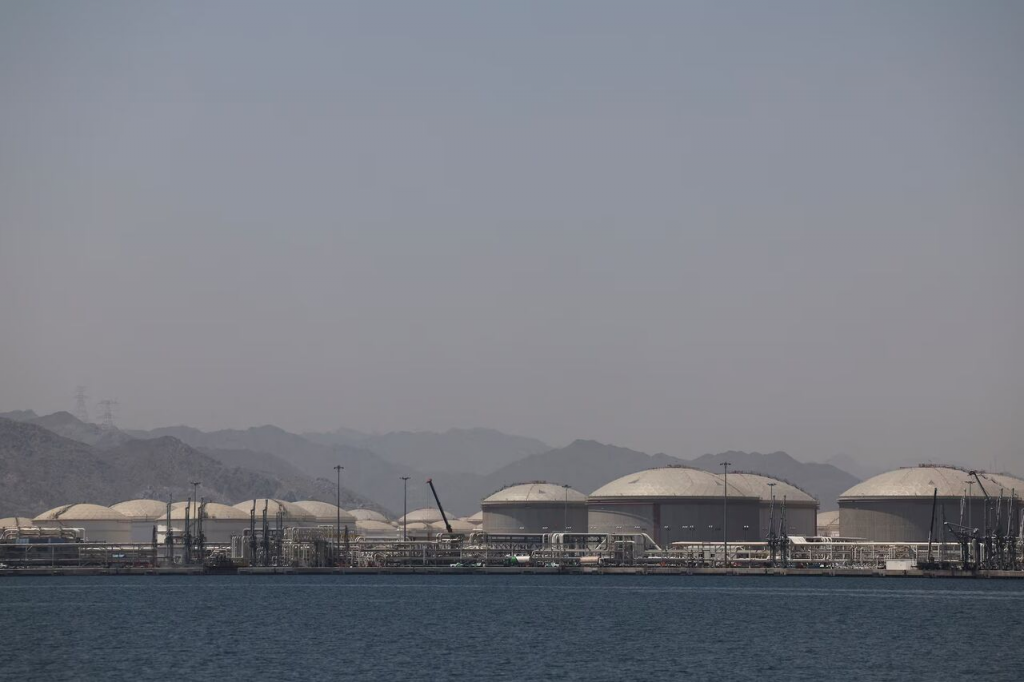
⚡️ Reuters spoke with the Head of the UAE state-owned oil company ADNOC as saying that if the war was to end with Iran right now, full oil flow through the Strait of Hormuz was unlikely to return to normal before the first or second quarter of 2027.
🔹 According to Reuters, the assessment from senior industry executives highlighted the long-term economic impact of the war, that, according to the International Energy Agency, has caused the ‘biggest energy crisis in history’ due to traffic management in the Strait of Hormuz.
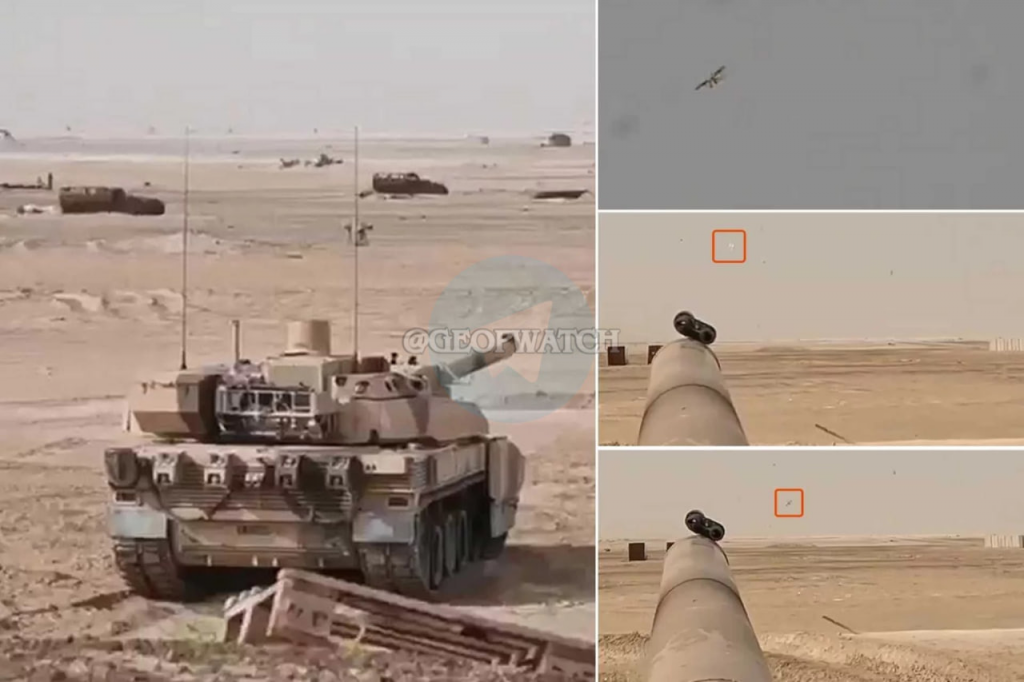
⚡️ A French Army Leclerc main battle tank assigned to the 5th Cuirassier Regiment successfully shot down a drone using a 120mm OEFC F1 canister round during live fire trials in Abu Dhabi, which was confirmed on May 20th by the French military governor of Strasbourg and Commander of the 2nd Armoured Brigade.