 AJ
AJ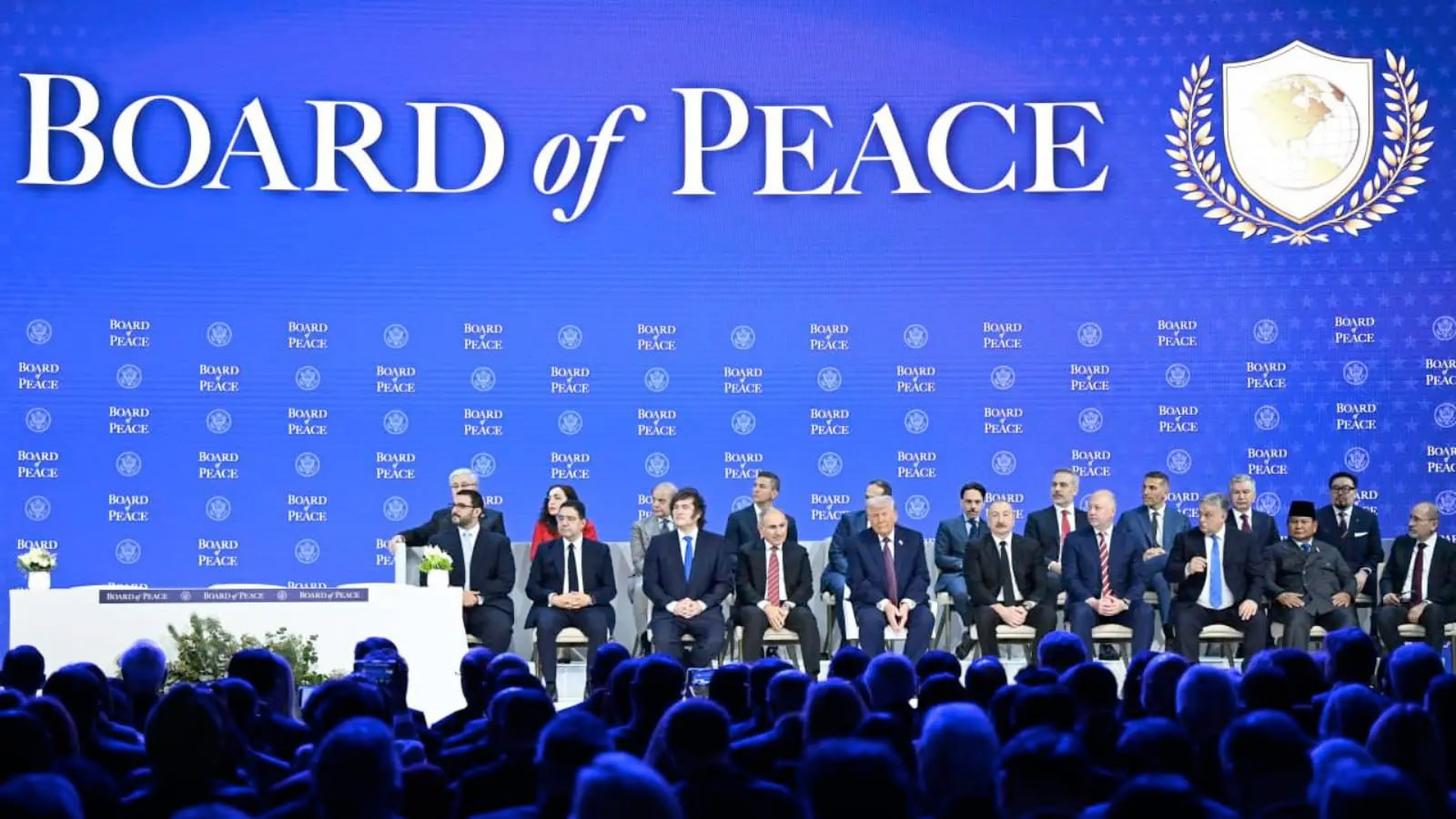

Despite a funding gap preventing reconstruction, a report by President Trump’s ‘Board of Peace’ blamed Hamas for blocking Gaza reconstruction this week, claiming aid to the strip had increased by 70%.

The report submitted by Trump’s Board of Peace to the UN Security Council on May 19 claimed that Hamas was the main obstacle to the US-backed Gaza plan, arguing the movement’s refusal to disarm was preventing the transition to civilian rule and delaying large-scale reconstruction, according to reports in Israel Hayom.
According to The Cradle, the report alleged that humanitarian supplies entering Gaza had increased by 70% since the ceasefire agreement was signed, noting that some bakeries and a hospital in Rafah had been partially restored.
However, the report also acknowledged that most Palestinians in the Strip continued to face severe shortages of shelter, water, healthcare, and employment.
According to the BoP document, progress was made in recruiting and training a civilian police force in cooperation with Egypt that would eventually replace the Hamas administration, but it also claimed Hamas were maintaining its military infrastructure, including weapons and tunnels, refusing to cooperate with the proposal roadmap for demilitarisation and reform.
The Board of Peace have estimated that Gaza’s reconstruction will require $30 billion, saying that the full implementation of the plan could create as many as 250,000 jobs within five years.
However, the report noted that 85% of buildings and infrastructure had been destroyed or damaged, more than one million remained without housing, and roughly 350km of tunnels still needed to be dealt with, while threatening that continued delays could lead to a renewed war on the Strip.
Hamas continue to insist that any talks on disarmament can only take place after a complete halt to Israeli attacks and starvation tactics, a full withdrawal from Gaza, and concrete steps toward an independent Palestinian state with East Jerusalem as its capital.

Funding Deficit:
The Board of Peace acknowledged a funding gap for President Trump’s $70 billion Gaza reconstruction plan, warning the difference could between financial pledges and actual disbursements must be urgently closed.
Members states have pledged $17 billion, but only a fraction has been received, with some countries reluctant to fund through the Trump-established board due to concerns, preferring instead the traditional UN channels.
The board called on donors to accelerate payments, saying the gap is ‘the difference between a framework that exists on paper and one that delivers tangible results on the ground for the people of Gaza.’
Washington have sent a senior official to Saudi Arabia to lobby the Kingdom into releasing its pledged $1 billion for the BoP, according to a report from the Middle East Eye, noting that Aryeh Lightstone, a key US adviser drafting post war plans alongside Israeli officials, met with Saudi Foreign Minister Faisal bin Farhan to address a major funding gap.
Although the UAE has already begun transferring funds for a US-Israel backed Palestinian police force, Riyadh and other Gulf countries were hesitating to disburse the remaining $4 billion.
Riyadh’s resistance appeared to stem from concerns regarding Palestinian representation on the board, which currently relies on a committee of technocrats entirely approved by Israel, while prioritising pressure on Israel to release $5 billion in frozen Palestinian Authority tax revenues rather than using Gulf capital to provide the financial lifeline to the embattled administration.
According to reports, the cash crunch came as the Board of Peace faced the massive deficit between initial commitments and actual payments, with critics heavily condemning the board’s underlying proposals, including isolating ‘screened’ Palestinians behind Israeli military lines and transforming Gaza into an AI tech hub, viewing the US plans as a thinly-veiled attempt to advance ethnic cleansing in Gaza.