 AJ
AJ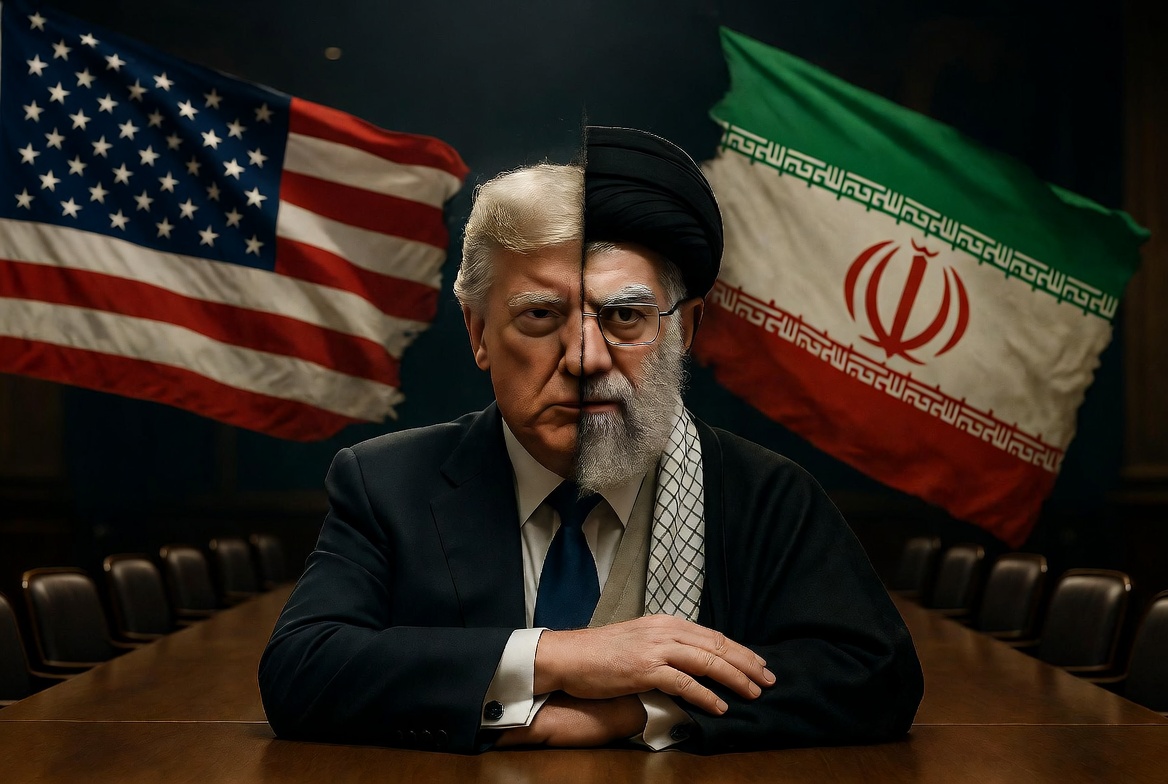
News from Saturday 9 May included Russia possibly exporting components via the Caspian Sea to Iran; Meetings and calls exchanged between various officials as Qatar still looked to offer backchannel support; Threats regarding communication cables laid in the Strait of Hormuz; Tourism fading across the Middle East, and much more, in the US/Israel Iran recap.
News from the USA:
President Trump told reporters outside the White House that the circumstances behind who fired the missile that hit a girls’ school in Minab, Iran, nearly ten weeks ago, was still under investigation, and a report would be provided as soon as possible: “So, uh, that’s under study right now and we will give you a report as soon as we have it,” he said.
Reporters were told by President Trump outside the White House that if no agreement was reached, there would be a new operation called ‘Freedom Project Plus’ in the Strait of Hormuz, noting it will be a different path to that taken previously, explaining that it means carrying out the same actions as under ‘Project Freedom’ “plus other thing.”
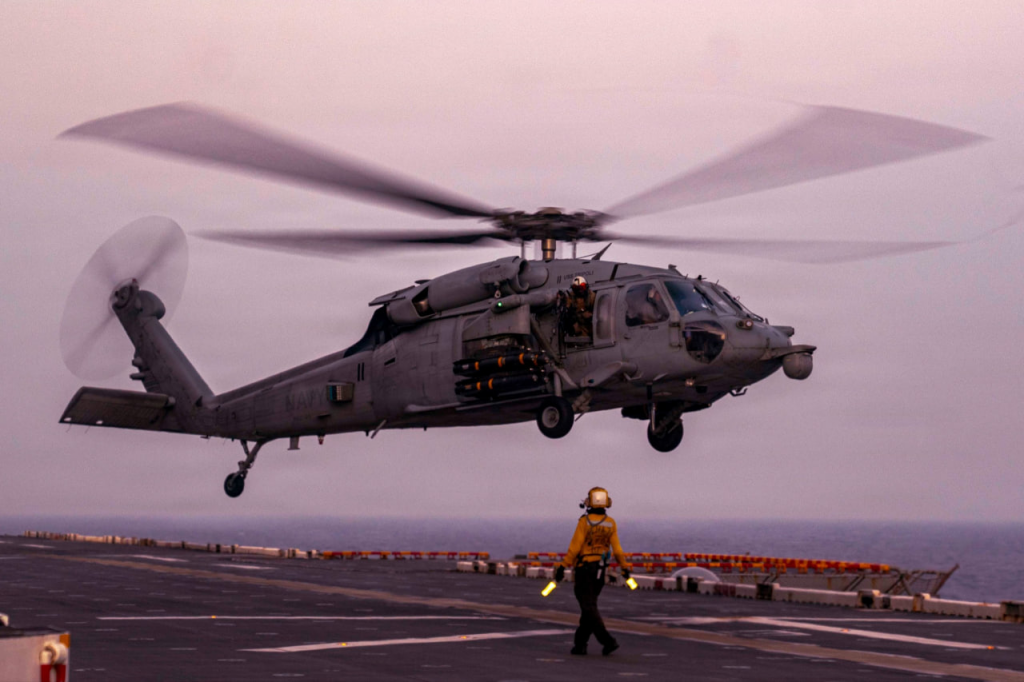
US Central Command stated that the Naval blockade against Iran continues to be fully enforced: “As of today, Centcom forces have redirected 58 commercial vessels and disabled 4 since April 13 to prevent ships from entering or leaving Iranian ports.”
Bloomberg said that nearly thirty days had passed since the US naval blockade intended to force Iran to open the Strait of Hormuz, which followed US President Trump backtracking on an agreement to prevent strikes in Lebanon that led to more than 500 killed and 1,200 injured in a single day.
US sources told the New York Post that Washington has proposed to reduce sanctions in exchange for Iran stopping uranium enrichment and reopening the Strait of Hormuz, Khabar_Fouri reported.
Traffic effectively froze since Trump launched Project Freedom to free the ships, which the US Secretary of War called successful, but the project was halted a few hours later, and tracking data showed that all 33 ships lined up to pass through the strait were turned around and moved away after two ships got stuck among rocks, while a French ship was targeted by the IRGC navy.

Hybrid car sales in the US have seen a surge in sales amid rising gasoline prices, according to Reuters, stating that following the sharp increase in fuel prices during the war, demand for hybrid cars had risen by 37% to its highest level, and American consumers were looking for ways to reduce their daily expenses.
President Trump allegedly ‘pledged to Netanyahu that he will not compromise on the Iranian uranium,’ according to Israeli Channel 13, as Israel are still concerned that Iran could be left with their current stockpile of enriched uranium.
Israel’s military and Mossad presented Netanyahu with aggressive positions on Iran during discussions, reported Channel 13: “The military believes Iran’s current weakened state presents an operational opportunity to return and complete the mission,” they said, adding: “Mossad believes resuming the war would accelerate the deterioration of the Iranian regime and lead to its overthrow.”
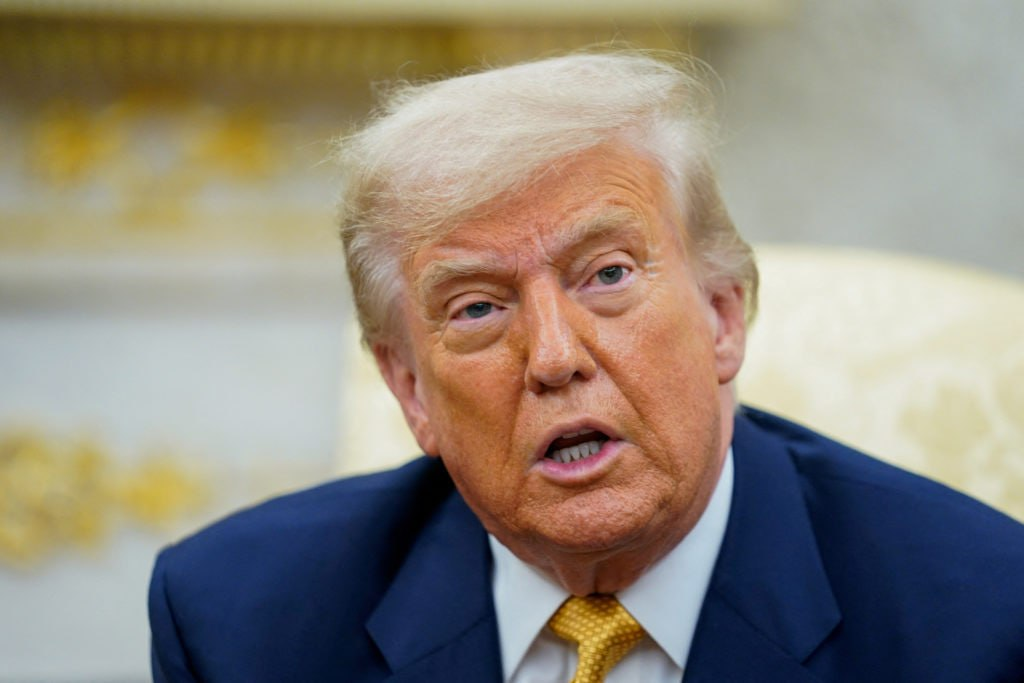
Trump told LCI that he was expecting to ‘hear very soon’ from Iran regarding the US proposal to end the war and that ‘they still very much want to conclude a deal,’ after Iran’s Esmaeil Baghaei said on Friday evening that Iran would not be pressured by deadlines from the Americans.
US Journalist Max Blumenthal wrote on X that more than a month had passed and the Pentagon hadn’t released any photos, names, or identifying information about the two American pilots who were reportedly rescued near Isfahan, stating it is not surprising that many believe the ‘rescue’ operation was a cover for the US’s unsuccessful attempts to steal Iran’s uranium reserves.
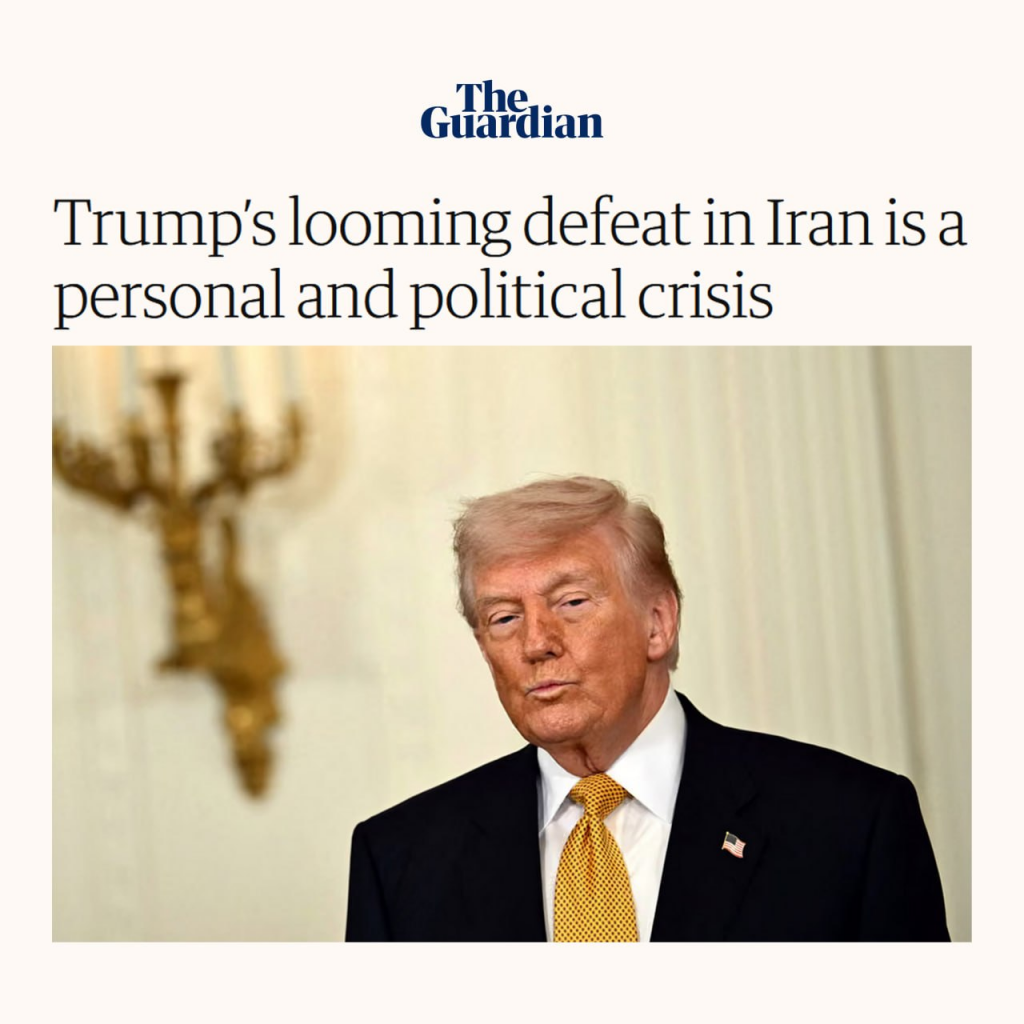
President Trump’s inability to subdue Iran is both a personal and a political crisis for him, reported The Guardian, claiming that for a president who had built his survival on the image of a ‘winner,’ the inability to subdue Iran is a personal humiliation, and he now faces the reality that America’s superior military power has failed to achieve his desired political outcomes, because while each day the conflict continues, Trump’s chances of winning future electoral contests diminish.
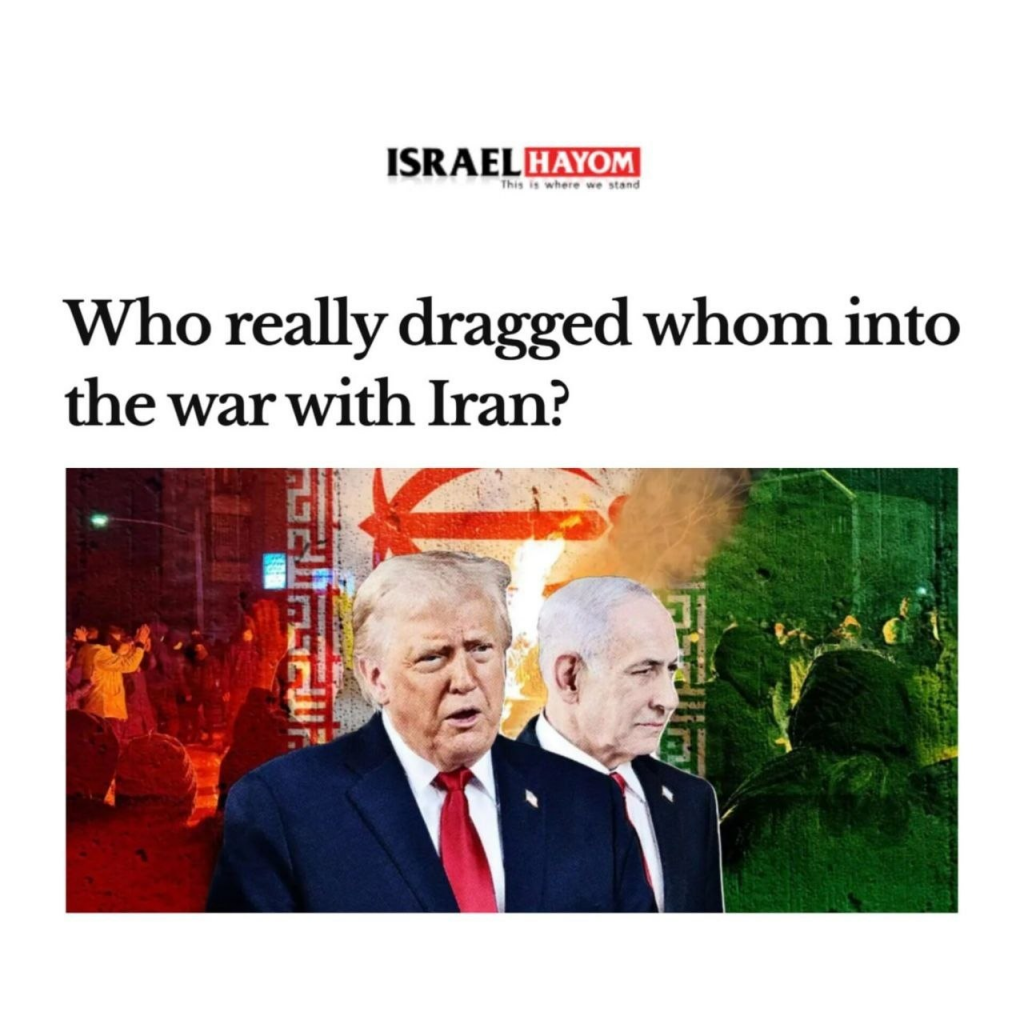
Despite Israel’s media often pushing for war, Israeli Hayom attempted to distance themselves from the actual reasons behind the outbreak, alleging that Prime Minister Benjamin Netanyahu didn’t convince President Donald Trump to attack Iran, while claiming Secretary of War Pete Hegseth believed in the idea of a quick ‘fall of the regime’ more than anyone else.
Israel Hayom also alleged that Hegseth believed a heavy military strike on the IRGC’s infrastructure would spark a nationwide uprising leading to a regime change, while also claiming it was Washington’s hardline team that used Netanyahu’s desire to strike the nuclear program to push him toward a broader war, claiming Israel’s enthusiasm was used as a cover to implement a plan to change the balance of power in the Persian Gulf.
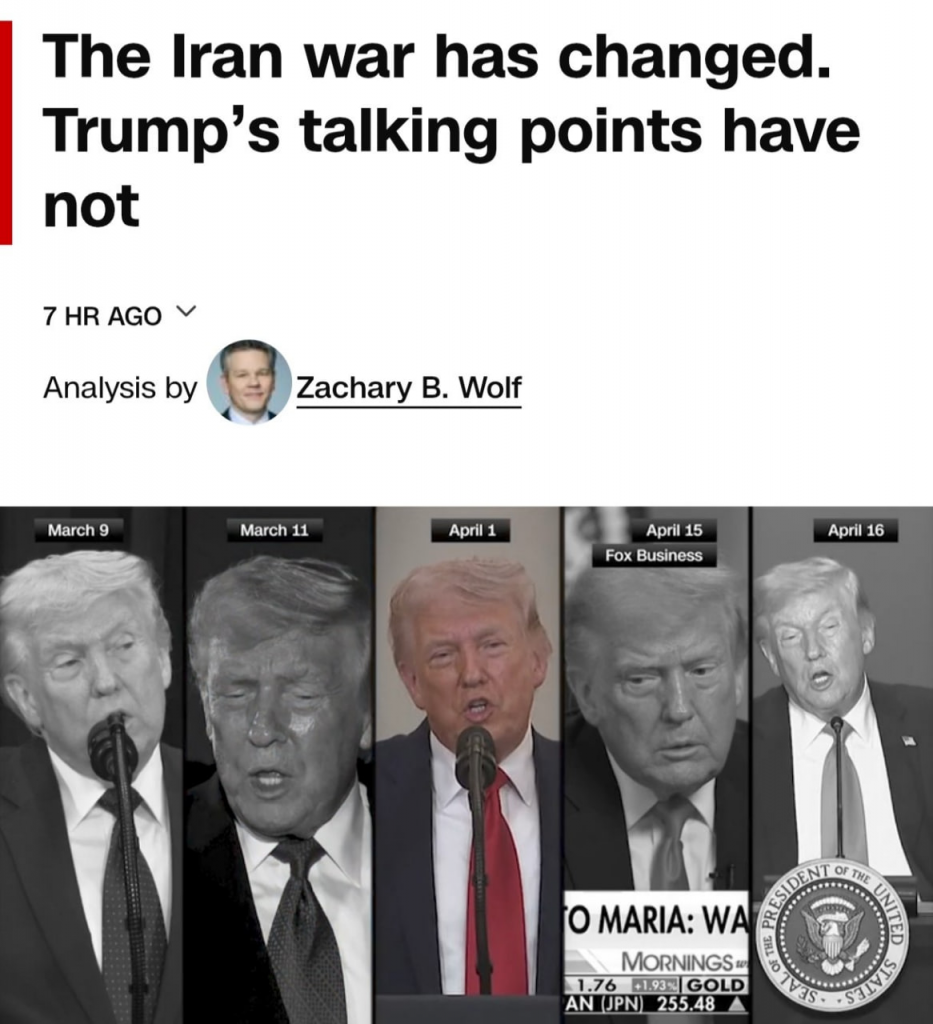
President Trump cannot be taken seriously, wrote CNN, stating that the Iran war had changed, but Trump’s positions hadn’t: “The nature of the war with Iran has changed; it has shifted from a sudden attack to a one-month ceasefire during which both sides have imposed economic and military blockades against each other, however, Trump’s positions remain constant.”
Trump constantly claimed that a final agreement is very close and the war would end soon, often referring to the war as a ‘small conflict, had repeatedly asserted that Iran’s naval, air forces, defence systems and radars had been completely destroyed, while continually insisting Iran was desperately seeking a deal with America, adding that these factors made it difficult to know how seriously to take the President’s reassurances about the closeness of a deal.
News from Iran:
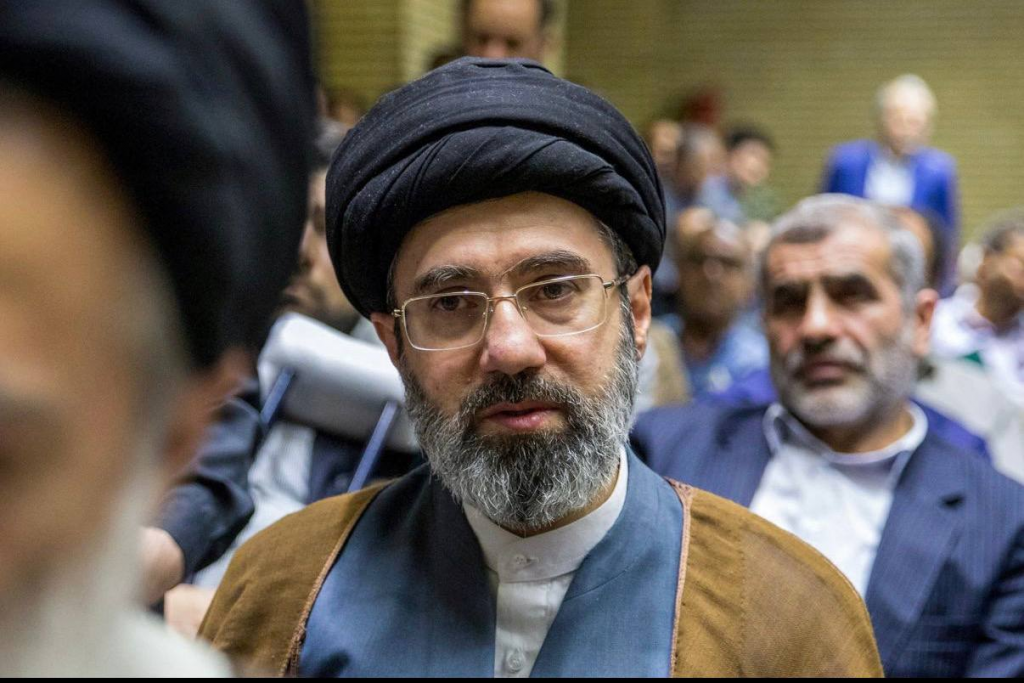
US intelligence assessed that Iran’s new Supreme Leader Mojtaba Khamenei is playing a critical role in shaping the war strategy alongside Iranian officials despite having been injured on 28 February, sustaining severe burns on one side of his body, including his face, arm, torso and leg, CNN wrote.
Khamenei hadn’t been seen in public since he sustained injuries during the attack which killed his father and several top military leaders, but US intelligence have yet to visually confirm his location since the attack, adding that the difficulty of locating Khamenei was due to him not using electronics and relying on a system of couriers.
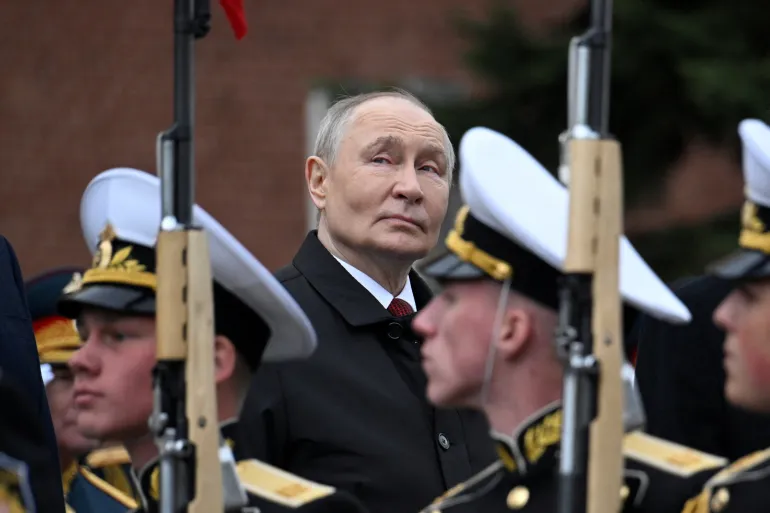
Russian President Vladimir Putin answered reporter questions following a speech on the evening of Victory Day, stating that Iran trusted Russia in the nuclear field and that Moscow was ready to store Iranian enriched uranium, noting all parties agreed until Washington toughened its stance, adding that Russia remains willing to take Iranian enriched uranium and that Tehran can trust its transfer to a friendly country.
Putin also said that it wasn’t in anyone’s interests for the conflict to continue between the United States and Iran, adding that the situation put Russia in a difficult position given its good relations with both Iran and the Gulf States.
More than 19,000 Iranian pilgrims have now entered Saudi Arabia, Alireza Rashidian, Head of the Hajj and Pilgrimage Organisation said, stating that from Tuesday, April 26th to the end of Friday, May 8th, more than 19,000 pilgrims had made the journey, with around 9,000 transferred to Mecca, and around 10,000 pilgrims present in Medina.
Governor of Iran’s Bandar Lengeh County Ahmad Sheybani said six people are missing following what he described as an overnight US air strike on Iranian cargo and fishing vessels near Oman’s Khasab port, as Iranian officials told Irib News that American fighter jets targeted the vessels in waters near the Strait of Hormuz, while search operations for the missing individuals are ongoing.
Tasnim News interviewed the Governor of Bandar Lengeh, in relation to previous reports of six fishing boats belonging to the people of Bandar Maalem near Khasab port in Oman being attacked by US fighter jets, resulting in 6 missing and 6 injured, denying the claims and stating that what was published quoting him was false, no official and confirmed statistics or information regarding an attack had been announced by the relevant authorities.
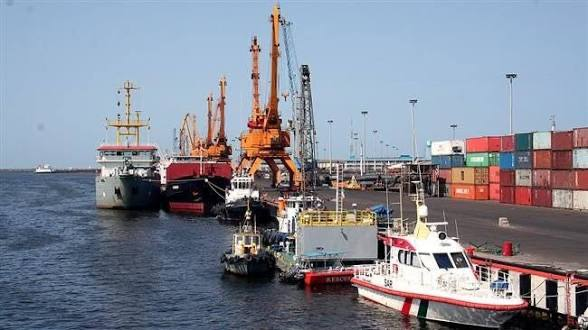
Russia have been exporting missile components to Iran via the Caspian Sea to help rebuild its capabilities, the NYT reported, claiming the supplying of goods that previously passed through the Strait of Hormuz had dropped, while cargo traffic to Iran across the Caspian Sea had increased significantly in recent months.
Iran’s government have approved Tehran Governor’s proposal to change the supply route of essential goods through the dry port and Tehran’s rail border, and the implementation of the plan connects a direct route for the entry and distribution of essential goods, which not only helps to reduce transportation costs, it ensures supply stability and stabilises Tehran’s markets.
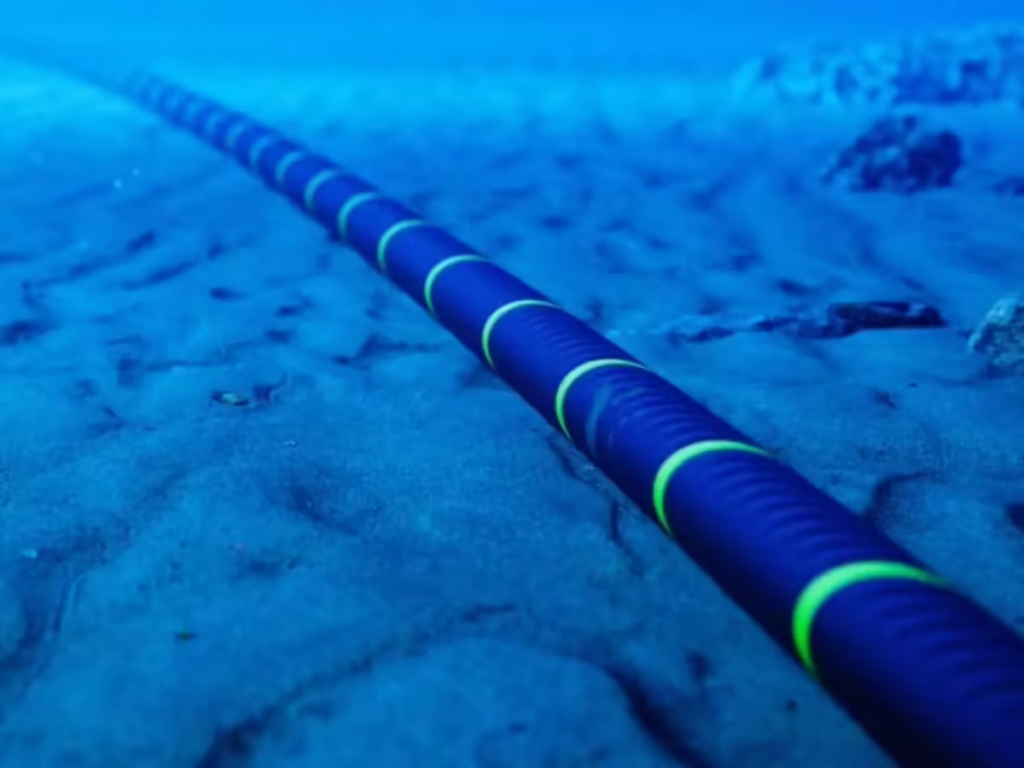
Iran have warned that more than 99% of internet communications are carried through submarine cables – infrastructures that carry 10 trillion dollars in financial transactions, data exchange, and global communications on a daily basis, which are considered the backbone of tech giants like Google, Meta and Microsoft.
The importance of the network is vital and a multi-day disruption could cause tens of hundreds of millions of dollars in damage to the regional and global economy, Fars News reported, stating the proposed governance model for the Strait of Hormuz includes the passage of submarine cables that must be done with permissions and payment of fees, while foreign companies must operate under Iranian laws, and the management, repair and maintenance of the cables can be exclusively entrusted to Iranian companies so the Strait becomes one of Iran’s digital power levers.
Iranian Vice President Mohammad Reza Aref said on Saturday that the military arena, the street and diplomacy are the three main pillars of Iran: “We will work in the field of diplomacy based on logic and ethics, but we are very determined in defending Iran’s rights,” he said, adding that plans must be made based on Iran’s status as a ‘superpower in the world.’
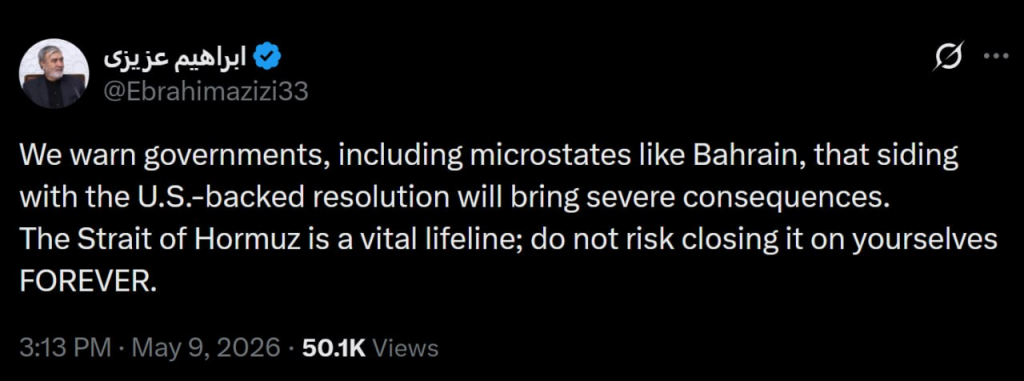
Head of the Iranian National Security Commission Ebrahim Azizi warned governments, including microstates like Bahrain, that siding with the US-backed UN Security Council resolution would bring severe consequences: “The Strait of Hormuz is a vital lifeline; do not risk closing it on yourselves FOREVER!”
Iranian attacks were recorded by the NYT at 18 military bases in 7 different countries in the Middle East where American forces were stationed, but in addition to the large bases, even places where the US presence was small or temporary was targeted, which was clarified after verifying satellite images published by Iran with European satellite companies, claiming there wasn’t a single fake satellite image that they put forward, and adding that no official reply had been received from Centcom about the findings.
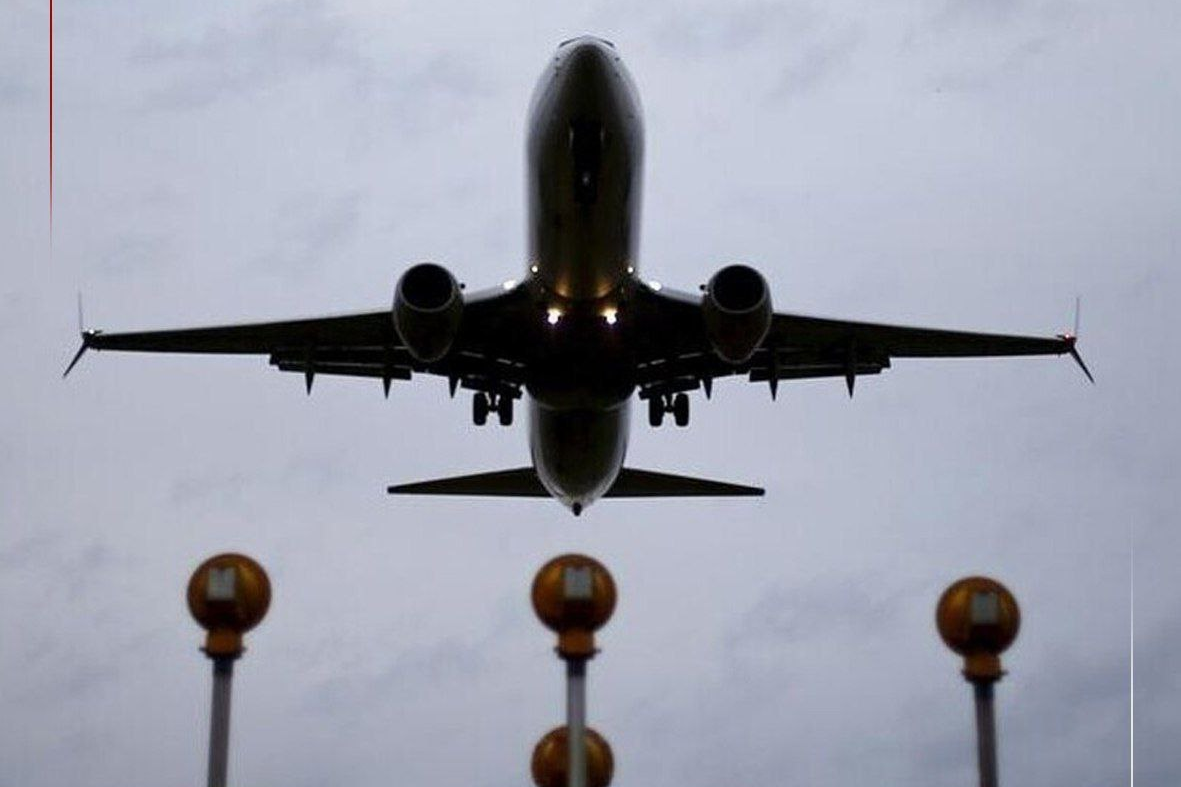
Flights resumed from Mashhad to Bagdad after a two-month hiatus due to the conflict, as the Baghdad International Airport hosted this morning the first passenger flight from the holy city of Mashhad, and the flight was realised following agreements between Iran’s Civil Aviation and Iraq’s Ministry of Transport, which landed in the Iraqi capital on Saturday afternoon, Tasnim News reported
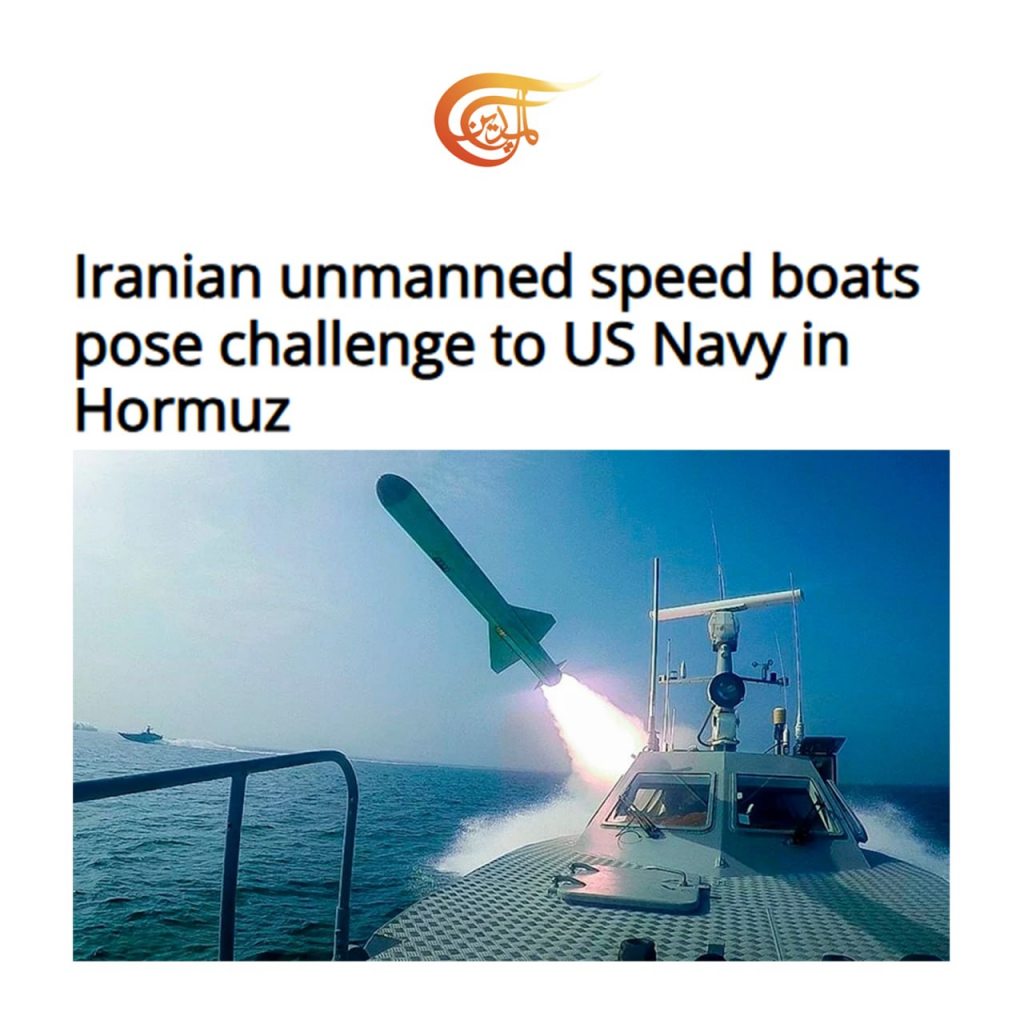
Iran’s unmanned fast boats are a serious challenge for the US Navy in Hormuz, reported Al Mayadeen, because the vessels were equipped with explosive warheads and radar systems, while attacking large targets collectively in a ‘swarm operations,’ and the low radar cross-section along with its high speed is allegedly beyond the capabilities of traditional defence systems deployed on American destroyers designed for more conventional battles.
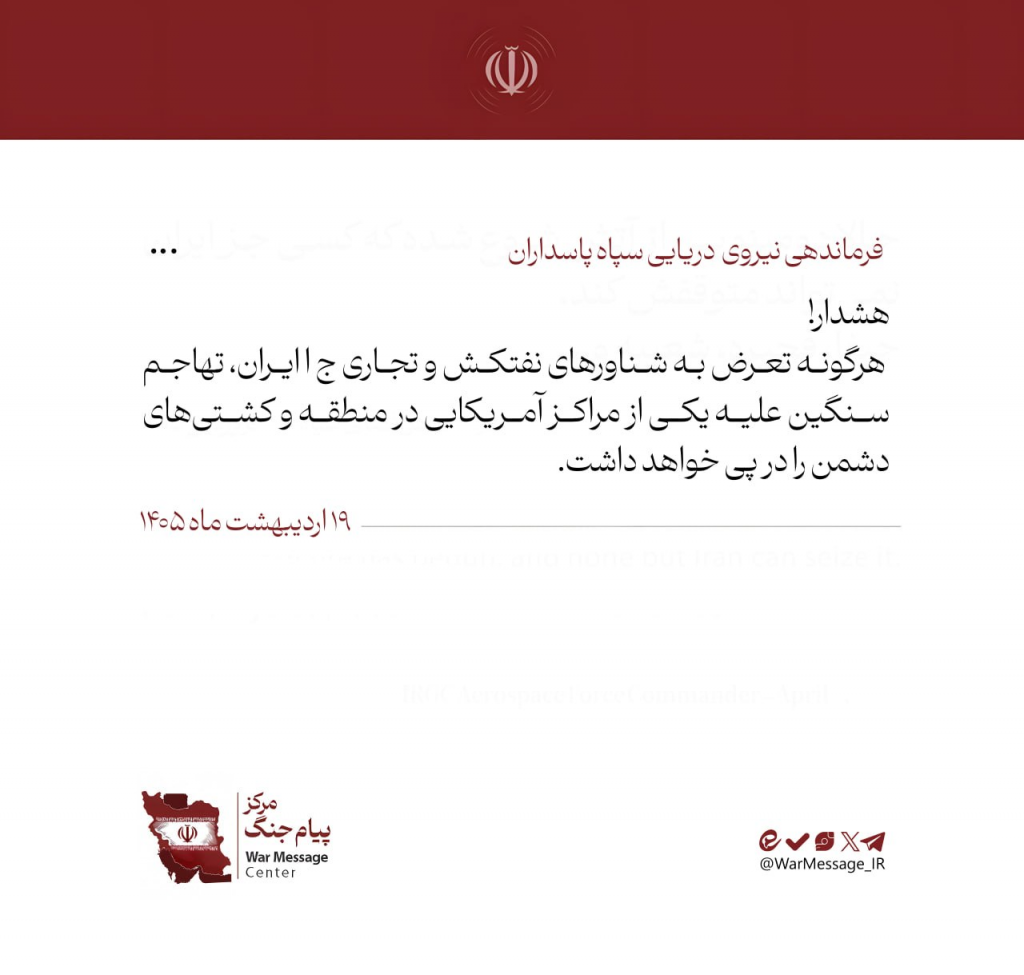
The IRGC Navy Command wrote on X that any further aggression against Iranian oil tankers and commercial vessels will result in a heavy attack against one of the American centres in the region and US ships.
Other news from around the world:
More than 20,000 seafarers and 800 vessels are trapped near the Strait of Hormuz as the conflict continues to disrupt maritime traffic, as crews face worsening shortages of food, water and medical supplies, while commercial shipping largely halted amid missile attacks, naval confrontation and fears of further escalation.
The mariners had shared photos and videos of their burned skin and open wounds from Iranian drone and missile strikes on vessels that attempted to run the blockade, while scammers have begun praying on the confusion over paying for permission to transit, convincing shipping companies to transfer large sums into crypto wallets they claim are associated with the IRGC.
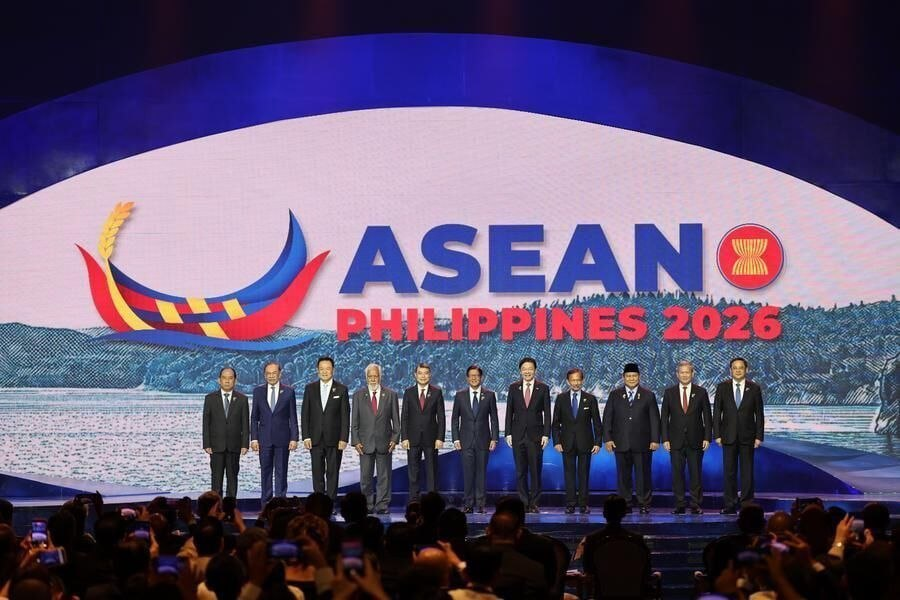
Leaders of the Association of Southeast Asian Nations (ASEAN) issued a joint statement at the 2026 summit, expressing their ‘serious concern’ about the changing situation in the Middle East amid the war between the US and the Israeli regime against Iran, while calling for freedom of navigation in the Strait of Hormuz.
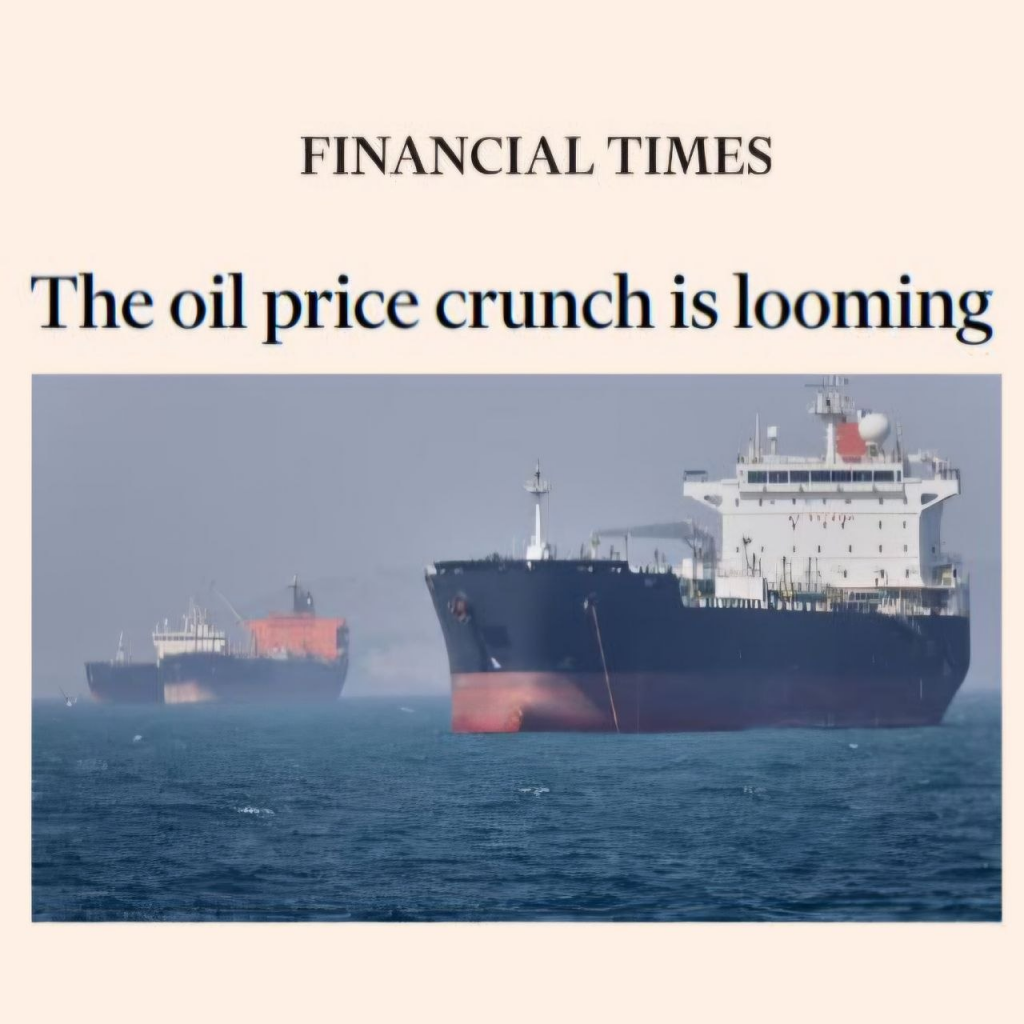
Advanced economies may face severe disruptions similar to the 1973 crisis, reported the Financial Times, stating that the longer the blockade of the Strait of Hormuz lasts, the more likely it becomes, potentially causing a widespread shock to global markets, while noting that markets had not yet fully reflected the consequences of the disruption in prices, so if the crisis continued, its real impact would be more severe.
Global energy reserves are rapidly depleting, wrote Bloomberg, noting the war with Iran had disrupted the flow of oil from the Persian Gulf and the world was consuming its oil reserves at an unprecedented price, stating the rapid decline in reserves meant the risk of sharper price spikes and energy shortages were increasing by the day, adding that even after the conflict ends, the market will remain vulnerable to future disruptions for a longer period.
Bahrain’s Interior Ministry said on Saturday it had arrested 41 individuals allegedly connected to the IRGC, according to the state news agency, noting the ministry had said security agencies had uncovered a network linked to the IRGC, adding that investigations led by the public prosecutor also included cases involving those sympathetic with Iranian attacks.
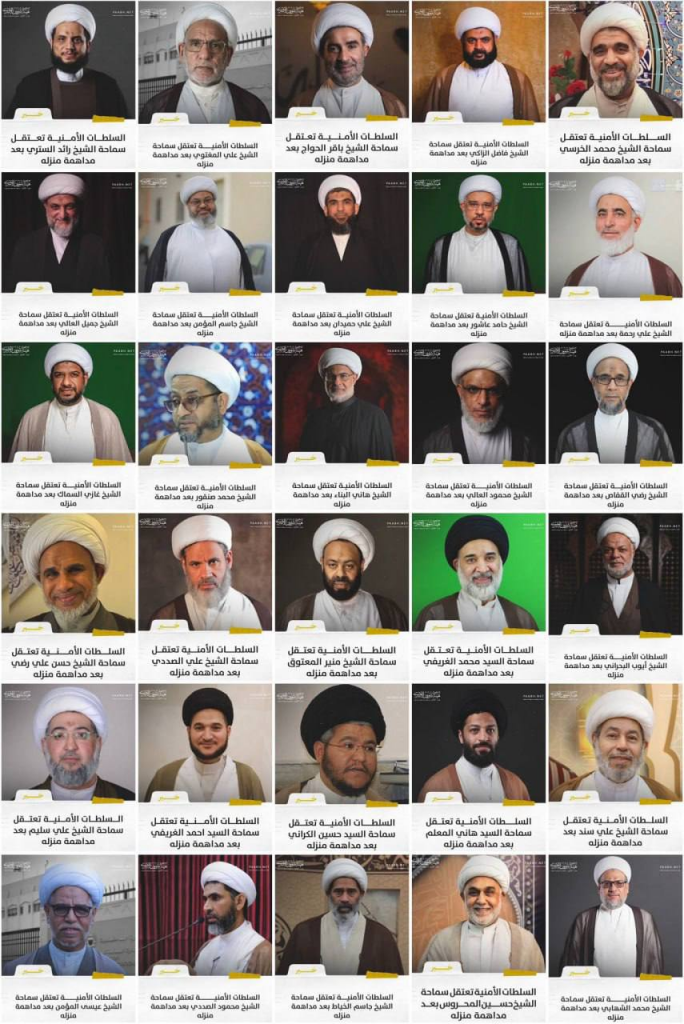
ResistanceTrench reported that a number of Shia clerics, including Jamil Al-Ali, Mahmoud Al-Ali, Ridha Al-Qafas, and Jasim Al-Moumen, had been arrested for sectarian reasons by the Bahraini government and taken to an unknown location, after masked men supported by riot police arrested 41 dignitaries.
The Bahraini Islamic Society for National Reconciliation accused the Bahraini authorities of targeting the Shia community, claiming the ‘arrest of dozens of senior scholars and religious figures’ as a ‘provocative and dangerous escalation,’ according to the statement, noting that more than 40 Shia clerics were detained on Saturday and alleged ongoing arrests of other religious figures.
According to reports, the group also accused the authorities of broader violations, which included arrests, citizenship revocations and marginalisation measures against Shia citizens, while calling for international intervention, warning of further escalation, and the statement added calls for a new constitutional and social contract in Bahrain, describing the current governance model as security-driven and unstable.
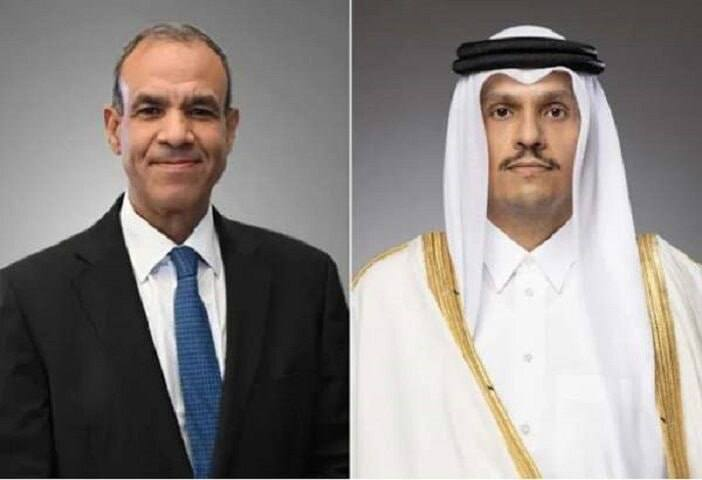
Egypt’s Foreign Minister Badr Abdelatty called his counterpart Sheikh Mohammed bin Abdulrahman al Thani to discuss ways of supporting and strengthening bilateral co-operations, regional developments, especially in relation to the ceasefire between the US and Iran, as well as efforts related to reducing tensions, while helping to enhance security and stability in the region.
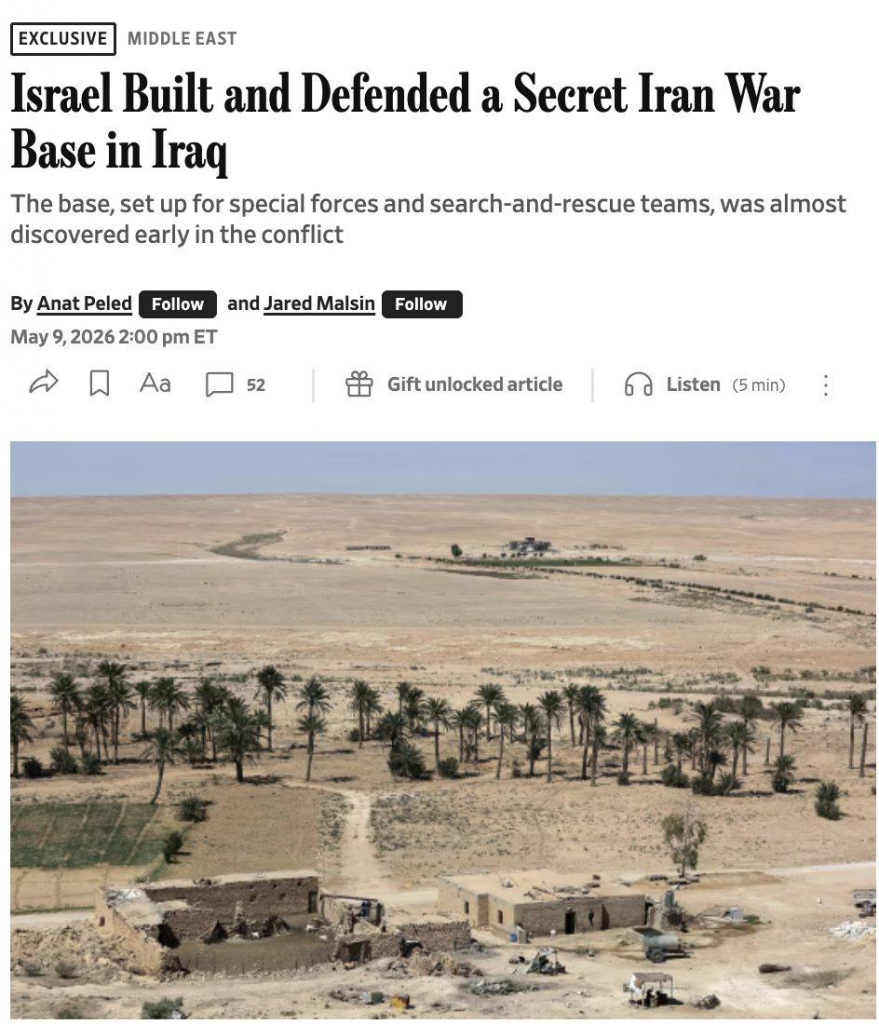
Israel built a clandestine military outpost, with US knowledge, in the Iraq desert, prior to the start of the Iran war, in order to support its air campaign, which housed special forces and served as a logistical hub for search-and-rescue teams.
An Iraqi shepherd reported unusual helicopter activity in early March, leading to Iraqi troops investigating, but Israeli airstrikes killed one soldier and wounded two others in an attempt to keep the base hidden, which Iraq initially blamed the US for in a UN complaint with Washington denying it, and the base was never officially observed, the WSJ (https://www.wsj.com/world/middle-east/israel-built-and-defended-a-secret-iran-war-base-in-iraq-3590851a) reported.
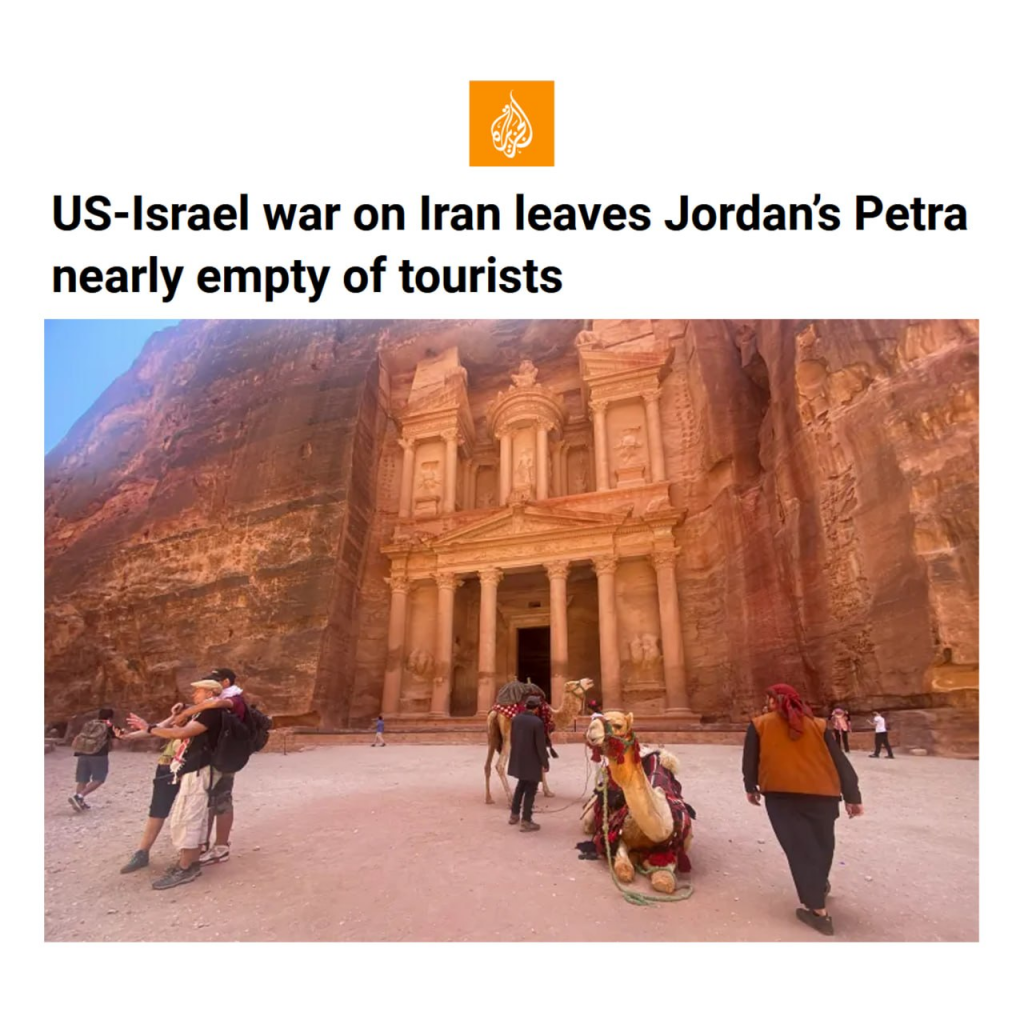
Jordan’s tourism has deserted and shut down as a consequence of the war with Iran, reported Al Jazeera, stating that since the start of the war, Petra and other tourist attractions in Jordan had become deserted and the usual number of foreign tourists had disappeared, adding that the Gaza war had already led to an 80% decrease in Jordan’s tourism, and due to the current conflict this has dropped to ‘almost zero.’
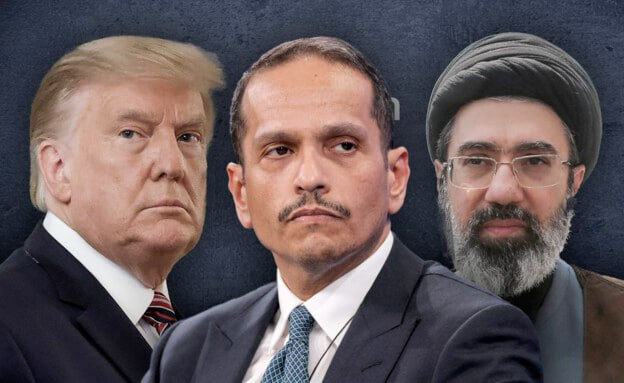
Qatar have become a central mediation channel between the US and Iran as efforts to reach an end-of-war agreement continue, while Pakistan remained the official mediator, reported Israeli Channel 12, stating the US viewed Qatar as the most effective backchannel, while adding that under pressure from President Trump, Qatar resumed mediation several weeks ago, with senior IRGC Generals close to Iran’s decision-making.
Bloomberg columnist Javier Blas noted that a Qatari ship carrying LNG cargo had passed through the Strait of Hormuz, stating that if successful, it would be the first passage of a Qatari oil tanker since the start of the war, adding that the ship ‘Al-Kharaitiyat’ was passing through the designated route by Iran as it headed towards Pakistan.
Qatar’s Prime Minister and Foreign Minister called their Saudi counterpart to discuss regional and international developments, stressing the need for the US and Iran to respond to mediation and reach a sustainable agreement, according to the Qatari Foreign Ministry.
Qatar’s Ministry of Foreign Affairs issued a statement announcing the Prime Minister of the country had held a phone call with the Egyptian Foreign Minister to discuss the regional situation and diplomatic efforts, as the Qatari Ministry added that the parties discussed efforts to reduce tensions in the region in a way that strengthens security and policy, while the Qatari FM emphasised the need for all parties to respond to ongoing mediation efforts that would address the roots of the crisis through peaceful means and dialogue.
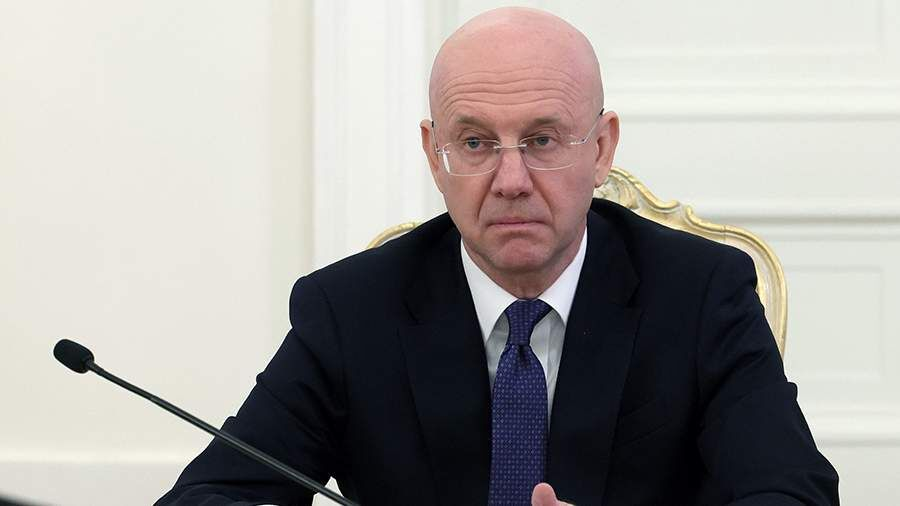
Deputy Foreign Minister of Russia Alexander Alimov said that Moscow cannot support the US and Bahrain’s proposal that is currently under review, asking both parties involved in the drafting of the resolution to withdraw it, stating the renewed attacks between Iran and the United States were deeply concerning.
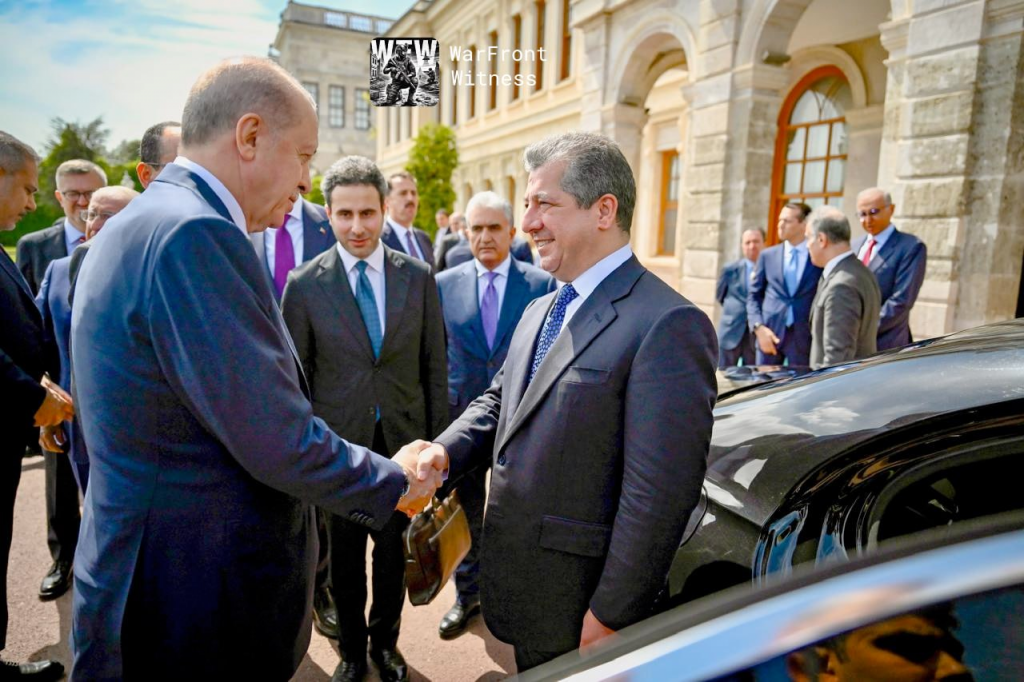
Turkey held a high-level meeting in Istanbul with Iraqi Kurdistan Region Prime Minister Masrour Barzani and Turkish President Recep Tayyip Erdogan, along with Foreign Minister Hakan Fidan, Defence Minister Yasar Guler, Energy Minister Alparslan Bayraktar, and MIT Chief Ibrahim Kalin.
Erdogan expressed solidarity with the Kurdistan Region and said Turkey opposed the spread of the US-Iran conflict to other countries, expressing sadness over attacks on Iraq including Erbil, as the two leaders discussed strengthening bi-lateral ties in trade, transportation, and the formation of a new federal government in Iraq.
Barzani reiterated support for the PKK disarmament process and the peace initiative in Turkey, while Erdogan praised the role of KDP President Barzani and the KRG as a factor for regional peace and stability, underlining the importance of the Development Road project for Iraq and the Gulf Region.
Saudi Arabia is pushing for the Saudi-backed government in Aden, Yemen, which has failed to control all of Yemen and is facing a deep financial crisis, to open several ports in the eastern provinces in order to facilitate the export of Saudi oil to the Indian Ocean, as Saudi Arabia seeks to distance itself from dependence on the Strait of Hormuz, but moving oil through Yemen poses risks, and experts claimed its more of a dream than an escape.
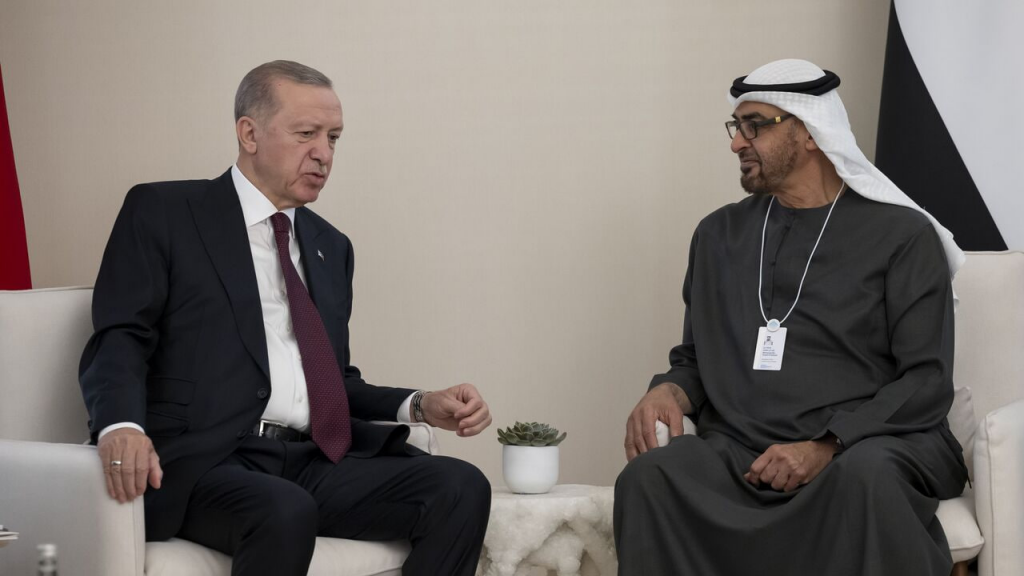
UAE Vice President Sheikh Mansour bin Zayad Al Nahyan, travelled to Turkey to meet with Recep Tayyip Erdogan, the President of the country, at the Dolmabahçe Palace in Istanbul, where they discussed bilateral relations and regional developments.
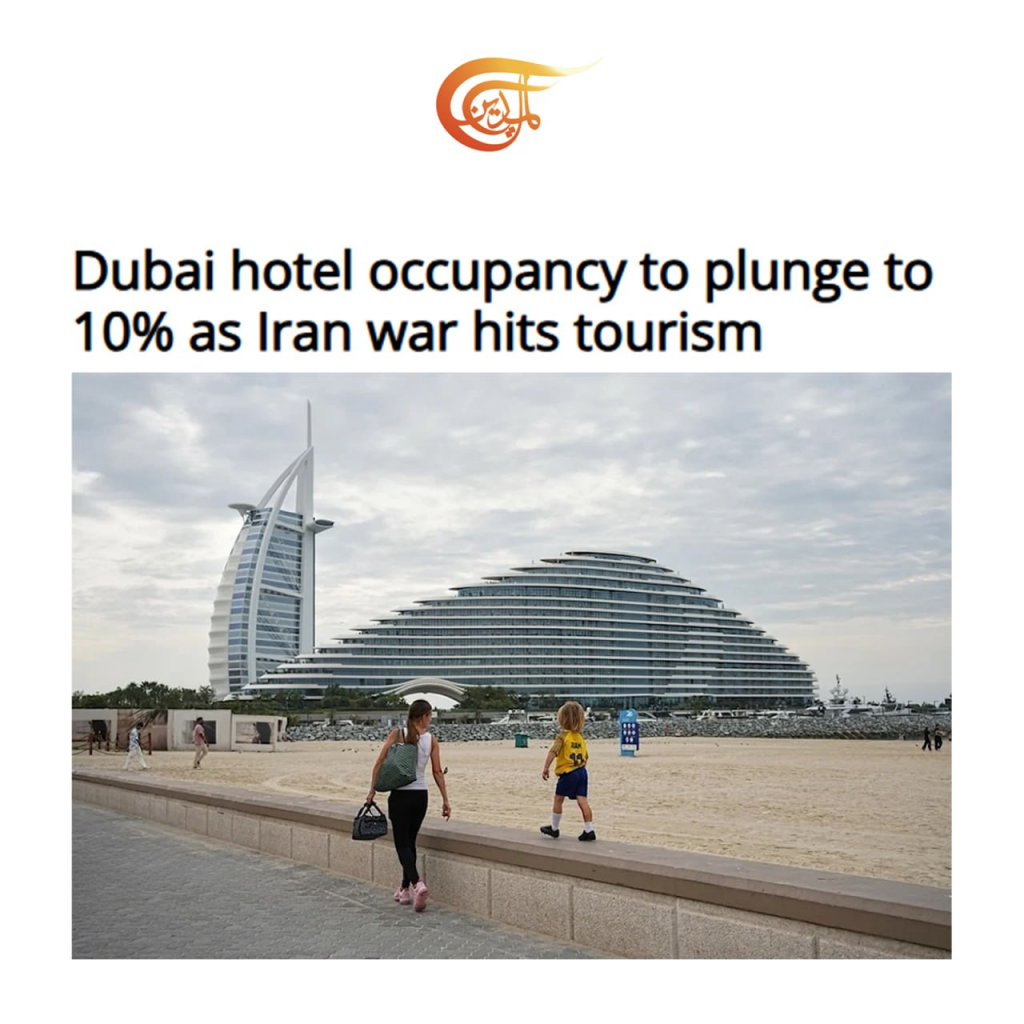
Dubai hotel occupancy rate has fallen to 10% due to the conflict in the region, Al Mayadeen reported, stating that insecurity in the region’s airspace and widespread cancellation of international flights have discouraged tourists form travelling to the Gulf region, and major hotel owners in Dubai, who had previously prepared for the peak season, are now facing a wave of booking cancellations, which poses a serious threat to the economic stability of the UAE.