 AJ
AJ
As you’ll see in the US/Israel/Iran recap for May 23, there was a lot of back and forth between negotiators, mediators, and leadership, which led to a lot of speculation through various news outlets, however, the summary is that Pakistan Army Chief General Asim Munir attended Tehran, passed on a few messages, and after a few calls with Trump and leaders, a deal appeared to be pretty much on the table, awaiting signatures, but it didn’t stop news outlets from theorising the outcomes of the agreement in advance.

Negotiation News:
⚡️ Negotiations were continuing on Saturday morning amid signs that both sides could be close to a major agreement, The Independent reported, although major disputes remained.
🔹 Discussions continued to focus on Iran’s uranium stockpile, sanctions relief, and the future of navigation through the Strait of Hormuz, with Tehran reportedly insisting on broader guarantees linked to regional de-escalation.
🔹 President Trump is still weighing up possible military actions should diplomacy fail, the repot continued, although US officials described recent talks as showing ‘slight progress.’
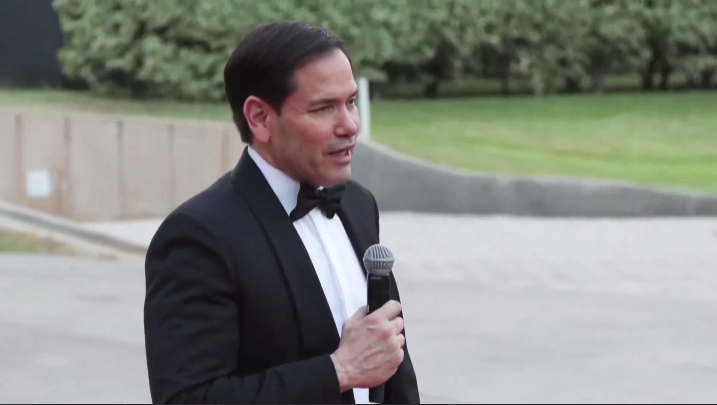
⚡️ Secretary of State Marco Rubio said on Saturday that there could be news later today, but there wasn’t any as of the afternoon: “There may not be yet, but I hope there will be, but I’m not sure yet,” he stuttered to the reporters, adding that there’s been some progress made, while there was also work still to be done.
🔹 President Trump’s preference is always to solve problems such as these through a negotiated solution, Rubio added, stating that’s what’s being worked on right now, and said that perhaps there would be something to talk about on that topic while he was attending an official visit on Saturday evening.
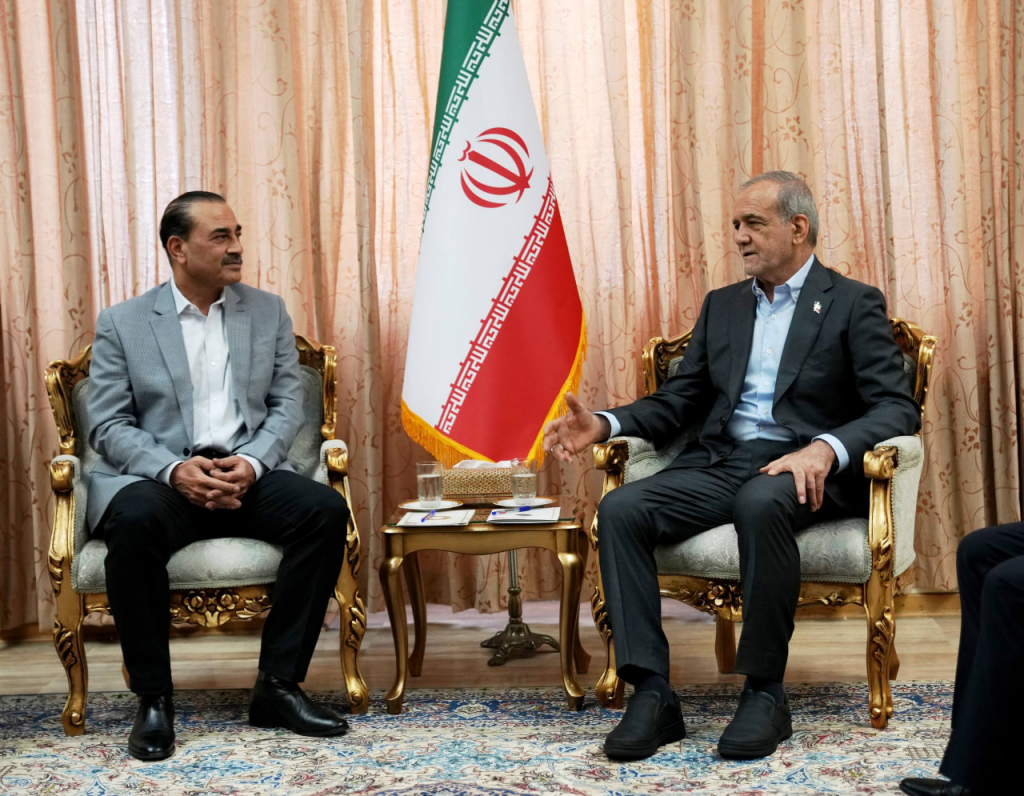
⚡️ Pakistan’s Army Chief Munir met with Iranian President Masoud Pezeshkian during talks in Tehran on Saturday, in which Pezeshkian said that Iran was only ‘seeking to secure the legitimate rights of the Iranian nation,’ but warned that the ‘history of negotiations with the American dictates that we must exercise utmost caution.’
🔹 Pezeshkian said that repeated breaches of promises, attacks during negotiations, and assassinations, had created deep distrust towards Washington inside Iran, arguing the war ‘never benefited anyone,’ adding that neither America nor the region would gain from renewed conflict, while accusing Israel of seeking to advance its own interests through the war.
🔹 Munir said the negotiations were ‘progressing well’ and stated ‘Israel’ sought its interests in conflict and discord among Muslims in the region, adding that Pakistan’s goal was to help promote stability and prevent further cycles of war and confrontation, expressing hope that the talks would produce a positive outcome for Iran and the wider region.
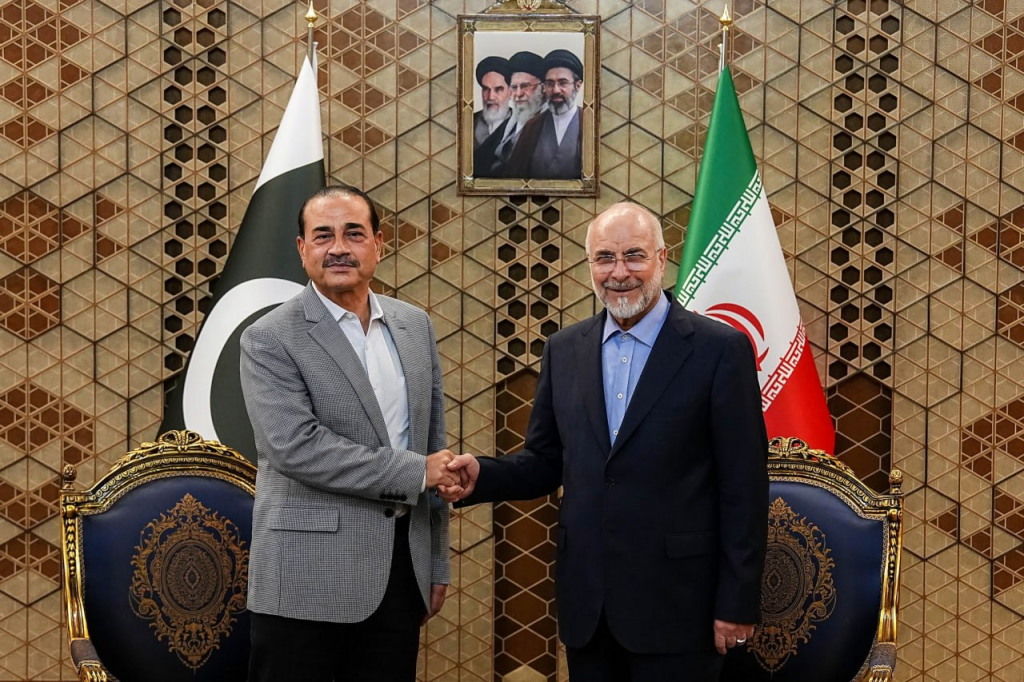
⚡️ Iranian Parliament Speaker Mohammad Bagher Ghalibaf met with Pakistan Army Chief General Asim Munir on Saturday, telling the General that Iran would not compromise on the rights of the nation or the country, especially with a party that ‘has no honesty and cannot be trusted.’
🔹 Ghalibaf said that Iran defended their integrity and courage on the battlefield, and would also strive with wisdom and strength in diplomacy to uphold Iran’s legitimate rights and secure the national interests of the country, adding that while the Military personnel understood the value of peace better than anyone else, those same military personnel would never allow the dignity and rights of their country to be trampled.
🔹 “We are negotiating when the United States started a war, and now it says it wants to negotiate it – we were in a ceasefire for which you (Pakistan) were the mediator, and the United States violated the agreement by imposing a Naval blockade and is now seeking to lift it,” Ghalibaf stated.
🔹 Ghalibaf added: “Our armed forces have rebuilt themselves during the ceasefire in such a way that if Trump foolishly restarts the war, they will definitely be more crushing and bitter for the United States than on the first day of the war,” he added.
🔹 Pakistan General Asim Munir conveyed greetings from the Prime Minister and the heads of the National Assembly and Senate of Pakistan to Ghalibaf during the meeting, saying: “The government and people of Pakistan have the best wishes and prayers for the future of Iranians.”
🔹 Munir stated that both he and Ghalibaf are soldiers of their nations, and soldiers speak honestly and straightforwardly, not ambiguously or in black and white terms, adding: “I am glad we are at a time when Iran is governed by intelligent individuals with high insight.”
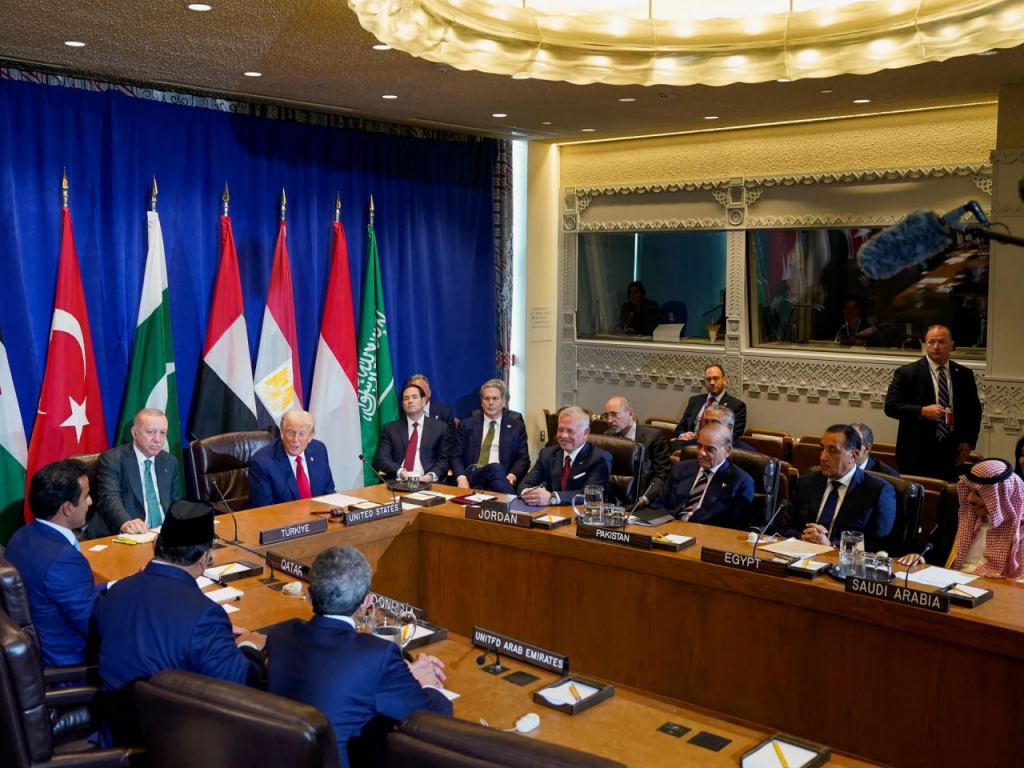
⚡️ Reuters and other outlets were starting to share news that President Trump was set to call the leaders of the Gulf and Arab countries around the Middle East affected by the war in Iran, which comes amid the ongoing diplomatic efforts.
⚡️ Following President Trump’s call with regional leaders, which a diplomat told Fox News was ‘very positive,’ adding that ‘good progress had been made’ and that the leaders welcomed both the momentum in the negotiations and the recent ‘breakthrough’ in the talks, JD Vance was rushed to the White House, along with Chief of Staff Dan Caine and Secretary of War Pete Hegseth.
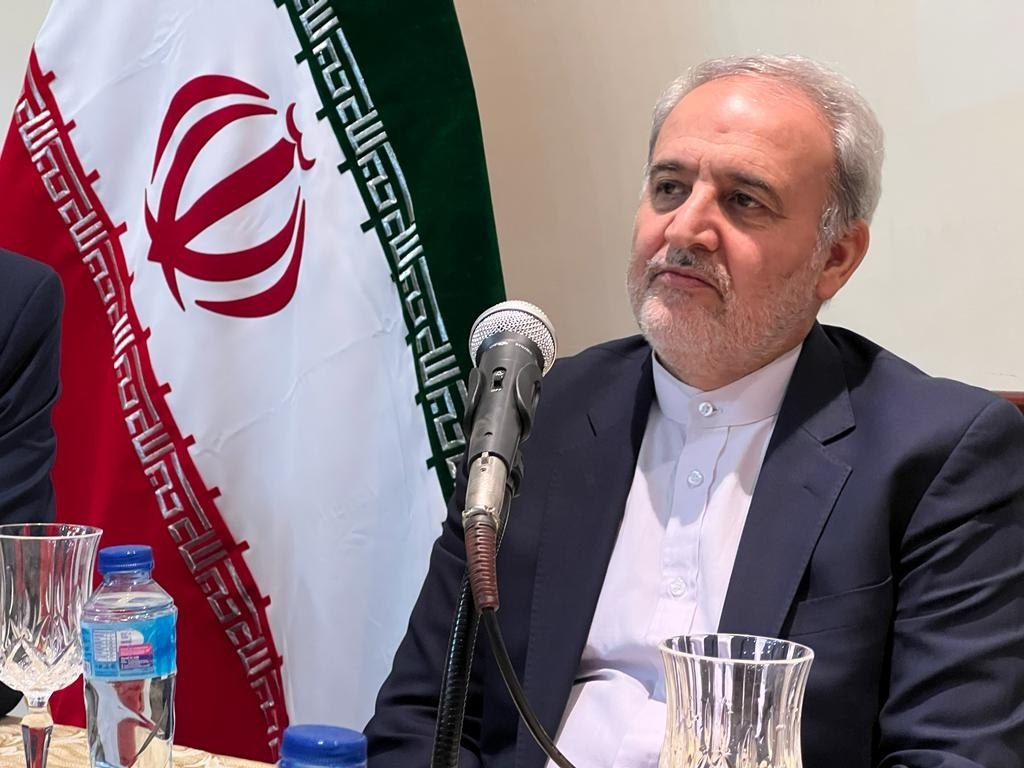
⚡️ Pakistan Interior Minister Mohsin Naqvi congratulated Iranian Ambassador to Pakistan Reza Amiri Moghadam on the achievements of the negotiations after returning from Tehran: “With conservative optimism, we can hope that, if the other side is adequately committed, a positive stride is taking shape,” the Ambassador said.
🔹 Moghadam expressed gratitude to the Pakistan government and army for their mediation efforts, adding that the result is due to Iran’s position based on dignity, the steadfastness of its armed forces, and the resistance of the Iranian nation.
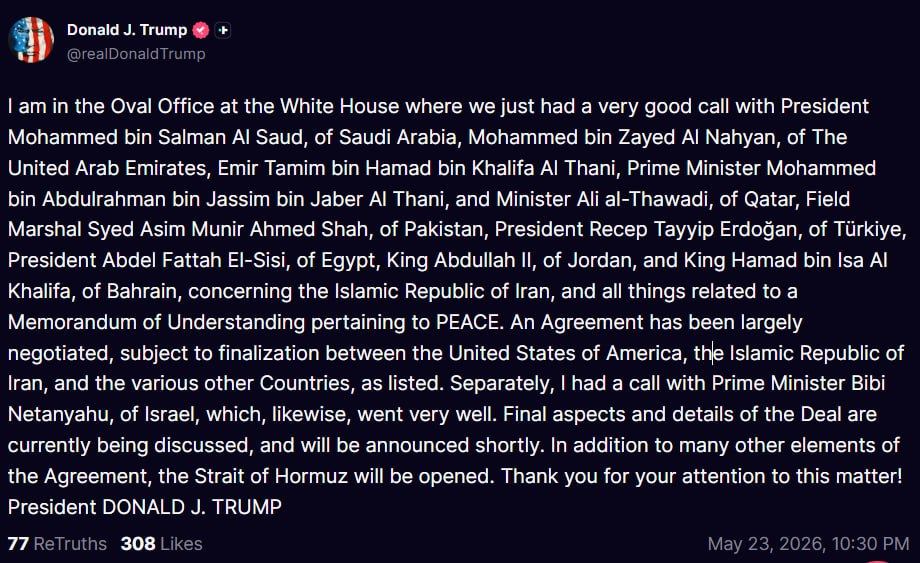
⚡️ President Trump took to Truth Social to say that the final details of the deal were being finalised and would be announced shortly, (likely Sunday), announcing a good call with Saudi Arabia, The UAE, Qatar, Pakistan, Turkey, Egypt, Jordan and Bahrain, discussing all things related to the Memorandum of Understanding.
🔹 Trump said an agreement had largely been negotiated, subject to finalisation between the US, Iran, and other countries as listed, adding that a call took place with Prime Minister ‘Bibi Netanyahu’ which also went well, and the final aspects and details of the deal were being discussed and would be announced shortly.
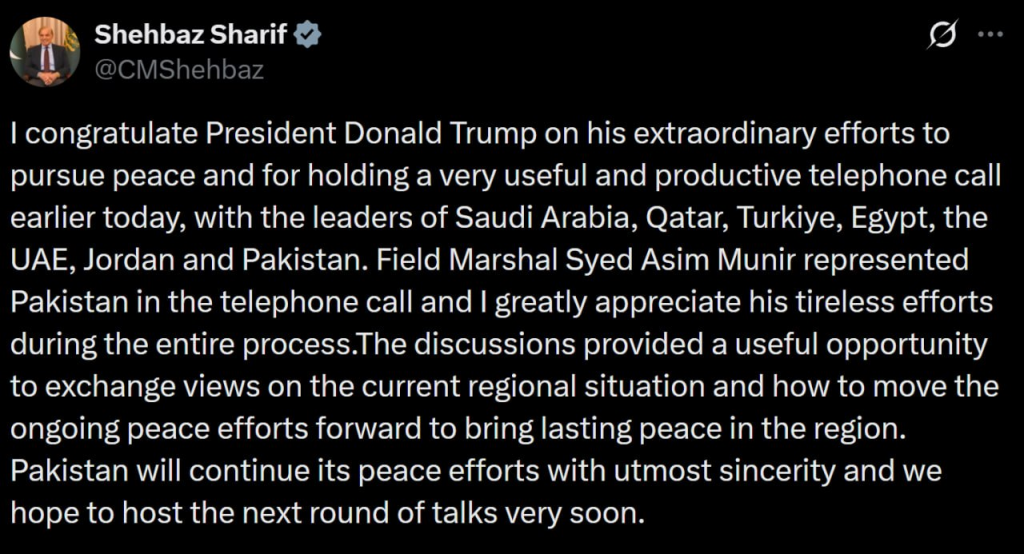
⚡️ Pakistan’s Prime Minister Shehbaz Sharif congratulated President Trump on his extraordinary efforts to pursue peace and for holding a very useful and productive phone call with the leaders of Saudi Arabia, Qatar, Turkey, Egypt, the UAE, Jordan, and Pakistan.
🔹 Sharif said that Field Marshal Asim Munir represented Pakistan in the call and the General’s tireless efforts during the entire process were appreciated, wile stating the discussions provided a useful opportunity to exchange views on the current regional situation and how to move the ongoing peace efforts forward, to bring lasting peace to the region.
What the Media claimed:
⚡️ An Iranian official told Al Jazeera on Saturday afternoon that Iran had reached a Memorandum of Understanding through Pakistan mediation and was now waiting for a response from the United States, noting that the memorandum included provisions for lifting the siege, reopening the Strait of Hormuz, and the withdrawal of American forces from the war zone.
🔹 The official said the agreement doesn’t address nuclear issues because they are ‘complex and require sufficient time for negotiation,’ but noted that a path towards nuclear talks could begin within 30 days from the agreement taking effect.
🔹 Asim Munir originally planned to announce the memorandum to Tehran, but he left to coordinate with Washington, but the official added Qatar played a major role in drafting the MoU and facilitating communications between mediators and the US, while stressing that Iran ‘cannot make more concessions than those stipulated in the memorandum of understanding.’
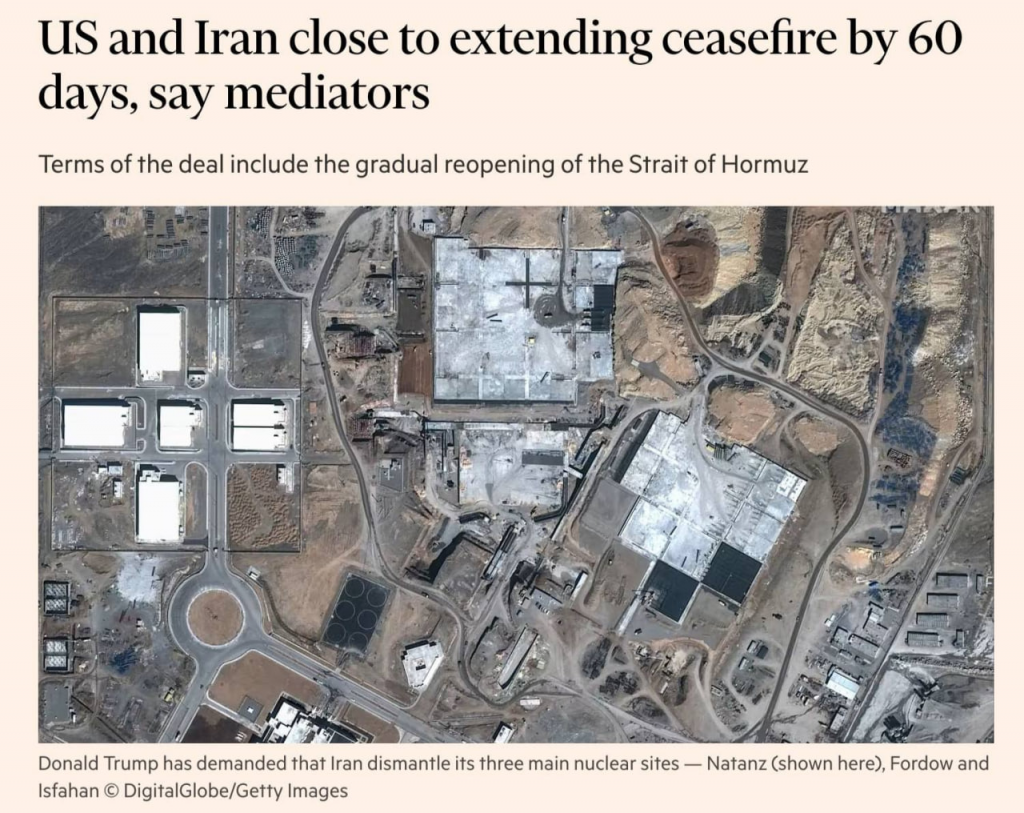
⚡️ According to the Financial Times, a proposed deal nearing completion included a gradual reopening of the Strait of Hormuz, talks on diluting or transferring Iran’s highly enriched uranium stockpile, easing the US blockade on Iranian ports, sanctions relief, and the phased release of frozen Iranian assets.
🔹 However, a major stumbling block remained President Trump’s demand that Iran hand over its 440kg stockpile of near weapons‑grade uranium and dismantle its three main nuclear sites – Natanz, Fordow and Isfahan.
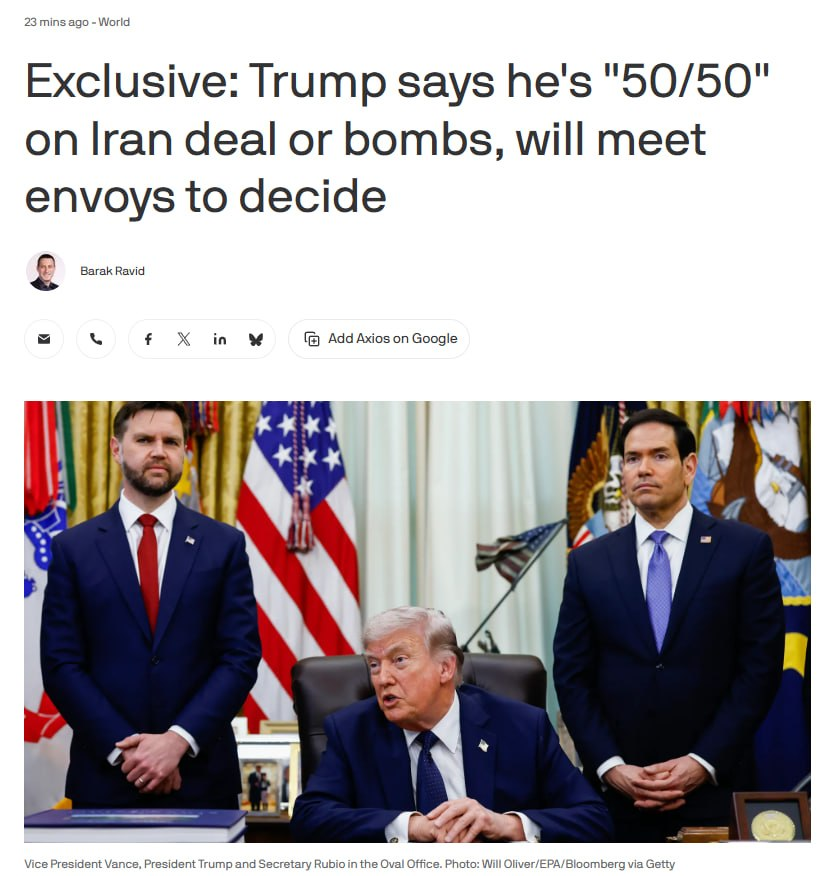
⚡️ Axios reported that President Trump was expected to make a decision on whether to resume the war on Sunday, depending on the outcome of the negotiations talks with Steve Witkoff and Jared Kushner, claiming that Trump described the current situation as a ‘solid 50/50’ between reaching what he called a ‘good’ agreement or escalating military action.
🔹 President Trump allegedly said: “Either I hit them harder than they have ever been hit, or we are going to sign a deal that is good,” adding that opinions within his circle differed between pursuing diplomacy and restarting the conflict, but dismissed suggestions that Benjamin Netanyahu was concerned that Trump might sign a ‘weak deal.’
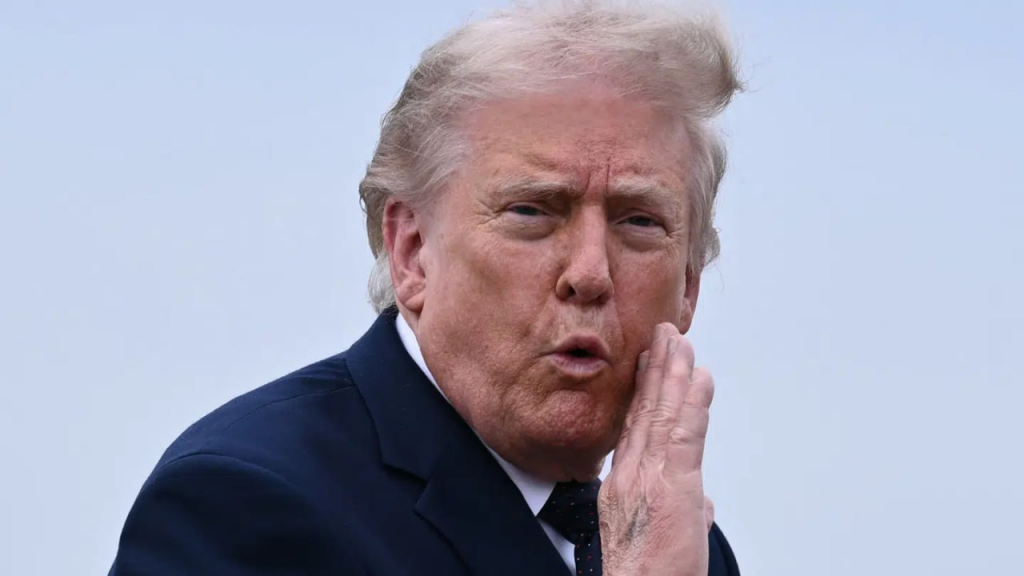
⚡️ CBS claim they were told by President Trump that negotiators form the US and Iran were ‘getting a lot closer’ to finalising an agreement, with Trump stating there was already ‘a draft’ agreement that he had reviewed, though he declined to say whether he had approved it: “I will only sign a deal where we get everything we want,” he said.
🔹 Trump added that any final agreement would have to prevent Iran from obtaining a nuclear weapon and ensure that Iran’s enriched uranium was ‘satisfactory handled,’ but warned that if negotiations fail, Iran could face unprecedented military consequences, adding: “No country will ever be hit as hard as they’re about to be hit.”
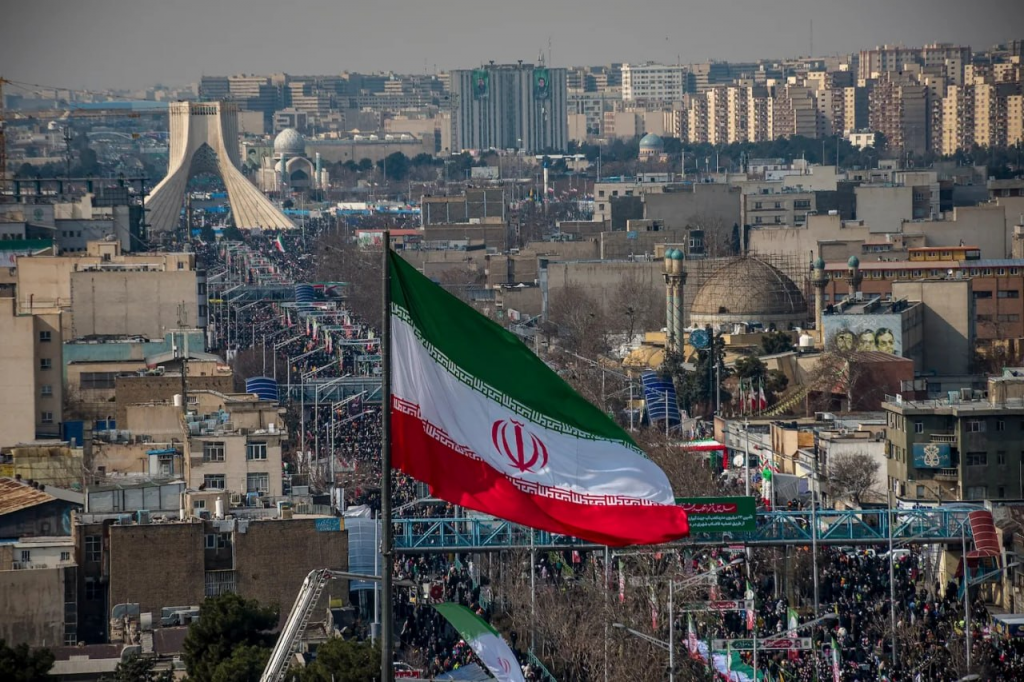
⚡️ Fars News Agency claim they were told by a source close to the negotiating team that talks could collapse unless Washington showed greater flexibility, despite claims that the Americans had already backed away from some of their earlier positions.
🔹 According to the source, the three major disputes that remain unresolved included the fact Tehran insisted it wouldn’t discuss nuclear matters during the current negotiations and said such talks could only happen later if confidence-building measures were implemented first.
🔹 The source claimed the second issue was surrounding Iran’s frozen assets, saying that Tehran demanded the transfer and release of blocked Iranian funds before entering into any formal negotiations.
🔹 According to the source, the third disagreement still centres around the Strait of Hormuz, because the US wants maritime traffic to fully return to pre-war conditions, while Iran seeks to maintain control over the shipping routes, regulating the number of vessels permitted to pass through the Strait under its own framework.
⚡️ Iran offered Pakistan two draft proposals during recent talks, with Tehran proposing the opening of the Strait of Hormuz in exchange for compensation from the United States, and insisting on discussions regarding sanctions and frozen funds before any agreement is signed, reported Al Arabiya.
⚡️ CBS reported that President Trump told them there was a ‘draft’ of an agreement with Iran, but he didn’t say whether he’d signed off on the draft agreement: “I can’t tell you before I tell them, right?” he said, but added, “they’re getting a lot closer.”
⚡️ Israel’s Channel 12 reported that any deal with Iran would include uranium enrichment and Tehran’s enriched uranium, after a conversation with President Trump, adding that there was ‘nothing they can do’ to make him back down from them demands.
🔹 “I wouldn’t make a deal if it wasn’t good for Israel,” Trump reassured the news outlet, adding that he didn’t believe Netanyahu was worried, while saying some preferred a deal while others preferred a resumption of the war, and Netanyahu was said to be ‘torn between the options.’
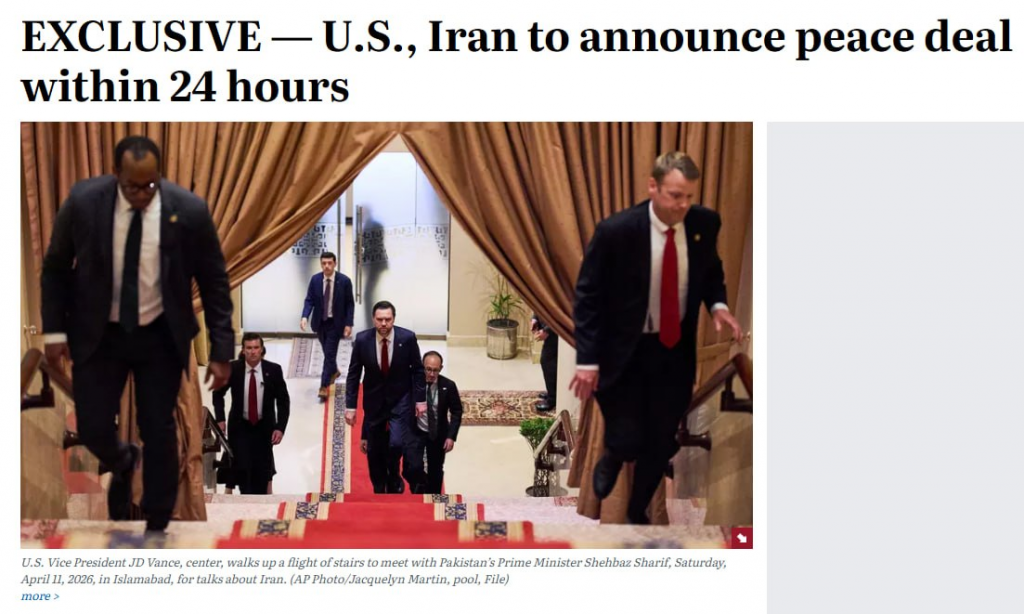
⚡️ The US and Iran were expected to announce a peace plan on Saturday night, reported The Washington Times, noting that a draft proposal was finalised on Saturday and sent to the leadership of both countries for final approval, with key figures involved including Iranian Parliament Speaker Mohammed Bagher Ghalibaf, Vice President JD Vance, Steve Witkoff, and Jared Kushner.
⚡️ Reuters were told by a Pakistani security official that a memorandum of understanding was being ‘fine-tuned’ to end the war, adding that Asim Munir’s visit produced ‘significant progress’ in negotiations aimed at bringing the war to an end.’
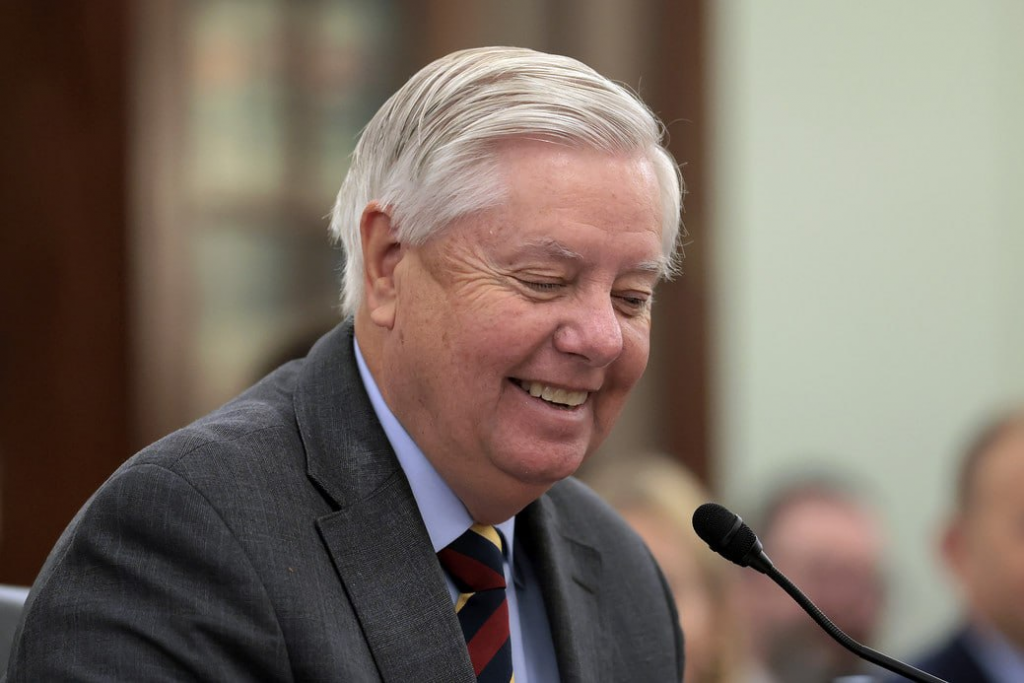
⚡️ Warmongering Republican Senator Lindsey Graham told Axios that some regional leaders are urging President Trump to strike Iran to weaken the government and negotiate from a ‘position of strength.’
🔹 Graham said other regional leaders and some senior advisers around Trump were instead encouraging him to accept the current deal on the table, warning that conflict could threaten oil infrastructure and maritime security in the Strait.
🔹 Senator Graham said he remained sceptical Iran would still be capable of seriously disrupting the Strait or regional energy infrastructure after a military campaign, telling Axios: “Time will tell – I am hoping for a good outcome still.”
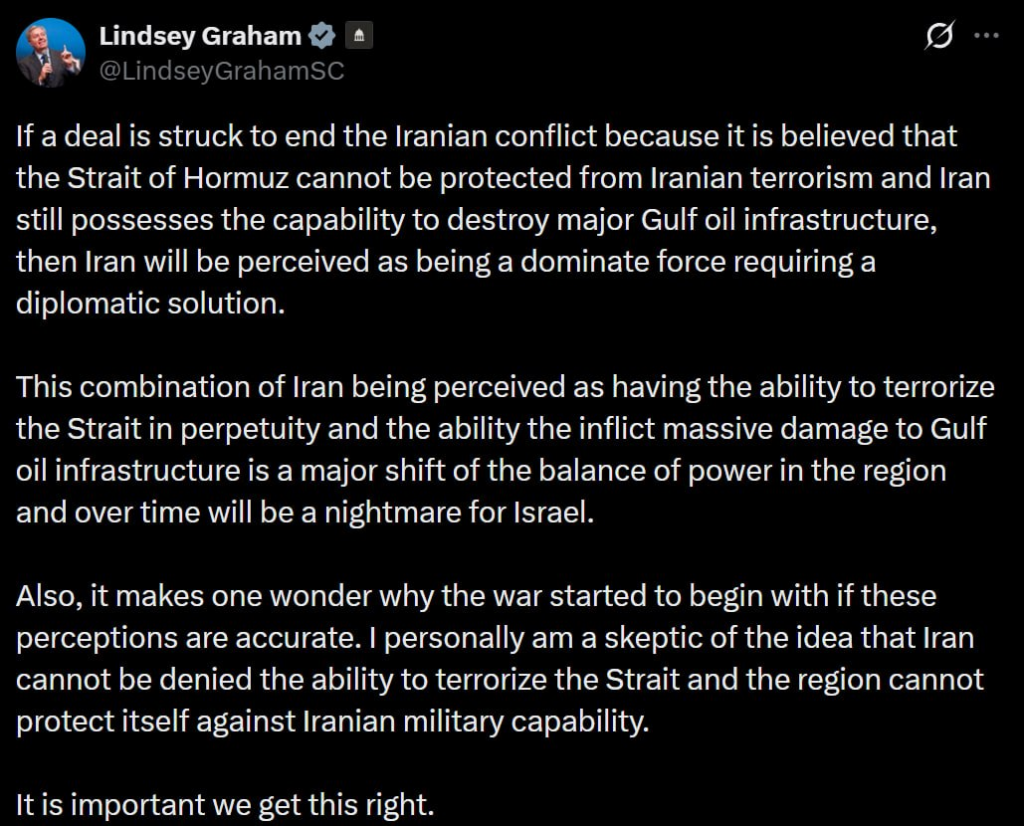
⚡️ Wanting to be seen and heard on Saturday, Senator Graham also took to X saying that if a deal is struck to end the Iranian conflict because the Strait of Hormuz can’t be protected from the Iranians, while Iran possesses the capability to destroy major Gulf oil infrastructure, then Iran would be seen as a dominant force requiring a diplomatic solution.
🔹 Graham said that this combination of Iran being seen as having the ability to control the Strait along with the ability to inflict massive damage on the Gulf oil infrastructure is a major shift of the balance of power in the region, and over time it will be a nightmare for Israel.
🔹 According to Graham, it would also make one wonder why the war started to begin with if the perceptions were accurate, saying: “I personally am a sceptic of the idea that Iran cannot be denied the ability to terrorise the Strait, and the region cannot protect itself against Iranian military capability,” adding: “It is important we get this right.”
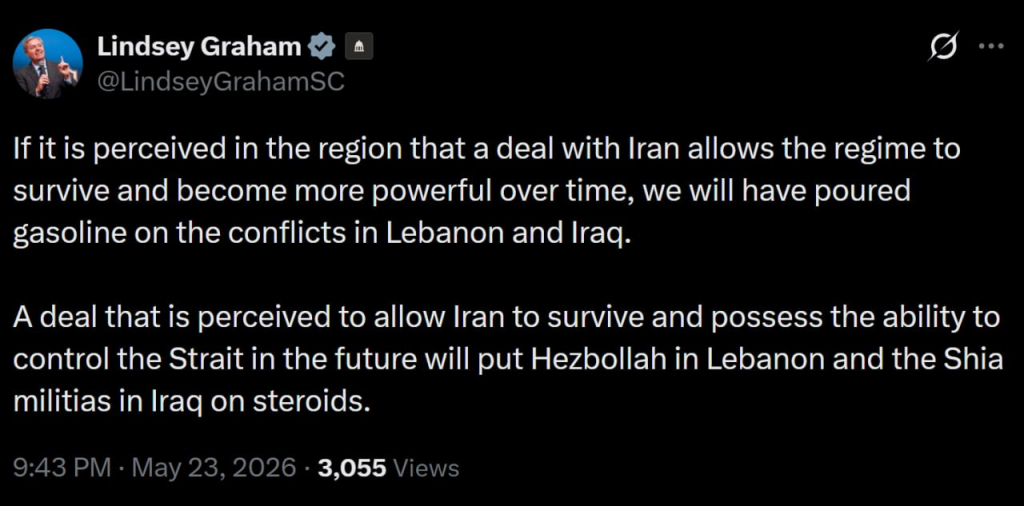
⚡️ Senator Graham took to X for a second time, stating that if a deal with Iran allowed the regime to survive and become more powerful over time, ‘we will have poured gasoline on the conflicts in Lebanon and Iraq.’
🔹 Graham said that a deal is perceived to allow Iran to survive and possess the ability to control the Strait in the future will put Hezbollah in Lebanon and the Shia militias in Iraq ‘on steroids.’
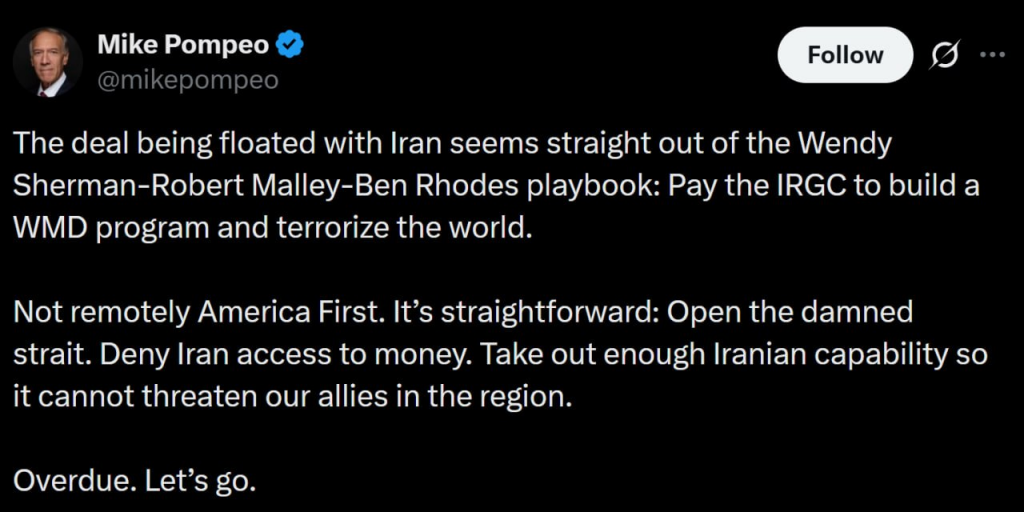
⚡️ Former CIA Director and Secretary of State Mike Pompeo said on X that the deal being floated with Iran seemed ‘straight out of Wendy Sherman-Robert Malley-Ben Rhodes playbook: Pay the IRGC to build a WMD program and terrorise the world.’
🔹 Pompeo said: “Not remotely America First,” adding that it’s straight forward: “Open the damned strait, deny Iran access to money, take out enough Iranian capability so it cannot threaten our allies in the region – overdue, lets go.”
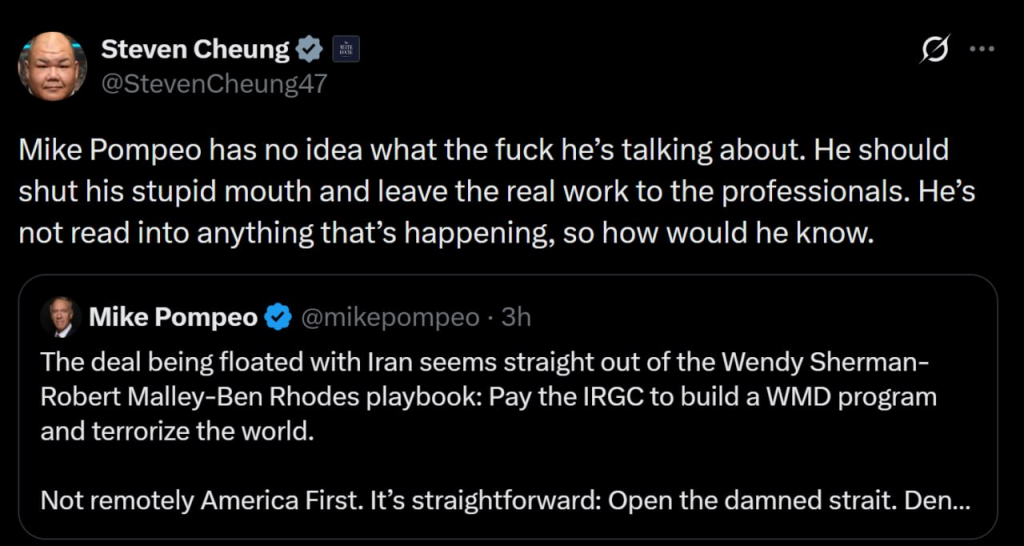
⚡️ White House Communications Director Steven Cheung replied on X to Mike Pompeo’s post, saying: “Mike Pompeo has no idea what the fuck he is talking about,” adding that “he should shut his stupid mouth and leave the real work to the professionals,” and “he’s not read into anything that’s happening, so how would he know?”
⚡️ Republican Senator Ted Cruz said he was deeply concerned about what was being said regarding a deal with Iran, stating if the result of everything is an Iranian regime ‘still run by Islamists who chant Death to America,’ now receiving billions of dollars, capable of enriching uranium and developing nuclear weapons, and effectively controlling the Strait of Hormuz, then this outcome will be a catastrophic mistake.’
⚡️ Sources told Israel Hayom that a draft agreement on the table included a basic Iranian commitment to refrain from developing a nuclear bomb and long-term suspension of uranium enrichment, with other issues, including the fate of Iran’s existing enriched uranium stockpile to be addressed at a later time.
🔹 According to sources, Iran’s political leadership had previously committed to handing over the enriched uranium, but IRGC commanders vetoed the move, and now the matter depends on the approval of Supreme Leader Mojtaba Khamenei.
🔹 The draft envisages the full and free reopening of the Strait of Hormuz during a ceasefire period, but over the weekend, advanced preparations were made for targeted strikes on specific Iranian sites which would increase pressure on the Iranian negotiations.
⚡️ Channel 13 Israel claimed Israeli officials believe US and Iran are moving closer to an agreement, increasingly treating recent reports and incoming information as credible, stating that the progress in the negotiations is ‘deeply frustrating’ for parts of the Israeli security establishment, especially with Washington pushing for an agreement.
🔹 Senior officials also believed pressure from some of President Trump’s advisers grew in recent days, with PM Netanyahu expected to hold consultations with senior ministers and security officials during the developments.
🔹 Israeli assessments for the past two weeks have been that Trump wanted a deal but would ultimately fail to reach any agreement due to disagreements on key issues, but officials believe the current direction appeared to contradict what Israel had pushed for in recent weeks.
⚡️ Axios claimed that a regional source said Arab and Muslim leaders who participated in the call with President Trump unanimously urged him to move forward with a deal to end the war and reduce tensions across the region, claiming: “The message from everyone was: please stop the war for the benefit of the whole region,” he said.
⚡️ Channel 14 Israel said an agreement may be reached within days and is expected to include Lebanon, likely ending the Israeli fighting against Hezbollah, claiming that under the circulating details, Iran would open the Strait of Hormuz without fees, while the US would not transfer funds to Tehran, with both sides given a 60-day grace period to continue nuclear negotiations, and sanctions on Iran would remain in place except for a limited easing on oil-related restrictions.
⚡️ Israeli channel N12 were told by a senior Israeli official that the emerging agreement was bad because it signalled that the Iranians have a stronger bargaining chip than nuclear, which was the Strait of Hormuz, stating Trump believed the agreement is purely economic and includes mutual opening of the Strait of Hormuz, with all progress depending on the removal of the nuclear program.
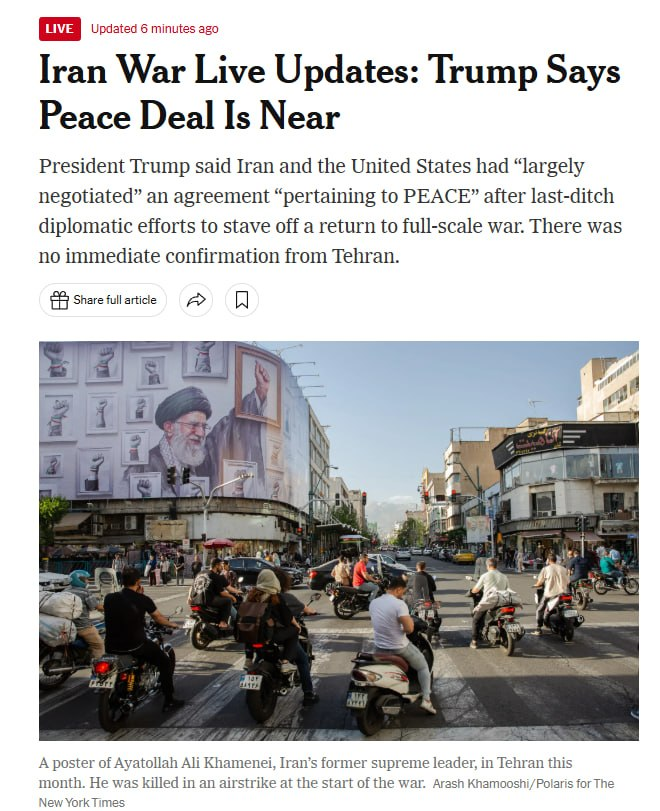
⚡️ New York Times claimed the proposed agreement would halt hostilities on all fronts, including Lebanon, while also lifting the US Naval blockage against Iran and restoring unrestricted commercial shipping through the Strait without Iranian tolls.
🔹 Contentious nuclear issues were deliberately left out of the initial framework and would be negotiated separately within 30 to 60 days, adding the arrangement would also include $25 billion in frozen Iranian assets held overseas.
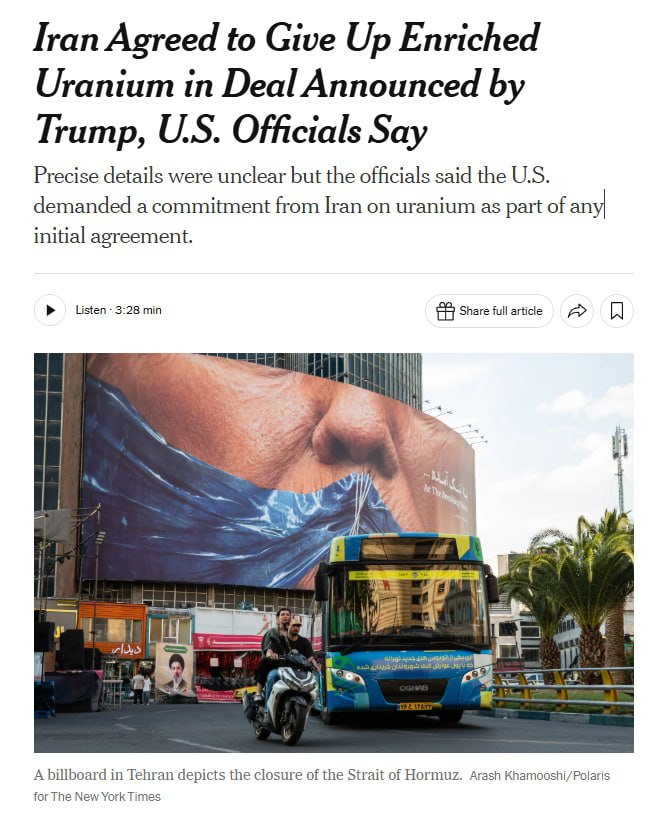
⚡️ New York Times posted another headline on Saturday night saying that Iran had agreed to give up its stockpile of enriched uranium as part of the deal for ending the war, claiming US officials said the proposal ‘did not settle the issue of precisely how Iran would give up its stockpile,’ putting off the details for a coming round of talks on Iran’s nuclear program.
🔹 The proposal also includes the release of billions of dollars in frozen assets held abroad, as officials added that most of the funds would only become accessible through a reconstruction mechanism after Iran reached a final nuclear agreement, which would create an incentive for Tehran to remain engaged in negotiations.
⚡️ CNN claimed that regional leaders urged President Trump to accept a framework agreement with Iran, describing the call as ‘very positive’ with ‘good progress.’
🔹 Israeli Prime Minister Netanyahu had been in contact with US officials throughout the evening and was also expected to speak to Trump later on Saturday night, while the Israeli PM was also convening a limited security consultation with selected ministers and officials to discuss the developments.
🔹 According to CNN, Israel feared a limited interim agreement could extend the ceasefire, reopen the Strait of Hormuz, and ease sanctions, without addressing Israel’s main concerns, Iran’s nuclear program and the uranium stockpile.
🔹 The US has reassured Israel on the uranium matter, but other key issues remain regarding Iran’s current enriched uranium and uranium enrichment activities.
⚡️ Al Jazeera stated the draft proposal included an end to fighting on all fronts, including Lebanon, as well as the release of several billion dollars in blocked Iranian funds, the lifting of the US Naval blockade, and the reopening of the Strait of Hormuz.
🔹 The framework also called for the immediate withdrawal of American forces from the vicinity of Iran, while under the proposal, both sides would have 30 days, with the option of extending the period by mutual agreement, to negotiate unresolved nuclear issues, but during that period, maritime passage through the Strait of Hormuz would be facilitated.
⚡️ Fars News Agency said Iran had agreed to restore shipping volumes in the Strait of Hormuz to pre-war levels, though Tehran insists this doesn’t mean a return to unrestricted ‘free passage.’
🔹 Iran would still retain full authority over the Strait, including control of shipping routes, transit timing, permits, and passage procedures, contradicting recent claims by Trump that the situation was returning to ‘normal.’
🔹 Fars claimed that no commitments related to the nuclear program were discussed at this stage of the negotiations, claiming US officials privately described Trump’s public statements as ‘largely intended for domestic, political, and media audiences.’
⚡️ Al-Mayadeen said the framework agreement wasn’t a final deal and didn’t include Iran’s nuclear program, but did include the release of half of Iran’s frozen funds, around $12 billion, and the end of the American naval military blockade, adding that a 30-day deadline has been granted to reach a nuclear agreement after signing the initial framework agreement.
⚡️ Tasnim News Agency said the draft agreement with Washington stipulated that the sovereign status of the Strait of Hormuz will not return to pre-war conditions, with only the number of passing ships restored within 30 days, coinciding with the full lifting of the naval blockade and implementation of US commitments, adding that Tehran insists on maintaining its right over the Strait.
⚡️ Lebanese newspaper Nidaa Al-Watan were told by a local political source that the talks between Washington and Tehran may have an impact on Lebanon, regardless of their outcomes, especially on the negotiations with Israel, because reaching a long-term agreement could include a decision obligating Iran to abandon its support for its proxies, including Hezbollah, which would be forced to ease the negotiation process and even cooperate on the issue of handing over its weapons to the state.
Official Conversations:
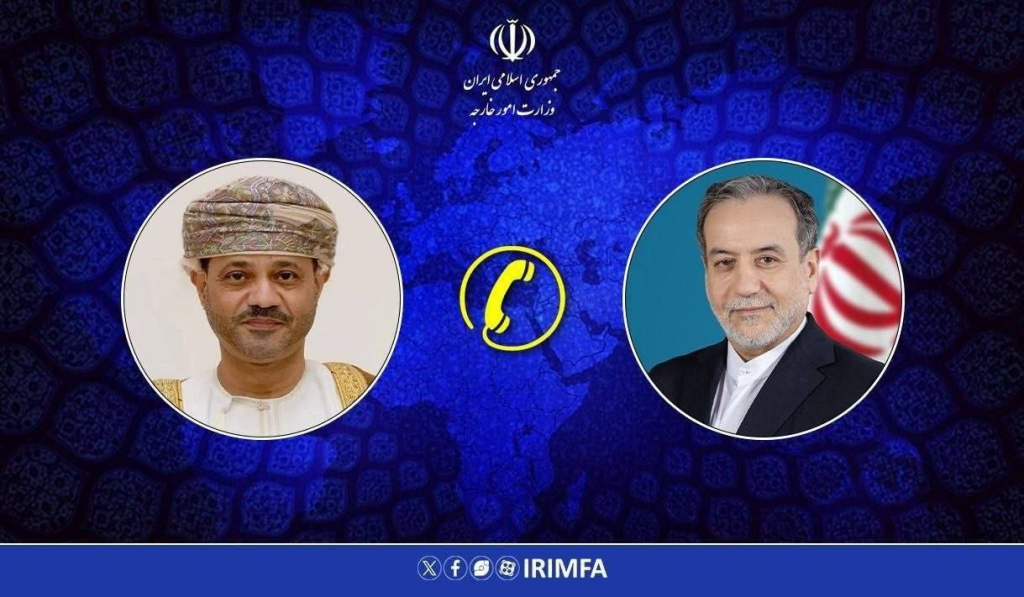
⚡️ Iranian Foreign Minister Abbas Araghchi held a call with Foreign Minister of the Sultanate of Oman Badr Al-Busaidi, in which they discussed the latest developments and ongoing diplomatic efforts to prevent escalations of tensions and end the war, exchanging views and discussions, along with bilateral relations.
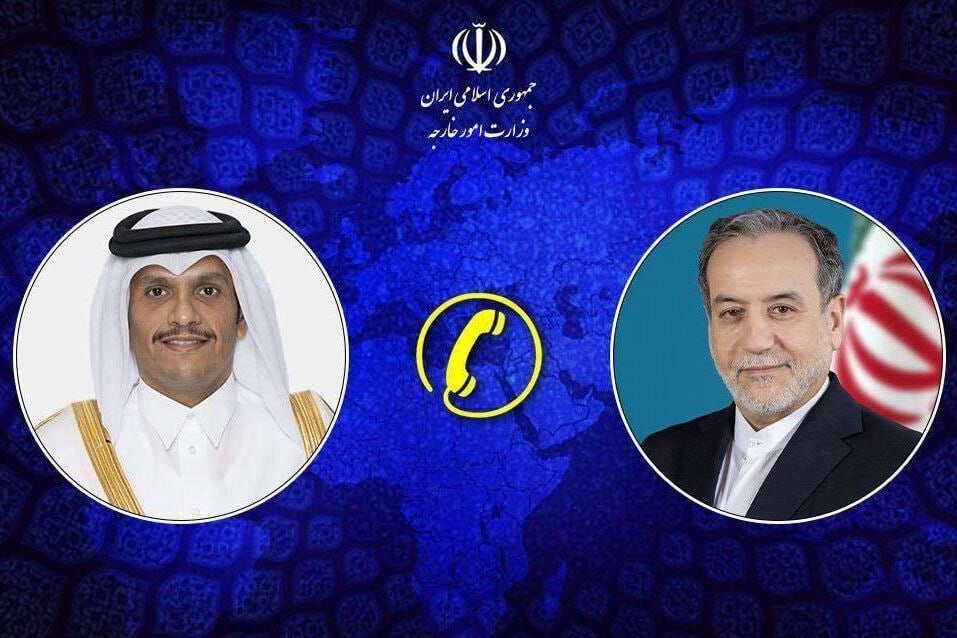
⚡️ Qatar’s Foreign Minister Mohammed bin Abdulrahman Al Thani held a call with Iranian Foreign Minister Abbas Araghchi, affirming Doha’s support for efforts to end regional tensions and claimed the closing of the Strait of Hormuz, or using it as leverage, only led to a deepening of the crisis.
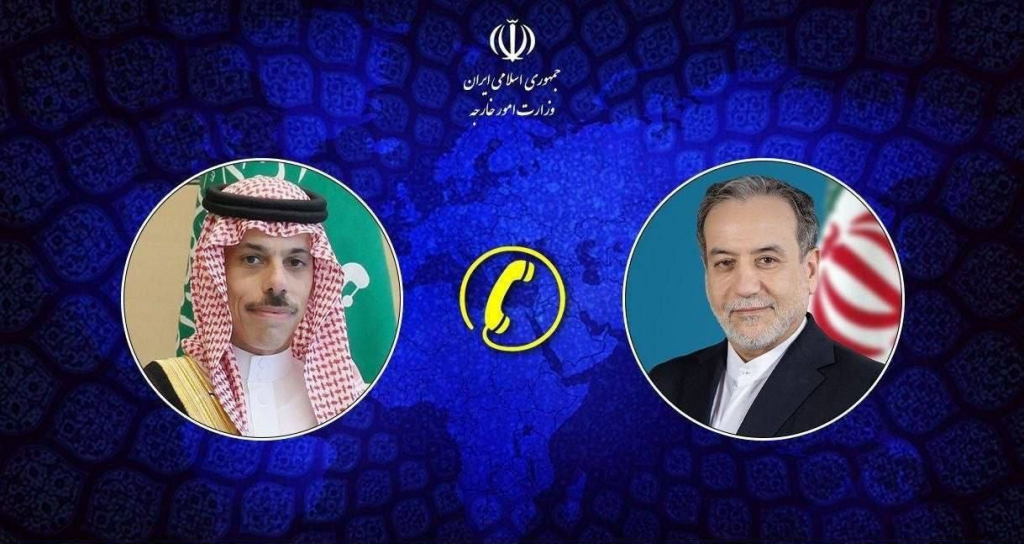
⚡️ Saudi Arabia’s Foreign Minister Faisal bin bin Farhan called counterpart Abbas Araghchi to discuss the ongoing diplomatic developments to prevent escalations of tensions in the region and the final end of the war.
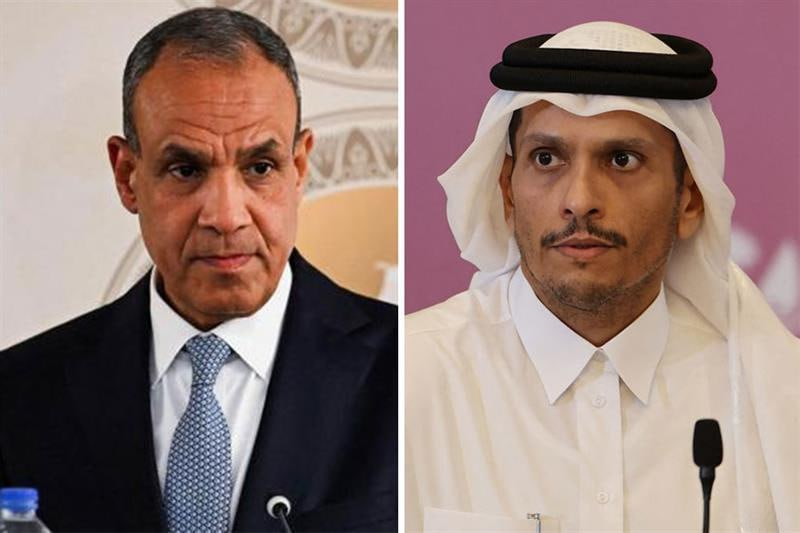
⚡️ Egyptian Foreign Minister Badr Abdelatty spoke with Qatari Prime Minister and FM Mohammed bin Abdulrahman Al Thani on the phone to discuss resolving the dispute in the ongoing negotiations, stressing that continued serious dialogue was the only way forward to address outstanding issues and spare the region from escalation.
🔹 Both Foreign Ministers discussed recent developments in the talks and agreed on the importance of prioritising dialogue and diplomacy to contain the crisis, while urging all parties to act with maximum flexibility and responsibility, taking into account the concerns of all sides to ensure sustainable de-escalation.
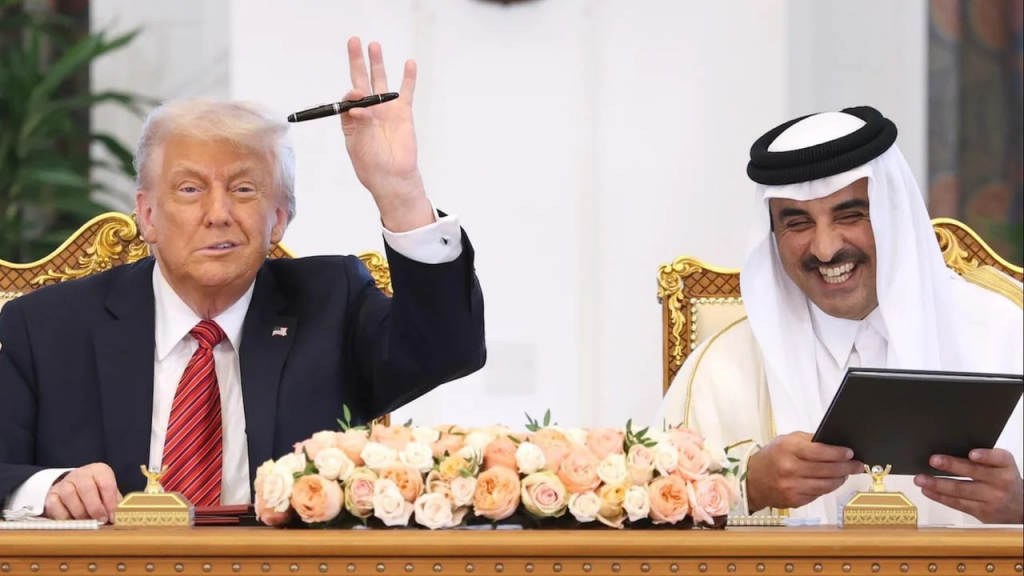
⚡️ Qatar’s Foreign Minister Mohammed bin Abdulrahman Al Thani held a call with President Trump to discuss supporting Pakistan-led diplomatic efforts to spare the region from further tension, while safeguarding international peace and security, before holding a separate call with the Iranian FM Araghchi.
⚡️ France’s President Emmanuel Macron spoke with President Trump on Saturday evening, shortly after the call with the Middle Eastern leaders, to discuss the latest proposal and advocate for the negotiated solution to the war, according to the AFP.
⚡️ Qatar’s Prime Minister and Foreign Minister Mohammed bin Abdulrahman Al Thani held a call with UK Foreign Secretary Yvette Cooper, discussing Pakistan-led mediation efforts between the US and Iran, while coordinating on regional de-escalation, according to the Qatari Foreign Ministry.
Strait of Hormuz News:
⚡️ IRGC’s Public Relations office said that 25 ships including oil tankers, container ships, and other commercial vessels, passed through the Strait of Hormuz after obtaining permission, with coordination and security provided by the Navy of the IRGC, taking the total to 117 ships this week since the Strait reopened.
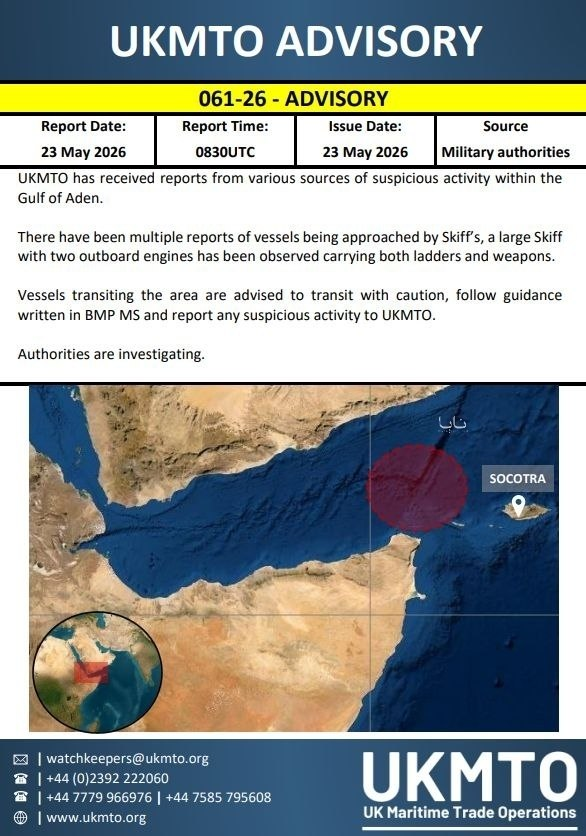
⚡️ UKTMO reported that multiple small boats had been approaching ships in the Gulf of Aden, while a large small boat equipped with two outboard engines was spotted carrying weapons and ladders.
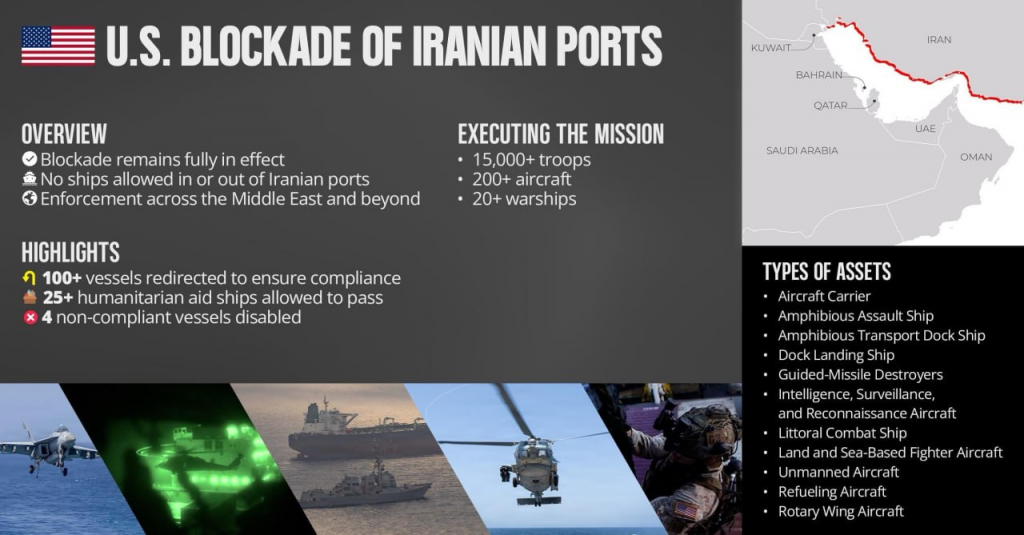
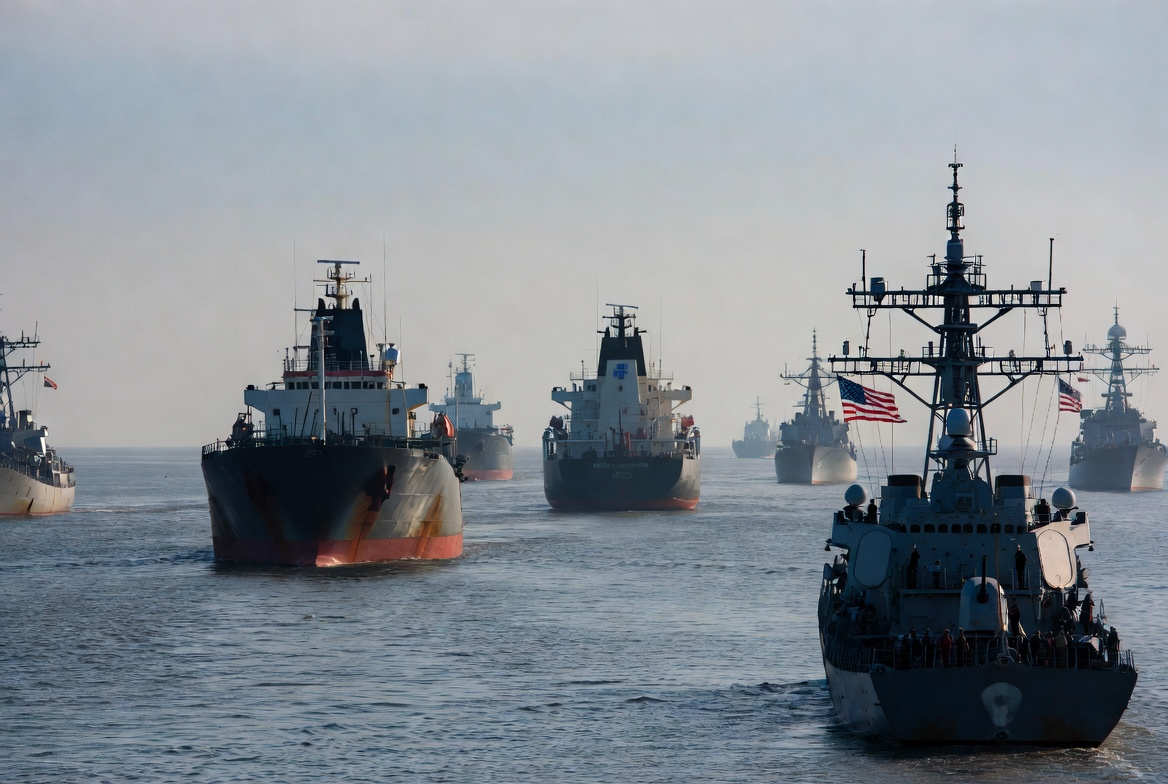
⚡️ US Central Command released a statement stating they had now turned around 100 vessels thanks to 15,000 soldiers, sailors, marines and airmen working in the blockade, while also disabling four, and allowing 26 humanitarian ships to pass, adding that the blockade is being enforced against vessels of all nations entering or departing Iranian ports and coastal areas, including the Arabian Gulf and the Gulf of Oman.
News from Iran:
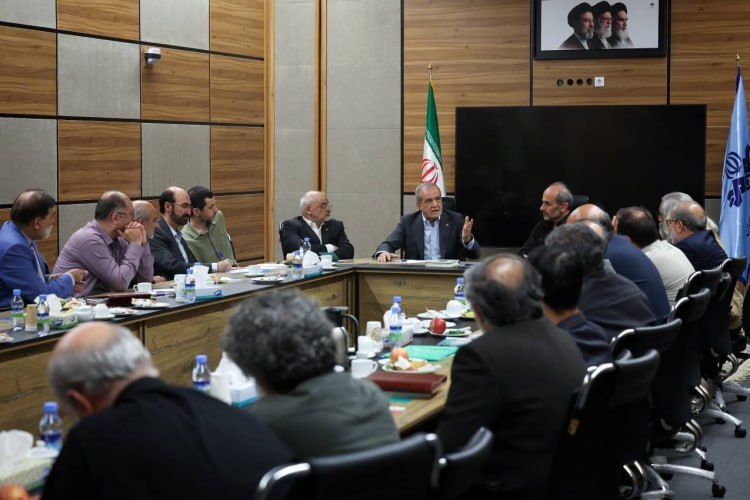
⚡️ President Masoud Pezeshkian told a meeting of managers from IRIB that no decision would be made outside the framework of the Supreme National Security Council and without coordination and permission from Supreme Leader Mojtaba Khamenei.
🔹 Pezeshkian said that when a decision is made in the field of diplomacy, all institutions, platforms, and currents must support it so that a unified and coherent voice from Iran is transmitted to the world, adding that IRIB must be the herald of national unity and cohesion.
🔹 No individual or group can simply, based on personal preference, offer a different plan for the country, because governing the country requires unified decisions and collective obedience, Pezeshkian said.
🔹 Pezeshkian stated that many of the country’s issues cannot be resolved without the presence and participation of the people, which required that all segments of society be seen with tolerance and an open perspective.
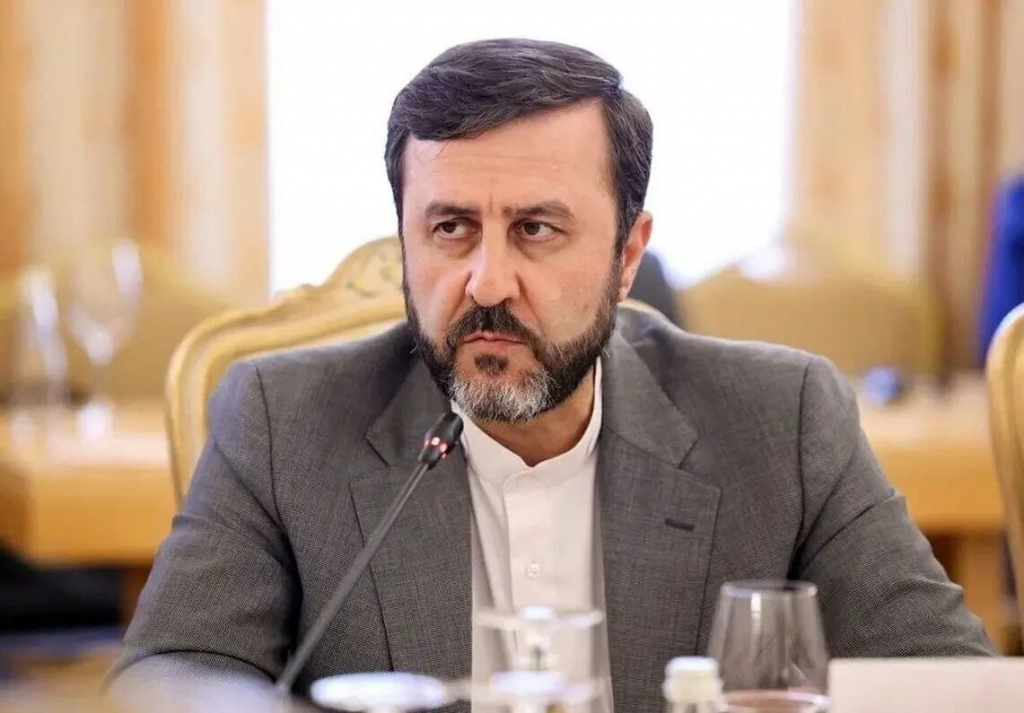
⚡️ Iran’s Deputy Foreign Minister Kazem Gharibabadi said on Saturday that the 11th Nuclear Non-Proliferation Treaty review conference ended in New York without a final document, accusing the US and Israel of attacking Iran’s peaceful nuclear facilities, and criticising Western countries for attempting to condemn Iran instead of the aggressors.
🔹 Gharibabadi said: “If the non-proliferation regime is to survive, it must be built on equal security, equal sovereignty and equal accountability, not nuclear exceptionalism,” adding that Iran firmly prevented Western countries from achieving their political goals, and the failure of the conference is the responsibility of those countries.
⚡️ Iran’s Khuzestan Governor said the restrictions on the movement of Iranian commercial containers to Iraq had been lifted by order of the First Vice President, meaning trucks can enter Iraqi territory without restrictions on the type of goods and the port of origin, through all Khuzestan borders, and especially the Shalamcheh international terminal.
⚡️ No new NOTAM was issued for aircraft in western Iran, reported Hamidreza Sanei, Deputy of Aviation and International Affairs of the Civil Aviation Organisation, which came after rumours that the issuance of a flight ban in the western airspace until Monday had been published on Friday night.
⚡️ Iran’s UN Ambassador said Iran has formally told the UN that Persian Gulf States and Jordan must fully compensate Iran for war damages, because these countries helped or enabled aggression against Iran, naming Qatar, Bahrain, Kuwait, Saudi Arabia, UAE, and Jordan, adding that they are responsible for both material damage and moral damages under international law.
⚡️ The Human Rights Headquarters of Iran issued clarifications in relation to their rights to defend against the use of UAE bases by Israeli and US forces.
🔹 According to the statement published by Tasnim News, the actions of a ‘neutral state’ is on strict adherence to international obligations, and if the host state is found unable or unwilling to control the military activities of enemies, the base and state under attack has the right of self-defence under Article 51 of the United Nations Charter.
🔹 The status of the UAE, due to hosting US military facilities and the role these bases played in the armed conflict, held special legal analytical significance.
🔹 During the conflict in March, the UAE adopted positions which included the non-participation of hostilities, implicitly assumed at a neutral status, but the hosting of Al Dhafra Air Base, which hosts the 380th Air Expeditionary Wing of the US Air Force with around 2,000 military personnel, including F-35 stealth fighters, reconnaissance aircraft, combat drones, and aerial refuelling planes, raised legal questions regarding its compliance with neutrality.
🔹 The Fifth Hague Convention, Article 3, prohibited the use of facilities located in the territory of a neutral state for purely military purposes and communication with hostile forces.
🔹 According to the First Additional Protocol to the 1977 Geneva Conventions, facilities that made an ‘effective contribution to military action’ become ‘legitimate targets.’
🔹 Field evidence indicated that Al Dhafra base in the UAE had played a central role in military operations against the Islamic Republic of Iran.
🔹 The statement ended, asking whether the UAE had the will or capability to impose a ‘military quarantine’ on bases located on its territory, to prevent their operational use against its northern neighbour, adding tat answering the question required consideration of two distinct legal scenarios.
News from the USA:
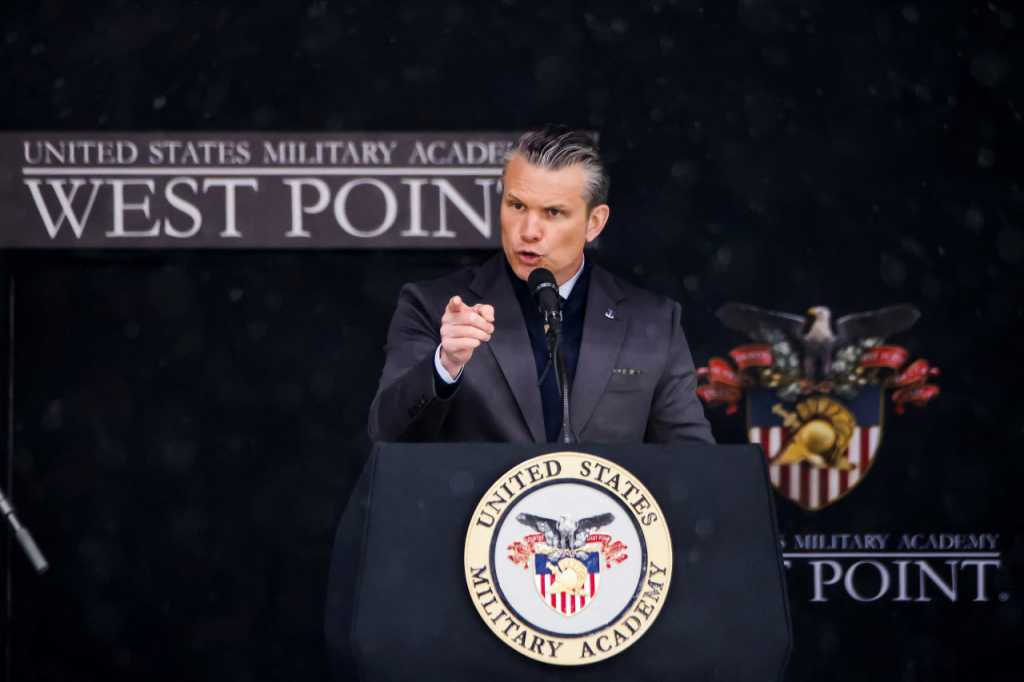
⚡️ Secretary of War Pete Hegseth told students at West Point Military Academy on a rainy Saturday afternoon that the airborne and rapid reaction forces have been asked to deploy at a moment’s notice in the Middle East, standing as an iron shield to protect American bases and American lives from Iranian proxies.
🔹 Hegseth said that the shield included American Army units using HIMARS to help sink the Iranian navy: “I know the army loves sinking the navy,” he said: “That’s the only navy you’re currently allowed to sink.”
News from Israeli Media:
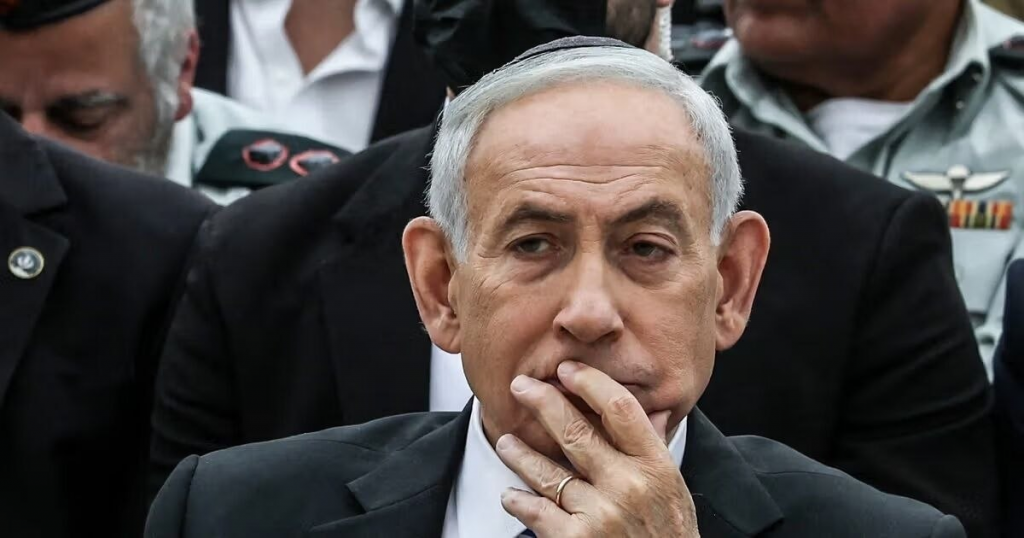
⚡️ Although Israel appear to be sidelined in the negotiations between Iran and the United States, Prime Minister Benjamin Netanyahu’s regime are still arguing that any agreement with Iran would be unacceptable without curbing Iran’s nuclear program, according to Channel 12.
🔹 Israel are said to be closely monitoring the ongoing messages between Iran and the US, mediated by Pakistan, and are deeply concerned about the formation of a temporary agreement that would postpone key security issues, including the nuclear program, until later stages.
🔹 NYT reported that Israel’s standing has deteriorated in Washington, with Prime Minister Netanyahu and government representatives thoroughly excluded from negotiation talks, according to N12 Israel, saying instead Israel are trying to obtain information about the negotiations through intelligence in Iran, along with regional diplomats, adding that while President Trump saw Netanyahu as an ally during the war, the PM isn’t seen as a partner in the negotiation efforts.
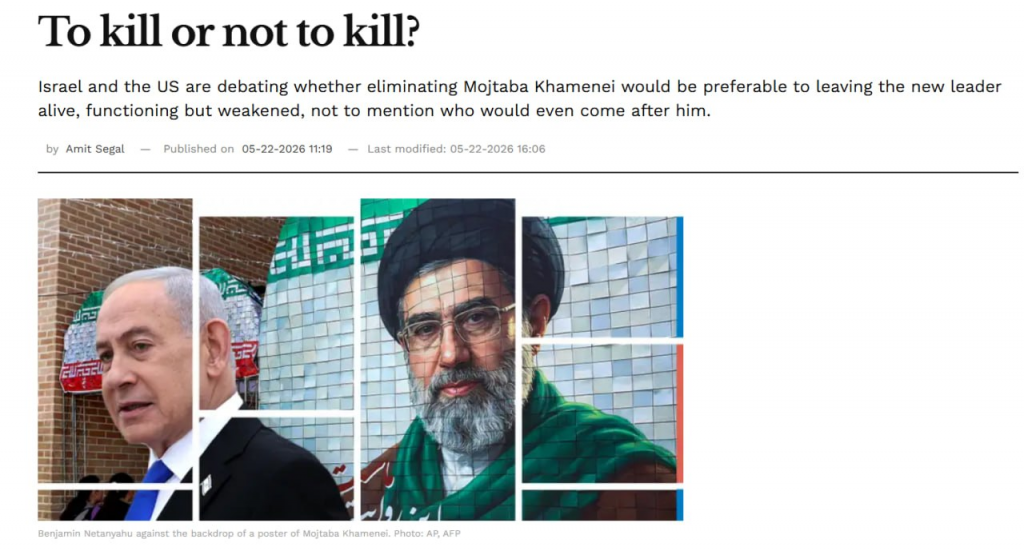
⚡️ The United States and Israel are allegedly debating whether the removal of Supreme Leader Mojtaba Khamenei could weaken Iran’s ruling structure or whether it would create greater instability, reported Israel Hayom, adding that some officials believe removing Khamenei could trigger a succession crisis and create an opening for a more pragmatic faction willing to negotiate with the West, while others warn it could lead to a more radical power structure or another weak nuclear agreement.
Other News:
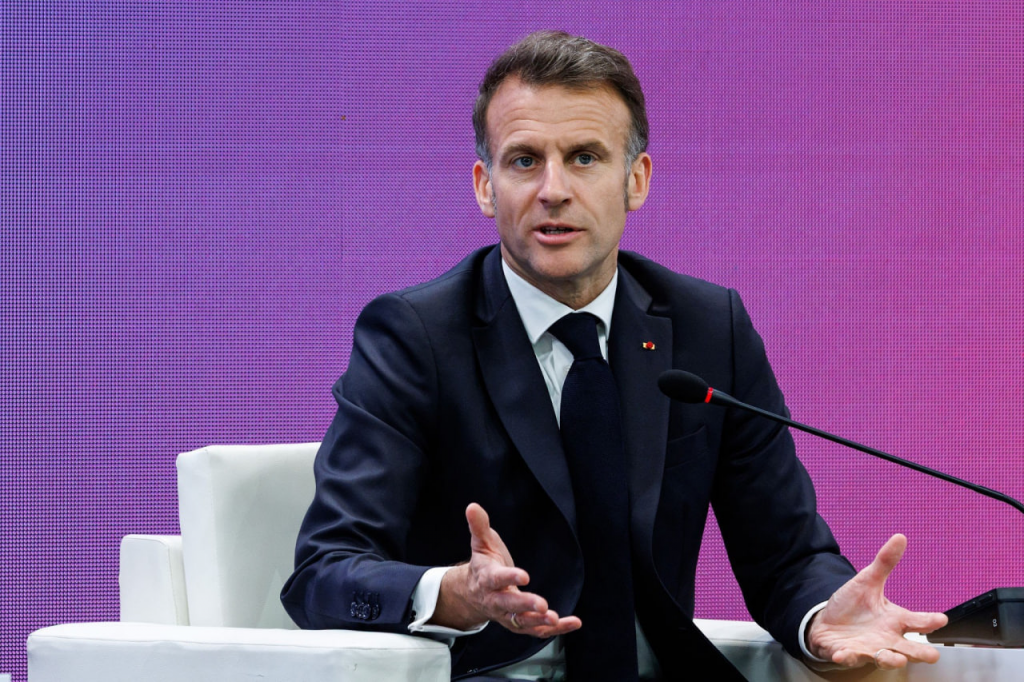
⚡️ France has prepared a draft UN Security Council resolution to establish an international mission to restore the freedom of navigation in the Strait of Hormuz, which could be presented when conditions are favourable, the French foreign ministry said.
🔹 A US-Bahraini draft resolution had been under discussion for more than two weeks, with repeated delays due to Russia and China indicating the use of their veto, and France hasn’t endorsed the current US text.
🔹 French President Emmanuel Macron said Paris would soon propose an initiative at the UN for a Franco-British led international mission to open the Strait once the situation allows, after consultations have occurred with Washington and Tehran.
⚡️ Iranian Kurdish opposition group Komala said drones attacked its bases in the Erbil Governorate, Iraqi Kurdistan, on Saturday night, with two drones shot down by ‘coalition planes.’
🔹 Another attack occurred on the opposition group Parti Azadyi Kurdistan (PAK), who said several bases of the Kurdistan National Army, located northwest of Erbil, had been targeted by four ballistic missiles at approximately 21:20 local time, and surveillance drones had been seen over the bases prior to the attack.
🔹 According to reports, the number of Iranian attacks against the Kurdistan National Army and PAK has now reached 71, as a result, two members have been killed and more than 17 others have been injured.
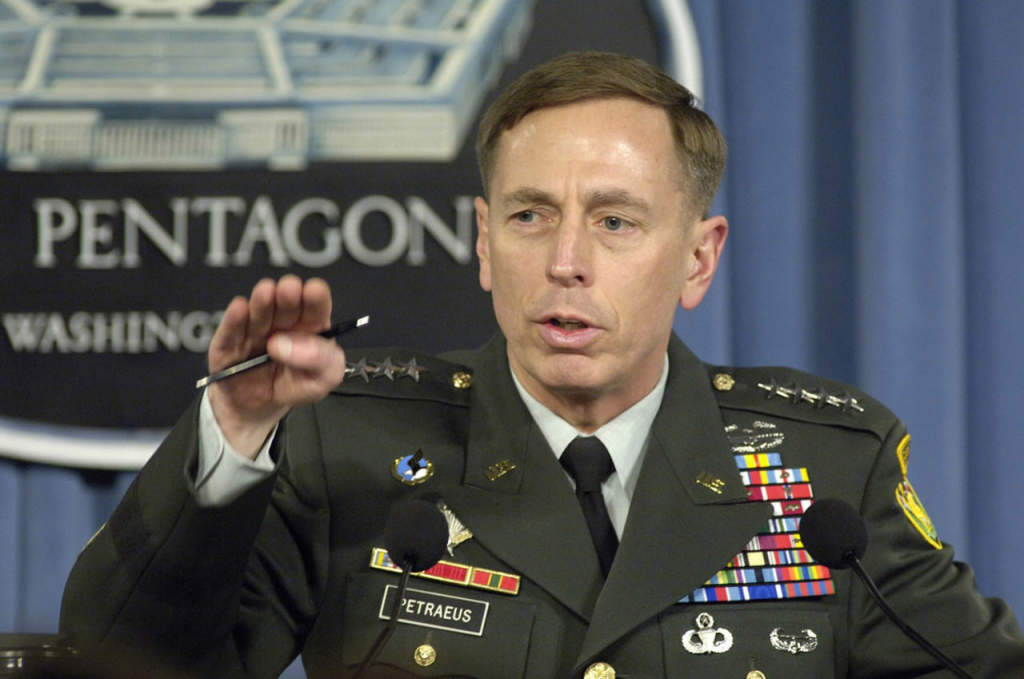
⚡️ Former CIA Director General David Petraeus visited Baghdad to discuss the future of Iraq’s Popular Mobilisation Forces, in a visit which comes amid rising US pressure to restructure the PMF, including proposals such as handing over heavy weapons, and eventually merging parts of the force into a new Federal Security Ministry.
🔹 Iraq security experts told Al-Akhbar that the government is seeking to reduce multiple power centres, while PMF leaders insist the force is a legally recognised institution that defended Iraq against terrorism, and cannot be dismantled on the orders of foreign countries.
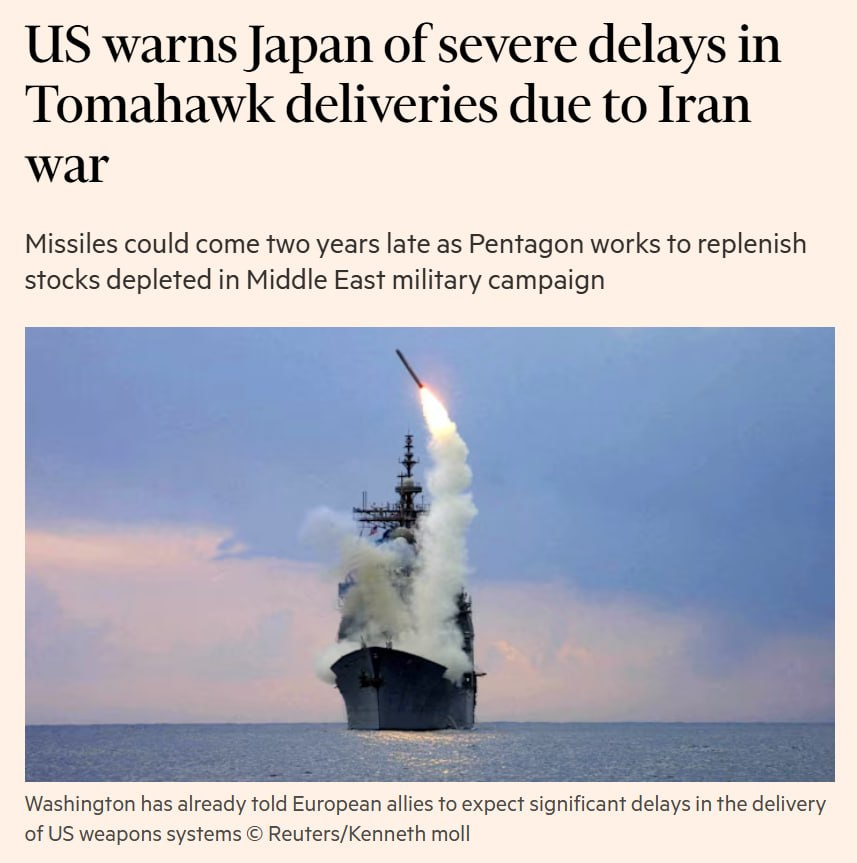
⚡️ Japan’s delivery of 400 Tomahawk missiles could be delayed by up to two years due to the depletion of US stockpiles, reported the Financial Times, claiming Secretary of War Hegseth spoke with Japanese Defence Minister Shinjiro Koizumi about the possible delay earlier this month, as the Pentagon looked to prioritise its on inventories.
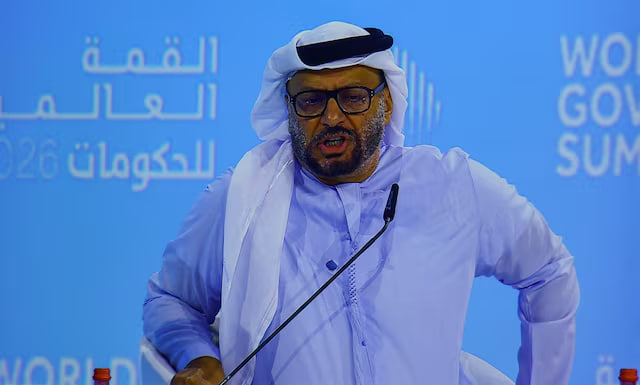
⚡️ A senior advisor to the President of the UAE said that Abu Dhabi had already considered leaving OPEC for three years before officially making the decision to exit the group earlier in May.
🔹 According to the adviser, the UAE’s decision was driven by a belief that the world is nearing the ‘autumn of the hydrocarbon age,’ with Emirati officials seeking to maximize oil production and revenues before long-term global declines.
🔹 The UAE viewed OPEC production quotas as a means of limiting output below its actual production capacity amid broader tensions within the group and ongoing disruption linked to the Strait of Hormuz.

⚡️ Shipping industry workers are leaving Dubai for Greece amid the war, with western expatriates reassessing their commitments to Dubai due to the US and Israel’s decision to attack Iran.
🔹 According to the Middle East Eye, a ship owner and two industry insiders said that some shipping industry employees based in Dubai are seeking to relocate, stating that western expatriates working in the maritime industry were considering heading to Athens and Cyprus as alternatives.