 AJ
AJ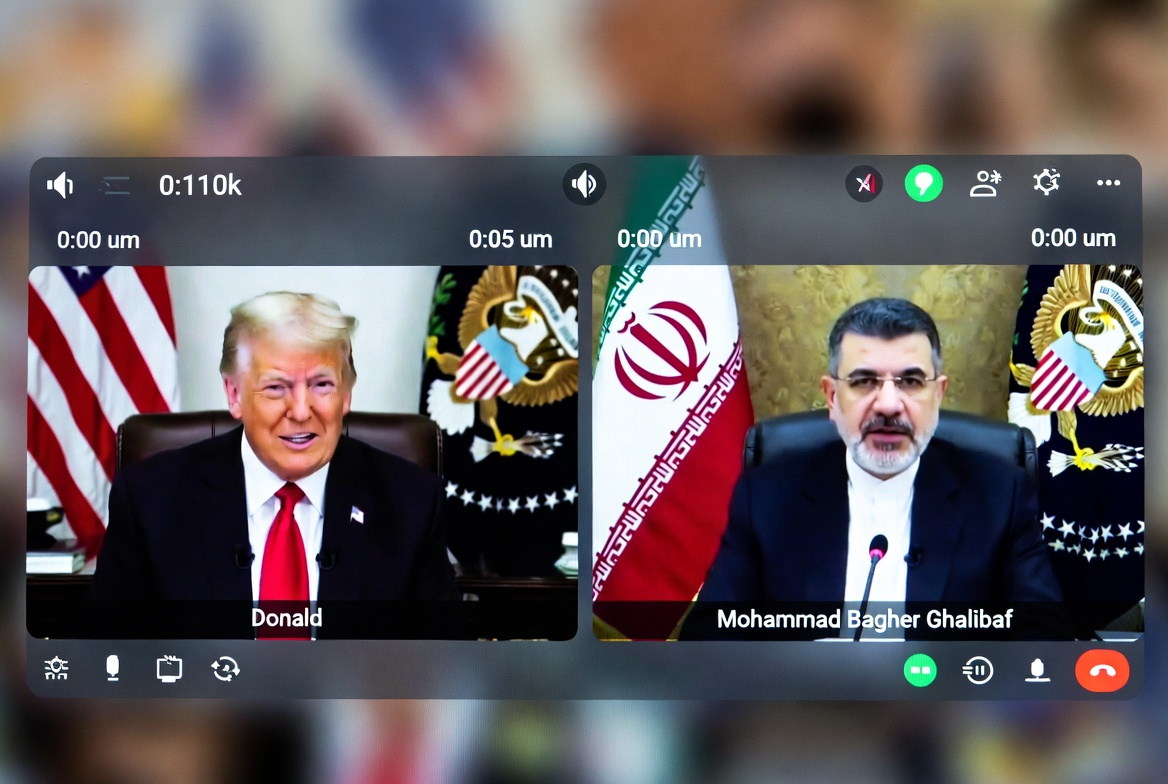
⚡️ The Middle East recap for June 13 looked at whether there would be a final agreement signed between Iran and the United States, what happened in Iran after statements from officials, news about the Strait of Hormuz, and other news that may be of interest in and around the Persian Gulf.

Negotiation News:
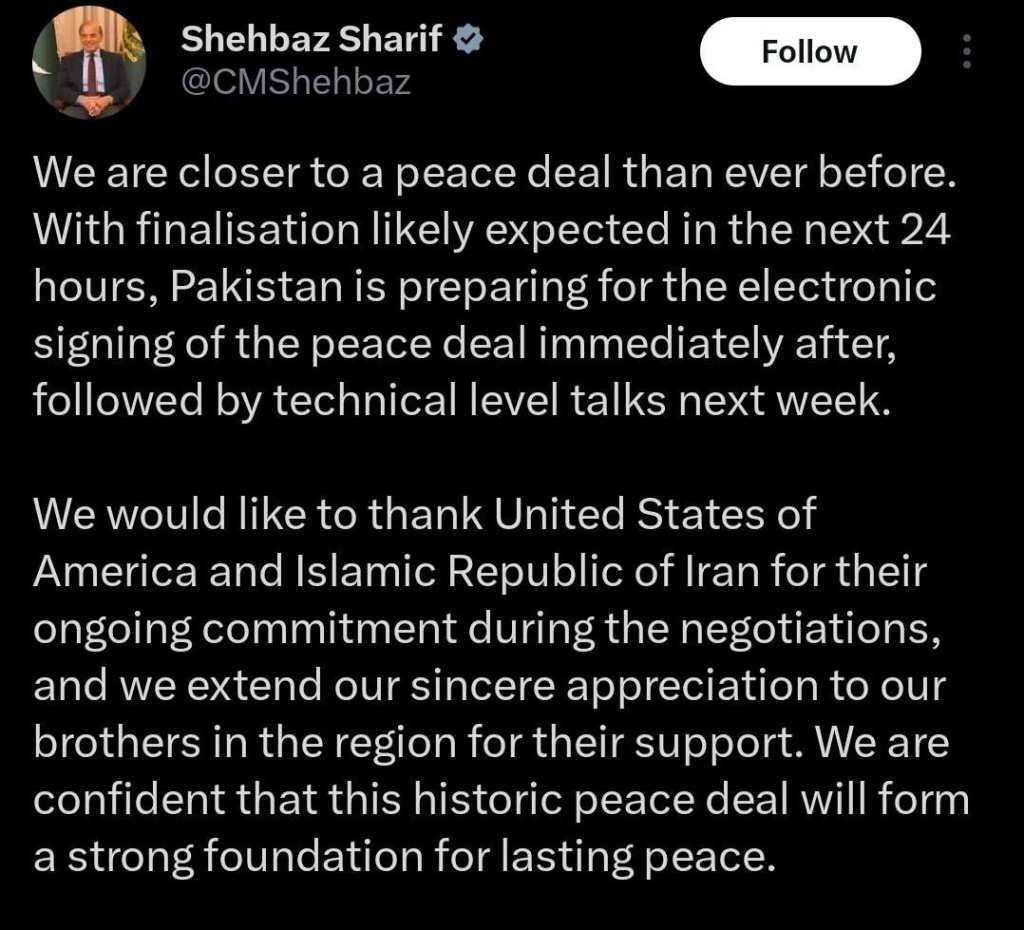

Pakistan Prime Minister Shehbaz Sharif wrote a statement on X which said that a peace deal was closer than ever: “With finalisation likely expected in the next 24 hours,” he wrote, saying that Pakistan was preparing for the electronic signing of the peace deal immediately after, followed by technical-level talks next week.

“We would like to thank the United States of America and the Islamic Republic of Iran for their ongoing commitment during the negotiations, and we extend our sincere appreciation to our brothers in the region for their support,” Sharif said, adding: “We are confident that this historic peace deal will form a strong foundation for lasting peace.”
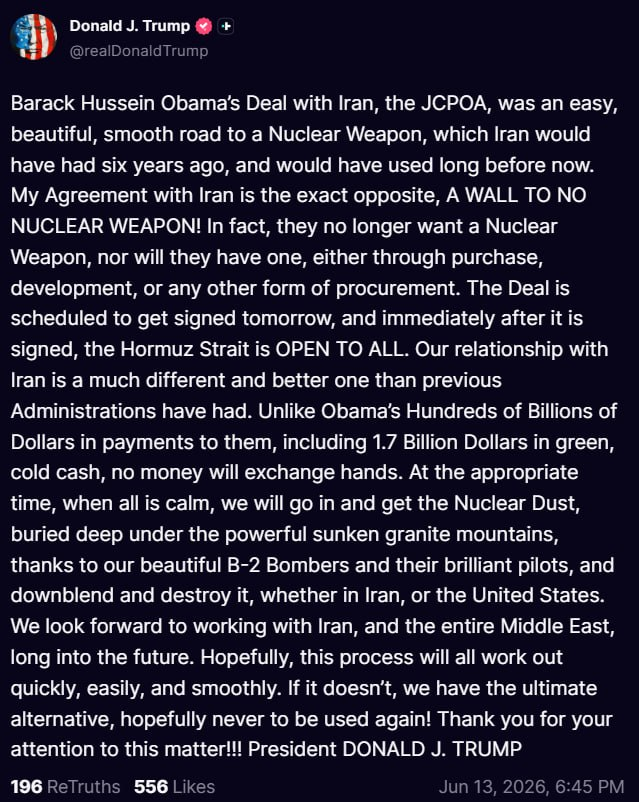
President Trump wrote a statement in relation to the deal on Truth Social, initially criticising former President Barack Obama’s JCPOA deal, claiming it was a road to a nuclear weapon, while thanks to Trump, Iran will now not have, manufacture, or purchase a nuclear weapon.
Trump said the deal is scheduled to be signed on Sunday, after which the Hormuz Strait will be open to all, but didn’t say whether this included the service fees Iran have imposed for transit, adding that the US’ relationship with Iran is different and better than previous administrations have had.
According to Trump, unlike “Obama’s hundreds of billions of dollars in payments to them, including $1.7 billion in green, cold cash, no money will exchange hands,” meaning that there will be no unfreezing of assets initially.
Trump also claimed that ‘at the appropriate time,’ the US will enter Iran and get the nuclear dust, buried deep under the granite mountains, and added that “we look forward to working with Iran, and the entire Middle East, long into the future,” however, Trump warned if the process didn’t work, ‘we have the ultimate alternative, hopefully never to be used again.’
Deputy Head of Iran’s National Security and Foreign Policy Commission, Mahmoud Nabavian, was interviewed by Iranian broadcaster SNN TV, where the minister warned that the final agreement being considered was ‘dangerously vague,’ and mainly benefited the United States.
Nabavian criticised the wording of the agreement in relation to the reparations, the US Naval blockade, the nuclear issue, and the Strait of Hormuz, saying that the cancellation of the blockade comes within 30 days, but doesn’t say where to; that sanctions may be lifted but doesn’t state new sanctions couldn’t be immediately added; while reconstructions and use of reparation funds would be with US approval.
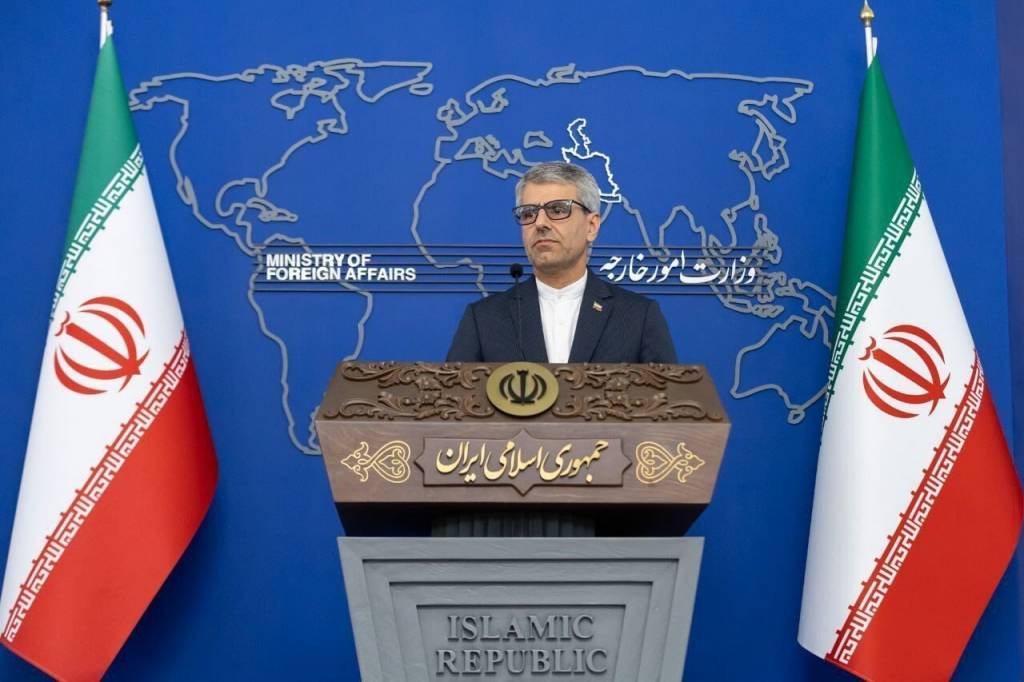
Foreign Ministry Spokesperson Esmaeil Baghaei said that the Islamic memorandum that is being pursued focused on ending the war, but it has been decided there will be no discussion about the nuclear issue.
The exact time of signing of the memorandum would have to wait, adding that it wouldn’t be Sunday, but the possibility it could happen within the coming days hasn’t been ruled out, however, due to the other party’s instability, “we must be cautious about any statements regarding this process,” he said.
Baghaei said: “We have to wait and see the exact timing of the signing, although we have no plans to travel to Geneva or anywhere else in the next day or two,” while warning that the presence of foreign military bases and forces in the region must come to an end, and added that Iran “will charge” service fees in the Strait of Hormuz.
Downing Street reported that British Prime Minister Sir Kier Starmer spoke with President Trump to express support for efforts to bring the conflict in Iran to an end, welcoming progress in the talks, while stressing the importance of any agreement deliver a durable and lasting peace, reiterating that Britain stood ready to support and work with international partners to implement a peace deal.
Media Speculation Regarding The Negotiations:
Mehr News Agency claimed that Qatar had proposed a $12 billion package on Iran’s frozen assets during negotiations, consisting of the release of $6 billion in Iranian funds held in Qatar and an additional $6 billion in credit.
Iran initially proposed receiving half of its frozen assets during the early stages of the negotiations and the remainder after a final agreement, but the US rejected the plan, so Qatar put forward the alternative package to help break the deadlock (most likely when the banking executive and Interior Minister visited Qatar at the end of March).
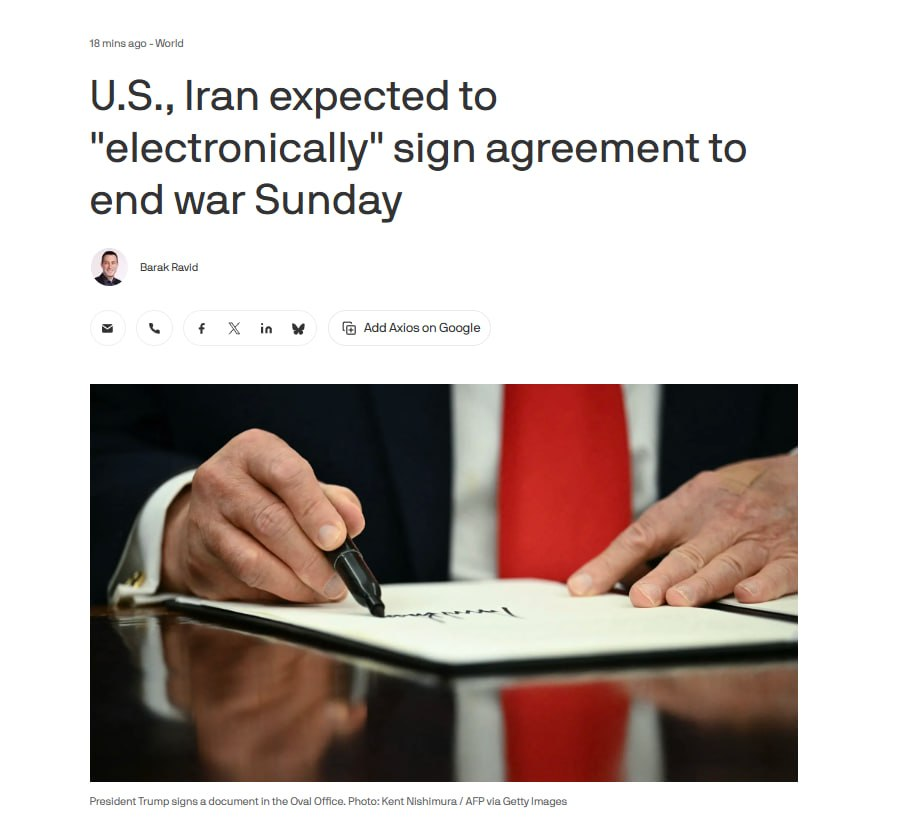
Axios said the US and Iran, with mediation from Qatar and Pakistan, are expected to hold a virtual meeting on Sunday to electronically sign a Memorandum of Understanding that would extend the ceasefire by 60 days, reopen the Strait of Hormuz, and initiate negotiations on Iran’s nuclear program, noting that the virtual format was chosen due to ‘logistical reasons.’
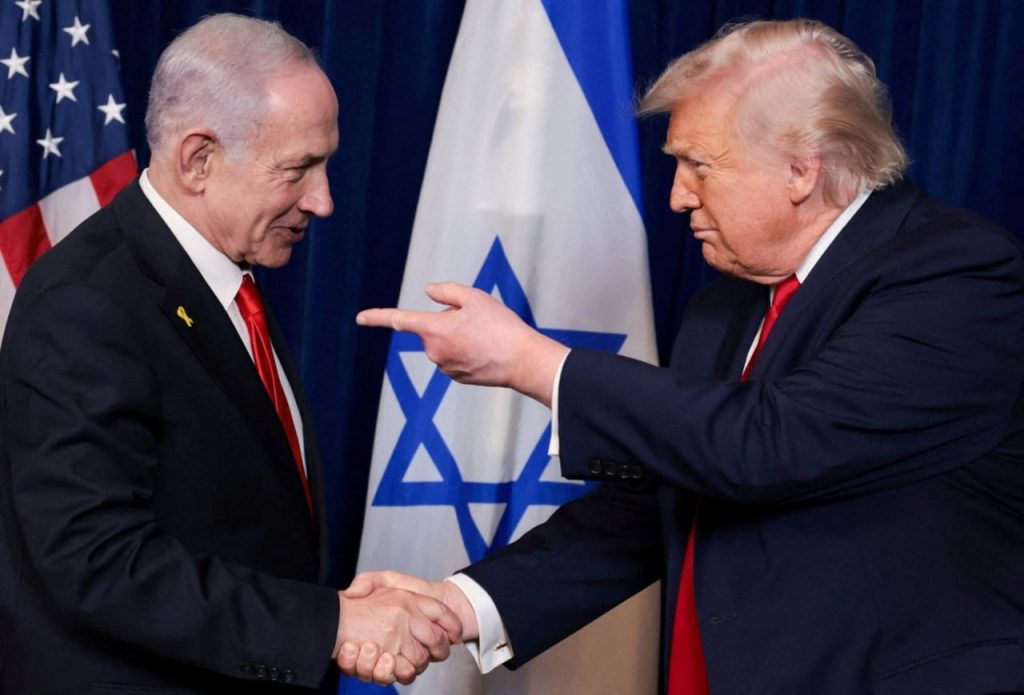
Israel Hayom said that Israel would not be required to sign any agreement with Iran and would retain the right to ‘defend itself,’ though any military actions would need to be coordinated and approved by the US, noting that Iran failed to seek an agreement for an Israeli withdrawal from southern Lebanon.
But if no final agreement is reached and Iran maintains the blockade of the Strait of Hormuz or continues hostile actions, then ‘toppling the regime will be on the table,’ the report claimed, adding that the memorandum outlined a ‘regional ceasefire’ regarding Lebanon under existing arrangements, preserving Israel’s ‘right to self-defence’ and to strike ‘current emerging threats.’
Fars News Agency said Trump was pushing for a US-Iran memorandum to be signed on Sunday, even though Iranian officials say the deal is not finalised and no signing is expected, with some believing Trump wants to announce it to coicnide with his birthday and turn it into a symbolic win.
Sunday would be not only a technical test for the content of the understanding, but also a test of the honesty and steadfastness of Iranian negotiators against performative pressures, Fars said.
DropSite were told by an Iranian official that two outstanding issues still remained with the agreement, stating it depended on the US position regarding the points, and an agreement could be signed quickly, but declined to elaborate on specifics, adding that President Trump is aiming to have a deal signed before the G7 summit.
Fox News was told by a senior US administration official that the framework agreement with Iran would require Iran to reopen the Strait with ‘no fees,’ while the US would also lift the blockade of Iranian points.
“We think we have a deal, its a great deal and a very strong deal,” the official told Fox, stating that the lifting of the blockade would be tied to the reopening of the Strait, with demining operations in the waterways to be addressed in a later phase of the agreement.
Ynet was told by a senior Israeli official the agreement expected to be signed as ‘not good and harmful for Israel,’ and that Israel ‘cannot influence the negotiating process,’ adding that the goal of the Trump administration was to push all the negative stories in the US media out to buy time.
State-owned IRNA quoted Iranian President Masoud Pezeshkian saying “beyond any taste and viewpoint, we are one nation, one beating heart,” as media and officials call for unity and calm after hardliner criticism of the emerging nuclear deal with the United States.
Hassan Khomeini, the son of former Iranian Supreme Leader Khomeini, urged trust in the system’s major decisions, while the Culture Minister warned against breaking the nation’s ranks.
IRGC-affiliated Tasnim news acknowledged public anxiety over past US behaviour but argued that technical criticism must not undermine national cohesion, while the Head of Tasnim went on a special program saying the ‘enemy’s strategic goal is to create fragmentation,’ and that ‘preserving unity is essential for successful negotiations.
Hormuz News:
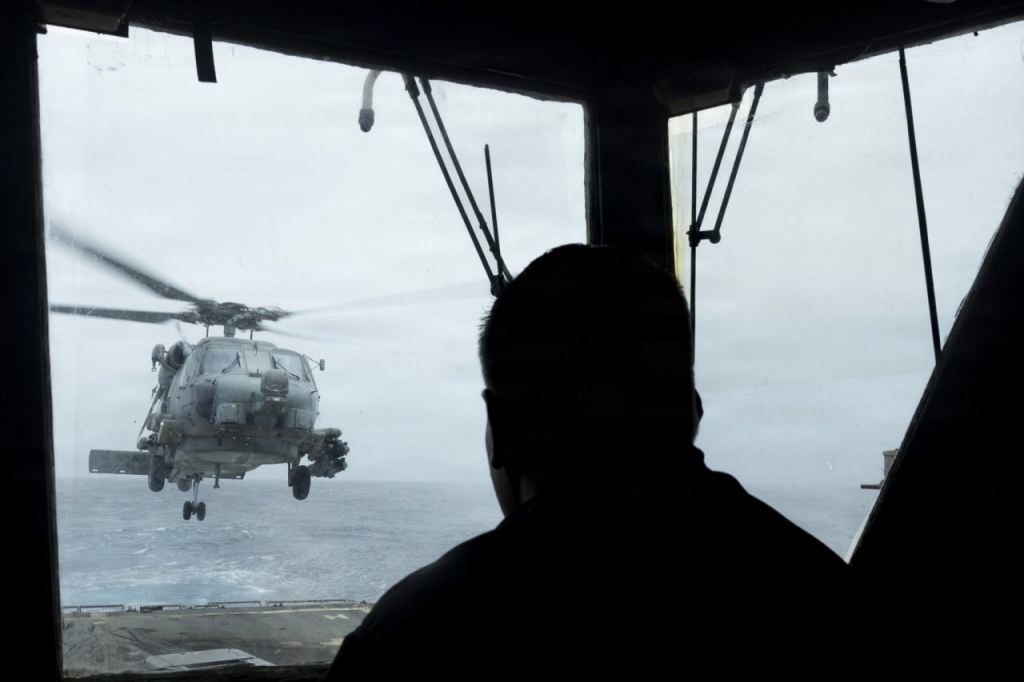
CENTCOM said US forces continued to enforce the US blockade, having redirected 141 Iranian commercial vessels and disabled 9 others since the start of the blockade on Iranian ports on April 13.

TankerTrackers reported a sanctions-linked VLCC oil tanker slipped through the US Navy blockade by disabling its AIS tracking signal, noting that with a five-year history of violating US OFAC sanctions tied to Iranian and Venezuelan oil trade, the vessel can carry roughly two million barrels, serving as additional floating storage for Iran.
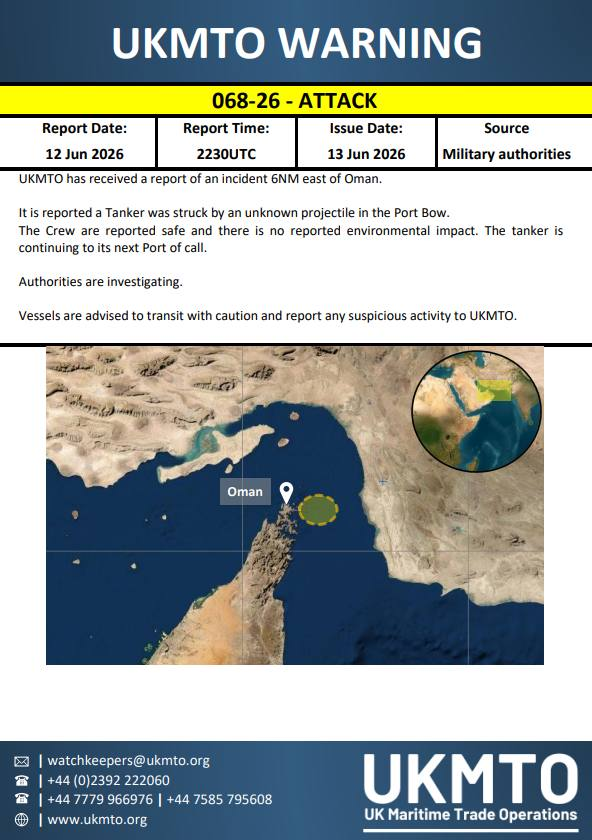
UKTMO received a report late on Friday evening of an attack on a tanker located 6 nautical miles east of Oman, which had been struck by an unknown projectile on the port bow, noting the crew was safe and there was no environmental impact, and the tanker was continuing to its next port of call.
News From The USA:
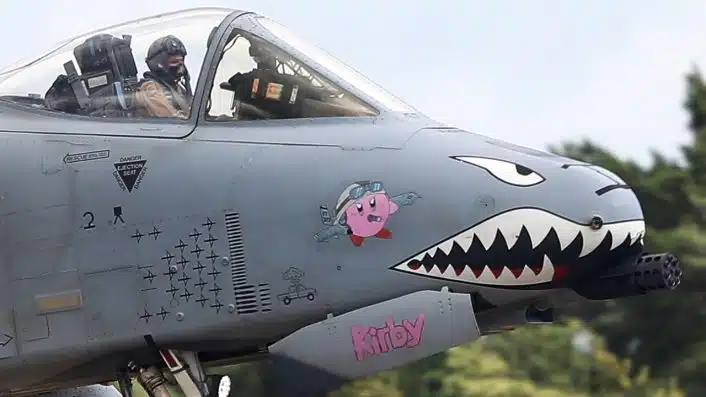
Eleven A-10C Thunderbolt II aircraft in service with the US Air Force’s 75th Fighter Squadron returned to RAF Lakenheath, the United Kingdom, all with markings showing various operations undertaken by each crew in Iran, The Aviationist reported.
Munitions shown included the GBU-31(V) precision guided munitions, GBU-38 precision guided munitions, AGM-58 Maverick Missiles, Hydra 70 rockets, and 30 mm ammunition roads, but a notable munition is the AGM-160 Miniature Air-Launched Decoy, designed to deceive and jam radars or cause air defences to waste munitions on useless targets.
Confronting air defences is not usually part of the A-10’s role, which made the inclusion of the decoys very rare, while other targets also showed two IRGC Navy fast attack boats on one of the A-10Cs, and a pickup truck on a different A-10C.
One of the A-10C aircraft, with the registration 78-0614, didn’t return with the squadron, and it is possible the aircraft was shot down by Iran during the operation to rescue the F-15E Strike Eagle weapons systems officer.
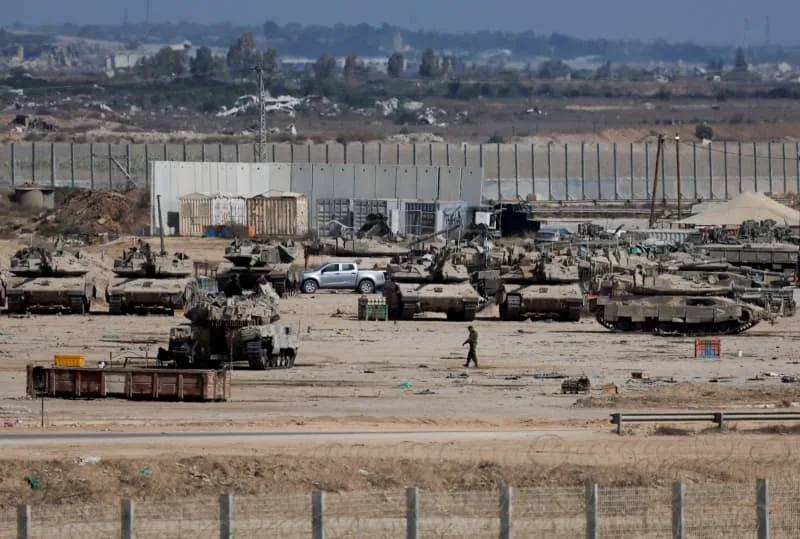
Israel Hayom reported that the US were building a new military base in southern Israel which is located near the Gaza perimeter fence, reportedly intended as a military and civilian headquarters for international organisations and personnel operating in the area, which could support implementation of the so-called ‘Trump Plan,’ replacing a multinational headquarters previously located in Kiryat Gat.
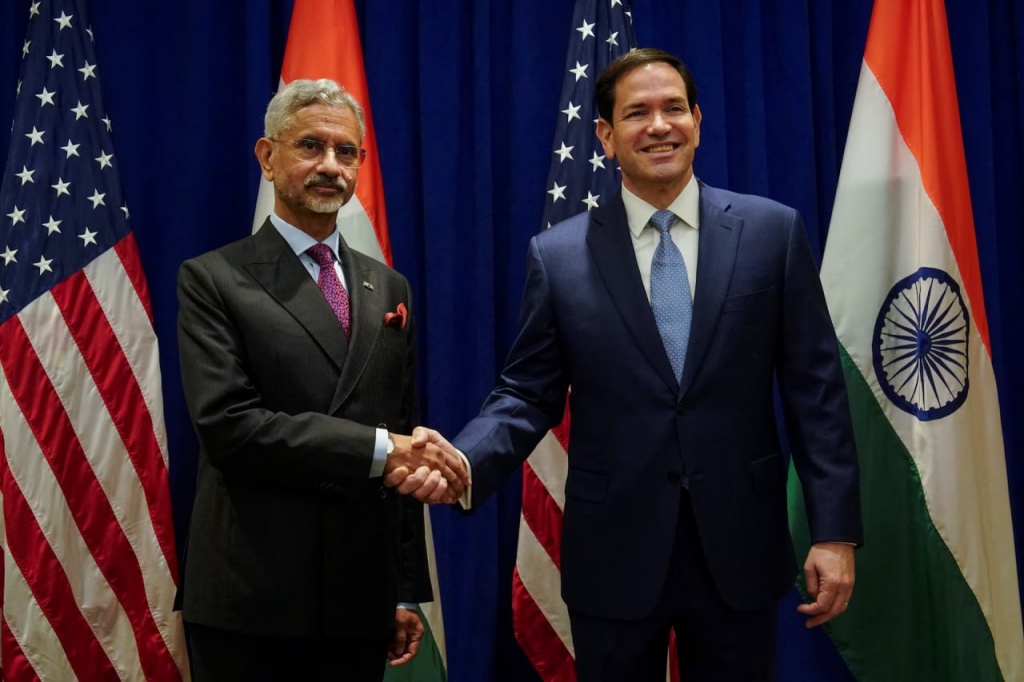
Secretary of State Marco Rubio warned India against attempting to send vessels through the Strait of Hormuz in defiance of the US military blockade during a call with Indian Foreign Minister Subrahmanyam Jaishankar.
Rubio said all commercial vessels must comply with US military instructions in the Strait, and any violations of the blockade or any illicit transport of Iranian oil wouldn’t be tolerated, in a warning which came days after India summed the Charge d’Affaires over a US strike near Oman that killed 3 Indian sailors.
News From Iran:
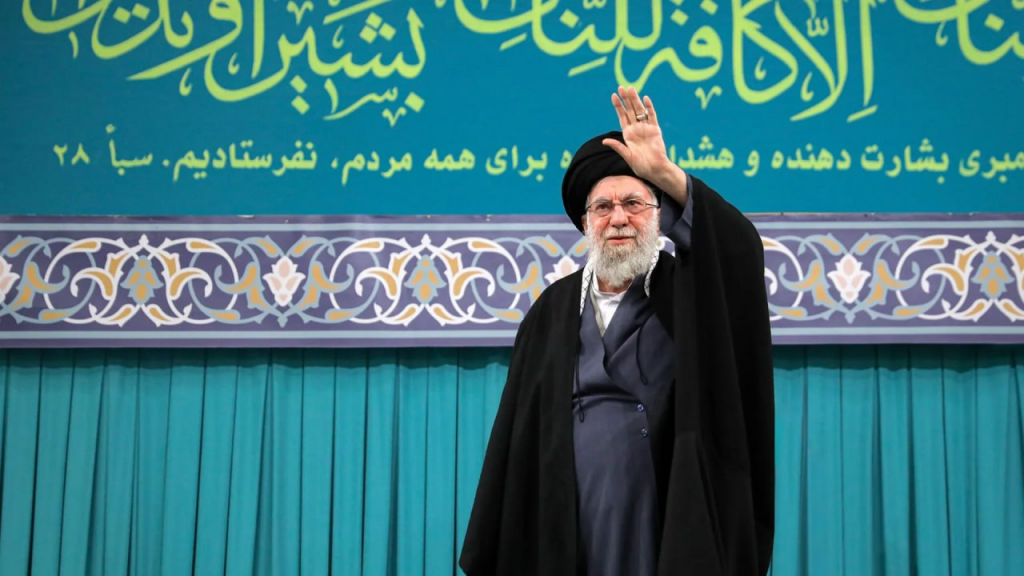
Late Supreme Leader of Iran, Ali Khamenei, will be buried on July 9 at the Imam Reza Shrine in Mashhad, according to state media, who noted that farewell and funeral ceremonies are scheduled to take place from July 4 to July 7 in Tehran and Qom.
The main funeral procession due to take place in Tehran on July 6, and another procession in Qom on July 7, while family members who died alongside the former Ayatollah will also be honoured and laid to rest during the ceremonies.
Four Iranian banks reported disruptions in services on Saturday morning, reported Fars News, listing the Melli, Tejarat, Saderat and Development Export banks had been affected, including mobile banking, internet banking, point-of-sale terminals and some card services, adding that technical teams were working to activate backup systems to restore normal services.
In a later report, Fars confirmed that a limited cyber attack had targeted the four banks, but technical teams took ‘immediate preventive measures’ after detecting unusual activity: “Authorities said no unauthorised access to customer data occurred and no information was leaked.”

Access to 75 YouTube channels have been blocked this weekend following a Google review of dozens of channels related to Iranian individuals and entities under US sanctions, including President Masoud Pezeshkian, Minister for Culture Ali Akbar Velayati, Al-Mustafa University, Fars News Agency and other agencies.
Actions also saw several Iranian cryptocurrency exchange channels removed, including Nobitex, Wallex, Ramzinex, and Bitpin, which came while the US had previously limited Iranian’s access to one-fifth of internet services and infrastructure under the pretext of sanctions, which cover services from AI and cloud computing to programming, educational, and communication tools.
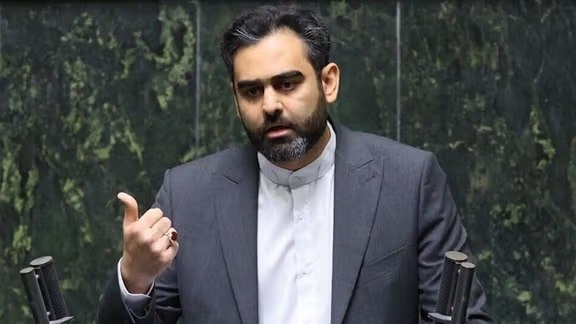
Foreign Minister Abbas Araghchi is facing a possible impeachment motion brought forward by Ultra-Conservative MP Amirhossein Sabeti, in relation to the FM’s remarks on Iranian TV on the nuclear deal, accusing Araghchi of providing ‘incorrect and misleading’ information, comparing it to justifications given for the JCPOA.
Addressing Parliament Speaker Mohammad Bagher Ghalibaf, Sabeti warned that the consequences of the deal will fall on Araghchi, claiming the agreement violated the late Supreme Leader’s red lines, retained sanctions, surrendered control of the Strait of Hormuz, and perpetuated the threat of war.
Videos widely shared on various news sites allegedly showed Iranian hardliners protesting against FM Araghchi and Ghalibaf throughout the day and into the evening, with various chants of Araghchi being a dishonourable compromiser, while calling for Ghalibaf’s resignation.
News From Israel:
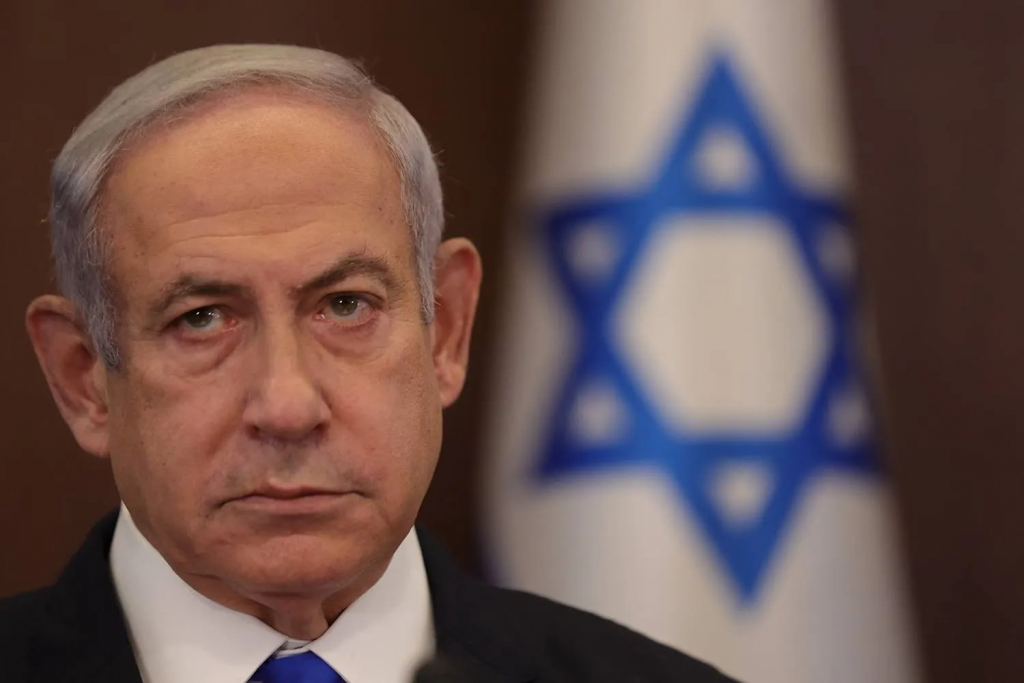
Senior Israeli officials have warned that the emerging agreement endangers Israel’s deepest security interests, according to Israeli Channel 12, who said: “The Iranians did not agree to this framework for nothing – the US side accepted their main conditions.”
Officials said nuclear capabilities would be dealt with on a later ‘credit’ bases, similar to the ceasefire with Gaza where Hamas were never disarmed: “Whatever leverage will the Americans have after 60 days if Iran does not take the required steps?” they asked, warning that the ‘credible military threat will be eroded.’
Israeli officials told Channel 13 that the emerging agreement wasn’t a final deal but a memorandum of understanding which granted Tehran additional time and didn’t include several key Israeli demands.
The memorandum reportedly doesn’t currently provide for the removal of enriched uranium, the dismantling of enrichment infrastructure, or restrictions on Iran’s ballistic missile program – all of which were among Israel’s primary objectives during ‘Operation Roaring Lion.’
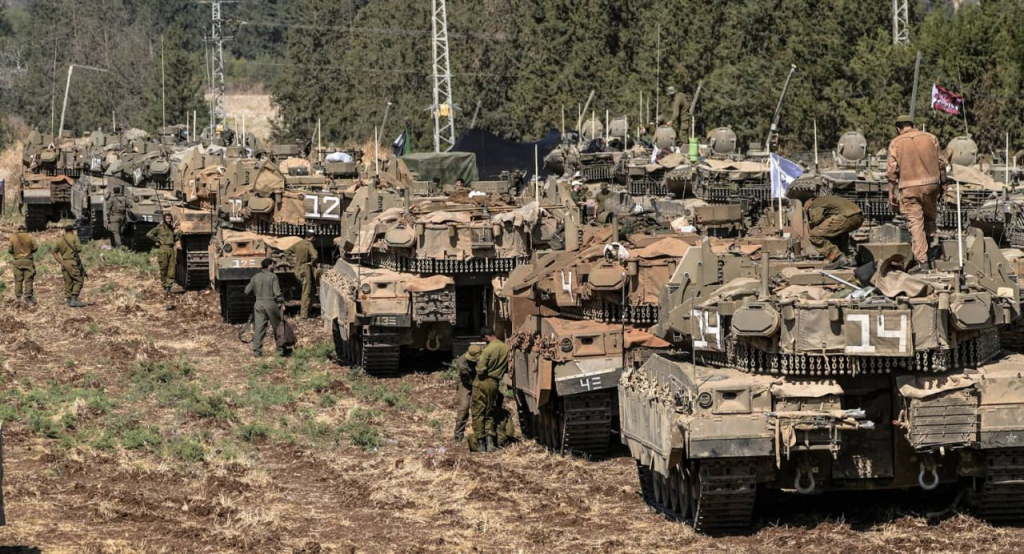
Israeli officials also told Ynet that a withdrawal from southern Lebanon was ‘not on the agenda’ of any agreement with Iran, despite Tehran’s demands, but indicated that after reaching an agreement with Beirut, and once the Lebanese Army assumes control of the areas, removing terrorist infrastructure, Israel could consider a gradual and conditional withdrawal – but not at this stage.
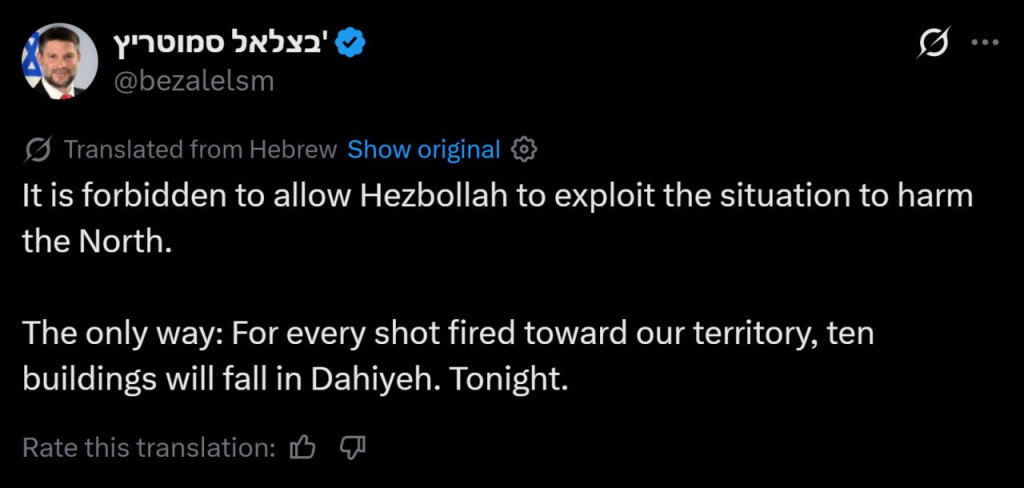
Following sirens in northern Israel and alleged Hezbollah infiltrations, (which could be caused by electronic warfare and jamming by the Israeli defences), Finance Minister Bezalel Smotrich said it is ‘forbidden to allow Hezbollah exploit the situation to harm the north,’ warning: “For every shot fired toward our territory, ten buildings will fall in Dahieh, tonight!”
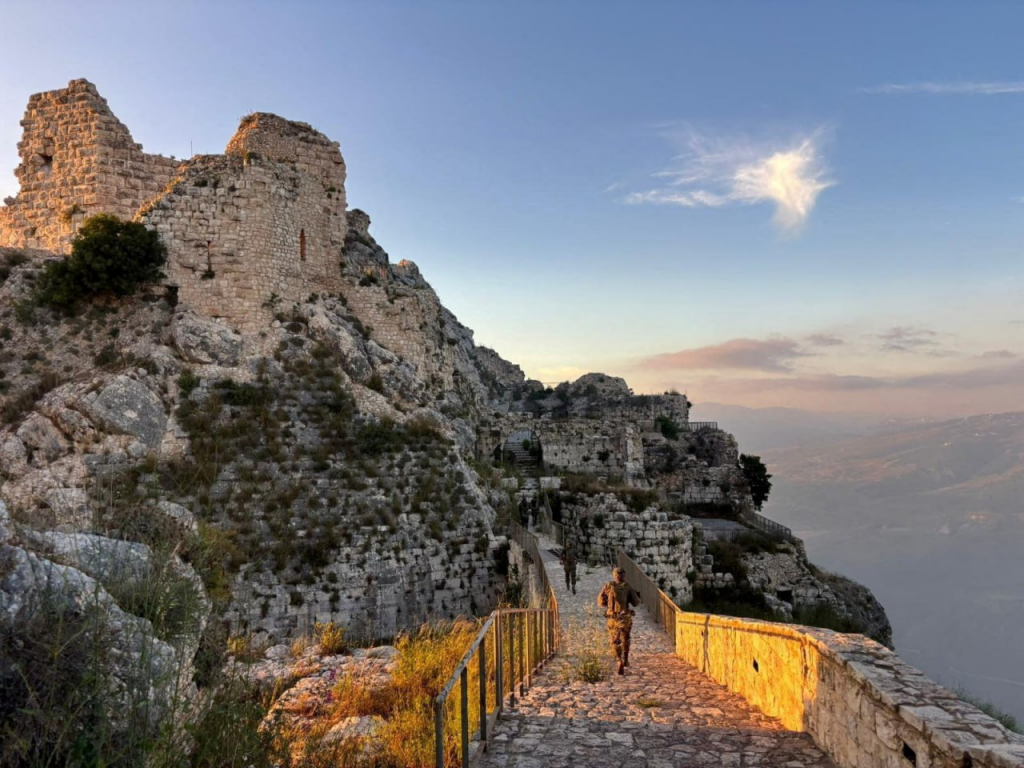
Israeli security officials told Kan News the IDF wouldn’t withdraw from the ‘security zone’ in southern Lebanon under the Iranian agreement, with the matter set to be discussed with Lebanese representatives during direct talks with the US in around 10 days time.
The report added that Israel were also preparing to reduce strikes deeper inside Lebanon to avoid jeopardising the agreement, but has so far refrained from striking Beirut despite continued attacks because President Trump hadn’t allowed it.
Israel’s Security Cabinet are due to convene on Sunday evening in light of the potential agreement between Iran and thee US, according to several Israeli media channels including N12.
Other News:
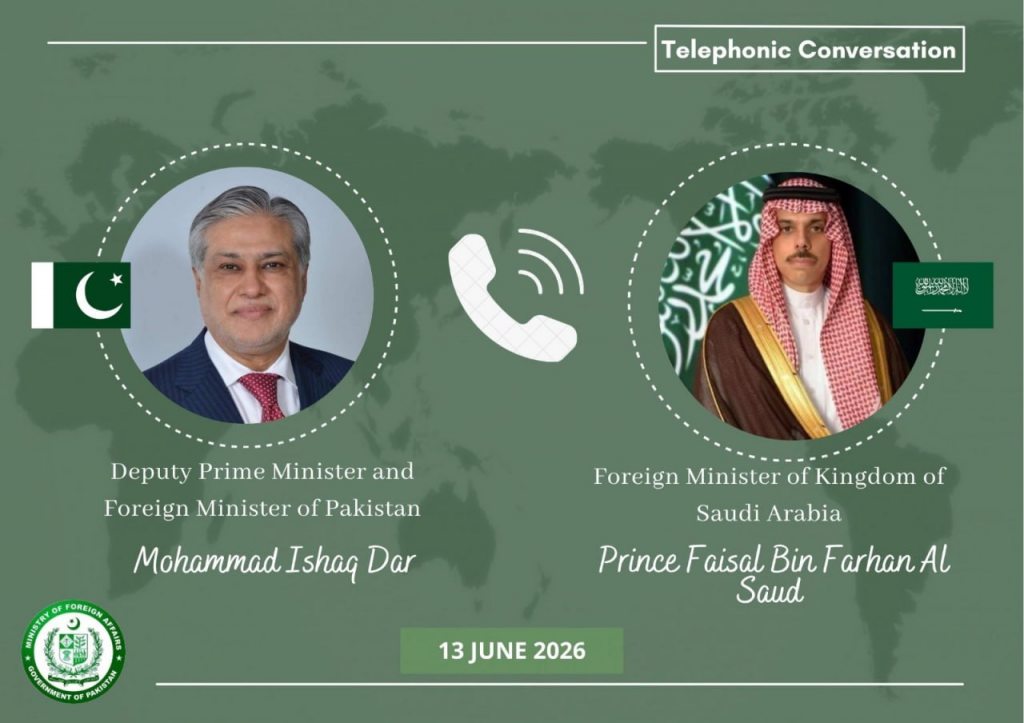
Pakistan’s Foreign Minister Ishaq Dar spoke to Saudi Foreign Minister Prince Faisal bin Farhan, confirming that an electronic signing ceremony was expected to take place on Sunday, while discussing bilateral, regional, and international developments.
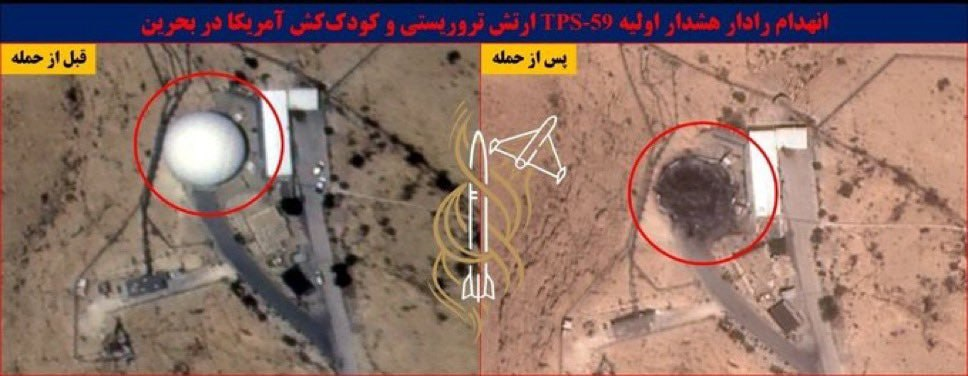
Satellite imagery allegedly showed the complete destruction of a US AR-327 early warning radar site in Jabal ad Dukhan, Bahrain, following an Iranian missile/drone strike on June 11.
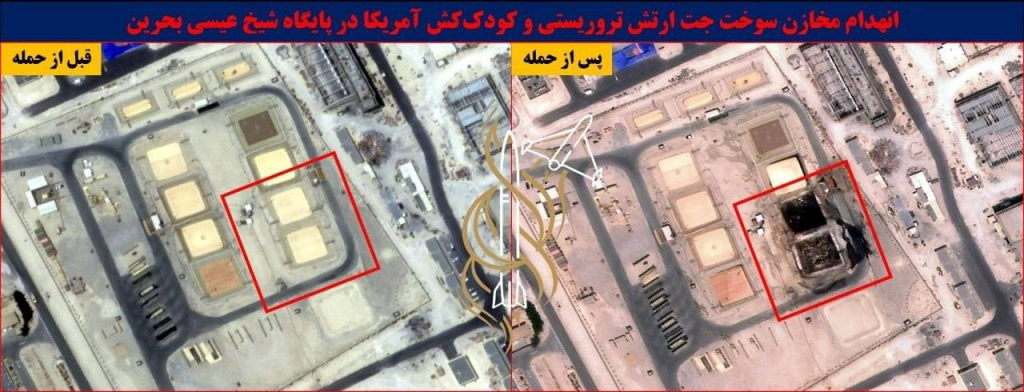
More images published allegedly showed the destruction of two fuel system supply points (FSSP) at Isa Air Base in southern Bahrain, following Iranian missile/drone strikes on June 11.
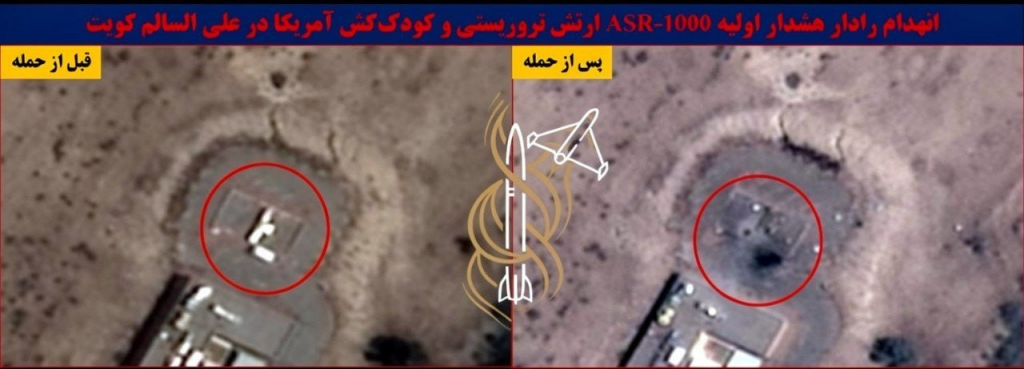
Satellite imagery allegedly showed a destroyed ASR-1000L tactical surveillance radar at Ali Al Salem Airbase in Kuwait, which is claimed to have happened during the recent missile/drone strikes.
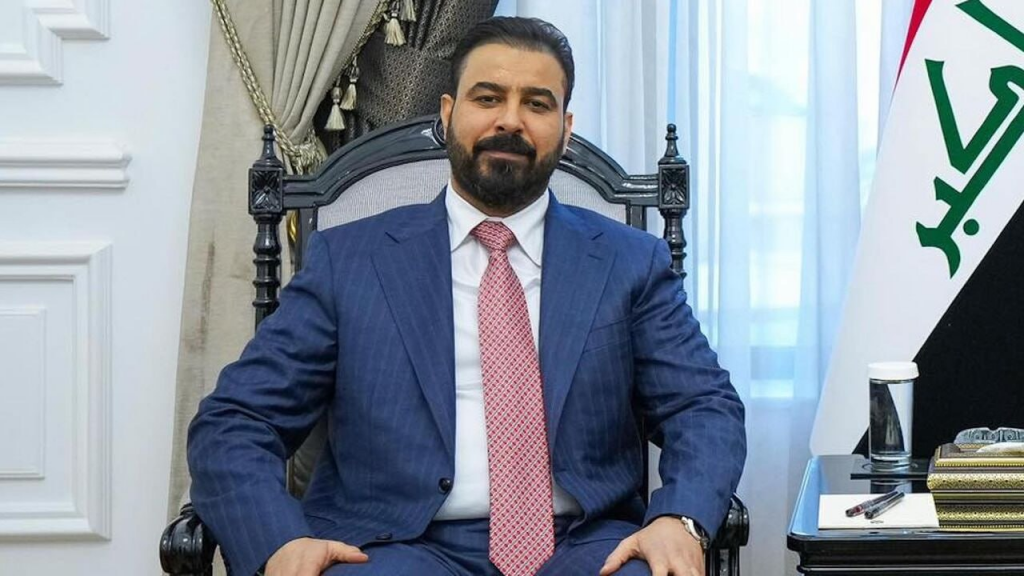
Iraq’s Prime Minister Ali al-Zaidi is expected to head to Washington in the second half of July for talks on strategic US-Iraq relations, with the primary focus expected to be on economic cooperation, as Baghdad increasingly shaped its regional and international partnerships around shared economic interests.