 AJ
AJ
⚡️ Lebanon and Israel were looking to discuss a wider ceasefire during talks between each country’s delegations on Tuesday and Wednesday in Washington, following on from President Trump’s recent intervention which allegedly prevented Beirut being bombed, although later reports also suggested the narrative was used to force Hezbollah to stop targeting cities and military positions in Israel.
🔹 Sources in the Lebanese Presidency announced on Tuesday that the talks didn’t lead to a final result and the talks would continue on Wednesday, while Al Mayadeen claimed sources said the Lebanese delegation began the talks stating the necessity of achieving a comprehensive ceasefire, adding the talks would include discussions about all main and import issues related to the stabilisation of the ceasefire.
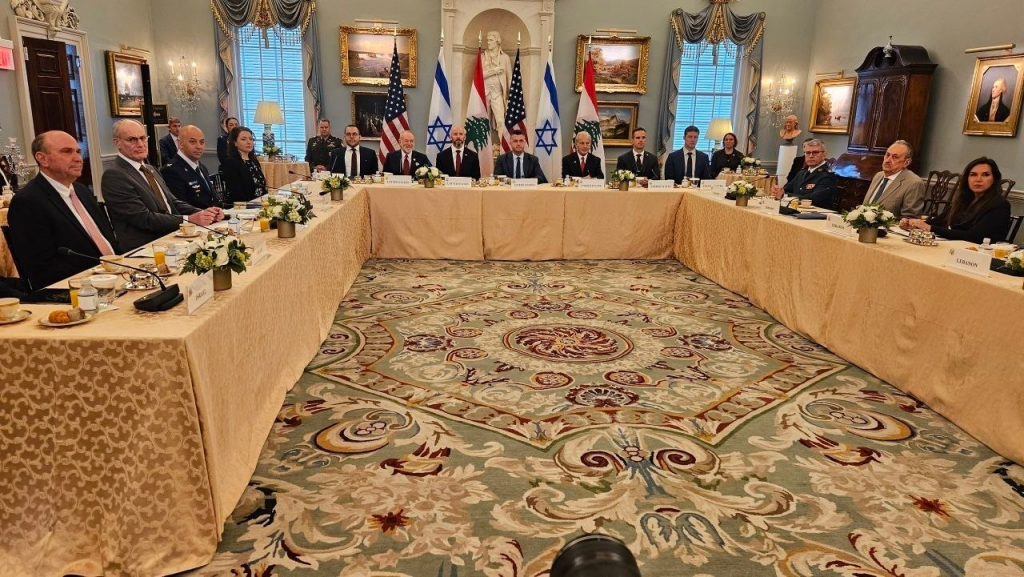
🔹 Meanwhile, an official source told Al Jazeera the discussions had progressed and there was American understanding of the Lebanese approach, which was a comprehensive solution to the withdrawal and the extension of state authority, noting the key to a solution is a comprehensive ceasefire, which is understood would take time, adding a comprehensive ceasefire on all Lebanese territories would require an American guarantee.
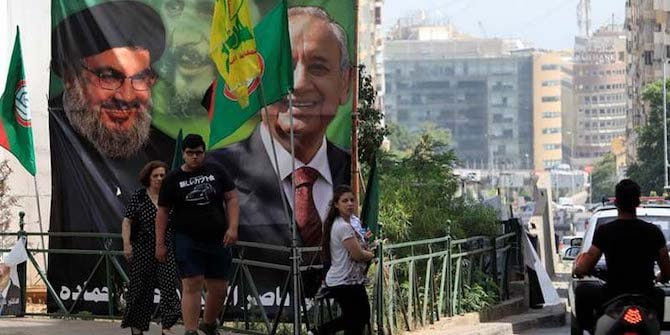
🔹 Asharq al-Awsat reported that Lebanon’s Shia duo, Hezbollah and Amal, had dropped their previous precondition of an Israeli withdrawal from Lebanese territory in exchange for a ceasefire, instead demanding a limited ceasefire by land, sea and air, as well as an halt to Israeli demolitions and bulldozing operations in occupied Lebanese Territory.
🔹 The groups added that after a ceasefire is achieved, subsequent steps would include withdrawal, reconstruction, and the deployment of the Lebanese Army in southern areas vacated by Israeli forces, as talks entered a critical phase, and the US pushing for a long-term security agreement.
🔹 Lebanese government sources also told Al Jadeed the negotiations didn’t provide a major breakthrough on Wednesday as the Lebanese delegation continued to insist that discussions must begin with a ceasefire, but later reported the focus had shifted from the ceasefire to a ‘security roadmap,’ indicating progress had been made in the talks.
🔹 IRGC’s Quds Force Commander, Esmail Qaani, said support for the resistance in Lebanon and the removal of Israel from the region remained key objectives, in a statement that also said the meeting of the resistance’s demands would require the Israelis to withdraw to positions held before the start of the 40-day war, and further claimed that Lebanese resistance fighters would soon see the results of their efforts.

Iranian Support:
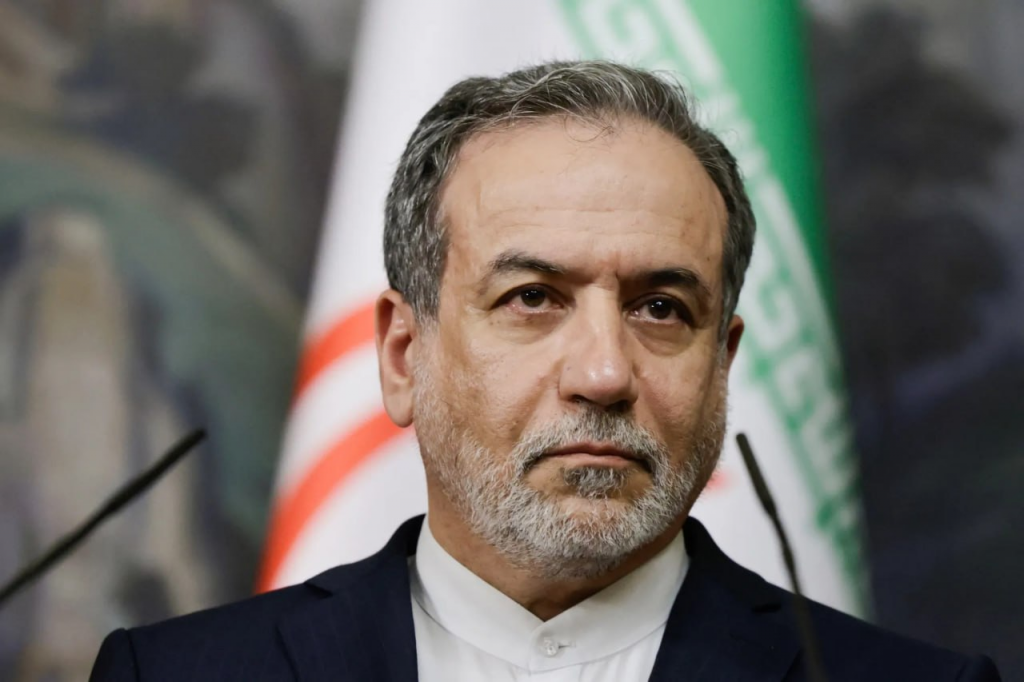
⚡️ Foreign Minister Abbas Araghchi was interviewed about the situation in Lebanon, saying he had asked Pakistan Prime Minister Shehbaz Sharif to specifically include the name ‘Lebanon’ in the clause related to stopping the war on all fronts, stating the fate of the war is not separate from the fate of the battle in Lebanon, and the two fronts had been linked since Day 1, adding that Iran’s position is clear; the end of the war and a ceasefire must be achieved simultaneously on all resistance fronts, including Lebanon.
🔹 Araghchi warned: “We have explicitly informed all stakeholders that an attack on Beirut is a clear aggression and we will not remain silent in the face of it – any attack on Beirut will have severe consequences and will lead to a full resumption of war,” adding if Israeli aggressions against Beirut continued, Iran’s armed forces were fully prepared to resume the war and target objectives inside Israel.
🔹 The FM also said that communications in relation to the negotiations hadn’t been cut off and messages to stop the aggression against Beirut were exchanged, but nevertheless, no tangible progress was made in the negotiation process, while returning to the negotiation table is conditional on securing the rights of the Iranian nation, ending the war in Lebanon, and stopping tensions in the region, adding: “The Americans have clearly felt Iran’s power and capability in this war over the past 40 days.”
Progress:
⚡️ MTV Lebanon were told by a US State Department source said a joint statement was expected on Wednesday night, which would include for the first time a reference to a so-called ‘Pilot Zone’ (or experimental zone), which is intended to serve as the first phase in implementing the new security and field arrangements in southern Lebanon.
🔹 Soon after, Israel and Lebanon announced an agreed ceasefire brokered by the US following the negotiations in Washington, stating that under the agreement, the ceasefire is contingent on a complete halt to fire by Hezbollah and the withdrawal of all Hezbollah operatives from the area south of the Litani River.
🔹 Lebanon declared in the statement that it has no hostile intent toward Israel and designated Hezbollah as an ‘enemy of the Lebanese State,’ while the parties also agreed to move forward with two ‘pilot zones’ in which the Lebanese Armed Forces would exercise exclusive security control, excluding all non-state armed groups.
🔹 Israel and Lebanon reaffirmed that they have no hostile intentions toward one another and committed to continuing direct negotiations aimed at building confidence, resolving outstanding disputes, and working toward a broader peace and security agreement.
🔹 The two sides agreed to reconvene political and security talks during the week of June 22, with the US continuing to facilitate discussions in the meantime.
🔹 As a result of the ceasefire, the European Union agreed to provide an additional €100 million in assistance to the Lebanese Armed Forces under the European Union Peace Facility, bringing the total EU support package to €182 million, as Foreign Policy Chief Kaja Kallas said the best way to reduce the threat posed by Hezbollah was to strengthen the Lebanese state, and the aid aims to bolster the LAF’s capacity to secure Lebanon’s territory, while upholding the state’s monopoly on arms, and protect civilians.
President Aoun clarifies the agreement:
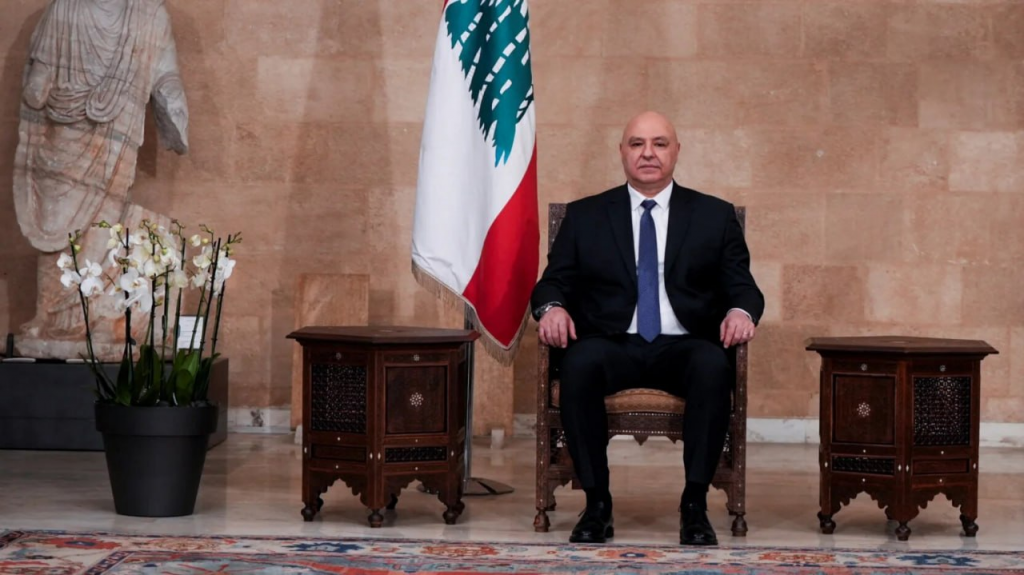
⚡️ Lebanese President Joseph Aoun said that responses and guarantees of compliance with the proposed ceasefire were still being awaited from all parties, with implementation potentially beginning within 24 hours of the final approval being secured.
🔹 Aoun revealed the negotiations were ‘very difficult’ and were temporarily suspended by Lebanese delegation Chief Simon Karam, before resuming following an intervention by US Secretary of State Marco Rubio.
🔹 President Aoun said he’d been in contact with both domestic and international stakeholders since 2am local time to secure and preserve the ceasefire, describing the deal as the ‘last opportunity’ and warned that ‘each party must bear its own responsibilities’ if it collapses.
🔹 Aoun also added that the new agreement differs from that of November 27, 2024 because it is intended to be sustainable, stressing that Lebanon is counting on the role of President Trump and his administration to secure success, adding that Lebanon proposed the initial pilot zone under the agreement include West Zawtar, East Zawtar, and Beaufort Castle.
Hezbollah’s Response:
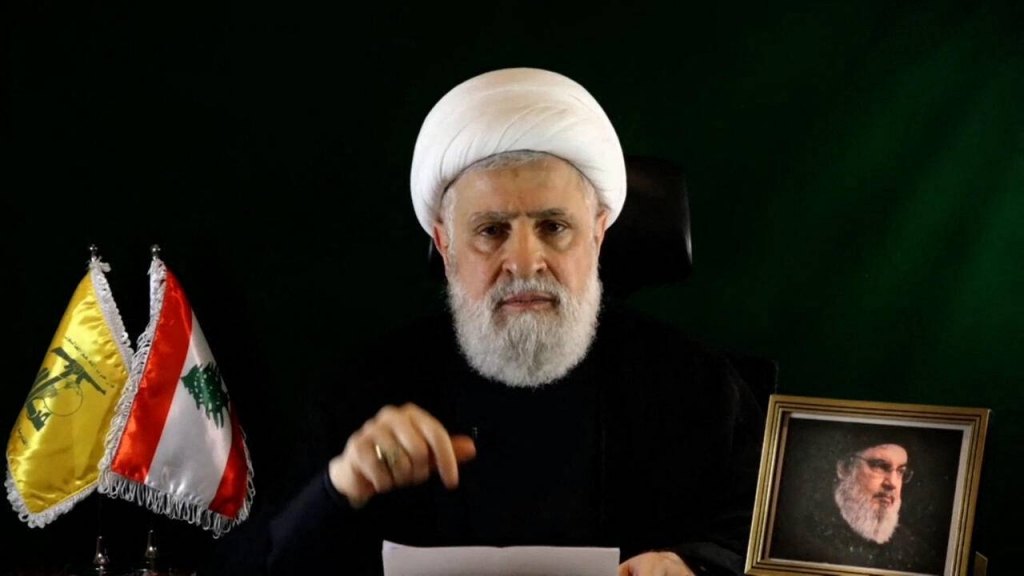
⚡️ Sheikh Naim Qassam, the Hezbollah Secretary-General, thanked Iran for its support in reclaiming the land in Lebanon and the rights against the joint aggression of US and Israel, stating that Tehran was working to establish a comprehensive ceasefire in Lebanon alongside stopping the aggression against itself.
🔹 Qassam said the recent Washington plan is the result of futile and humiliating negotiations aimed at legitimising Lebanon’s surrender to ‘the Greater Israel’ project, and that Israel’s main goal was to disarm the resistance, which would mean the destruction of Lebanon’s power and an existential threat to its people.
🔹 Hezbollah are only committed to a comprehensive ceasefire and the complete withdrawal of the Israeli army from Lebanon, do not accept any division between the south and border regions of Lebanon, and do not grant ‘the enemy’ any ‘freedom of action’ to carry out killings, adding that as long as villages remained insecure and targeted by bombings, the Israeli settlements will also remain insecure, and will witness anger and firmness.
🔹 Qassam condemned the Washington-backed proposal, calling it a ‘roadmap for the extermination of part of the Lebanese people, and enslavement of the rest.”
🔹 Hezbollah’s Political Council Vice Chairman Mahmoud Qamati stated that all American and Israeli efforts would fail and that resistance to Israeli aggression remained intact, while also rejecting any American or Israeli say over Hezbollah’s weapons, describing the matter as an internal Lebanese issue.
Is the ceasefire in effect?
⚡️ Prime Minister Benjamin Netanyahu held a limited security consultation on Wednesday night after Hezbollah rocket fire triggered sirens in northern Israel despite the ceasefire, reported IDF Radio, stating that during the meeting, the IDF presented plans for a large-scale ground invasion in Lebanon.
🔹 Defence Minister Israel Katz and National Security Minister Itamar Ben-Gvir both backed the IDF proposal, arguing that delaying any action would allow Hezbollah to rebuild under the cover of a ceasefire, but PM Netanyahu expressed reservations over launching a broader operation amid pressure from President Trump not to expand the fighting or to strike Beirut.
🔹 Following the cabinet meeting, Defence Minister Israel Katz said Israel wouldn’t withdraw from southern Lebanon, including Beaufort Castle, vowing to continue operations targeting Hezbollah infrastructure in the area.
🔹 Katz also stated the Israeli Army would remain in what he described as a ‘security zone’ in Lebanon up to the ‘Yellow Line,’ adding that any ceasefire agreement in Lebanon would be conditional on the prior withdrawal of Hezbollah from south of the Litani river and the creation of a demilitarised zone.
🔹 Channel 13 Israel reported that IDF Chief of Staff Eyal Zamir expressed frustration during the security cabinet meeting because of the significant involvement in Israeli decision-making on Lebanon: “We need to stand on our own – soon we’ll need American approval for every step in southern Lebanon,” he told ministers.
🔹 The news channel said Ben-Gvir was even blunter, telling Prime Minister Netanyahu: “So you had a shouting match, so you had a cursing match with Trump – so what? You need to be able to tell Trump no.”
🔹 While Defence Minister Katz and Ben-Gvir supported expanding the operations, Netanyahu and Ultra-Orthodox Shas leader Aryeh Deri opposed, and the final decision aligned with US President Trump’s preferences.
🔹 Meanwhile, Israeli Channel 12 were reporting that the Israeli army was continuing to operate in Lebanon and had not received any new instructions, despite the announced ceasefire understandings.
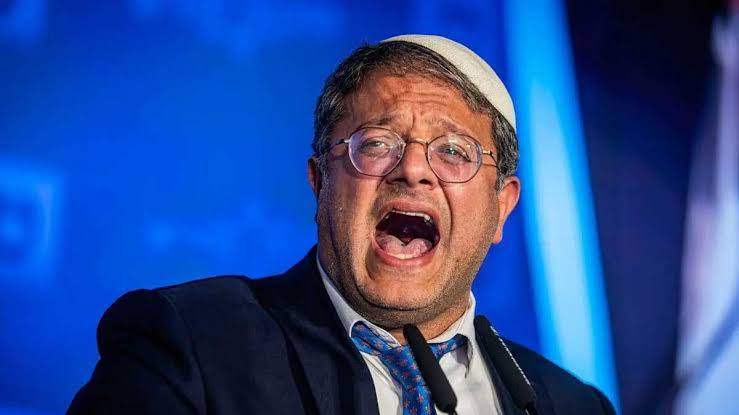
⚡️ Ben-Gvir criticised the possible ceasefire between Lebanon and Israel, calling it a big mistake, in a statement published later, demanding the formation of a cabinet meeting to vote on the ceasefire, while claiming the ceasefire was an illusion promoted by advisors who led Netanyahu towards the wrong decisions.
🔹 The National Security Minister continued to make remarks about the agreement, stating a ceasefire in Lebanon is a fantasy because Hezbollah wouldn’t withdraw north of the Litani river, while stating Hezbollah has grown stronger and stronger (despite previous claims that the faction were weakened), and added that under the circumstances, Netanyahu should have said to Trump: “Mr President, we love you, but the answer is no – we are not going to agree to a ceasefire with an organisation that endangers Israel’s security.”
🔹 Ben Gvir was still hitting out later in the afternoon, claiming the state of Lebanon is a partner of Hezbollah: “There are ministers in its government from Hezbollah, and relatives of Hezbollah members serve in the Lebanese Army,” he said, adding that in practice, Hezbollah would grow stronger, and instead of defeating it, Israel is coming to terms with its very existence.
🔹 The Minister said there are moments when one must know ‘when to say no’ even to the President of the United States, and when we don’t do so – we will meet Hezbollah next time when it is much stronger and more dangerous, adding that this is a serious mistake.
🔹 On Thursday evening, Ben-Gvir told Israeli i24NEWS: “I greatly appreciate Trump, I think he is a partner, a friend and an ally – but our soldiers are more important, we cannot continue like this – we must flatten Beirut.”
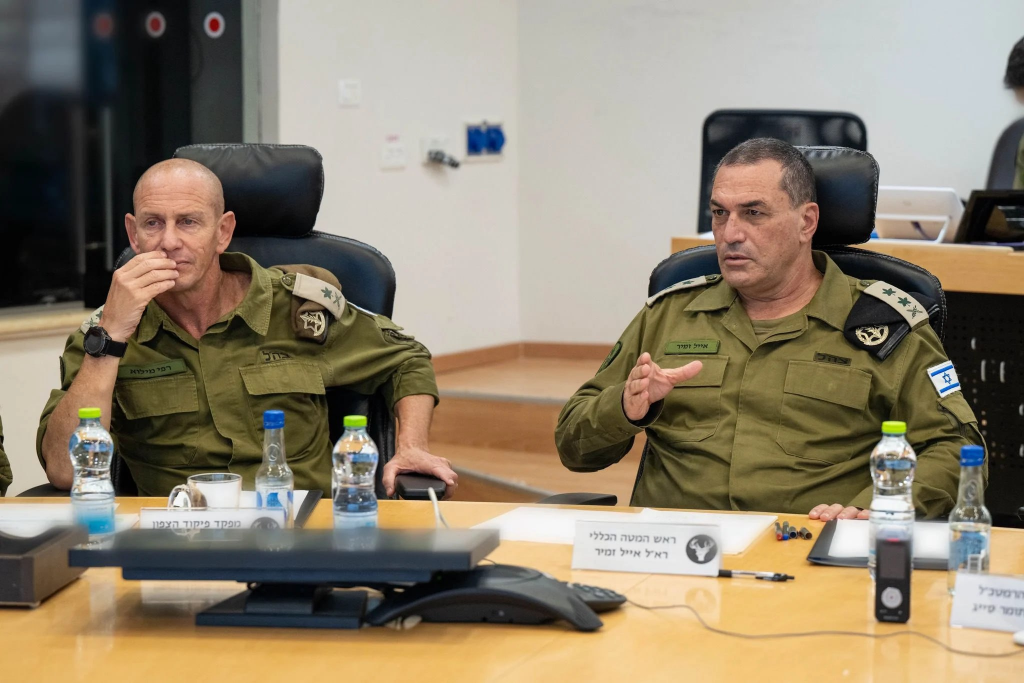
⚡️ Israeli Channel 14 reported of a tense exchange erupting at a meeting between northern local council heads and IDF Northern Command Chief, Major General Rafi Milo, as Milo stated: “We cannot delude ourselves, we cannot eliminate Hezbollah, but we can hit it hard and weaken it,” leading local leaders to respond angrily: “Then raise a white flag, let’s surrender and that’s it.”
🔹 Chief of Staff for the IDF, Lieutenant General Eyal Zamir, also met with the council heads, saying the northern front is the main effort, with forces continuing ground and fire operations to destroy ‘terrorist infrastructure,’ adding: “Only this week, IDF forces captured the Beaufort Ridge and are destroying critical Hezbollah infrastructure.”
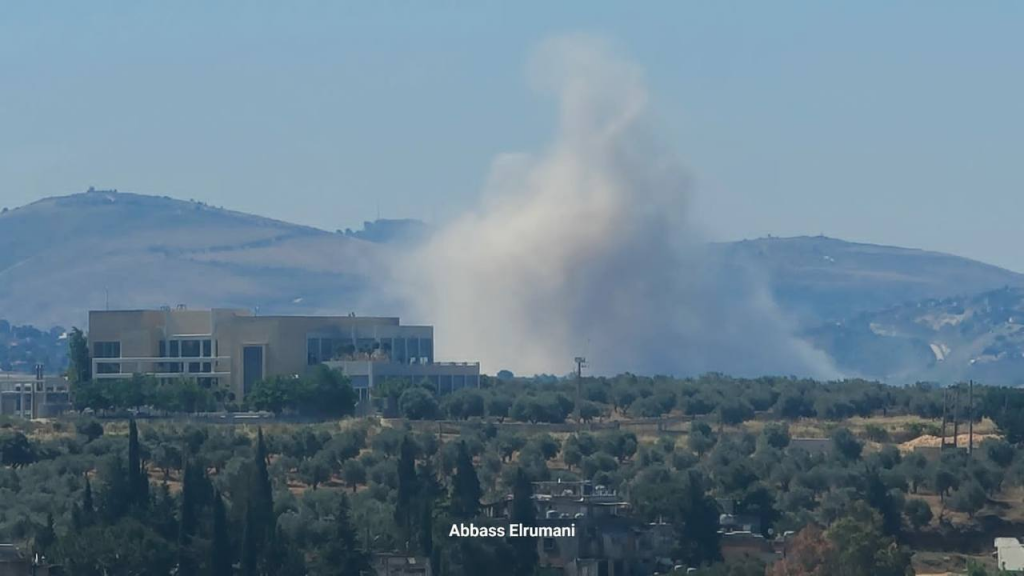
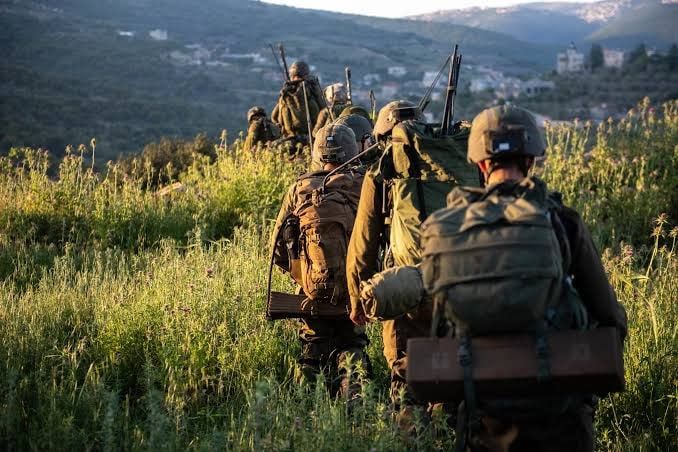
⚡️ During the morning, Israeli warplanes continued to carry out airstrikes across southern Lebanon including Zawtar al-Sharqiyah and Al-Mansouri, while UNIFIL issued a report saying a peacekeeper died from critical injuries following a mortar shells striking his position near Marjayoun in southeastern Lebanon early on Thursday, along with two other injured peacekeepers who were transferred for treatment at a UNIFIL medical facility, and UNIFIL launched an official investigation into the incident while reporting a growing number of trajectories and impacts across southern Lebanon.
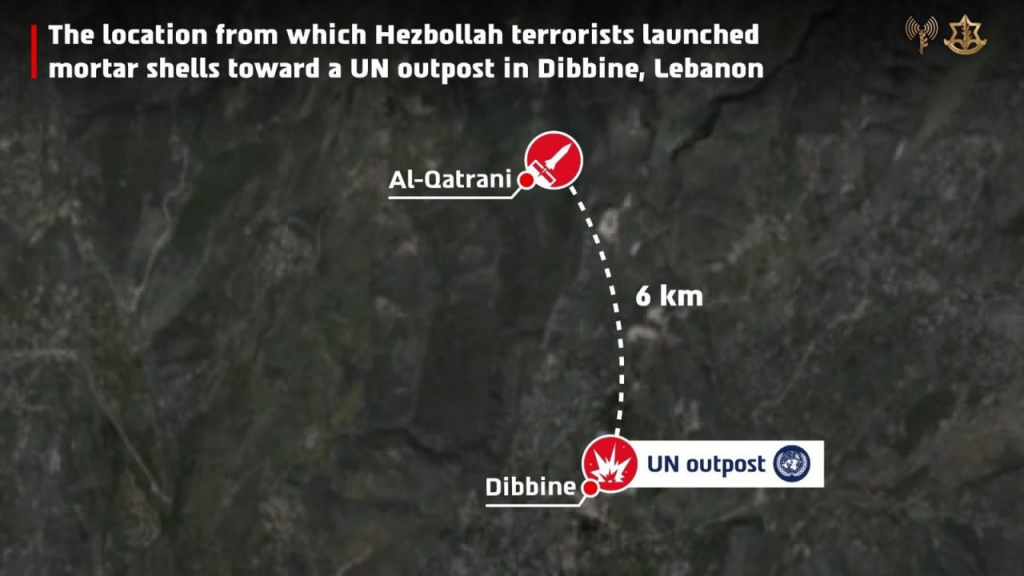
⚡️ Israel’s IDF claimed the mortar rounds that struck the UNIFIL position were fired by Hezbollah, alleging several mortars were launched overnight from the al-Qatrani area of the Jezzine District and landed inside a UNIFIL outpost in the Dibbine area of southern Lebanon.
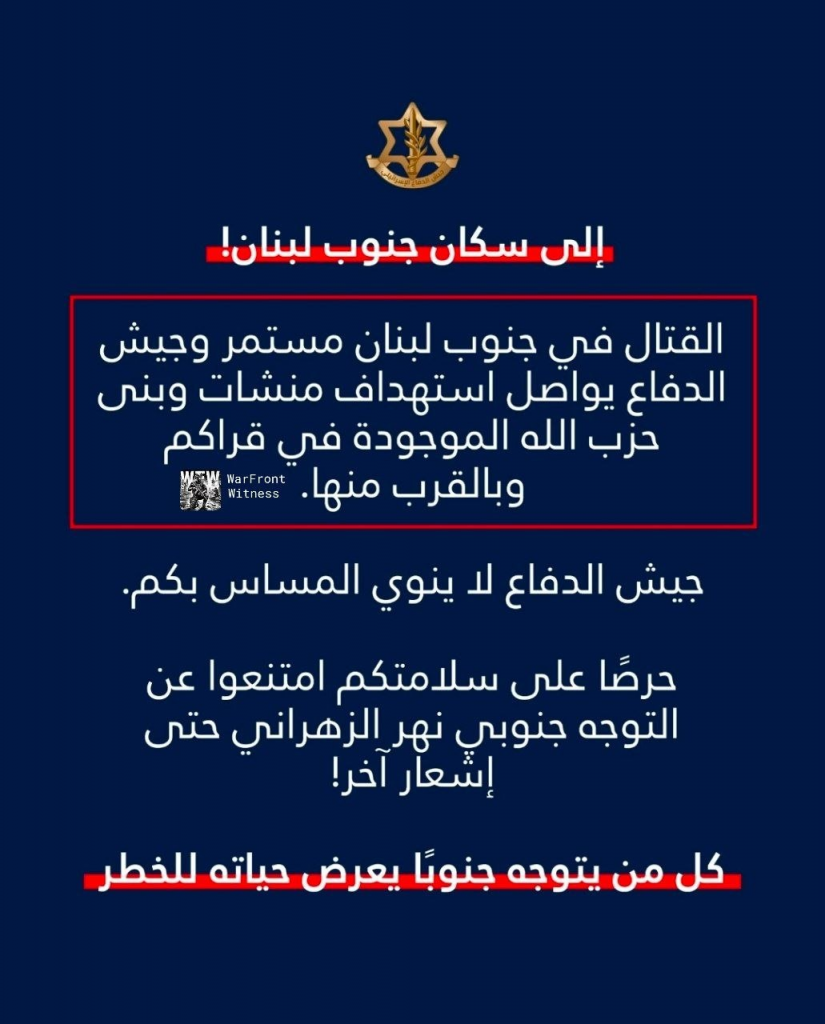
⚡️ Meanwhile, the IDF reiterated an evacuation warning to all residents in southern Lebanon, urging them to evacuate north of the Zahrani River and not to return to their villages due to continued fighting, further stating they were actively targeting Hezbollah infrastructure in villages of south Zahrani, and anyone who goes south are putting ‘their life at risk.’
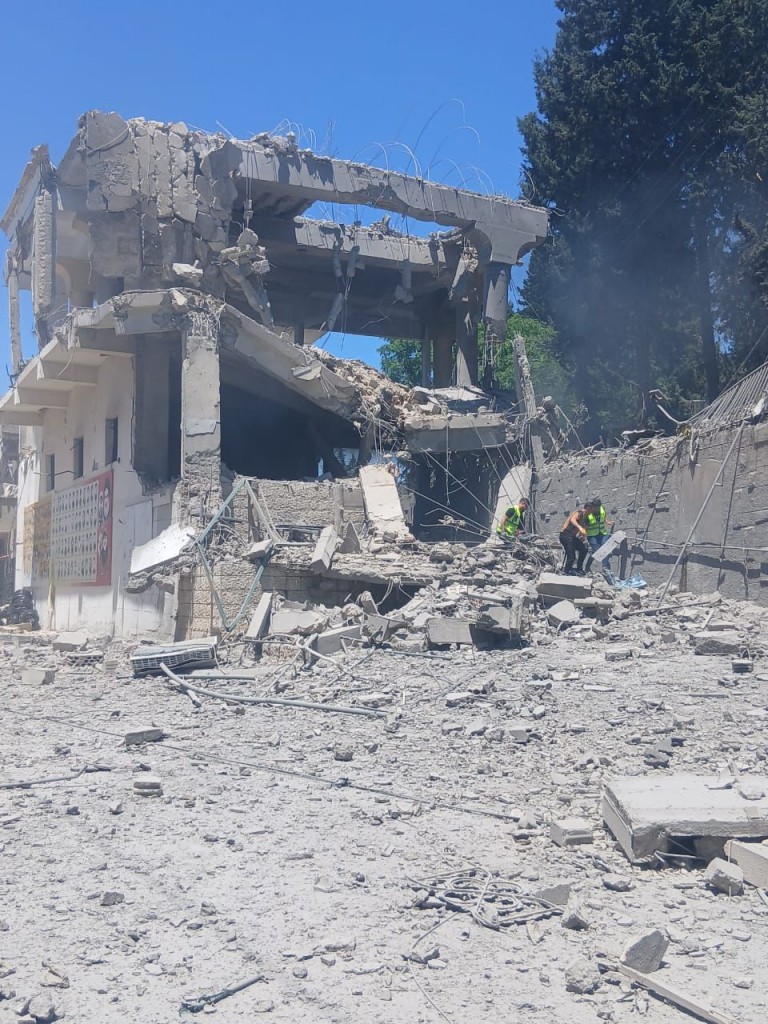
⚡️ At around 2:30pm local time, Israeli warplanes carried out airstrikes on buildings in Tebnin and Harouf, claiming they were part of Hezbollah’s infrastructure.
⚡️ Footage was published from the destruction in the village of Tebnine following several Israeli airstrikes on Thursday afternoon.
⚡️ Strikes continued into the evening from Israeli warplanes targeting the towns of Touline, Majdal Selm, and Choukine, as well as the outskirts of Zawtar al-Sharqiyah in the Nabatieh district, as well as the city of Tyre.
Israeli Withdrawal:
⚡️ Lebanon’s Armed Forces said Israel had completed their withdrawal from the Debbine and Blat areas of southern Lebanon, according to Al Hadath, who said Lebanese troops had since been deployed along the Debbine Road and taken up positions in the areas vacated by Israeli forces, while its also begun reopening the Marjayoun-Debbine-Ibl al-Sadi route following the withdrawal.
🔹 Footage also circulated of the Lebanese Army entering the town of Dibbine in southern Lebanon following the withdrawal of the IDF as part of the ceasefire, and the troops were advancing in the direction of Khiam.
⚡️ President Emmanuel Macron announced France’s support for the ceasefire, saying Paris was ready to move forward within the existing US-France coordination mechanism: “We support any ceasefire that helps restore peace, fight terrorist activities and fully establish Lebanon’s sovereignty and territorial integrity,” Macron said in Montenegro.
🔹 Macron also paid respect to the Serbian UNIFIL peacekeeper killed earlier in the day, stressing the ceasefire must be serious, and that the Lebanese Armed Forces must regain the monopoly on weapons.