 AJ
AJ
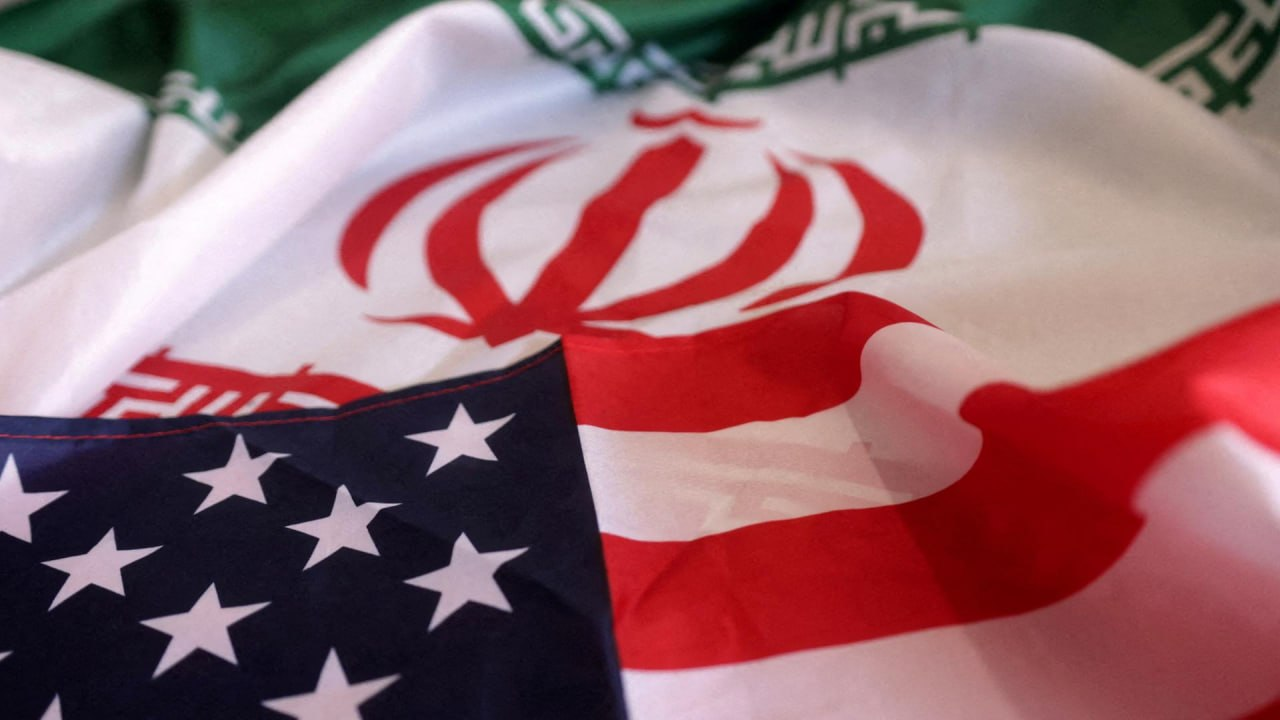
Ceasefire recap of the Iran-US conflict, which includes the ‘will they won’t they’ negotiations, as well as statements in relation to the region from various officials, spies and terrorists arrested or tried, spreading of misinformation crackdowns, and everything else you need to know from day thirteen (April 20).
Negotiations:

Iranian officials were still stating there wouldn’t be any meeting this week unless the United States removed the naval blockade, reported Yedioth News, while also stating through various officials that their enriched uranium and nuclear rights are not up for discussion in any talks, hadn’t been mentioned, or potentially expected to be mentioned during the next meeting, despite reports from Al Jazeera, Warfront Witness, War Spectators and other channels that Iran had either agreed to give up their enriched uranium to the US, to send it to Russia, and the possibility of it being sent to Pakistan, as rumours continued to circulate.
Foreign Ministry spokesman Esmaeil Baghaei said that Iran had not yet decided whether to participate in the next round of negotiations, stating that the appropriate decision would be made carefully, taking Iranian interests into the account, adding that the Strait of Hormuz was safe before the American-Israeli attacks, and that the US violated the ceasefire since its inception, which was passed on to the Pakistani mediator. Baghaei later confirmed that he’d received a US proposal which had been conveyed to Tehran during the visit of the Pakistan’s army chief and it was still under review.
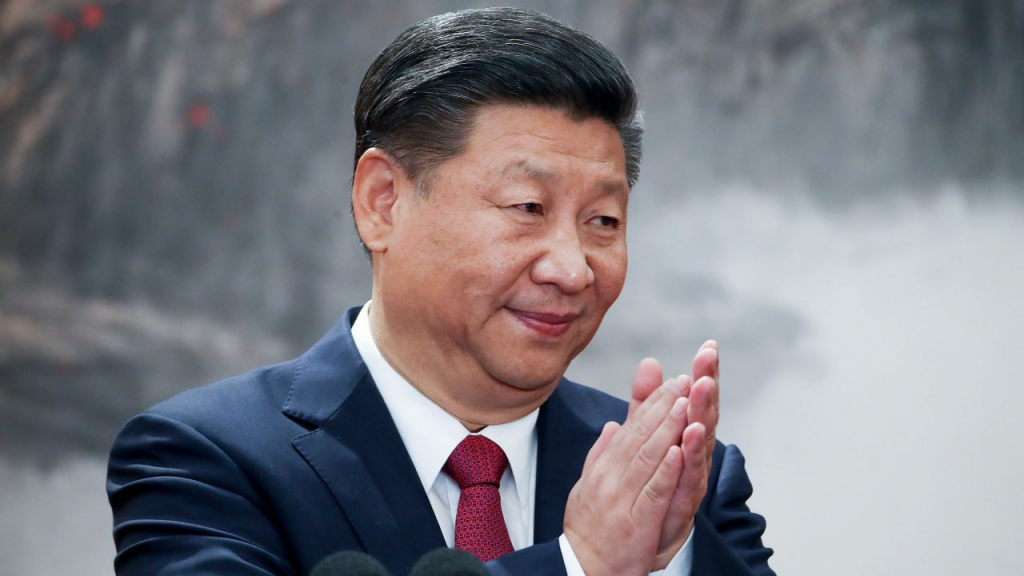
China’s President Xi held a phone call with the Crown Prince of Saudia Arabia Mohammed bin Salman al Saud, advocating an immediate and comprehensive ceasefire in the region, supporting all efforts conducive to restoring peace, and insisting on resolving disputes through political and diplomatic channels, adding that the Strait of Hormuz should remain open for normal passage, which aligned with the common interest of countries in the region as well as the international community.
Al Mayadeen’s correspondent in Islamabad reported that the Pakistani authorities were conducting intensive backchannel contacts to secure the convening of the second round of talks between Iran and the US in an attempt to reach a genuine understanding, because what mattered to Pakistan was the next round of talks were not just symbolic, but rather constructive and formed a foundation for a future agreement.
Because Pakistan were making positive efforts to end the US blockade and ensure Iran’s participation in the talks, Iran said they were seriously considering attending the peace negotiations with the United States, but confirmed there was still no final decision.
US officials said that despite public rhetoric, Washington and Tehran had made some progress towards a deal since the first round of negotiations, reported NYT, adding that key issues remained unresolved, such as Iran’s nuclear enrichment programme and the future of the Strait of Hormuz.
Iran’s Ambassador to Pakistan Reza Amiri Moghadam said on Monday: “You cannot keep violating international law, double down on your blockade, threaten Iran with further war crimes, insist on unreasonable demands, pace out with rhetoric and pretend to be pursuing ‘diplomacy,’ as long as the naval blockade remains, faultlines remain.
Reuters published an article claiming a Pakistani security source said that Pakistan’s Army Chief Field Marshal Asim Munir had told President Trump the US Naval blockade was an obstacle to talks and Trump replied he would consider the advice, which was later clarified to mean the blockade of the Iranian ports (not the Strait of Hormuz), reported Al Mayadeen.
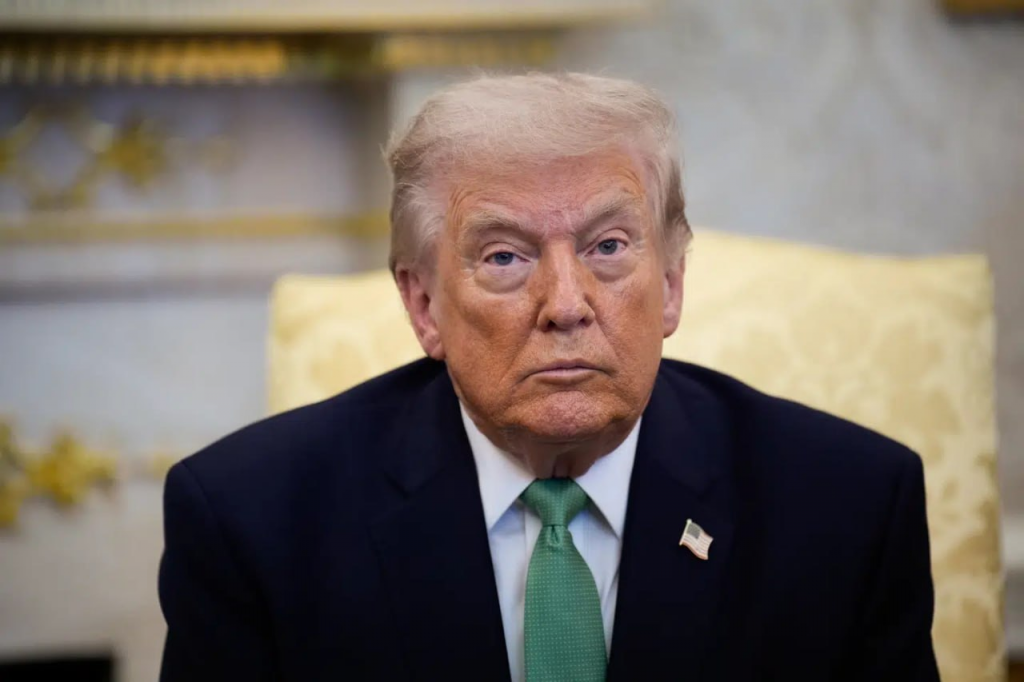
President Trump told The Hill that Field Marshal Asim Munir hadn’t recommended anything on the blockade, while Pakistani officials who spoke with the NYP pushed back on claims saying that no security source has given input to any news agency, including Reuters, adding that it was classic misinformation and fake reporting. Trump later told PBS that if the ceasefire expired on Tuesday and wasn’t expected, then ‘lots of bombs start going off.’
Kremlin Spokesperson Dmitri Peskov said that Russia isn’t currently a mediator regarding Iran but were ready to help if needed, adding that Russia hoped negotiations about the Middle East would continue so that a return to a military scenario could be avoided, reported Tasnim News.
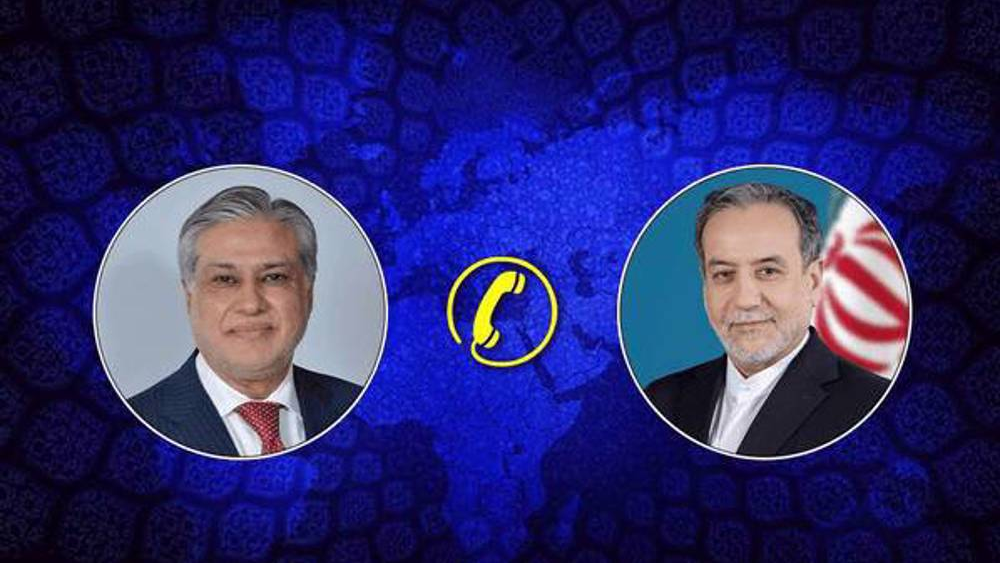
Pakistani Foreign Minister Ishaq Dar and Iranian FM Araghchi held a call for the second day in a row, discussing regional developments and the ceasefire situation, with Pakistan highlighting its ongoing efforts to end the war and establish regional peace, reaffirming readiness to continue consultations and mediation, while Araghchi thanked Pakistan for its role in facilitating talks, stressing Iran was also engaged in diplomacy to end the conflict, and criticising the recent US actions, citing alleged ceasefire allegations, threats to Iranian ports and vessels, as well as what he described as inconsistent and unreasonable demands.
Israeli Army Radio officials said that if no agreement was reached on Iran’s missile program, including limiting the numbers of missiles, another round of strikes targeting Iran’s missile industry was viewed likely within the coming years, adding that Iran possessing thousands of missiles was considered a red line, warning that if it was crossed, an attack ‘would be required,’ however, a senior Iranian source later told Reuters that Iran’s defence capabilities and missile programmes were non-negotiable.
Channel 12 Israel continued the fearmongering by ‘citing a senior Israeli official’ to report that the IDF were preparing for the collapse of negotiations, claiming it was difficult to envisage any scenario that Iran would completely abandon its nuclear program and uranium enrichment, citing a senior Israeli official, adding that the IDF was prepared to carry out any pre-emptive strike that was needed. Kan News jumped on the bandwagon too, citing a ‘senior Israeli official’ claimed that Iran and the US were not close to an agreement and Israel was ready to return to war in Iran with American approval.
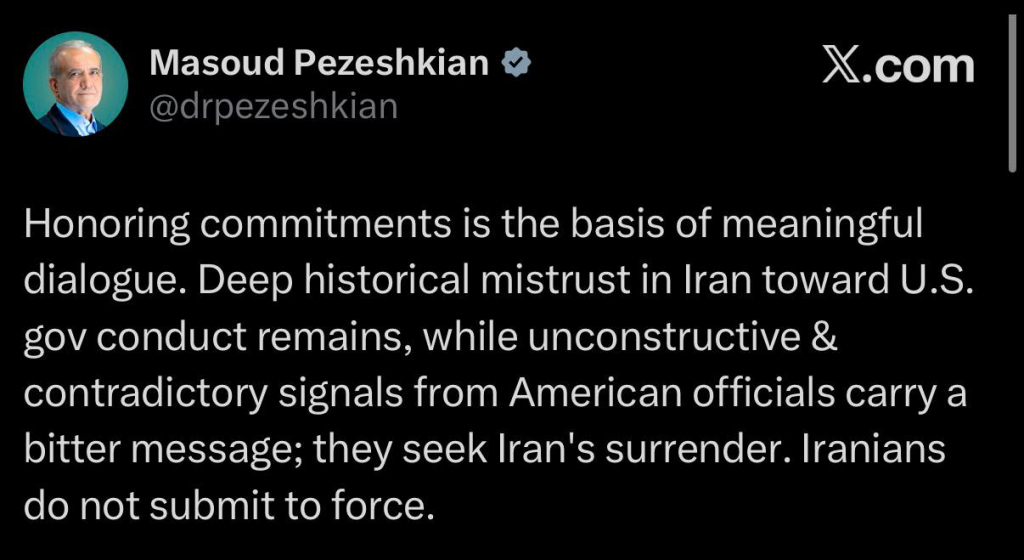
President Masoud Pezeshkian said that honouring commitments was the basis of a meaningful dialogue: “Deep historical mistrust in Iran towards US government conduct remains, while unconstructive & contradictory signals from American signals from American officials carry a bitter message,” he wrote on X, adding that the US sought Iran’s surrender, but Iranian’s don’t submit to force.
Multiple reports surfaced of what appeared to be Air Force Two (carrying US Vice President JD Vance) along with other planes carrying other delegation members had left the United States and were making their way towards Pakistan for talks, however, at this point, Iran were still telling Tasnim News they were not prepared to head for talks unless concessions were made, JD Vance allegedly still hadn’t left Washington, and the New York Post reported that Trump was ready to meet with top Iranian leaders in Pakistan in the event of a breakthrough, which could explain the large number of cargo flights carrying communications equipment and official vehicles.
Pakistani Interior Minister Naqvi told the NYT that ‘foolproof security arrangements’ had been put in place for foreign delegations ahead of another round of talks, confirming that security was a key concern for Tehran following the killing of several Iranian officials in US and Israeli airstrikes, adding that the Serena Hotel in Islamabad, which hosted the first round of talks, had been cleared of guests, while thousands of additional security personnel have been deployed across the city.
An Iranian delegation was preparing to travel to Islamabad on Tuesday for negotiations, with Iranian Parliamentary Speaker Mohammad Bagher Ghalibaf expected to attend, the NYT reported.
Strait of Hormuz:
An high-ranking Iranian official said on Monday morning that the passage through the Strait of Hormuz would be subject to tolls in the future, reporting that 30% of the revenues would be allocated to strengthening the armed forces, and 70% to the people’s livelihoods.
Iran said they issued a minimal response to the US Forces in the Persian Gulf following the attack and seizure of the Iranian cargo vessel, noting that if their response had been significant, it could have marked the second round of conflicts, which could have started in the next 24 hours.
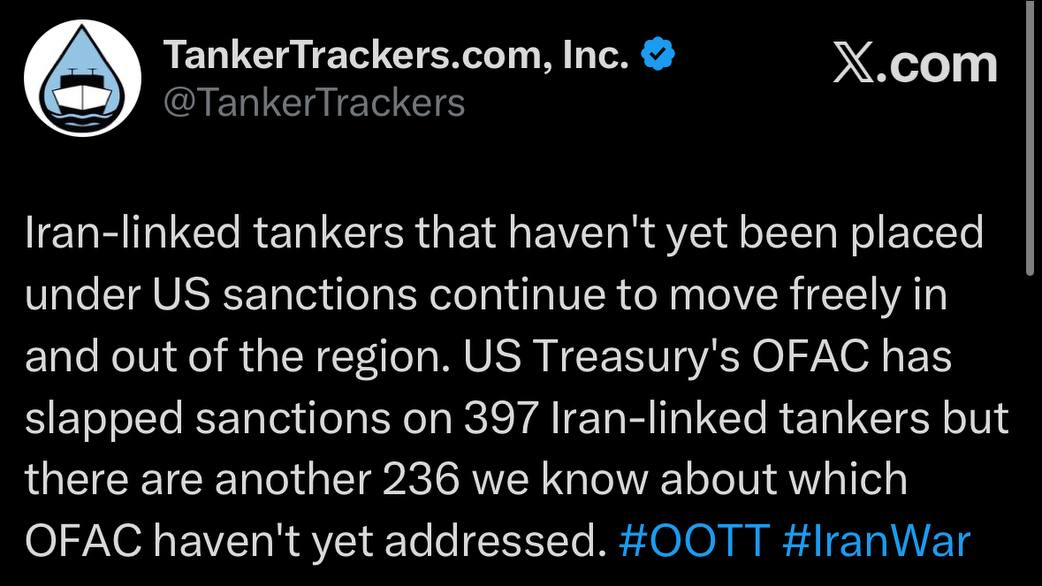
According to TankerTrackers, Iranian-linked tankers that had yet to be sanctioned by the US Office of Foreign Asset Control continued to move freely in and out of the Strait of Hormuz, noting there were approximately 236 known Iran-linked tankers that had still not been sanctioned.
Reuters reported that over 20 vessels crossed the Strait of Hormuz on Saturday, the highest ship crossing since March 1, noting that five of the ships that made it through were loaded with cargo from Iranian ports ranging from oil products to metals, while the Financial Times reported that only 2 ships had passed through the Strait in 24 hours between Sunday to Monday.
US Central Command claimed that since the commencement of the blockade against ships entering or exiting Iranian ports and coastal areas, US forces had directed 27 vessels to turn around or return to an Iranian port.
The US are deploying sea drones to help clear potential mines in the Strait of Hormuz as part of continued efforts to reopen the strategic waterway to commercial shipping, reported WSJ, adding that US officials said a mix of unmanned surface vessels and underwater drones equipped with sonar were being used to detect mines without putting personnel at risk, with follow-up systems able to neutralise them.
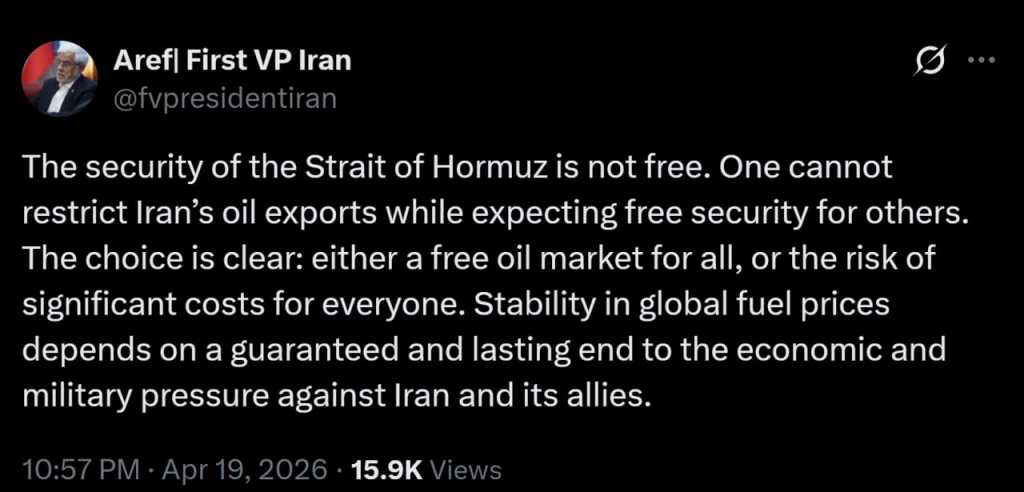
Iranian First Vice President Reza Aref said that the security of the Strait of Hormuz was not free, and one cannot restrict Iran’s oil exports while expecting free security for others, so the choice was clear, either a free oil market for all, or the risk of significant costs for everyone.
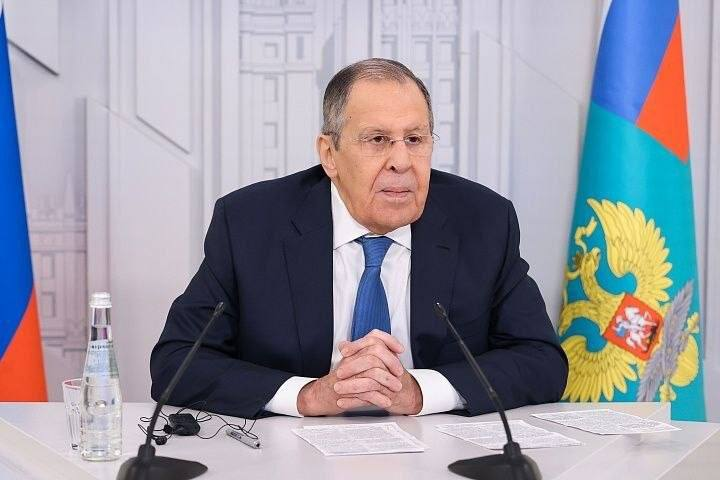
Russian Foreign Minister Sergey Lavrov said the crisis in the Persian Gulf has arisen as a result of unjustified aggression by Israel and the US against Iran, noting its consequences were spreading throughout the region: “Today, there is a very serious concern and an alarm has been raised about the spread of the consequences to the areas including the Arabian Peninsula countries, the Caspian Sea coastal states, the South Caucasus and Central Asia.”
Tasnim News Agency confirmed the route for ships passing through the Hormuz Strait, stating the main route for ships entering the Gulf passed through the gap between the islands of Larak and Qeshm, and the exit route from the south of Lark Island had been identified.
Spies, terrorists & ‘spreading false information’:
Iran executed two individuals on Monday in accordance with Iranian law after they were accused of belonging to a spy network linked to the Israeli intelligence service Mossad, reported The War Reporter, noting that the individuals reportedly met with Mossad officers in Iraq’s Kurdistan Region to receive training to carry out an attack on key military targets in Tehran.
Shin Bet, the Israeli Security agency, arrested 19-year-old Sagie Hayek from Nes Ziona, on suspicion of spying for Iranian intelligence, along with 21-year-old Asaf Shitrit from Beit Oved, who allegedly assisted him. Hayek reportedly disclosed his personal details and those of his family members to an Iranian agent, then continued to maintain contact and agreed to undergo training in one of the Arab countries.
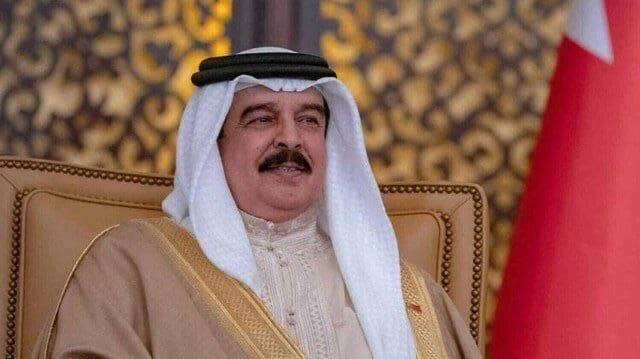
Hamad bin Isa Al Khalifa, the King of Bahrain, issued an immediate order on Monday to take action against those who, according to him, ‘collaborated with Iran’ during the recent regional war and ‘endangered the security and stability of the country,’ including reviewing their eligibility for Bahraini citizenship.
Mossad claimed it foiled an attempt by an Iranian-linked cell to damage the Baku – Tbilisi – Ceyhan oil pipeline, as well as to target Jewish and Israel sites in Azerbaijan, including the Israeli embassy, a synagogue in Baku, and leaders of the Jewish community, several weeks ago, claiming that members of the cell were arrested by the Azerbaijani State Security Service (DTX).
Iran’s Police Chief said that 100 people linked to terrorist groups had been arrested in recent weeks, while weapons and ammunition had been seized during the operations.
The UAE said they had arrested 375 people for filming or spreading false information to the war, and that their cases had been referred to the public prosecutor.
Emirati State Security Services said it had dismantled a cell accused of plotting to destabilise the country, threatening national unity and stability: “Investigations revealed that the cell is linked to Iran’s Wilayat al-Faqih,” the statement added.
Qatar announced the arrest of more than 300 people of various nationalities for publishing images or videos and what it described as ‘misleading information.’
Other News:
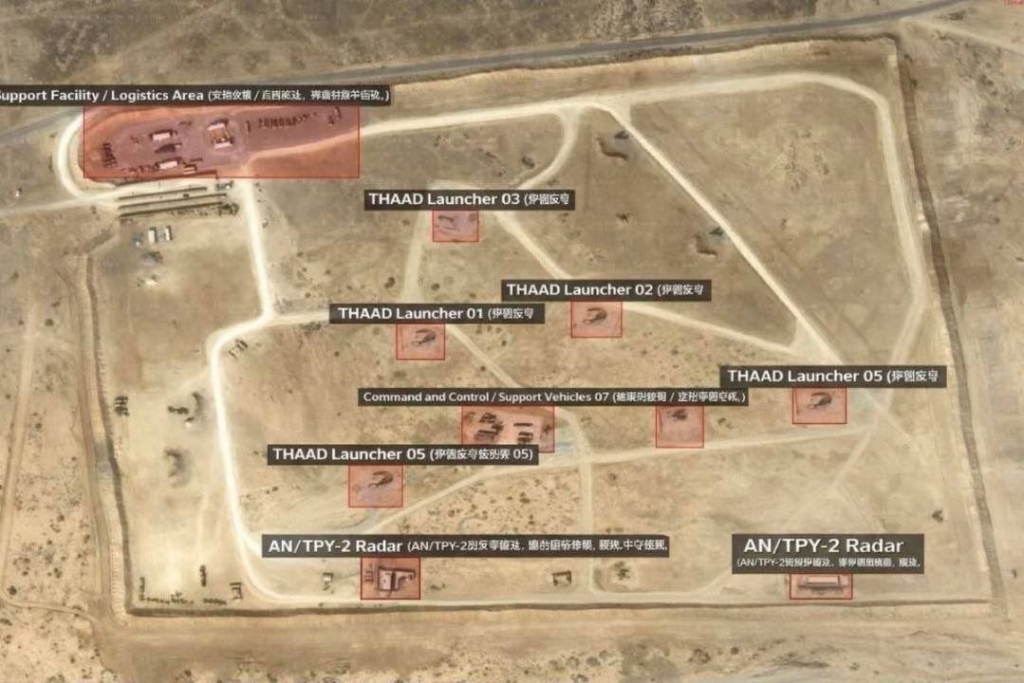
The USA have begun transferring air defence systems to Jordan, where satellite images have shown movements of THAAD and Patriot systems to more fortified locations in the country, which could indicate preparations for possible military activity in the near future.
UAE Central Bank Governor Khaled Mohamed Balama raised the possibility of a potential temporary financial backstop if the conflict with Iran was to plunge into a deeper crisis, in meetings with US Treasury Secretary Scott Bessent this week, reported WSJ.
Emirati officials warned that prolonged disruption to energy infrastructure and oil shipping routes through the Strait of Hormuz could strain foreign reserves and investor confidence, while stating there was an option to shift towards alternative currencies such as the Chinese yuan, and this could pose a potential challenge to the dominance of the US dollar in global energy markets.
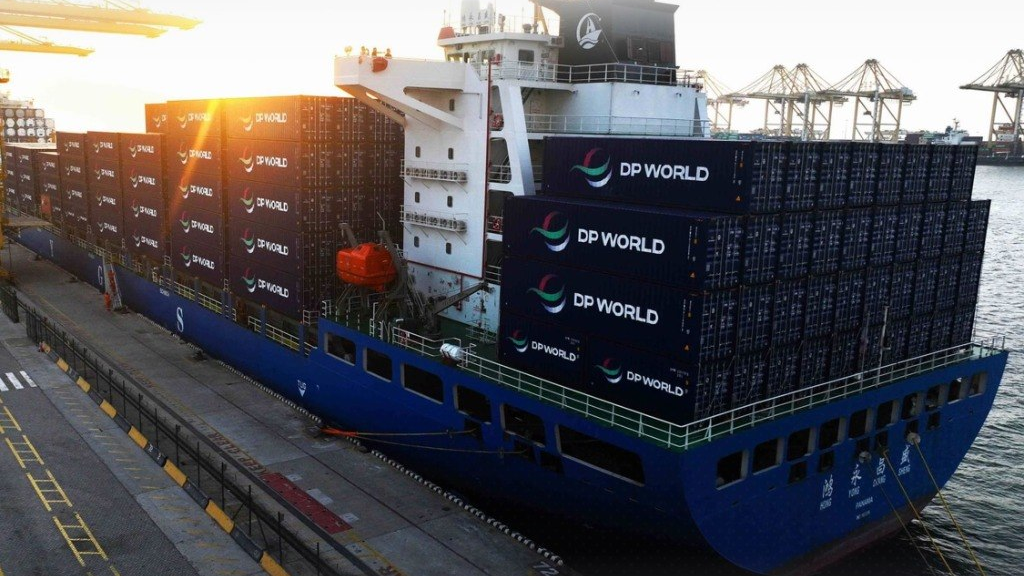
UAE’s proposal to issue a resolution on enhancing maritime security and safeguarding maritime navigation was adopted by the International Parliamentary Union, reported Emirati media company WAM, stating after that multi-modal corridors gained momentum amid the reshaping of the global supply chain landscape at Dubai World Ports.
The Head of the Forensic Medicine Organisation in Iran claimed the total number of people killed during the war with the USA and Israel had reached 3,375 as of April 10th, reported Sabereen News.
US Treasury Secretary Chris Wright said that gas prices might not go below $3 a gallon in the United States until 2027, but believed that once the conflict ends, prices would go down across the board.
President Trump told The Hill that he disagreed with Chris Wright’s assessment that gas prices may not drop until next year, stating that he expecting prices to come down as soon as the war ended, while also saying that Pakistan’s Army Chief ‘didn’t recommend anything on the blockade.’
An American official told NBC News that Iran was using infrared systems instead of traditional radar, and American fighter jets were not designed to counter these systems, meaning Iranian airspace was ‘no longer safe for American fighter jets.’

The US Embassy in Baghdad issued a security alert stating that Iraq’s Iran-aligned militias continued planning additional attacks against US citizens and US-associated targets throughout Iraq, including the Iraqi Kurdistan region, and the Embassy in Iraq reminded citizens of the Level 4: Do Not Travel advisory for Iraq.
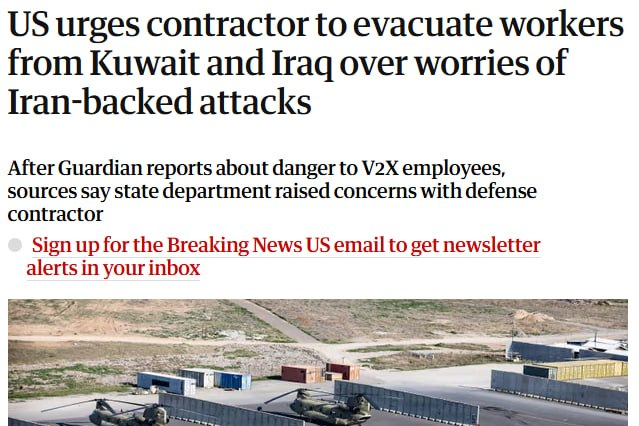
Defence contractor V2X has been asked to evacuate its employees from US bases in Kuwait and Iraq by the US government, warning the company they could become targets by Iranian-backed militias, reported The Guardian, but stated some workers were told they could possibly lose their jobs due to a ‘voluntary evacuation,’ since the situation is not deemed severe enough, while the company is also trying to keep workers in place to avoid risking its contract with the Iraqi government. Workers have recently reported drone activity and gunfire most days and nights, saying it has affected their sleep and mental health.
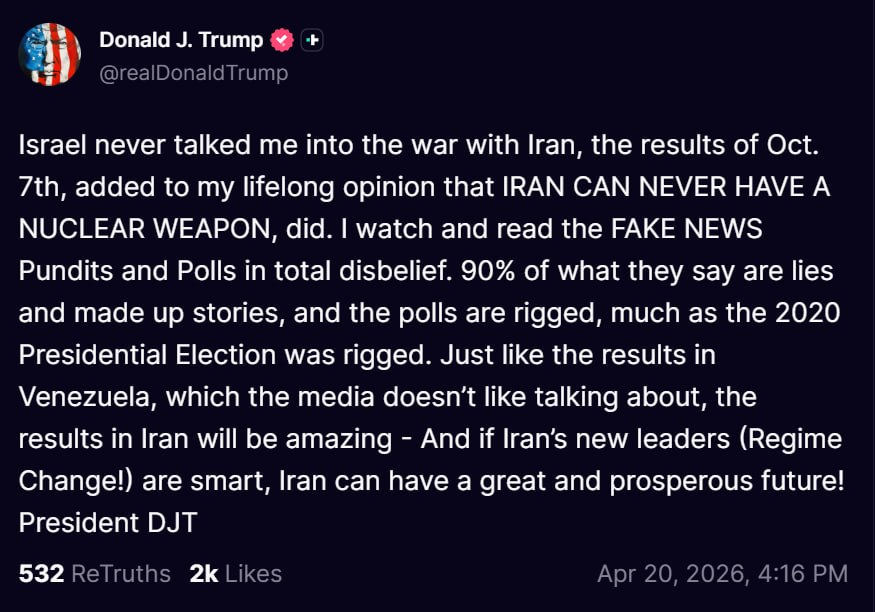
After calling various media outlets, including NYP, CNN, PBS and Channel 12 Israel, President Trump took to Truth Social stating that Israel hadn’t talked him into the war, but it had been his lifelong opinion that Iran could never have a nuclear weapon, stating he had watched and read the fake pundits and polls in disbelief, claiming most of what they said were lies or made up stories and the polls had been rigged similar to the 2020 Presidential Election, concluding that if Iran’s new leaders were smart, Iran could have a great and prosperous future.
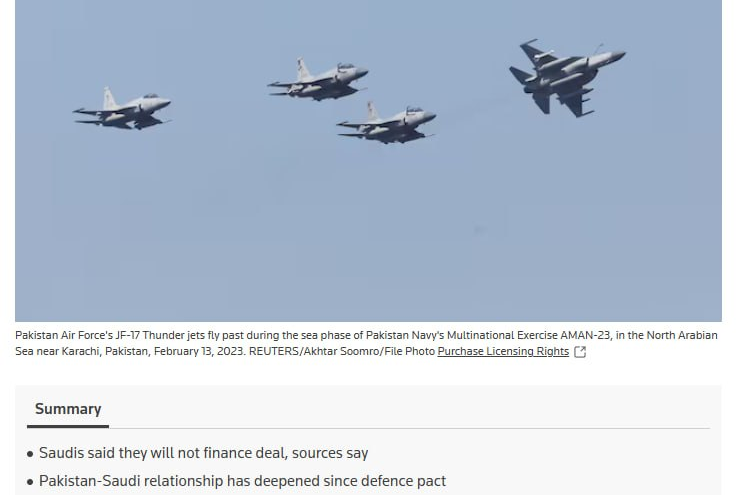
Pakistan placed an order worth one and a half billion dollars on hold after Saudi Arabia asked for the agreement to be canned and said it wouldn’t finance the purchase, reported Reuters.
Yemeni Houthis warned the American aircraft carriers in the Red Sea that they were under surveillance, adding that any hostile actions from them will be destroyed immediately.
Iran’s Ministry of Defence have reportedly engaged in reverse-engineering of captured US missiles and debris, in order to use various American technologies in Iran’s missile program to further enhance the combat characteristics of Iranian missiles, warning that several Tomahawks and long-range AGM-158 JSSM missiles had fallen into their hands.
Belarusian President Alexander Lukashenko said that Trump showed the whole world the United States of America isn’t all-powerful, warning that if the US couldn’t handle Iran, they shouldn’t mess with China, because they would never be able to deal with that kind of power.
Iran’s Civil Aviation Organisation authorised the resumption of passenger flights at Tehran’s two main airports, Imam Khomeini International Airport and Mehrabad Airport starting Monday, AFP reported, stating that an additional ten airports across the country were scheduled to reopen on Saturday.
Brazil’s President Lula said he didn’t think Iran was building a nuclear bomb, just as he didn’t believe Saddam Hussein had nuclear weapons when Bush invaded Iraq: “From time to time, people build a false myth to justify an opposition that is unrecognisable and irresponsible – the world didn’t need to see this!”