 AJ
AJ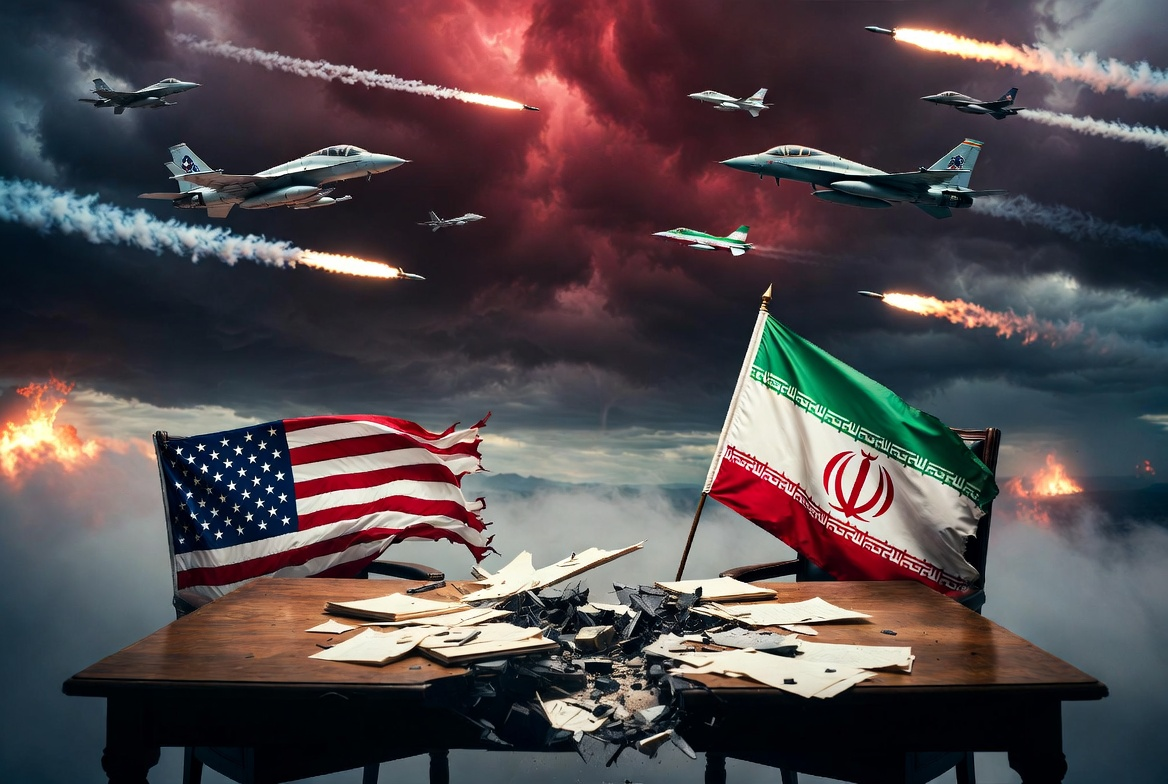
⚡️ US President Donald Trump spent weeks appealing for a ceasefire from the Iranians, claiming it was the Iranians who wanted to meet, who wanted the war to end, and who had requested the ceasefire, but in recent weeks the truth has been revealed when reading between the lines of the US rhetoric along with the realities on the ground.
🔹 President Trump had informed Gulf nations prior to the outbreak of the war that the operation should be completed in 4 weeks, (around 28 days), but following the war entering 30, and then into the 40th day, there appeared no end in sight, until a last-minute Pakistan-mediated ceasefire halted attacks.
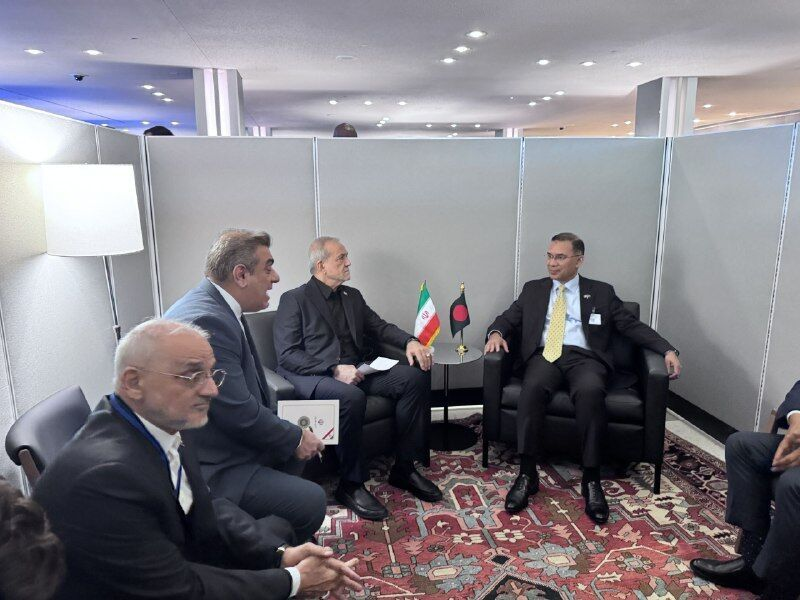
🔹 Pakistan’s ceasefire agreement was broken in less than two hours after it had been signed, after Iran had initially insisted a ceasefire in Lebanon was included, reiterated in a tweet that very night by Pakistan Prime Minister Shehbaz Sharif, only for US Vice President JD Vance to deny Israel were prohibited from attacking prior to leaving Islamabad.
🔹 Israeli Prime Minister Benjamin Netanyahu had called President Trump and US officials to clarify the agreement made, fearful that Israel would have to stop attacking southern Lebanon, or worse, to withdraw from Lebanon completely, leading Vance to inform media in Pakistan that Lebanon wasn’t included in the agreement before returning to the United States.
🔹 However, JD Vance seemingly didn’t think to check whether statements had already been issued by Pakistan, while also appearing to be under the impression that Iranian Parliament Speaker and Chief Negotiator Mohammad Bagher Ghalibaf was unable to see the press comments, but either were clearly not the case.
🔹 Ghalibaf issued a statement following the signing of the Islamabad agreement, stating that the Strait of Hormuz was to be reopened immediately by Iran thanks to the two sides agreeing terms, only to instruct the IRGC Navy to close it again after seeing Vance’s comments on the news, with the details in the closure revealed during an interview recently on Iran’s IRIB News.
🔹 Negotiations in relation to the Strait were due to continue later on April 14, following JD Vance returning to the US and debriefing officials and the Iranian delegation returning to Tehran, however this return for the Iranians wasn’t made easy following reports of potential assassination attempts, leading to diversionary tactics being implemented, as well as Pakistan fighters escorting the delegation.
🔹 Israel managed to prevent any negotiations occurring with their largest attack on Dahieh in southern Beirut since Hezbollah joined this war on March 2, leading to more than 300 confirmed deaths and over a thousand injuries, according to the Lebanese Health Ministry, while the IDF claimed more than 300 Hezbollah operatives had been killed in their largescale simultaneous attack.
🔹 Although Iran had closed the Strait to any vessels linked to foreign countries, Iranian-linked vessels were still transiting through the Strait and into open waters, some eventually making their way to final port destinations to offload the cargo, which led the US to put a naval blockade in place preventing Iranian vessels from moving too.
LOVE TAPS
⚡️ Both the US and Iran continued to exchange messages through mediators, with the United States demanding no Iranian vessels attempt to approach the blockade or there would be consequences, which included at least six vessels being disabled in the weeks the blockade was in place, while Iran stated that all vessels in the Gulf should anchor in place and switch on transponders, warning those not complying were placing vessels and crew at risk.
🔹 However, days after the blockades, Iranian ships had attempted to cross the US Naval blockade, only to be turned back or disabled for non-compliance, while the US offered protection for any vessels wishing to leave, asking them to switch off transponders and mainly moving at night to avoid detection.
🔹 Iranian coastal radars were able to locate the movements still, using various methods, warning the vessels they were breaking Iranian terms and to reverse course, before launching drones or missiles in attempts to disable the vessels, and it appeared although the United States were allowed to use force against Iranian-linked vessels, Iran were unable to undertake reciprocal measures.
🔹 Exchanges began between the two, described by President Trump as ‘love taps,’ began when the US located the drone and missile launch sites, targeting them with US drones and missiles, while also targeting Naval assets of the IRGC, but this only resulted in further retaliations by Iran on US bases, mainly the US 5th Fleet Headquarters in Bahrain, Ali al-Salem in Kuwait, Issa Air Base in Bahrain, and two airbases in Jordan.
🔹 President Trump claimed the ‘love taps’ were not ceasefire violations, despite them occurring over several nights, causing concern between the Gulf countries that were coming under attack, while public statements were made by Gulf officials against Iranian attacks on their territory, despite it only targeting US facilities stationed there, and forces that are used in the attacks on Iran.
🔹 Around four days passed with regular US involvement in the Strait of Hormuz, attempting to help ships break the Iranian blockade, causing them great risk, leading to exchanges of fire between Iran and the US, as well as Iran targeting US facilities in Gulf and Arab countries, while Central Command were still disabling Iranian ships for non-compliance with their blockade, clearly showing double standards.
SECRET FREEDOM PROJECT
⚡️ First came the actual ‘Project Freedom’ launch, occurring in the early hours of May 4 by social media, when President Trump announced the US would provide assistance to vessels wishing to leave the Strait of Hormuz, providing a narrow route that passed by the coast of Oman, however, this decision was met with criticism from Saudi Arabia and other countries due to the use of their airspace, leading Saudi Arabia to restrict airspace to the US, and ending the project within 36 hours of its launch.
🔹 However, vessels continued to move through the Strait with US assistant during the evening, turning transponders off to avoid detection, causing Iran to attempt disabling the vessels, the United States retaliating at the launch points, and Iran then targeting Jordan, Kuwait, and Bahrain, while the UAE and Saudi were excused from attacks due to the restriction of airspace for the US forces.
🔹 President Trump shrugged off the overnight exchanges between the two, even when an alleged-Iranian drone destroyed a Kuwaiti terminal injuring several employees who were on duty, saying in the end “its because we provoked them” during a question-and-answer with journalists in the Oval Office at the beginning of June, while US facilities in Kuwait, Bahrain and Jordan continued to come under attack in retaliation for US strikes.
🔹 Strikes appeared to slow between June-7 to June-10, until eventually, President Trump announced that a ‘secret project’ had removed around 200 vessels from the Hormuz between May 5 when Project Freedom was ‘temporarily halted’ and June 10 when the announcement was made, claiming no one knew about the operation, despite AJ News reporting the situation on May 28.
🔹 A Memorandum of Understanding was being rapidly finalised from the June 10 announcement, as the US now needed another way to move the vessels from the Strait of Hormuz, leading to a virtual signing of a 14-clause agreement on June 17, with Clause 10 specifically stating that Iran would solely control and administer the Strait of Hormuz without charging tolls or service fees for the duration of the 60-day ceasefire and talks agreed within the understanding, and both sides removed their Naval blockades immediately.
MEMORANDUM OF UNDERSTANDING VIOLATIONS
⚡️ Following the signing of the MoU, Iran issued an advisory statement to all vessels wishing to pass through the Strait, stating that vessels could only move with Iranian permission, advising to keep transponders switched on so Iran can monitor them easier, and only to use Iranian-designated routes to avoid any risks to vessels and crew.
🔹 Turning to the other littoral state of the Hormuz, Oman, Iran attempted to forge an agreement in relation to overall control, as well as a mechanism to charge service fees following the 60 days of ceasefire, with Oman suggesting a possible ‘contributory fund’ allowing vessels to donate.
🔹 Iran rejected the Omani suggestion, stating that every vessel that hasn’t got an agreement with the Omani-Iranian consortium of control, would have to pay a service fee that would cover insurance, protection, and economical damage caused to maritime and marine environments.
🔹 Between June 17 and July 8, Oman at first allowed vessels to continue to use the US-designated route, but this only caused Iran to issue warnings followed by attempts to disable the vessels, leading to an announcement by Oman for vessels to follow the Iranian route only, however, the US continued to provide protection for any vessels wishing to exit on the Omani-route, leading to several ships targeted during this period.
JULY 8
⚡️ Escalation occurred through the days of July 6 and 7, as more and more vessels were seen with transponders on attempting to pass through the Omani route, causing Iran to fire on several vessels, and issue multiple warnings.
🔹 UKTMO reported at least three vessels were subjected to damage following strikes, while Iran simultaneously held funerals for the Martyred Leader in Tehran and Qom, as well as making arrangements for the movement of the body to Iraq, as the US attempted to escort multiple vessels from the Strait.
🔹 US responded at 5pm on July 7 ET, thirty minutes after the stock markets closed, in another clear manipulation, targeting Iranian ports, radar systems, air defence systems, anti-ship missile launchers, as well as an alleged assassination attempt.
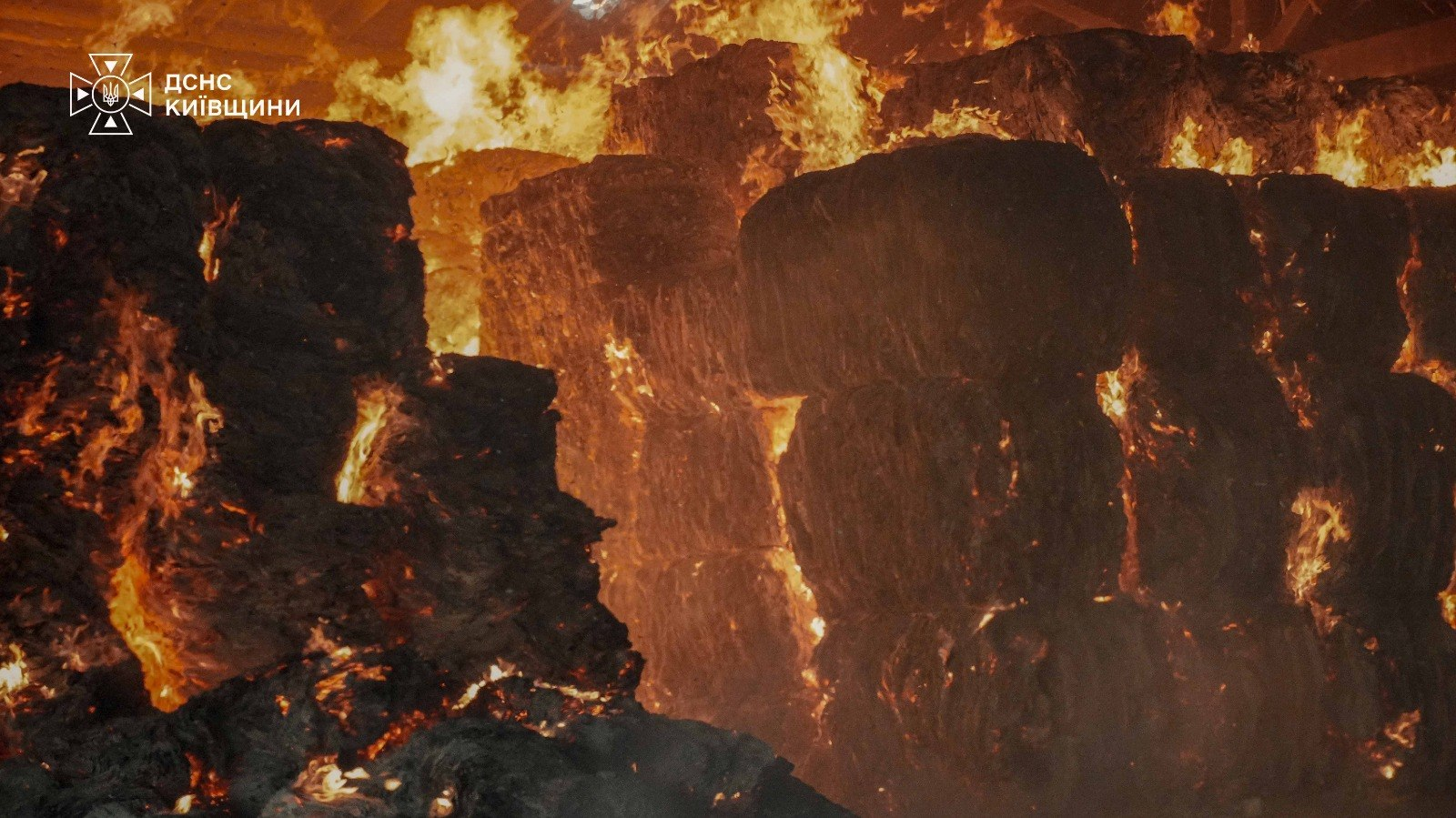
🔹 Explosions were reported in Sirik, Qeshm, and Bandar Abbas, where the US targeted two military bases, according to Fars News Agency, and IRIB reported no damage was caused to Bandar Abbas International Airport during the attacks, citing the Hormozgan Airports Authority.
🔹 Iran hit back around 5am local time, targeting Ali al-Salem airbase in Kuwait, Issa Air Base and the 5th Naval Fleet Headquarters in Bahrain with drones and missiles, in a retaliation to the attacks, while officials issued stern condemnation to the strikes.
🔹 President Trump later said during a NATO press conference alongside Mark Rutte that the Memorandum had been terminated, calling Iran a multitude of different names, and saying they cannot be trusted.