 AJ
AJ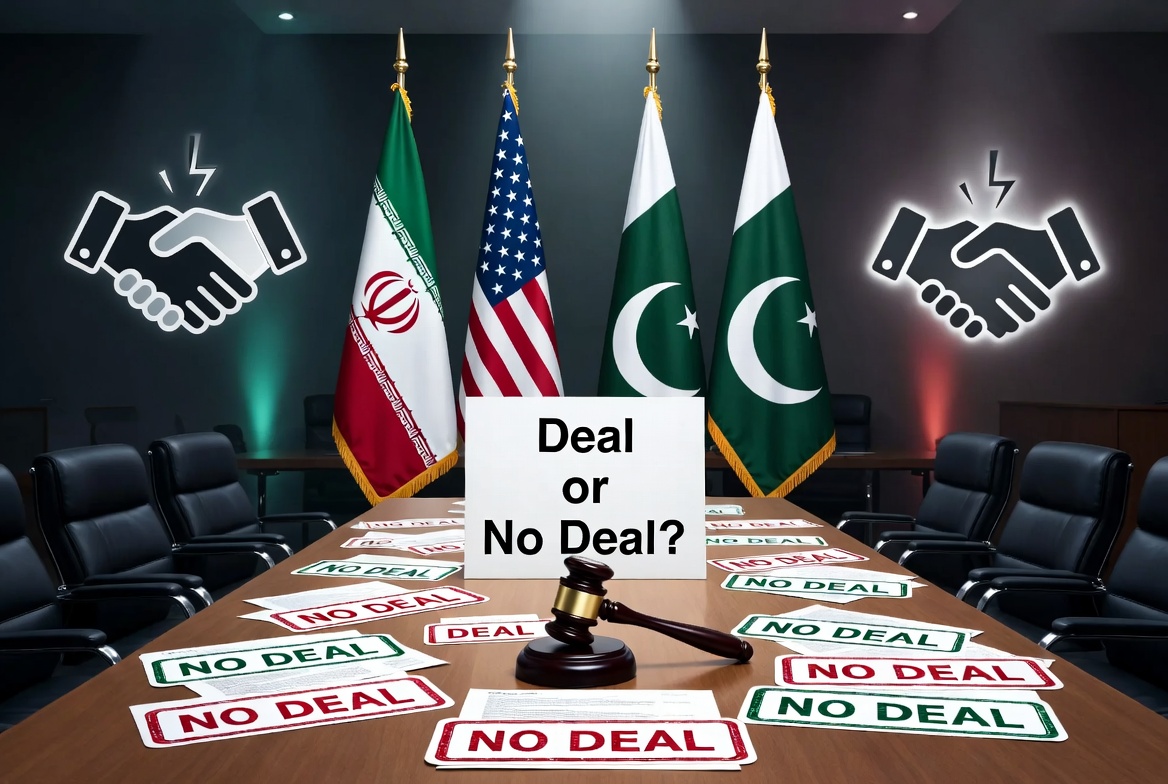
The US/Israel/Iran recap for May 10 is extensive, which includes the latest news from the US-Iran negotiations, that appeared to include involvement from Israel on the final decision, along with news in relation to the Strait of Hormuz, diplomatic conversations, news from the US, Iran, and around the world, in relation to the consequences of the current conflict.
Negotiation News:
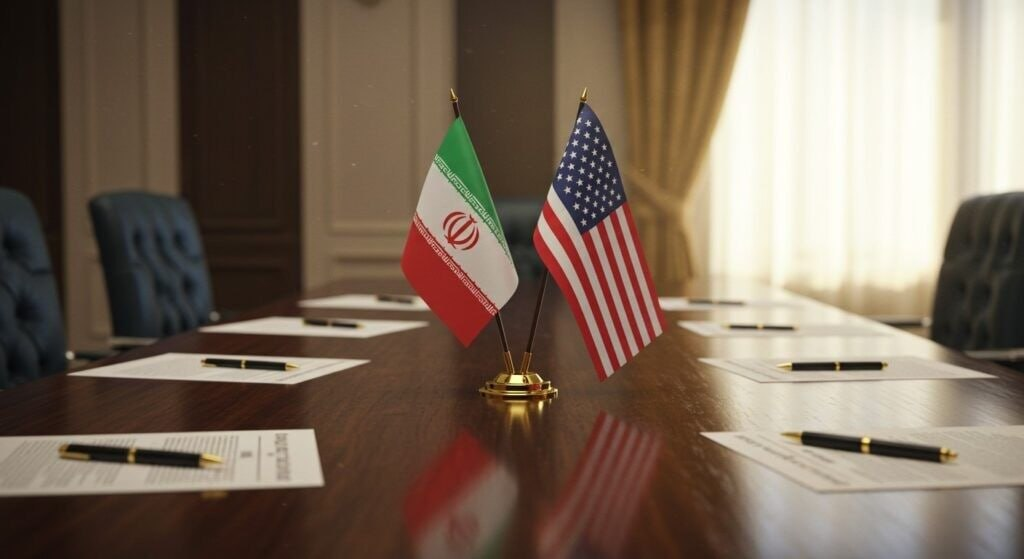

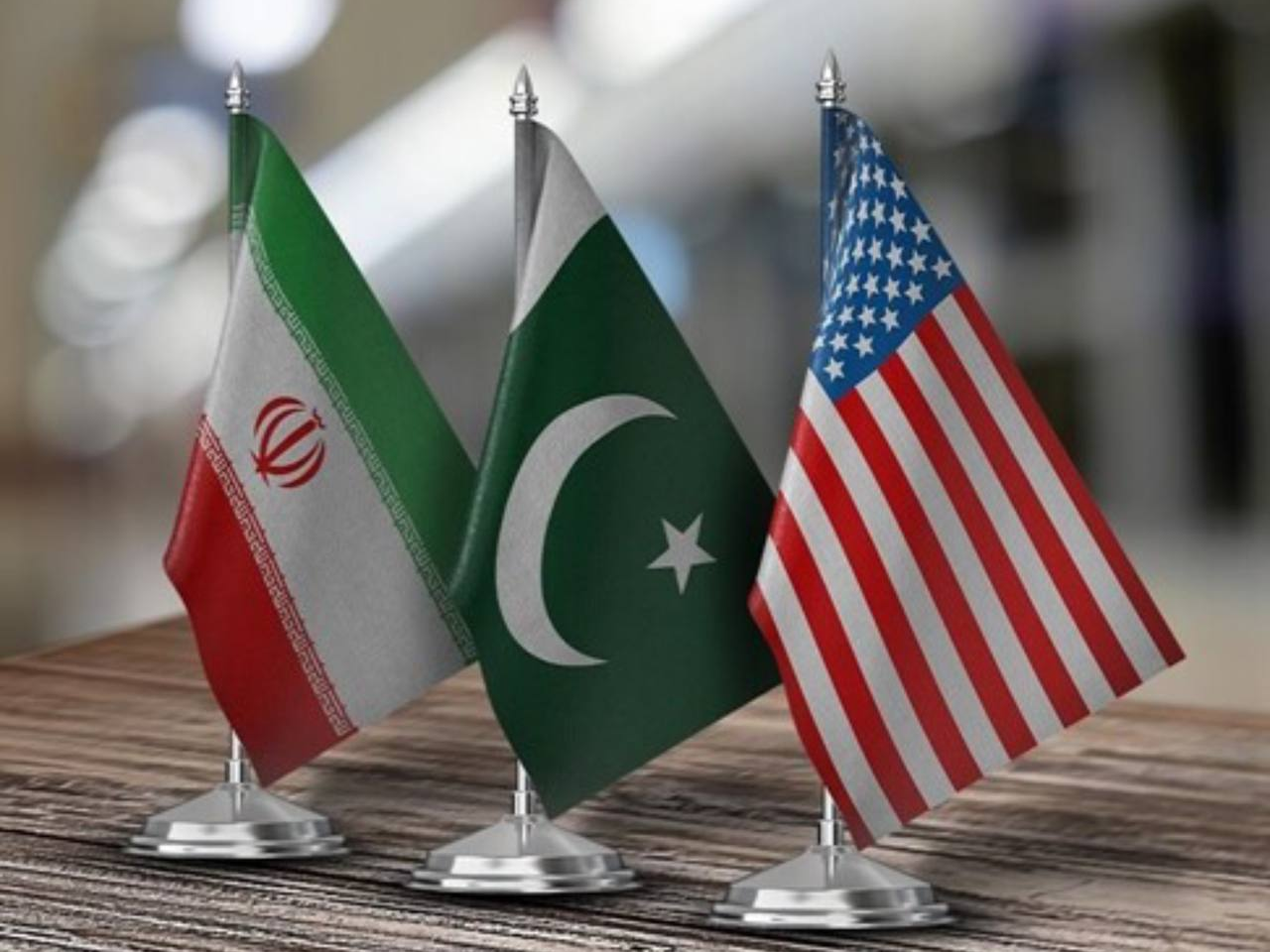
Iran sent a response to the US through Pakistani mediators aimed at ending the war instead of a proposed ceasefire agreement, IRNA reported, which was also later confirmed by Reuters, while Irib News reported that the response delivered remained consistent with previous positions, including readiness to continue the ceasefire in exchange for the mutual reopening of the Strait of Hormuz and moving forward with talks focused on ending the war.
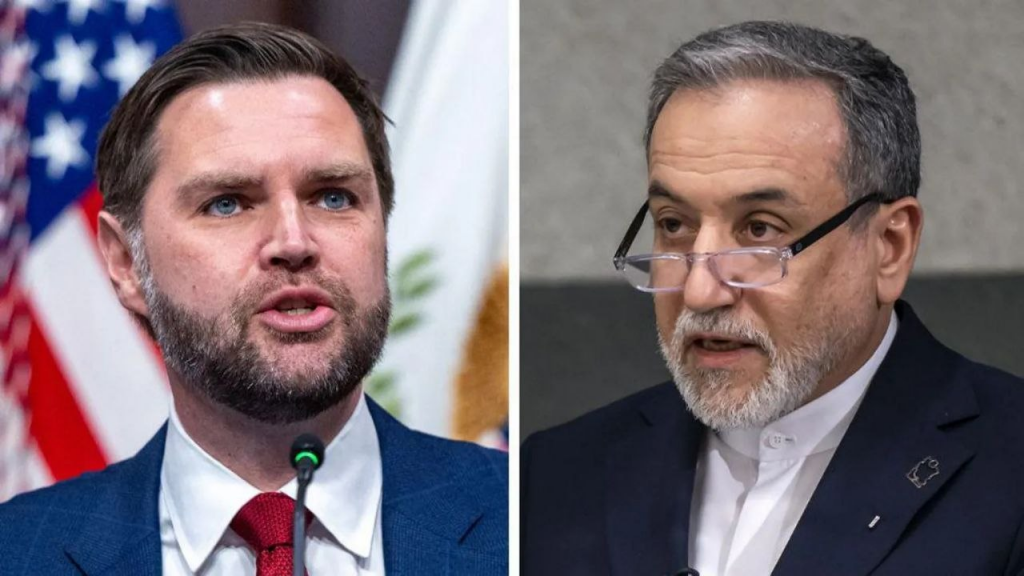
Conflicting reports were published in relation to the alleged deal, as the WSJ was first to state that Iran had issued several proposals to end the war in a multi-page response, allegedly proposing an end to the fighting and a gradual reopening of the Strait of Hormuz as the US lifted its blockade, while the nuclear issues would be negotiated over 30 days.
According to the article, Iran was willing to suspend enrichment, but for a shorter period than the 20-year moratorium put forward by the US, while it rejected the dismantling of its nuclear facilities, but it did propose that some of its highly enriched uranium be diluted and the rest transferred to a third company, but with guarantees that the uranium would be returned if the negotiations failed or the US later exited the agreement.
Meanwhile, Al Jazeera spoke with an Iranian official who said that Tehran’s response to the proposals had been presented with a realistic approach, which focused on ending the war throughout the region, especially in Lebanon, while resolving the differences with the USA, emphasising a clear guaranteed mechanism for lifting all types of sanctions.
The official also called said the proposal called for transparent international guarantees for the implementation of any potential framework, stating the response was formulated based on the country’s supreme interests and consultations with regional countries, stressing that if Washington adopted a positive approach to the response, negotiations could proceed quickly, and the decision would be in the hands of the United States.
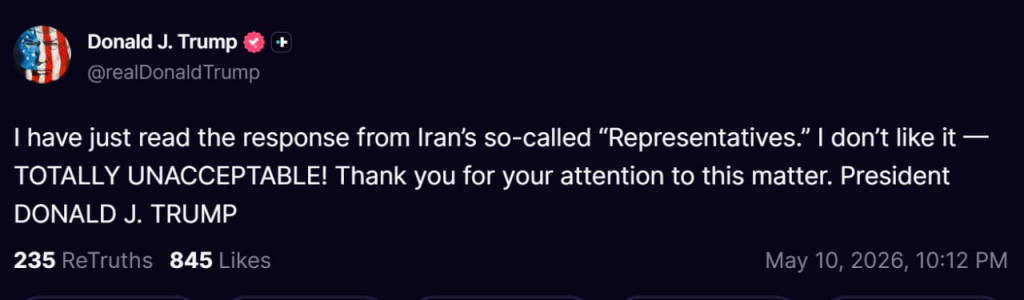
Channel 12 Israel reported that a call between Prime Minister Netanyahu and President Trump was due to take place, following the Iranian proposal being received by Iran, and soon after, Netanyahu was called away from a Druze community conference to speak with the US President for around an hour, before Trump returned on Truth Social saying ‘No Deal.’
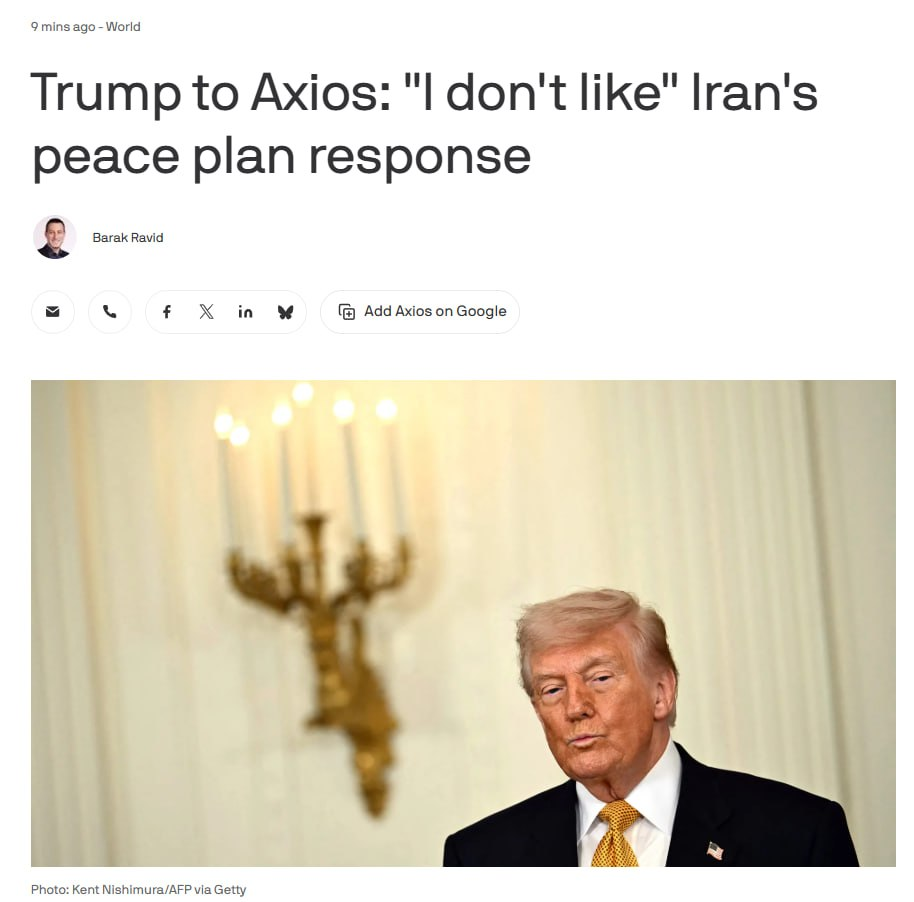
President Trump told Axios that he will reject Iran’s response to the latest draft agreement to end the war, saying he didn’t like their letter because it was inappropriate: “I don’t like their response – they have been tapping along many nations for 47 years,” he said.
Trump described his conversation with Netanyahu as a ‘very nice call’ and said he had a good relationship with Netanyahu, but stressed that the Iran negotiations are “my situation, not everybody else’s,” and didn’t clarify whether he planned to negotiate with Iran or consider military action instead.
An informed source told Tasnim News Agency that Iran had just seen the reaction of the ‘so-called President of the United States’ to Iran’s response: “It doesn’t matter at all because no one in Iran drafts plans to please Trump,” he said, stating that the negotiating team should only draft plans for the rights of the Iranian nation and if Trump wasn’t satisfied with it, that was batter: “Trump generally does not like reality,” he said, adding: “That is why he keeps losing to Iran.”
State broadcaster Irib News said that Iran had rejected the US proposal, which was seen as a surrender for Iran, because Iran demanded war reparations, as well as control and sovereignty over the Strait of Hormuz, while all sanctions must be lifted, and assets must be unfrozen.
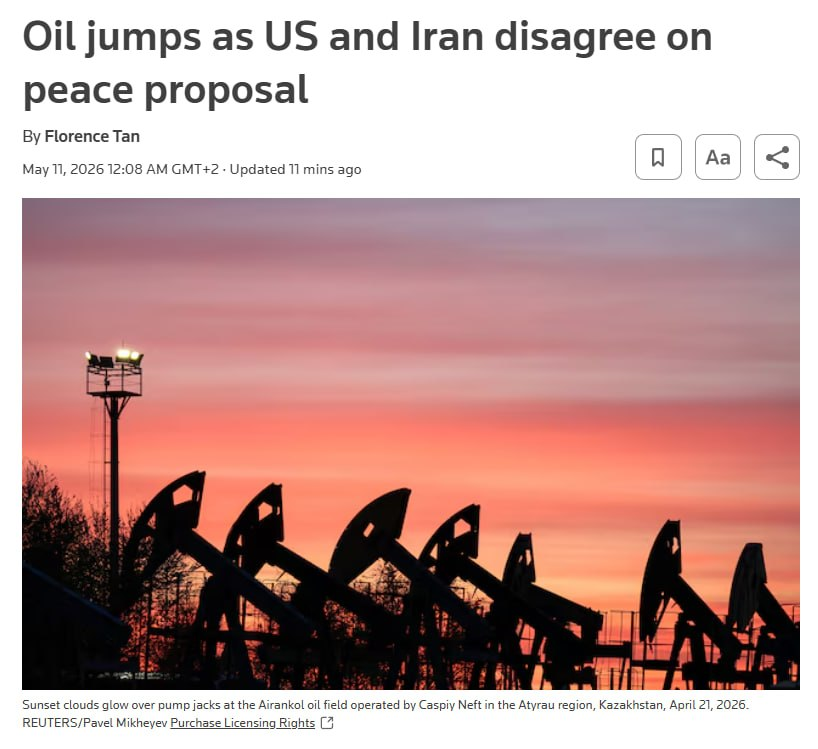
Oil prices surged $3 after the US and Iran failed to reach a deal based on the US proposal, reported Reuters, noting that Brent crude rose to over $104 per barrel, while West Texas Intermediate climbed to over $98 per barrel.
Strait of Hormuz:
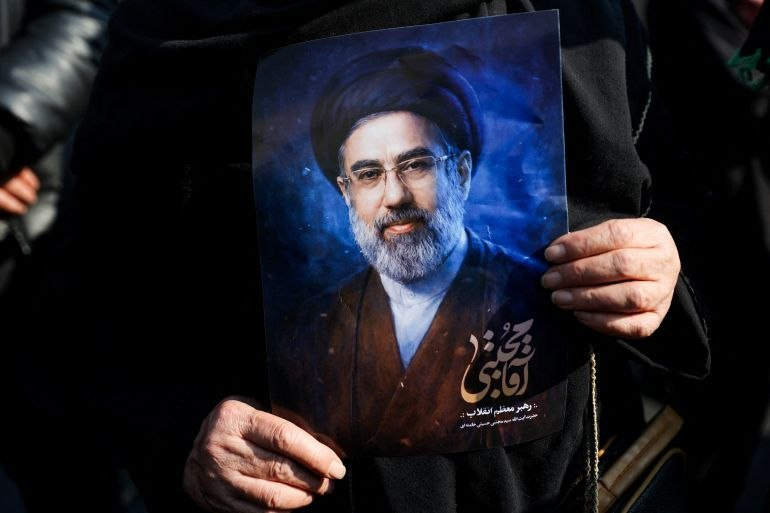
Iranian Supreme Leader Mojtaba Khamenei outlined ten strategic points on the Persian Gulf and the Strait of Hormuz on Sunday, stating the presence of US forces is the most important factor causing insecurity in the region, pointing out that US bases were incapable of ensuring their own security, let alone outer countries.
The Supreme Leader declared that the Gulf’s bright future will be without America, serving the progress and welfare of its nations, describing Iran and its neighbours as sharing the same fate, and said that troublemaking foreigners had no place in the Gulf except at the bottom of its waters.
Khamenei added that Iran’s chain of victories represented the dawn of a new regional and world order and that by exercising management over the Strait, Iran would make the Gulf region secure, dismantle ‘enemy’ exploitation, and bring economic benefits that will gladden the hears of the Iranian people.
Tasnim News Agency and Israeli N12 reported that a bulk carrier Mdl Toofan, flying the Panamanian flag and heading to Rio Grande, Brazil, crossed the Strait of Hormuz that was ‘designated by the Iranian Armed Forces’ on Sunday afternoon, which is the second ship to pass along the designated route since Saturday.
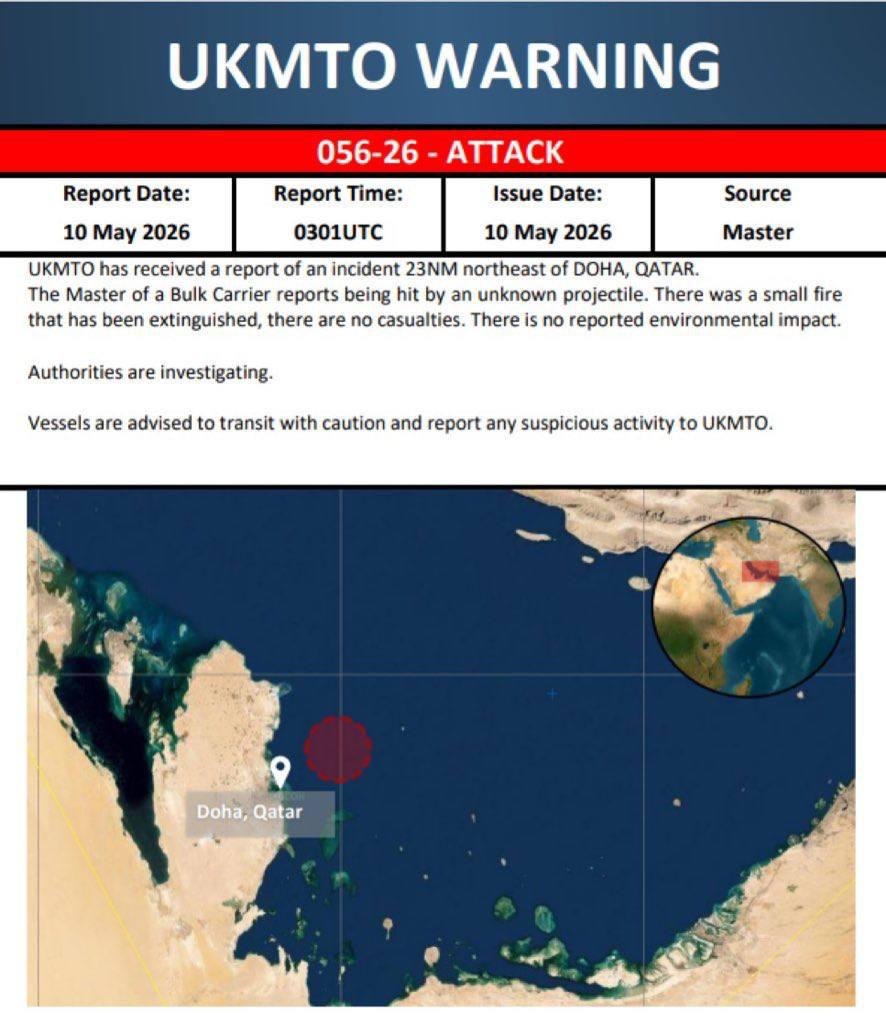
UKTMO reported that a bulk carrier was struck by an unknown projectile 23 nautical miles northeast of Doha, Qatar, causing a small fire that was later extinguished, as the leader of the Iranian army published a statement claiming responsibility.
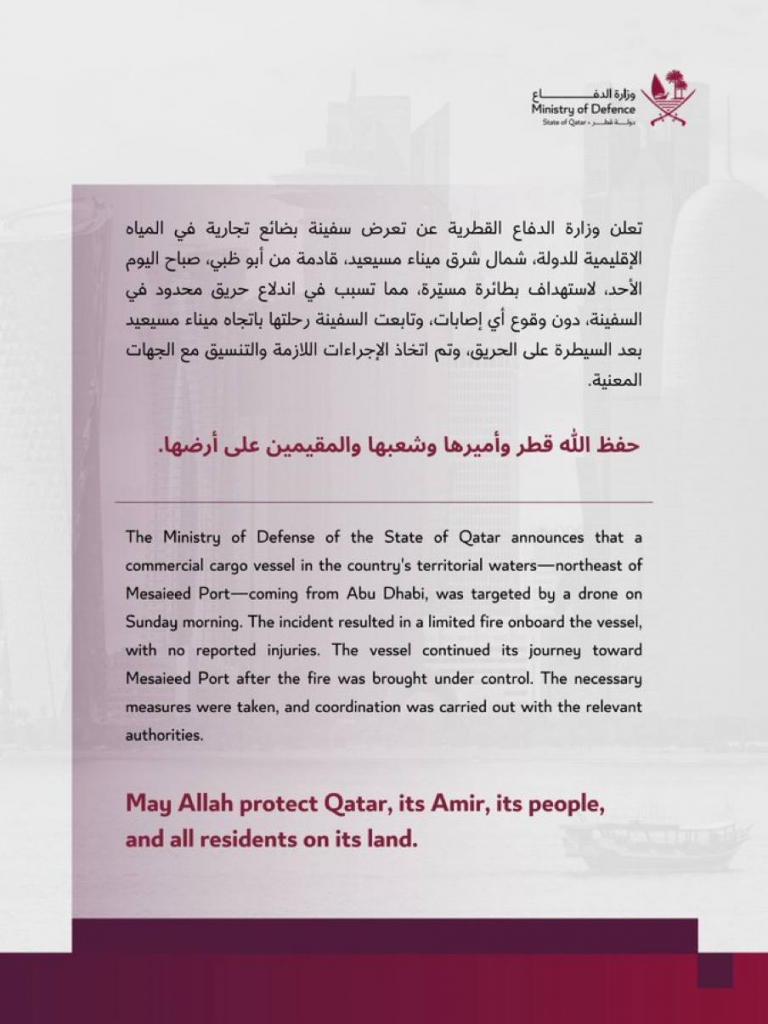
Qatar’s Ministry of Defence later said that a commercial cargo vessel in the country’s territorial waters northeast of Mesaieed Port was targeted by a drone on Sunday morning, causing a limited fire on board, but no injuries were reported and the vessel continued its journey from Abu Dubai to the port after the fire had been brought under control.
“The State of Qatar expressed its strong condemnation and denunciation of the drone attack on Sunday morning on a commercial cargo vessel in Qatari waters which caused the small fire,” a later report said, adding that: “The Ministry of Foreign Affairs considers the act a blatant violation of the principle of freedom of navigation and the provisions of international law, and a dangerous and unacceptable escalation that threatens the security and safety of maritime trade routes and vital supplies in the region.

Footage published by Warfront Witness appeared to show the evidence of the alleged Iranian attack on the South Korean cargo ship HMM Namu in the Strait of Hormuz last week, which was struck by two objects, stressed to be drones rather than cruise missiles.
Damage included a hit to the rear ballast tank, a 5-metre-wide and -7-metre-deep breach in the port side stern, and a hit to the engine room that caused an internal fire, after being attacked while in UAE waters, and was towed to a repair yard in Dubai, while 24 crew members, including 6 South Koreans, avoided injury.
Nothing has been able to weaken Iran’s control over the strait of Hormuz, reported the Associated Press, stating after the attack by US and Israel, Iran effectively took control of the Strait, and weeks of heavy bombing and a naval blockade by the US still hadn’t weakened control.
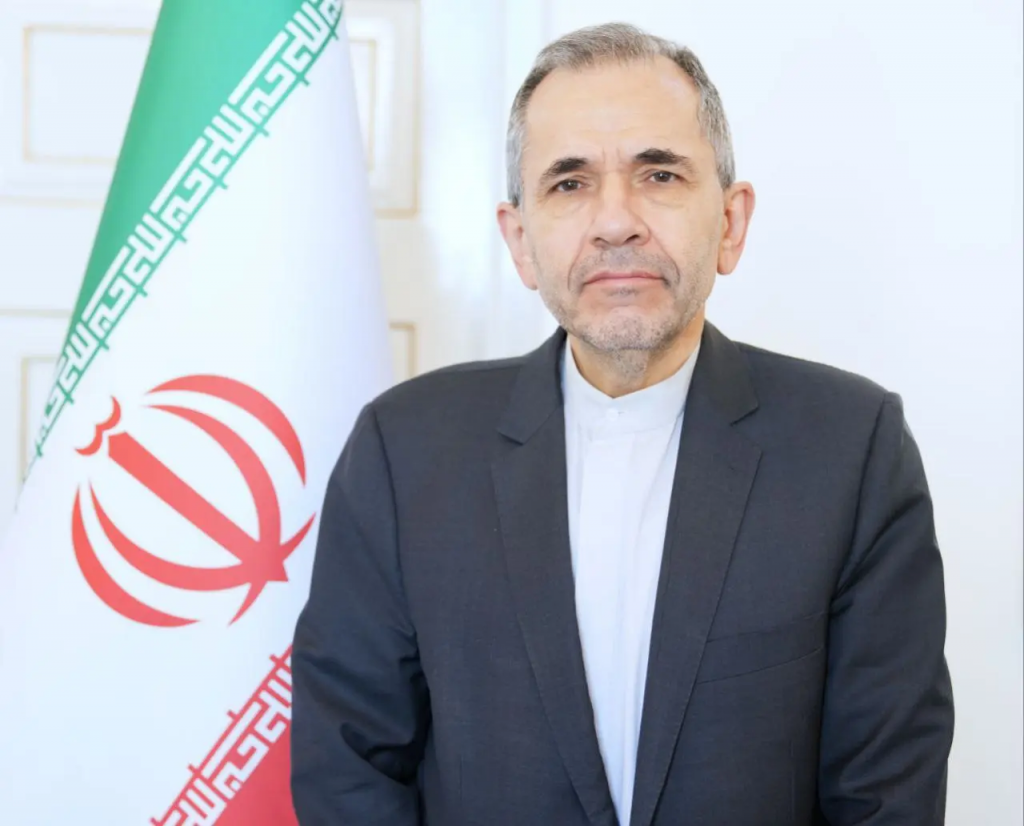
Deputy Foreign Minister Majid Takht-Ravanchi said on Sunday that any deployment or stationing of destroyers around the Strait of Hormuz under the pretext of protecting navigation is nothing but an escalation of the crisis: “The presence of French and British warships in the Strait of Hormuz will face an immediate and decisive response,” he said.
Takht-Ravanchi continued: “Maritime navigation security cannot be achieved through military power demonstrations – the source of insecurity is the use of force and constant threats against coastal countries, as well as naval blockades.”
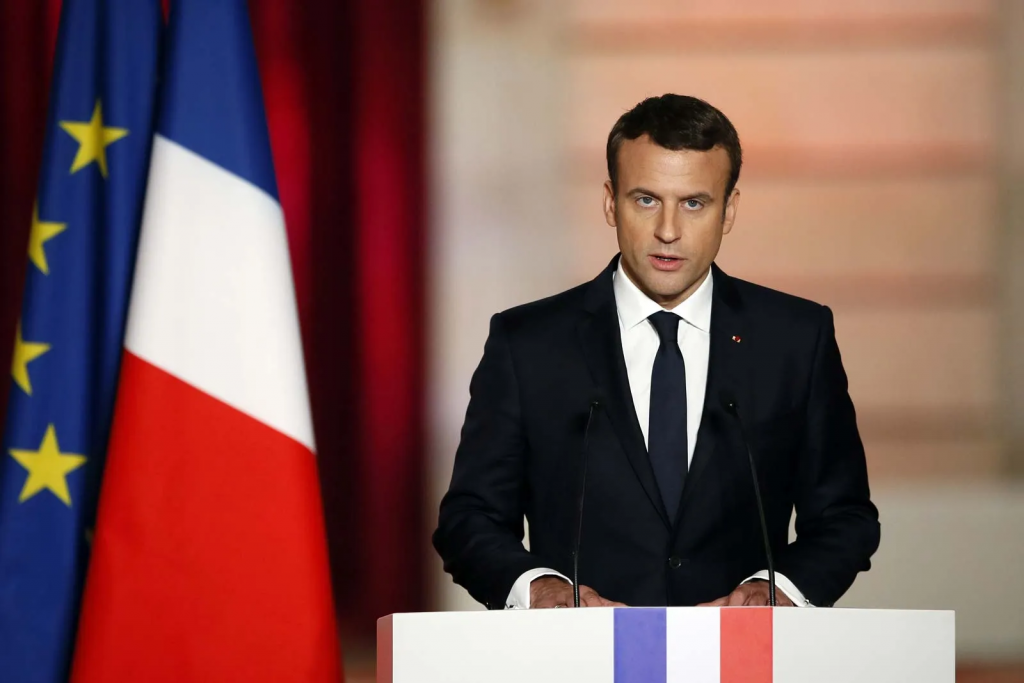
French President Emmanuel Macron denied on Sunday that France had considered deploying a force to reopen the Strait: “That has never been France’s option,” he told reporters. calling on everyone to remain calm and responsible because there is far too much verbal escalation that could lead to physical escalation: “And the most vulnerable people on the planet are the first victims of it, but today we are all victims of what is happening,” he added.
Iran’s dominancy over the Strait of Hormuz has shaken the global economy and caused a surge in fuel prices, a wave that has spread to other sectors and whose consequences have gone far beyond the Middle East.
According to a Lloyd’s List report, 534 ships had passed through the Strait of Hormuz between 28 February and 4 May, many of them carrying Iranian oil, reported the AP, stating that under normal conditions, around 6.500 to 8,450 ships would pass through the Strait in the same period, while adding that shipping experts report the insurance rate for ships in the Strait has jumped from 1% of the value of the ship’s cargo, to 10%.
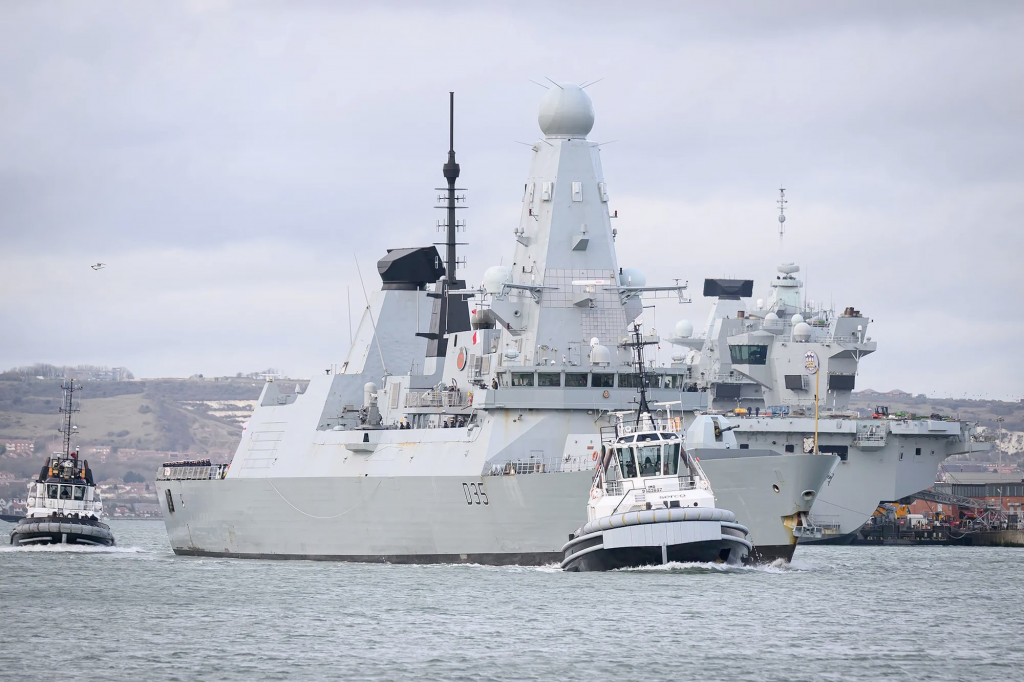
More than 40 nations are due to meet on Monday to outline military contributions for a European-led mission to escort ships through the Strait of Hormuz once a stable ceasefire is in place, with the UK and France leading the defensive naval operation, expected to include demining, escort and air policing capabilities, Bloomberg reported.
Official conversations:
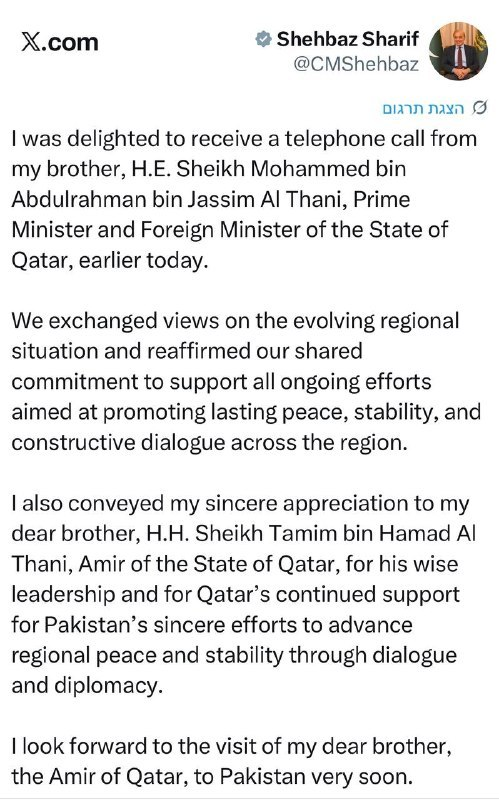
Pakistan Prime Minister Shehbaz Sharif wrote on X that he’d held a call with the Prime Minister and Foreign Minister from Qatar, exchanging views on the evolving regional situation and renewed their joint commitment to support all ongoing efforts to promote lasting peace, stability, and constructive dialogue in the region.
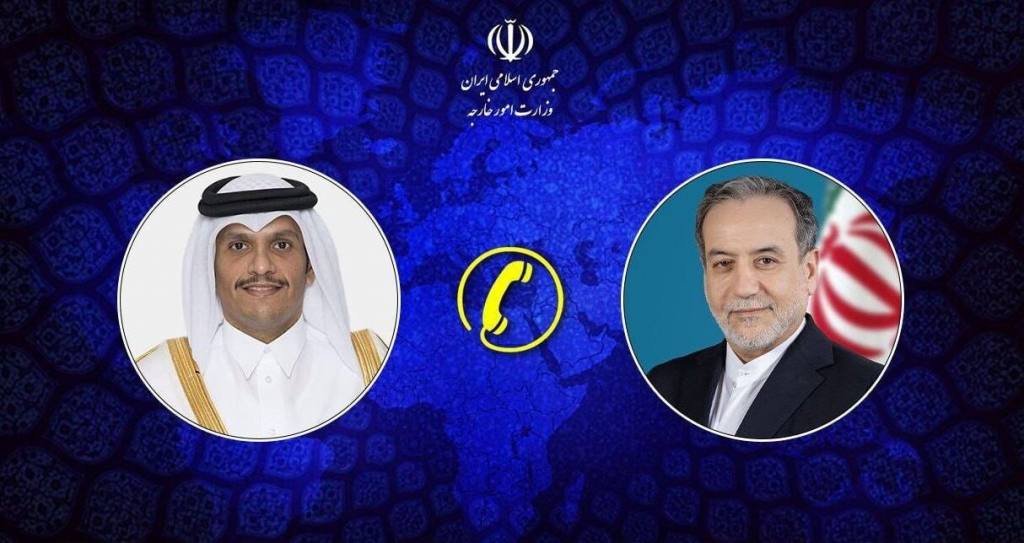
Iranian Foreign Minister held a phone call with Sheikh Mohammed bin Abdulrahman Al Thani, Prime Minister and Foreign Minister of Qatar, where they exchanged views on the latest regional developments and ongoing diplomatic trends. as Qatar reaffirmed support for mediation efforts to resolve the crisis through diplomatic means.
Qatar urged all parties to engage in a way that would advance negotiations and avoid escalations, stressing that freedom of navigation must be protected, warning that closing the Strait of Hormuz or using it as leverage would deepen the crisis and threaten regional and global food and energy supply chains.
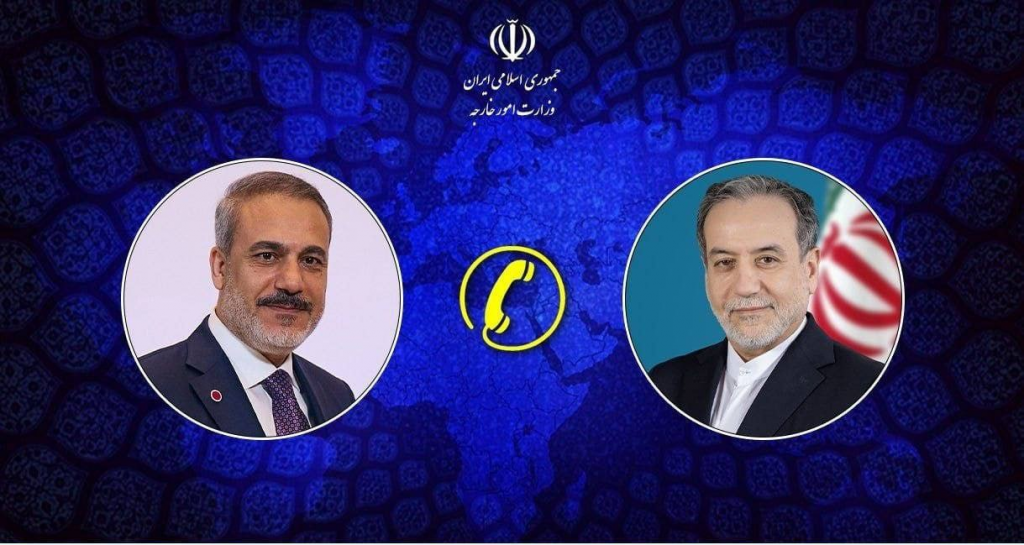
Araghchi held a call with Turkish Foreign Minister Hakan Fidan to discuss the latest status of the ongoing negotiations between Iran and the US, as well as regional and international developments.
Israeli Channel 12 reported that a call between Prime Minister Netanyahu and President Trump was due to take place, following the Iranian proposal being received by Iran, and soon after, Netanyahu was called away from a Druze community conference to speak with the US President for around an hour, before the Trump returned on Truth Social saying ‘No Deal.’
More on the secret Iraqi base:
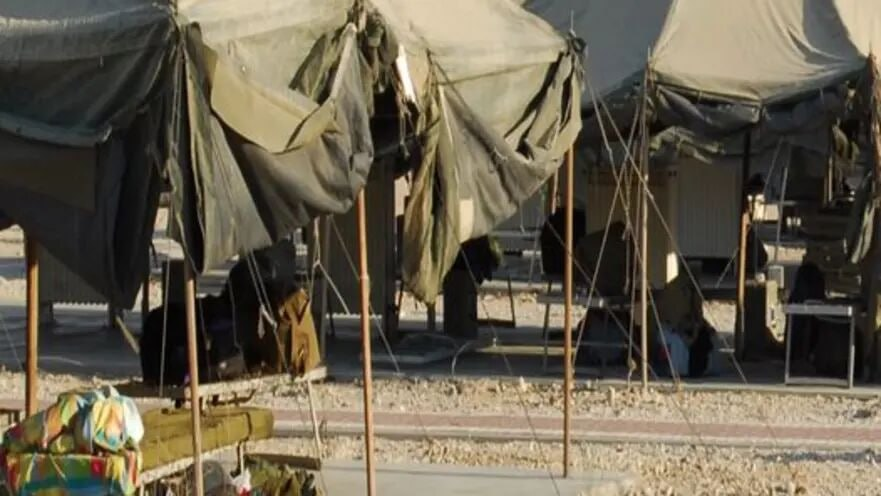
An Iraqi security source told Al Jazeera there was no indication of an Israeli force presence in the western desert during the war, suggesting it was likely US forces, adding that troops carried out uncoordinated drop operations in the Badia regions of Najaf and Samawa during the war, and that the area the media is talking about is ‘deserted and completely isolated from any security or residential presence.’
Saudi Al-Hadath said they were told by an Iraqi official after the Wall Street Journal report that Israel had established a secret military base in Iraq: “During the war with Iran, an ‘unidentified’ military presence was observed in the desert in western Iraq, but we were unable to identify the forces present in the Anbar desert, and the US warned us against approaching there for security reasons.
Iranian news outlet IRNA claimed Israeli media had addressed the issue of a secret base belonging to the Israeli Army in Iraq, alleging the base was the station for special forces and served as a logistical centre for the Israeli Air Force, operating just before the start of the war, adding that rescue teams were also stationed at the base, and that it was constructed and equipped in coordination with the United States.

Head of Iraq’s National Intelligence Service Hamid Al-Shatri said on Sunday evening that following an extensive search operation of the area, Iraq denied any presence of foreign forces and equipment in the deserts of Karbala and Najaf, stating some media outlets published about a heliborne operation in western Iraq which actually referred to an incident on 5 March, 2026, when Iraqi forces clashed with ‘unidentified groups supported by air cover and prevented their deployment.’
News from Iran:
President Masoud Pezeshkian released a short statement of encouragement on Sunday, saying: “Our people will never submit to the enemy, and talking about negotiations does not mean surrender or retreat,” adding that the people should realistically understand the country’s situation and existing constraints, noting it was natural that there would be difficulties: “Problems can be solved through people’s cooperation and by relying on national cohesion and unity,” he said.
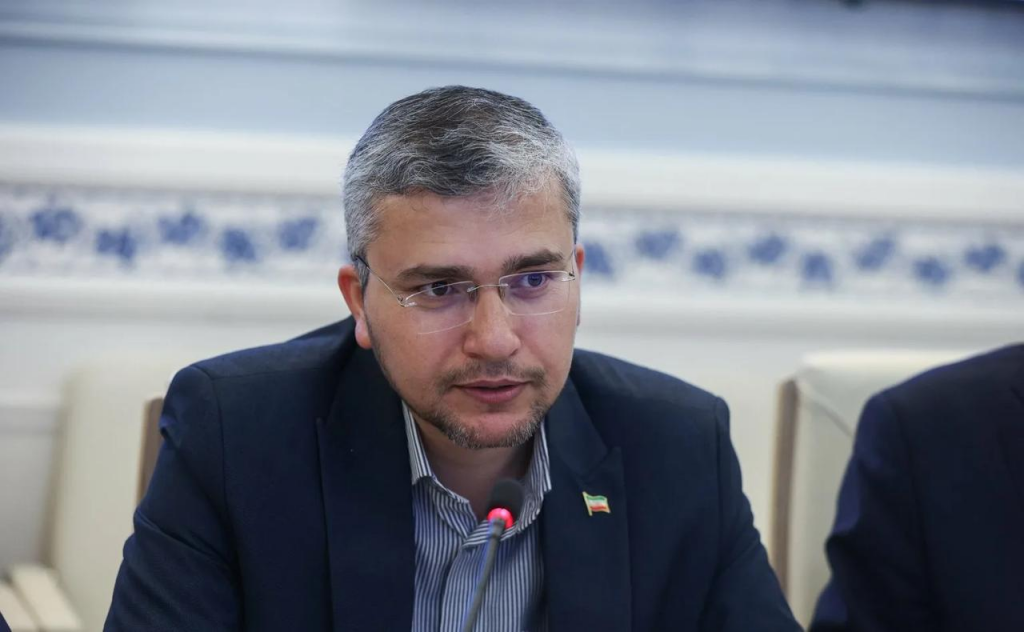
Spokesperson for Iran’s Parliament’s Foreign Policy and National Security Committee, Ebrahim Rezaei, said that starting today, Iran’s restraint has come to an end: “Any attack on our vessels will be met with a heavy and decisive Iranian response against US ships and bases,” he said.
Rezaei stated that time was working against the Americans: “It is in their interests not to act foolishly and sink deeper into the quagmire they have entered,” stating the best course of surrender is to make concessions: “You must get used to the new regional order,” he added.
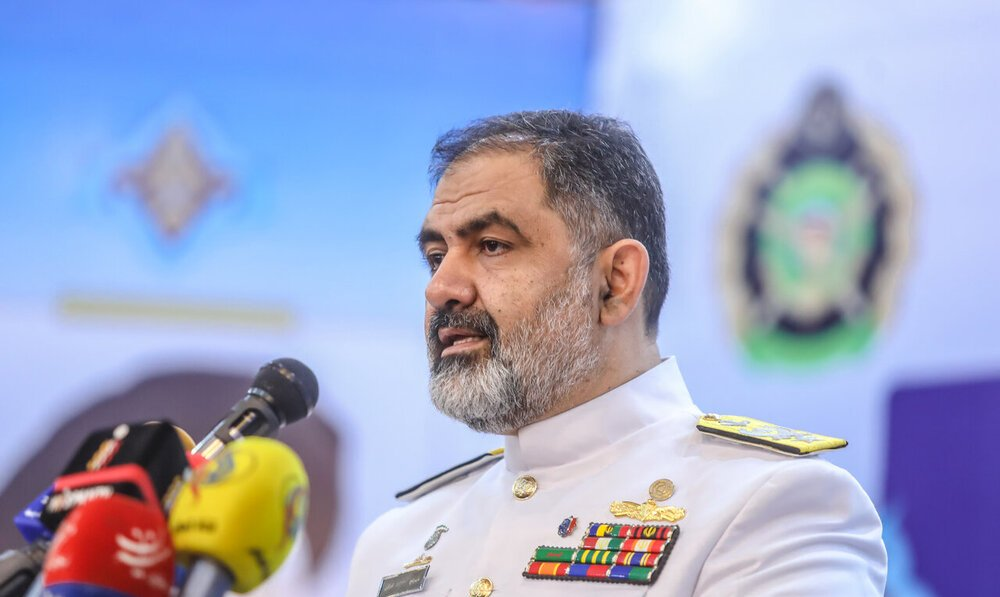
Rear Admiral Shahram Irani, the Commander of the Iranian Navy, told Tasnim News that domestically built light submarines, tailored to threats, capacities and needs, are on the trigger in the waters of the Strait of Hormuz, expanding and bottoming out, noting that they surfaced in an operation named in the memory of those who died on the Dena destroyer in the Strait to demonstrate the country’s maritime defence power, before heading back to the depths of the sea to continue their assigned missions.
Director-General of Tehran’s Municipality Environment Department stated that during the war, more than 100 kilowatts of the capital’s solar panels were damaged, but teams were currently reinstalling these panels, adding that all damaged panels would be replaced with new ones by the end of the year.
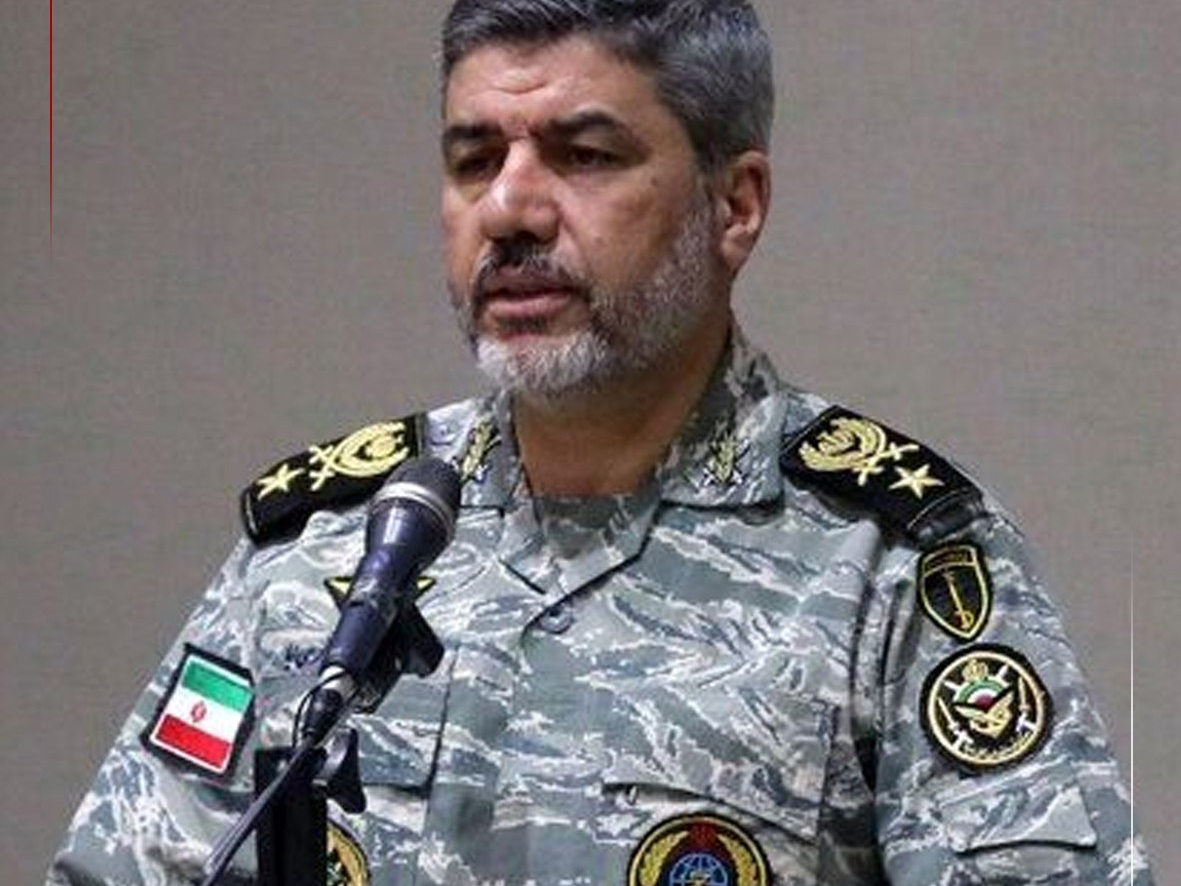
Iran’s army spokesperson Brigadier General Akrami Nia said on Sunday: “If the enemy makes a miscalculation again and attempts aggression against Iran, it will definitely face other surprising options,” stating these options included more advanced and new equipment, new methods of warfare and new arenas of war: “This means the war will enter new arenas that the enemy has not predicted or considered in its plans, and we can surprise the enemy in this domain,” Tasnim News reported.
The head of Iran’s Interests Section in Egypt Mojtaba Ferdosipour said that Egypt’s military presence in the region should not serve the interests of Israel, noting that Egypt is a major regional power in the Middle East and had the right to do what it seemed appropriate, however, the important issue was that Egypt didn’t participate in any action that helped Israel in the war against Iran.
US State Department sanctions have now been introduced against The Earth Eye, a Chinese company that sold a high resolution satellite to Iran last month, which Iran then used to target US assets in the Middle East, according to the Financial Times.
Iranian TV reported that the Commander of the Khatam al-Anbiya Headquarters, Major General Abdollahi, presented a readiness report to Supreme Leader Mojtaba Khamenei, confirming that Iranian forces were at a high state of preparedness, stressing that any mistake or act of aggression would be met with a firm and swift response, and that plans are in place to counter hostile actions by the Americans and ‘Zionists,’ while the Supreme Leader issued new directives to ‘continue confronting enemies with strength and determination.’
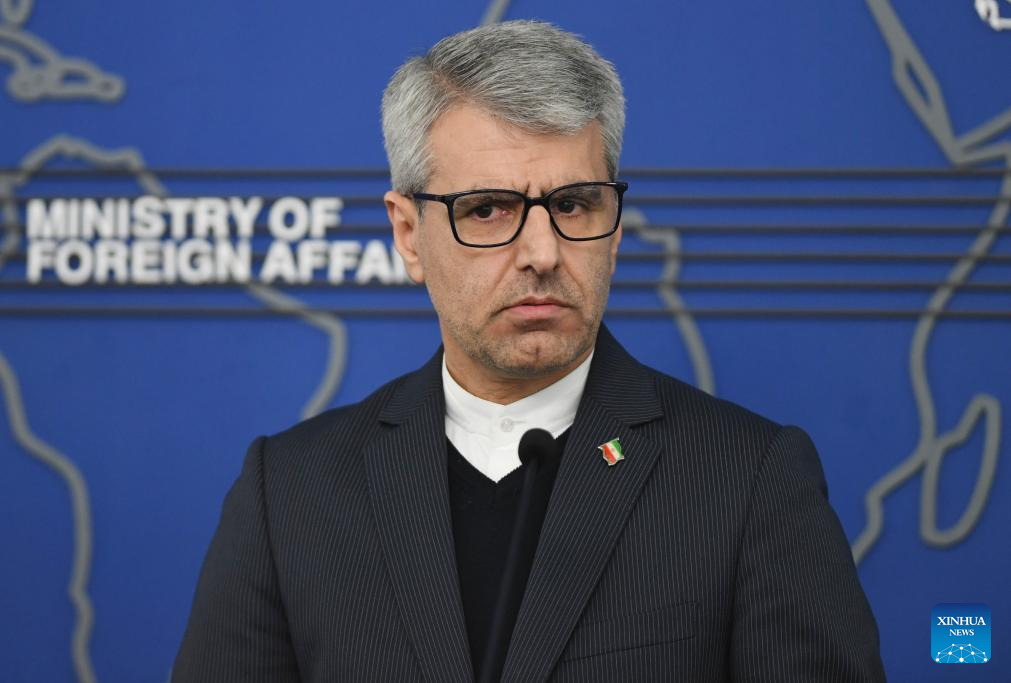
Spokesman for the Iranian Foreign Ministry Esmaeil Baghaei said on Sunday that the task of the Atomic Energy Agency is to verify and monitor, not to send political messages regarding the Strait of Hormuz: “When professional neutrality is sacrificed for political goals or personal ambitions, institutions lose their credibility and effectiveness,” he said, adding: “Abbas Araghchi discussed with his Qatari counterpart Mohammed bin Abdulrahman, the latest regional developments and diplomatic process.”

Baghaei later references the historic Persian defeat of Rome at the Battle of Carrhae, saying Iran has repeatedly resisted powerful empires and warning that those who ignore history are doomed to repeat its mistakes.
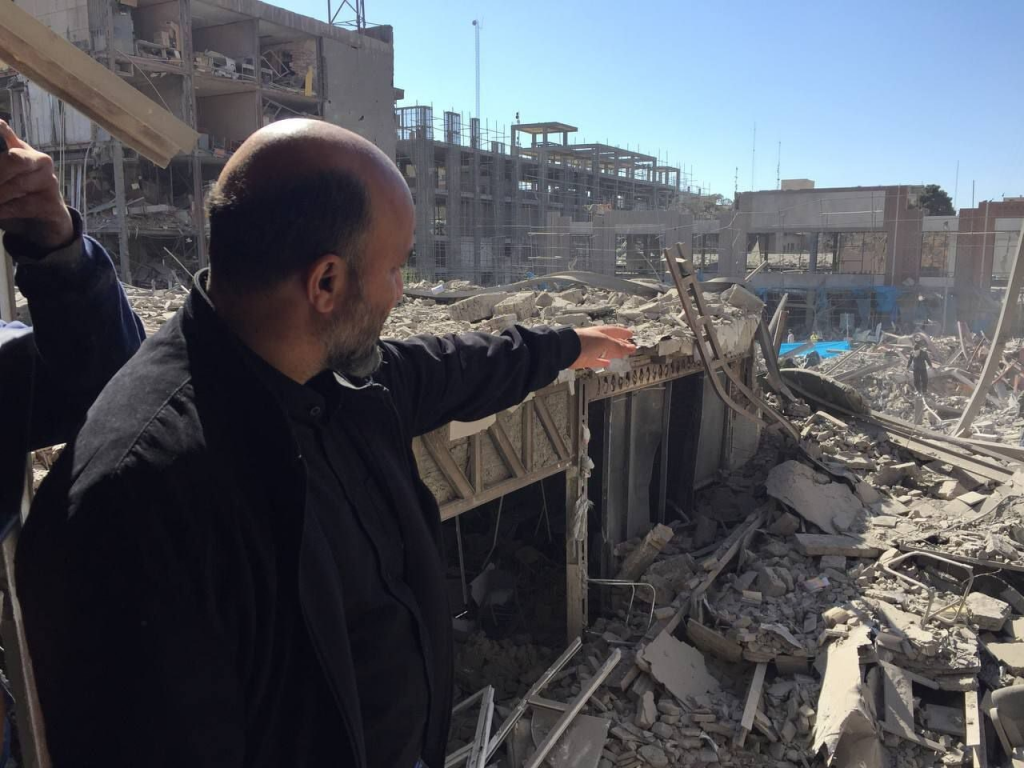
Damage was caused to more than a thousand schools, while 16 educational units were completely destroyed, the Deputy Minister and Head of the Organisation for Renovation, Development, and Equipment of schools in the Country told IRNA: “During the third imposed war, 1,288 school spaces across the country were damaged, of which 16 educational units were completely destroyed, and the construction of these schools will probably take until next year.”
Iranian oil tankers have been using an alternative route to the closely monitored Malacca Strait, heading via the East Bali passage through the Lombok Strait, and Indonesia confirmed that Iranian tankers have the legal right to pass through this waterway following reports of two Iranian-flagged tankers passing through on Saturday.
News from the USA:
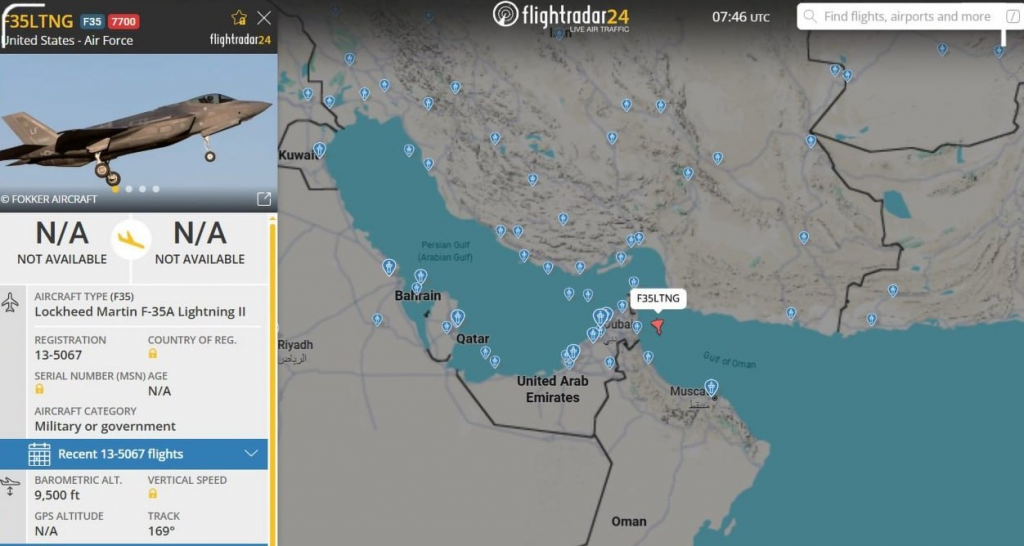
An American F-35 Lightning II fighter jet squawked 7700 over the Sea of Oman on Sunday morning, after taking off from a warship according to analysts following FlightRadar24, and sending the code means there is an emergency situation requiring an urgent landing, but the reasons are currently unknown, as it headed to Saudi Arabia to land.

President Trump shared a Newsmax interview on Sunday afternoon that showed an interview with Israeli Foreign Minister Gideon Sa’ar, where he praised Trump for ‘showing remarkable leadership in addressing Iran’s nuclear program.’

The President also posted clips of Mark Levin arguing that pressure on Iran should continue, suggesting another round of fighting may be unavoidable to strengthen the US position ahead of further negotiations.
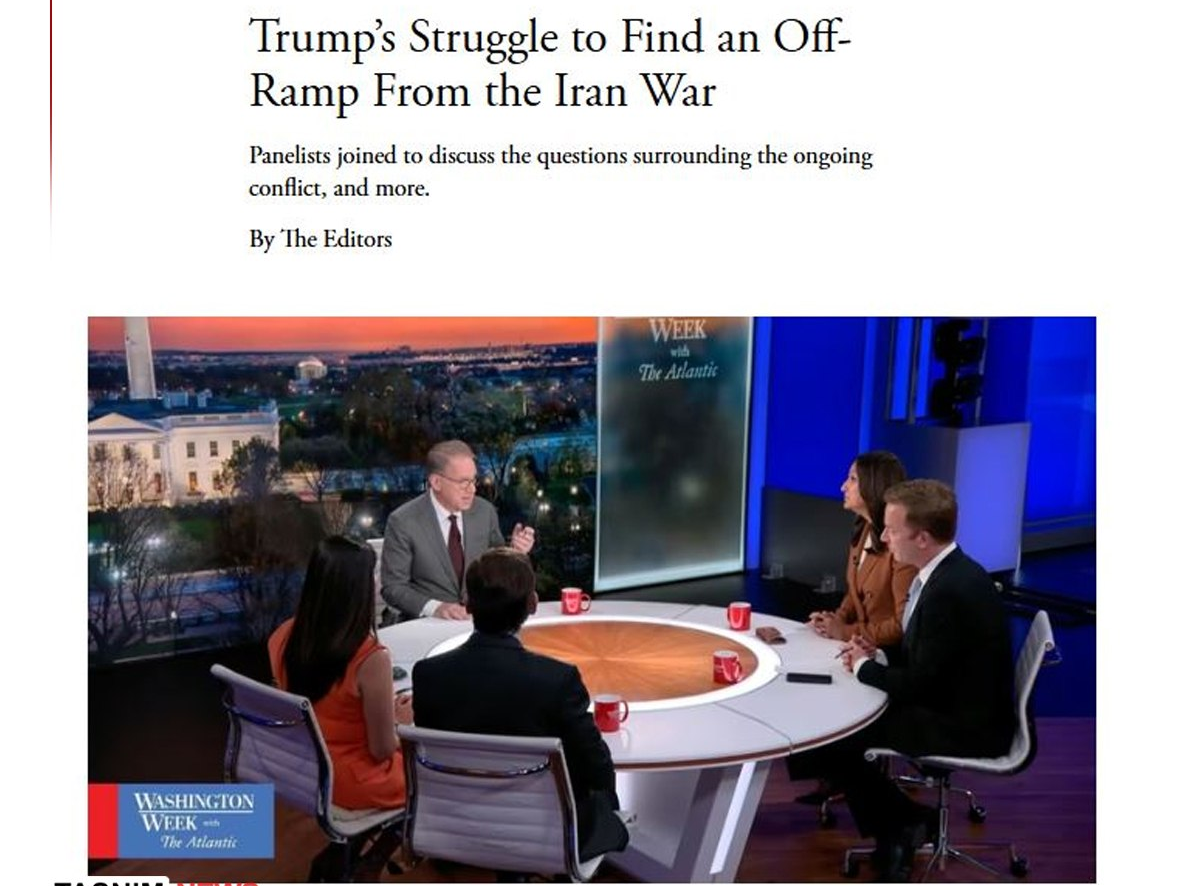
Iran is in a better bargaining position and unwilling to accept harsh conditions desired by Washington, while President Trump is tired of the war, reported the Atlantic, who were told by an advisor close to the president that Trump is seeking a quick exit and dignified way out from the current crisis that the US started.
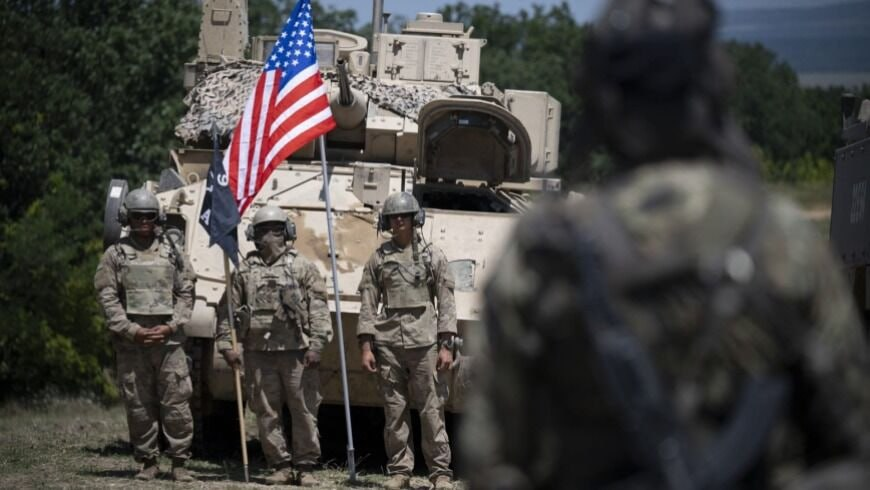
Following the recent long-term rental of an hotel in Eilat that forced vacationers to change holiday plans this year so that US forces could occupy it, Israeli Hayom reported that the US was currently present in Israel and had no plans of leaving in the near or distant future, revealing that the United States were considering deploying military forces permanently, and the action was under review as part of the security agencies’ assessments of the future of the presence in the region.
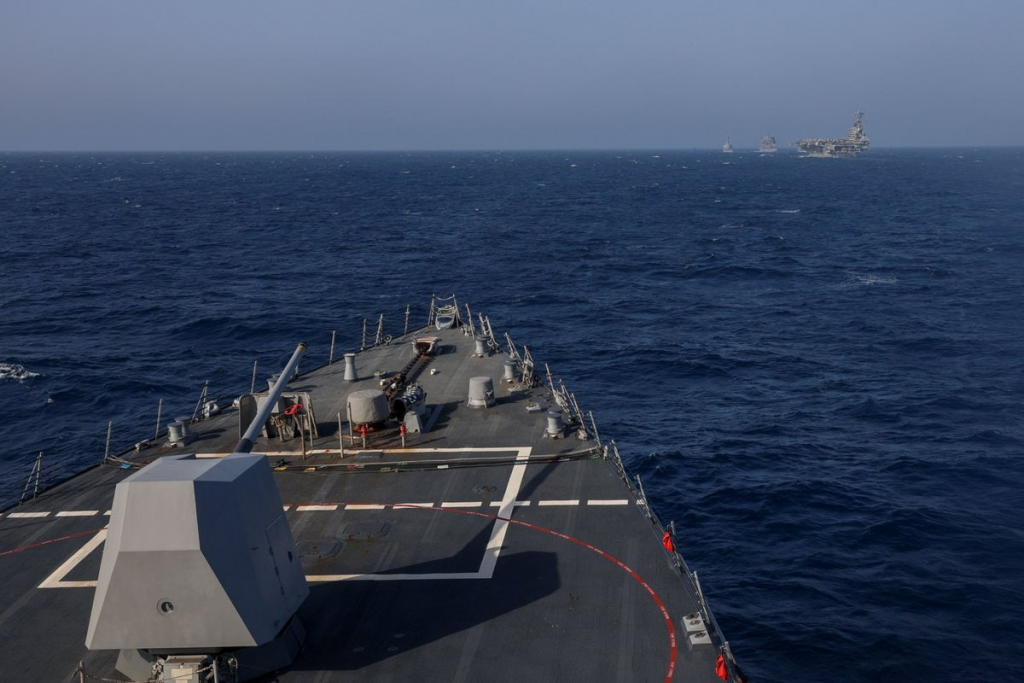
Central Command said on Sunday that the US Navy had over 20 US warships enforcing the blockade against Iran, noting that forces had so far redirected 61 commercial vessels and disabled four others to ensure compliance.
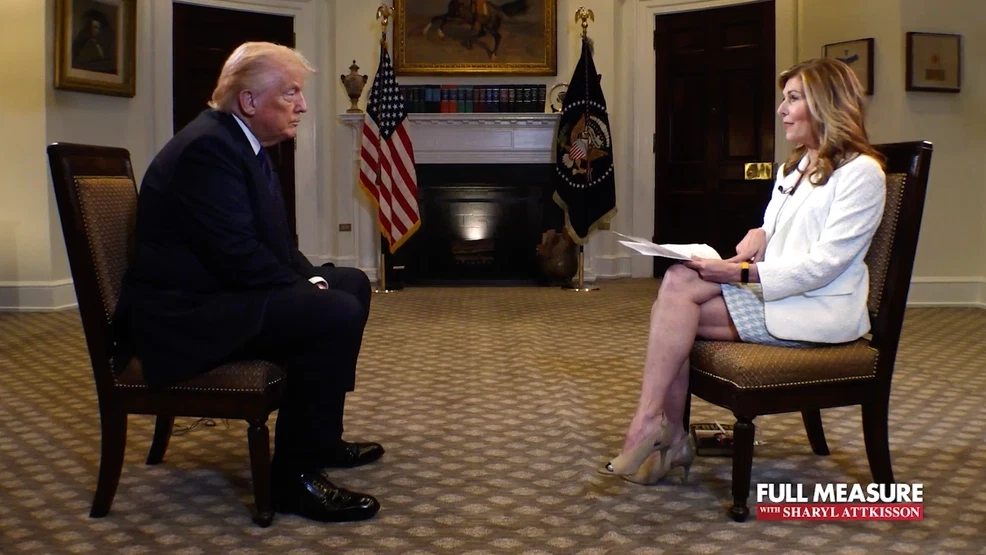
When asked in an interview by Sharyl Attkisson on Full Measure whether it was accurate to say the combat operations were over, President Trump claimed he hadn’t said that, claiming he said they were defeated, but that doesn’t mean they’re done: “We’ve done probably 70% of targets, we have other targets that we could conceivably hit, but even if we didn’t do that, it would take them many years to rebuild.”
President Trump also said that he would get Iran’s enriched uranium whenever he wanted: “We have it under surveillance,” he said, noting that he created Space Force, and they were watching the site: “If somebody walks in, they can tell you his name, his address and the number on his badge – if anybody gets near the place, we will know about it, and we will blow him up,” Trump added.
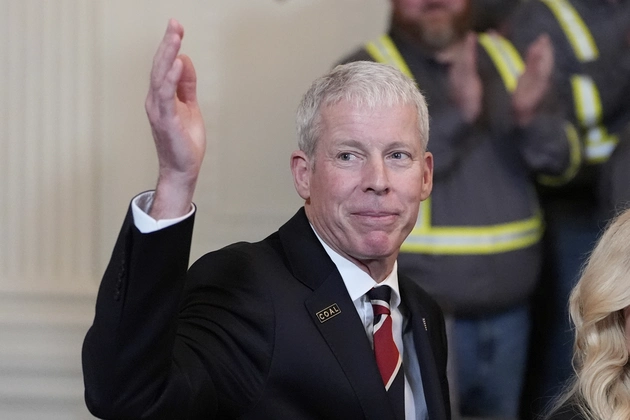
Energy Secretary Chris Wright said that the US were actively clearing the Strait, but the US didn’t stop Project Freedom at Iran’s request, stating that if the US military opened the Strait, it would be a challenge and it wouldn’t be a one-to-two day endeavour.
Wright claimed Iran said that they wanted to make a deal to reopen the strait: “So the pause of that military effort to open the Straits is to get a negotiated settlement with Iran,” stating a successful deal is great as it’s an end to the conflict: But that takes time,” he said, adding: “We’re just talking about letters going back and forth, a memorandum of understanding.”
The Washington Times posted a headline saying that gas prices had topped $7 per gallon in California due to the disruption in the global oil supply, stating the situation has not only put additional economic pressure on American families, but has also placed the government under intense political pressure to find an immediate solution to stabilise the energy market.
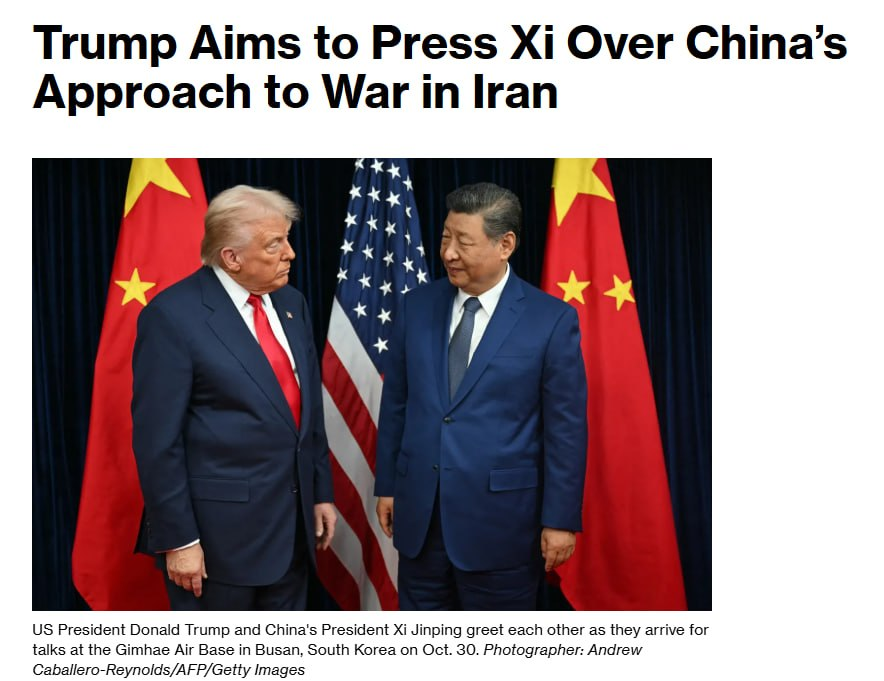
President Trump is expected to press President Xi Jinping over China’s relationship with Iran during their summit next week, including Chinese oil purchases that provide revenue to Tehran and concerns about potential Chinese weapons exports to Iran, senior US officials told Bloomberg, stating that the two leaders are also expected to discuss AI, agriculture, and energy issues, along with continued talks to create a framework to regulate trade exchanges between the two superpowers.
Other News:
Traders placed up to $7 billion in well-timed bets on falling oil prices shortly before major Iran-related announcements by President Trump and Iranian officials in March and April, a Reuters investigation found, stating the trades were spread across crude oil, diesel and gasoline futures on the Intercontinental Exchange and CME group.
Reuters reported that the trades were occurring minutes before ceasefires, delays to attack and the reopening of the Strait of Hormuz, which led to sharp oil price drops, and the commodities Futures Trading Commission are working together with the Department of Justice to actively examine the trades amid concerns they have have involved insider information.
Tasnim News quoted a report by Nobel Laureate in Economics, Paul Krugman, who said that just 70 minutes before a report by Axios this week about the US and Iran nearing a 14-point agreement to end the war was released, about $920 million in short positions on crude oil were established, and after the news broke, oil prices dropped by more than 12%, resulting in approximately $125 million in profit from the trades.
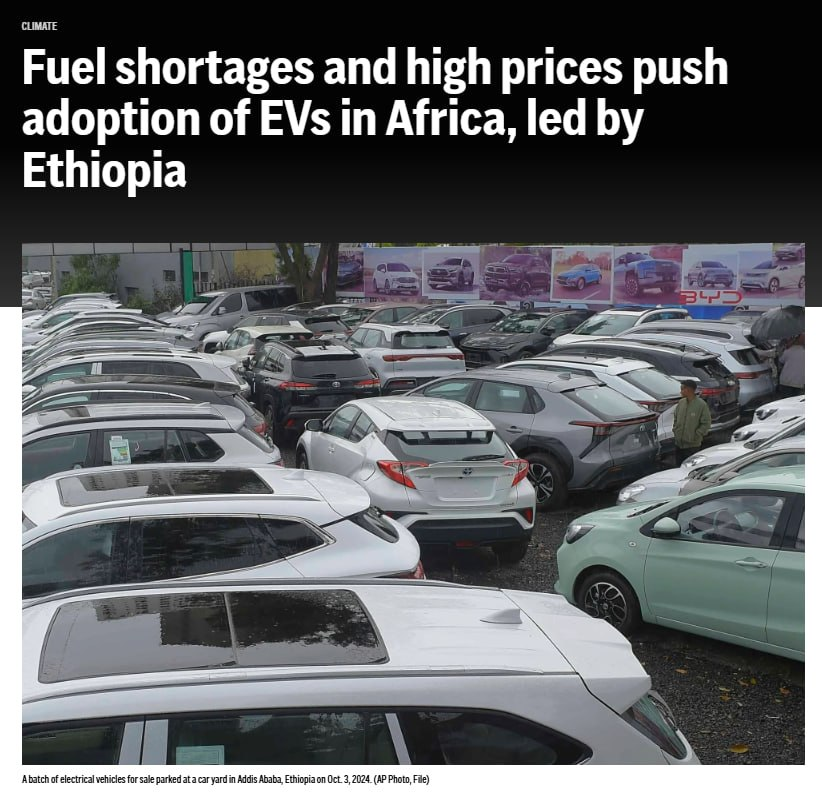
Africa have joined the US in the rapidly increasing use of electric vehicles, led by Ethiopia, and supplied by China, as souring fuel prices and shortages linked to the Iran war push countries towards cheaper and cleaner transportation alternatives, reported the AP.
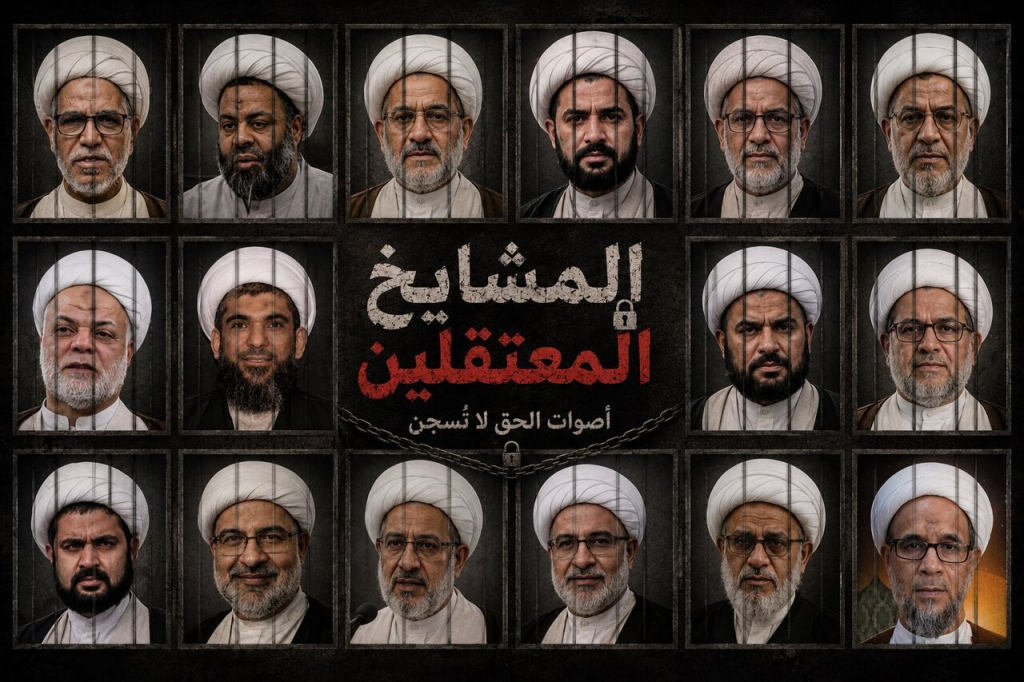
Citizens in various regions of Bahrain took to protest marches, despite strict security controls, condemning the arbitrary arrests of dozens of Shia clerics and targeting of the religious community, while resistance groups and political activists in Bahrain warned the Al Khalifa regime, demanding the immediate release of the detained clerics and the cessation of illegal and provocative actions against Shias in the country, IRNA reported.
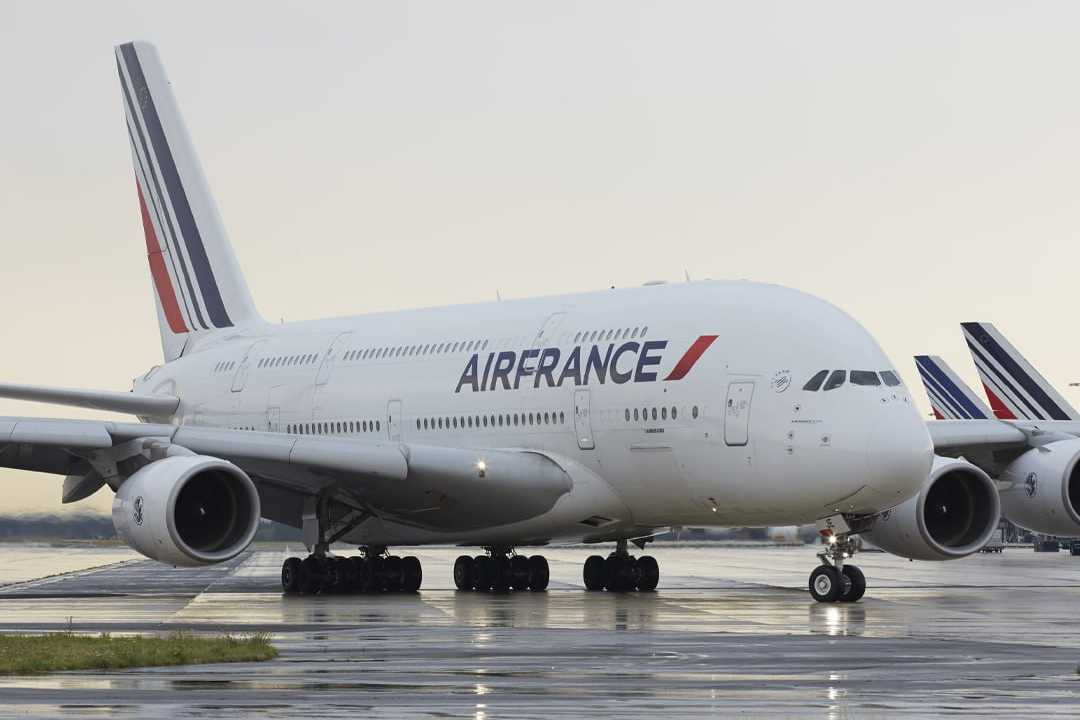
Flights to four Middle Eastern countries were cancelled by Air France this weekend, they said in a statement, stating that due to security conditions, all flights to Dubai, Riyadh, Tel Aviv and Beirut had been cancelled until 20 May, and the resumption of flight operations will depend on a reassessment of the local situation, which is rapidly changing, Fars News reported.
Germany may be affected by widespread flight cancellations due to the increase in fuel prices, which could affect around 20 million passengers, reported Ralph Beisel, CEO of the German Airports association, in an interview with Welt am Sonntag, adding that the main problem remained the high price of airline fuel, and even if fuel was available, many routes would become unprofitable for airlines.
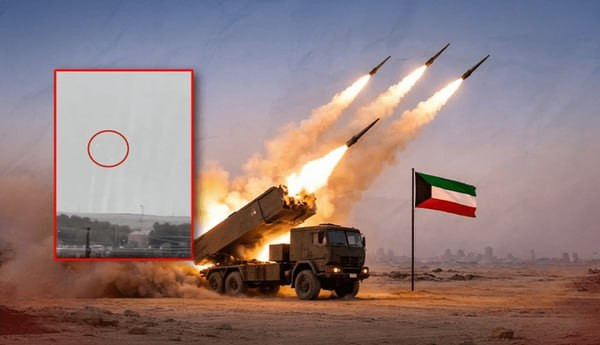
Kuwait played a large part in the war against Ukraine, while promoting the narrative of neutrality, claiming it didn’t allow American or Israeli forces to use its land or airspace as a platform for active attacks, Fars News reported, stating field realities, foreign media reports, official statements from American officials and military monitoring reports from the Islamic Republic clearly showed that Kuwait had an essential part of the operation, whether through military bases, logistical facilities, airspace, or through support, command and control systems provided to the United States.
The Kuwaiti Army published a report on Sunday morning saying that several hostile drones entered its airspace at dawn, and says it took the relevant actions against them.
Israeli Prime Minister Benjamin Netanyahu told 60 Minutes he thought the war with Iran accomplished a great deal, but it’s not over because there was still nuclear material, enriched uranium, that had to be taken out of Iran, while enrichment sites had to be dismantled, and proxies that Iran supports needed to be stopped, adding that there were ballistic missiles that Iran still wanted to produce, although forces had degraded a lot of it, all of that is ‘still there, and there’s work to be done.’
When asked how the PM envisioned getting the highly enriched uranium in Iran, Netanyahu said: “You go in and you take it out – President Trump said to me, ‘I want to go in there,’ – I’m not going to give a timetable to it, but I’m going to say that’s a terrifically important mission.”
Ben Gurion Airport in Israel are still feeling the effects of the war, reported Israeli Channel 12, announcing that 200 employees have had to be sent on unpaid leave, activities at the airport had decreased, and major airlines still refused to resume operations in Israel.
Three rockets struck Iranian Kurdish opposition group Komala Toilers of Kurdistan in the Alana Valley, northeast of Erbil, in the Kurdistan region of Iraq, but it while it remained unclear whether there were any casualties, the group said it had been targeted at least 76 times by Iran since 28 February, and the area lies near Spilk, where weeks ago Iran killed eight Peshmerga fighters in an attack, with strikes continuing despite a ceasefire.
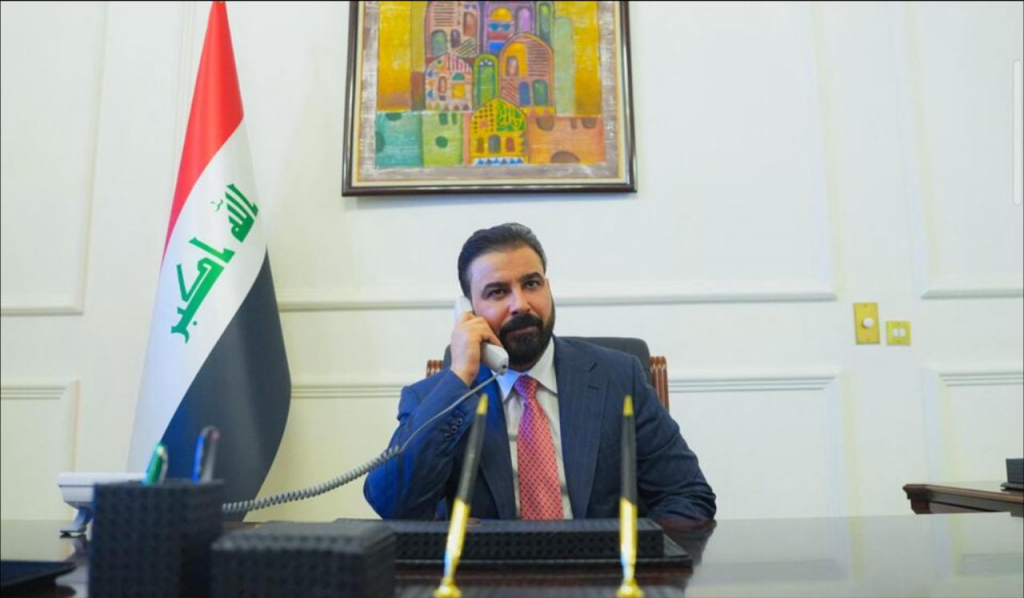
Iraqi Prime Minister-designate al-Zaidi is facing pressure from the United States to keep Iranian-backed militias out of the new Iraqi government and take concrete action against them, while also facing pressure from Iranian military officials not to exclude Iranian militia leaders from the new government or to disarm groups, the WSJ reported.
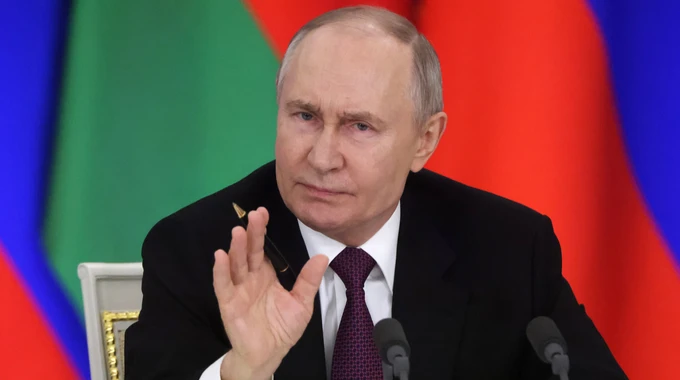
Russian President Vladimir Putin said an agreement between Iran and the United states was possible, because it was a difficult conflict that put Russia in a difficult position, so the President hoped the conflict would end as soon as possible, but if the situation escalated or the confrontation intensified, all parties are going to suffer losses.
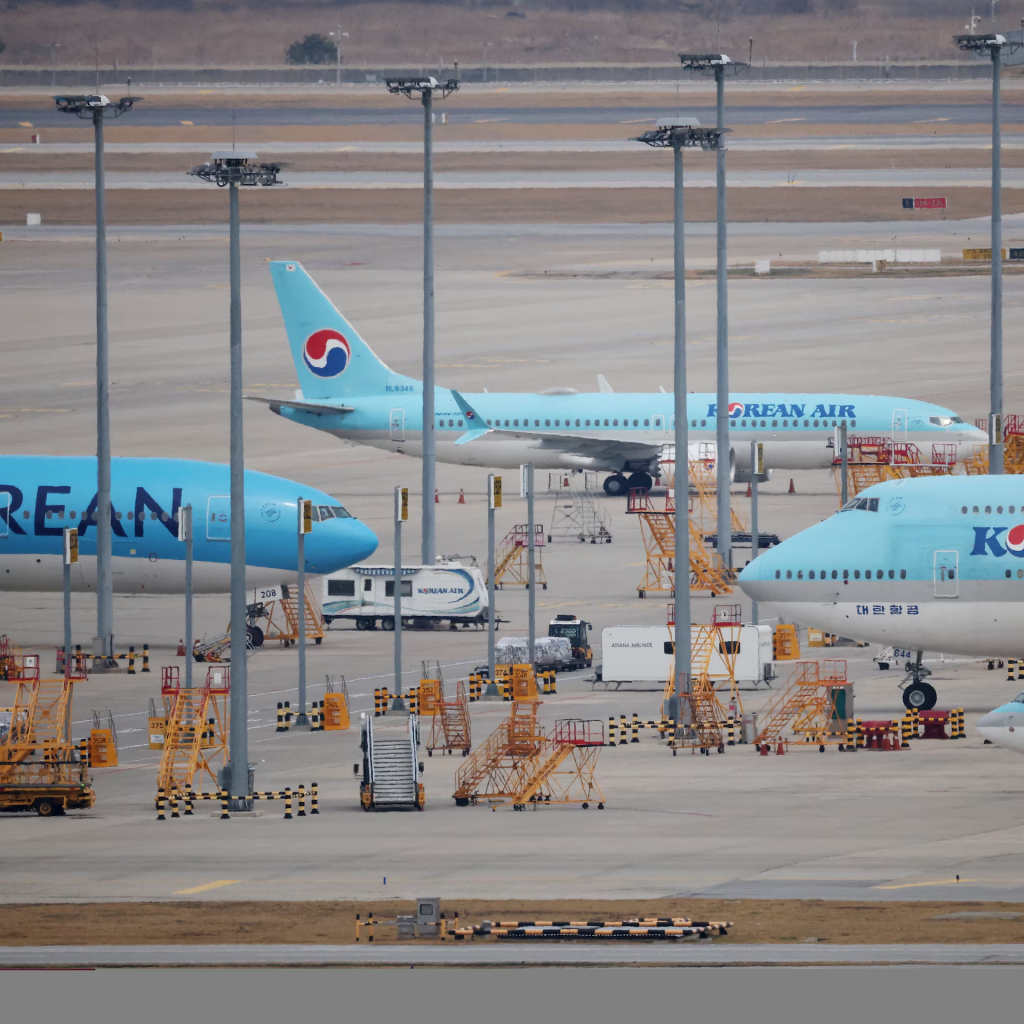
South Korea’s low-cost airlines are being affected by the consequences of the situation in the Middle East, Yonhap News Agency reported, stating South Korea’s largest low-cost airline Jeju Air had cancelled 187 international round-trip flights, Jin Air had cancelled 176 round-trip flights, and Asiana Airlines had cancelled 27 round-trip flights, while South Korea’s largest airline Korean Air hasn’t changed its schedule as of yet, but announced it was closely monitoring the situation under an emergency management system.
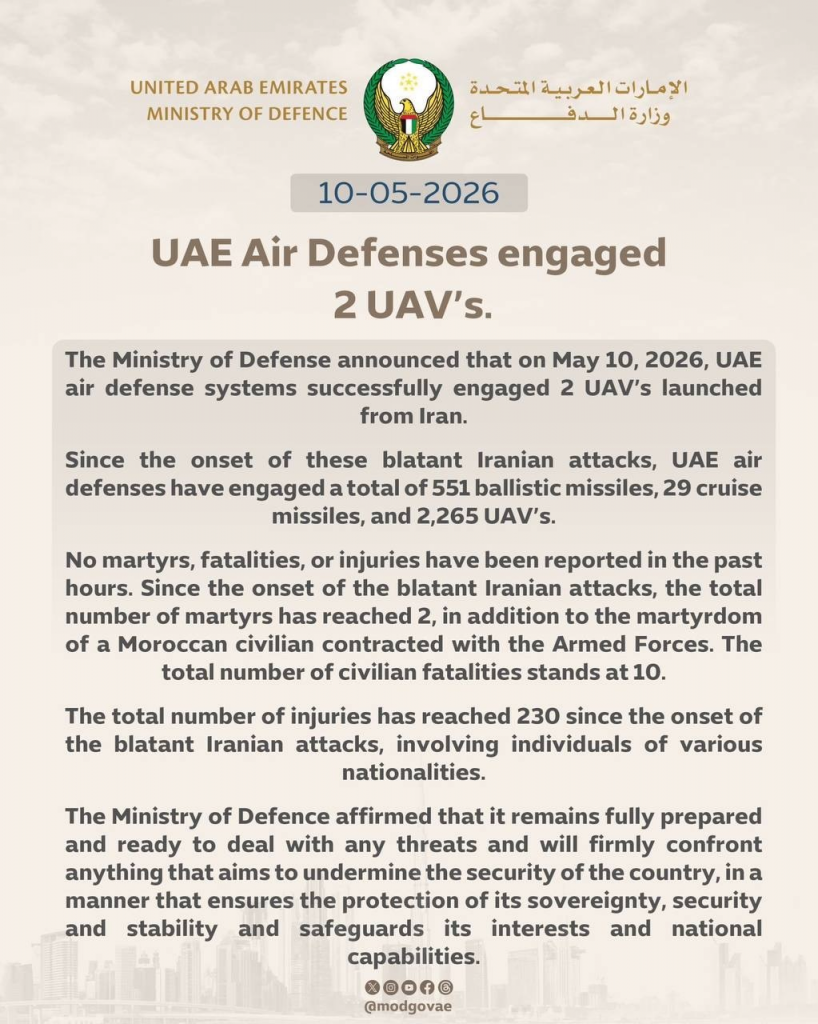
UAE’s Ministry of Defence reported that the air defences had intercepted two drones in the past 24 hours from Iran, stating that no people were killed or wounded.
The UAE have detained and deported thousands of Pakistani workers, many reportedly Shia Muslims, shortly after Pakistan helped broker the US-Iran ceasefire, according to reports from the NYT.
Deportees described sudden arrests, harsh detention conditions, frozen bank accounts, and rapid expulsions without clear explanations, but the issue is especially sensitive because around 2 million Pakistani’s live and work in the UAE, sending billions of dollars in remittances back home each year.