 AJ
AJ
Review of the US/Israel Iran war ceasefire recap from the eighth day, which includes the ongoing blockade in the Strait of Hormuz, official discussions between representatives, along with other major reports published on day 8 (15 April).
US Blockade:
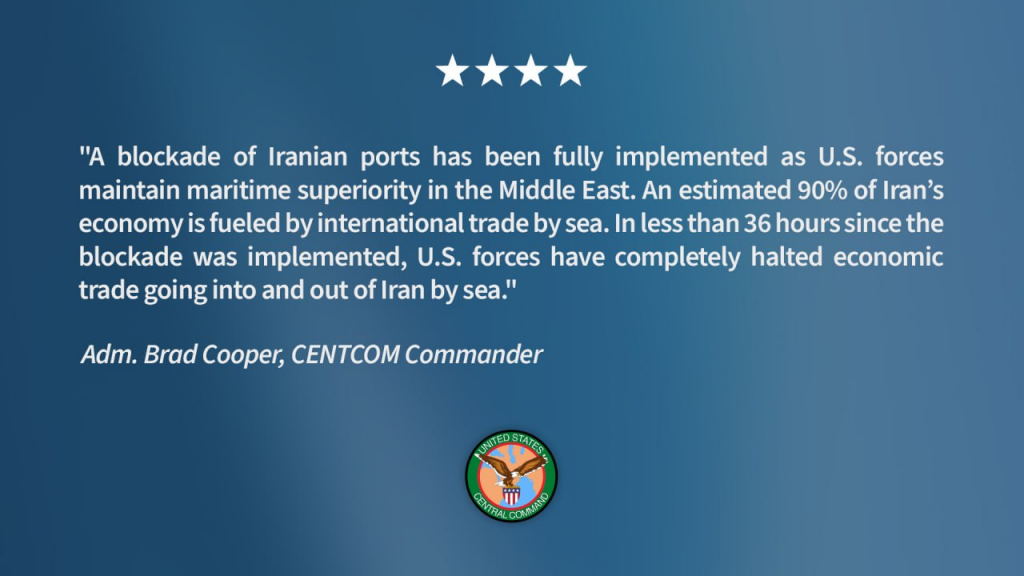

Admiral Brad Cooper, the Chief of the US Central Command in the Middle East, stated that a blockade of Iranian ports had been fully implemented by US forces to maintain maritime superiority in the Middle East, stating that an estimated 90% of Iran’s economy is fuelled by international sea trade, but in less than 36 hours, a US-implemented blockade had completely halted trade going into and out of Iran by sea.
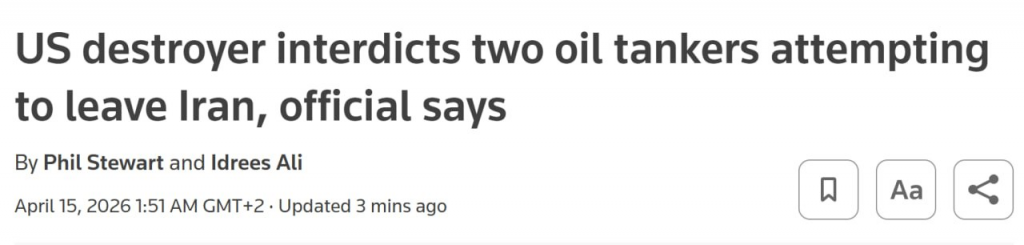
Within the first 24 hours of the blockade, the US forces intercepted eight different vessels that attempted to leave Iranian ports, ordering them via radio to turn back, noting that all ships followed orders, according to Reuters and the WSJ, adding that the vessels had departed from the Chabahar Port in the Gulf of Oman.
Despite news initially from Tasnim News Agency that the Rich Starry, a US-sanctioned Chinese tanker, had successfully passed through the blockade, Reuters later reported the tanker briefly exited the Gulf before returning after failing to break the US blockade, noting it was one of the eight ships turned around within the first day of the blockade.
A non-Iranian VLCC supertanker, capable of carrying around 2 million barrels of crude oil, which had been sanctioned by the US, had entered Iran via the Strait of Hormuz, with all her AIS switched on, reported Tanker Trackers. Soon after, a second bulk carrier loaded with food supplies passed through the Strait and was headed towards Imam Khomeini Port, reported Fars News, stating that it was likely able to pass due to the ship carrying humanitarian aid.
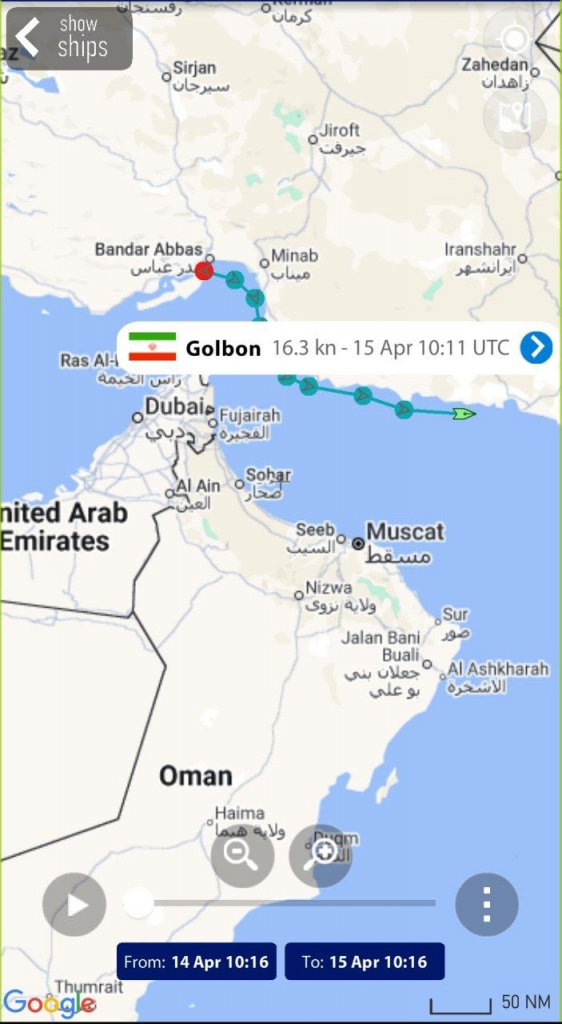
Later, Iran Arabic confirmed that the oil tanker was the Alizia, which had crossed the strait loaded with Crude between the islands of Hormuz and Larak, while Resistance Trench reported that OFAC-sanctioned Iranian vessel Golbon continued to transit near the Strait, stating it had slipped shortly after the blockade had started.
Shipping data showed that the Malta-flagged VLCC Agios Fanourios I became the first crude tanker to sail west through the Strait of Hormuz since the US blockade, making her second attempt after remaining anchored in the Gulf of Oman for almost two days.
Despite the blockade to the south, Iran has other options for distributing oil, reported Iranian News agency Mehr News, stating that ‘Tehran will use ports other than those in the south to circumvent the US blockade, referring to ports in the Caspian Sea and directing oil towards Russia, added BellumActaNews.
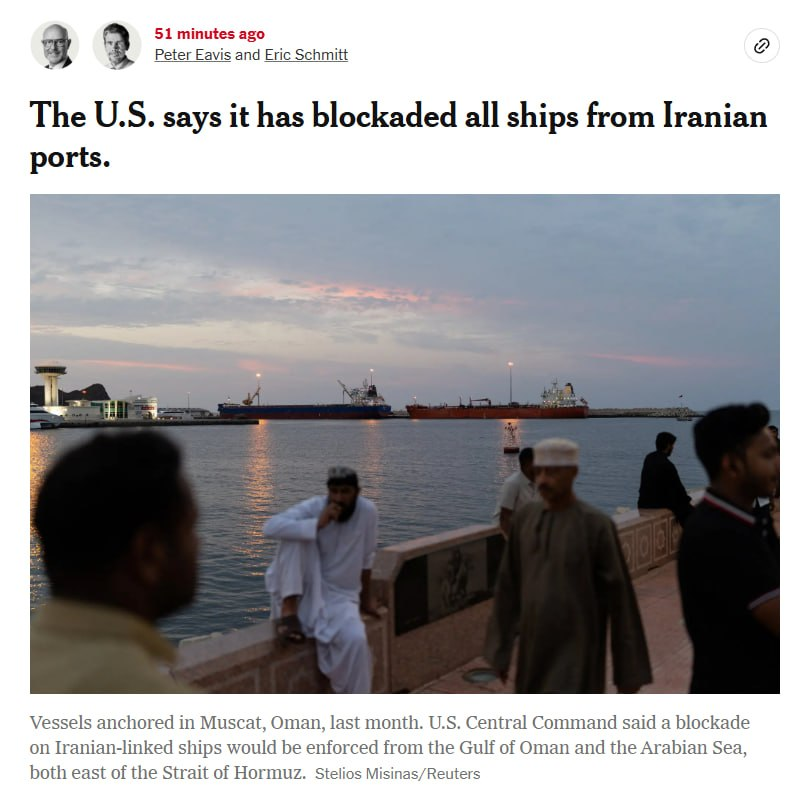
More than 12 US military vessels are stationed in international waters in the Gulf of Oman as part of the blockade, a US official told the New York Times, stating that more than 20 commercial vessels that were not linked to Iran had left the Hormuz Strait in the first 24 hours of the blockade, including tankers, cargo carriers and container ships.
The Commander of the Khatam al-Anbiya Central Headquarters said on Wednesday that if the United States wanted to continue its illegal action of imposing a naval blockade in the region to create a state of insecurity for Iranian commercial ships and oil tankers, this action would be considered a prelude to violating the ceasefire, adding that in the event of a continued naval blockade, the Iranian armed forces would not allow exports or imports in the Gulf Region, closing the Sea of Oman and the Red Sea at the same time, reported Sabereen News.
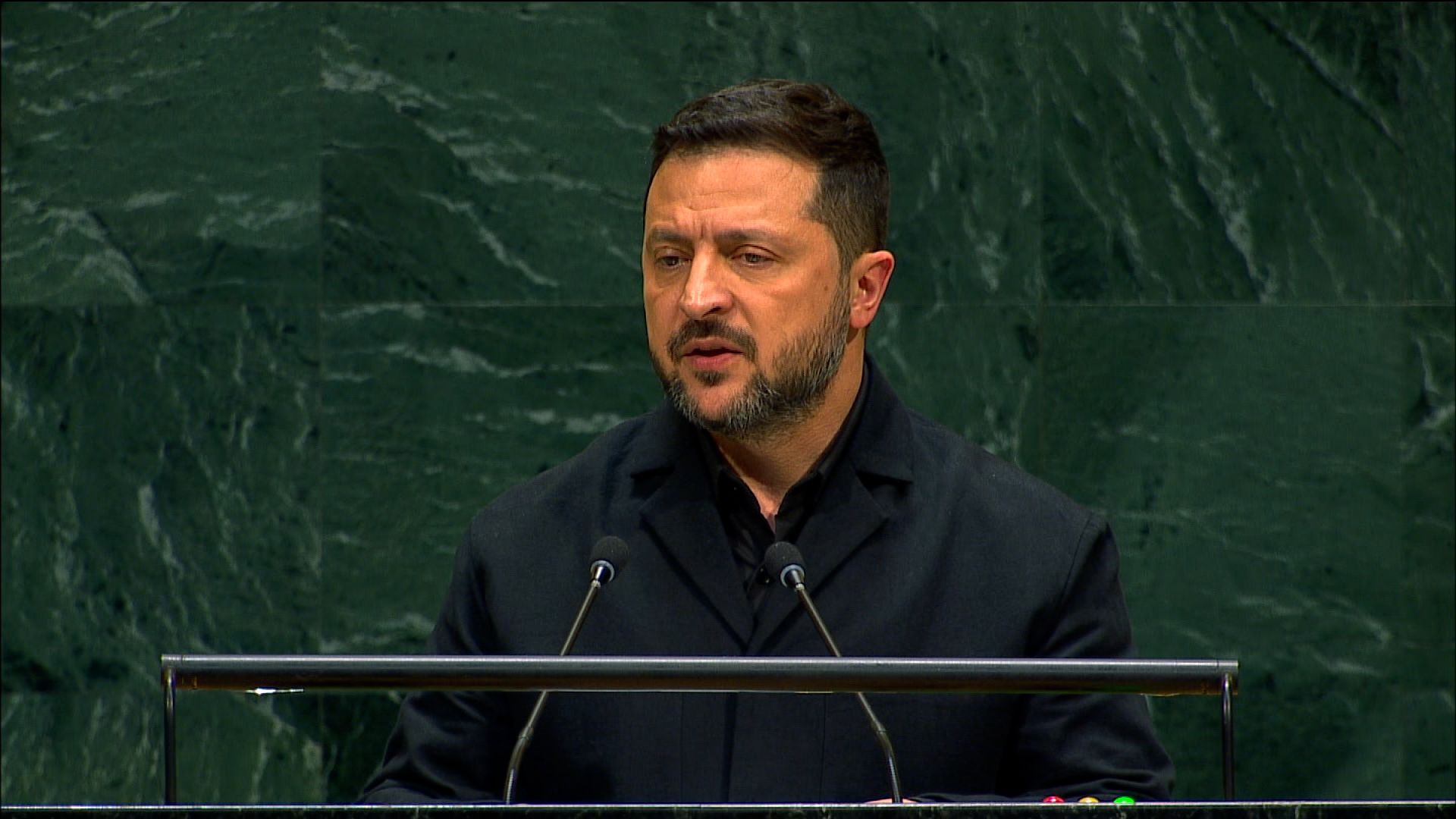
Ukrainian President Volodymyr Zelensky commented that the Strait of Hormuz was blocked and Ukraine wanted to help unblock it, having already had experience from former issues with the blockade of the Black Sea, but America hadn’t asked the Ukrainians for any help.
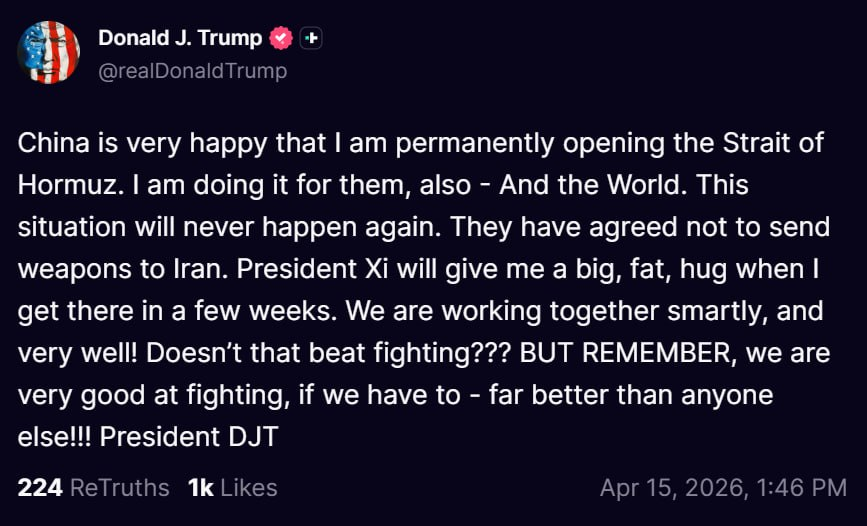
President Trump issued a Truth Social claiming China was very happy that Trump was permanently opening the Strait of Hormuz (which was permanently open and free prior to the war with Iran that commenced on February 28).
As the first 48 hours of the blockade came to a close, US Central Command issued a statement saying they had turned around one other vessel during the second day bringing the total to 9 vessels who had complied with direction from US forces to return towards either an Iranian port or a coastal area.
Seeking help to prevent Yemeni-Houthis interfering with other shipping routes, a senior US delegation led by the Commander of the United States Africa Command met with Somaliland’s Chief of Staff and other officials, who said after the meeting ‘control near the Bab el-Mandeb Strait and the Red Sea would significantly change the US approach to dealing with the Houthis in Iran,’ expressing support for the US and Israel using its territory against the Houthis, which came a day after Israel reported concerns that the Houthis may attempt to close the Bab el-Mandeb Strait, reported Osint613 on X.
Iran proposed allowing ships to pass freely through the Omani side of the Strait of Hormuz as part of a potential deal with the US to avoid a renewed conflict, according to Reuters, but it still remained unclear whether Iran would clear any mines or allow any ships, including those linked to Israel.
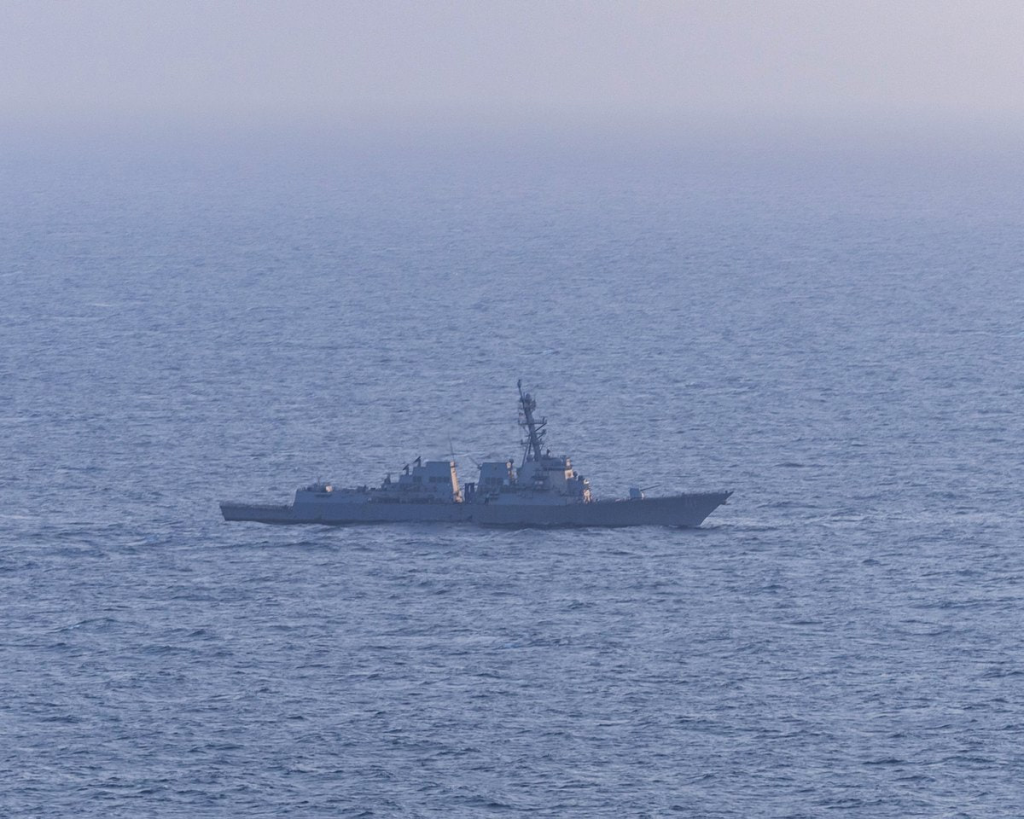
US Central Command stated that an Iranian-flagged vessel attempted to avoid the blockade after leaving Bandar Abbas on Monday and transiting along the Iranian coastline, but it was intercepted by the guided missile destroyer the USS Spruance (DDG 111) successfully and redirected back to Iran, noting that ten vessels have been turned around as of Tuesday evening, and no ships had broken through the blockade since it came into effect on Monday.
Ceasefire and Negotiations:
President Trump said in a phone interview with ABC News that he is not considering extending the ceasefire, because he don’t believe it is necessary and the next two days were going to be ‘amazing,’ stating the war could end either through a deal or after military objectives are achieved, while adding that he believed ‘the radicals are gone’ and claiming the world would ‘be torn to pieces’ without his leadership.
Turkish President Recep Tayyip Erdogan continued to attack Israel’s aggression, noting that if there is to be peace and stability in the Middle East region, ‘it will be despite the wishes of the Zionist entity,’ reported Iran Arabic.
According to Axios, a US official had stated there was no formal agreement to extend the ceasefire deadline, but there was continued engagement between the US and Iran to reach a deal, however, the WSJ reported that the US and Iran had agreed in principle to meet and hold another round of talks but hadn’t decided on a date and venue.
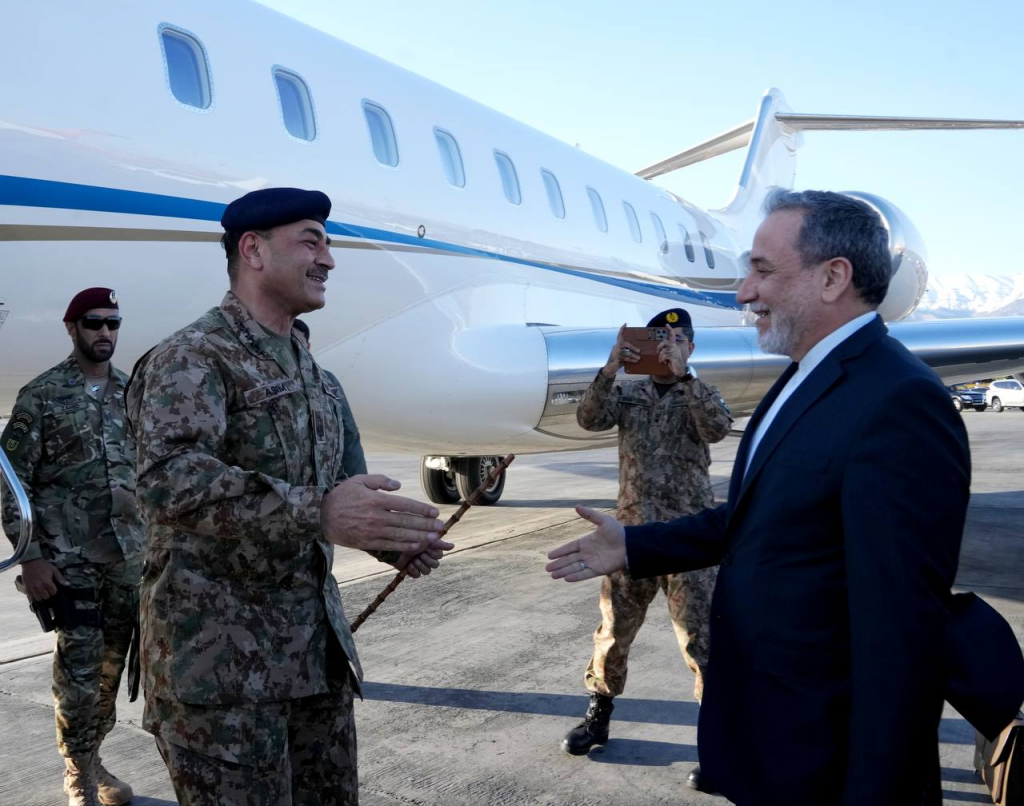
Pakistan’s Army Chief Asim Munir arrived in Tehran, landing at Mehrabad Airport after being escorted by Iranian F-4’s and SU27 fighter aircraft, which had previously taken off from Mehrabad Airport despite claims the USA and Israel had demolished all aerial capabilities of the Iranian forces. Munir led a delegation carrying a new message from Washington, and was set to discuss preparations for a second round of talks expected to take place in the coming days, according to Tasnim News Agency, and was welcomed in Tehran by Iran’s Foreign Minister Abbas Araghchi, reported IRIB News.
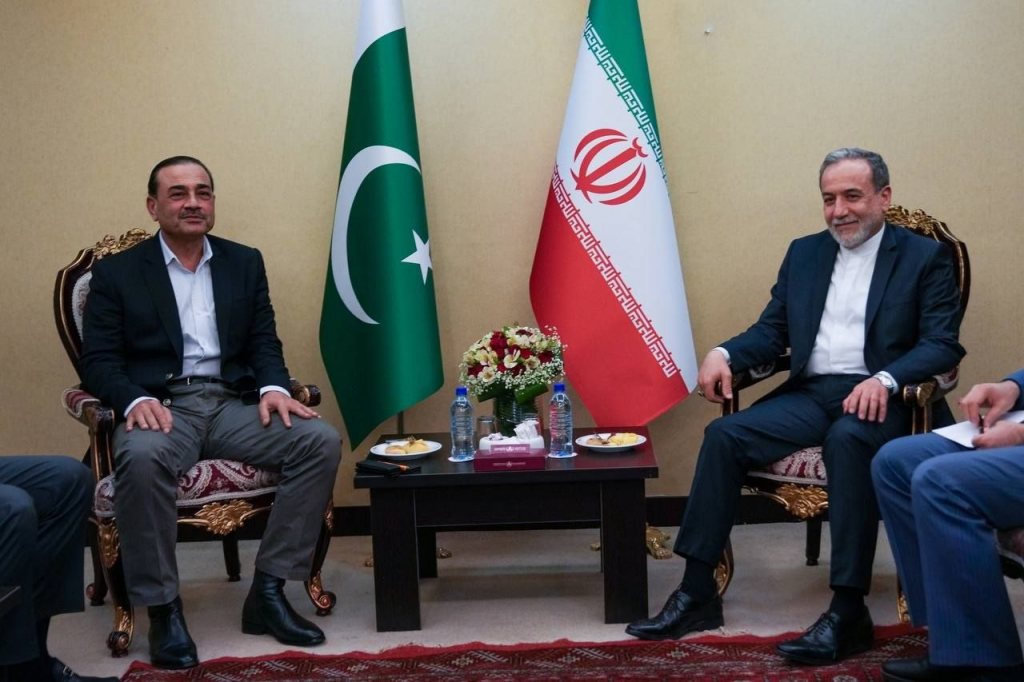
An informed source told Tasnim News Agency that after the visit of Field Marshal Munir to Tehran, the Iranian team would conduct assessments and then decide on the next round of talks with the United States, adding that a ceasefire in Lebanon would be a positive sign for Iran’s decision, but the US must adhere to a reasonable framework and avoid excessive demands or breaches of its previous commitments.
Negotiators were moving closer to a possible deal, with officials stating progress was being made through recent talks and backchannel efforts, though there were still major differences, according to Axios, stating that Trump’s team, including Vice President JD Vance, Special Envoy Steve Witkoff and Jared Kushner, was continuing discussions and exchanging proposals with Iran and mediators, but officials claim they were hopeful and cautious, as mediators from Pakistan, Egypt and Turkey worked to bridge gaps ahead of the ceasefire deadline.
An Iranian political and security source told War Spectators that following pressure from Iran, a ceasefire was going to be established in Lebanon starting Wednesday night, which would last one week and extend until the end of the ceasefire period between Iran and the United States, but this was once again proven later to be Israeli lies and propaganda being fed to the Iranians, same as when a ceasefire was promised ahead of the talks in Islamabad.
IDF Chief of Staff Lieutenant General Eyal Zamir disputed President Trump’s claims in an interview that once the nuclear issue was sorted the war would be over, by saying: “We must not give them achievements on the nuclear issue, in the Strait of Hormuz, or other matters on the table,” adding that Israel were on very high alert, the Air Force jets were armed and ready, and ‘we can launch them for an immediate, powerful strike.’
Bloomberg reported the US and Iran were considering extending the ceasefire by another two weeks to allow more time to negotiate a peace agreement, noting that mediators were working to set up technical talks to resolve the most contentious issues, including the reopening of the Strait of Hormuz and Iran’s nuclear enrichment programme.
Israeli Kan News said an Israeli source confirmed advanced contacts were underway for a temporary ceasefire between Israel and Hezbollah which could take place in the coming days, as Israel didn’t rule out a request for a temporary truce in exchange for a commitment to resume fighting if no deal was reached with Iran, as long as Hezbollah stopped firing. However, many ministers opposed any ceasefire as the meeting of Israeli officials began, and the request was even overlooked during recent ambassador-level talks in Washington.
White House Press Secretary Karoline Leavitt held the Wednesday Press Briefing, stating that talks between the US and Iran would likely be held in the same place as last time, which was important to Trump because the Pakistanis had been incredible mediators, ‘and we appreciate their friendship and their efforts, they are the only mediator in this negotiation.’
US Treasury Secretary Scott Bessent issued a major twist to the blockade, stating that if any country was to buy Iranian oil or had Iranian money sitting in their banks, they were going to be subject to secondary sanctions, with letters already sent out to multiple countries, while also believing the blockade would create a pause in China buying Iranian oil.
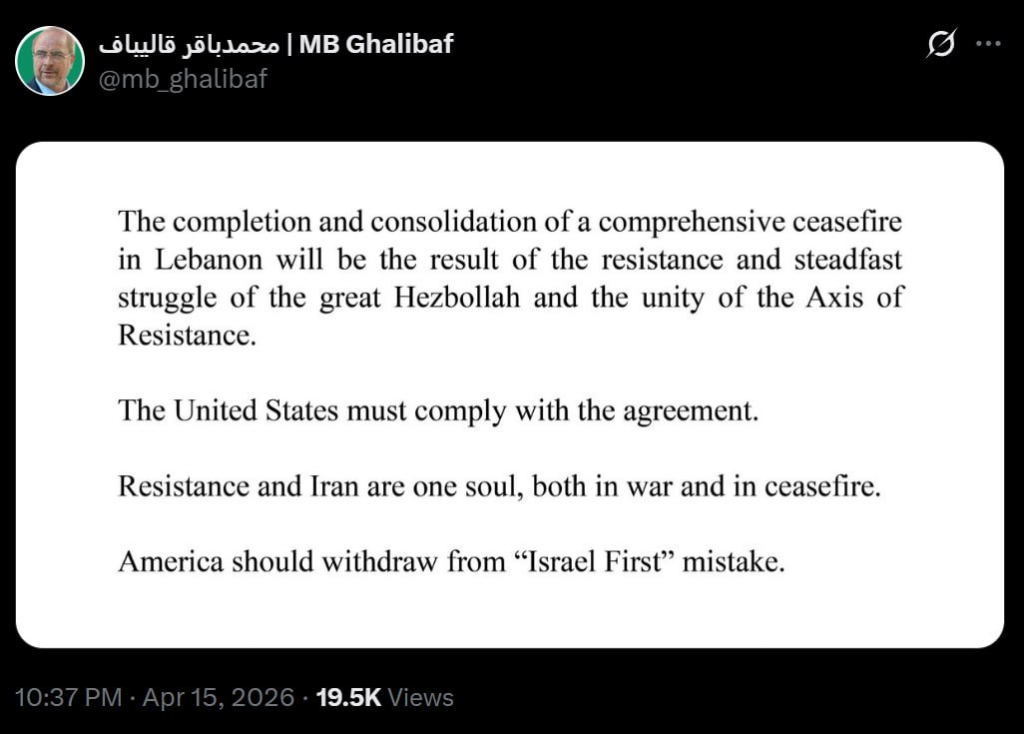
Iranian Parliament Speaker Mohammed Gaber Ghalibaf said the completion and consolidation of a comprehensive ceasefire in Lebanon would be the result of the resistance and steadfast struggle of the great Hezbollah and the unity of the Axis of Resistance, stating that the United States must comply with the agreement and should withdraw from the ‘Israel First’ mistake.
President Trump told the Dutch King and Queen during a private White House dinner that he wanted to bring the war against Iran to a swift end: “The only way to get Tehran back to the negotiating table, Trump explained to his royal guests and Dutch officials at the White House dinner, was to increase the pressure,” officials briefed on the dinner told the WSJ.
The United States were no closer to formally agreeing an extension of a ceasefire with Iran but were continuing to engage on a broader peace deal on Wednesday evening, reported the New York Times, noting the ceasefire is set to expire next week, while Tasnim News stated Iran hadn’t agreed any extension either, believing that instead of extending the ceasefire the US should fulfil its commitments under the current ceasefire.
Other News:
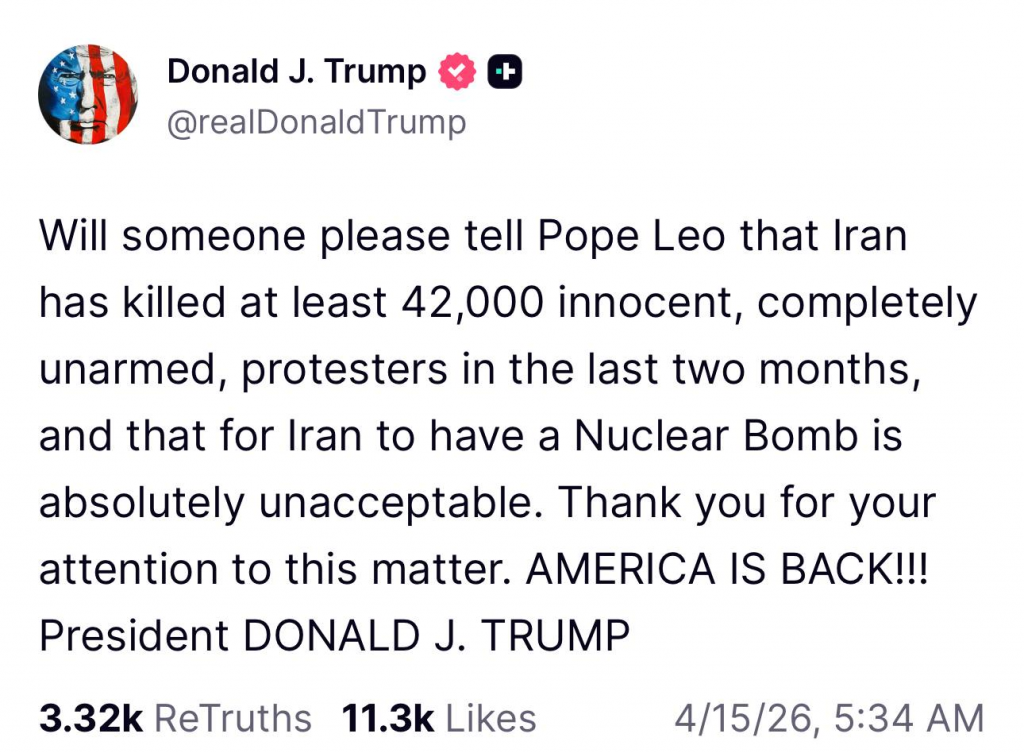
President Donald Trump asked on Truth Social if anyone could please tell “Pope Leo that Iran has killed at least 42,000 innocent, completely unharmed protestors in the last two months, and that for Iran to have a nuclear bomb is unacceptable,” signing off ‘thank you for your attention to this matter.’
HRANA (Iranian Human Rights monitor) stated there was no credible evidence that the Iranian security forces killed ‘at least 42,000 innocent, completely unharmed protestors,’ which actually happened in January and not the past two months, claiming that the protests led to 53,000 arrests, while concluding that 7,007 people died, (6,488 adults, 236 minors, 207 security forces and 76 non-participants), all of whom have been named by the IRGC.
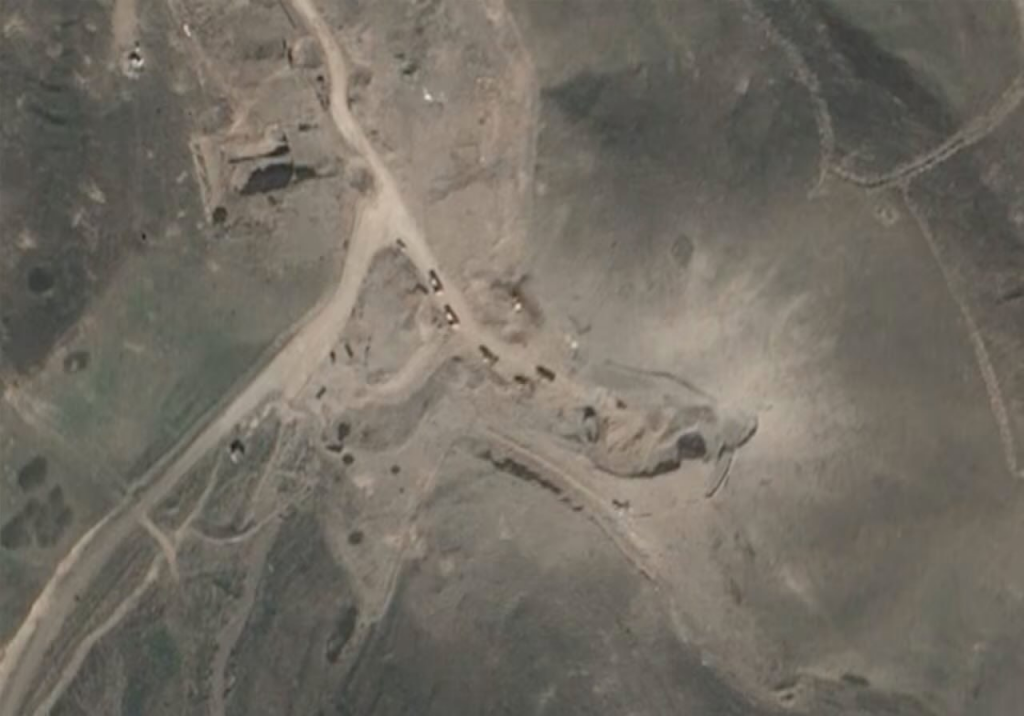
Satellite imagery published by CNN showed missile sites from Tabriz and Khomeyn dated April 10, showing that Iran was excavating entrances to their underground missile bases to recover missile launchers trapped underground during the two-week ceasefire. Other published images by CNN showed the burned out wreckage of two US MC-130J that were attacked in Iran during the rescue of the downed F-15 crew members, which is on a remote air strip south of the city of Isfahan.
Former US Special Envoy to Ukraine Keith Kellogg suggested the US needed to take down Kharg Island to finish off Iran once and for all so that the United States didn’t have to worry about the situation in the future, while also telling Fox News that the US needed to get the uranium out of Iran and take control of it, reported Tabz Live.
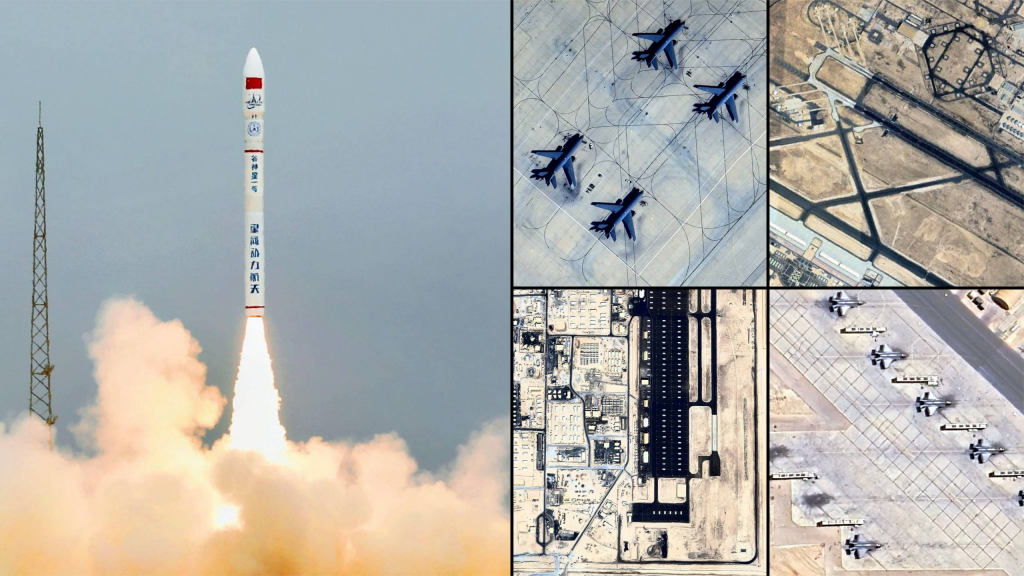
Iran’s IRGC Aerospace Force secretly acquired a Chinese-built spy satellite, the TEE-01B, in late 2024, reportedly gaining new surveillance capability over US military sites in the Middle East, stated the Financial Times, noting the satellite was used to monitor bases including Prince Sultan Air Base in Saudi Arabia, Muwaffaq Salti Air Base in Jordan, and areas near US facilities in Bahrain and Iraq during recent regional tensions.
More than 25 million Iranians have registered for the ‘Jan Fada, For Iran’ volunteer campaign, a state-backed initiative launched in late March 2026 to signal a readiness to defend Iran against aggression, which allows citizens to sign up online as a symbolic show of support – it is not conscription, but a commitment expression of national solidarity promoted through media and SMS, reported Resistance Trench.
British Finance Minister Rachel Reeves said on Wednesday that she was frustrated and angry at how the US went into the war without a clear exit plan, because this was a war that the UK didn’t start or want, without a clear idea of what they were trying to achieve, and as a result the Strait of Hormuz is now blocked, reported the Daily Mirror.
Prime Minister Sir Kier Starmer reiterated that he wouldn’t yield to American pressure to join the conflict with Iran: “It is not in our national interest to join this war, and I will not do so – I know where I stand,” he told Parliament during Prime Minister’s Questions.
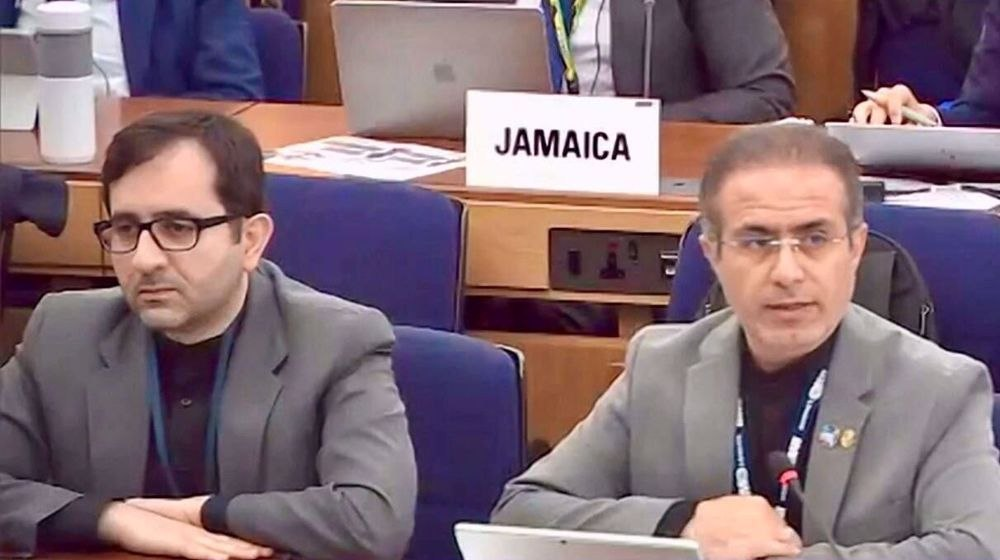
UAE’s official Telegram channel stated that Mansour bin Zayed held a phone call with the head of the Iranian Shura Council to discuss ways to de-escalate tensions in the region, but tensions still mount between the two after Iran vehemently denied a UAE-backed proposal adopted by the International Maritime Organisation (IMO) on establishing a so-called ‘safe maritime corridor’ in the Strait of Hormuz, slamming it as legally-groundless and politically-motivated, stated Resistance Trench.
America was considering sending up to 10,000 additional troops on March 30, reported AJ News citing the New York Times, which was confirmed on Wednesday April 15 by WaPo, noting that around 6,000 personnel were being sent aboard the USS George H W Bush and accompanying warships, with a further 4,200 troops from the Boxer Amphibious Ready Group, including the 11th Marine Expeditionary Unit, which are expected to arrive later this month, and the influx of forces is expected to align with naval assets already in the region as the two-week ceasefire approached its expiration on April 22.
Following an interview in which President Trump said that the main goal of the operation in Iran was to prevent them enriching uranium and gaining enough to build a nuclear weapon, Iranian Foreign Ministry spokesperson Esmaeil Baghaei said the type and level of enrichment was negotiable, because Iran had a right to peaceful use of nuclear energy which no one granted them and no one can take away under the pressure of war, adding that its Iran’s right under the Non-Proliferation Treaty membership, and while they continue to be members of the document, Iran should logically be able to benefit from its advantages.
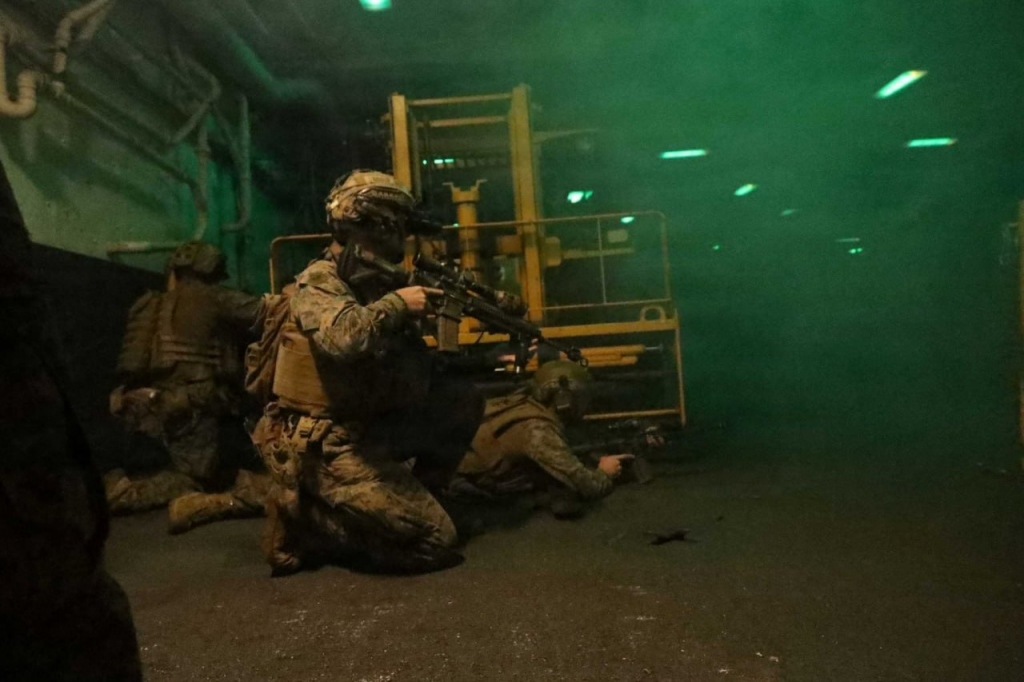
US Central Command published images showing US Marines conducting close-quarter tactics training aboard the USS Tripoli (LHA 7) as the amphibious assault ship sailed in the Arabian Sea, stating that training evolutions like these helped Marines hone their skills for missions such as maritime interception operations.
Taking advantage of the current US blockade in the south and following Israeli attacks on the industry at the beginning of April, the Director of the Petrochemical Industries Development Foundation in Iran said they had suspended the export of all petrochemical products until further notice, reported Al Jazeera, stating that the decision came because of damage caused by the war and attacks on the facilities.
On Wednesday, the USS Gerald R Ford hit 295 days on deployment this Wednesday, breaking a previous record set by the USS Abraham Lincoln during the early days of the Covid-19 Pandemic, reported Warfront Witness.
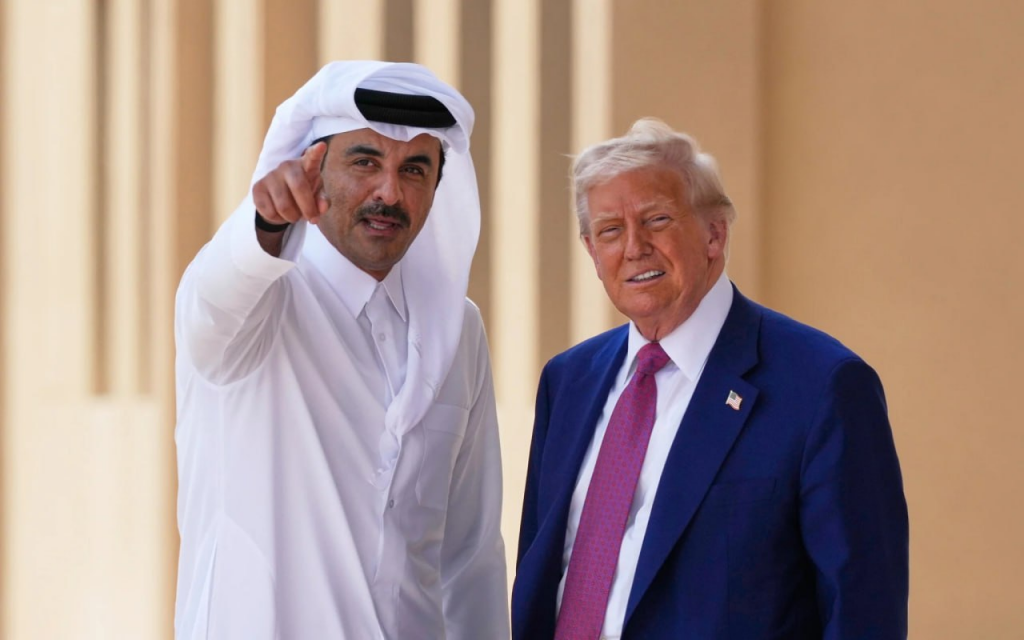
Qatar’s Emir Tamim bin Hamad Al Thani held a phone call with President Trump to discuss rising regional tensions and their impact on maritime security, global energy markets and supply chains, as the Emir reaffirmed Qatar’s role in supporting energy market stability and stressed the need for diplomacy to prevent further escalation, while Trump expressed appreciation for Qatar’s regional mediation efforts and emphasised continued coordination on energy security and stability.
The US Treasury sanctioned Mohammad Hossein Shamkhani, son of former senior Iranian official Ali Shamkhani, targeting Iran’s oil transportation network as the first sanction under Economic Fury, stating that more than two dozen individuals, companies and vessels were involved in what it described as a large-scale network moving Iranian oil and generating billions of dollars in Iranian revenue. According to the statement, the network uses front companies across multiple countries to manage shipping, logistics and financial operations while masking its activities, and several vessels accused of transporting Iranian and Russian petroleum products were also designated as ‘blocked property.’