 AJ
AJ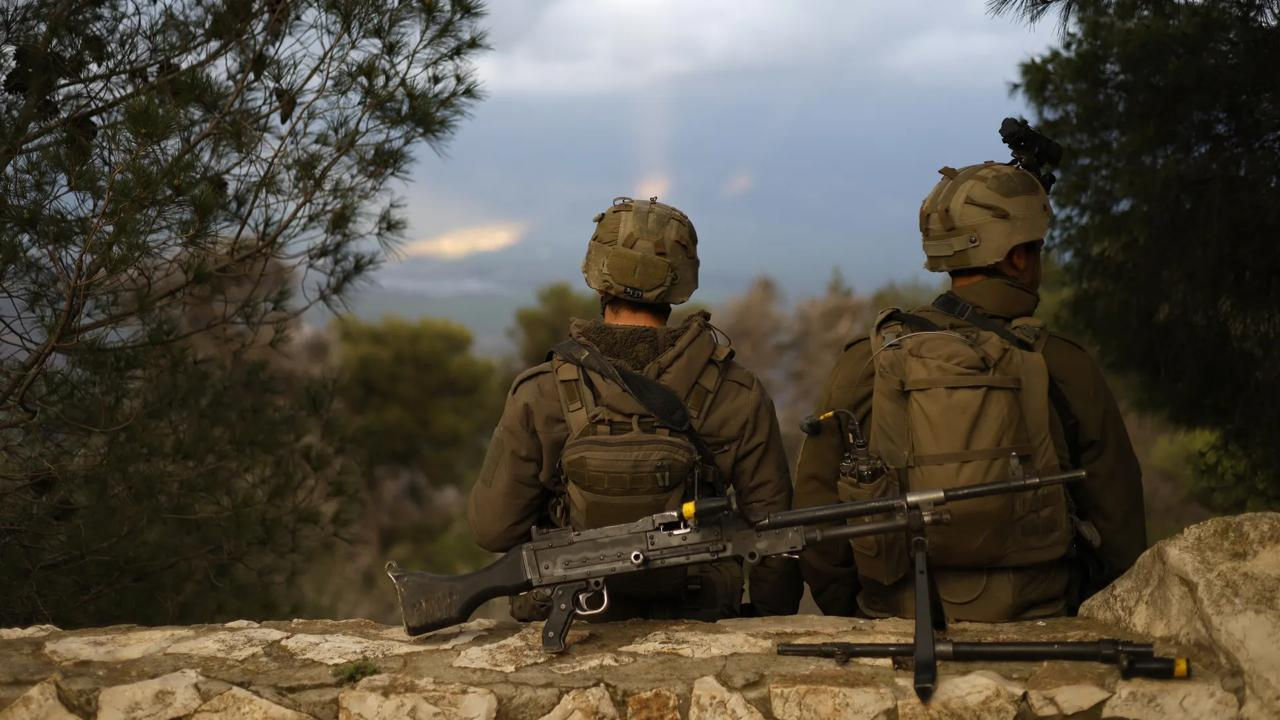
⚡️ Various reports from Israeli media detail Israel’s failure in Lebanon:
🔹 Israel has been fighting a war in Lebanon for many years, which has included Hezbollah since the 1980s, eventually coming to a ceasefire in 2024, until the US-Iran conflict killed the Iranian Supreme Leader Ali Khamenei, leading to Hezbollah joining the war against Israel on March 2, 2026.
DRONE WARFARE:
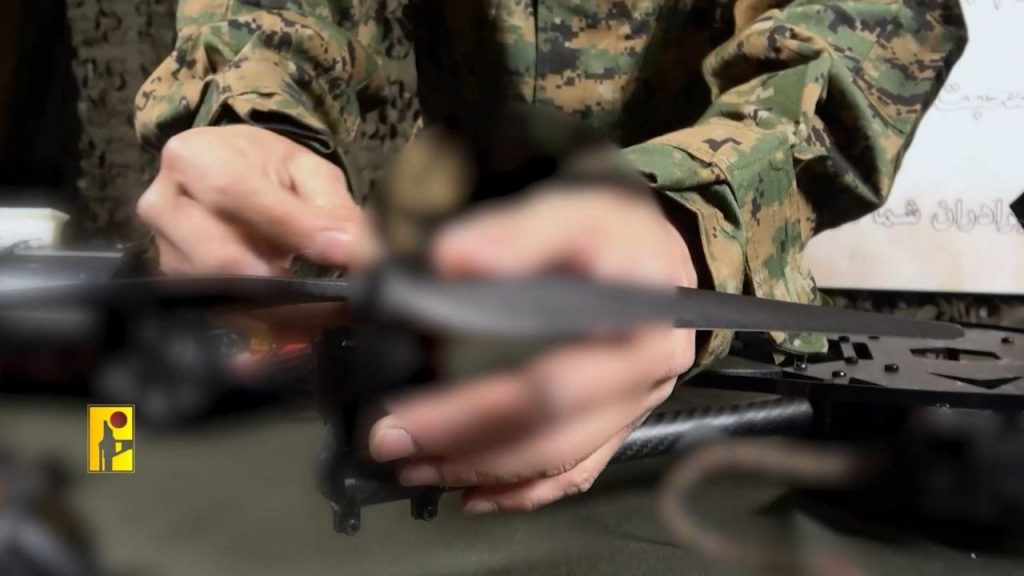
🔹 Since the war restarted in 2026, Israel troops in southern Lebanon were facing severe psychological trauma and operational paralysis due to the relentless threat of Hezbollah’s explosive attack drones, according to testimonies published by Yediot Ahronot.
🔹 Israeli soldiers and officers described a persistent state of helplessness and constant anxiety, stating that the Lebanese resistance group’s unmanned aerial vehicles (UAVs) have completely reshaped the battlefield conditions, stripping away any sense of security.
🔹 An Israeli soldier from the 98th Division recalled intense moments of panic where his unit was forced to abandon vehicles and scramble into the woods for cover under the shadows of incoming drones.
🔹 The soldier described the psychological toll as unprecedented, adding that field units were growing increasingly frustrated with the military leadership over a perceived lack of momentum and strategy that exposed them to extreme risks without achieving concrete results.
🔹 An incident where a Givati Brigade reconnaissance unit officer and her assistant were severely wounded inside a disabled Namer armoured vehicle was cited by the report as it highlighted the lethality of close-range strikes.
🔹 The officer sustained severe shrapnel wounds to her face and head after an explosive drone detonated directly on their position, underscoring the growing tactical challenges Hezbollah’s expanding drone fleet posed to Israeli forces.
QUAGMIRE:
🔹 Israeli publication Haaretz published an editorial on June 23, saying that Israel’s refusal to fully implement the November 2024 ceasefire agreement with Lebanon and its continued occupation of Lebanese territory contributed directly to its recent diplomatic setbacks.
🔹 The editorial claimed the occupation has given Hezbollah a justification to continue fighting and helped preserve its status in Lebanon as a legitimate armed resistance and security force, while undermining efforts to strengthen the Lebanese state and advance a political alternative to continued confrontation.
🔹 Haaretz said the new MoU understandings amounted to a major gain for Tehran and Hezbollah, arguing that Washington effectively recognised Iran as a partner in maintaining the Lebanese ceasefire, and accepted Hezbollah as a party whose actions must be taken into the account.
🔹 According to the report, the blame lay with Prime Minister Netanyahu for refusing to engage in serious negotiations with the Lebanese government, arguing that this strengthened Hezbollah politically while weakening Beirut’s position.
🔹 The article acknowledged a full Israel withdrawal would hand Hezbollah additional political prestige and allow Iran to portray the outcome as a ‘total victory,’ but despite this, the editorial said that Israel should proceed with a gradual and complete withdrawal from Lebanon while coordinating closely with the Lebanese government, and seeking to reward Beirut rather than Hezbollah.
🔹 Warning that Israel risks becoming trapped in a costly and bloody quagmire while further damaging ties with Washington, the article cited JD Vance’s remark that the United States is ISrael’s ‘last and only friend in the world.’
🔹 Haaretz concluded saying that ‘it cannot guarantee its citizens’ security by occupying and controlling territory that doesn’t belong to it, arguing that the concept of a security zone in Lebanon had repeatedly proven more costly than beneficial.
SECURITY ZONE ORIGINALLY INTENDED FOR ANTI-TANK MISSILES:
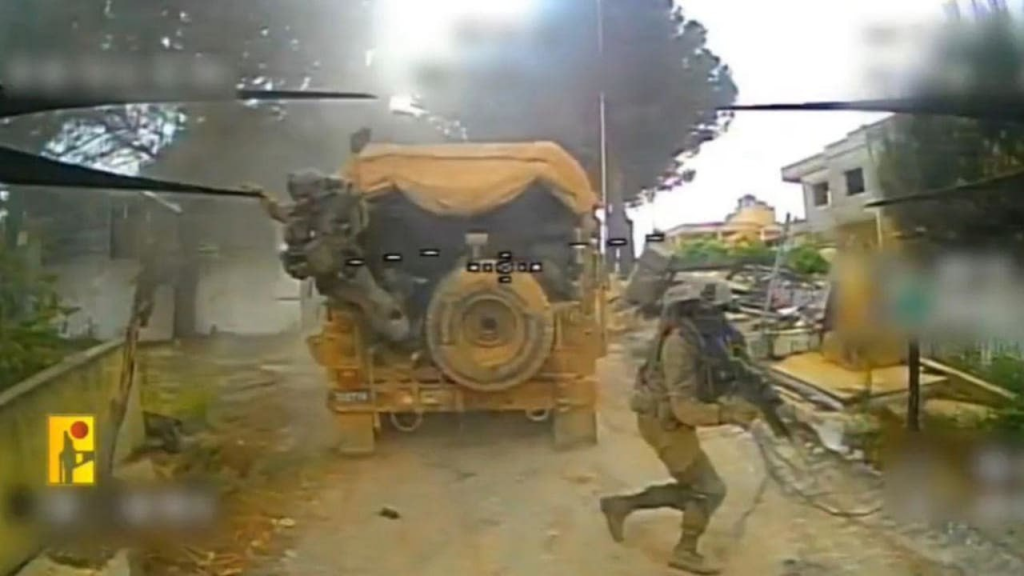
🔹 Wall Street Journal published a report on June 24, saying that the so-called Israeli security zone in Lebanon was originally intended to push anti-tank missiles away from Israeli communities, but the growing use of FPV drones had reduced its effectiveness, because such drones can strike from much greater distances.
🔹 Israeli military analysts have said that troops stationed in fixed positions were increasingly vulnerable to drone attacks, which have become a leading cause of soldier fatalities and injuries.
🔹 According to the report, the Israeli military intensified efforts to develop counter-drone measures in response, including testing new defences at research facilities south of Tel Aviv.
🔹 Recent demonstrations featured newly acquired Italian shotguns designed for drone interception and defensive net systems, while the military has also introduced dedicated ‘sky watcher’ guard duties, with soldiers tasked specifically with detecting incoming drones.