 AJ
AJ
Recap of the ceasefire from day 19 (April 27), which included details about Iran’s plans to end the war, the election of the Iraqi Prime Minister, and all the news from around the region in relation to the US/Israel Iran War.

Iranian Foreign Minister Abbas Araghchi handed a comprehensive programme to end the war to Pakistani mediators during his first visit to Islamabad, according to Iranian officials and reported by Al-Akhbar, stating that the proposal was conveyed to the United States, despite United States President Donald Trump stating the second proposal was issued within ’10 minutes of cancelling the meeting’.
After he arrived in St Petersburg, FM Araghchi said that the previous round of talks with the US failed because of excessive demands and flawed approaches, noting that despite progress in some areas, the talks couldn’t achieve their goals.
FM Araghchi said he had held consultations with Pakistani mediators who played a key role in the process, to review the situation and discuss how negotiations might continue, stating that he also visited Oman, a close ally and fellow littoral state of the Strait of Hormuz, to coordinate on safe passage, stressing that Iran and Oman share considerable common ground and that any action regarding the strait directly involves both countries’ interests.
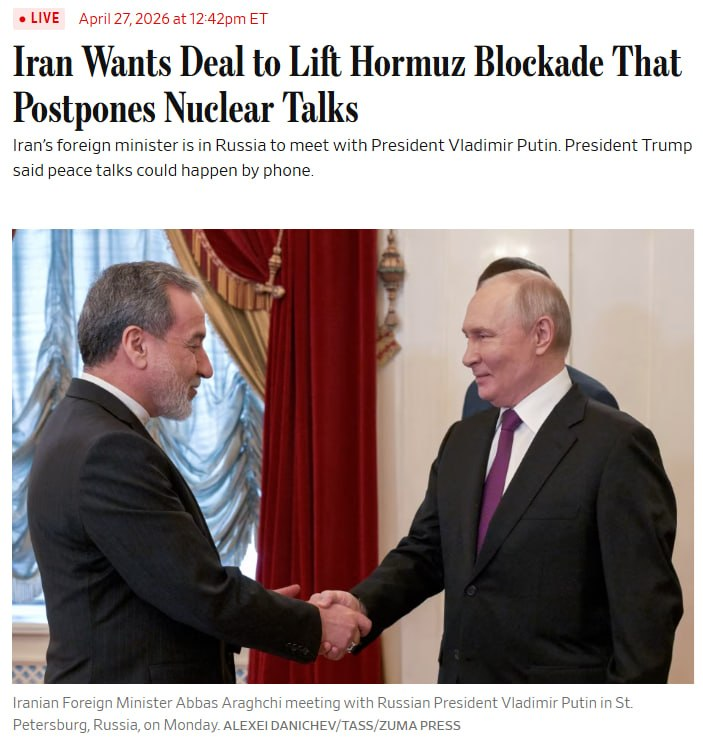
Iran allegedly presented mediators with a three-stage plan outlining what was needed for renewed talks with the US, placing the nuclear option as last, reported WSJ and Israeli Channel 14, quoting Tasnim News, stating that according to the proposal, first there would be requirements to end the war and guarantees not to renew it against Iran and Lebanon, while in the second stage, a new legal framework would be formulated for managing the Strait of Hormuz in coordination with Oman, and only after full agreements are reached in those two stages would Tehran agree to open the nuclear issue for discussion.
Following President Trump’s meeting with advisers and his national security team, Trump was said to be sceptical of Iran’s newest proposal, which includes the reopening of the Strait of Hormuz and the postponement of nuclear negotiations, according to the WSJ, citing US officials, stating that during discussions with aides on Monday, Trump didn’t reject the plan outright but raised concerns that Iran may not be acting in good faith or willing to meet his key demand of ending uranium enrichment and committing to no nuclear weapon development, and officials said the US would continue negotiations, with the White House expected to present a response to the counterproposals in the coming days.
Despite the fact that the USA were responsible for Iran’s initial seizure and subsequent toll scheme to ensure safety and navigation through the Strait of Hormuz, US Secretary of State Marco Rubio told Fox News on Monday: “They cannot normalise – nor can we tolerate them trying to normalise – a system in which the Iranians decide who gets to use an international waterway and how much you have to pay,” which wasn’t the case before the war started.
Rubio also said: “If what they [Iran] mean by ‘opening the Straits’ is ‘yes, the straits are open, as long as you coordinate with Iran, get our permission, or we’ll blow you up, and you pay us’ – that is not opening the Straits, those are international waterways.”
The NYT summed up the situation saying that both sides had sunk into an ‘awkward limbo of no war, no peace,’ as each side appeared to be betting it could outlast the other in a standoff that poses drastic consequences to the global economy, noting that Trump cancelled his envoys’ trip to Pakistan, while Iran insist it will not negotiate while the US naval blockade is in place, and Iranian officials believed they could withstand economic pain longer than Trump, even though analysts warn the stalemate may be more dangerous than the war.
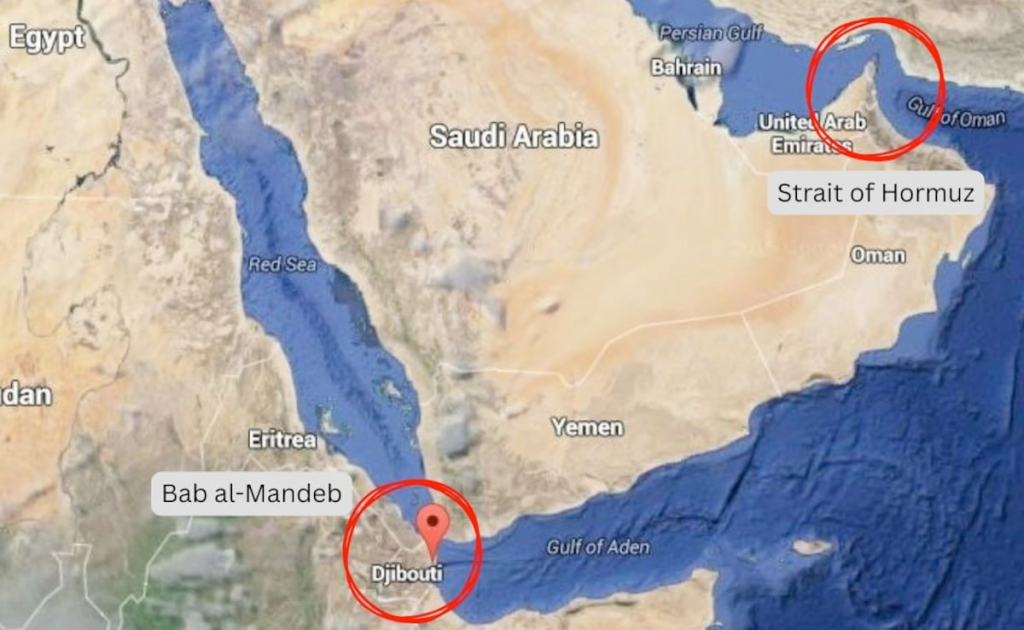
However, the tolls on the Strait of Hormuz are just the touch of the iceberg, because following Iran’s announcement that it had begun depositing ship transit fees into the central bank, the Houthi-led movement in Yemen is now studying the possibility of imposing similar tolls on vessels passing through the Bab al-Mandab strait.
A British maritime journal warned that success in Hormuz could encourage the Houthis to turn military influence into a permanent economic and geopolitical tool, reported Al-Akhbar, stating it would formalise their control over Red Sea shipping, while legal experts in Sanaa argue the Bab al-Mandab lies between Yemeni mainland and the island of Perim, making it internal waters rather than an international strait, and that Yemen had a the right under its maritime law to regulate passage.
Other News:
Bahrain: The Interior Ministry said they had revoked the citizenship of 69 people and their families for ‘expressing support to Iranian attacks.’
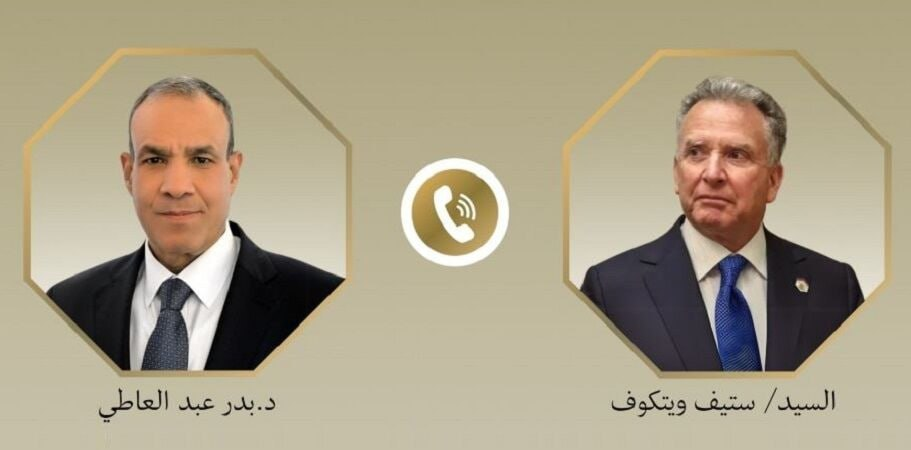
Egypt: A consultation took place between Egypt’s Foreign Minister Badr Abdelati and US Special Envoy for Middle East Affairs Steve Whitaker, where they evaluated the negotiation process, along with proposals presented among the relevant parties, and efforts to reach a mutually satisfactory agreement and resolution between the US were also discussed and reviewed, Irib News reported.
EU: European Commission President Ursula von der Leyen said it was too early to lift sanctions imposed on Iran when she spoke at a CDU/CSU conference in Germany, stressing that the sanctions had been imposed because of the suppression of the Iranian people, and that ‘fundamental change’ in Iran is needed before they can be removed.
Germany: Chancellor Friedrich Merz said that the Iranians were clearly stronger than everyone thought they were and were negotiating very skilfully: “At the moment, I don’t see what exit strategy the Americans are choosing,” he said, while stating that he believed Iran had ‘partially mined’ the Strait of Hormuz, and added that: “an entire nation is being humiliated by the Iranian leadership, particularly by the so-called Revolutionary Guards.”
Germany: Merz later said: “I am sorry to have to say it, but at the moment its a pretty tricky situation, and it is costing us a lot of money, a lot of tax money and taxing our economy – this war against Iran is having a direct negative effect on our economy and needs to be ended as soon as possible,” claiming that the American’s clearly don’t have a convincing negotiating strategy.
Great Britain: Prime Minister Sir Kier Starmer told the Cathy Newman Show that he took a very clear decision at the outbreak of the conflict in Iran that the UK wouldn’t be dragged into it, stating that as Prime Minister, he acted in the British national interest, and it’s not in the national interest to get dragged into the war, while stating that the UK were doing everything possible to open the Strait of Hormuz because its vital in terms of minimizing the impact, adding: “Don’t panic, but we chose not to get involved in this war, that was the right thing to do, but we must protect the British people from the impact of it.”
Great Britain: Stephen Doughty said on Monday that the priority is to open the Strait of Hormuz, which is important for the global economy, our economy, and our partners in the Gulf – maritime navigation should be safe without obstruction, imposition of fees, or security risks, Al Jazeera reported.
Iran: Following attacks by the US and Israel that targeted the steel industry during the conflict, Iran have banned the export of steel slabs and sheets until May 30.
Iran: Tehran’s Imam Khomeini airport resumed international flights on Monday following the successful resumption of local flights on Saturday, after several weeks of suspension which began in late February, IRNA reported.
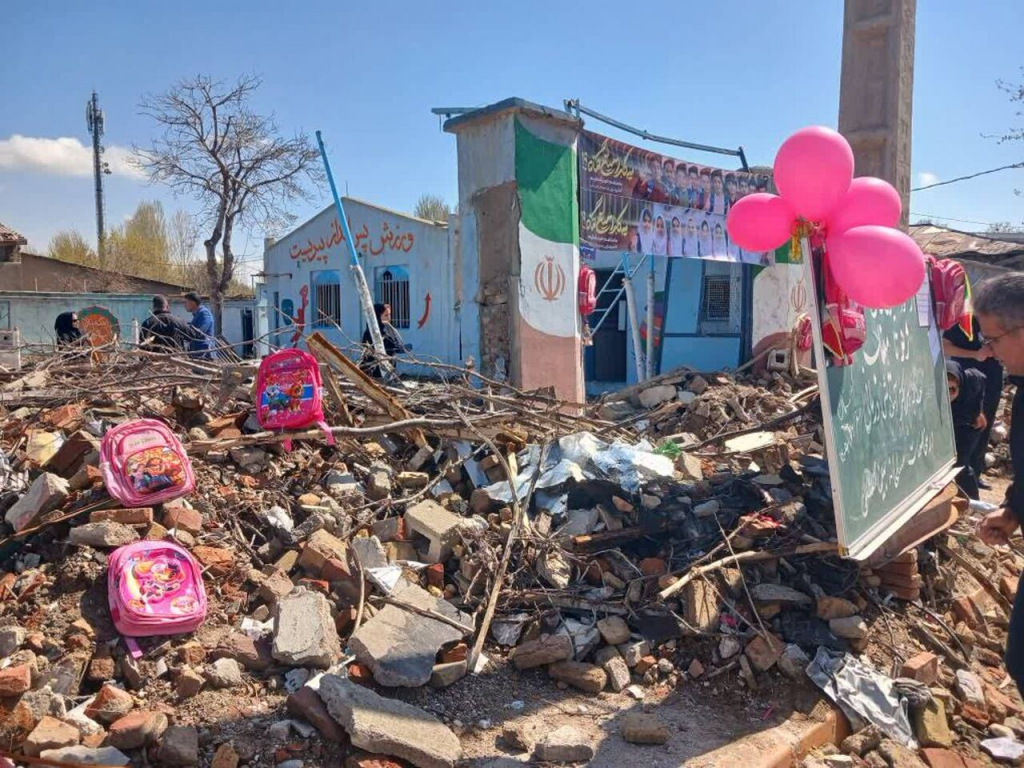
Iran: Minister of Education Alireza Kazemi announced that 346 students, teachers and staff members were killed during the recent 40-day war, of which 279 were students, while noting that the war resulted in the total destruction of 20 educational facilities and more than 1,200 damaged, however, of those damaged, 775 had been repaired and returned to service already, reported IRNA, adding that with the help of public donations, the reconstruction of the remaining damaged schools had begun: “The 20 completely destroyed schools will be fully rebuilt with modern educational equipment and are expected to be operational by the start of the next academic year,’ the minister said.
Iran: Health Minister Mohammad-Reza Zafarghandi said on Monday that 240 US and Israel attacks on medical facilities were recorded during the war, damaging 50 hospitals along with 50 emergency centres.
Iran: Hajj flights are being scheduled by Iran Air from Tehran, Mashhad and Zahedan, according to IRNA, noting that the Managing Director of Iran’s flagship airline Iran Air announced the Hajj flights would be operating from Tehran, Mashhad and Zahedan international airports, with Mashhad and Zahedan airports prepared to provide 24-hour services to pilgrims, however, unlike last year, Saudi airlines will not play a role in transporting Iranian pilgrims this year, he added.
Iran: FM Araghchi’s visit in Russia included a visit with President Vladimir Putin, where Araghchi expressed gratitude to Putin for Russia’s support of Tehran amid the war, emphasising that the relationship between Iran and Russia is a strategic partnership that will continue to strengthen, while Putin referred to the aggression stating the people of Iran are bravely and heroically fighting for their sovereignty, expressing hopes that the people of Iran would get through the difficult period and that peace would be established, adding that Russia would do its utmost to ensure peace in the Middle East as soon as possible.
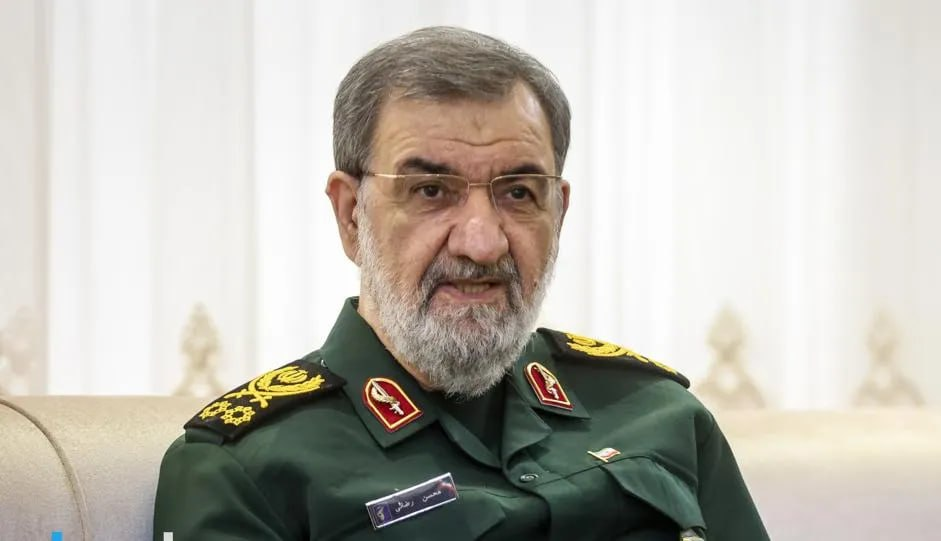
Iran: Mohsen Rezaei, a member of the Expediency Discernment Council, said that no country is capable of blocking Iran’s oil exports, advising the US President to focus on disorder within the United States’ government, economy, and armed forces instead of making void boastful statements, Al Mayadeen reported.
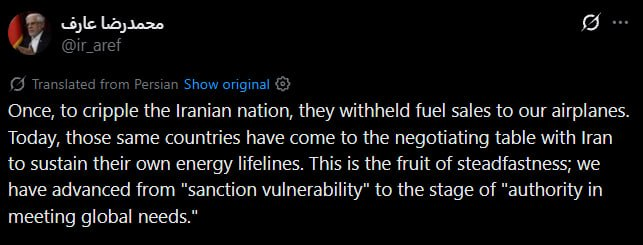
Iran: Vice President Mohammad Reza Aref said on X that the US tried to cripple the Iranian nation by withholding fuel sale for airplanes, but today those same countries have come to the negotiating table with Iran to sustain their own energy lifelines, stating that Iran had advanced from ‘sanction vulnerability’ to the stage of ‘authority in meeting global needs.’
Iran: Gholam-Hossein Mohseni-Ejei said on social media that German Chancellor Merz rightly admitted the US had been humiliated by Iran, reported Fars News Agency, adding that this was the same person who, 4 days after the ‘enemy’s failed coup in Dey month, claimed that only a few weeks remained until the end of the Islamic Republic of Iran,’ claiming the political apparatus and insight in the West was dysfunctional, because Westerners were still unable to comprehend the power of faith, will, and firmness of the forces and elements that make up Iran, which are the individual people of Iran.
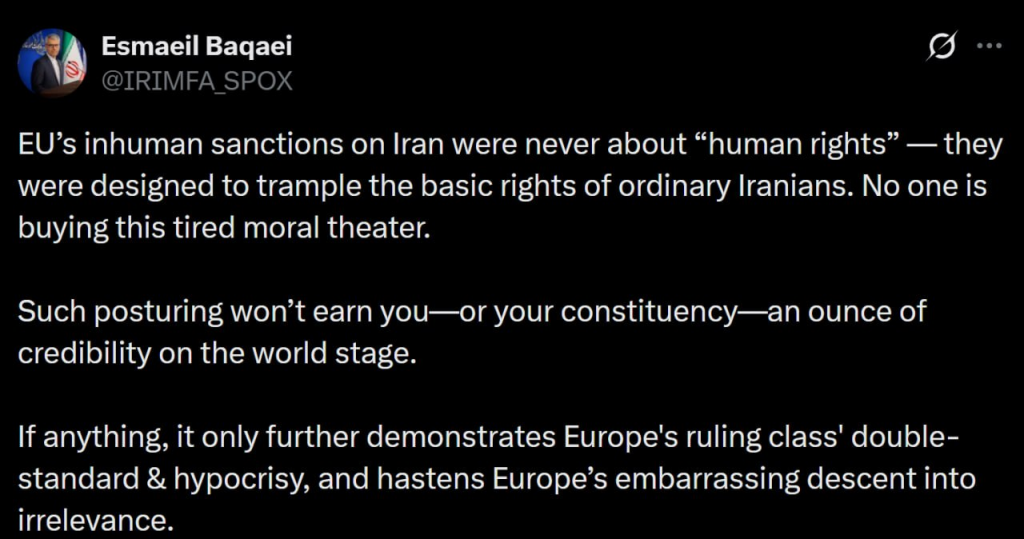
Iran: Foreign Ministry spokesman Esmaeil Baghaei said on Monday that the EU’s inhumane sanctions on Iran were never about ‘human rights’ and more designed to trample the basic rights of ordinary Iranians, so no one was buying the tired moral theatrics of von der Leyen, claiming posturing won’t earn anyone an ounce of credibility on the world stage, and if anything, it only further demonstrated Europe’s ruling class’ double-standard and hypocrisy, and hastened Europe’s embarrassing descent into irrelevance.
Iran: US Secretary of State Rubio claimed all politicians in Iran were ‘extremists,’ reported Fars News Agency, claiming Rubio, who was one of the most hawkish lawmakers in the US Senate which was how he made it into the Trump administration, tried in an interview with Fox News to portray Iran as responsible for the agreement to end the war with the US.
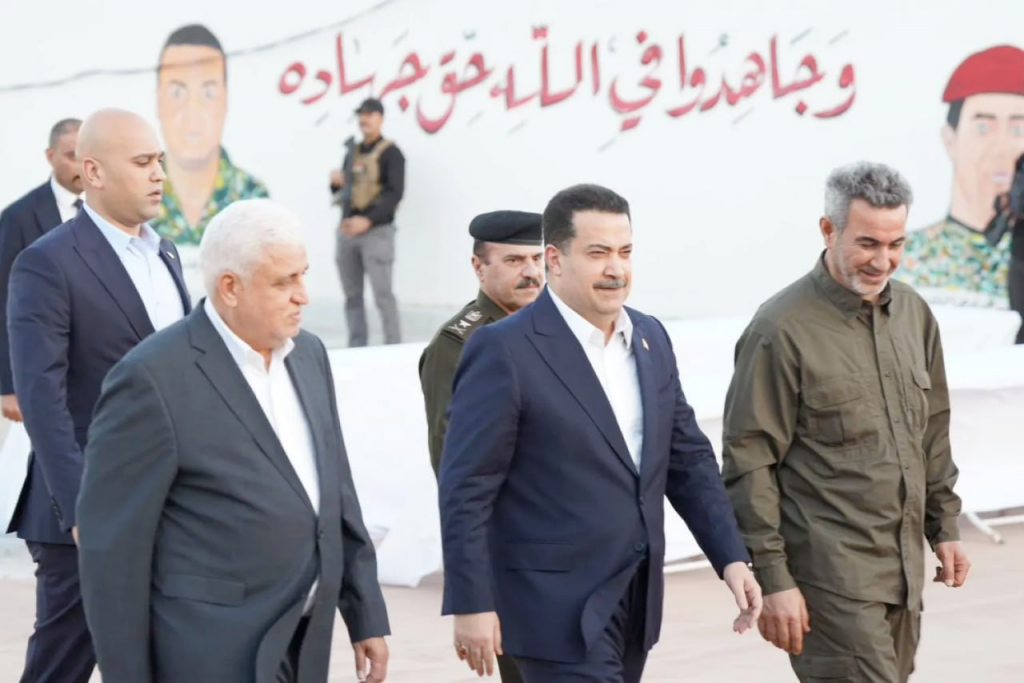
Iraq: Reports by Asharq Al-Awsat suggested that Iraq had entered a constitutional vacuum after the Shiite Coordination Framework failed to agree on a prime minister candidate within the 15-day deadline following the presidential election, which comes as the United States intensifies pressure on Baghdad to dismantle Iranian-backed militias, including offering rewards for militia leaders and imposing sanctions. A proposed five-step approach to address the militias includes separating the Popular Mobilisation Forces from armed factions, cutting off unofficial funding, restructuring the leadership away from the border, dismantling from within rather than by confrontation, and turning US pressure into domestic power.
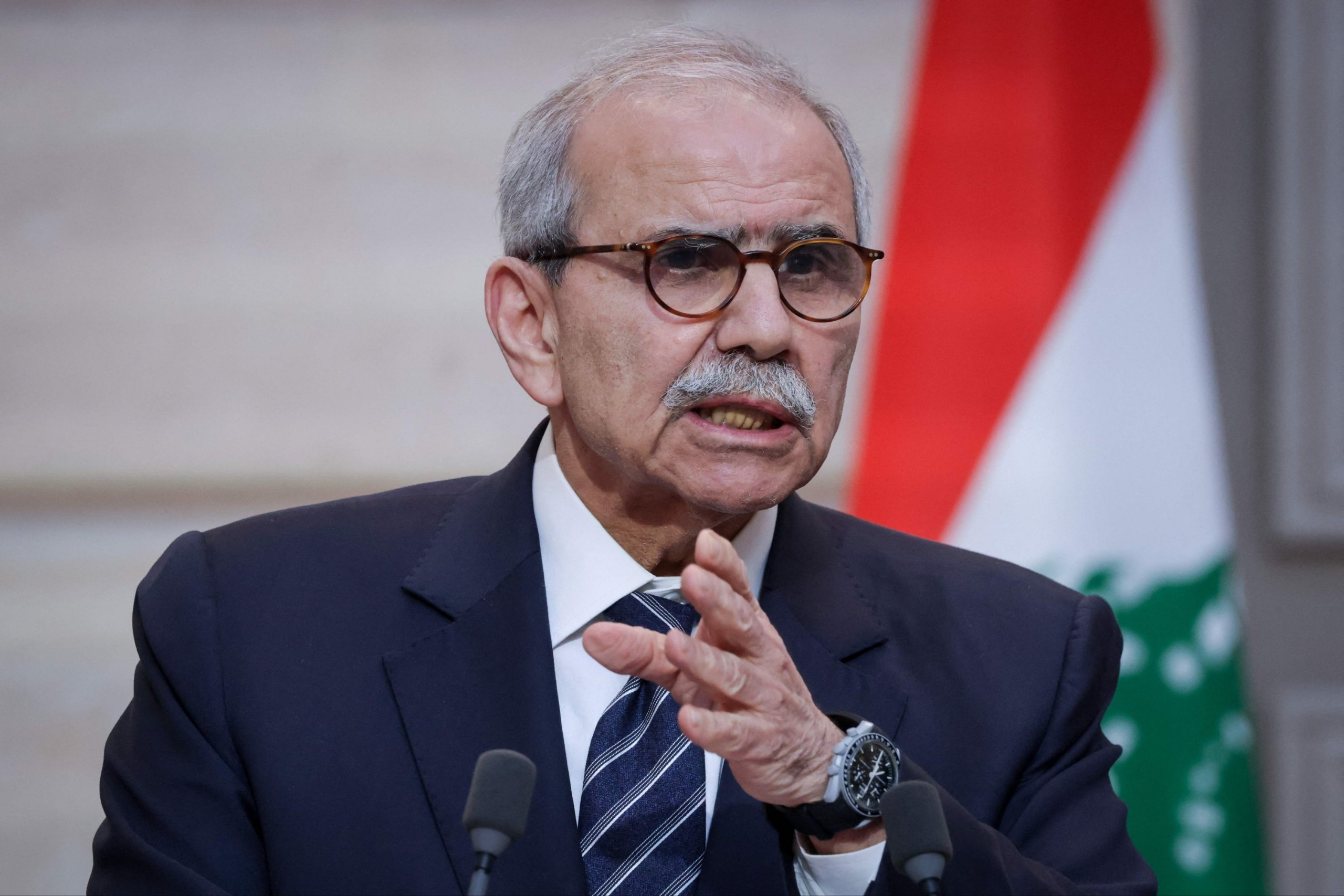
Iraq: As the deadline hour approached for a new Prime Minister to be announced, Iraq’s Shiite Coordination Framework reportedly agreed to nominate Ali al-Zaidi, owner of the South Bank (Masarif al-Janub), as a compromise candidate for prime minister, reported Mawazin News, which came after the framework failed to agree on previous candidates including Nouri al-Maliki, Basim al-Badri, and incumbent Mohammed Shia al-Sudani.
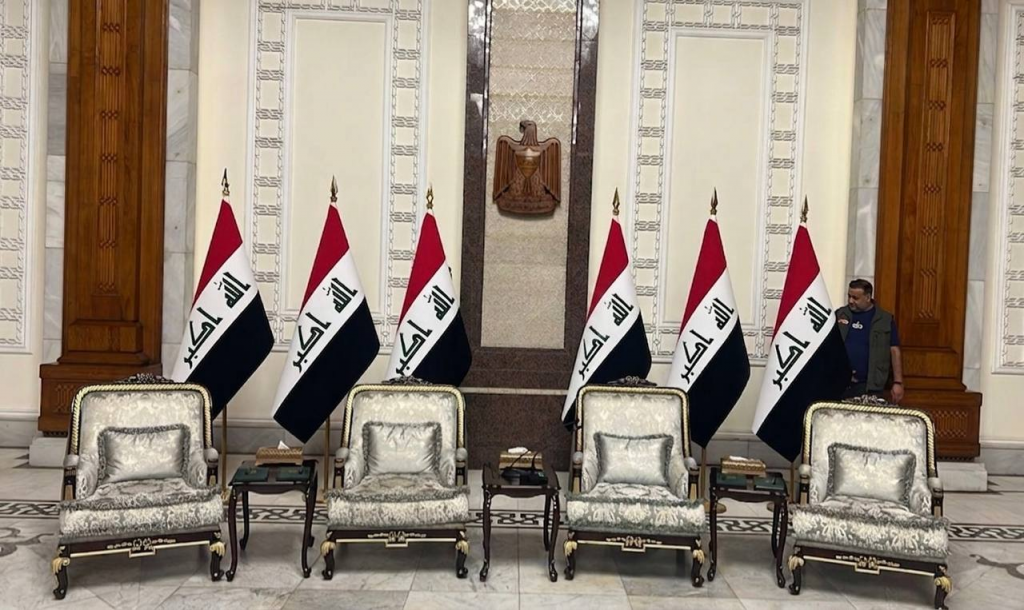
Iraq: Official preparations were underway at the Iraqi Republican Palace, including arranging the seats designated for the four presidencies, among the seat reserved for the designated Prime Minister of Iraq, in preparation for the upcoming constitutional procedures, and a letter was published soon after showing that the Iraqi Coordination Framework officially nominated Ali Al-Zaidi for the position of Prime Minister of Iraq.
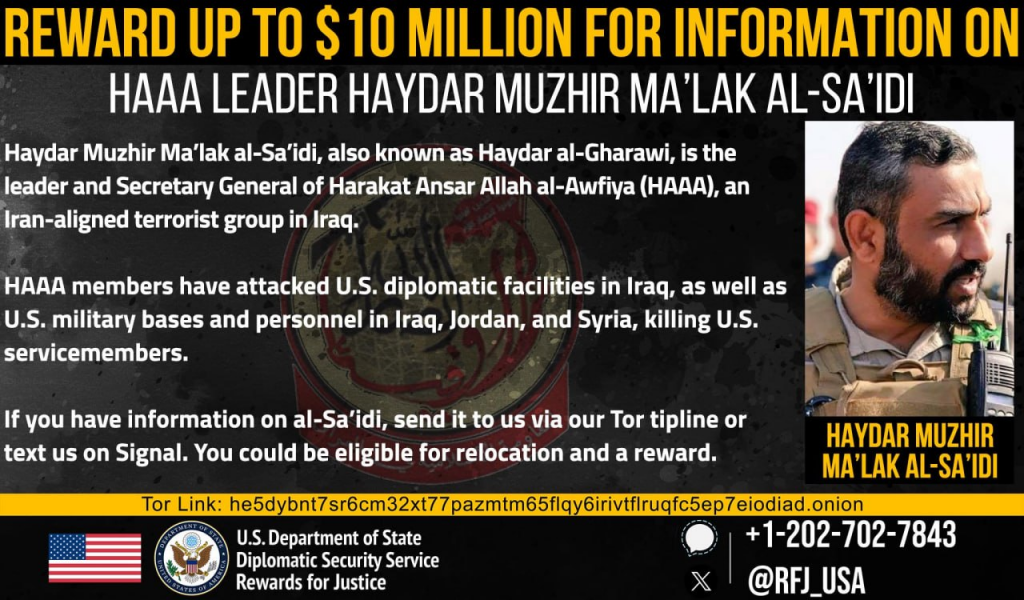
Iraq: The US State Department is offering a reward of up to $10 million for information on the leader of the Iranian-aligned Ansar Allah al-Awfiya, Haydar Muzhir Ma’lak Al-Sa’idi, because of the groups attacks of US diplomatic facilities and military bases in the region.
Iraq: US Military aircraft were conducting intense aerial operations in an attempt to intercept drones that were targeting Kurdish opposition strongholds in the Erbil province and northern Iraq, reported Naya, stating that a drone attack targeted the Koya camp which belongs to the Iranian Kurdish opposition.
Iraq: The US State Department has confirmed they will take all necessary measures to confront Iran’s destabilising activities in Iraq, taking all necessary measures to protect our interests from the terrorist militias allied with Iran, and would continue to clearly express concerns about Iraqi government’s failure to prevent terrorism.
Israel: Security Officials have proposed extending the special situation on the Home Front across the entire country until May 7, reported Channel 12, citing continued fire from Lebanon and uncertainty over the ceasefire in Iran, although the extension is subject to approval by the Knesset’s Foreign Affairs and Defence Committee, officials have assessed a ‘high probability of further attacks on civilians.’
Israel: Chief of Staff Lieutenant General Eyal Zamir told an IDF senior command conference that Israel were still involved in a multi-arena campaign, noting that unprecedented achievements were reached in Iran, removing existential threats as they were forming, while the military had established forward defence zones in front of communities in Gaza, Syria and Lebanon, intending to remain there until ‘long-term security is guaranteed.’
Qatar: The resumption of daily operations to Bahrain (BAH) and Kozhikode (CCJ) are scheduled to start from May 1 thanks to Qatar Airways, Qatar News Agency reported.
Russia: IRNA reported that the Kremlin hadn’t ruled out the possibility of contacting Washington after Russian President Putin’s meeting with Iranian Foreign Minister Araghchi in St Petersburg, as Yuri Ushakov, Putin’s foreign policy aide, said Moscow was also reviewing messages recieved from the United States and Israel before deciding on its next steps.
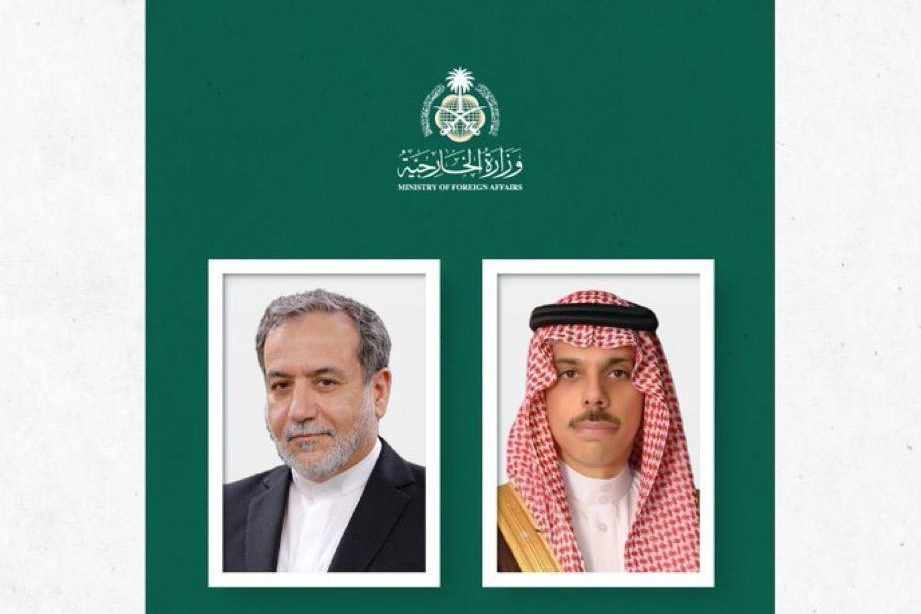
Saudi Arabia: Foreign Minister Prince Faisal bin Farhan received a phone call from Iranian FM Araghchi, which both sides discussed regional developments and efforts to reduce tensions.
Thailand: Foreign Minister Sihasak Phuangketkeow told the Washington Post that the Trump administration had not offered any direct help to Thailand, a long-standing US-treaty ally, as it struggles with the wide-ranging economic damage from the war against Iran: “I think they’re aware that there are consequences from the war, but they haven’t come to talk to us about how they can help, they haven’t approached us directly saying, ‘Oh, we understand that you have to endure the impact, and we can help you out,'” he said, adding that Thailand asked China’s help to get 8 ships through the Strait of Hormuz, and was told that they were struggling to free 70 vessels of their own.
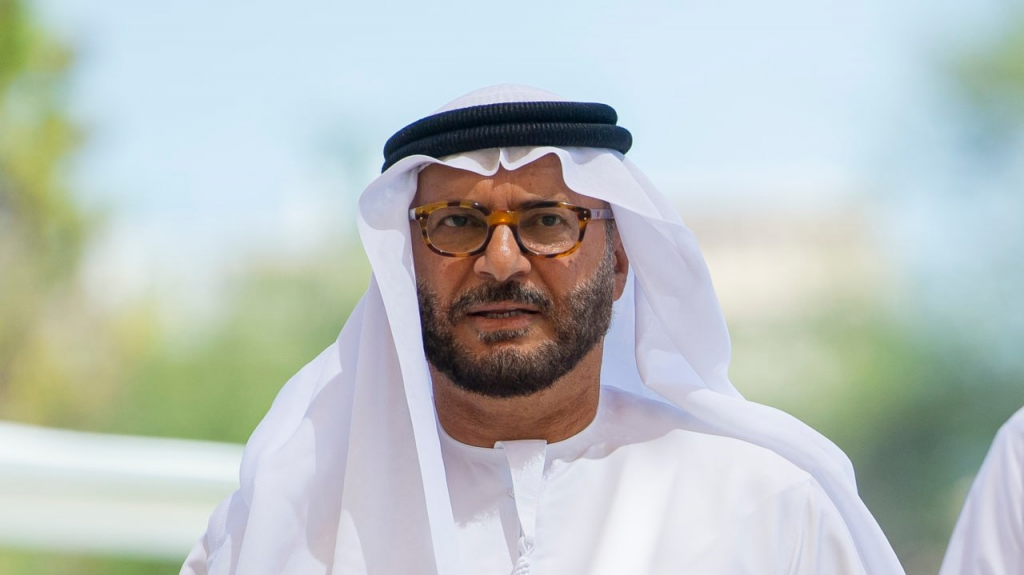
UAE: President MBZ’s advisor Anwar Gargash said on Monday that Iran’s attack on its Arab neighbours was a planned attack, part of a confrontation scenario devised by the Iranian planners, who built the necessary fortifications and armed themselves accordingly: “Naturally, we want a political solution but we also don’t want a political solution that will create future crises,” he said, stating that any political solution must address the interests of all countries involved: “Iran is acting like a superpower, even without nuclear weapons – imagine if it had such weapons,” he said.
USA: Axios reported that President Trump was expected to hold a Situation Room meeting today on Iran with his national security and foreign policy team, according to three US officials, with one saying that the meeting would focus on the current deadlock in talks with Iran and possible next steps in the war.
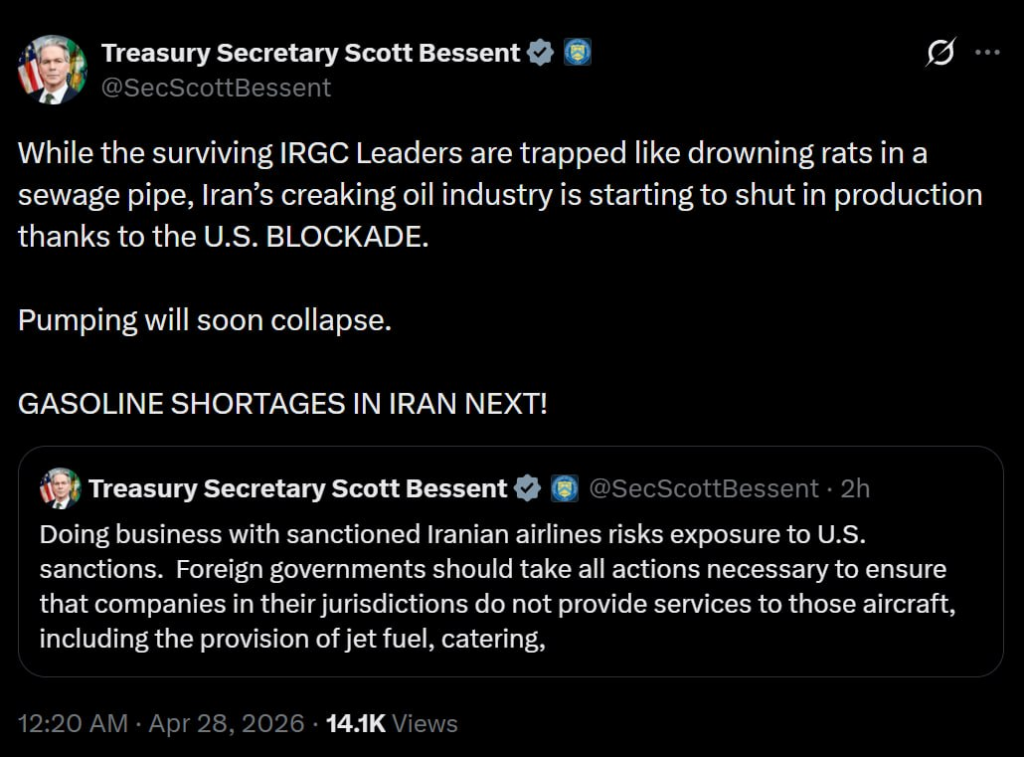
USA: Treasury Secretary Scott Bessent claimed on X that the surviving IRGC Leaders were trapped like drowning rats in a sewage pipe, while Iran’s creaking oil industry was starting to shut in production thanks to the US blockade.
USA: The Wall Street Journal said that a group of US airlines which includes Frontier and Avela had requested two-and-a-half billion dollars in government assistance in exchange for giving up stock purchase rights, claiming that the requested aid is calculated based on the estimated increase in fuel costs this year compared to previous forecasts.
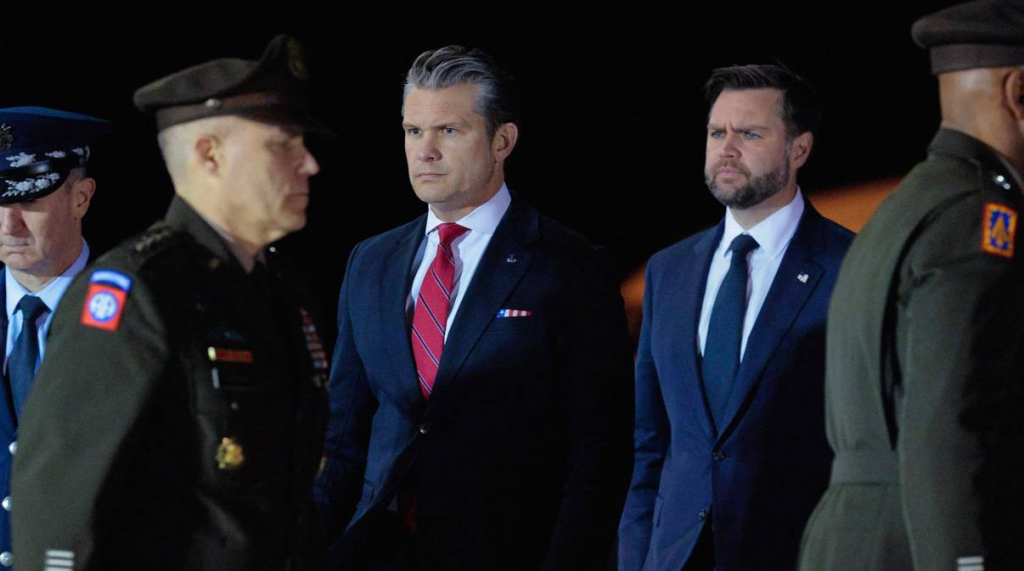
USA: The Atlantic cited US officials who claimed that JD Vance had repeatedly questioned the Defence Department’s depiction of the war in Iran and whether the Pentagon had understated what appeared to be the drastic depletion of US missile stockpiles,” they said, as The Atlantic claimed two senior administration officials told them that the VP had queried the accuracy of the information the Pentagon had provided about the war, while also expressing concerns about the availability of certain missile systems in discussions with President Trump.
USA: Press Secretary Karoline Leavitt confirmed US President Trump held a meeting with his national security team on Monday, stating she was confirming it only because it had been reported, but couldn’t get ahead of the president or his national security team, however, she could reiterate the president’s red lines with respect to Iran have been made very, very clear, not just to the American public, but to Iran as well.