 AJ
AJ
⚡️ Iran and US will have delegations in Geneva on Friday 15 to sign the official Memorandum of Understanding in person, mediated by Pakistan, as various officials, ministers, army leaders and others had various comments to say about the deal, which was mostly praise for peace, apart from Israel’s concerns in both Iran and Lebanon.

VIRTUAL SIGNING CONFIRMED:

Reuters was told by a senior US official that Iran and the United States had signed the memorandum of understanding, with President Trump, Vice President JD Vance, and Iranian Parliament Speaker Mohammad Bagher Ghalibaf signing on behalf of the parties.

According to the official, details of the agreement are due to be released within 24-48 hours, while technical discussions on implementation are expected to begin later this week, adding that the agreement provided for the immediate reopening of the Strait of Hormuz and the lifting of the US naval blockade on Iran.
OFFICIAL REMARKS ABOUT THE DEAL:
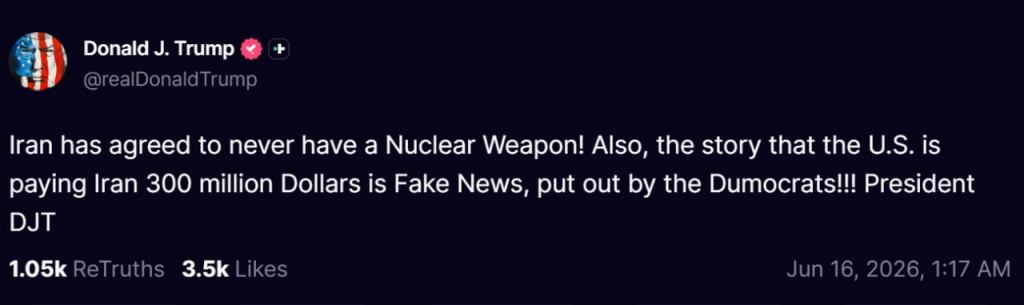
President Trump posted to Truth Social saying that not only had Iran agreed not to have a nuclear weapon, but the news about the $300 billion reparation fund is ‘fake news posted by the Dumocrats.’
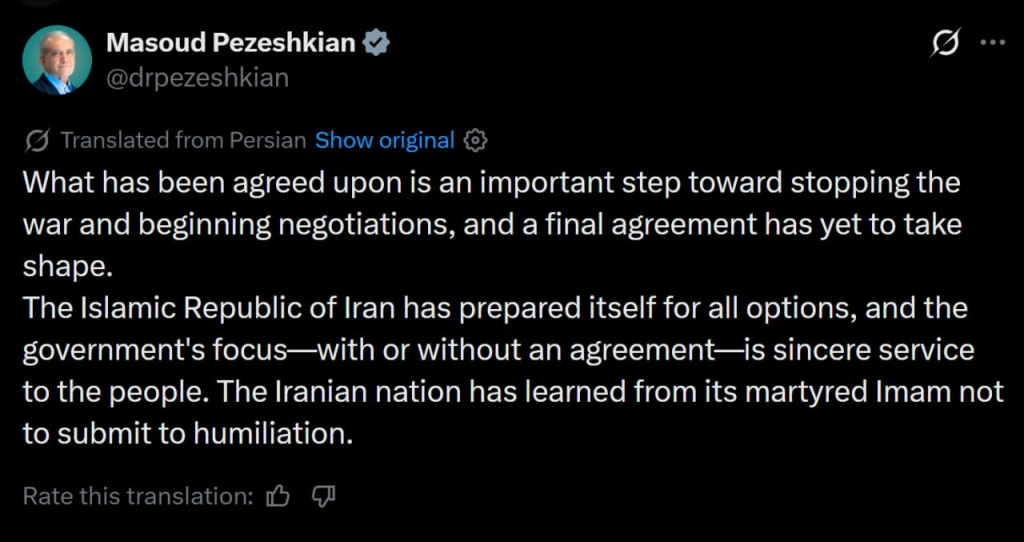
Iranian President Masoud Pezeshkian said that what has been agreed is an important step to stopping the war and beginning final negotiations, but a final agreement has yet to take shape, noting that the government’s focus, with or without an agreement, is the service to the Iranian people, who have learned from its martyred Imam not to submit to humiliation.
More responses from President Trump and Vice President JD Vance were published by AJ News on June 15:
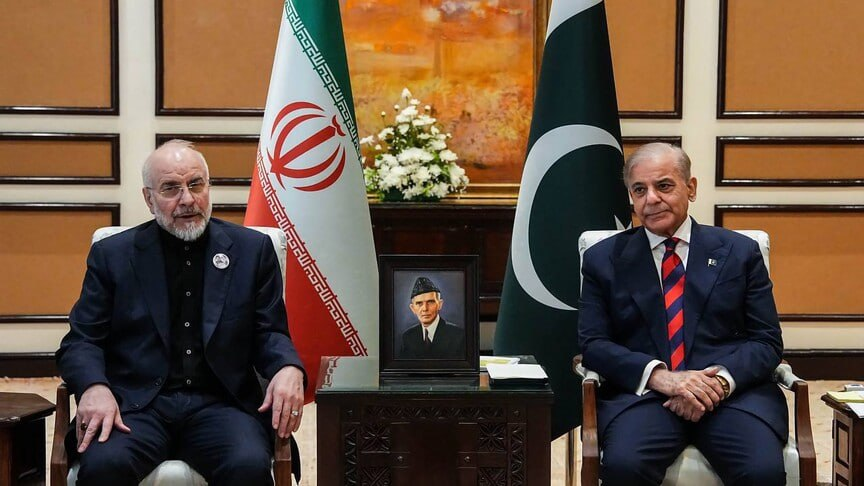
Pakistan’s Prime Minister Shehbaz Sharif confirmed that the formal ceremony for the signing of the historic agreement will take place in Geneva on June 19, hosted by Pakistan.
Sharif confirmed that ending the war inLebanon is an integral part of the understanding to end the war, noting the world ‘Lebanon’ appeared in the MoU three times.
The PM said: ”We have shown in the past that we are determined in this regard, while in practice, we have proven that we are serious,” adding that in the future, Pakistan will closely monitor developments and wherever necessary, will use all the tools available to them to ensure the commitments of both parties are fulfilled.
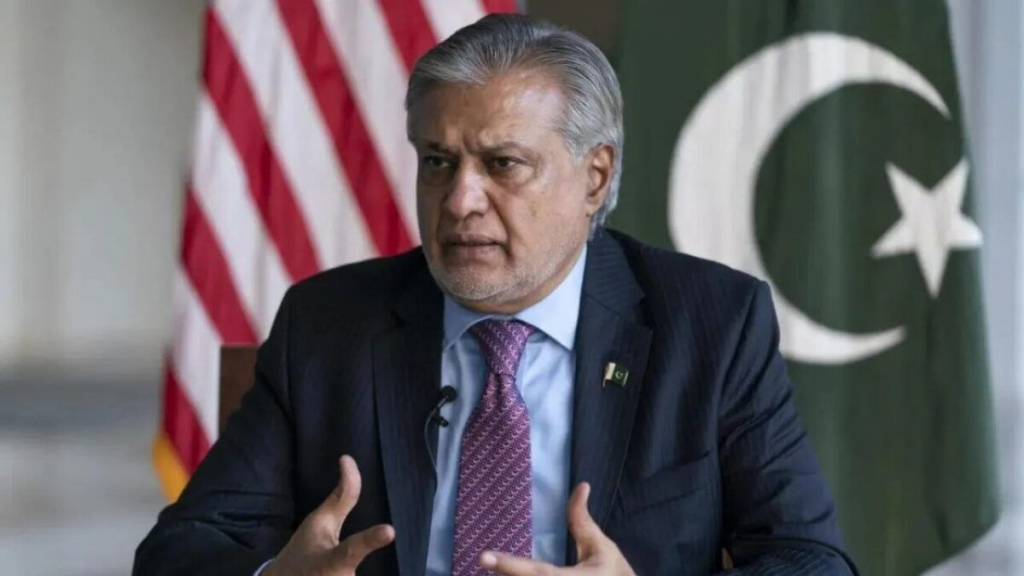
Pakistan Foreign Minister Ishaq Dar welcomed the agreement between Iran and the US, announcing the continuation of negotiations on outstanding issues, and emphasizing Islamabad supported any effort to stabilise the development.
Turkish President Recep Tayyip Erdogan said the crisis that brought the region and entire world on the bring of disaster didn’t result in any harm to Turkish civilians, noting the agreement will open up the way to permanent peace and stability in the region, and added that its essential to refrain from rhetoric or actions that could escalate tensions before the deal is signed on Friday.
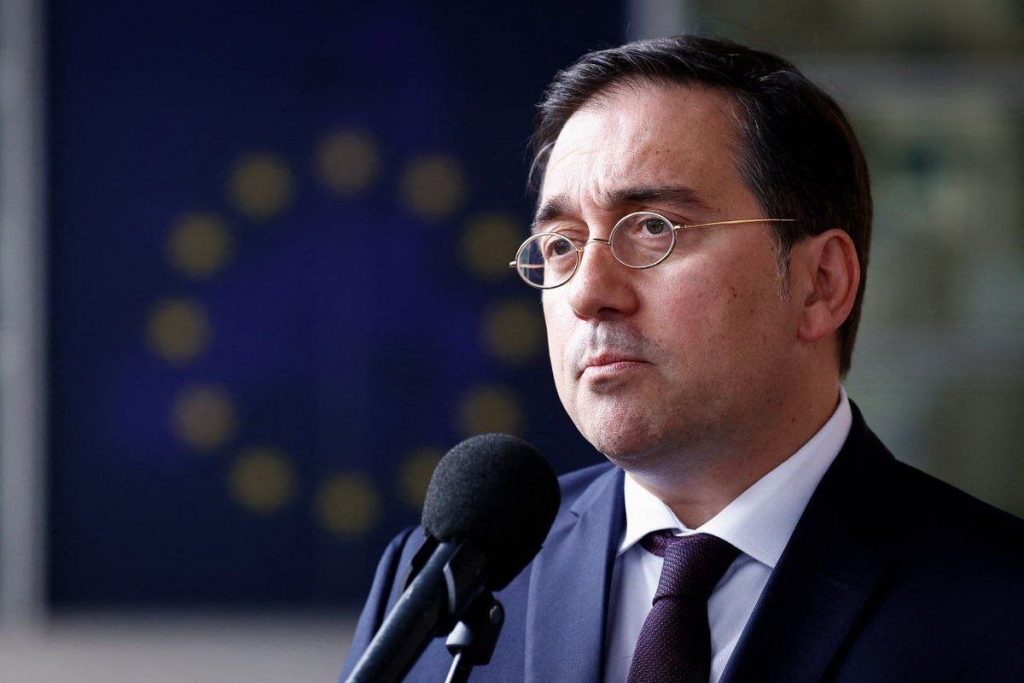
Spanish Foreign Minister Jose Manuel Albares Bueno welcomed the announcement of the understanding between the United States and Iran, and valued the efforts of the mediators, claiming the freedom and security of navigation of the Strait of Hormuz are two vital issues that will be resolved.
New Zealand’s government welcomed the agreement between Iran and the US on Monday, calling it an important step to reduce tensions, strengthen regional stability, and reopen the Strait of Hormuz.
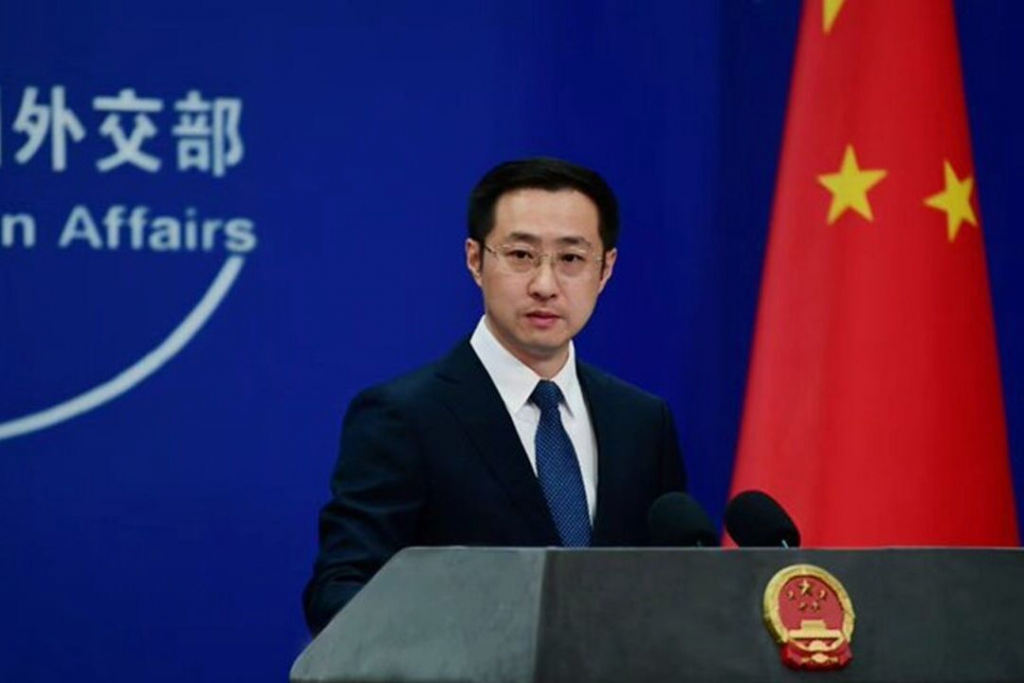
Chinese Foreign Ministry Spokesperson Lin Jian said Beijing welcomed the agreement between Iran and the US on the provisions of the first phase of a MoU and appreciated Pakistan’s mediation efforts: “China welcomes US and Iran reaching the agreement on the text of an initial memorandum of understanding,” he said.
Saudi Arabia posted a statement to X welcoming the agreement to end military operations and initiate detailed negotiations within 60 days to reach a permanent agreement, while expressing appreciation for the mediation efforts of Pakistan and Qatar.
Danish Foreign Minister Lars Lokke Rasmussen said on Monday that the region is at least a better place now than it was yesterday: “But as I said earlier during this process, the big question is how much has it changed compared to the day before this war broke out.”
UAE issued an official response from the Ministry of Foreign Affairs, stating the importance of full commitment to the provisions of the agreement, in a way that will ensure immediate and comprehensive cessation of hostile actions in the region, and added that the free flow of traffic should now resume through the Strait of Hormuz.
French President Emmanuel Macron welcomed the deal with Iran, but said its important that Iran’s ballistic missile program be brought up for discussion in future talks.
IDF published a statement through N12 saying they were reducing activity in Lebanon and waiting instructions from the political echelon.
President of the European Commission Ursula von der Leyen said the agreement must allow for the immediate reopening of the Strait of Hormuz, stating the priority for all parties must be the ‘rapid and complete reopening,’ adding that peace in the Middle East ‘is impossible as long as Lebanon is burning,” calling on all parties to respect ‘Lebanon’s sovereignty and territorial integrity.
FM ARAGHCHI’S COMMENTS ON THE DEAL:
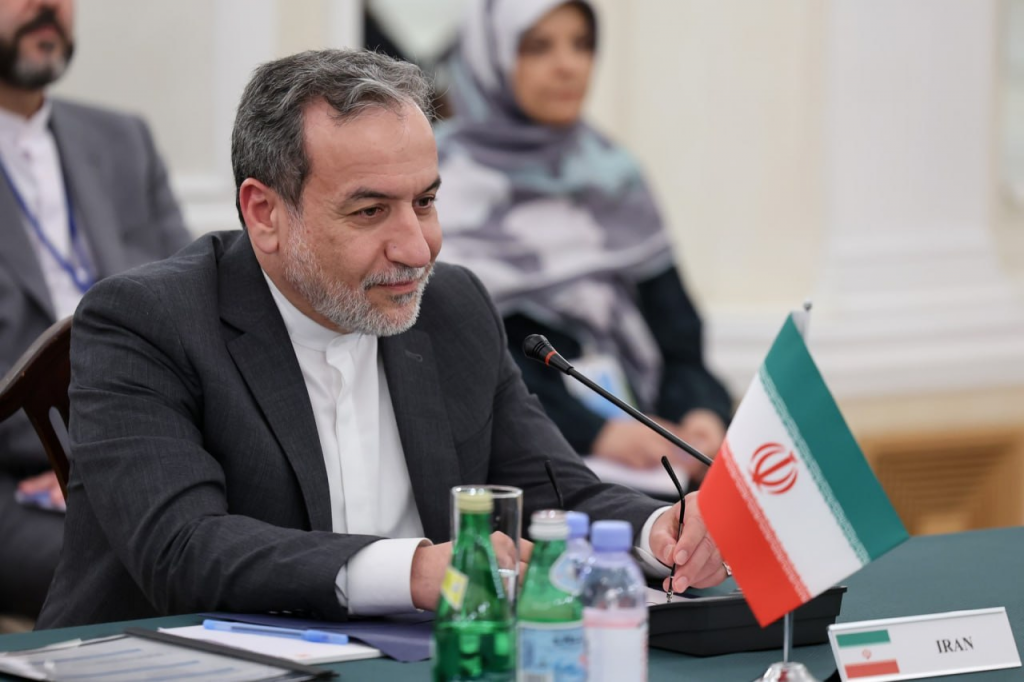
Iranian Foreign Minister Abbas Araghchi said a meeting between the heads of the Iranian and US negotiating delegations is likely to take place in Switzerland on Friday, where a MoU between Iran and the US could be signed, followed by the first round of subsequent negotiations.
Araghchi said the agreement could create economic opportunities for Iran, but the country’s economy should not become dependent on or tied to such arrangements reached through the negotiations with the US.
“We have experienced breaches of commitments, failures in implementation, and even the abandonment of agreements in the past,” Araghchi said, adding: “Therefore, we are planning both the negotiation process and implementation of any agreement on the basis of mistrust shaped by those previous experiences.”
Araghchi added: “We will seek to maximise the economic benefits that can be achieved through an agreement,” stating that in foreign policy, “we do not miss opportunities, but neither do we place our hopes entirely in any single opportunity.”
During a televised interview, Araghchi said: “From our point of view, the two sides of this memorandum are America on one side of the table and Israel on the other side,” stating that: “The end of the war in Lebanon is an integral part of the complete end of the war, and the end of the war is also included in the end of the occupation.”
Araghchi warned that any military attack by Israel on Lebanon from now on, along with continued occupation of Lebanese lands, would be considered a violation of the MoU.
FM Spokesperson Press Conference:
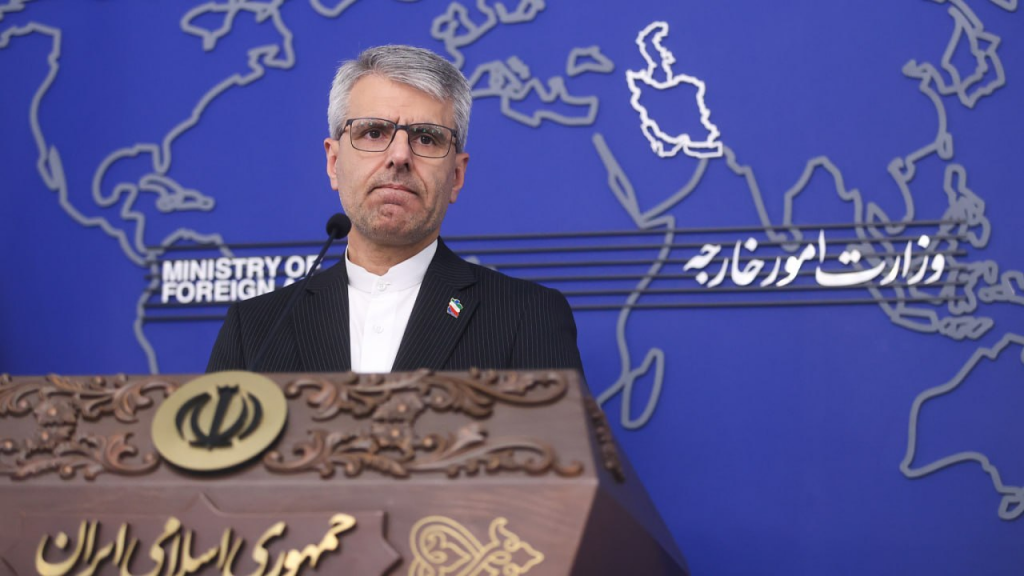
Iranian Foreign Ministry Spokesperson Esmaeil Baghaei said on Monday that the Israeli regime had attempted to sabotage the emerging understandings between Tehran and Washington to end the war, but asserted that ‘resistance turned the Israeli malice into an opportunity to secure the interests of Iran and Lebanon.’
Baghaei told the weekly press briefing: ”Future generations will see that the Islamic Republic of Iran and its allies didn’t allow the Zionist regime’s vile acts to disrupt our focus on securing the supreme interests of Iran and Lebanon,” adding: “In fact, this crime strengthened the cohesion and power of the resistance front against the Zionist regime.”
The spokesperson confirmed that a MoU had been finalised aimed at ending the war on all fronts, including Lebanon: “In the past 24 hours, we have witnessed major developments, the finalisation of this understanding is a very significant breakthrough,” he said.
Baghaei continued: “This achievement is the result of the legendary resistance of the Iranian people against the aggression and criminality of two evil actors equipped with all material means.”
The spokesperson expressed gratitude to the Iranian public, thanking all the people and all segments over the Iranian nation who, over 110 days, had been the backbone of the defenders of the homeland on ‘both the military and diplomatic fronts.’
Baghaei also condemned attacks on Iran’s peaceful nuclear facilities: “They attacked Iran’s peaceful nuclear installations, and unfortunately, the international community, specifically the Board of Governors and the International Atomic Energy Agency,… failed to fulfil their duty regarding this illegal act by the US and the Zionist regime.”
Concluding, Baghaei said: “We will not forget that during that aggressive war, we lost a number of senior commanders and dear Iranian citizens.”
Baghaei Explained The Agreement:
Foreign Ministry Spokesman Esmaeil Baghaei later addressed the terms of the agreement with the United States, claiming that the release of Iran’s frozen assets and compensation for war damages are two key economic priorities in the MoU, and the United States is committed to implementing them.
Baghaei said that “Iran considers access to its assets a legal right and continues to firmly demand compensation for this unlawful war.” adding that under the MoU, the United States is obliged to lift all primary and secondary sanctions, UN Security council resolutions, and those of the International Atomic Energy Agency.”
Details of the nuclear and economic issues are set to be finalised within 60 days of signing the agreement, while upon signing of the MoU on Friday, all restrictions of the sale of Iranian oil, oil derivatives, and petrochemical products would be lifted immediately.
Baghaei said the security, dignity, national sovereignty, and territorial integrity of Lebanon are of fundamental importance to Iran, and the country has demonstrated its commitment in this practice.
The repeated reference to Lebanon in the MoU, along with the strong emphasis on preserving its sovereignty and territorial independence, clearly reflected Iran’s strategic approach and comprehensive support for this important regional country, Baghaei continued.
Baghaei said the security of the Strait of Hormuz is of great importance to Iran, and all measures taken in recent months have been fully in line with international law: “Under the memorandum of understanding, Iran, as a coastal state, in cooperation with Oman and in consultation with relevant stakeholders, will ensure the security and safe passage of ships through the strategic waterway.”
According to Baghaei, the supervisory and supportive measures are implemented in line with the commitments of the ‘other party’ while preserving Iran’s sovereign position: “Iran is not merely seeking to collect fees, but will design and collect costs related to navigation services, environmental protection, and ship insurance provided jointly by Iran and Oman,” he said.
Baghai said the memorandum doesn’t include detailed nuclear provisions, instead, stipulating that within 60 days of signing, bilateral talks will be held exclusively on nuclear issues and mutual sanctions relief.
“Iran’s positions regarding enrichment and high-enriched uranium stockpiles are fully clear and based on its obligations under the Nuclear Non-Proliferation Treaty,” he said, adding: “However, it remains to be seen how the developments unfold dering the 60 days of negotiations.”
Iran’s FM Spoke To Several Officials:
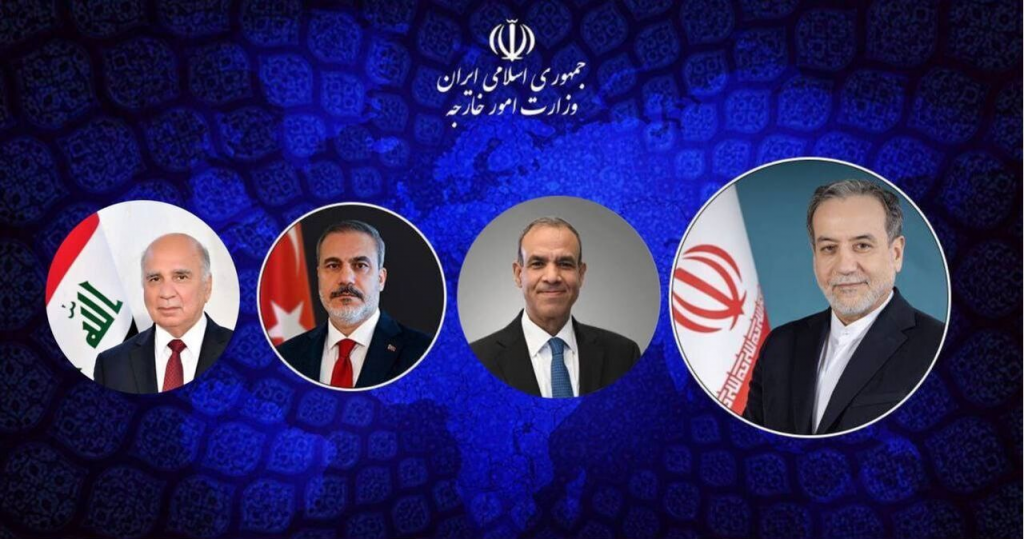
Foreign Minister Abbas Araghchi held separate calls with counterparts from Turkey, Iraq, and Egypt on Monday, reviewing the process and provisions of the Islamabad understanding and lauded the positions and role of Turkey, Iraq, and Egypt in supporting the establishment of a ceasefire, reducing tensions, and diplomatic efforts to achieve stability in the region.
All sides emphasized the continuation of close consultations on regional developments and strengthening diplomatic efforts to maintain peace and stability, noting that Iran and the US, after announcing the ceasefire on April 8, had began negotiations with mediation from Pakistan to end the war.
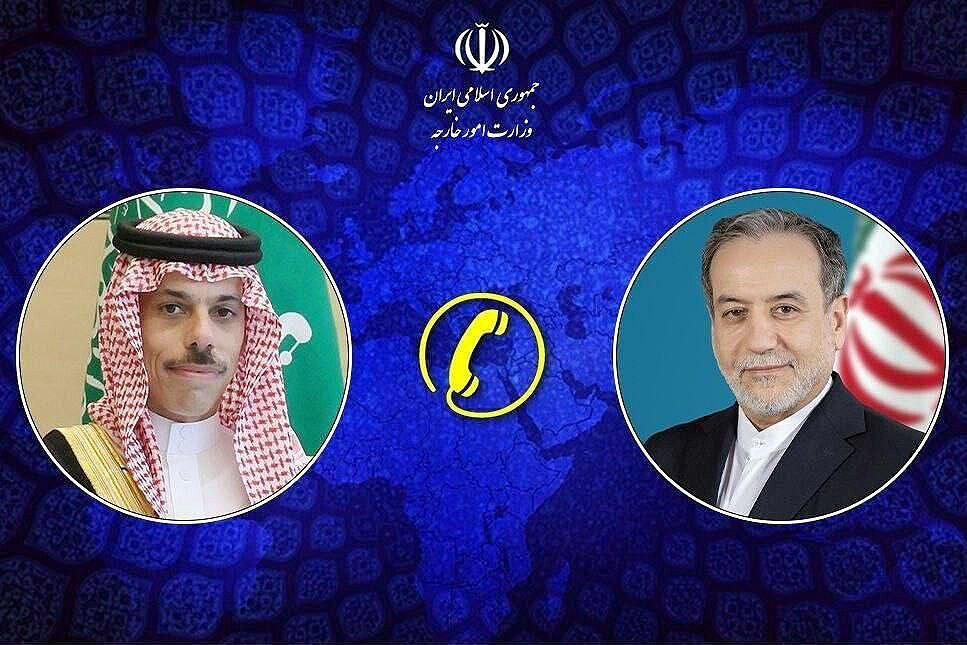
The FM also spoke with Saudi Arabia’s Faisal bin Farhan to discuss the ongoing diplomatic process aimed at ending the war and strengthening regional stability, informing the content of the agreement to the Saudi counterpart, Araghchi also referred to the responsibility of the United States for the proper implementation of the clauses, including the complete end to Israeli aggression against Lebanon.
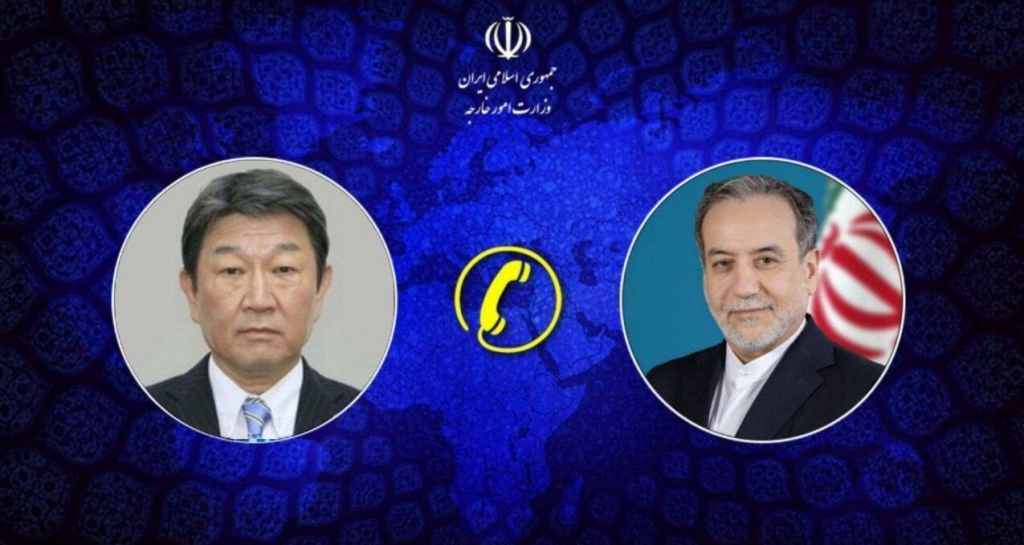
Araghchi held a call with Japanese counterpart Toshimitsu Motegi, outlining the MoU’s key clauses and emphasising that its implementation could pave the way for stronger bilateral economic ties and expanded investment opportunities between Tehran and Washington, while Motegi welcomed the agreement, describing it as importance of the full and precise implementation of its provisions.
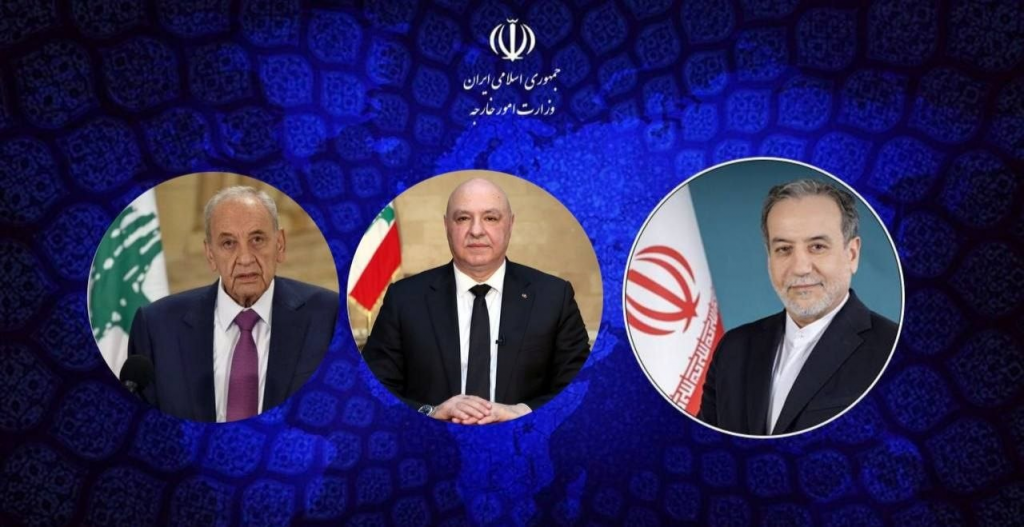
Lebanon’s President Joseph Aoun and Parliament Speaker Nabih Berri spoke to Araghchi in separate calls, where Araghchi informed the officials of the details in the Islamabad MoU, especially in relation to the provisions for Lebanon.
Araghchi also emphasised Iran’s commitment to ending the war and aggression in Lebanon, highlighted the responsibility of the United States for the proper implementation of the memorandum’s provisions, and stressed the necessity of a complete halt to Israel’s attacks against Lebanon.
The Lebanese officials welcomed the provisions of the recent MoU, emphasising the stability and security of Lebanon as an integral part of any serious effort toe stablish stability in the region, and appreciated the inclusion of the issue of ending the war against Lebanon within the text of the MoU.
News From Iran:
President Masoud Pezeshkian said on X that after intensive talks, the vast majority of the Shura members had agreed on the text of the memorandum of understanding so that America’s genuine determination to respect the rights of the Iranian nation can be tested in practice.
Pezeshkian wrote: “The guidance of the Supreme Leader has played the greatest role in including clauses to protect Iran’s national interests, for which we are grateful to him.”
First Vice President Mohammad Reza Aref said Iran’s victory in the recent war is the result of intelligent, precise and resourceful guidance of the Supreme Leader Mojtaba Khamenei, as well as the steadfastness of the Iranian nation on the field, street, and diplomacy.
Government spokesperson Fatemeh Mohajerani said on Monday that what carried Iran through its difficult days and led it to victory was the unity of the people,” stating: Today, preserving national cohesion, dialogue, and solidarity remained the most important foundation for the country’s progress and security,” adding: “Iran, with all its voices and preferences, is our shared home.”
Iran’s Commander-in-Chief of the Army, Major General Hatami, said: “The enemy thought during the 12-day war that by martyring the commanders and the martyred leader of the revolution, it could finish off the Islamic Republic, but its calculations were wrong and the Iranian nation stood firm once again.”
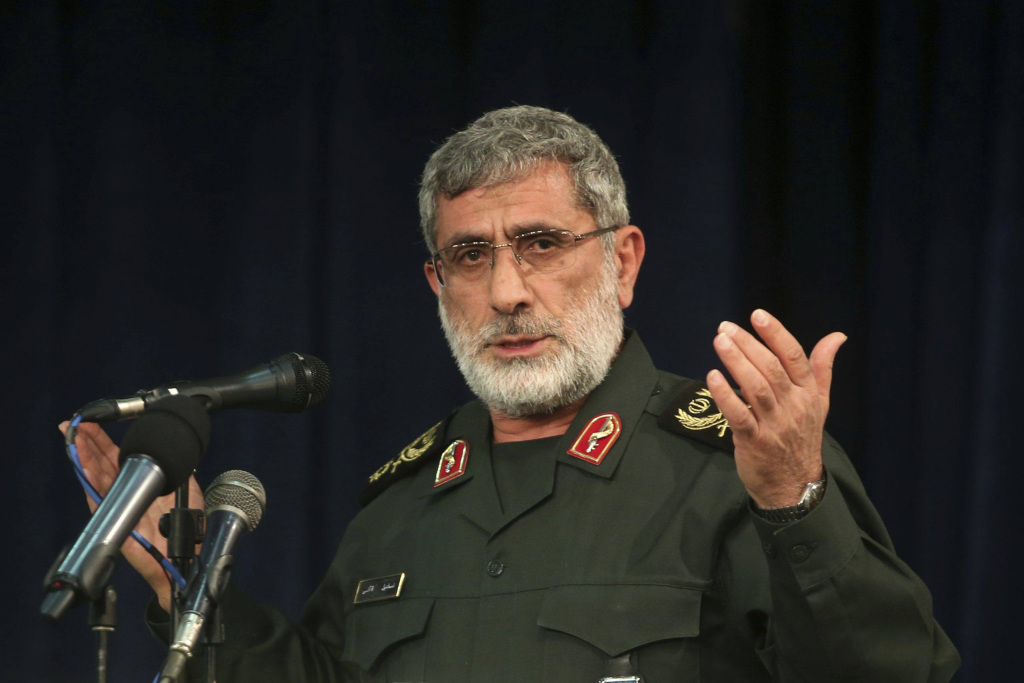
Brigadier General Esmail Qaani, the IRGC Quds Force Commander, told Iranian state media the war had ‘completely discredited America’ and accelerated the collapse of the ‘Israeli regime,’ adding that not a single resistance group abandoned the field despite ‘unprecedented pressure,’ and that their steadfastness has ‘terrified the enemies.’
Qaani said regional groups independently decided to defend Iran without being asked: “Without anyone asking them a single word,” he said, adding that Hezbollah cannot be dismantled, warning everything seen from Hezbollah so far is ‘only the tip of the iceberg.’
During the interview, Qaani also described the Bab al-Mandab Strait as a strategic asset ‘like wax in the hands’ of Hezbollah, Ansarullah, and Yemeni forces, claiming advanced US warships ‘did not dare to pass.’
Disruption at four national Iranian banks continued into Monday following a reported hacking event that occurred over the weekend, affecting Melli, Tejarat, Saderat, and Export Development.
Investigations by Fars News and user reports indicate the disruptions in non-attendance and internet services of the banks continued, despite the banks separately announcing the resolution of all card service disruptions, including internet and mobile banking systems.
News From The USA:
Axios was told by a senior American official that the US were not reducing the size of the forces currently in the Middle East until an agreement on the nuclear program is reached, while adding that an Israeli withdrawal from Lebanon was not a condition of the agreement, claiming: “If Hezbollah attacks, Israel have the right to self-defence,” despite Trump saying that he hoped the situation could be resolved.
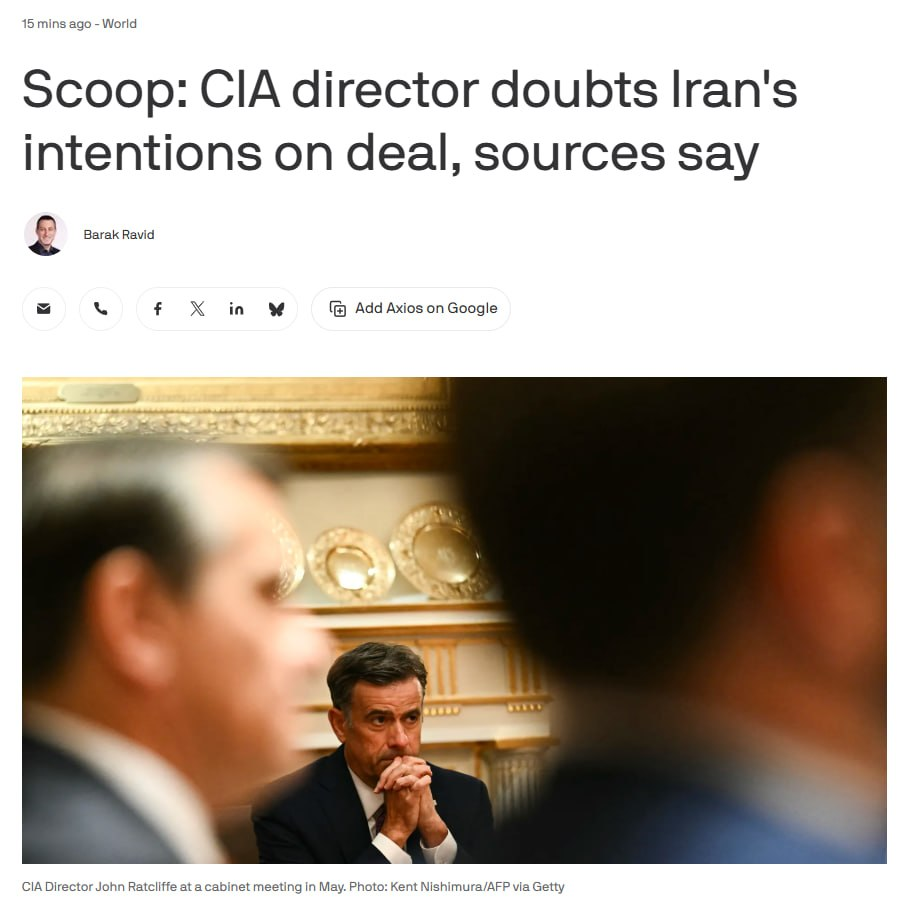
CIA Chief John Ratcliffe allegedly told President Trump and senior officials of the administration that intelligence gathered by the US intelligence services raised serious doubts as to Iran’s willingness to agree to nuclear concessions that the US have demanded as part of any final agreement.
Axios said that Secretary of State Marco Rubio and Secretary of War Pete Hegseth also expressed concerns about the agreement in internal discussions, while JD Vance and envoys Steve Witkoff and Jared Kushner supported its promotion.
The intelligence allegedly pointed to a gap between the way senior Iranians talked among themselves about the agreement, and the messages that are conveyed to mediators in the US.
CNN claimed a senior US official accused Oman of being duplicitous in negotiations with Iran at the beginning of the war: “We were unhappy with the job the Omanis did,” the official said, adding: “We kind of threw them out of the process,” instead preferring the Pakistan side to take the lead, supported by Qatar.
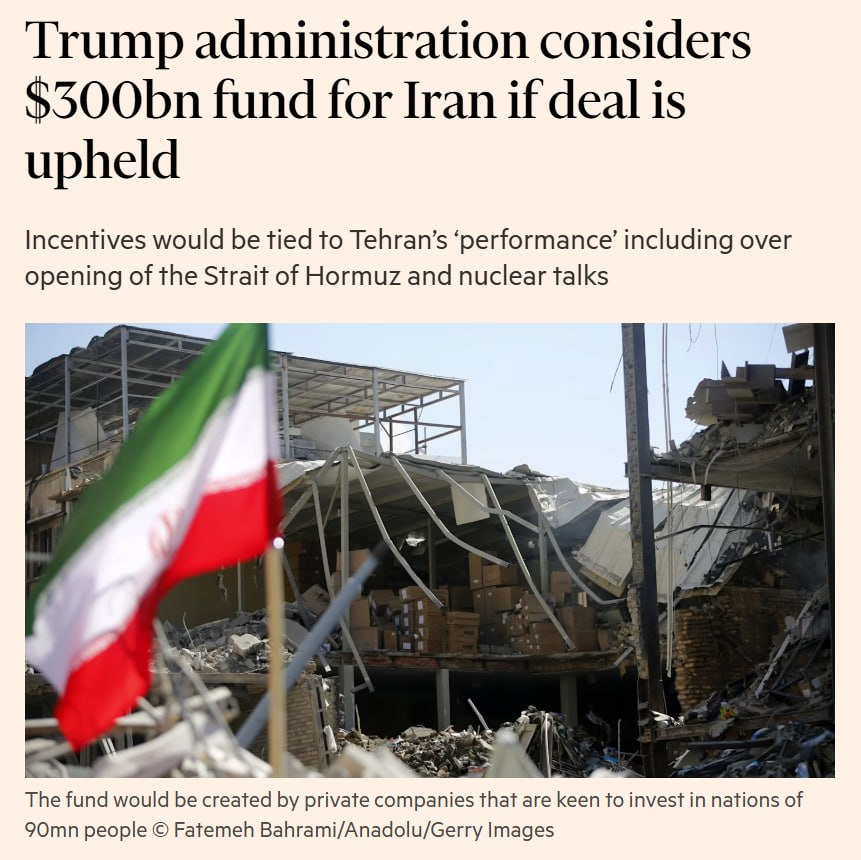
Financial Times claimed the Trump administration was weighing approval of a $300 billion private investment and reconstruction fund for Iran, with access conditional on Tehran upholding the memorandum of understanding, extending the ceasefire, reopening the Strait of Hormuz, and engaging in nuclear talks.
The fund would be raised by companies rather than governments, with phased sanctions relief and asset unfreezing linked to follow-on negotiations, and VP Vance said Iran could tap it only if it honours its obligations under the deal.
NEWS FROM ISRAEL:
i24News was told by a senior Israeli official: “If we had known the war would end this way in terms of the political habit – it is not certain it would have been worth going into it.”
Israeli Channel 13 broadcasters said on Monday evening that the details of Israel’s future activity in Lebanon was being finalised following conversations that took place between Prime Minister Netanyahu and Vice President JD Vance around 48 hours ago, during which the two reviewed the emerging agreement.
According to sources familiar with the discussion, Vance pressed Netanyahu to reduce Israel’s presence in Lebanon, while Israel’s main demand was to remain inside Lebanese territory rather than carry out a full withdrawal, but sources say there is an agreement that the IDF will not withdraw at this stage.
However, officials say future Israeli operations will face much closer scrutiny and oversight, with every action expected to be reviewed far more carefully following the US demands, a move which is expected to limit Israel’s freedom of action going forward.
More news from Israel was reported by AJ News on June 15:
HORMUZ NEWS:
Ship tracking data showed a liquified natural gas tanker of Petronet India passed through the Strait of Hormuz in an eastward direction to exit the strait, as data from Kepler and LSGA companies indicated the ship received its cargo on March 1 and 2 at Ras Laffan port in Qatar and had been in the western part of the Strait of Hormuz since then, and while the ship tracking doesn’t show the tanker’s destination, a knowledgeable source told Reuters that it would be delivered to the Dahej terminal in India.
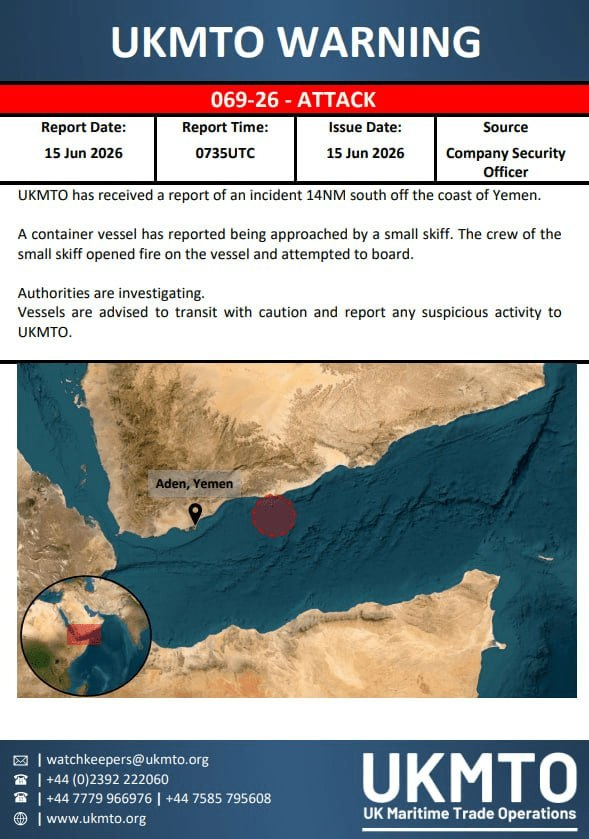
UKMTO reported that a security incident had occurred involving a bulk carrier ship in the waters south of Yemen, approximately 26km south of Aden, following a report of a fast boat carrying several passengers approaching the vessel, firing at the ship and trying to board it.
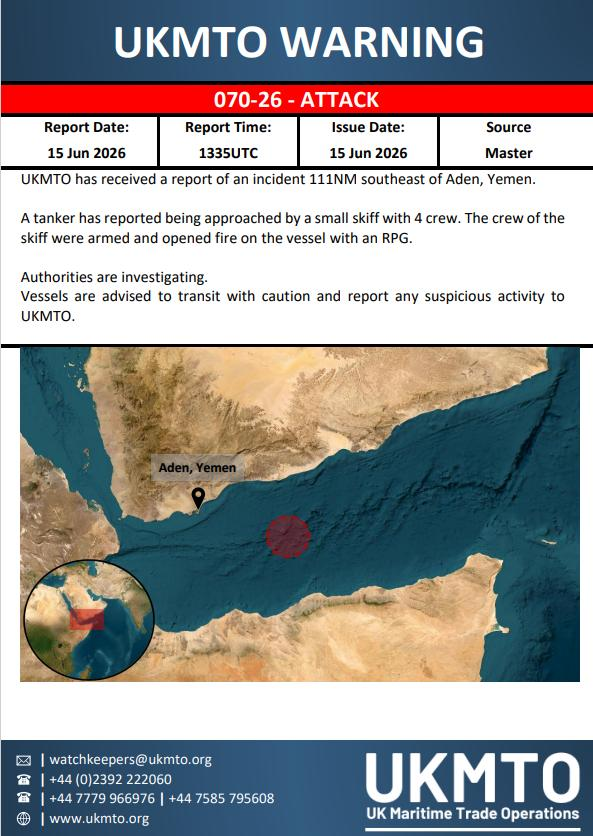
Another report from UKTMO was published in the evening, stating a tanker sailing 111 nautical miles southeast of Aden, Yemen, was approached by a small armed skiff carrying four individuals, who were armed, and who fired an RPG at the vessel.
Fars News Agency stationed a reporter by the Strait of Hormuz, who claimed that despite the US Navy lifting the blockade to allow Iranian ships to enter and exit the waterway, the IRGC Navy hasn’t allowed any vessel to pass or reopened the Strait since the closure at the weekend.
Reuters reported that five Western maritime security sources claimed mine-clearing operations in the Gulf may need 40 to 50 days to complete before insurers, shipping firms, and energy companies regain enough confidence to resume regular travel through the Strait.
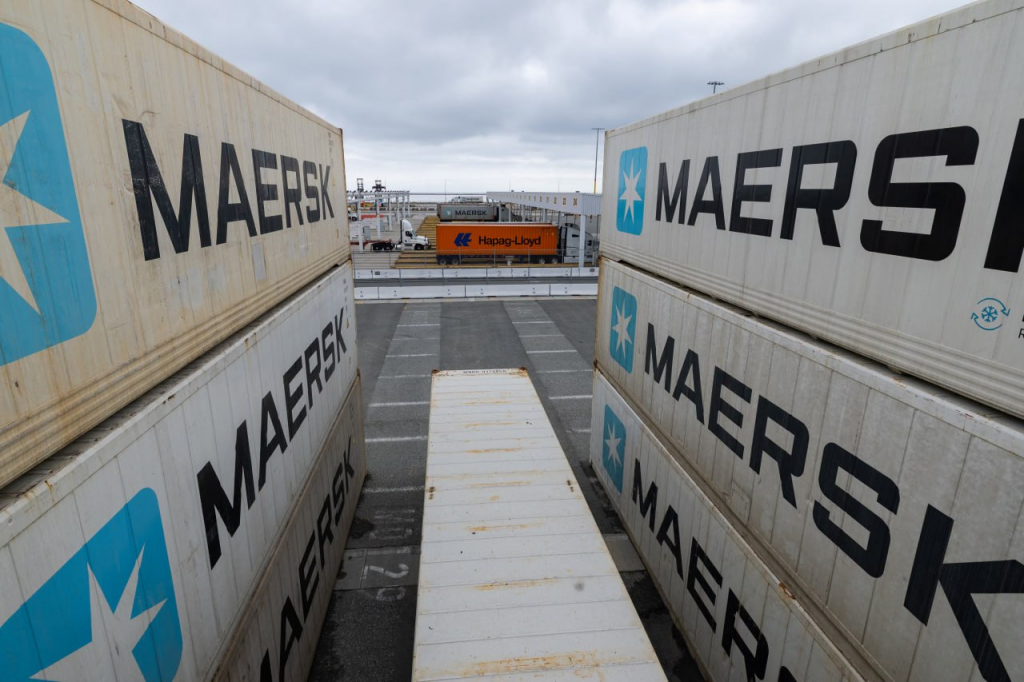
Denmark’s Maersk said on Monday it welcomed the agreement between the US and Iran, but stressed it was still too early to evaluate its implication, and that no changes have been made to the company’s West Asia operations.
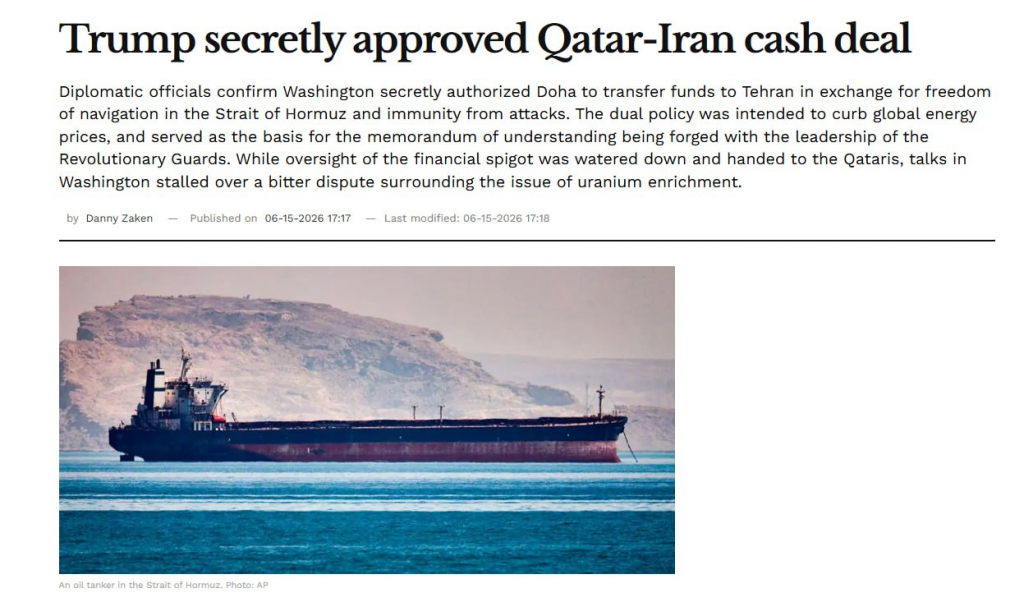
Israel Hayom claimed that the US secretly approved a financial arrangement between Qatar and Iran that allowed Doha to transfer funds to Tehran in exchange for ensuring freedom of navigation through the Strait of Hormuz and preventing attacks on Qatari vessels.
According to the report, the deal allowed Iran access to funds held in Qatar, including payments presented as transit fees for tankers and a credit line worth up to $1 billion for purchasing goods, but the US Navy maintained a public stance of enforcing maritime restrictions on Iran, while quietly permitting the Qatari channel to operate.
After the removal of the US blockade, reports surfaced of three oil tankers and two ships carrying Iranian goods were heading towards Iranian ports.
Fars News and IRIB News said the US blockade had effectively ended, claiming multiple vessels passing without incident, including an Iranian VLCC tanker which sailed from international waters towards Iranian ports after crossing the blockade area.
Meanwhile, a vessel carrying livestock feed had also passed through the route, and a fully-loaded Iranian oil tanker crossed the Sea of Oman and the former blockade line, continuing now to its export destination.
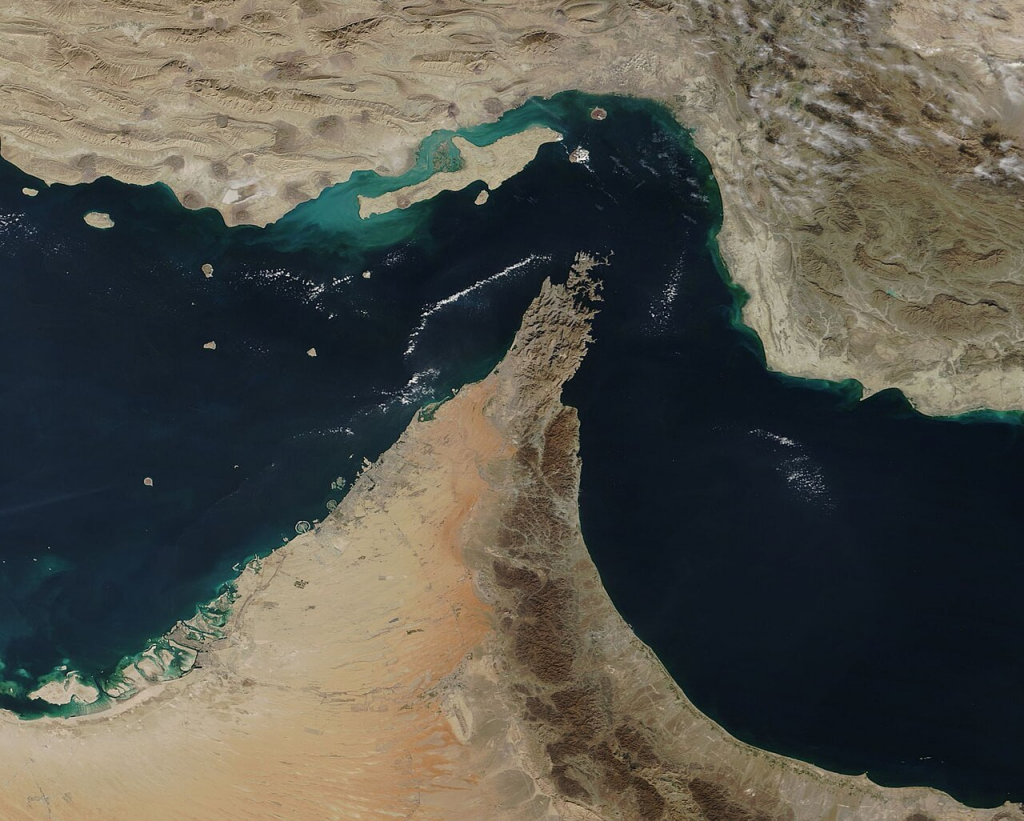
Axios said that Iran would use its ‘best efforts’ to ensure the safe passage of commercial vessels through the Strait of Hormuz without imposing any charges during the 60-day period, and in return, the US will gradually ease its restrictions, set to be fully removed within 30 days.
The report claimed the agreement also stated Iran would hold talks with Oman to establish a framework for the future administration and maritime services of the strait, with participation from other Gulf states to reach an arrangement consistent with international law and the sovereign rights of regional countries.
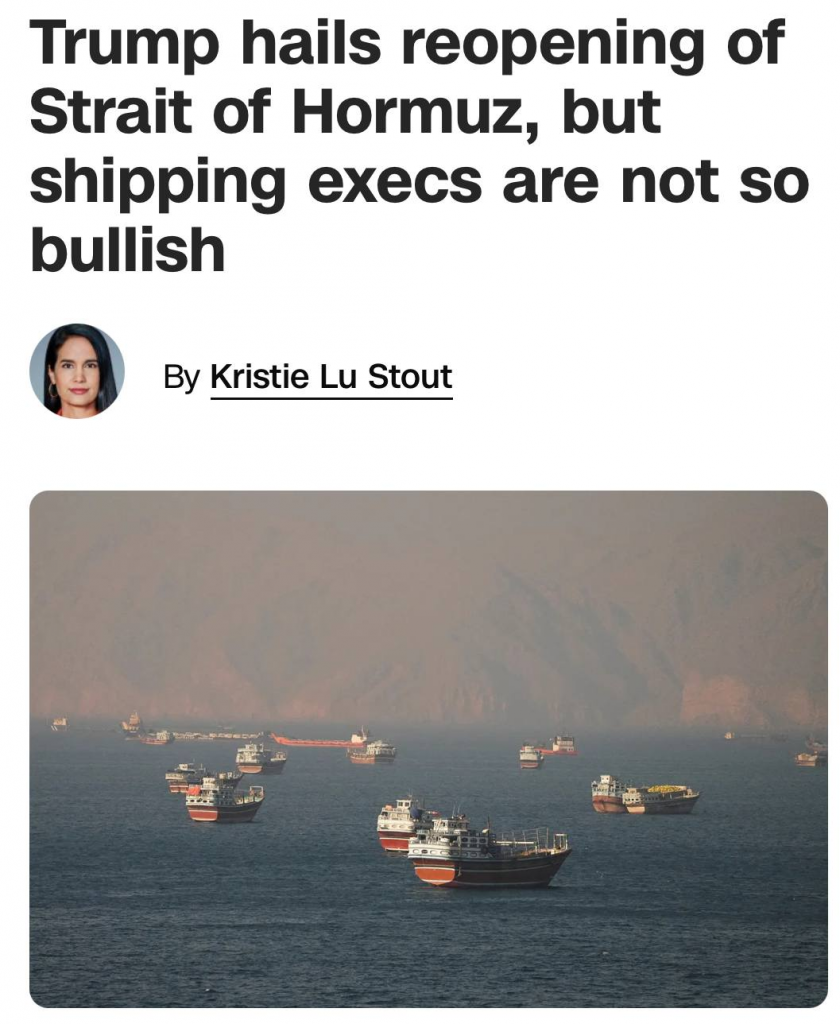
CNN reported that despite Trump saying the Strait of Hormuz was open, shipping movement was non-existent and confidence remained scarce, due to threats including mines, drones, and missile attacks, while crew exhaustion after months of uncertainty also added to operational risks.
Kpler ship-tracking data showed no meaningful movement among the 220 tankers and nearly 500 vessels currently anchored in the Persian Gulf, while Caravel Group CEO Angad Banga said his vessels were ready to move but holding position, claiming they’re waiting for 30 days of incident-free transit instead of just three days.
“After so many false starts, the shipping industry is going to be cautious,” Tim Huxley, Chairman of Mandarin Shipping, stated, adding that trade flows and damaged Middle East infrastructure would take a considerable time to recover.
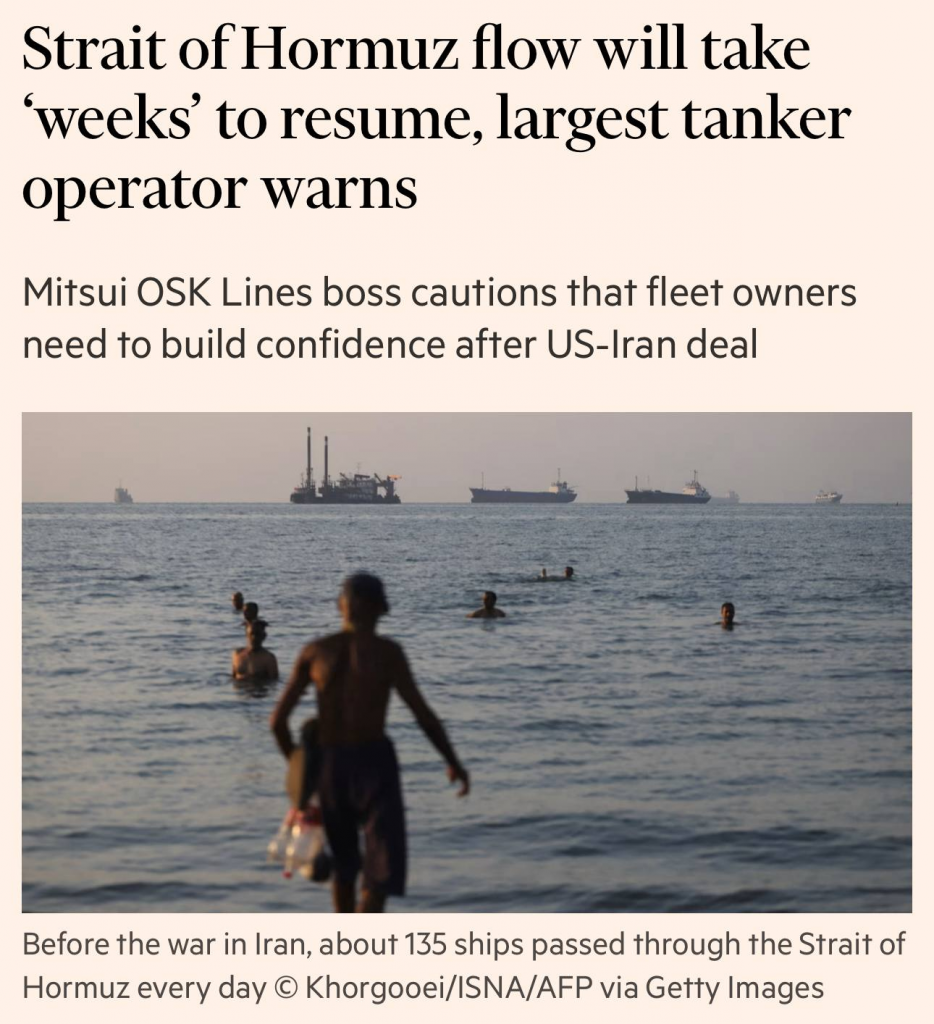
Mitsui OSK Lines CEO Jotaro Tamura said that shipowners are expected to delay the resumption of movement in the Strait of Hormuz for weeks, until the US-Iran deal is seen as real ‘material’ and fully implemented.
Tamura said: “What will have to come in place is not just a simple agreement… but it has to be material and translated into the real situations in the Strait of Hormuz,” adding that it could take ‘at least a couple of weeks if not a month’ for confidence to return, noting that previous false starts have made operators more cautious.