 AJ
AJ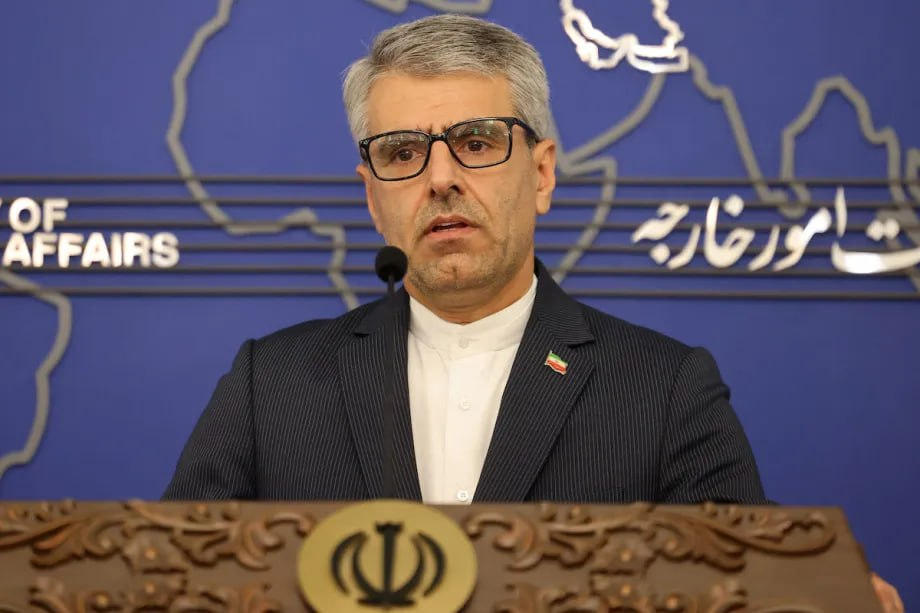
🔹 Iranian Foreign Ministry Spokesperson Esmaeil Baghaei said Iran and Oman had reached an agreement regarding a specific maritime route through the Strait of Hormuz, with the final details to be released as soon as possible.
🔹 Baghaei said that a joint statement will be drafted contingent upon the condition that no third party interferes in the process, while adding that the blockade imposed by the blockade must be lifted for the proposed Iran-Oman initiative to succeed.
🔹 Eight of the world’s largest shipping industry associations have urged the United Nations and the International Maritime Organisation to oppose any compulsory tolls or transit charges in the Strait of Hormuz, warning that fees would undermine international maritime law.
🔹 In a joint letter to UN Secretary-General Antonio Guterres and IMO Secretary-General Arsenio Dominguez, the groups said allowing transit fees would create a dangerous precedent that could encourage similar charges at other vital chokepoints, increasing uncertainty for global shipping and trade.
🔹 The letter was signed by major industry bodies which included the International Chamber of Shipping, BIMCO, and the World Shipping Council, Bloomberg reported, citing growing concerns that Iran could seek to carry out the promise by the Persian Gulf Authority to impose fees on vessels transiting the strategic waterway.
🔹 Iranian Deputy Foreign Minister Kazem Gharibabadi announced than an agreement regarding the opening of the Strait of Hormuz was nearing completion, stating that principal-level understandings with Oman had mostly been reached regarding the map of transit routes, maritime traffic entry and exit lanes, and other related agreements.
🔹 Gharibabadi said that portions of the new routes would require entry and exit through the ‘territorial waters of the Islamic Republic of Iran,’ saying that the world was witnessing a new model: “This new model is based on securing the national interest of the Islamic Republic of Iran, and a new strategy of the Islamic Republic to exercise sovereignty over the Strait of Hormuz.”
🔹 According to the Deputy FM, exercising effective sovereignty during peacetime should not be interpreted as Iran wanting to close the Strait every day: “In wartime yes, absolutely – whenever necessary and to whatever extent required,” Gharibabadi said.
🔹 Gharibabadi continued, telling IRNA that in peace time, when calm and stability prevail in the region, and when there is no threat to Iran’s security and ‘the opposing parties remain committed to their obligations,’ normal transit conditions across the Strait of Hormuz would be in effect.
🔹 Foreign Minister Abbas Araghchi spoke with Italian minister of Foreign Affairs Antonio Tajani, discussing the latest regional developments, including the importance of continuing diplomatic consultations, regional cooperation, the de-escalation of tensions, and the freedom of navigation in the Strait of Hormuz.