 AJ
AJ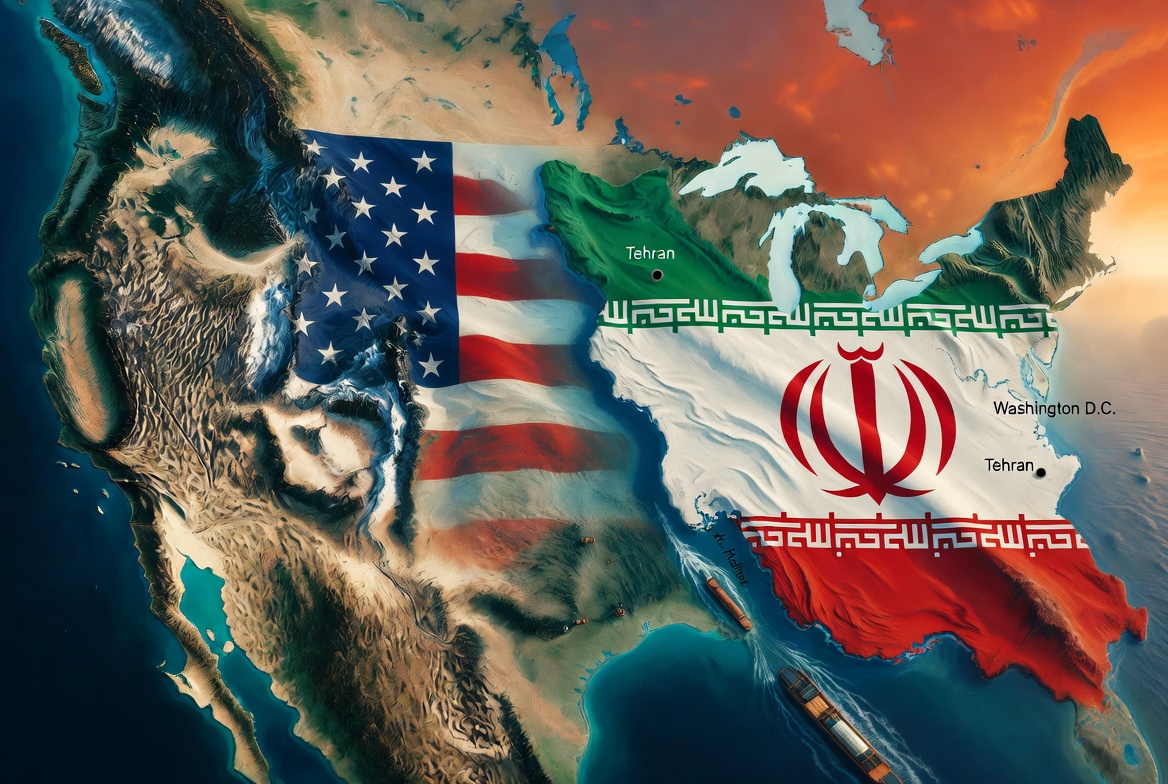
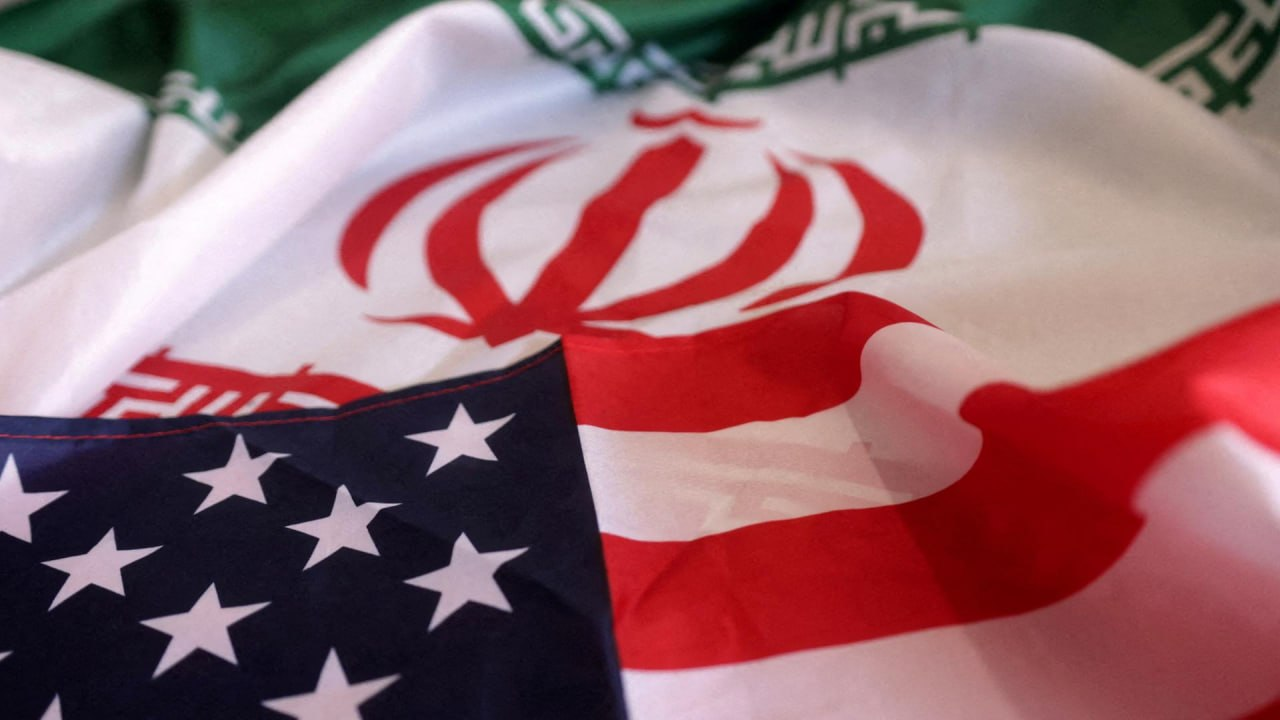
There’s been a lot of news from Iranian officials, not so much from the US, while various global airlines reported difficulties, with one subsequently closing, the new measures and proposals for negotiations and managing the Strait of Hormuz, and much more, covered in today’s recap of the news from Saturday May 2.
Negotiations and mediation:

Israeli media including Channel 12 and i24News have been claiming since Wednesday that an attack on Iran was ‘imminent,’ continuing the rhetoric on a daily basis until Saturday, along with claims again that “Iran are planning a pre-emptive strike” and “an Iranian attack is imminent.”
Meanwhile, Iran remained sceptical, pointing out that President Donald Trump’s open letter to Congress also left open the options for a war to resume along with a new 60-day countdown timer, leading Iranian officials to re-issue previous statements that warned Iran were ready for war, had new options not used yet, and were fully prepared to target the US and Israel, along with US assets in Bahrain and other regional countries, if attacks are to resume and are allowed from their nation.
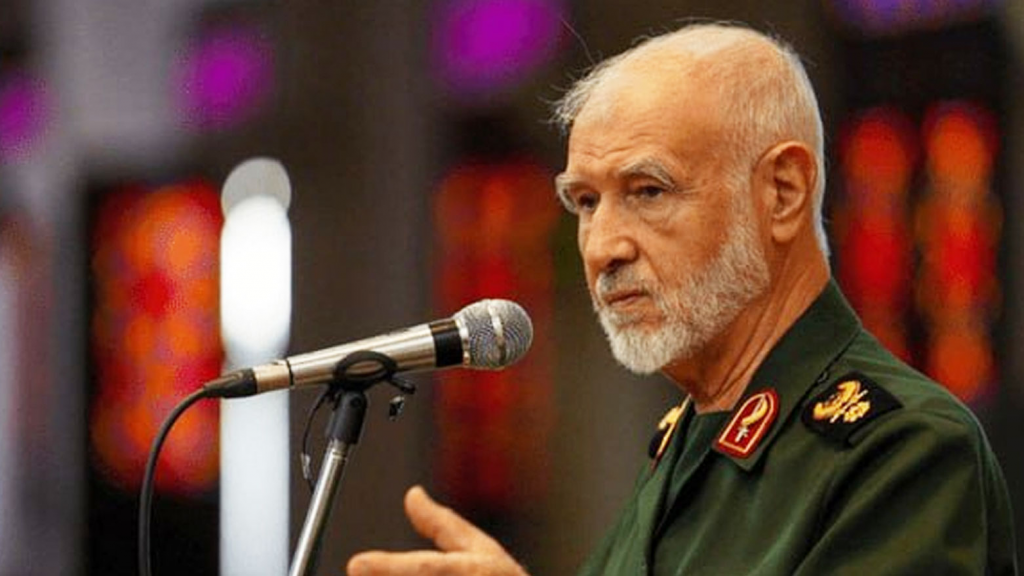
Deputy Inspector of the Khatam al-Anbiya Central Headquarters Brigadier-General Mohammad Jafar Asadi said on Saturday morning that a renewed conflict between Iran and the US was likely because Washington wasn’t bound by any agreement, noting that the US officials’ statements were mostly media-oriented, aimed at preventing an oil price collapse and escaping the predicament they had created: “The armed forces are in full readiness for any new US adventurism,” he said, adding that not only the military and the people, but also political groups that previously had disagreements, had now realised they must maintain unity.
Tehran’s fourteen-point response regarding the end of the war was sent to the Pakistani mediators on Friday night, which includes the main outline Iran considers for ending the war, that informed sources said was a response prepared addressing Washington’s 9-point proposal, in which Tehran not only emphasises its red lines but also proposes a clear roadmap to end the war, Fars News reported.
Fars also claimed that a reporter learned the transmission via message mediation took place after the usual decision-making processes in the relevant institutions and obtaining the necessary approvals had taken place in Iran, adding that it appeared the continuation of a diplomatic path through Pakistan, despite suspicion of the United States, simultaneously indicated Iran’s seriousness and confidence in pursuing its national rights and interests.
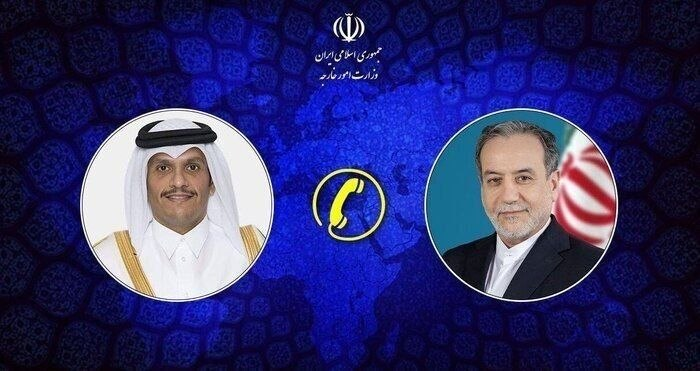
Iran’s Foreign Minister Abbas Araghchi held multiple calls on Friday, and again on Saturday, discussing regional and international developments, the details of Iran’s new proposal for peace to the United States, and issues surrounding the consequences of a conflict they didn’t start, including passage through the Strait of Hormuz, along with initiatives to end the war, with counterparts from countries including France, Italy, Qatar, South Korea and Japan.
While the US had requested a two-month truce, Iran insisted issues must be resolved within 30 days and that the focus should be on a complete end to the war, demanding for guarantees against further military aggression, withdrawal of US forces from Iran’s periphery, lifting the naval blockade, release of Iran’s blocked assets as well as compensation and lifting of sanctions, an end to the war on all fronts including Lebanon, and a new mechanism that will be in place for the Strait of Hormuz.
According to the NYT, Iran’s new proposal dropped its earlier demand that President Trump first lifted the maritime blockade on Iran before face-to-face negotiations could begin, as Iranian officials added the revised offer also showed greater flexibility on sequencing, with Iran willing to first reopen the Strait of Hormuz, followed by a US announcement ending the blockade, appearing to give the US victory.
In a clear example of Israeli warmongering, Channel 14 reported that tensions between the US and Iran escalated over the weekend, as President Trump allegedly issued a new ultimatum to Tehran: “Either we destroy them forever – or we make a deal,” after expressing dissatisfaction with proposals submitted by the Iranians.
Meanwhile, Israeli Channel 12’s evening report stated that the Israeli security establishment were preparing for all scenarios regarding Iran, after large shipments of ammunition and military equipment had arrived in Israel in recent days, adding that the IDF Chief of Staff Eyal Zamir was intensifying his contacts with Centcom Commander Admiral Brad Cooper to coordinate any possible operations.
During Saturday night, Axios reported that the Iranian proposal to the US set a deadline for negotiations on reopening the Strait of Hormuz, in addition to ending the blockade around the Strait and permanently ending the war in Lebanon, claiming the Iranian proposal underlined that only after a deal like this is reached could another round of negotiations begin.
President Trump confirmed on Saturday night that he’d been informed about Iran’s proposal: “They’re going to give me the exact wording now,” he said, and answered another question on what was meant when Trump said ‘maybe we’re better off not making a deal at all last night,’ to which the President replied: “I didn’t say that, I said that if we left right now, it would take them 20 years to rebuild, but we’re not leaving right now, we’re going to do it so nobody has to go back in two years or five years,” he said.

“I will soon be reviewing the plan that Iran has just sent to us, but can’t imagine that it would be acceptable in that they have not yet paid a big enough price for what they have done to Humanity, and the World, over the last 47 years,” Trump wrote on Truth Social, likely as he was travelling to a Florida event in the Beast.
The NYT had the last report of the night, stating that Iran refused to address its nuclear program in the initial phase of talks, instead pushing it to later stages, which became a key sticking point in negotiations, and while President Trump said he was reviewing the latest proposal, he’d also signalled that the deal is likely to be accepted.
Strait of Hormuz:
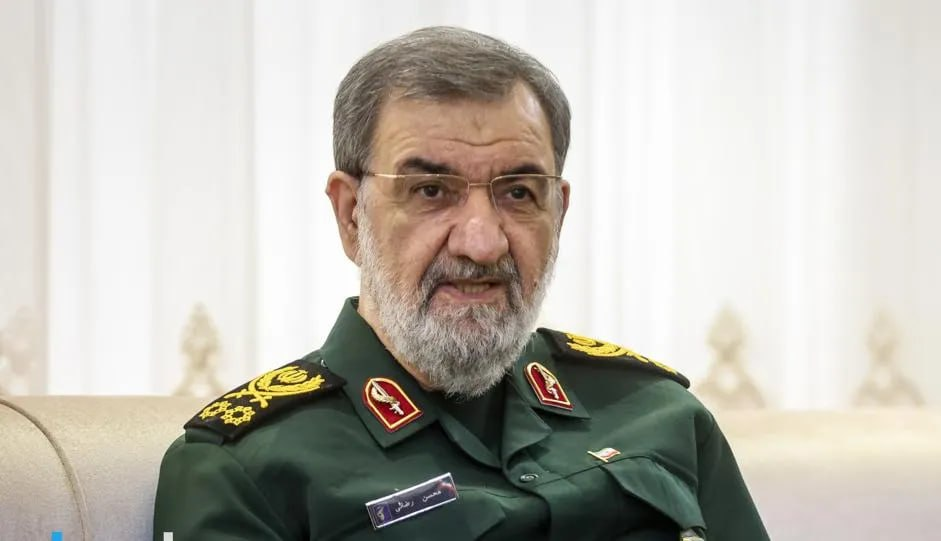
Head of the Reconstruction Committee in the Iranian Parliament Mohammad Reza Rezaei said on Saturday that managing the Strait of Hormuz is more important than obtaining nuclear weapons, noting that based on the plan for managing the vital waterway, 30% of the fees collected from ships would be used to strengthen military infrastructure, adding that exercising control in the Strait is a demand of the Iranian people that wouldn’t be renounced.
China’s ambassador to the United Nations Fu Cong said: “Iran needs to lift its restrictions on the Strait of Hormuz and the US needs to lift its naval blockade,” stating the most urgent issue is to keep the ceasefire, which needs to last, while there also needs to be good-faith negotiations between the two sides: “I think the international community should be mobilised and raise our voices against the resumption of fighting,” Drop Site News reported, adding that Ambassador Cong also rejected allegations about military cooperation between Beijing and Tehran as ‘false.’
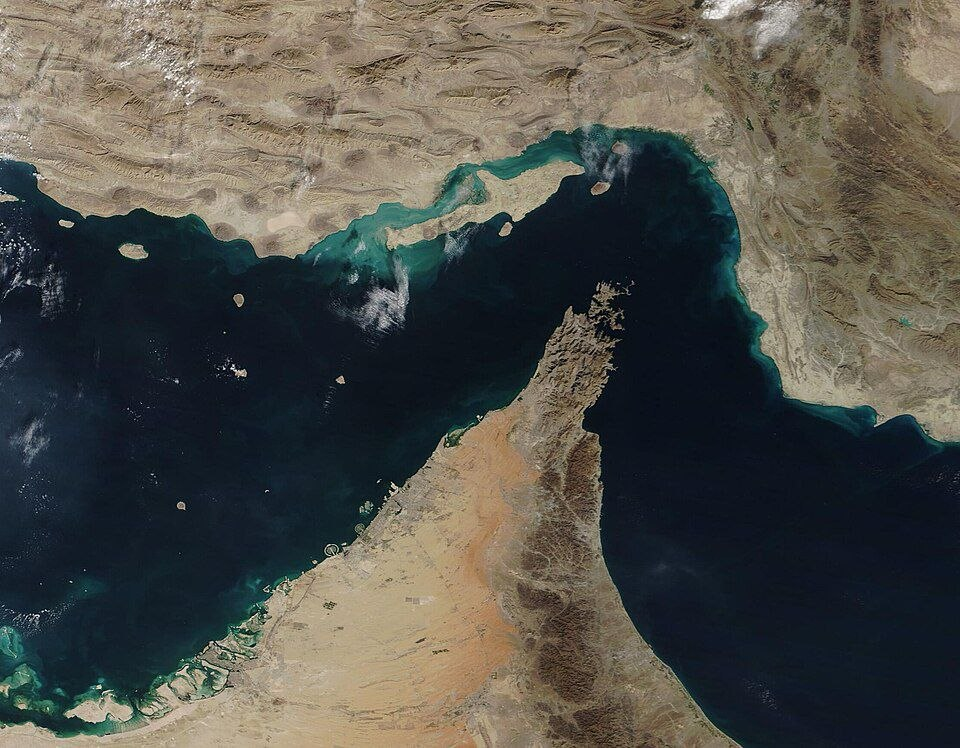
Deputy Speaker of Parliament Ali Nikzad said there was a new draft law to regulate the Strait of Hormuz that would prevent Israeli ships passing through at any time, while also prohibiting ships from hostile countries from crossing unless they pay compensation for the war, but would allow other ships to pass after they had obtained permits and approval from Iran, adding that Shipping traffic would not return to pre-war conditions.
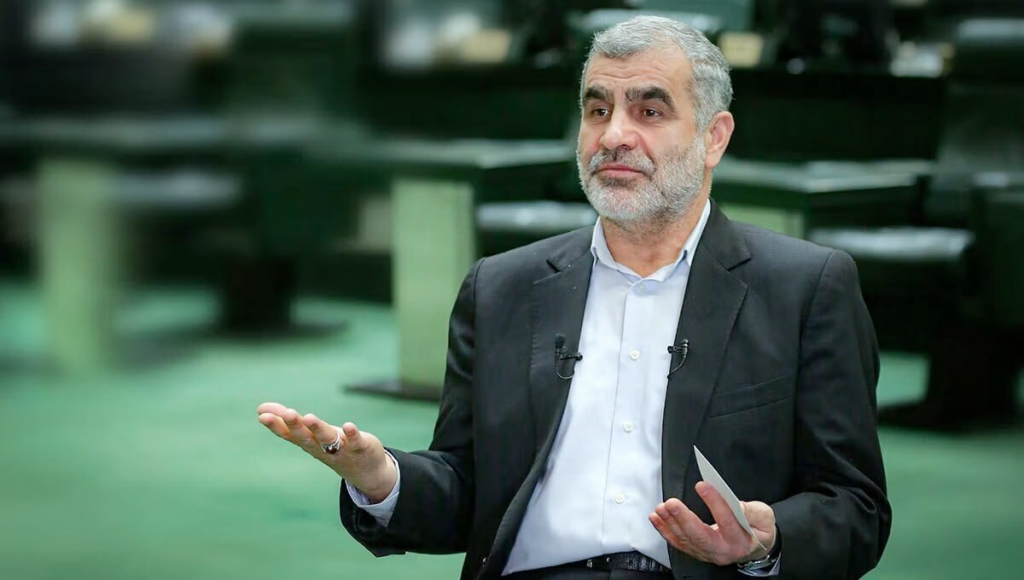
Nikzad also said on Saturday that Tehran’s condition for any negotiations with the United States is a guarantee that attacks on Lebanon will fully stop: “The Iranian front and the southern Lebanon front are one, and the closure of the Strait of Hormuz was meant to allow the Lebanese to live in peace,” he said, adding: “Hezbollah is the soul of Iran, and Iran is the soul of Hezbollah.”
On Saturday morning, Counter Intelligence Telegram reported that two Chinese and one Indian vessel crossed the Strait of Hormuz through the Iranian toll booth, which confirmed a previous Al Jazeera report of a giant liquefied natural gas tanker linked to India and flying the Marshall Islands flag was crossing the Strait, citing Bloomberg and shipping data, adding that the tanker had made voyages between the Gulf and India previously, and was declared heading towards India.
Tanker Trackers later reported that a National Iranian Tanker Company supertanker carrying almost 2 million barrels of crude oil, valued at nearly $220 million, reportedly reached the Far East after evading US naval monitoring, they said, adding that ‘Huge’ was last publicly sighted off Sri Lanker more than a week ago and was now sailing toward Indonesia’s Lombok Strait toward the Riau Archipelago.
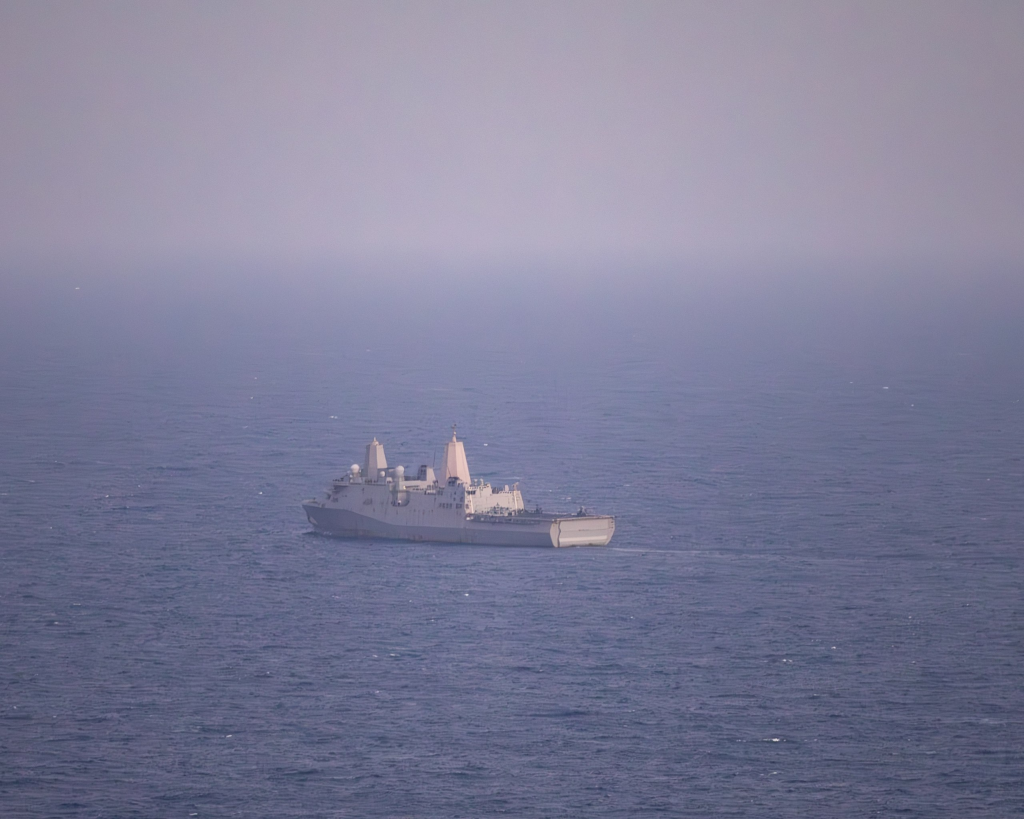
US Central Command stated that the USS New Orleans was patrolling through the Arabian Sea as part of the blockade on Iranian ports, while adding that over the past 20 days, 48 vessels had been redirected to ensure compliance with the blockade.
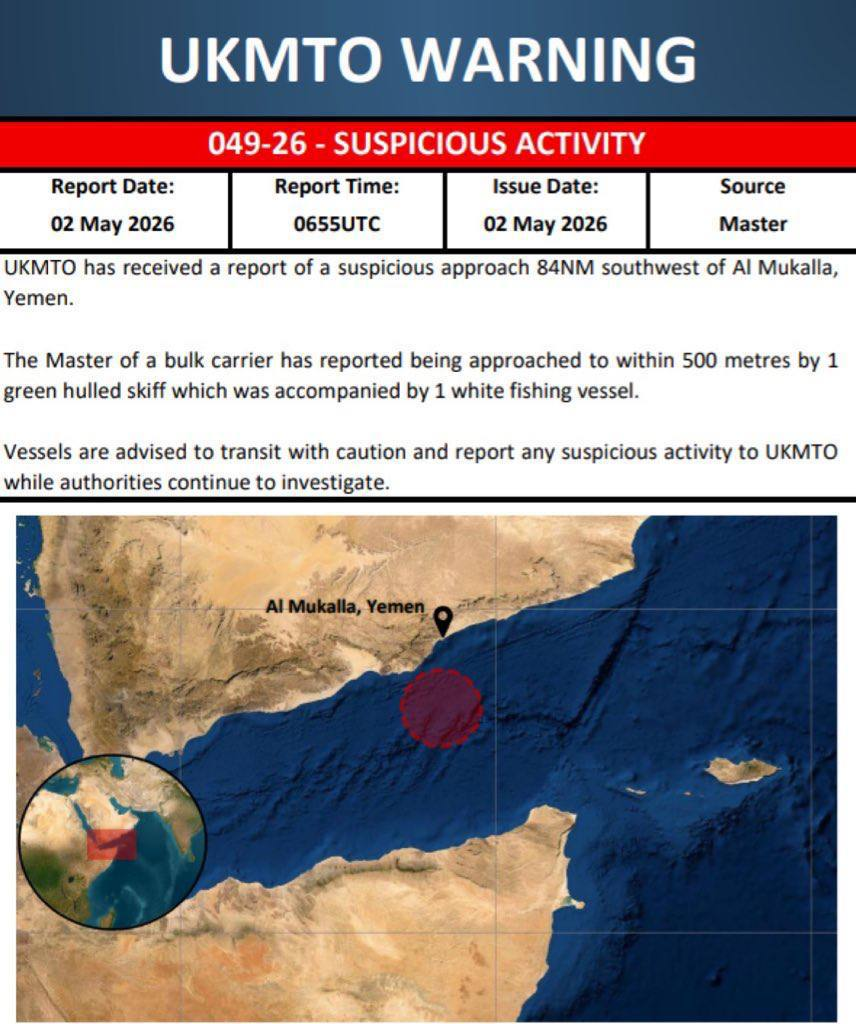
Yemen’s Coast Guard reported unidentified men had hijacked the oil tanker ‘Eureka’ off the coast of the Shabwah Governorate, boarding the vessel and taking control before steering it back towards the Gulf of Aden in the direction of Somali waters, which came after UKTMO reported two hours prior that a report of a suspicious approach of a Skiff with a green hull and a white fishing vessel had approached a bulk carrier 84 nautical miles southwest of Al Mukalla, Yemen.
News from the USA:
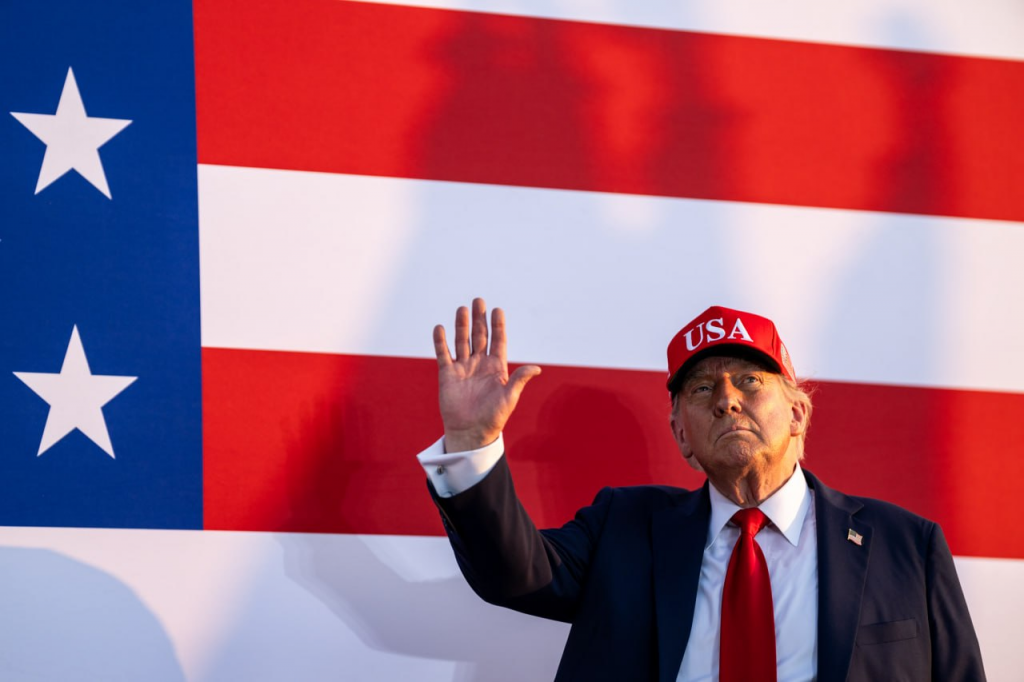
The US State Department bypassed a Congressional review to approve military sales for more than $8 billion to Middle Eastern allies, including Qatar, who spent $4 billion on Patriot air and missile defence replenishment services, along with almost $1 million (APKWS), while Kuwait spent two and a half billion on an integrated battle command system, with both Israel and UAE spending more than $1 billion on APKWS systems.
CNN reported that at least 16 US military facilities had been damaged by Iranian strikes since the start of the war on Iran, prompting questions about Washington’s military resilience and its capacity to sustain a renewed conflict: “A US source familiar with the situation told us that they’d never seen anything like this at American bases, that these were rapid, targeted strikes using advanced technology,” the report stated, claiming the investigation found that declining US facilities and greatly improved Iranian radar systems had made US bases more vulnerable than previously thought.”
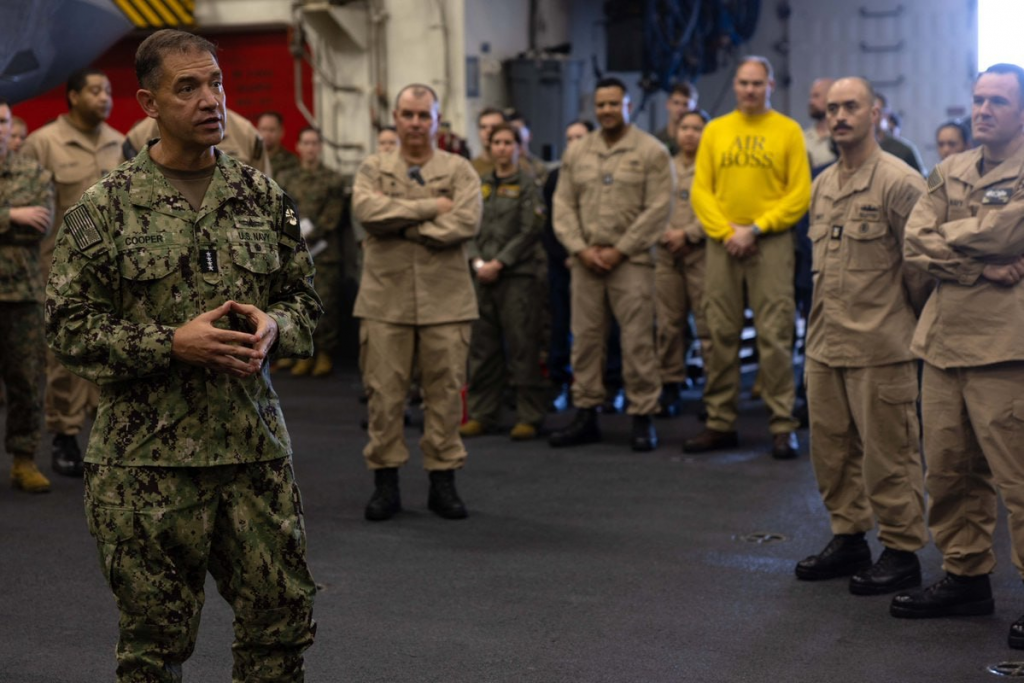
Two days after briefing President Trump on new plans for military actions against Iran, the Commander of US Central Command, Admiral Brad Cooper, arrived in the Middle East and met with soldiers on the ‘Tripoli’ which hosts a special force of Marines, reported Barak Ravid to N12, stating that sources familiar with the matter claimed that the US military could use the Marine force for potential operations in the Strait, adding that the Tripoli was currently in the Arabian Sea southeast of Hormuz, in the area where the Naval blockade is being carried out.
President Trump spoke to reporters in the evening while the Beast waited to transport him to his engagements in Florida, stating that military strikes on Iran could resume, noting that the US were doing very well with regard to just about everything, but doing very well with regard to Iran: “Again, they want to make a deal, they’re decimated,” he said.
The President was asked that if 85% of Iran’s missile-making capabilities had been eliminated, did that make the other 15% important and did the US need to eliminate that, to which Trump said that he’d like to eliminate it, because it’d be a start for them to build up again.
Options have ran out to curb negative reactions to gasoline prices in the United States, reported the Washington Post, stating that prices were still rising, negative voters reactions were forming, and inside the White House, options to reduce gas prices at the pump were dwindling, adding that as the war dragged on, rising oil prices were becoming a major political concern for the Trump administration.
News from Iran:
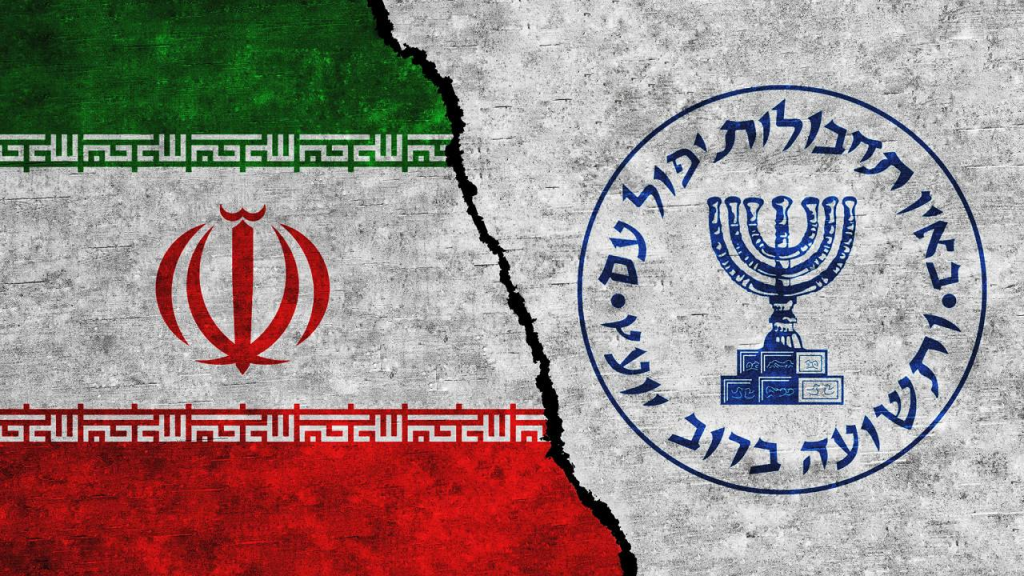
Two individuals accused of spying for Israeli intelligence service Mossad were executed on Saturday morning, after the individuals reportedly gathered sensitive information on key sites and figures, including areas near Natanz, home to Iran’s nuclear facilities, then allegedly passing it on to Mossad officers.
MP Amir-Hossein Sabeti said the internet in the country would remain restricted over fears that restoring full access could enable the organisation of protests against the government: “If the internet is fully reopened, some mercenaries – who are also armed – may organise gatherings through these networks,” he said.

Senior IRGC Commander Ali Mousavi-Havaei was killed on Friday in an explosion that occurred while a team dismantled the remnants of the US-Israeli strikes on the Zanjan Province, where 14 other IRGC members were also killed, Tasnim News reported.
Iran’s Mission to the United Nations said that the United States, which possesses thousands of nuclear warheads, has not complied with its obligations for 56 years, which is extremely shameful, and the United States should not be given any cover for its disgraceful and hypocritical behaviour, adding that legally, there are no restrictions on the level of uranium enrichment as long as it is done under the supervision of the International Atomic Energy Agency.
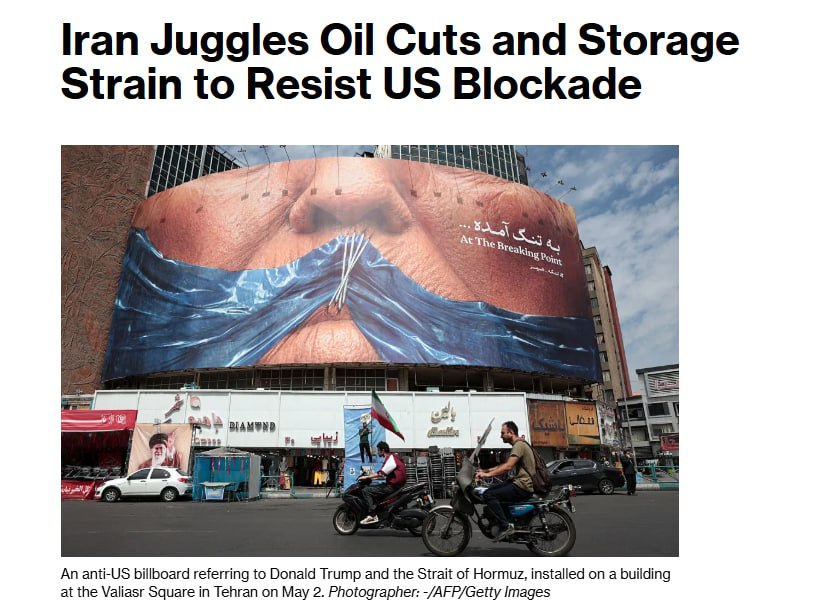
Bloomberg, citing a senior Iranian official, said Iran was scaling back oil production as the US blockade sharply cut exports and filled storage capacities, claiming that Tehran was proactively reducing output to avoid storage limits, drawing on decades of experience managing sanctions, using methods that allow wells to be shut down without lasting damage and restarted quickly, adding that Iran believed they could withstand the pressure under its ‘resistance economy’ model that’s based on withstanding and mitigating US pressure rather than pursuing conventional growth.
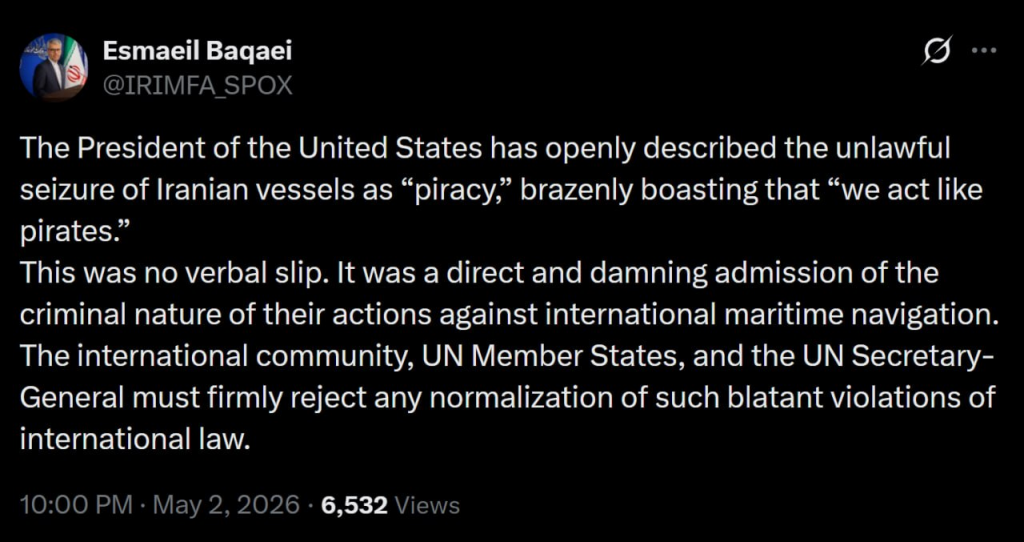
Foreign Ministry Spokesperson Esmaeil Baghaei said on X that the President of the United States ‘openly described the unlawful seizure of Iranian vessels as piracy,’ brazenly boasting that ‘we acted like pirates,’ adding: “This was no verbal slip, it was a direct and damning admission of the criminal nature of their actions against international maritime navigation – the international community, UN Member States, and the UN Secretary-General must firmly reject normalisation of such blatant violations of international law,” he said.
Airlines having issues as a result of the war:
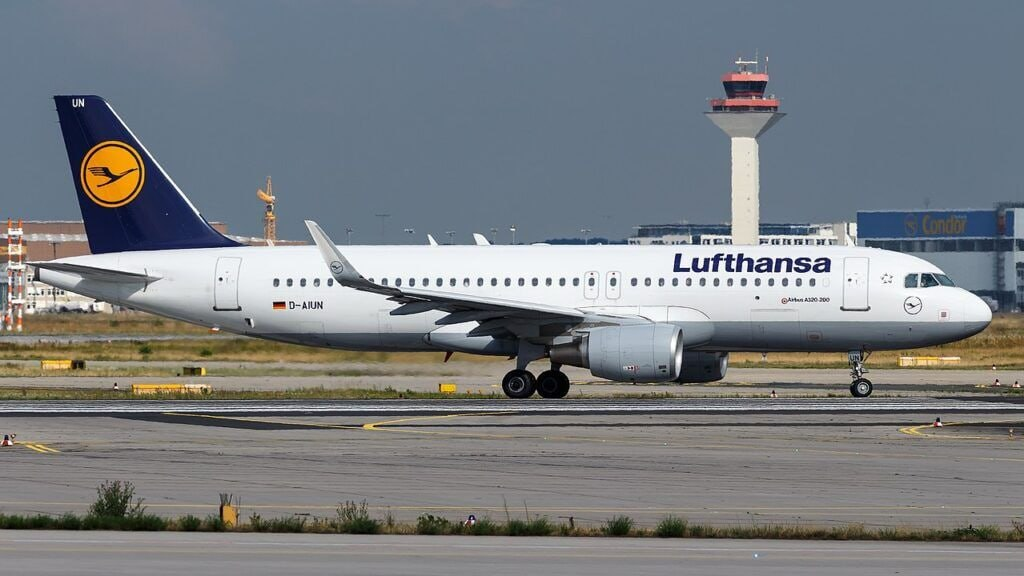
Lufthansa stated that flight suspensions to Israel would be extended until the end of June, claiming that due to the security situation in the region, some flights to Ben Gurion International Airport may resume from June 1.
UAE’s General Authority for Civil Aviation announced the resumption of flights to their normal state in the UAE’s airspace, and the lifting of the precautionary measures that were temporarily implemented, confirming the continuation of real-time monitoring to ensure the highest levels of air safety, WAM News said.
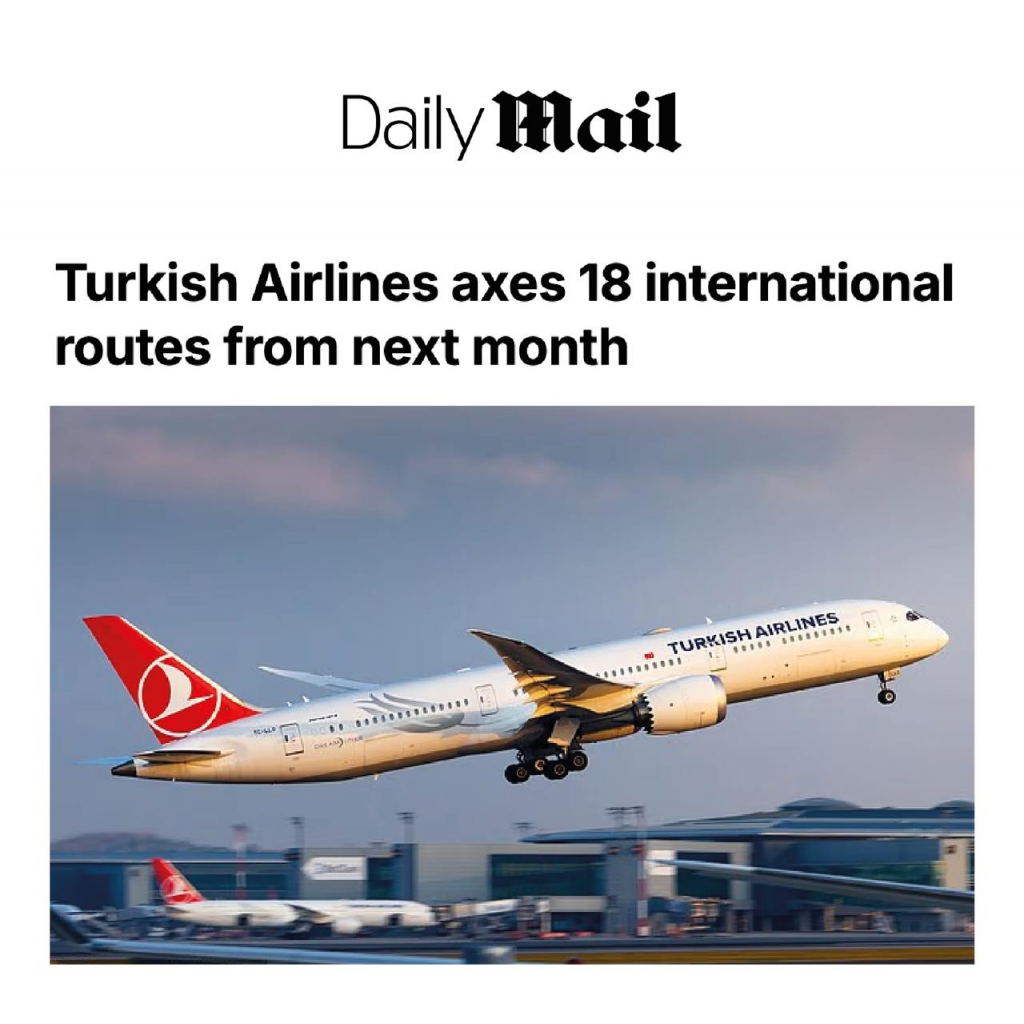
Turkish Airlines are to axe 18 international routes starting from next month, reported The Daily Mail, citing rising fuel costs, decreased travel demand, and geopolitical tensions have cause the airline to undertake a major review of its flight network, removing over 100 weekly flights from its summer schedule.
France 24 claimed that European airlines could run out of jet fuel within six weeks, stating that a warning from the International Energy Agency said Europe had about six weeks’ worth of jet fuel reserves, a situation that had been caused by the war with Iran and disruptions in the flow of oil through the Hormuz Strait.
Qatar Airways have announced that thanks to regional tensions appearing to have de-escalated, flights to Iraq are due to resume from May 10, Qatar News Agency reported.
Spirit Airlines, one of North America’s largest, announced early on Saturday morning that it could shut down within days without a last-minute federal bailout, due to rising fuel costs and ongoing financial struggles pushing the carrier towards collapse, although other major airlines said they were prepared to assist passengers if operations halted, but two hours later a letter had been published confirming the airline would permanently close at 3am on Saturday morning, after failing to secure a $500 million government bailout.
Other News from around the world:
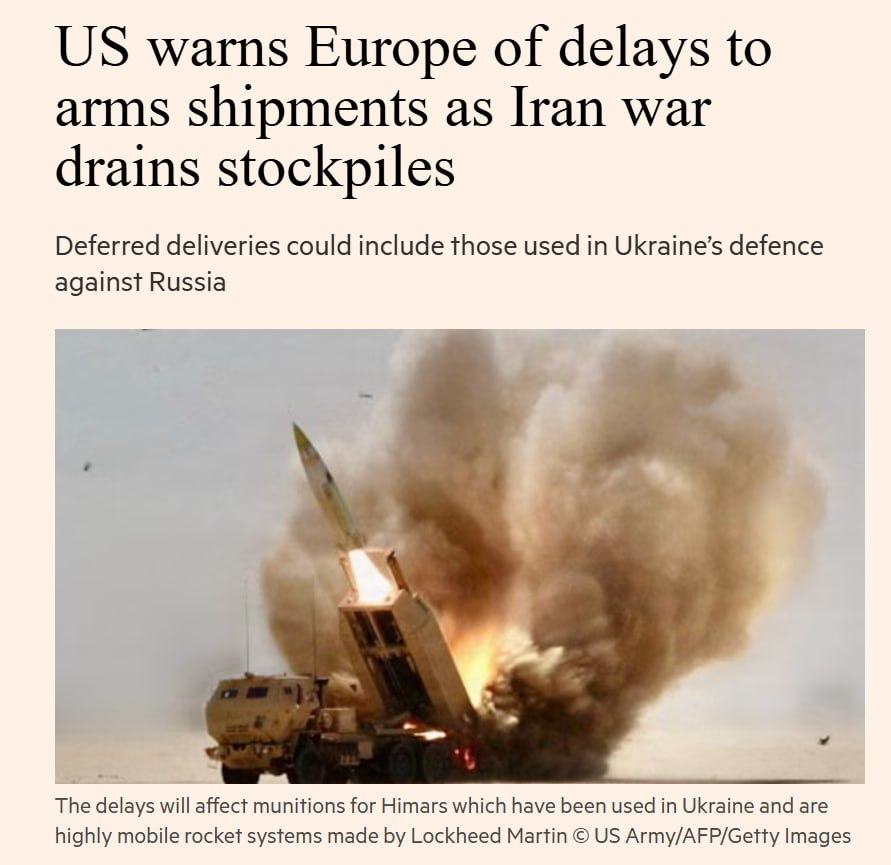
European allies were warned by the US, including the UK, Poland, Lithuania, and Estonia, to expect delays in US weapons shipments as it worked to rebuild stockpiles depleted by the Iran war, the Financial Times reported, stating the War Department had flagged delays affecting missile systems such as HIMARS and NASAMS, with some discussions also considering postponing shipments to Asia.
Shortages stemmed from the heavy use of munitions and the need to redirect weapons from other regions including the Indo-Pacific, as the consequences stretch as far as Ukraine, where delays in US deliveries have left air defence systems short of missiles during Russian attacks.
Spanish Foreign Minister José Manuel Albarez said the war on Iran must end and Lebanon should be included in the agreement, noting that Spain had supported these efforts and that Albarez had expressed this to the Iranian FM, warning that in southern Lebanon, a military and political diplomacy similar to what happened in Gaza is being implemented, preventing residents returning to their homeland, adding that American bases in Spain were still operating after Trump’s threat to withdraw troops from them, but the final decision on these bases lied with Spanish sovereignty.
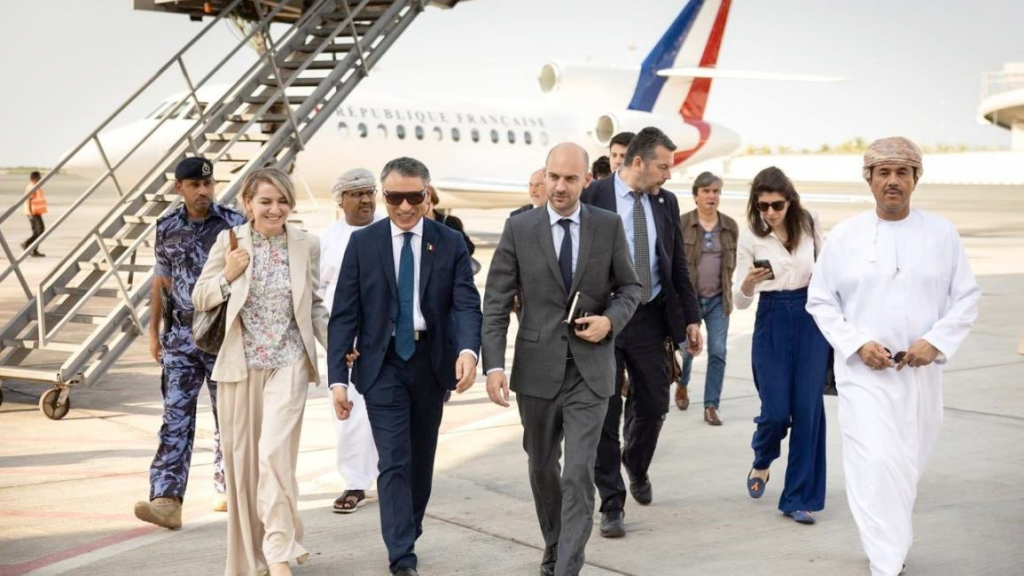
French Foreign Minister Jean‑Noël Barrot concluded a Gulf tour to Saudi Arabia, the UAE and Oman, reaffirming France’s full solidarity with regional countries against Iranian attacks, stating that France was ready to contribute to their defence if necessary, particularly for the UAE under a joint defence agreement.
Barrot announced that a Franco-British maritime mission to secure the Strait of Hormuz after the war has completed its final planning, involving more than 50 non-belligerent countries, stating that the French-British project differs form the US initiative and France will not join the US mission at this stage.
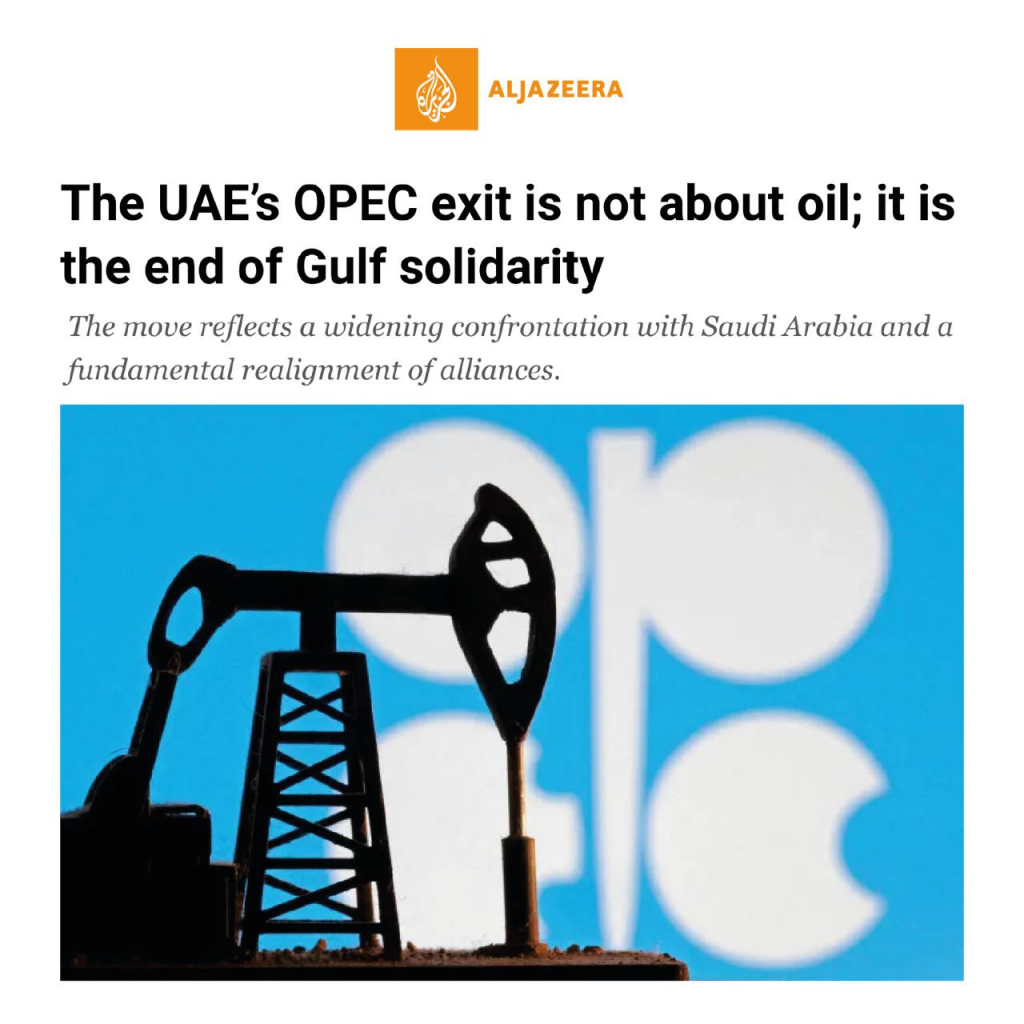
UAE’s exit from OPEC isn’t just about oil, but about the end of Gulf countries’ solidarity, reported Al Jazeera, stating the move reflected intensified confrontation with Saudi Arabia along with a fundamental realignment of alliances, adding that increasing disagreements over oil policies, how to deal with Iran, and competition for regional influence had caused the consensus that existed for years among the two countries to finally break apart.
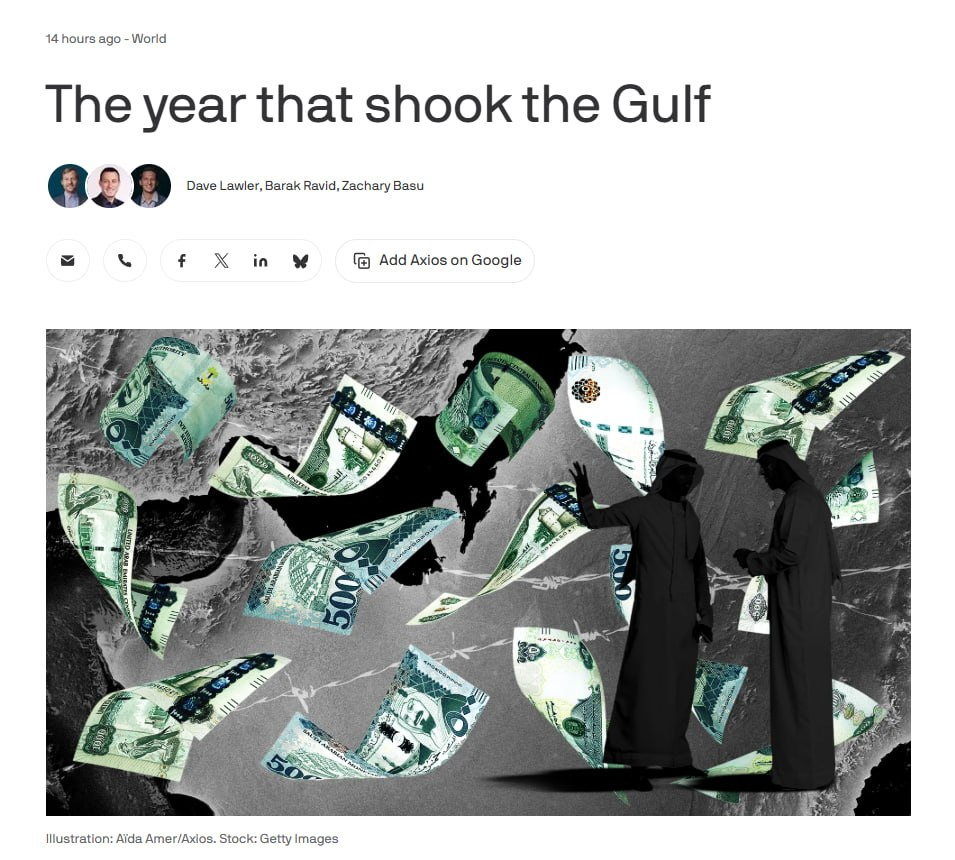
Meanwhile, Axios reported the rift was deepening between Saudi Arabia and the UAE, as the two key US allies of the Iran war reshaped regional dynamics, claiming the split reflected growing disagreements over the regional conflict and leadership rivalries, while the fallout also affected major investments and alliances, including multibillion-dollar projects such as data centres, which are now in doubt after Iranian strikes highlighted major security risks.
While the UAE continues to strengthen ties with Israel under the Abraham Accords, Saudi Arabia is leaning more toward partners such as Turkey or Pakistan, and the Trump administration has avoided taking sides, raising concerns among officials that Washington’s two most important Arab partners could emerge from the war more divided and adversarial than ever before.
In just two months, Ukraine shifted from being the first country to back the US military operations in Iran to openly criticising Washington’s foreign policy, the Kyiv Independent reported.

Spiegel reported that Germany was facing an energy emergency as a consequence of the continued blockades and the war, noting that airplane fuel could become scarce, while chemical fertilisers and disposable gloves were also at risk of shortage, as the country’s industries offer a warning, despite the Chancellor and the Minister of Economy refusing to take responsibility and respond appropriately, avoiding direct confrontation with the crises.
The only legal alcohol store in Saudi Arabia, intended for foreign diplomats and foreign residents in the capital Riyadh, is suffering from severe shortages due to supply problems caused by the war in Iran, with shortages of many types of drinks, including wine, beer, and tequila, as locals reported that ‘only very expensive drinks or unknown brands’ remained on the shelves, N12 reported.
China’s Ministry of Commerce on Saturday issued a legal ruling prohibiting the recognition, enforcement, or compliance with US sanctions against five Chinese companies, which were imposed on the alleged grounds of their participation in Iranian oil transactions, Fars News reported.
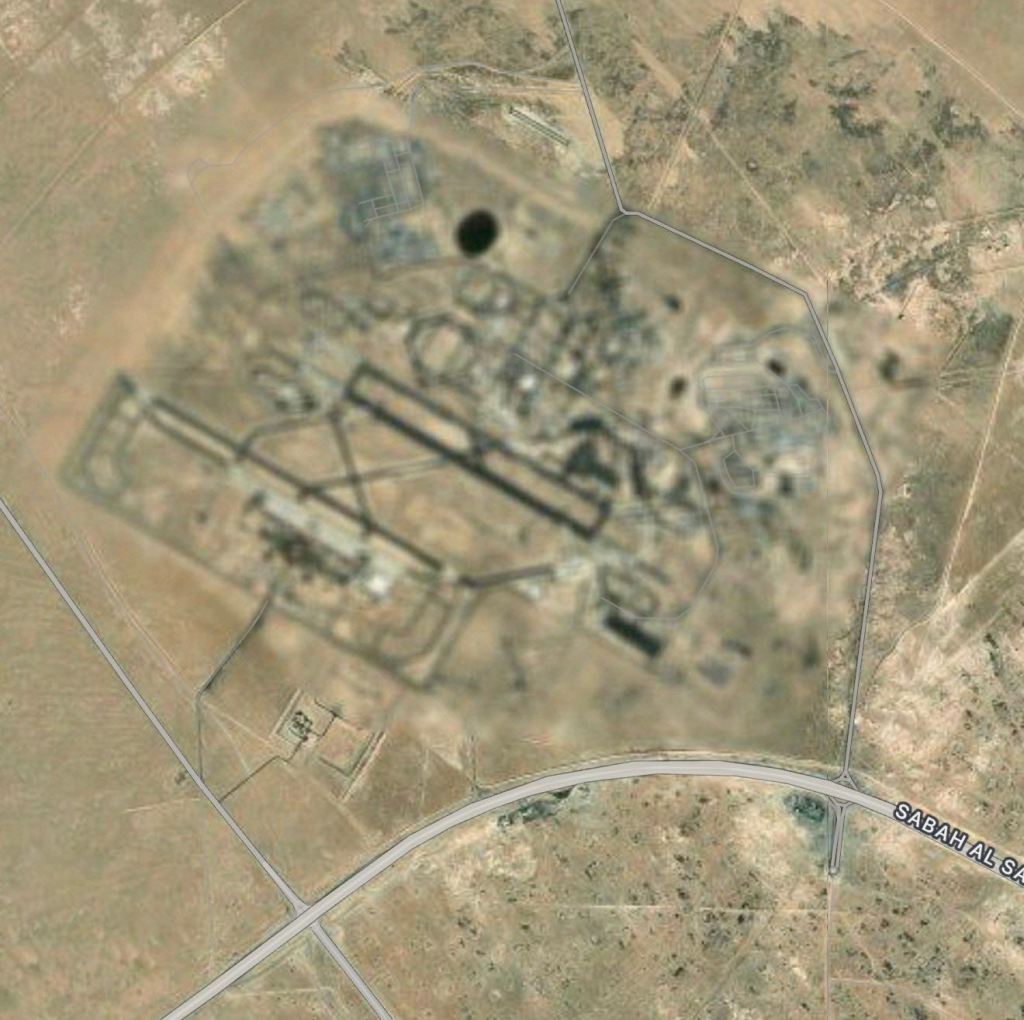
Satellite imagery from providers including Google and Apple have begun censoring key Kuwaiti airbases that were hit during the Iran War, which included Ali Al Salem Air Base, Ahmed Al-Jaber Air Base, while notably, it only seemed to have affected certain American providers and airbases in Kuwait, because Camp Buehring, an American-run base in Northern Kuwait, still remained uncensored, OSINT Technical reported.
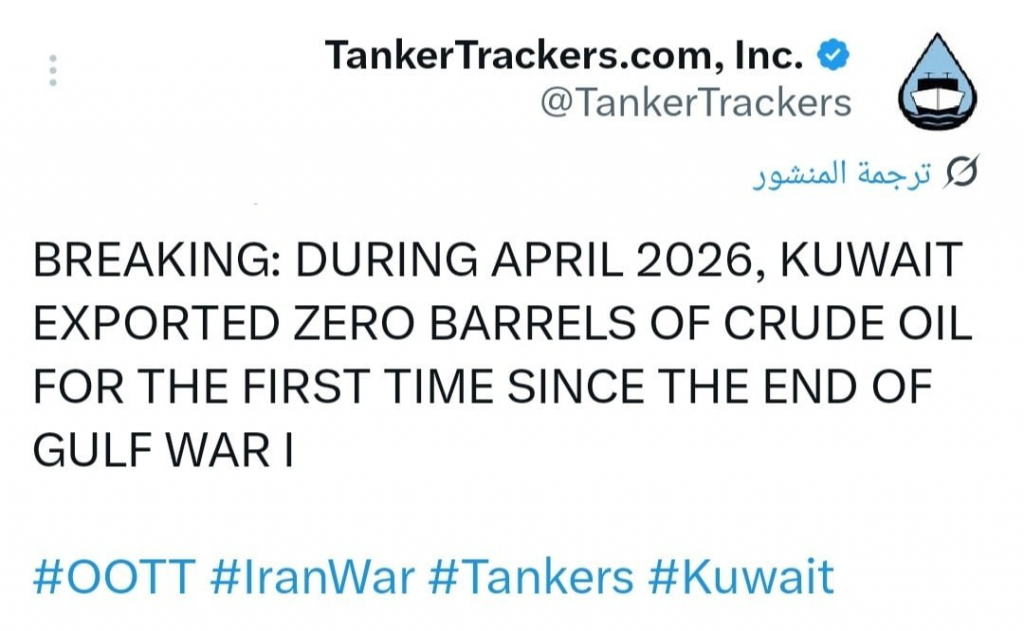
Kuwait exported zero barrels of crude oil for the first time since the end of the First Gulf War, reported Tanker Trackers.
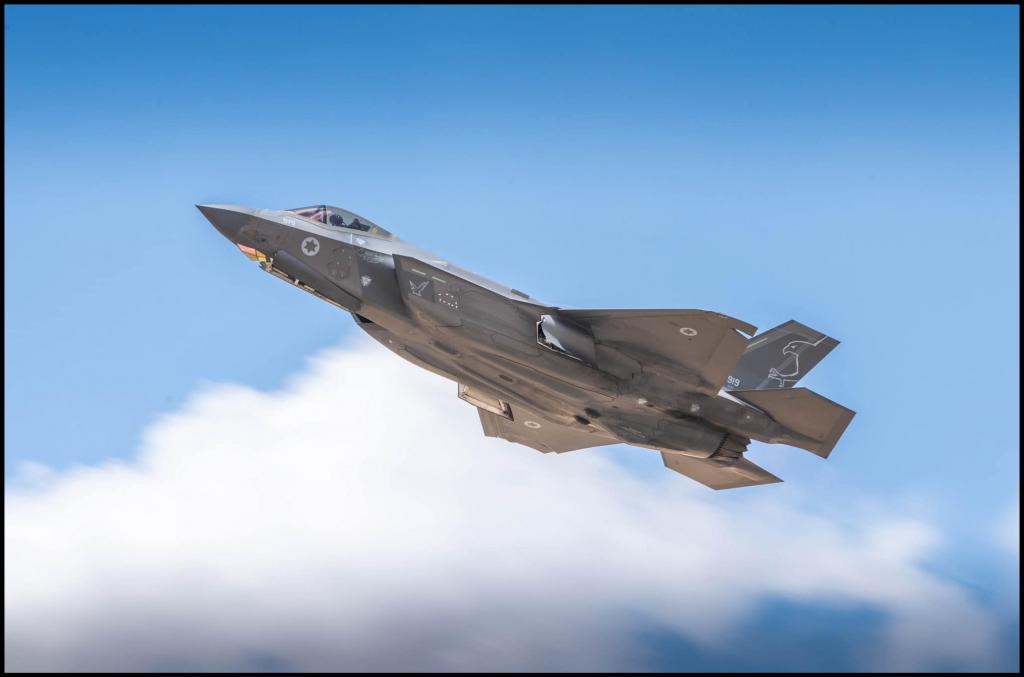
Israel’s security cabinet met at 19:30 on Sunday evening to discuss US-Iran negotiations, as well as fighting in Lebanon despite the ceasefire, and a renewed situation in Gaza following Hamas’s refusal to disarm until Israel stopped attacking, as ministers were set to receive security briefings on all fronts, Ynet reported, adding that on Iran, Israel were preparing for the immediate resumption of fighting if the talks collapse, with any renewed action to be carried out jointly with the US in coordination.