 AJ
AJ
Ceasefire recap from Day 20 of the US/Israel Iran war ceasefire had more information about what is happening around the Strait of Hormuz, opinions on the negotiations from officials and reporters, as well as all other news around the Middle East for April 28.
Strait of Hormuz:

Real-time marketing intelligence agency Kpler estimated that Iran had enough unused storage capacity for between 12-22 days worth of production, meaning once these storage sites are used, Iran would have to cut oil production, stating that up until the US blockade, Iran’s oil exports were largely unaffected by the war, exporting almost 2 million barrels per day, which is now down to 567,000 barrels per day, with loading of Iranian crude down roughly 70% since the start of the blockade.
Kpler also stated that no tanker had been confirmed to have breached the blockade, despite numerous claims in Iranian media, but due to the slow nature of shipping by sea, revenue is unlikely to be affected for several months, as many ships are still en route to their destination and left Iran prior to the blockade, which would take weeks or months to arrive, and collection of payments for these oil shipments can also be delayed for weeks.
Bloomberg noted that if the blockade continues, Iran would be forced to cut production by around 1 and a half million barrels per day by mid-May, on top of the large reductions already made, but added that the financial impact wouldn’t be immediate, because oil shipments take time to reach buyers and payments are delayed, giving Iran a few months of breathing room despite the growing supply crunch.
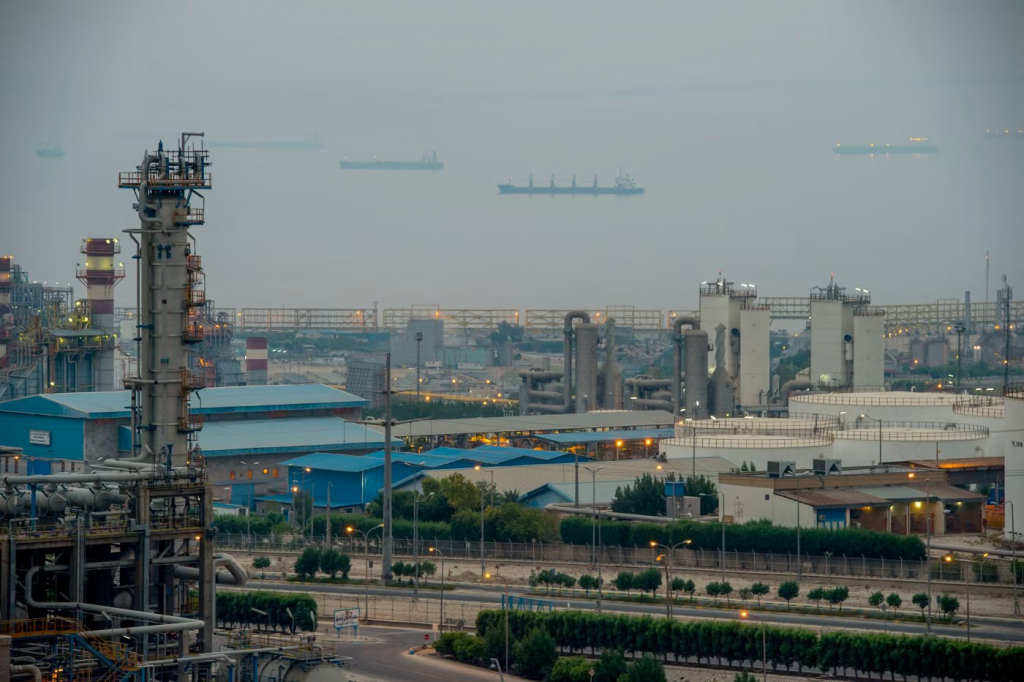
Meanwhile, WSJ reported that Iran was flooded with so much unsold oil that it was resorting to makeshift storage, using derelict ‘junk storage’ sites, containers, and even attempting to ship crude by rail to China, claiming that the US naval blockade had slashed Iranian crude loadings from more than 2 million barrels in early April to 567,000 barrels per day between April 14-23, adding that Iran also exported 2 million barrels per day before the war.
Tasnim News stated that twenty oil tankers were on the verge of loading Iranian oil, with one supertanker carrying two million barrels of oil remaining static and anchored in position leaning west, while other supertankers without cargo are available to load Iranian oil, four of which aren’t sanctioned, and one that is under US sanctions has its automatic identification system active and was seen moving along the Omani coastline towards the US blockade zone.
Supreme Leader Mojtaba Khamenei issued a Telegram post late on Monday night, saying aggressors who attacked Iran wouldn’t go unpunished, demanding full reparations for all damages caused, as well as ‘blood money for the martyrs and compensation for the war’s wounded,’ adding that Iran will take the management of the Strait of Hormuz to a new phase, while stating that Iran has never sought, nor do they seek war, but they will not give up their legitimate rights either.
Iran’s Army spokesman Brigadier General Mohammad Akraminia said on Tuesday that the Strait of Hormuz is controlled by the armed forces: “The western part of the Strait is managed by the IRGC and the eastern part by the Iranian army,” he said.
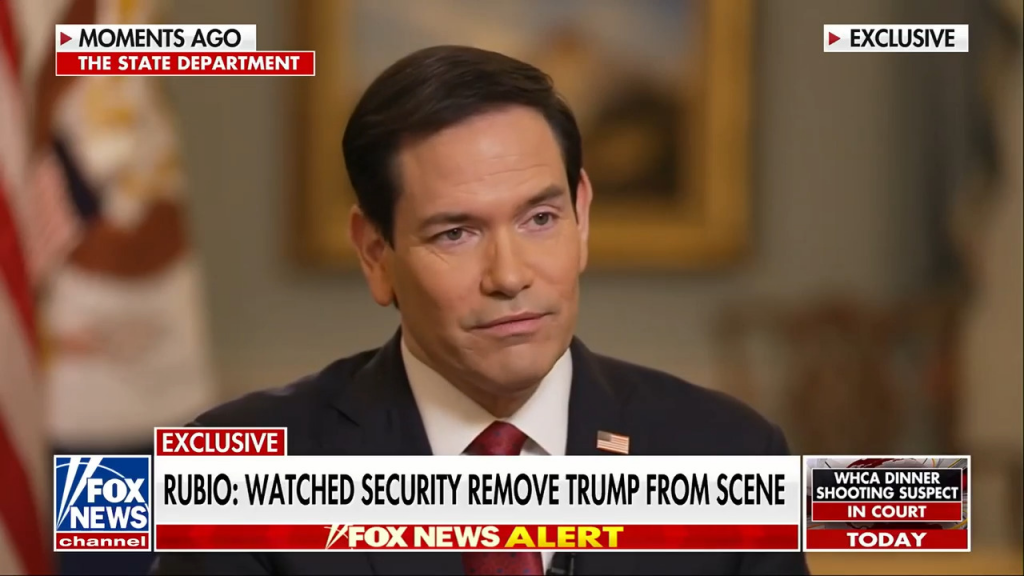
US Secretary of State Marco Rubio said that the Strait of Hormuz is basically the equivalent of an economic nuclear weapon that Iran was trying to use against the world, while bragging about holding the world hostage, in an exclusive interview on Fox News in the early hours of Tuesday morning.
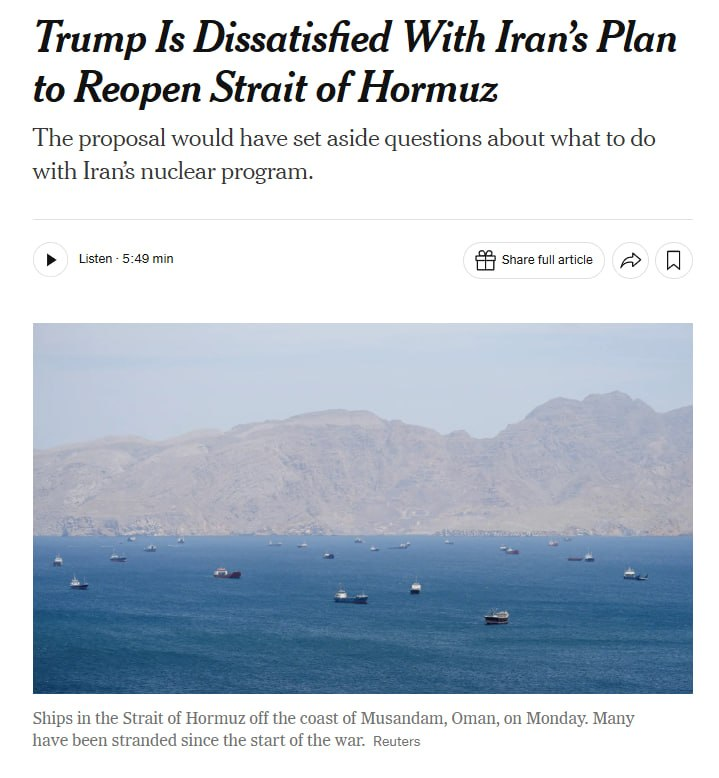
President Donald Trump had reviewed a 3-point proposal from Iran which was discussed with advisers, and said afterwards that he was dissatisfied with Iran’s proposal to reopen the Strait of Hormuz and end the war, particularly because it sidestepped the issue of Iran’s nuclear program and called for lifting the US Naval blockade, according to NYT, but while Trump hadn’t rejected it outright, he continued to insist Iran must not obtain nuclear weapons, leading to some officials warning that accepting the deal could undermine a clear US victory.
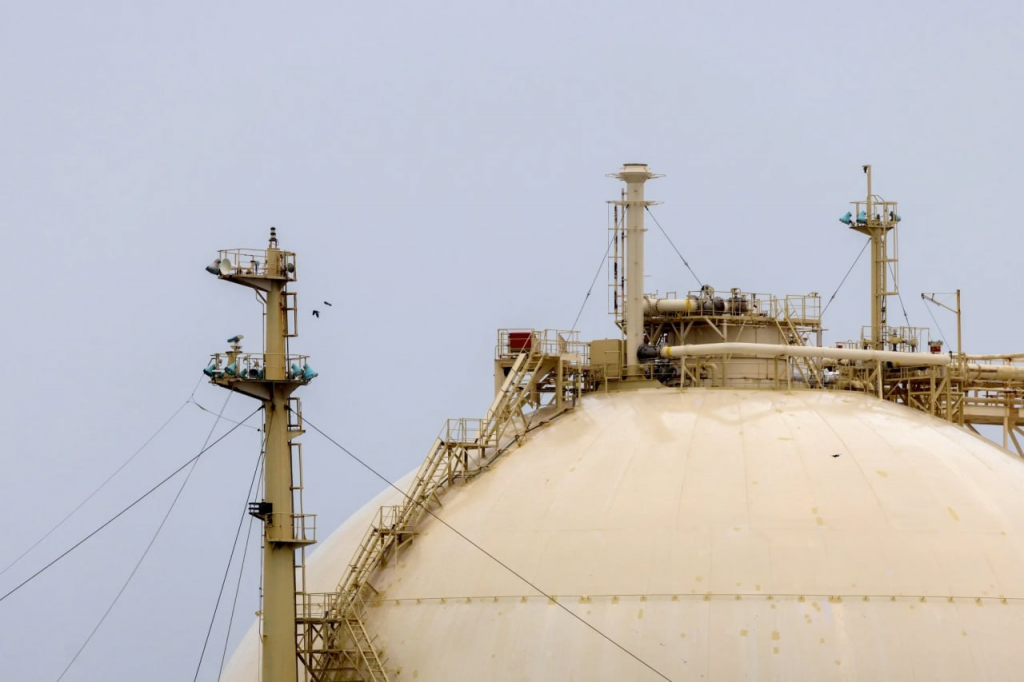
Bloomberg reported that the first liquefied natural gas shipment since the start of the war had appeared to have left the Strait of Hormuz, stating that the Mubaraz tanker was loaded with cargo from Abu Dhabi’s Das Island facility early in March and was now passing the southern tip of India en route to China, adding that the vessel had been idle inside the Gulf and stopped transmitting its signal on March 31, reappearing on April 27.
Japanese-linked supertanker the Idemitsu Maru appeared to be sailing through the Strait of Hormuz on Tuesday in what could mark the first attempt by a Japanese oil carrier to leave the Persian Gulf since the Iran war began, and is said to be carrying two million barrels of crude oil which was loaded from Saudi Arabia’s Juaymah terminal in early March, then began moving late Monday toward the strait from northwest Abu Dhabi according to tracking data.
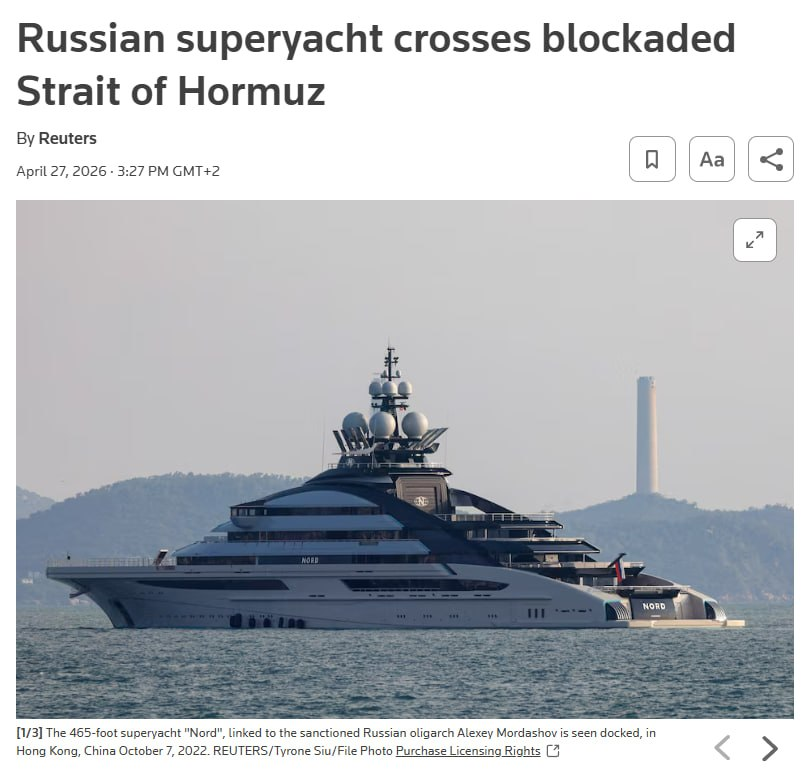
A $500 million superyacht linked to Russian billionaire Alexey Mordashov sailed through the Strait of Hormuz after undergoing maintenance in Dubai, Reuters reported, stating that the 142-metre yacht Nord, sailing under a Russian flag, crossed the Strait without objection from either side, departing Dubai on Friday, crossing the Strait on Saturday morning, and arriving in Muscat early on Sunday.
US Central Command said that earlier on Tuesday in the Arabian Sea, US Marines from the 31st Marine Expeditionary Unit boarded the M/V Blue Star III, a commercial ship suspected of attempting to transit to Iran in violation of the US blockade of Iranian ports, but forces released the vessel after conducting a search and confirming the voyage wouldn’t include an Iranian port call, adding that in total, one more ship had been turned around in the previous 24 hours, making it a total of 39 since the start of the blockade.
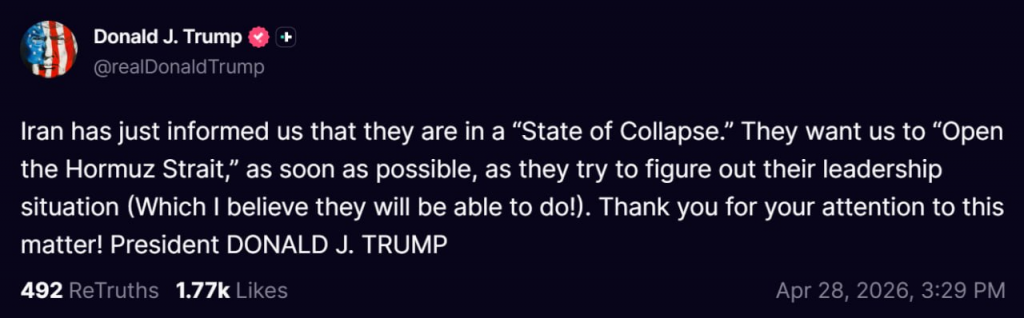
An attempt to add extra pressure on Iran by President Trump included a Truth Social on Tuesday saying that Iran had informed the US they were in a ‘state of collapse,’ claiming they want the US to open the Hormuz Strait ‘as soon as possible,’ as they try to figure out their leadership situation.
Negotiations:
Inside the administration the officials are divided over whether the US or Iran holds more leverage in the negotiation process, with some arguing that extending the blockade could severely damage Iran’s energy sector and force concessions, while others believe Iran’s position has hardened and that its leadership, including the IRGC, are unlikely to compromise in any way, especially on the nuclear issues.
US assessments suggest that Iranian negotiators lack the authority from the IRGC and Supreme Leader Mojtaba Khamenei to make major concessions, and even renewed military action wouldn’t shift Tehran’s stance, so some officials favoured accepting the deal to reopen the Strait, while others pushed for continued pressure to extract broader concessions.
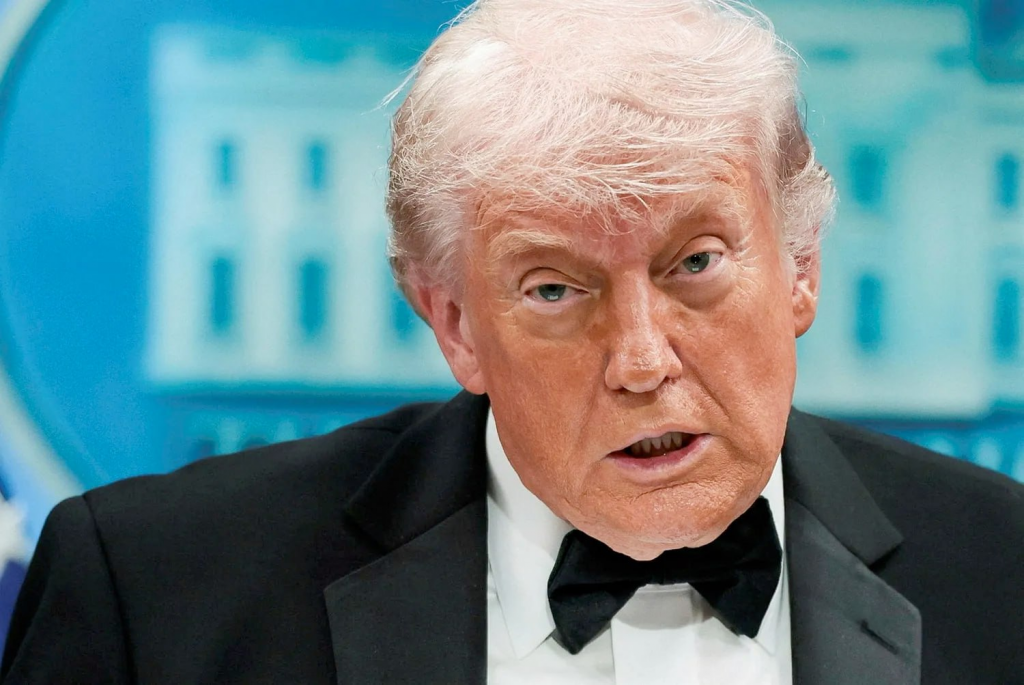
Reuters said a US official told them Trump was unhappy with the proposal because it didn’t address Iran’s nuclear program: “He doesn’t love the proposal,” and CNN cited a source who said Trump was unlikely to accept the proposal, adding that officials said reopening the Strait of Hormuz first without resolving concerns over Iran’s nuclear enrichment and near-weapons-grade stockpile could strip the US of a key piece of American leverage in the talks.
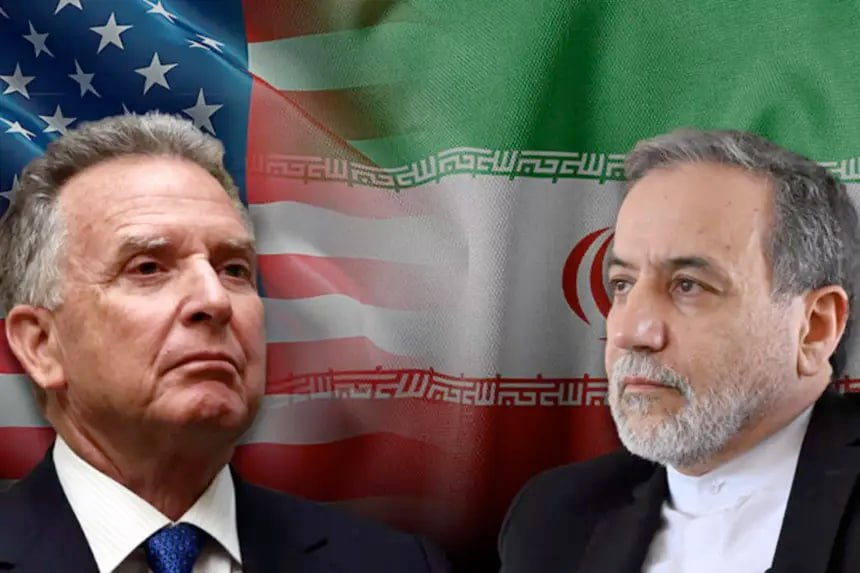
The United States and Iran may not be as far apart as they seem, according to CNN, who stated that intense diplomatic efforts continued behind the scenes, focused on a staged process, where the first phase would return to the pre-war status quo and reopen the Strait of Hormuz without restrictions or tolls, while the nuclear programme, cited by the US and Israel as the casus belli, would be addressed later, and mediators were pressing both sides for an agreement, with the coming days seen as especially crucial, but the risk remains that Washington could disengage and return to war.
Several US officials told Axios they were concerned that the US could be drawn into a prolonged stalemate with Iran in a ‘no war and no deal’ scenario, which would require maintaining forces in the region for months, noting that with the November midterm elections in the United States only six months away, one source close to Trump had said: “A frozen conflict is the worst thing for Trump politically and economically,” adding that one advisor told Trump recently that Iran’s Leaders only understand bombs, as he continued two paths in dealing with Iran, either renewed attacks or ‘maximum pressure via sanctions and talks.’
Mediators in Pakistan said on Tuesday evening they expected Iran to submit a revised proposal to end the war in the coming days, reported CNN, which comes days after President Trump signalled he may not accept the current version, stating that Foreign Minister Abbas Araghchi returned to Tehran on Tuesday after visiting Russia and is expected to consult with senior leadership, but the process is slow because of the difficulty in communicating with the Supreme Leader Mojtaba Khamenei, whose location is being kept secret, however, talks remain fluid and will largely depend on whether Iran presents a revised proposal that better aligns with US expectations.
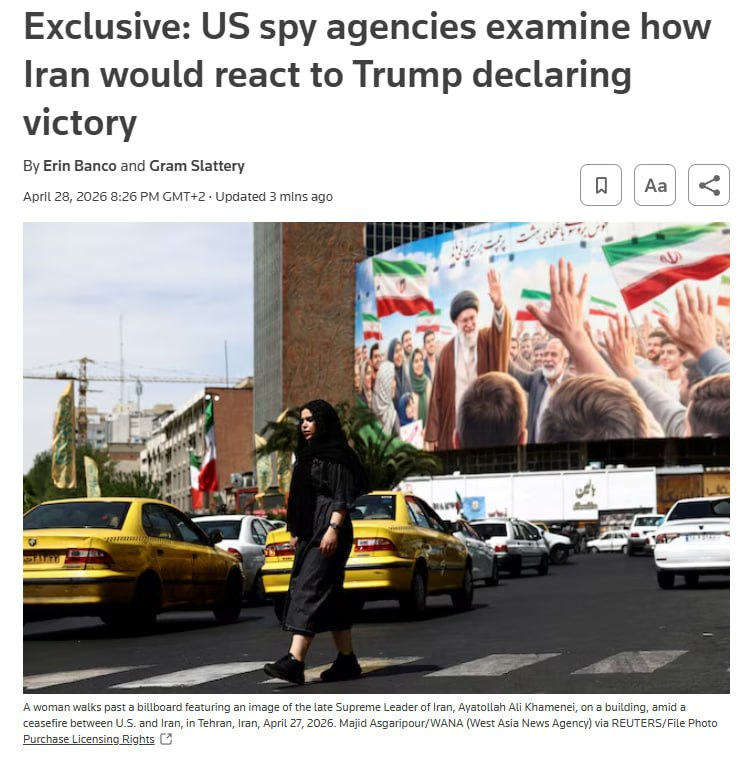
US intelligence agencies, meanwhile, are assessing how Iran would respond if President Trump declared a unilateral victory in the two-month war, amid concerns inside the administration about the conflict’s political cost ahead of the midterm elections, Reuters reported, stating that officials said the analysis was part of a broader effort to understand the consequences of a potential de-escalation, which could ease domestic pressure but risk emboldening Iran to rebuild nuclear and missile programs, but early assessments appeared to suggest that if the US declared victory and withdrew its forces, Iran would likely view it as a win.
Other News – China:
The Chinese Foreign Ministry strongly opposed unilateral US sanctions imposed on one of the country’s largest private oil refiners over its alleged links to Iran, after sanctions, announced by the US Treasury last Friday, targeted the refiner’s involvement in purchasing and processing Iranian crude oil, as part of Washington’s ‘Economic Fury’ campaign to cut off Tehran’s oil revenues.
Foreign Ministry spokesman Lin Jian said: “China opposes illicit unilateral sanctions that have no basis in international law – we urge the United States to stop wilfully slapping sanctions and using long-arm jurisdiction – China will firmly defend the lawful rights and interests of Chinese companies.
France:
Defence Minister Catherine Vautrin said that Trump starting the war with Iran without informing the French about it or its objectives makes it Trump’s war, not France’s war, alsaa_plus reported.
Germany:
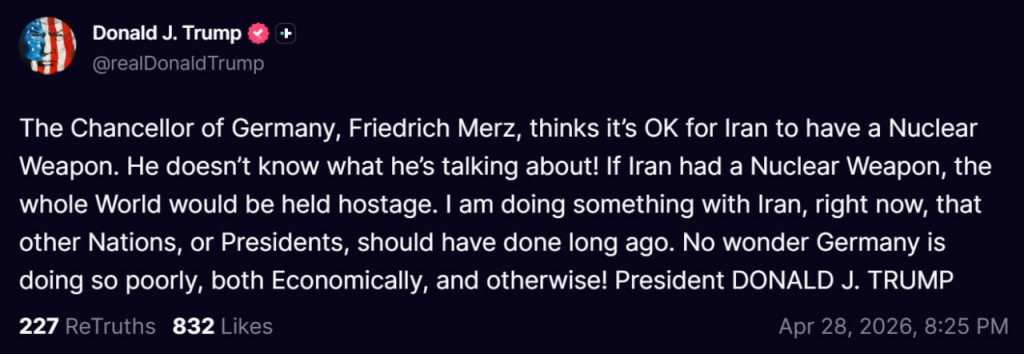
President Trump said on Truth Social that the Chancellor of Germany Friedrich Merz appeared to think it was ok for Iran to have a nuclear weapon, claiming the official didn’t know what he was talking about: “If Iran had a nuclear weapon, the whole world would be held hostage,” he said, claiming he was doing something right with Iran, something that other presidents or nations should have done long ago, before taking direct aim at Germany: “No wonder Germany is doing so poorly, both economically, and otherwise,” he wrote.
Great Britain:
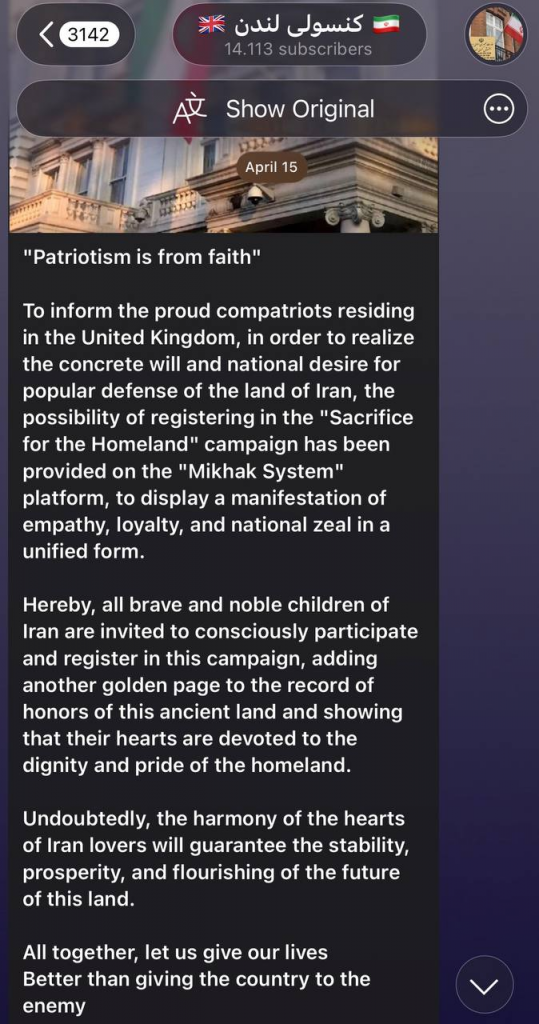
The UK Foreign Office summoned the Iranian ambassador to London over what it described as the Iranian Embassy’s ‘unacceptable and inflammatory’ social media comments, stating that the Embassy must cease any communications that could be interpreted as encouraging violence in the UK or internationally, without specifying what posts it was referring to, however, the Iranian Embassy had posted a message on its Telegram channel on April 15 calling on Iranians in the UK to volunteer for a campaign declaring their willingness to sacrifice their lives in defence of Iran.
Iran:
An Iranian blogger revealed a significant level of Israeli intelligence penetration inside Iran, showing that Mossad covertly constructed an asphalt road in a desert area near Isfahan to facilitate a secret operation involving US aircraft and helicopters, noting that at the time, it was reported the rescue of an American pilot in Iran was used as a cover of a broader mission in the region, which some senior Iranian officials have previously hinted may involve areas described as containing sites of nuclear interest, Selena News reported.
The US administration estimates that the Iranian negotiating team hasn’t been given the authority from Supreme Leader Mojtaba Khamenei or senior IRGC commanders to agree any concessions currently on the nuclear issue, stating that without a return to fighting, there is no reason to expect a change in Iran’s position on the matter, the NYT reported.
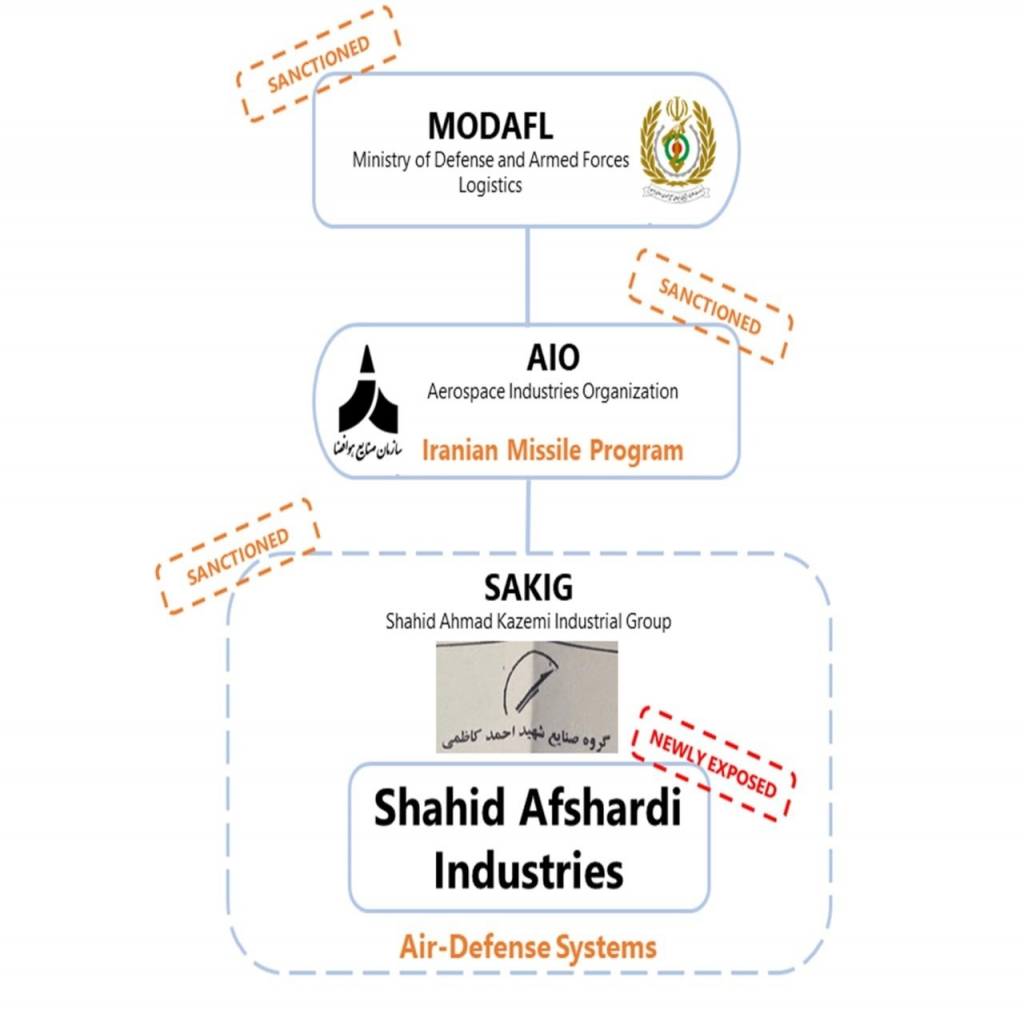
Documents leaked to Wiki Iran allegedly exposed a clandestine deal between the Chinese-based Hesda Company and MODAFL’s industries to provide Iran with crucial surface-to-air missile components.
Tehran-Moscow flights resumed on Tuesday after a two-month pause due to the conflict, as the first flight operated by Iran’s Mahan Air departed Tehran at 5:40am local time and landed in the Russian capital at 9:47am local time (9:17am Moscow time), the airline told IRNA news, stating the return leg left at 12:15pm Iran time and touched down at Tehran’s Imam Khomeini International Airport at 3:50pm, a statement from Moscow’s Sheremetyevo International Airport stated.
Russia’s flagship carrier Aeroflot, which operated regular Moscow-Tehran flights before the outbreak of the war, told the Interfax news agency that it would resume its service on the route from June 3.
Iranian Deputy Minister of Energy Mostafa Rajabi Mashhadi said there would be no gas supply restrictions for power plants during the summer, but winter planning could be necessary, noting that Liquid fuel would be used as a secondary option if gas shortages appear: “Everyone must lower their expectations given the war and the damage we have sustained, and we must work together using all capacities to ensure stable electricity supply,” a spokesman said.
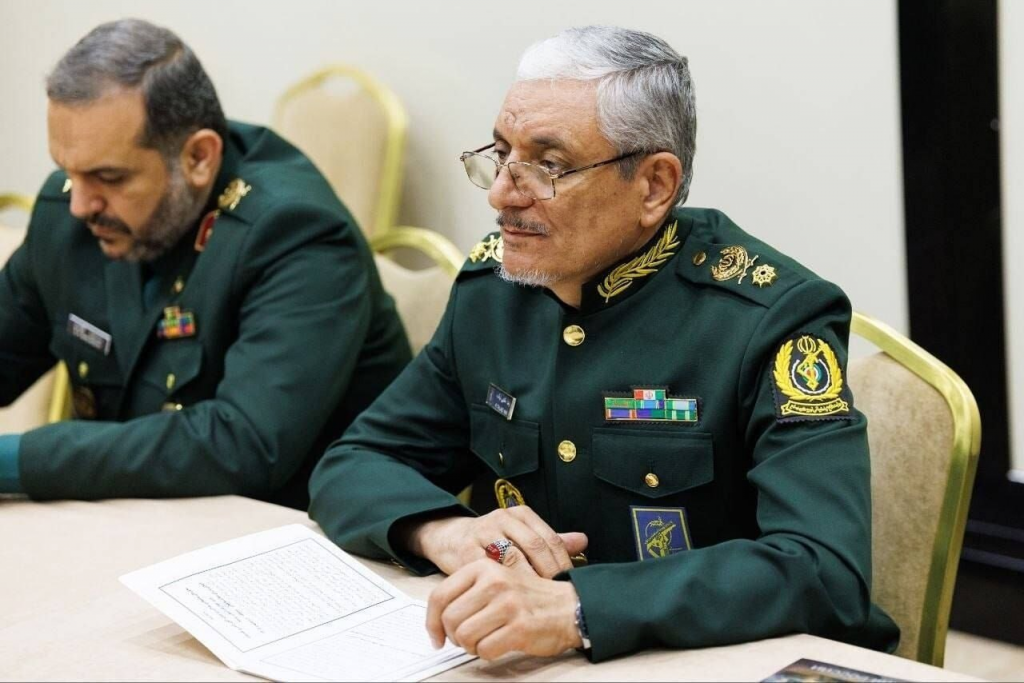
Defence Minister Reza Talaei-Nik said Tehran was ready to share its experience of defeating the United States with independent countries, especially members of the Shanghai Cooperation Organisation: “We are ready to put our experiences in defeating America at the disposal of other members of the organisation,” Brigadier General Talaei-Nik said.
Government spokesperson Fatemeh Mohajerani said approximately 118,180 private properties were damaged during the war, which included 78,330 with minor damage, 29,187 with medium damage, 8,134 with severe damage, and 2,529 requiring full reconstruction, adding that the reconstruction effort is expected to take between six months and two years.
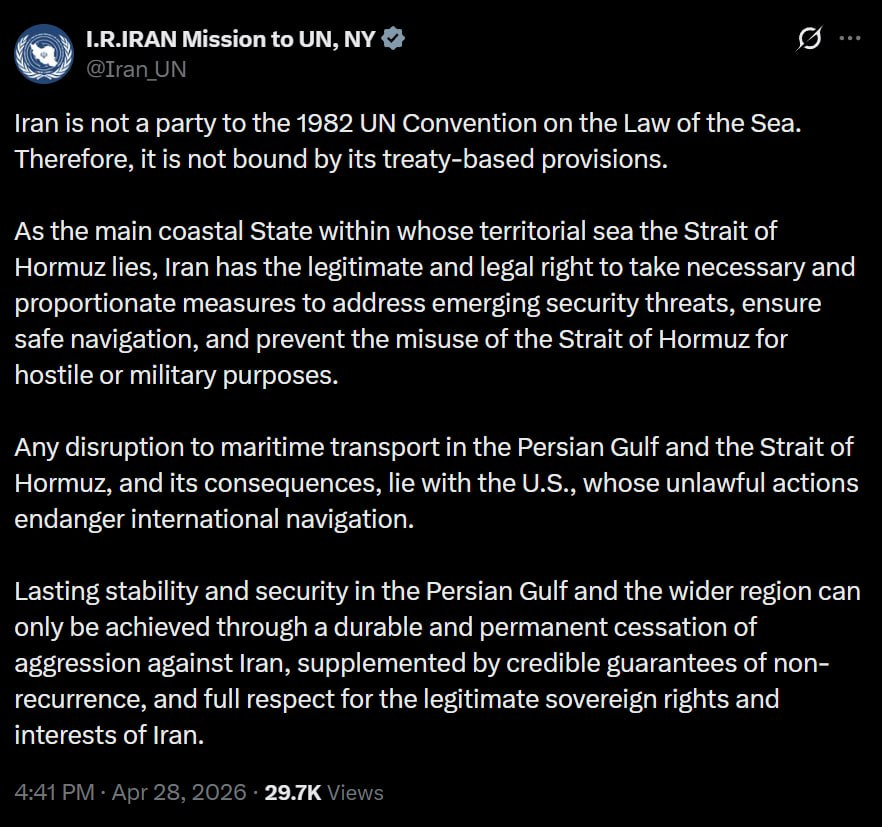
The Iranian Mission to the UN published a lengthy post on X stating that because Iran was not party to the 1982 UN Convention on the Law of the Sea, it is not bound by its treaty-based provisions, stating that any disruption to maritime transport in the Persian Gulf and the Strait of Hormuz, and its consequences, lie with the US, whose unlawful actions endangered international navigation.
Brigadier General Mohammad Akraminia said the situation was still considered wartime, stating the target and equipment database of the Iranian armed forces had been updated: “I assure you that if the enemy commits another aggression, it will be confronted with new tools and new methods in new arenas by the Islamic Republic of Iran,” he said.
Spokesperson for Iran’s National Security Commission Ebrahim Azizi said that during Abbas Araghchi’s recent trip to Islamabad, no meetings or negotiations were held with American officials and no messages were exchanged between the two sides, while a deputy foreign minister briefed the commission that the negotiations were not on the agenda, adding that the purpose of the trip was bilateral relations and regional developments, contradicting some reports that suggested indirect contacts.
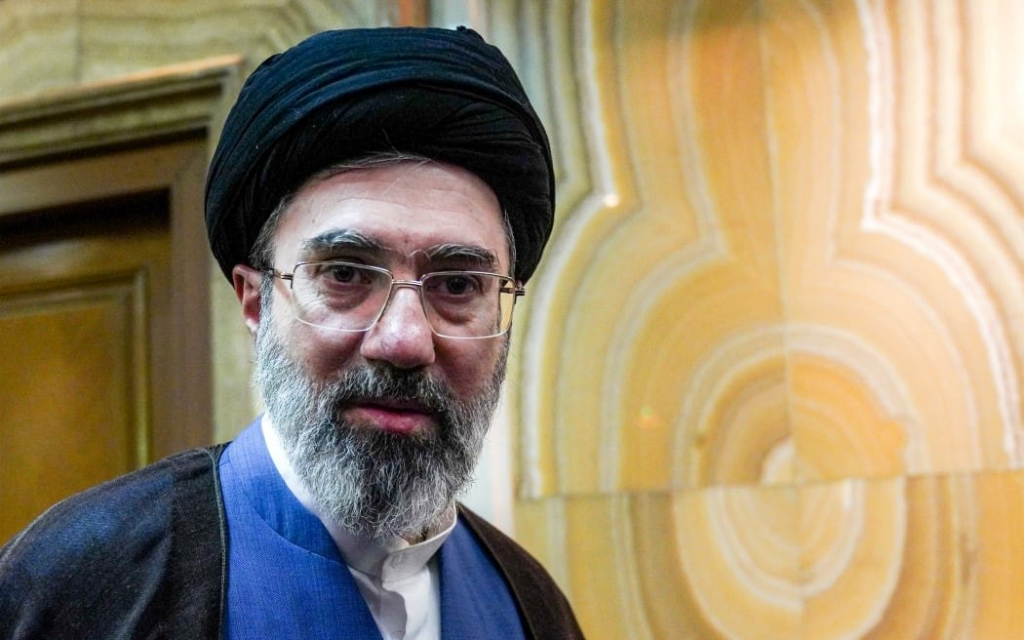
A new report from Foreign Policy, (shared by Frontline Report), stated that Khamenei largely stayed out of public view, communicating only in writing, though sources close to him said he had mostly recovered from injuries sustained in the initial attack on Iran’s leadership compound, can now move independently, and bears a visible facial scar, adding that he survived at least two additional assassination attempts which caused him to maintain a low profile for security reasons, but remains politically active and has met with President Masoud Pezeshkian while personally responding to messages, including one sent to reformist leader Mohammad Khatami, signalling efforts to build broader political support.
Reuters claimed that Iran had taken advantage of the ongoing ceasefire with the USA to dig out launchers, munitions, drones, and other material that had been buried by US/Israeli strikes in the opening weeks of the conflict.
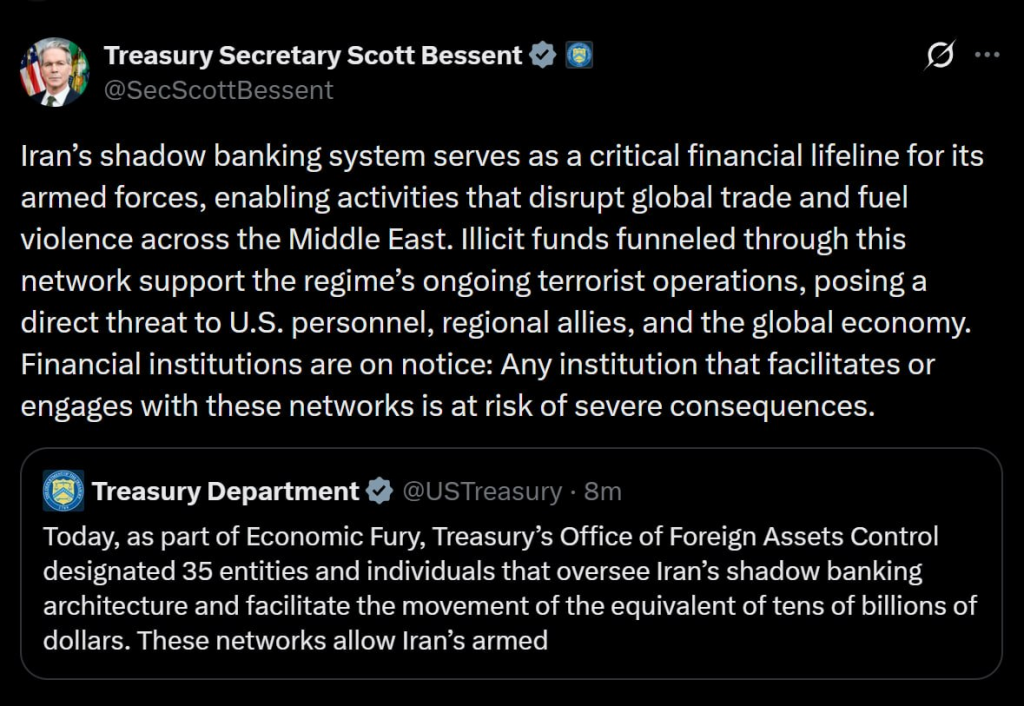
US Treasury Secretary Scott Bessent said on X that Iran’s shadow banking system served as a critical financial lifeline for its armed forces, enabling activities that disrupted the global trade and fuelled violence across the Middle East, stating that financial institutions were now on notice, because any institution that facilitates or negotiates with any of the sanctioned networks was at risk of severe consequences, adding that 35 designated entities and individuals that ‘oversee Iran’s shadow banking architecture and facilitate the movement of the equivalent of tens of billions of dollars’ had been sanctioned by the US Department of the Treasury Office of Foreign Assets Control.
Fars News Agency reported that Pakistan had activated six transit corridors between Pakistan and Iran amid the US naval blockade on Iranian ports, and the Pakistani Commerce Ministry issued the Goods Transit Order 2026, effective immediately, which allowed canned goods from third parties to be transferred through Pakistani territory to Iran, noting that the corridors originate from Gwadar, Karachi and Qasim ports, reaching the border crossings of Taftan and Gabd.
Iraq:
A statement issued after a meeting chaired by Prime Minister and Commander-in-Chief Shia al-Sudani, Iraq’s National Security Council emphasised strengthening national sovereignty, controlling outlaw groups and blocking any attempts to exploit Iraqi soil for hostile purposes, reaffirming Iraq’s right to defend itself and prevent any attempt to target or misuse Iraqi territory, while also recommending adopting all necessary security, military and legal measures to stop any attacks against neighbouring countries originating from Iraq, as well as to protect diplomatic missions from potential assaults, IRNA reported.
The statement came following heightened tensions between Iran and the US, weeks after the two agreed to a ceasefire in a war launched by the US and the Israeli regime against the Islamic Republic, and during the meeting, officials stressed that any action launched from Iraqi territory against neighbouring countries would be regarded as a ‘terrorist act,’ as the council also called for enhanced diplomatic coordination and communication with regional states to ease tensions and promote stability, highlighting dialogue and mutual understanding as essential options.
Israel:
Channel 14 admitted the Israeli security doctrine for confronting Iran and the Axis of Resistance had failed, noting that Israel were completely taken by surprise at the strength of Iran and Hezbollah, Major Yiftach Ron Tal, the former commander of the ground forces in the Israel army, said in a documentary about Israel’s strategic defeat against Iran: “We don’t have enough ammunition to confront the barrage of precision missiles that Iran and Hezbollah will rain down on Israel,” he said.
Despite censorship in Israel preventing the actual numbers being published on most occasions, the Israeli Ministry of Health on Tuesday reported that 8,497 injured persons had been registered in hospitals since February 28, as 15 more were injured and registered on Monday, while noting that there were 596 casualties in recent clashes with Hezbollah on the northern front, 178 of whom were injured after the ceasefire, Tasnim News reported.
Chairman of Israel’s Foreign Affairs and Defence Committee Boaz Bismuth said on Tuesday that the Iranian Regime was about to pay a heavy price: “I call on everyone to continue with their routine, be patient, and stay alert,’ he said in a statement after the end of a high-level security alert, which Channel 14 reported was a confidential security briefing that discussed whether Iran was succeeding in restoring parts of its ballistic missile program, Middle East Spectator shared.
Japan:
Results of a survey showed around 44% of Japanese companies had been affected by developments in Iran and the disruptions in the supply of oil, petrochemical feedstock, and raw materials for plastic production, reported Tasnim News, which could explain why Japanese media were excited to report the arrival of a US oil supertanker to their ports over the weekend.
Kuwait:
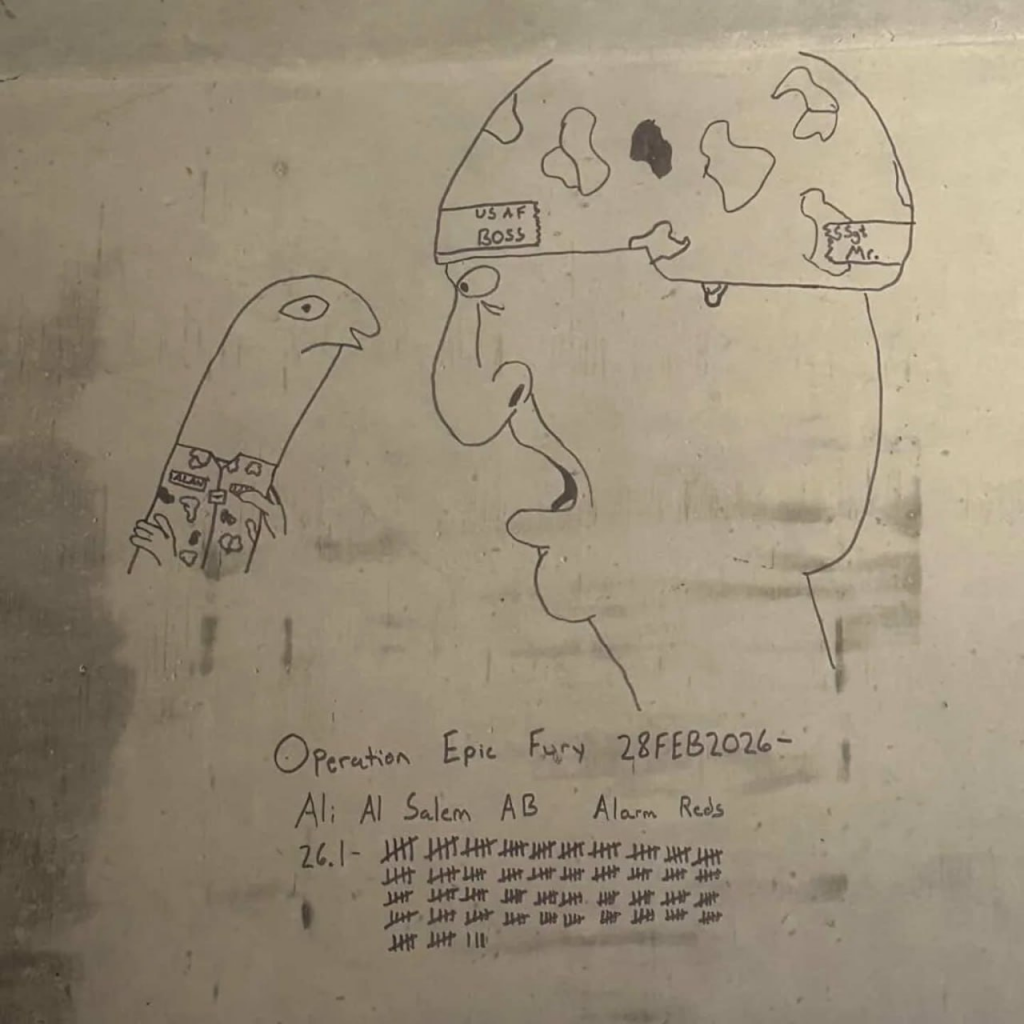
Following on from artwork from Jordan which was shared on AJ News recap from Day 17 here, the US troops at the Ali Al Salem Air Base in Kuwait also draw pictures on the wall highlighting their times spent in the shelter, which noted more than 210 air raid alerts had been sounded during the timeframe.
Russia:
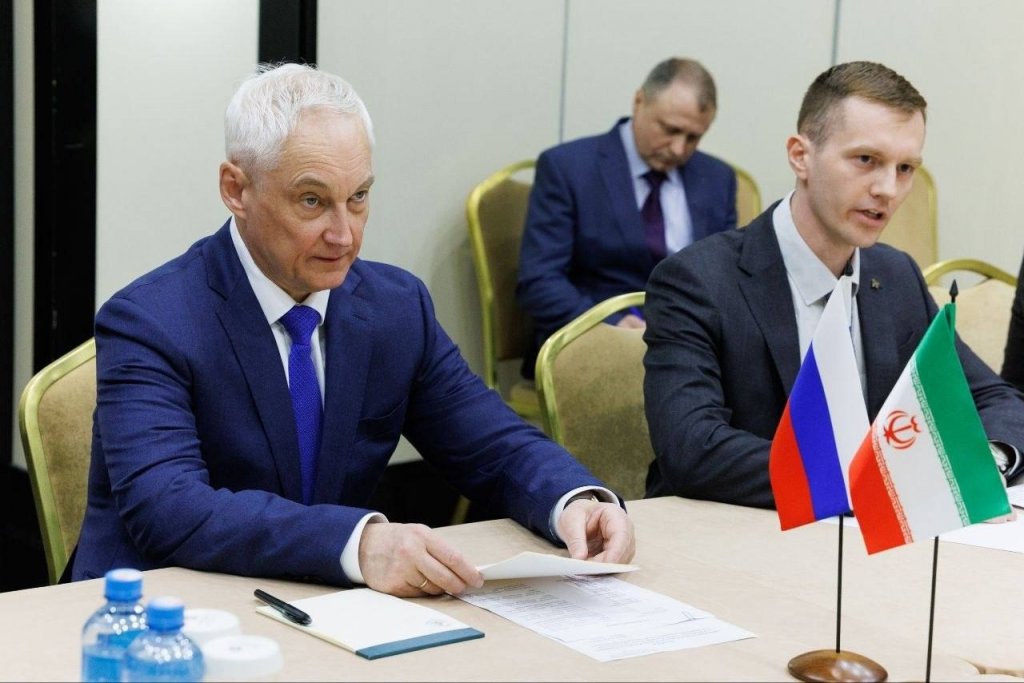
Defence Minister Andrey Belousov said in a meeting with the Iranian Deputy Defence Minister condemned the attacks by the US and Israel against Iran, and offering condolences on the martyrdom of the Supreme Leader to commanders and civilians, especially children and students, stating that Russia fully supports the sovereignty and territorial integrity of Iran and would continue this support in the future, Fars News Agency reported.
Washington Post revived the story that Russia was providing Iran with target intelligence on US forces in the Middle East during the war, claiming it included information on American warships and aircraft, according to Western officials.
Saudi Arabia:
Aramco in Saudi Arabia is due to suspend gas shipments in May because of damage that was sustained to its main export facilities in the recent war, IraninArabic reported.
The UAE’s decision to leave the OPEC and OPEC+ agreements is regrettable and irresponsible, officials from Saudi said, noting that it will lead Saudi Arabia to reviewing its own oil policies’ for the future.
Somalia:
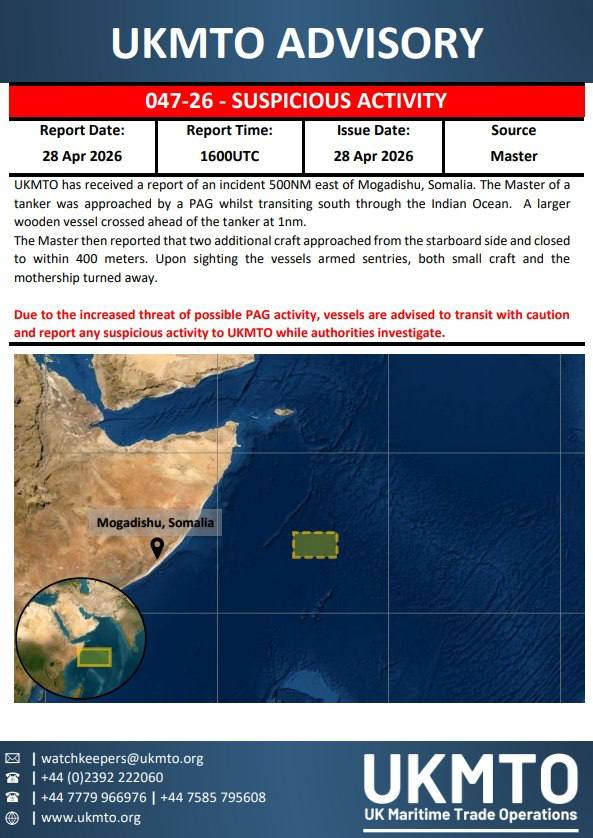
UKTMO received a report of an incident that occurred 500 nautical miles east of Mogadishu, Somalia, stating that a group of patrol ships approached an oil tanker’s captain while it was crossing the Indian Ocean southbound, when a larger wooden ship crossed in front of the tanker at a distance of one nautical mile, and the captain then reported that two additional boats approached from the right side which came to a distance of around 400 metres before seeing armed guards, at which point both the small boats and the mother ship retreated.
Sweden:
Energy Minister Ebba Busch said on Tuesday that Sweden had issued an early warning of a potential shortage of jet fuel stemming from the war in the Middle East, which has shut the Strait of Hormuz and cut global oil supply by 20%, telling Swedes they should plan travel flexibly and keep margins, because a worst-case scenario could lead to the rationing of aviation fuel, adding that while the supply is currently good, there could be problems that arise further ahead, Reuters reported.
UAE:
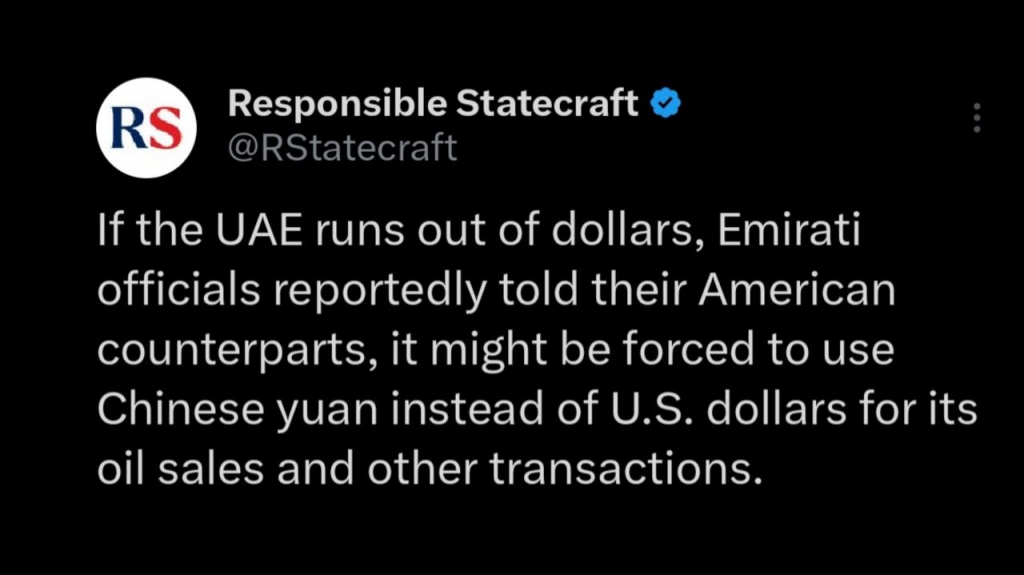
Senior Emirati officials have told their American counterparts that if the UAE’s dollars run out, they could be forced to use the Chinese yuan instead of the US dollar for selling oil and other transactions, Irib News reported.
Energy Minister Suhail Al Mazroui said the decision to quit OPEC and OPEC+ were taken independently, with no direct consultations held with other Arab countries, including Saudi Arabia, adding that there are significant resources locally and globally so the move wouldn’t shock the market: “We just want the freedom to take the decisions that are required due to the situations that we are living in.”
USA:
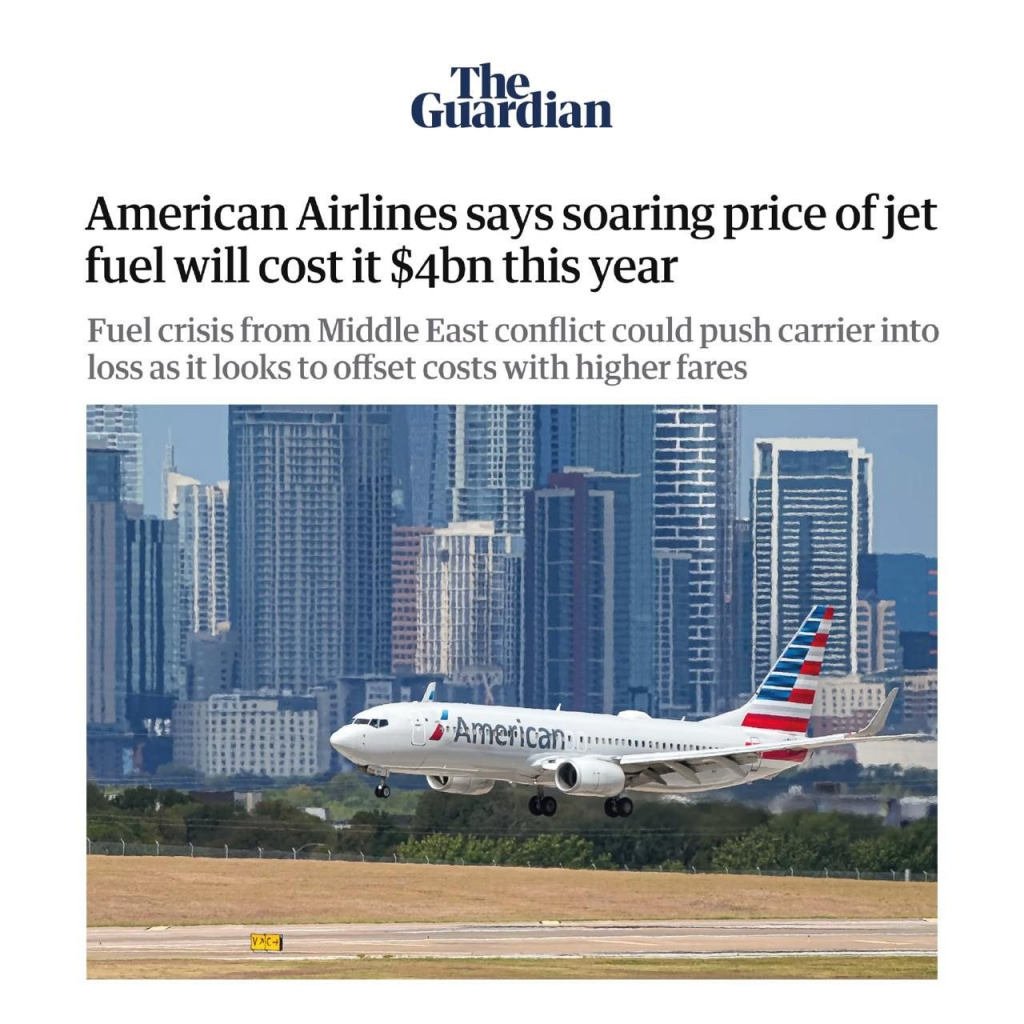
The Guardian reported that American Airlines are facing sharp increases in jet fuel prices, estimating its likely to cost an additional $4 billion this year, as the Middle East crisis pushes the carrier into loss and looks whether it can offset the costs with higher fees.
According to Tasnim News Agency, citing a report by the New York Times, there is also an unprecedented increase in gasoline prices in the US that have coincided with the war in Iran, noting that prices have risen to their highest level since the start of the war, increasing almost 2% on Tuesday (the largest growth in over a month), as the average price of gasoline reached over $4 in the US, the highest since April 2022.
President Trump has instructed aides to prepare for an extended blockade of Iran, aiming at further restricting oil exports and economic activity to put pressure on Tehran to force concessions on its nuclear program, as officials claim the move reflects a decision to continue economic pressure rather than a return to military escalation or to pursue a near-term deal, the WSJ reported.
Yemen:
The Ministry of Foreign Affairs in the Sanaa government said the solution to the situation in the Strait of Hormuz lies in ending the American-Israeli aggression against Iran, stating that Yemen is not neutral in the ongoing attacks on Iran, Lebanon, and Palestine, adding that its position is clear, declared, and explicit, Al Mayadeen reported.