 AJ
AJ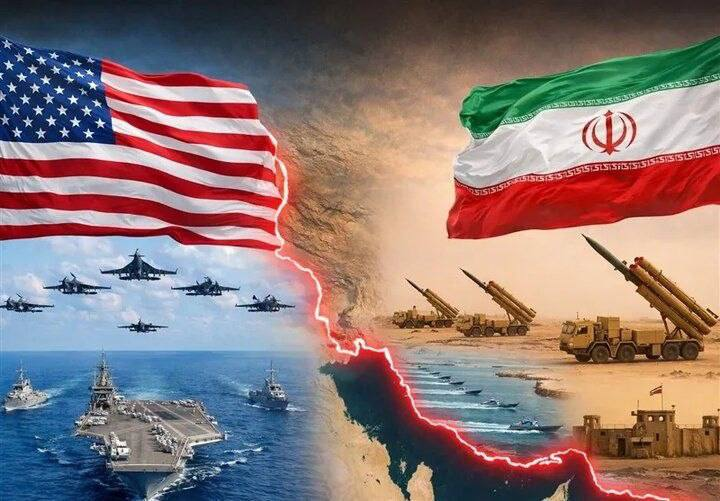
⚡️ News from the US/Israel/Iran recap for June 5 included information and statements regarding the overnight exchanges of fire between Iran and the US, due to the US encouraging shipping transit through the Strait of Hormuz near the coast of Oman, and as Iran locate the ships and fire, it causes retaliation after retaliation until one country eventually decides to stop, which overnight took around 3 hours. Meanwhile, various officials spoke at length about various topics including the negotiations, and there’s other news you may have missed in relation to the stalemate.

Negotiation News:
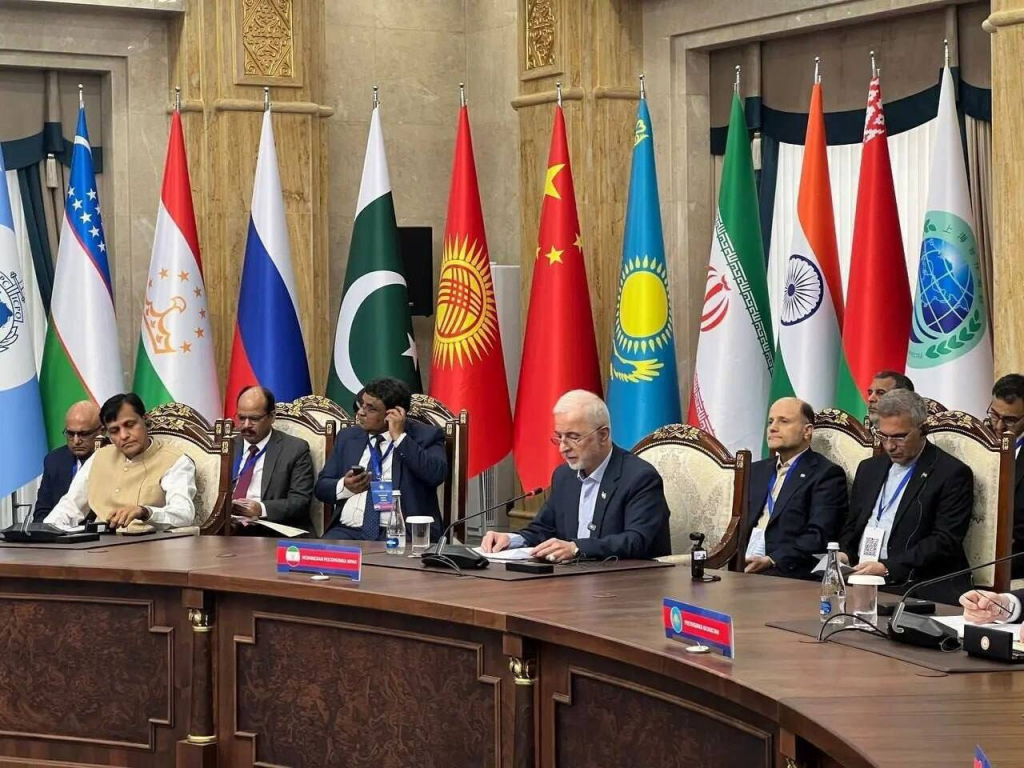
Iranian Interior Minister Eskander Momeni told the Shanghai Security Ministers’ Meeting in Kyrgyzstan on Friday that Iran’s approach was to ensure regional security by the countries of the region themselves, noting that unilateral sanctions and double standards are not security-binding, while also leading to more instability and distrust, adding that the current conditions and relations governing the international system are full of fragility and instability.
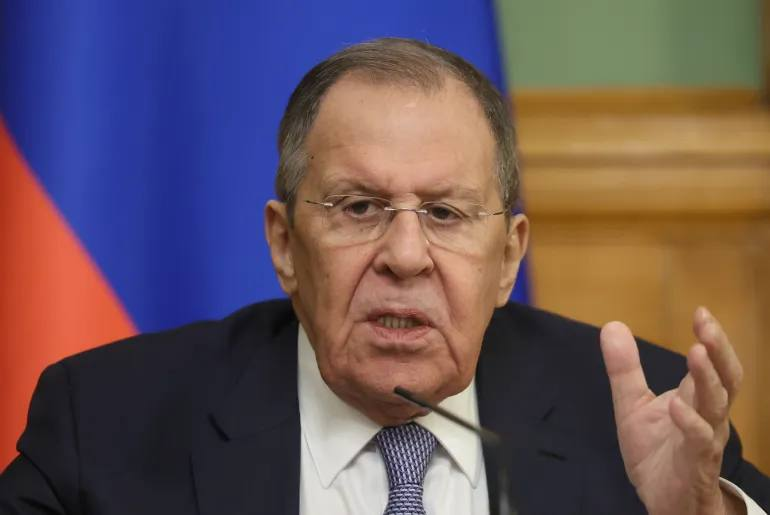

Russian Foreign Minister Sergei Lavrov said Russia backed ongoing US-Iranian negotiations but said that any deal must factor in Tehran’s interests, saying that Washington is disturbed by the tensions with Iran but doesn’t know how to resolve them, adding the US was primarily responsible for the situation.
From the Media:
Fars News spoke with an Iranian negotiator who disputed reports that Iran could transfer part of their nuclear stockpile to a third country, stating that issues related to the nuclear file had been postponed to the next stages of negotiations, due to US attacks on commercial shipping in southern Iran and continued military aggression by Israel against Lebanon, claiming the broader negotiation process wouldn’t resume unless its conditions were met.
News from the Strait:
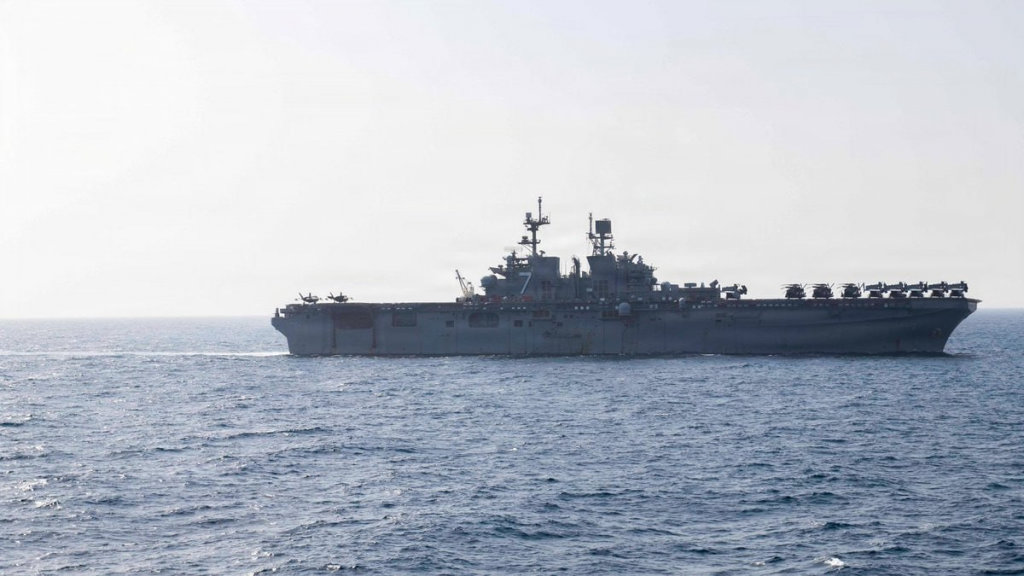
US Central Command said it had redirected 129 Iranian commercial vessels and had disabled 6 others since the blockade began on the Iranian ports on April 13th.
Bloomberg reported that commercial traffic through the Strait of Hormuz had dwindled to ‘just a handful’ of vessels in a 24-hour period, noting that no commercial transits were observed on Friday morning, and only three passages recorded in each direction on Thursday.
The afternoon and overnight exchange of fire:
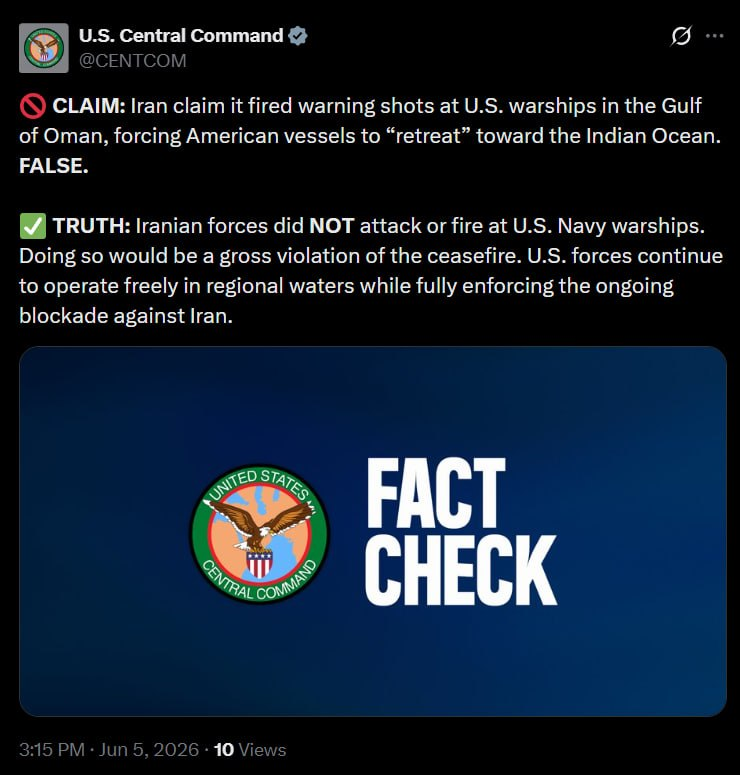
During the afternoon, warning shots were fired by the IRGC using Qadr missiles and new ‘Shahed Dina” attack drones at US destroyers USS Truxton (DDG-103) and the USS Mason (DDG-87), which then left the Sea of Oman and headed towards the Indian Ocean, reported Iran’s IRIB News, noting the amphibious assault helicopter carrier the USS Tripoli was also forced to leave.

State TV reported that satellite imagery showed the US fleet had been dispersed after the navy’s decisive response, saying: “The IRGC navy sent a warning message to vessels: If they carry essential cargo such as fuel or food, they must notify Iran, which will then take safe responsibility for their security and schedule their safe passage through the Strait of Hormuz.”
US Central Command denied the attack or fire at US Navy warships, saying that doing so would be a gross violation of the ceasefire, adding that US forces continued to operate freely in regional waters while fully enforcing the ongoing blockade against Iran.
Iran launched multiple drones towards the Strait of Hormuz toward the early hours of Saturday morning, with at least four shot down by US aircraft, a US official told CNN, stating the drones were believed to be targeting either commercial shipping in the area or US forces operating nearby.
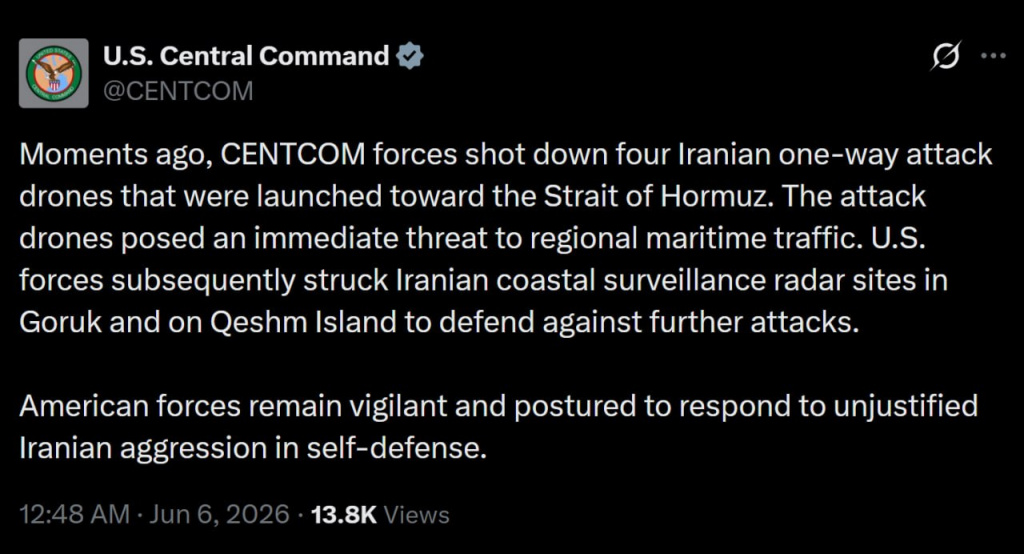
US Central Command confirmed the incident on X, stating: “Moments ago, CENTCOM forces shot down four Iranian one-way attack drones that were launched towards the Strait of Hormuz – the attack drones posed an immediate threat to regional maritime traffic. US forces subsequently struck Iranian coastal surveillance radar sites in Goruk and on Qeshm Island to defend against further attacks.”
Meanwhile, some Iranian media outlets claimed at least one explosion was reported in the vicinity of Sirik Naval Base, in southern Iran, while others claimed active air defences and several explosions were heard.
Around 2 hours later and Kuwaiti air defences became active and sirens sounded due to incoming ‘missile and drone attacks,’ as a local told Tabz that interceptions occurred over Kuwait and images appeared to show interceptors in the sky.
Bahrain’s sirens also sounded and air defences became active dealing with incoming missiles and drones towards the US’s Fifth Fleet Naval Headquarters, as reports began to circulate suggesting Iran had fired the missiles from Fars and Bushehr Provinces in southern Iran, in an attack that lasted for around an hour, and was reported to have been the largest since the ceasefire began.
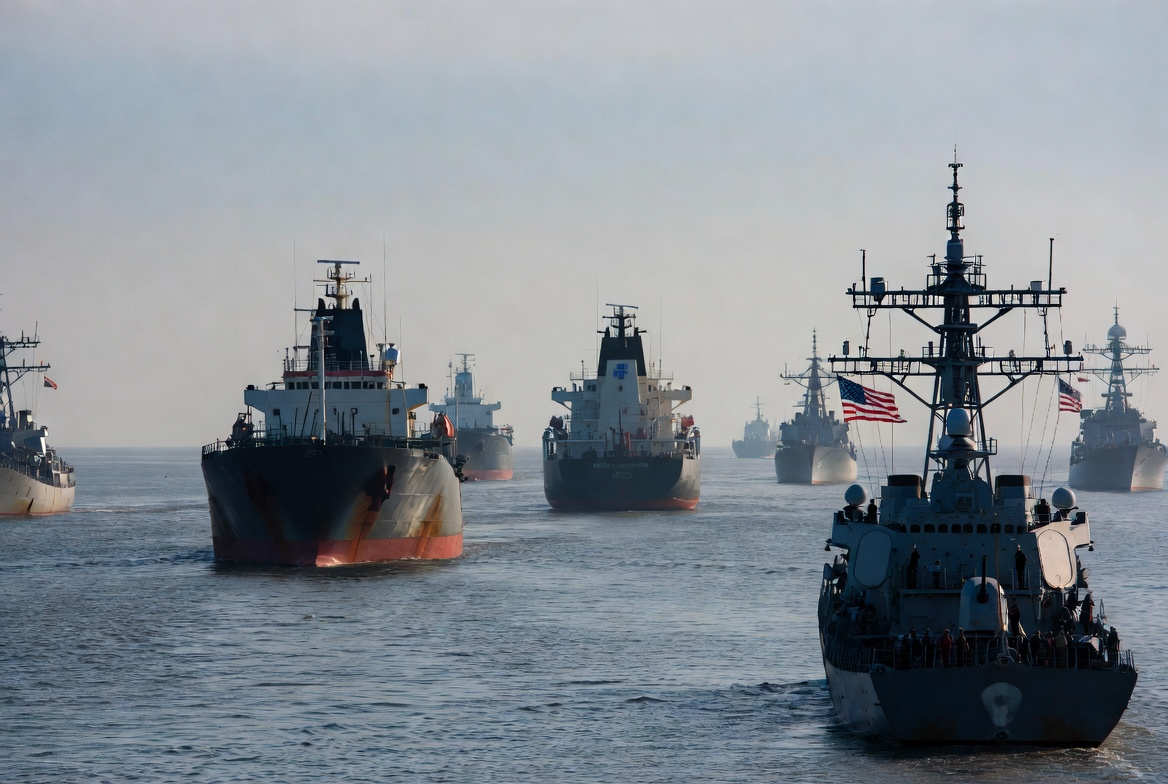
Iran’s IRGC published a statement around an hour later, claiming four oil tankers operating under US military direction attempted to transit the Strait of Hormuz without authorisation or coordination and ignored warnings from the IRGC Navy, alleging one tanker was targeted and halted, while the other vessels turned back.
The IRGC said that US drones later struck telecommunication facilities in Qeshm and Sirik, so in response, it launched ballistic missiles towards two US airbases in Kuwait, including Ali al-Salem Air Base, and the US Fifth Fleet in Bahrain, warning that any further US actions would prompt a broader response and threatened that continued hostilities could result in the complete closure of the Strait of Hormuz.
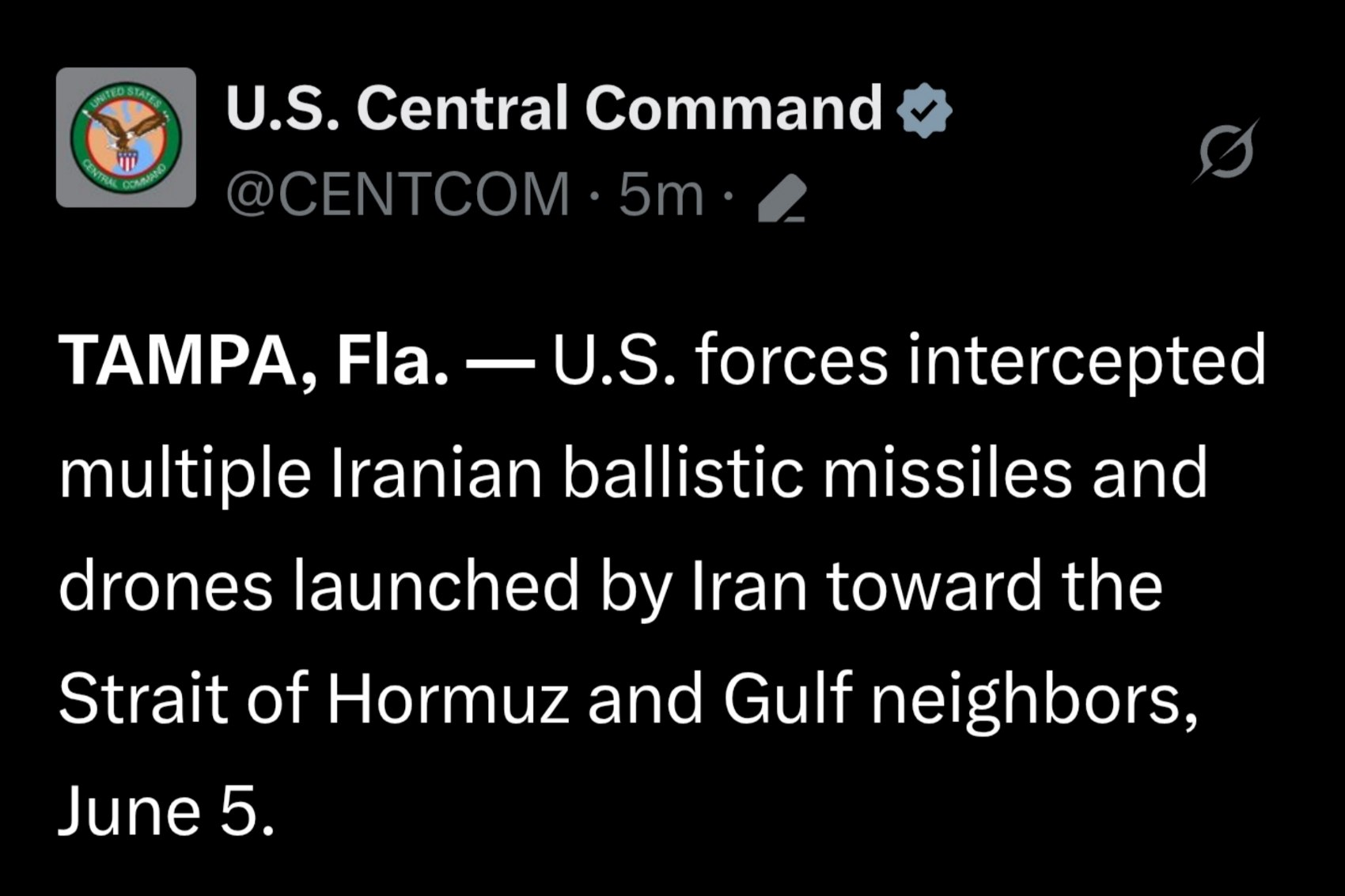
US Central Command’s statement said US forces had intercepted multiple ballistic missiles and drones launched by Iran toward Gulf neighbours on June 5, with initial assessments indicating six of the missiles launched by Iran were intercepted, while a seventh didn’t reach its intended target, adding that there were no reports of harm to US personnel, and Iranian claims of damaging US 5th Fleet Headquarters in Bahrain were false.
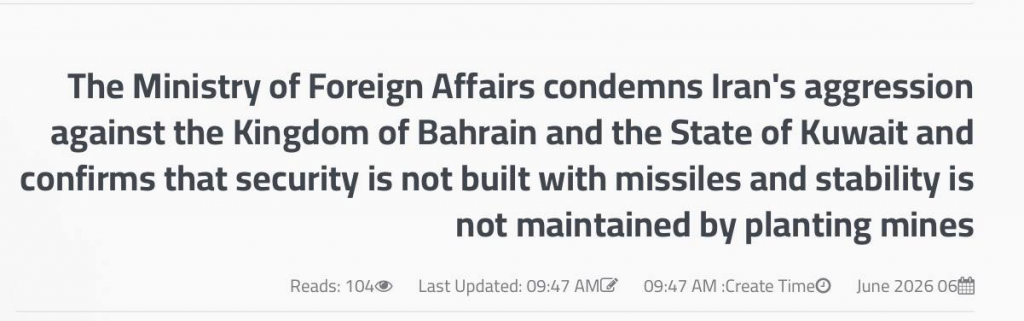
Bahrain condemned the Iranian attacks targeting Bahrain and Kuwait, stating that seven ballistic missiles launched toward the two countries had been successfully intercepted, calling on Iran to halt its attacks, reopen the Strait of Hormuz, cooperate with clearing naval mines, and ensuring safe passage of shipping, warning it would take necessary measures to defend its sovereignty and security.
Trump’s comments on Iran:
President Trump spoke to reporters aboard Air Force One, stating that the US forces had great success with Iran, who are in no position to have a nuclear weapon.
Trump said: “A lot of oil is coming into our country, and a lot of oil is coming into the world that people don’t even know about…. that’s why it’s at $97 a barrel instead of $300 a barrel,” claiming that: “When the whole thing is straightened out, it shouldn’t take long – one way or another, it’s going to get done – when it’s all straightened out, you’re going to have oil prices drop down to maybe even lower than they were.”
Speaking to an audience later at a ‘Fighting for American Farmers’ conference, President Trump said: “We extinguished a nuclear weapon, this was not going to be a capable country that was going to have a nuclear presence, and we weren’t going to let that happen – nobody wanted that to happen – we have largely finished that, one war or another, it’s finished.”
Trump said: “We’re going to come out of Iran quickly and it’s going to be very strong, one way or another, whether its a piece of paper or the very tough way – the very tough way is maybe the easier way, but we’re going to come out, and your fertiliser prices are going to come down, just like they were four months ago – your fertiliser, energy, oil and gas are all coming down and frankly, I thought it would go much higher than it did.”
Continuing, Trump said: “We’ll go pretty quickly because I have to get back to fighting a war in Iran – there’s a hell of a speakers list, we might be here all night – I got to get back to a place called Washington and protect you, okay?” adding: So if you go very quickly, we don’t need your life story other than I like the Olympic guy and I like this guy right over here.”
President Trump described what happened with Iran as not that much of a war, but a military conflict: “It’s a practice,” he said.
The President continued to appear with comments in the media during an interview with Meet The Press, stating Iran hadn’t agreed to a deal with the US because its leaders are ‘strong and proud’ adding that ‘they’ve got no choice,’ and that it takes a little while: “You’re talking about 47 years of getting away with whatever they wanted,” he said, adding: “I mean, this should have been done a long time ago, this should have been done by other presidents or countries.”
According to President Trump “We have totally destroyed their military,” noting they have some missiles and drones left, but most of the drone factories, launching pads, and missile manufacturing areas had been ‘knocked out,’ but ‘they still have capacity,’ he said: “They have 21%-22% of their missiles left – it’s a lot of missiles, but it’s not what it was when we first attacked.”
Rezaee’s comments on Iran:
Senior Military Advisor to Iran’s Supreme Leader Mohsen Rezaee said in an interview on Friday that the Supreme Leader would not meet President Trump, stating that Trump had brought negotiations to a standstill: “The negotiations are at a deadlock and Trump must break this deadlock,” he said.
Rezaee said that if President Trump took the negotiations seriously, $24 billion wasn’t much to America, so if he wanted an agreement with Iran, ‘this $24 billion is a test of trust that Iran wants to have with Trump,” adding: “This is a test that America must pass, and the path will be open – this is our money, not America’s money.”
The advisor warned that if the war continues and the naval blockade is not lifted, Iran will drag the war to the Indian Ocean, the Bab al-Mandeb Strait, the Red Sea, and the Mediterranean: “We will give another dimension to this war by attacking these other American bases,” adding: “America will definitely suffer more losses… they will be very heavy.”
Rezaee said that Trump must make decisions independently of Israel: “He must give what is the rights of the Iranian people and stop the blockade, release our frozen assets, and this can be a new horizon for the future of Iran and America,” stating that Trump must put aside his personal interests and think about the interests of the American people: “If Trump has the courage, many issues will be resolved in the future.”
Putin’s comments on Iran:
Russian President Vladimir Putin spoke at the St Petersburg Economic Forum, saying that Russia didn’t supply weapons to Iran during the war and that Tehran hadn’t requested any, while stating there hadn’t been any evidence to suggest Iran was pursuing nuclear weapons, and acknowledging Israel’s concerns in the matter.
Putin stated Moscow had urged Iran to avoid striking neighbouring Gulf countries, however, he noted that Iranian officials would respond bluntly arguing they had come under attack first and felt compelled to retaliate.
The President also believed the decision to stop combat activities was the right one, and said if Russia could do something, they were absolutely ready to do that, but if not, then Russia would just be hoping that all the parties managed to resolve it with ‘peaceful means,” adding that Moscow was in constant contact with Washington, Tehran and Tel Aviv.
Putin said he had no grounds to believe President Trump had been misled by Israel because he’s a ‘very mature person, a very experienced politician,’ saying: “I don’t think anyone from outside can exert any significant influence on him,” adding that Russia very well knew the concerns of Israel: “They are related to their perception that Iran seeks a nuclear weapon, even though on multiple occasions before, Iran had stated had kept stating it had entertained no such plans, and Russia hasn’t seen evidence Iran was seeking to develop nuclear weapons.”
Aoun’s Comments on Iran:
Lebanese President criticised Iran on Friday, accusing it of using Lebanon as a ‘bargaining chip’ in its negotiations with the United States, saying Tehran was acting ‘for the sake of their own interest’ while the Lebanese people were ‘paying the price.’
Aoun rejected a statement from Iran’s Khatam al-Anbiya Central Headquarters linking a US-Iran agreement to Israeli withdrawal from Lebanon, saying: “It’s not your country,” adding that Lebanon and Israel had reached an agreement on implementing a ceasefire after which he described as ‘tough’ negotiations, and calling it a potential path toward a ‘just and lasting peace,’ although Hezbollah has rejected the deal.
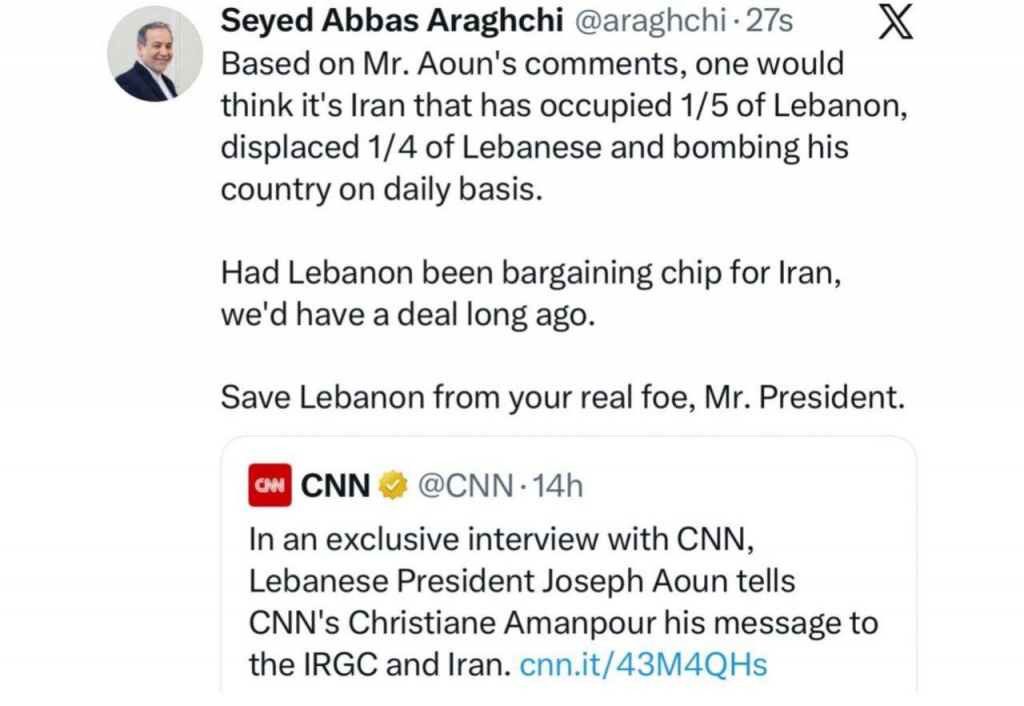
Iranian Foreign Minister had noted the comments of President Aoun, taking to X to say: “Apparently it is Iran that has occupied one-fifth of Lebanon’s territory, displaced one-quarter of the Lebanese people, and bombs his country daily,” adding that if Lebanon was a bargaining chip for Iran, there would have been an agreement long ago: “Save Lebanon from its real enemy, Mr President,” Araghchi said.
Security issues arising:
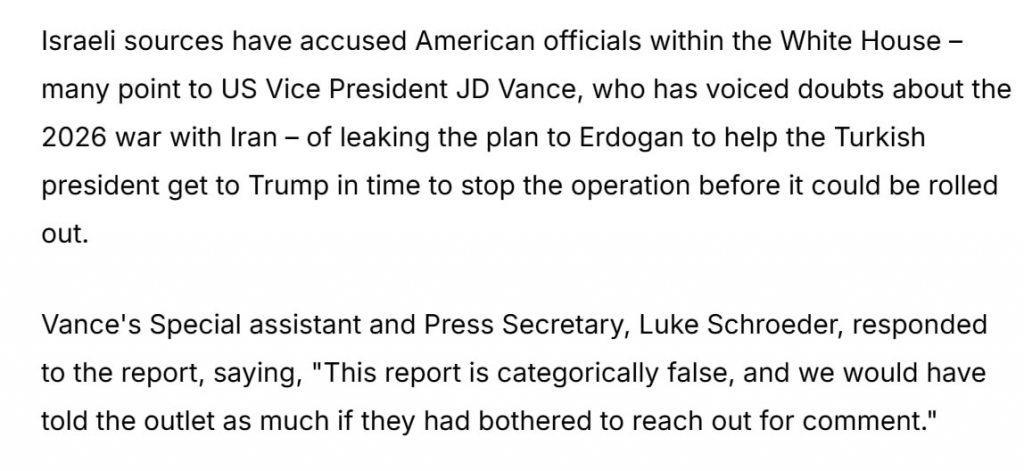
Israeli intelligence sources alleged officials within the White House, with some pointing to JD Vance, had disclosed a Mossad-backed plan involving Kurdish forces against Iran to Turkish President Recep Tayyip Erdogan, who opposes the presence of Kurdish forces near Turkeys borders, and then lobbied President Trump to block the operation, which Trump subsequently vetoed.
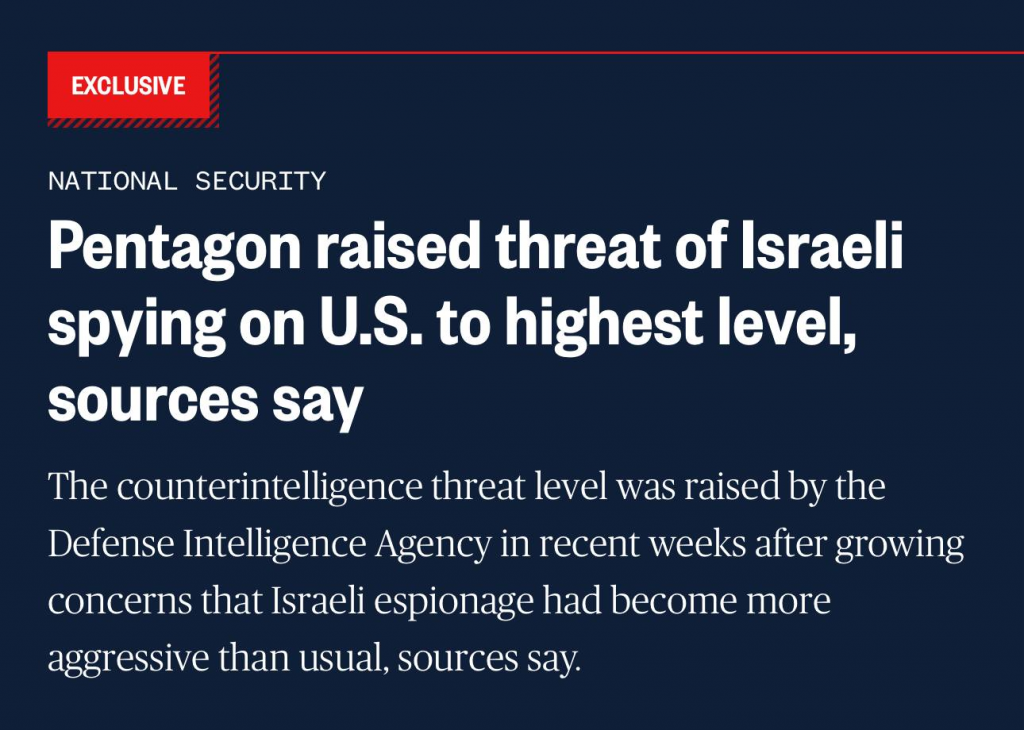
Meanwhile, the Pentagon raised Israel’s counterintelligence threat rating to its highest level due to concerns Israeli intelligence was intensifying efforts to gather information on the Trump administration’s internal discussions and decision-making regarding conflicts in the Middle East, according to NBC.
The report said that a recent Defence Intelligence Agency assessment rated Israel’s human espionage and technical intelligence-gathering capabilities as being at a ‘critical level’ and cited several incidents that heightened concerns.
Although intelligence sharing between the countries remains unaffected, officials said US personnel are expected to take additional precautions when travelling to Israel or meeting Israeli counterparts.
News from the USA:
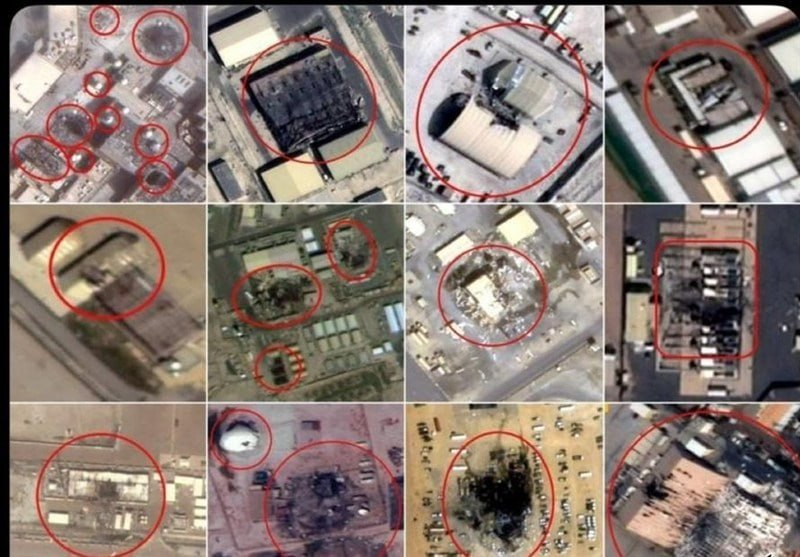
British iPaper reported that many of the largest US bases in the region, especially those closest to Iran, had been targeted by missile and drone attacks during the conflict, noting that Arab countries on the Persian Gulf coast that hosted US facilities had questioned whether this military presence has become a burden and a security responsibility for them rather than an advantage, adding that President Trump is facing increasing domestic and international pressure regarding the role and military presence of the US in the region.
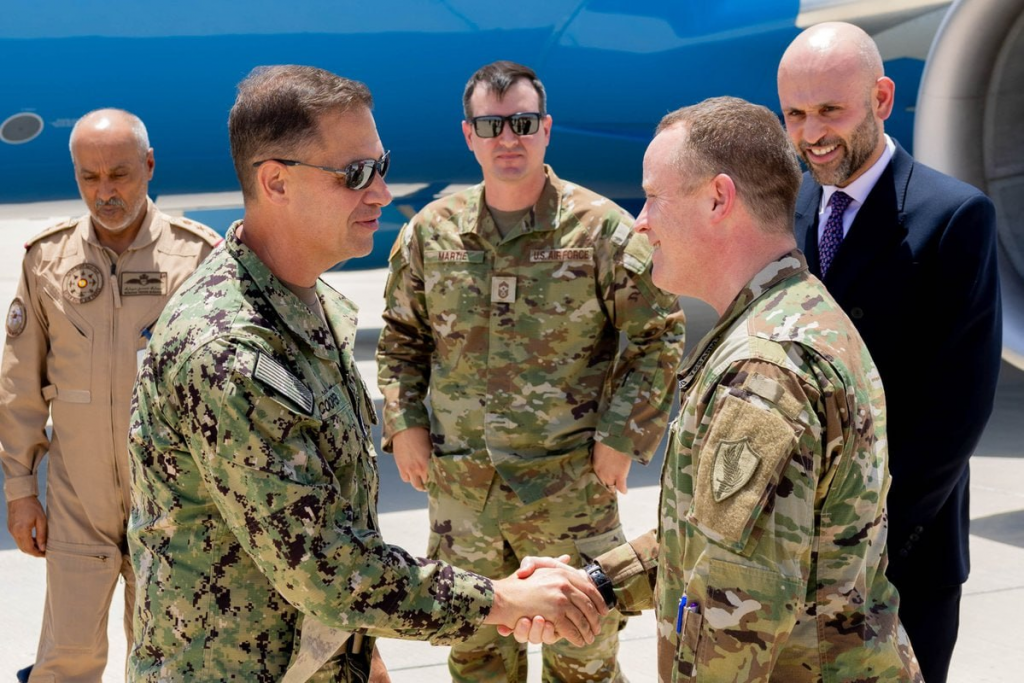
CENTCOMM Commander, Admiral Brad Cooper, met with senior leaders from Bahrain, Qatar, Kuwait, and Jordan, during a recent trip to the Middle East, also meeting with deployed US personnel, recognising the outstanding service of the members, and oversaw the leadership transition at US Army Central.
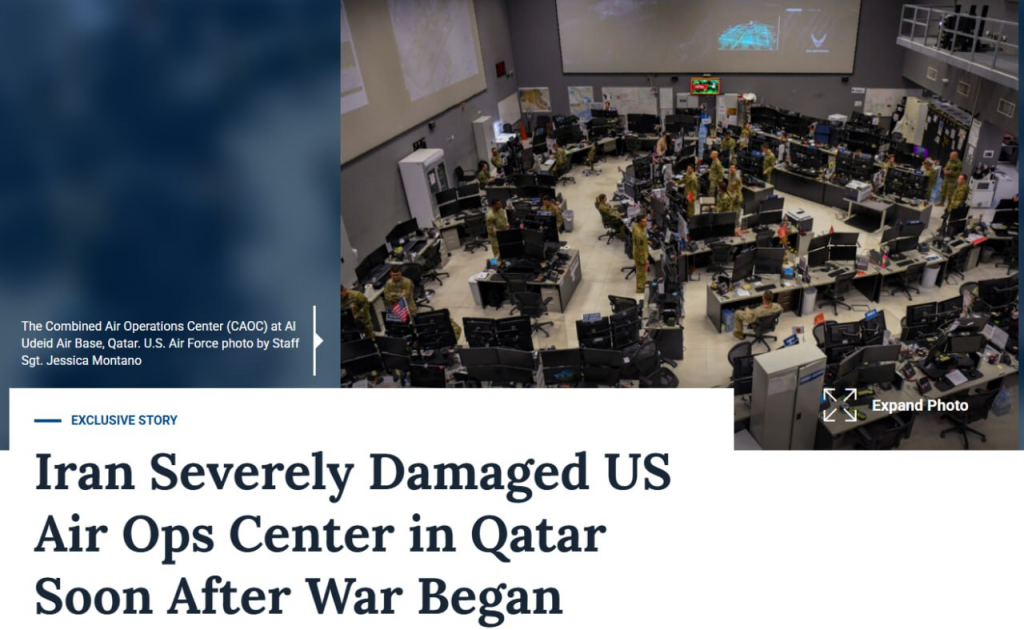
Several Iranian missile strikes severely damaged the Combined Air Operations Centre at Al Udeid Air Base in Qatar during the opening weeks of the war, rending the facility inoperable, reported Air & Space Forces Magazine, noting that no personnel were injured because the US had anticipated the attack and relocated operations to Shaw Air Force Base in South Carolina before the war began, and despite multiple impacts, the strikes didn’t disrupt Operation Epic Fury or subsequent air operations, but the damage prompted questions about whether the command centre should be rebuilt given its proximity to Iran.
US Special Envoy Steve Witkoff and President Trump’s son-in-law Jared Kushner secretly visited the Oak Ridge nuclear facilities in Tennessee to meet with leading US nuclear specialists, reported Axios, claiming a team of around 100 experts were assembled to support the implementation of a potential nuclear agreement, alleging discussions focussed on technical preparations, with some specialists having recently participated in the recovery of the enriched uranium from Venezuela.
News from Iran:
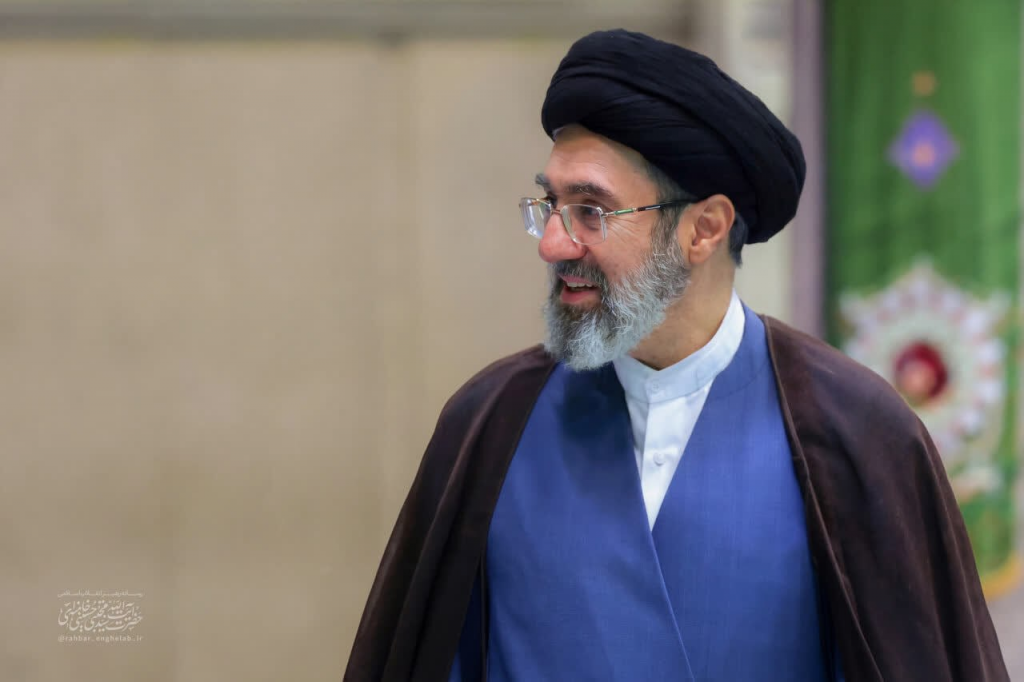
Supreme Leader Ayatollah Mojtaba Khamenei issued clemency to 2,000 prisoners to mark Eid al-Ghadir, following a request from Judiciary Chief Gholam-Hossein Mohseni-Eje’i, but the pardon doesn’t apply to convicts of armed struggle against the country, drug trafficking, armed robbery, abduction, bribery, or embezzlement.

Reuters said that leaked Pentagon documents showed that smuggled dished in Iran had been the backbone of the US military network in directing drones like the Lucas in the attacks on Iran, claiming that drones use miniature Starlink terminals to exchange live images and guidance commends, and are capable of connecting to any of the Starlink dishes
Iran has informed the United Nations that Saudi Arabia, Kuwait, Qatar, Bahrain, UAE and Jordan must provide compensation to it for their participation in supporting military actions.
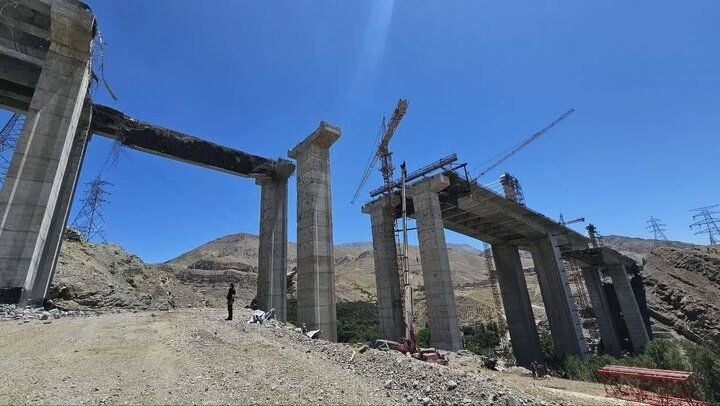
The Director-General of Road Maintenance and Transportation of the Alborz Province said that the construction of a bypass to the Shahid Raeisi Bridge (B1) had begun in order to ease traffic congestion and facilitate citizens’ travel.
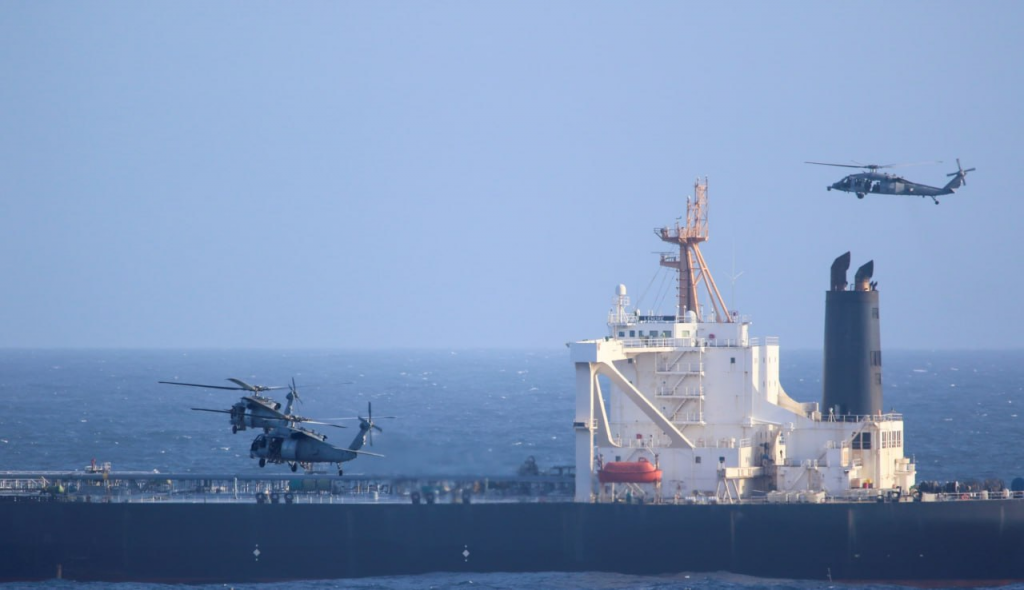
US Indo-Pacific Command announced the maritime interdiction and right-of-visit boarding of sanctioned stateless vessel MT Davina (with links to Iran) in the Indian Ocean, by US forces, within the Indo-Pacific area of responsibility, stating: “international waters cannot be used as a shield by sanctioned tankers,” while TankerTrackers.com reported that the MT Davina was now flagged Lenore (MMSI 306531000) sanctioned by OFAC for transporting Iranian oil.
The US Treasury sanctioned a network accused of shipping hundreds of millions of dollars’ worth of Iranian LPG disguised as Omani product to Asia, using front companies in the UAE and China, foreign bank accounts, and Iran’s shadow fleet to evade sanctions, with measures also targeting Mehrdad Geramian Nik and Partners Company, accused of moving hundreds of millions of dollars for sanctioned Iranian Banks, along with six LPG tankers and multiple alleged front companies.
Some members of the technical and administrative staff of Iran’s national football team hadn’t received US visas, with the US embassy so far declining to issue travel documents for the individuals, reported Fars News Agency.
Reuters were told by a White House official that Iran’s World Cup players had been granted visa to enter the United States, along with the Associated Press, while The Republic claimed two US State Department officials confirmed because all three of Iran’s matches are due to be played on US soil, travel visas for the country’s football team had been issued, adding that the team will still hold training during the World Cup in the Tijuana Camp in Mexico.
According tot he report by The Republican, the wartime conditions caused concerns about visa issuance, but an official said some coaches and staff received visas, while those who hadn’t were being assessed and a decision would be made in accordance to US visa issuance policies, however, the official stopped short of mentioning the names of those currently excluded.
Other news from around the world:
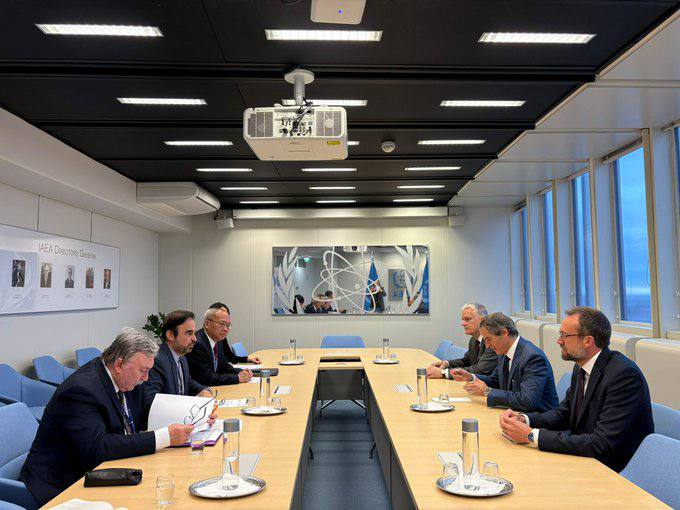
Ambassadors and permanent representatives of Iran, China and Russia held a joint meeting with International Atomic Energy Agency Director-General Rafael Grossi, discussing and reviewing issues related to the topic to be raised at the next meeting of the Board of Governors of the IAEA.
Following earlier reports of crude oil loading being suspended due to an explosion near the mooring births in Oman, Oman’s Petroleum Development Department said that operations at the Mina Al Fahal port were proceeding normally.
The blast occurred between single-buoy mooring berths 1 and 2 due to an alleged drone attack, sources said.
Several supertankers were seen anchored off the port on Friday, as Oman normally exports 800,000-900,000 barrels per day from the terminal.
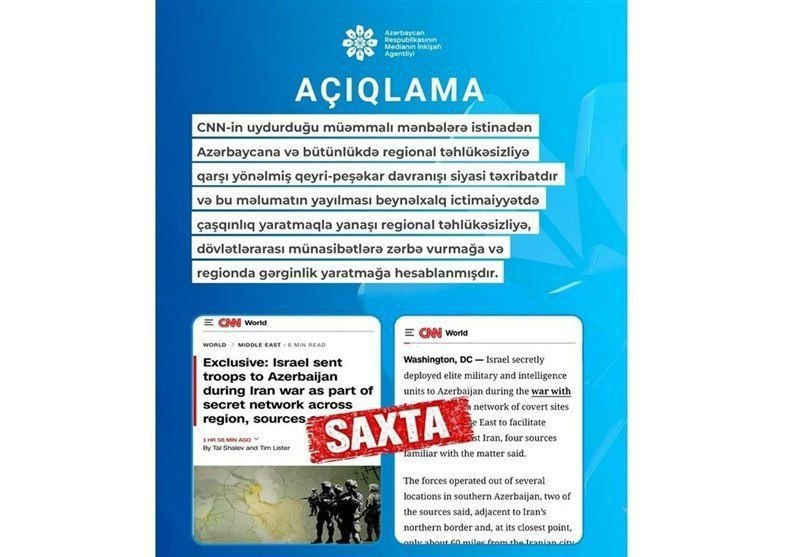
Azerbaijan’s Foreign Ministry rejected a report published by CNN on Thursday which claimed that the IDF and Mossad had operated within the country’s territory during the war with Iran: “There is no basis for such claims and our country will never allow such activities,” the statement said, adding the allegations were baseless and categorically rejected.
US State Department officials published a statement on Friday announcing it had authorised the sale of anti-drone systems worth nearly $2 billion to Kuwait.
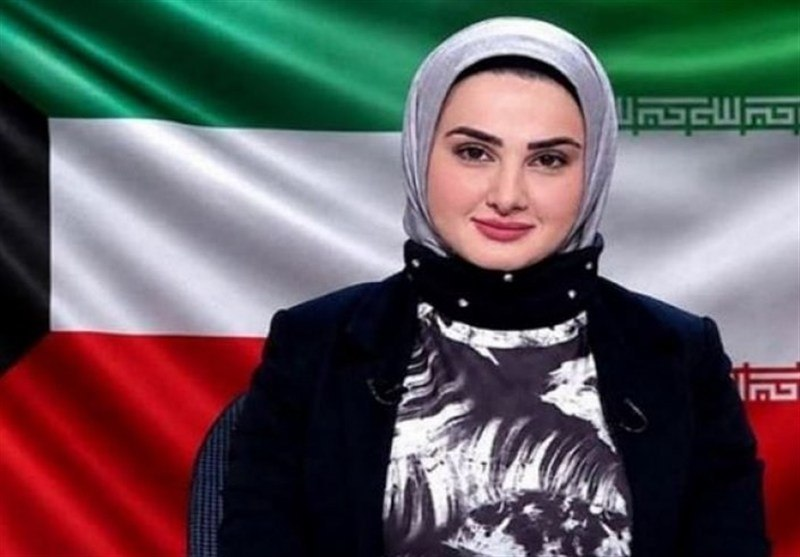
Journalist and Kuwaiti state television broadcaster Zeinab Dashti was sentenced to 3 years in prison for her supportive stance towards Iran, posting content on social media that Kuwaiti authorities deemed in support of Iran, but the case has drawn attention of human rights organisations due to increasing restrictions on journalists and activists in the country.
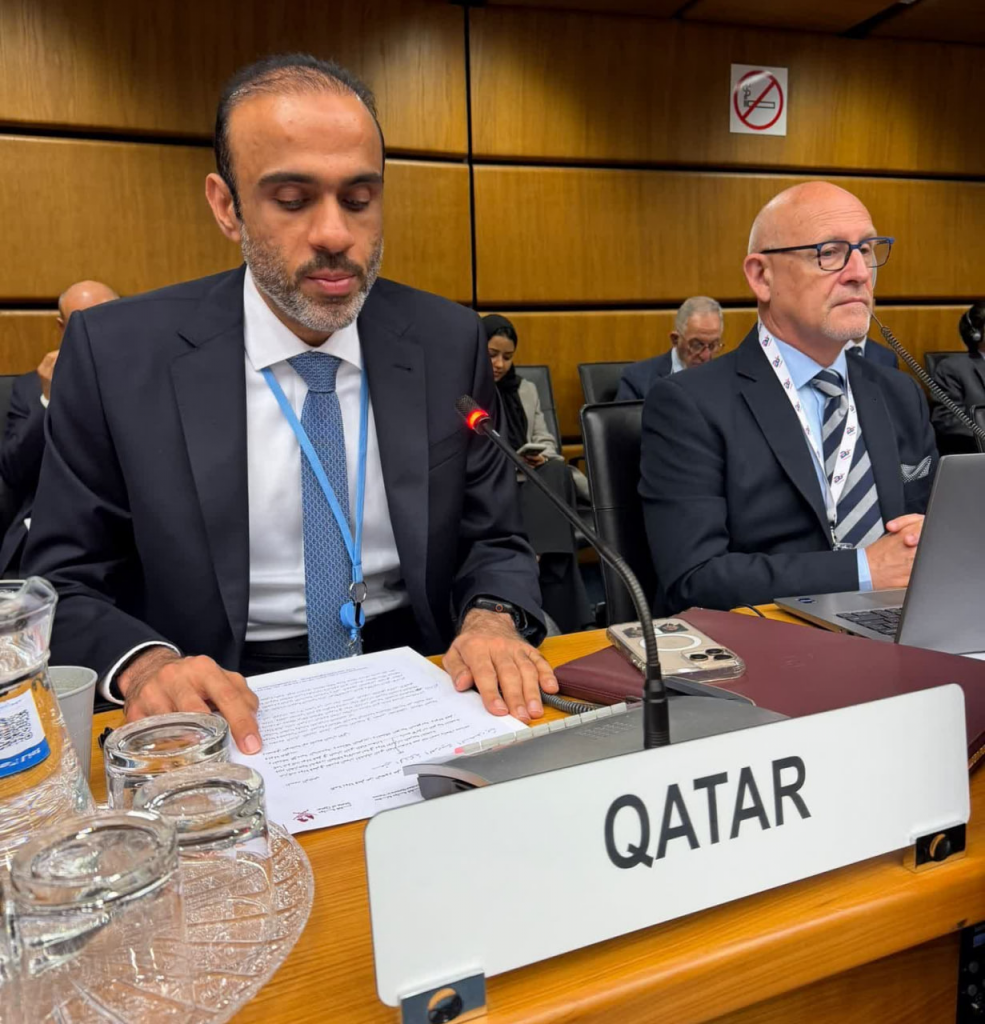
Qatar renewed its strong condemnation of the attack on the Barakah nuclear power plant in the UAE, stating that the targeting of peaceful nuclear facilities violates international law and the basic principles of national security.
Speaking at an emergency IAEA board session, Qatar’s permanent representative in Vienna said the attack, carried out by armed factions from Iraq using drones, was ‘treacherous,’ adding that Qatar backed a joint statement with several other Arab countries, while calling for diplomacy as the only sustainable path to lasting peace.
Thank you everyone for taking the time to read. If you enjoyed and would like to support me, we can have a regular coffee morning at $3 per month, or you can buy me a one off coffee if you wish.