 AJ
AJ

The recap for US/Israel/Iran recap for May 29 gives most a view of what the mainstream media have said about the negotiations, along with officials including President Trump, while traffic continued to move through the Strait of Hormuz until a warning issued by CENTCOM on Friday night, and other news from around the globe.

Negotiation News:
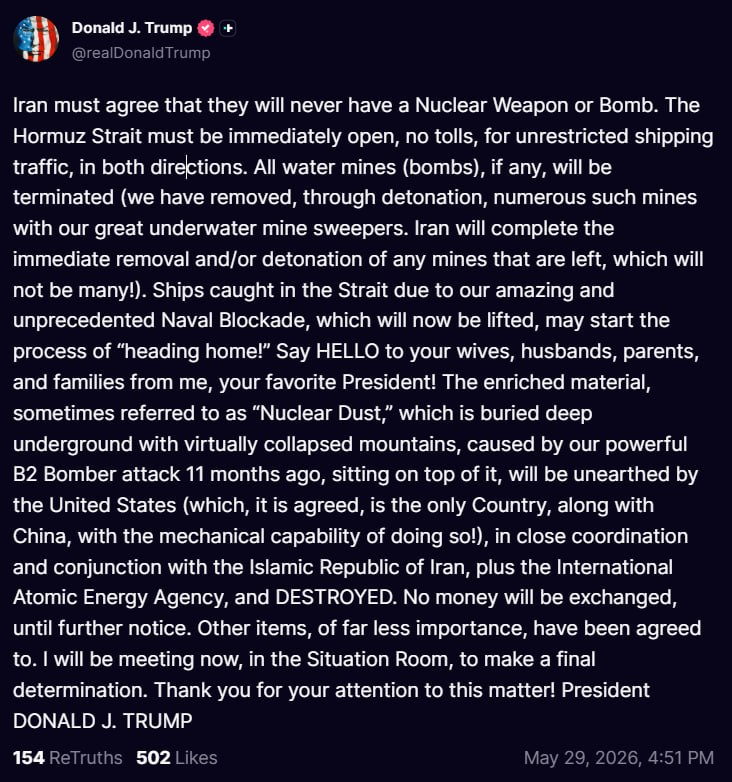
President Trump issued a lengthy statement on Truth Social in relation to the negotiations, saying that Iran must agree that they would never have a nuclear weapon or bomb, while the Hormuz Strait must be immediately open, no tolls, for unrestricted shipping traffic, in both directions.

Trump also said Iran would clear the remaining mines, ships caught in the Strait will be able to ‘head home’ once the blockade has been lifted, while enriched material, sometimes referred to as ‘nuclear dust,’ is buried deep underground thanks to B2 Bomber attack 11 months ago, with only China and the US capable of extracting it safely.
Iranian Parliament Speaker Mohammad Bagher Ghalibaf published a post on X that there were three key points in relation to the negotiations, with the first being that Iran seize concessions not through dialogue, but with missiles; in negotiations, Iran merely make them understand.
Ghalibaf’s second point said: “We have no trust in guarantees or words – only actions or measure,” adding that no actions would be taken before the other side acts, and the third said the “winner of any agreement is the one who is better prepared from the day after.”
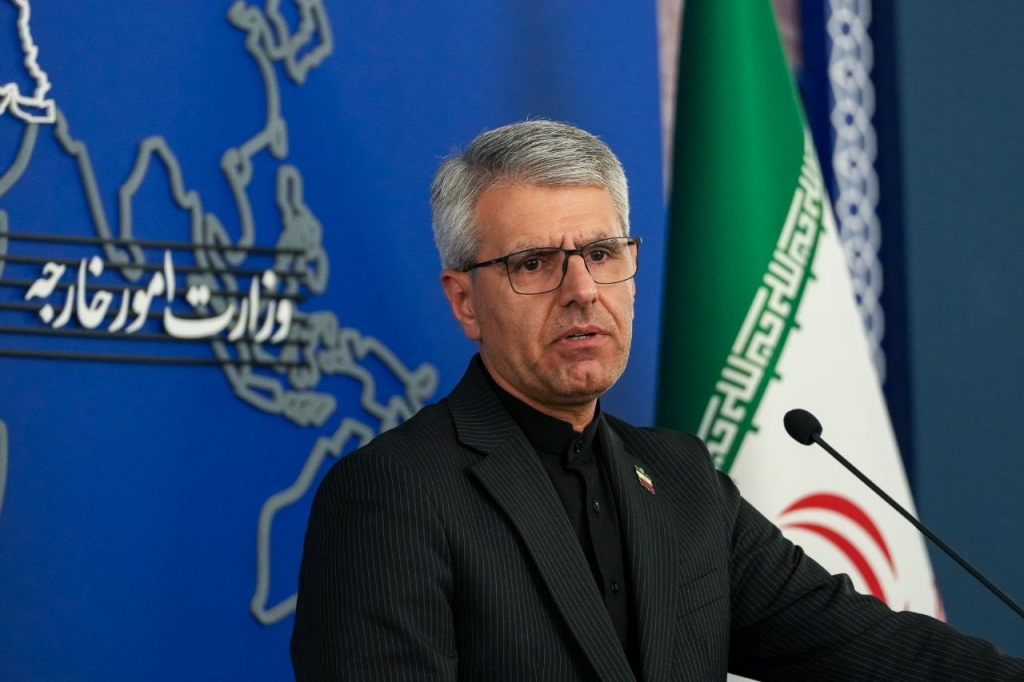
Iranian Foreign Ministry Spokesman Esmaeil Baghaei said on Friday that Iran were focused at this stage on ending the war and had no negotiations on the nuclear issue, while stating Trump’s alleged text recently has been one-sided, noting no agreement has been reached on any clauses yet.
Baghaei also told IRIB News Agency that Iran hadn’t yet sent the alleged 14-point plan to the US as of yet, stating: “We must say goodbye to the language of ‘must’ 47 years ago; none of the Western parties, when talking about Iran, can speak in the language of ‘must.'”
The US naval blockade was illegal from the start, Baghaei continued, saying that it was both a violation of the ceasefire and a disruption of international maritime freedom: “We need to see in practice whether they will really follow through on this claim or if its a propaganda statement,” he said, adding: “If they do this, it will actually be a halt to the wrongdoing they started a few weeks ago, and they should not have committed such an act from the beginning.”
What the media claimed:
Iran’s Fars News Agency reported soon after President Trump’s Truth Social that informed sources had described the statements as a mix of truth and fabrication in an attempt to claim a premature victory (a couple of hours ahead of the markets closing on a Friday night).
The most important part of the agreement is the immediate payment of $12 billion in frozen assets and a complete ceasefire in Lebanon, both of which Trump failed to mention.
Fars said that according to the agreement text, funds must be paid immediately, and until the payment is made, Iran wouldn’t enter any further negotiation stages, because only if these issues are resolved will Iran enter talks in the next stage on lifting of all sanctions and the nuclear issue, in accordance with red lines.
Kan News reported that Prime Minister Benjamin Netanyahu had been pushing for a resumption of strikes and a return to fighting, but Israeli officials said the possibility now appeared to be fading, while at the same time, acknowledge that incidents happen almost daily, and add that no agreement has been finalised yet.
Al Jazeera were told by a White House official that President Trump wouldn’t sign off an any agreement with Tehran unless it met American demands and red lines, reiterating that Iran can ‘never have a nuclear weapon.’
Reuters were told by a senior Iranian official that the possible Memorandum of Understanding between Tehran and Washington didn’t include nuclear-related issues, emphasizing that a political understanding was reached between Iran and the US, but it hadn’t yet been finalised.
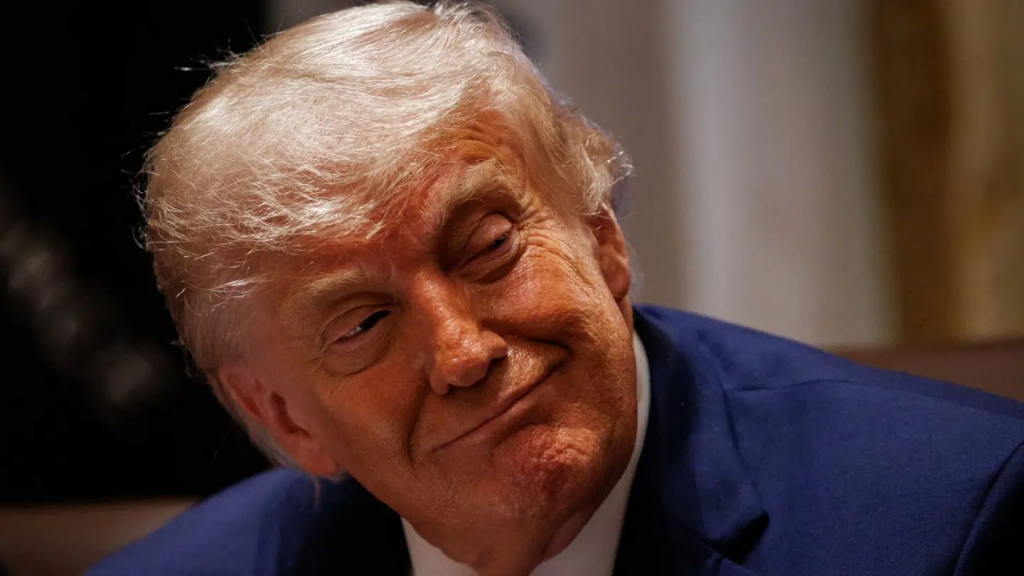
NYT said that President Trump’s meeting in the situation room lasted for two hours on Friday evening, but the President still hadn’t reached a decision regarding an agreement with Iran, although the administration believe they are close, but some issues are in dispute, including the unfreezing of assets.
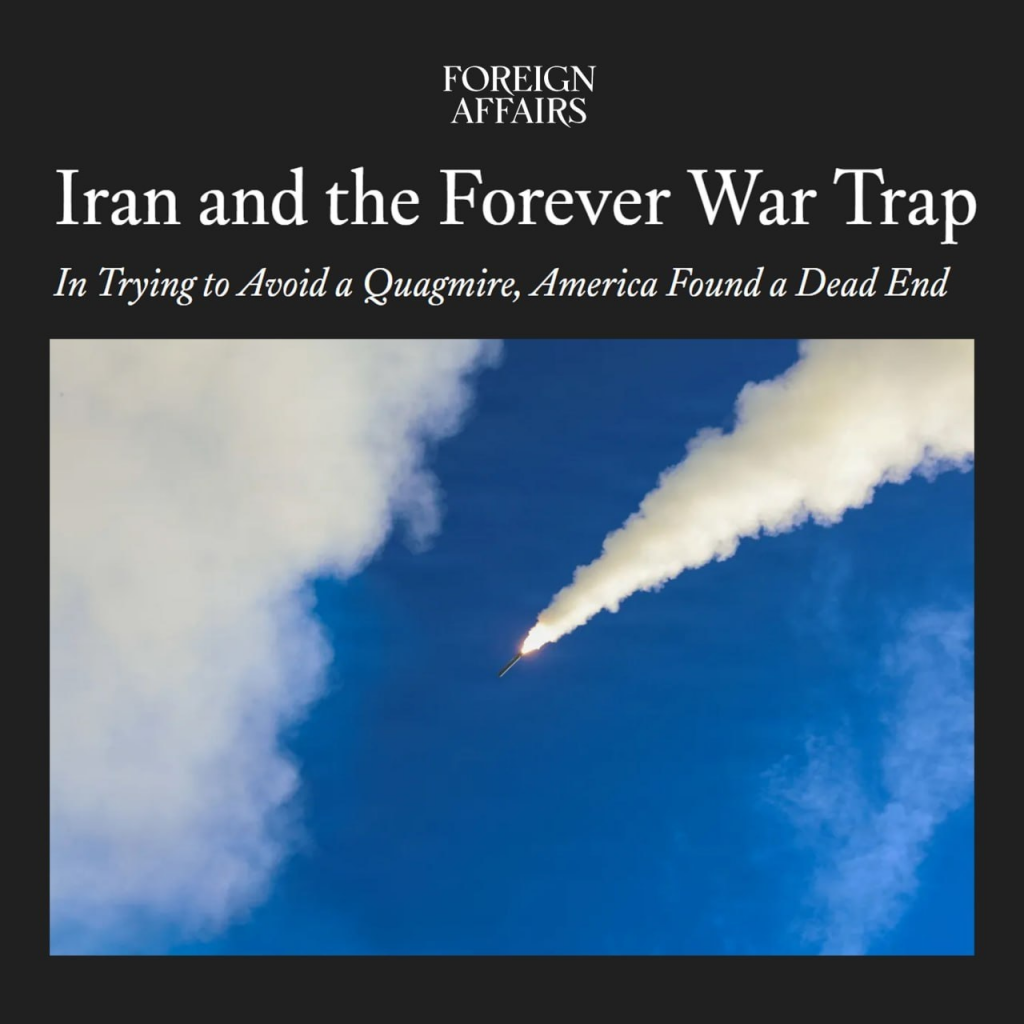
Foreign Affairs wrote that the US had reached a deadlock in its attempt to avoid an endless war with Iran, and Trump was no better off than before the war, with Tehran refusing to yield.
The report said the terms of any new agreement remained vague, the two sides were far apart on key issues such as Iran’s nuclear program, and Trump was desperate for short-term concessions to justify launching the war, despite Tehran unwilling to offer them.
Hormuz News:
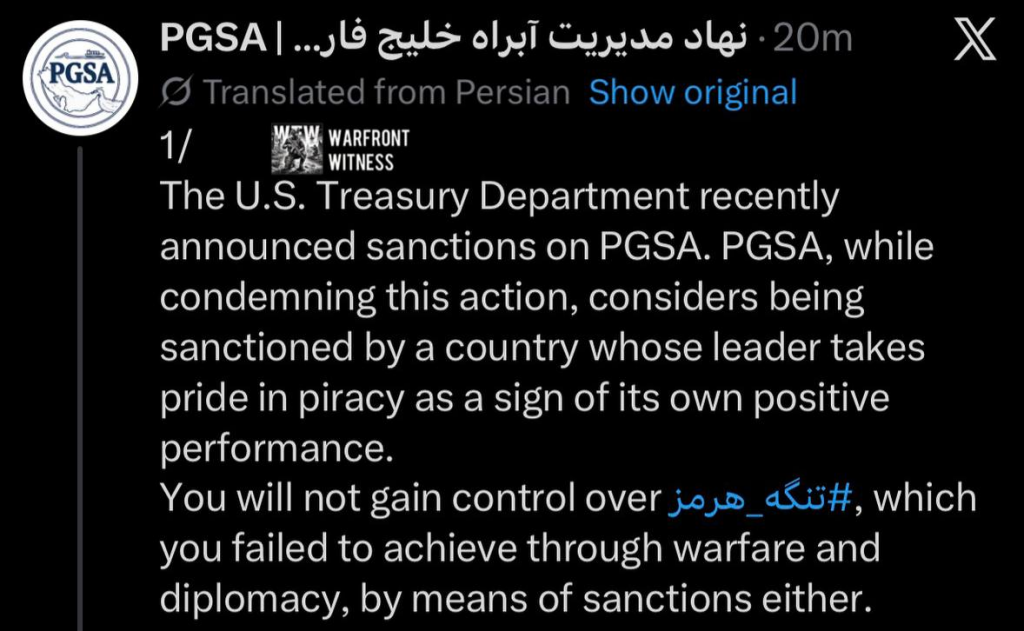
Following the sanctions issued by the US Treasury Department on the newly formed agency on Thursday, the Persian Gulf Strait Authority (PGSA) dismissed the sanctions, declaring that Washington wouldn’t achieve control over the Strait of Hormuz through sanctions after failing to do so on the battlefield or diplomacy.
The PGSA added that despite escalating US measures in the Persian Gulf and Sea of Oman, it continues to study and grant transit permits to non-hostile vessels without interruption, with its first month of activity statistics to be published soon.
Iranian state media television IRIB News stated that 24 ships had managed to pass through the Strait of Hormuz in the previous 24 hours in coordination with the IRGC Navy.
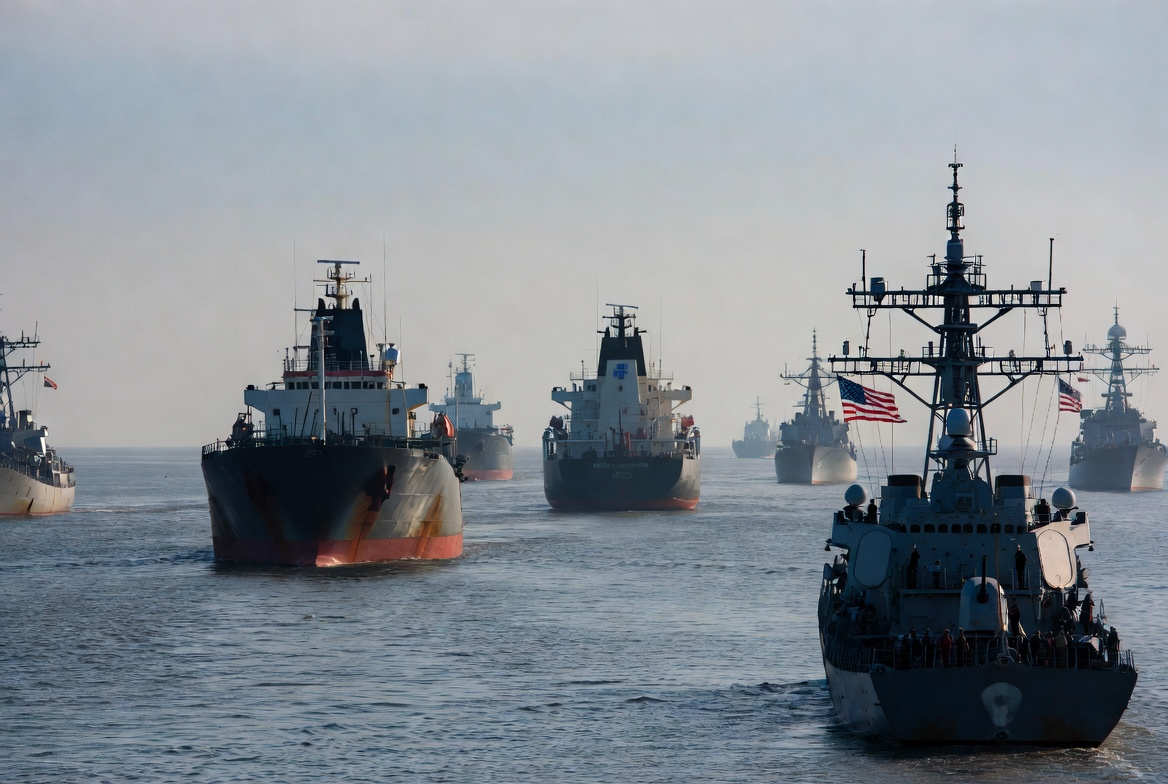
US Central Command said they had turned around 115 commercial vessels to ensure no commerce entered or left Iranian ports in the Persian Gulf, while another four ships were disabled earlier in the blockade.
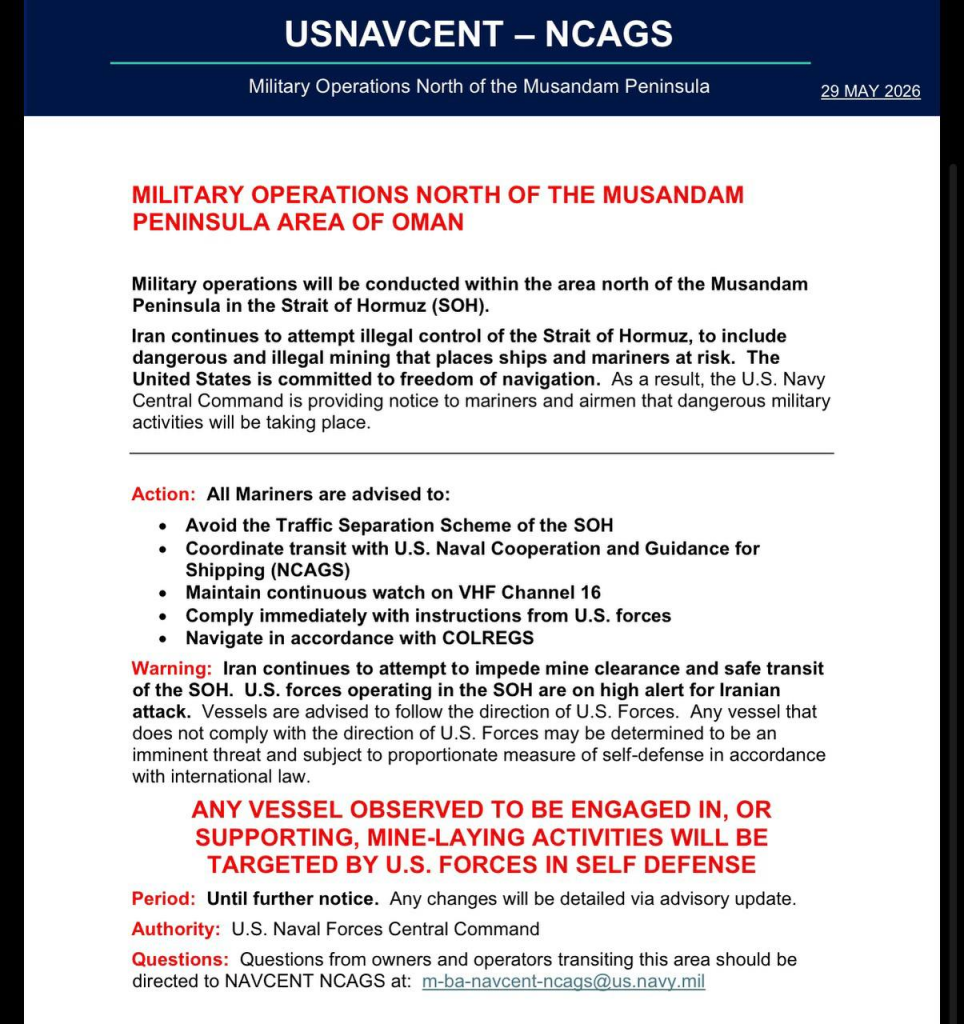
US Central Command warned mariners and airmen that CENTCOM would be conducting military operations in the Strait of Hormuz, north of Oman’s Musandam Peninsula located in the middle of the Strait.
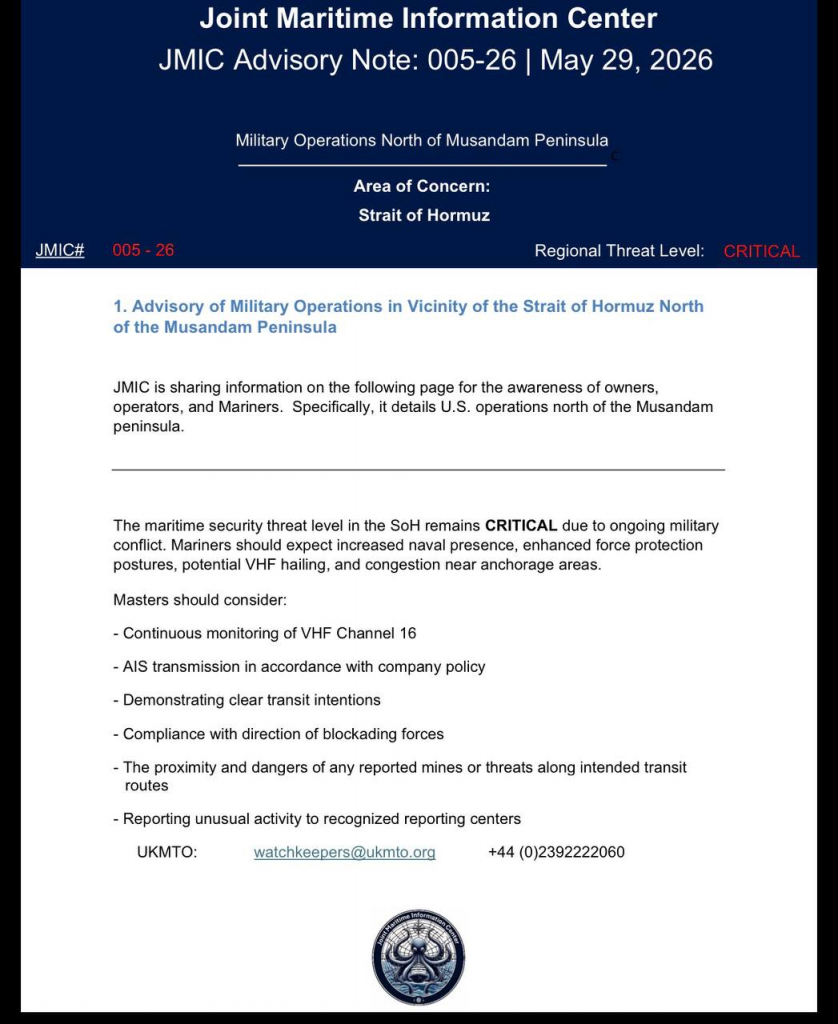
The advisory to mariners, sent by USNAVCENT and the JMIC, said for vessels to collaborate with the US when transiting the Strait of Hormuz, while also announcing any vessel spotted engaging in, or supporting, mine-laying activities would be targeted by the US Navy.
USA News:
President Trump has been facing growing opposition from Republican lawmakers and foreign policy makers about the need to reach an agreement with Iran ahead of the US midterm elections.
The report from The Guardian added that several prominent Republicans had criticised the proposed framework as too lenient towards Tehran, arguing it could undermine military gains achieved during the conflict and resemble previous nuclear agreements opposed by the GOP.
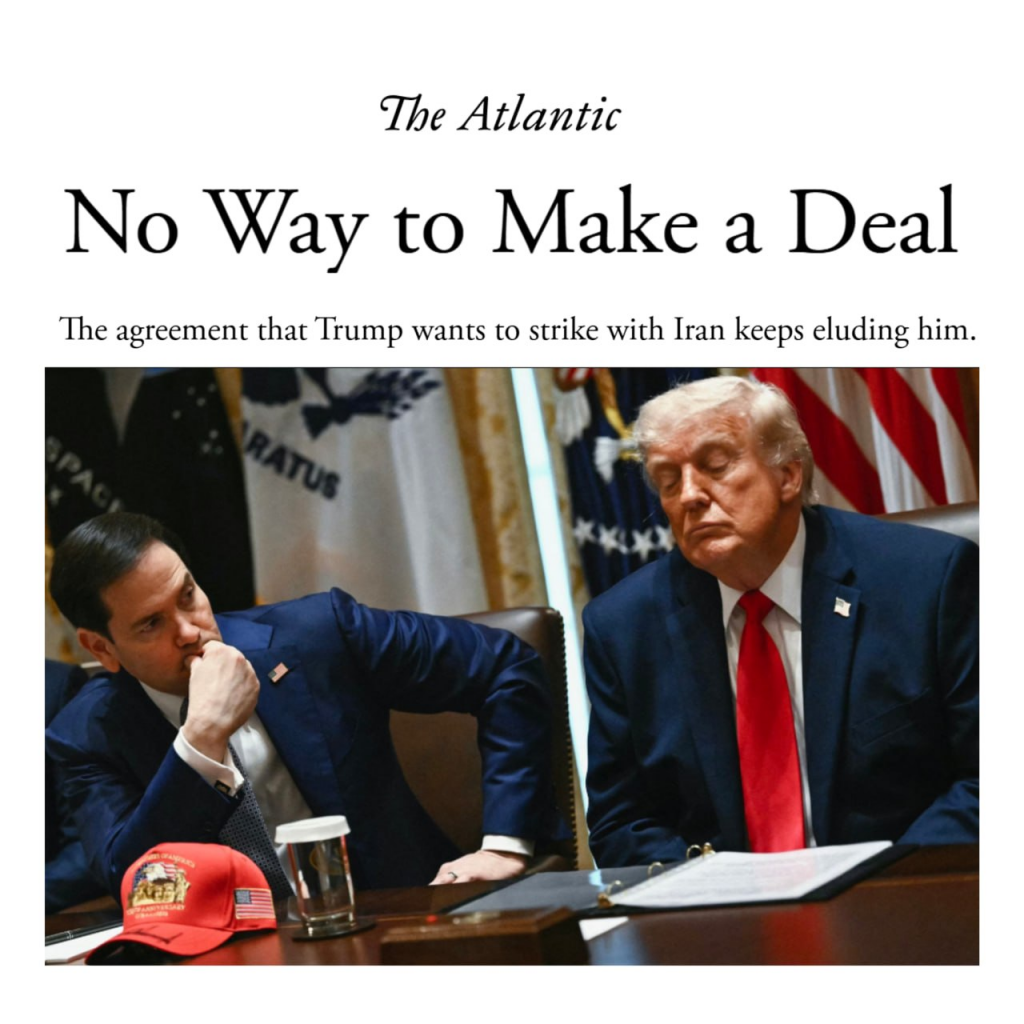
US magazine The Atlantic blasted President Trump for the second consecutive day, stating Trump’s failure to reach an agreement isn’t due to unwillingness, because the President had been looking for a way to exit the conflict for weeks.
Trump tried to force Iran to surrender through threats and increasing deadlines but Iran anticipated the moves every time and Trump found various ways to extend the ceasefire avoiding any further military escalation.
Despite repeated threats, Trump is reluctant to resume hostilities, but his aids say Trump is concerned about the depleted stockpiles, while also fearing any retaliation from Iran could worsen the fuel crisis.
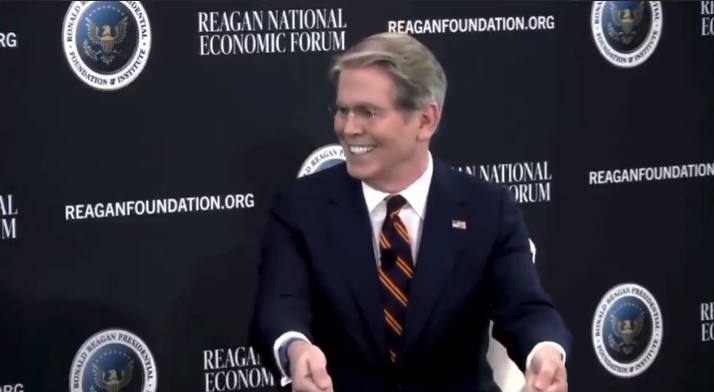
Treasury Secretary Scott Bessent said at a the Reagan National Economic Forum on Friday that the US had: “Seized around $1 billion of Iran’s crypto – just outright grabbed the wallets – some of them may be typing in right now and might not realise their wallet has been grabbed, and this is money that’s stolen from the Iranian people.”
Iran News:
A special headquarters has been established for organising and managing the funeral of former Supreme Leader Ali Khamenei, according to reports from Tasnim News Agency, but added the date and location of the funeral hadn’t yet been determined, and comes as Iran mourned the former leader for a second day in a row in Friday.
President Masoud Pezeshkian’s message to the Supreme Council of the Eurasian Economic Union said that Iran’s presence in major regional treaties reflected Tehran’s serious will for development, and the EEU has found a special place in Iran’s economic diplomacy, as free trade with Eurasia created unique opportunities within a year.
The President said that despite two wars, Iran had maintained its active presence in Eurasia over the past year, while proposing the establishment of an independent financial mechanism to counter sanctions, adding that cultural and geographical commonalities paved the way for the progress of the region’s nations.
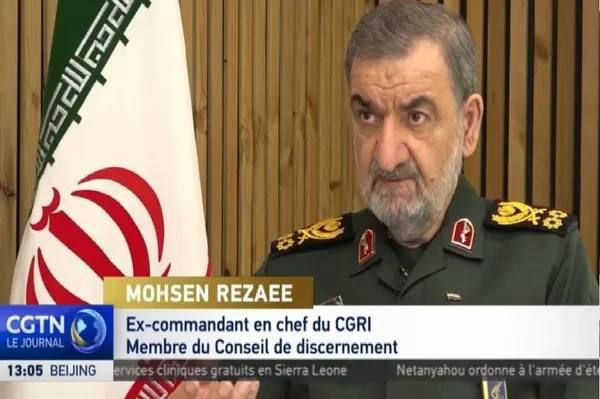
Senior Iranian Military Commander General Mohsen Rezaei explained the latest regional developments to CGTN on Friday, saying: “We will break the siege either through negotiations or, if not, by direct action,” adding that President Trump’s doctrine along with Prime Minister Netanyahu was to impose a new regional order, which couldn’t be achieved without the fall of Iran.
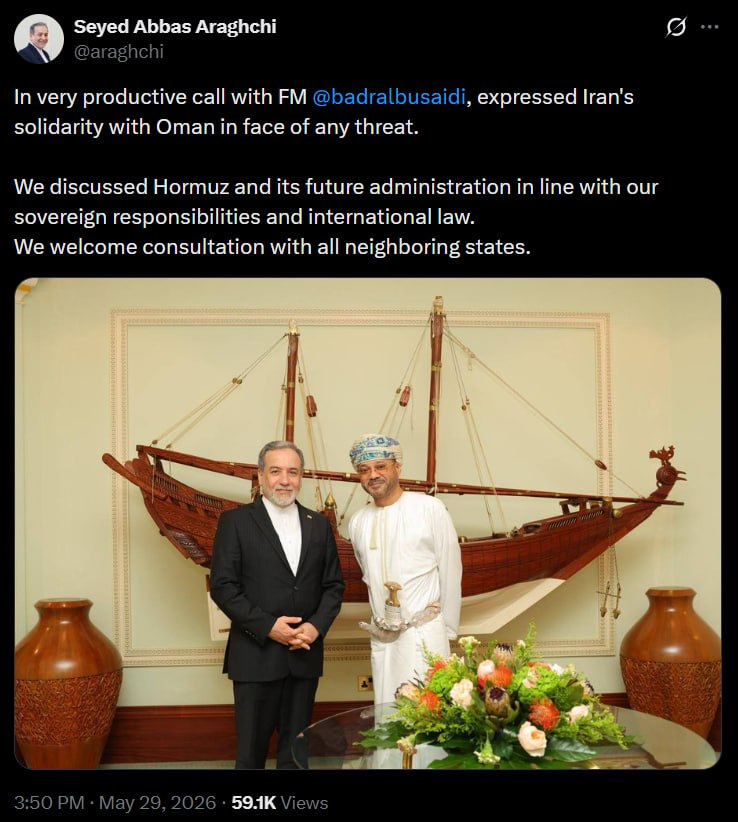
Foreign Minister Abbas Araghchi called Omani counterpart Badr Al-Busaidi to express solidarity with Oman against threats from the United States, while talking about the Strait of Hormuz and its future management within the ‘framework of sovereign law and international responsibilities,’ and welcomed ‘consultations with all neighbouring countries.’
Araghchi later told IRIB News that during the conversation, Araghchi told Al-Busaidi that reaching a final agreement with the US was conditional on stopping excessive demands and inconsistent, contradictory stances from the American side, adding that Iran were steadfast pursuing its legitimate rights and interests.
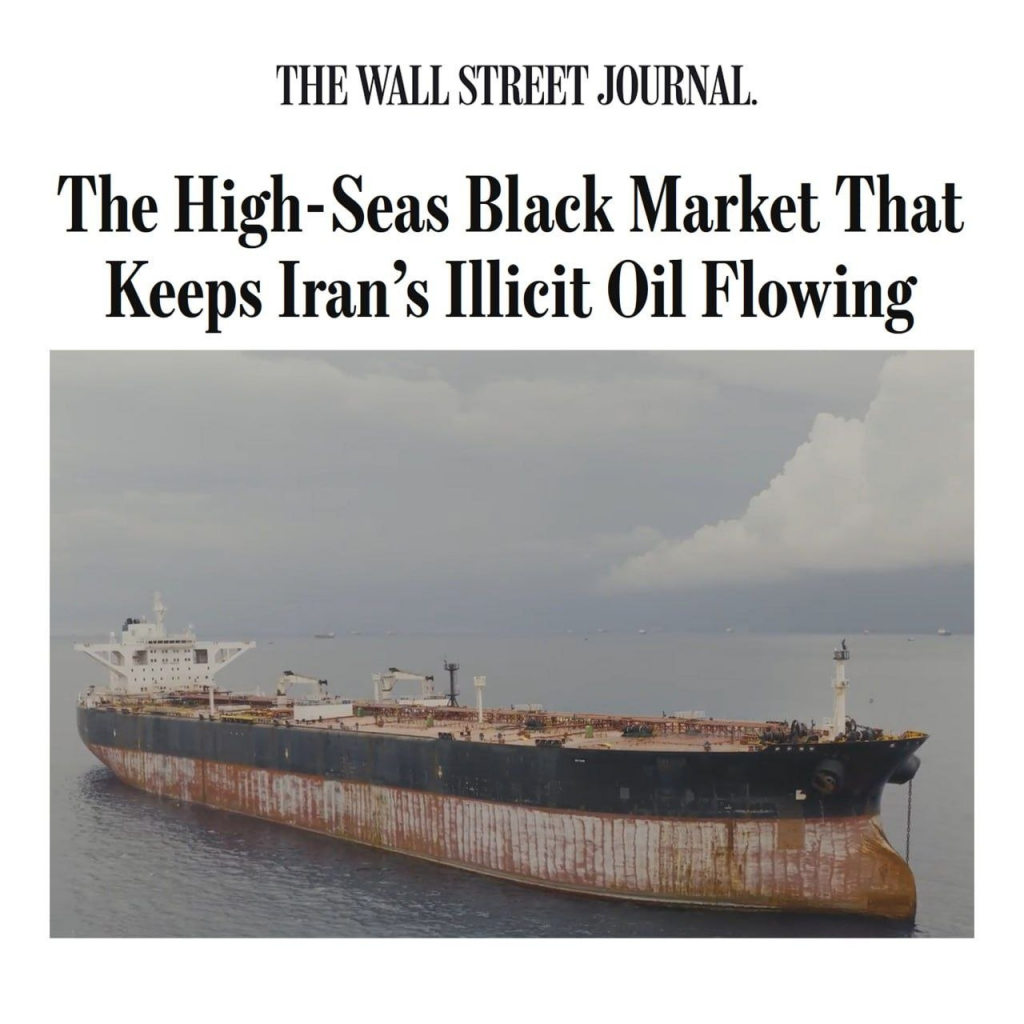
Iran have successfully sold billions of dollars of crude oil to China despite sanctions and blockades, thanks to a clever scheme involving oil already at sea and the use of a secret network of old oil tankers, according to the WSJ.
Giant tankers loaded with sanctioned oil deliver their cargo to vessels headed to refineries in China off the coast of Malaysia, covering the ships hull name with tarpaulin or painting out the name in order to carry out a ship-to-ship transfer at sea and hide the origin of the cargo.
Transfers such as these have shown Iran has been able to find ways to withstand economic pressures, the WSJ reported, adding that China has been helping sustain the fleet by registering shell companies in its cities, while the Chinese Government instructed domestic companies not to comply with US sanctions.
On Friday evening, locals from Qeshm who were out for night 90 of remembrance for former Supreme Leader Ali Khamenei reported seeing the local air defences become active, reported Mehr News.
Tasnim News and Alsaa Plus stated that a ‘hostile US drone’ was detected near Qeshm Island, which was subsequently hit and destroyed by the air defence systems, causing an explosion.
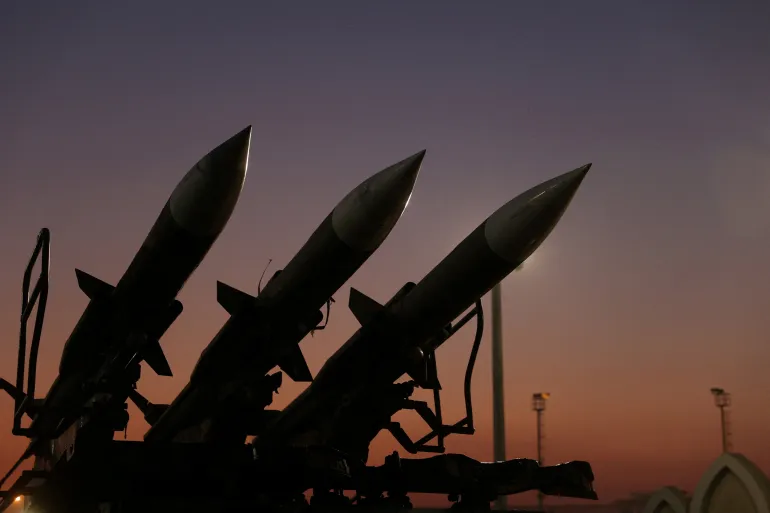
Iran has deployed a new domestically developed air defence system after recent claims of intercepting and targeting hostile drones and aircraft during the recent clashes with the US and Israel, Al-Jazeera reported.
The system is part of Tehran’s broader effort to rebuild and modernise air defence capabilities, but defence analysts cited by Al Jazeera said it remained unclear how effective the new system was in combat conditions, though its deployment highlighted Iran’s continued focus on strengthening deterrence.
Other News:
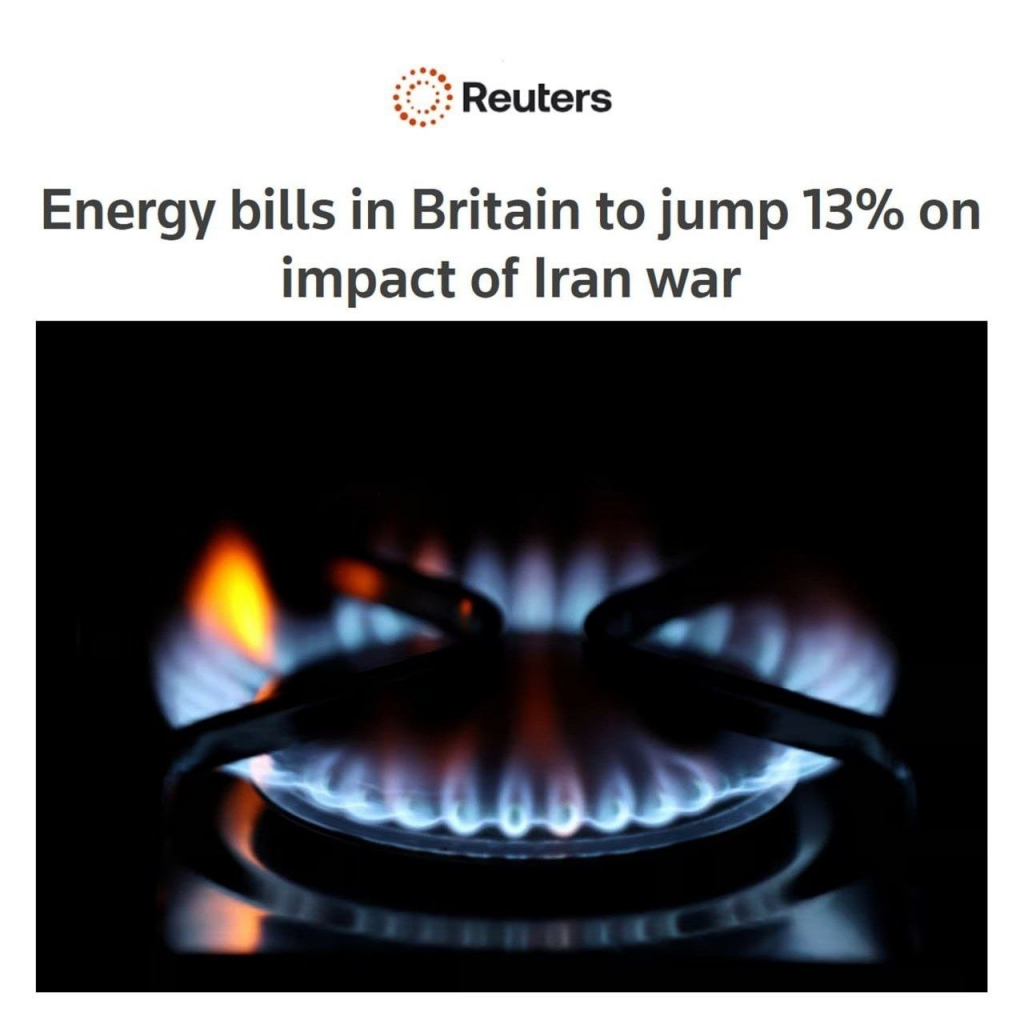
British households are set to face a price jump of 13% due to the impact of the war, as Ofgem raised its price cap to £1,862 from July due to surging wholesale gas prices, Reuters reported.
Reuters noted that wholesale UK gas prices are approximately 45% higher than when US military action began on 28 February, adding that forecasts indicate the cap will rise further to £1,899 from October if tensions remain unresolved.
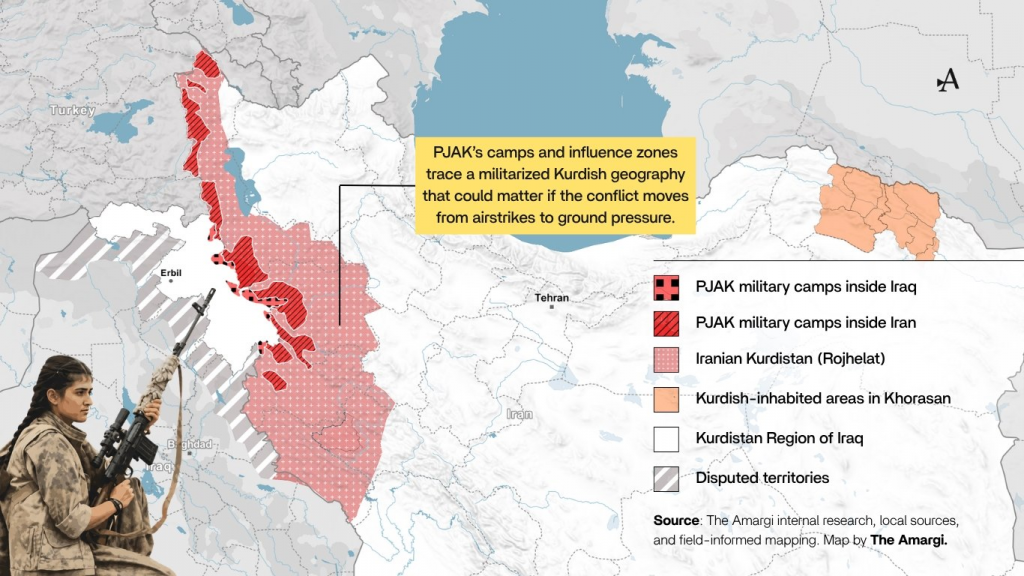
Iranian Kurdish Groups the PDKI and Komala are vulnerable to Iranian missile strikes due to their fixed camps in Iraqi Kurdistan, which leaves them almost paralysed.
However, the PKK-linked Kurdistan Free Like Party (PJAK) operated a decentralised guerrilla-style insurgency from rugged border mountains, giving it significant protection and operational resilience, but because PJAK occupy peripheral border spaces where neither Baghdad nor the Kurdistan Government can assert full control, it allows them to operate within a system of asymmetric sovereignty.
PJAK could leverage rebel diplomacy to secure a greater position in a future Iran, though its actions remain constrained by the PKK’s unofficial understanding with Tehran to avoid any escalation, but if regional pressures shattered the arrangement, PJAK could rapidly become the primary armed broker of the Iranian opposition.
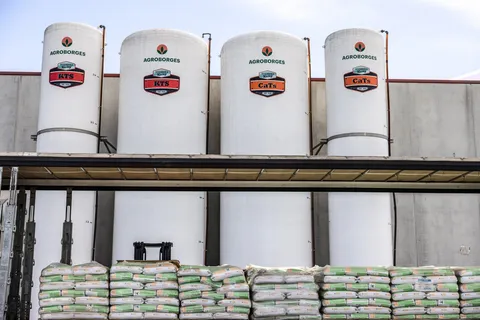
Spain are urging the EU to allocate billions of Euros to support farmers facing soaring fertiliser costs linked to disruption caused by the conflict in the Middle East.
Madrid are asking Brussels to accelerate measures aimed at securing fertiliser supplies, stabilising prices, and protecting agricultural production from further shocks, Bloomberg reported.
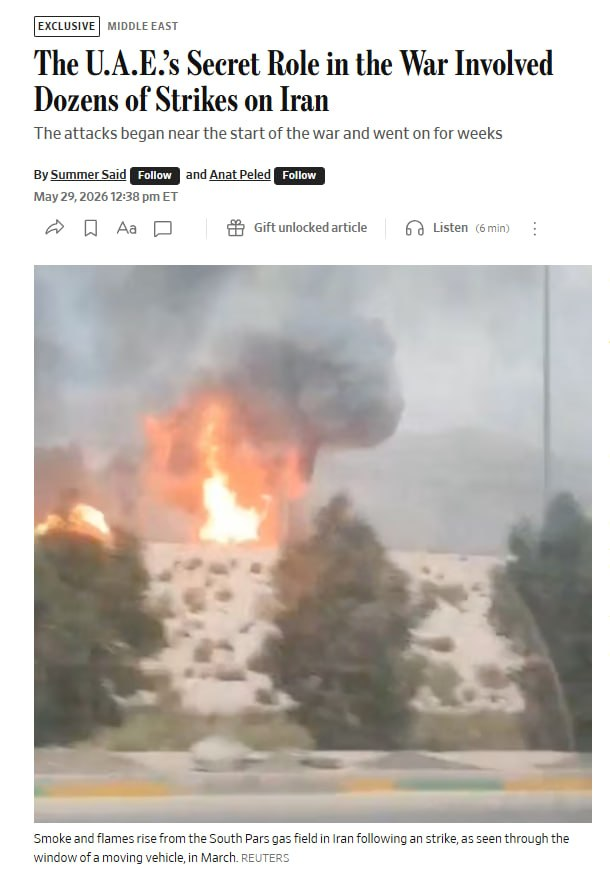
UAE reportedly carried out dozens of airstrikes against Iran during the war, which included attacks following the ceasefire, in a deeper role alongside the US and Israel than previously known, the WSJ said.
Strikes were coordinated with US and Israeli military intelligence and support, targeting sites including Qeshm Island, Abu Musa, Bandar Abbas, energy facilities on Lavan Island, and the Asaluyeh Petrochemical Complex, the report alleged, adding some attacks targeted Iranian energy infrastructure in retaliation for strikes on Emirati oil and gas facilities.
According to the report, the strike on the Asaluyeh Petrochemical Complex, carried out with Israel, triggered international criticism which prompted Washington to ask Israel to stop targeting Iranian energy sites.
Operations also exposed divisions between the Gulf States, the report continued, noting that Saudi Arabia urged the US to pressure the UAE to halt the attacks, warning risks of wider retaliation against regional energy and global oil markets.
UAE President Mohammed bin Zayed Al Nahyan reportedly became frustrated with Saudi Crown Prince Mohammed bin Salman earlier in the war for refusing to join coordinated military action against Iran.