 AJ
AJ
Monday’s US/Israel/Iran recap is extensive, with information about ships passing through the Strait of Hormuz with Iranian permission, although the US-recommended Oman coast remains empty, or does it? Also, news about talks between officials, what the press and officials have been saying, and much more.
Strait of Hormuz:
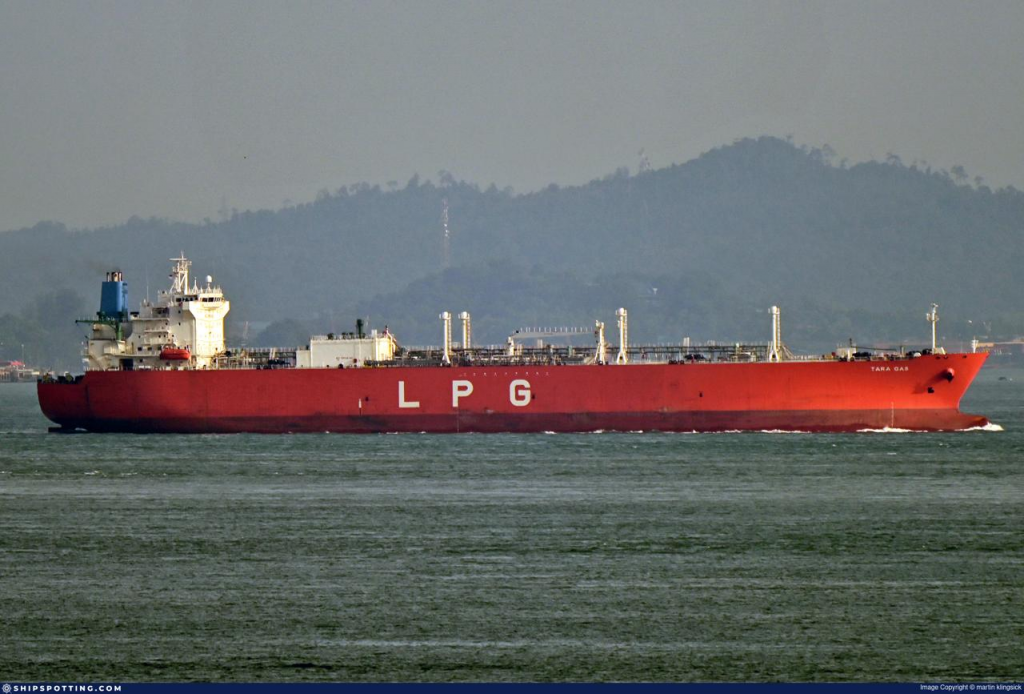
Iranian-linked LPG tanker the Tara Gas, a vessel with a history of transporting Iranian cargoes, transited through the Strait of Hormuz while broadcasting that its crew and owners were Indian, as ship-tracking data showing the tanker moving past Larak Island on the Iran-approved route, carrying a full load of liquified petroleum gas used primarily as cooking fuel.
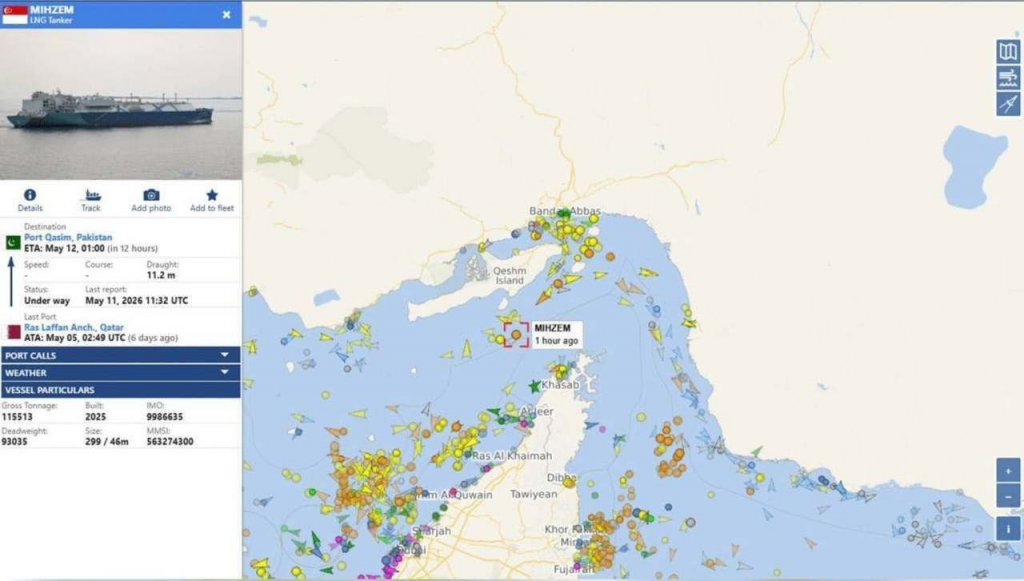
Qatari oil tanker called the Mahmzam was transporting cargo from Ras Laffan, Qatar, through an area under Iranian control, before stopping and circling, and the signals from the tanker, which declared its destination as Pakistan, indicated it had not received permission to pass through the Strait from Iran.
Iraqi oil tanker AGOIS FANOURIOS I, carrying crude oil, sent a signal after passing through the Strait of Hormuz in the waters of the Sea of Oman with Iran’s permission, which was last seen in the Hormuz Strait yesterday before turning off its transponder.
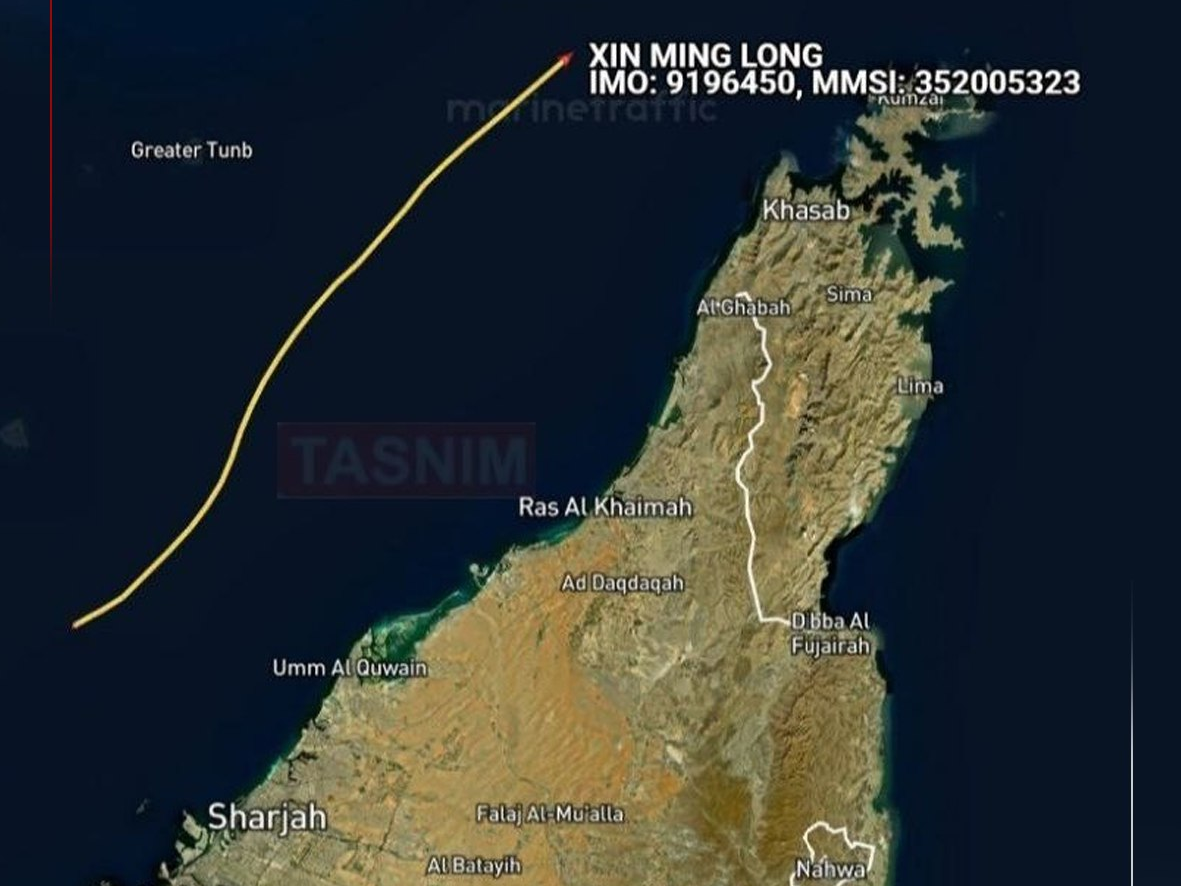
Emirati oil tanker Xin Ming Long reached the Strait of Hormuz earlier on Monday, carrying a shipment of UAE LPG and sailing under the Panamanian flag from the port of Sharjah, but it was unclear whether the issuance of permission for the tanker had been given by the Iranian navy to pass through, Tasnim News reported.
On Sunday it was reported that a US Ohio-class ballistic submarine had been deployed to the Middle East, as footage surfaced on Monday of the USS Alaska (SSBN-732) arriving in Gibraltar on Monday afternoon.
The USS Marines amphibious assault ship the USS Tripoli (LHA-7) was spotted on Monday evening towards the entrance of the Gulf of Oman, a surprisingly 67km from the coast.
What also appeared to be an Independence-class Littoral Combat Ship of the US Navy can be seen on Monday’s satellite imagery around the entrance to the gulf of Oman, and while its difficult to tell with high confidence the exact ship, it was clear there were no warships nearby, and the LCS is a specialist mine hunting ship.
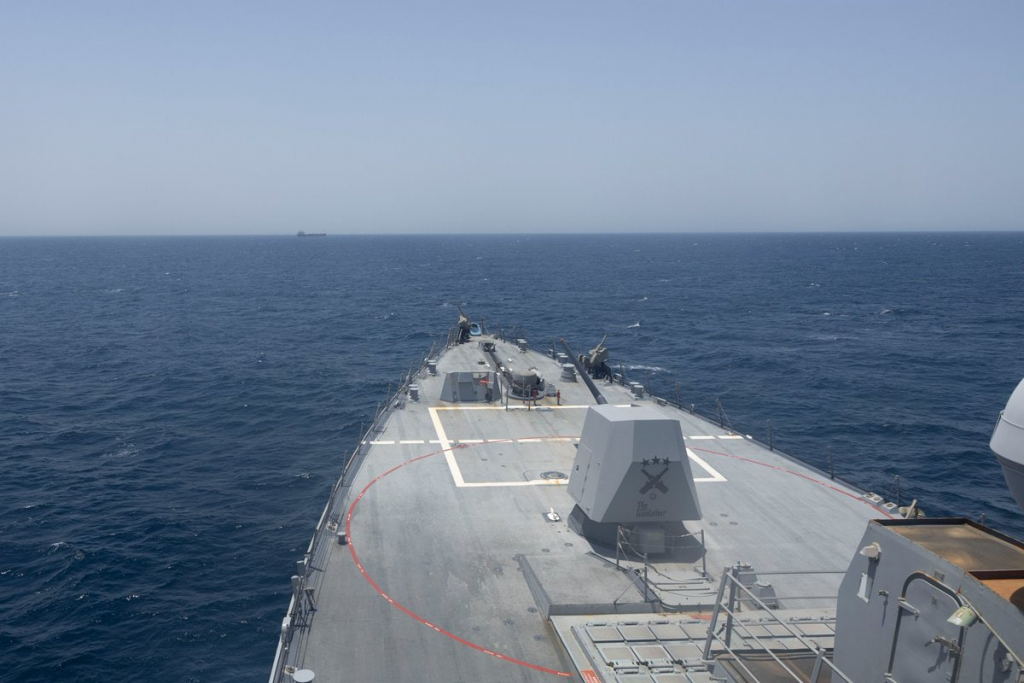
US Central Command said on Monday that they were continuing to enforce the naval blockade around the Strait of Hormuz, stating they had now redirected 62 commercial ships since the blockade began, up one from Sunday, while four were disabled to ensure compliance.
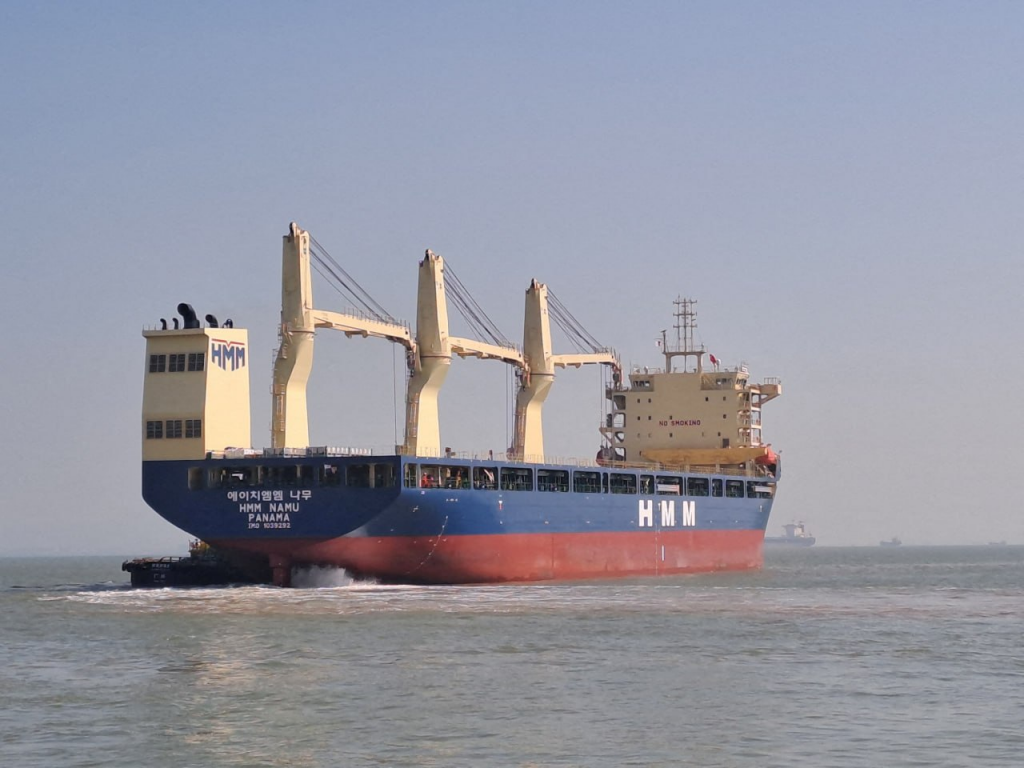
South Korea’s Presidential office on Monday strongly condemned the attack earlier this month on the a cargo vessel owned by a Korean Shipping Company and travelling under the name of HMM Namu.
While reportedly complying with all regulations in force at the time and sailing near the UAE, the ship was truck and damaged, but a Blue House official said there was no confirmation regarding whether Iran had any involvement in the attack, despite Wi Sung-lac telling reporters the attack was ‘condemned in its strongest terms.’
Images of a strike on 4 May the Emirati oil tanker named Barakah, owned by the Abu Dhabi National Oil Company (ADNOC) of the UAE, were published from TankerTrackers.com, who stated that the ship was forced to transfer its cargo secretly to another tanker in eastern UAE and was now empty of oil.
The Iranian Environmental Protection Agency put to bed the contradictory reports about oil pollution around Kharg Island, announcing that the source of the observed pollution was discharge of ballast water contaminated with oil substances from an oil tanker that had previously been damaged near the Strait of Hormuz.
No oil leakage from pipelines, oil terminal facilities, or platforms belonging to the Iranian Offshore Oil Company in this area has been observed or reported, and the pollution created was solely due to the leakage of contaminated ballast water from the mentioned ship.
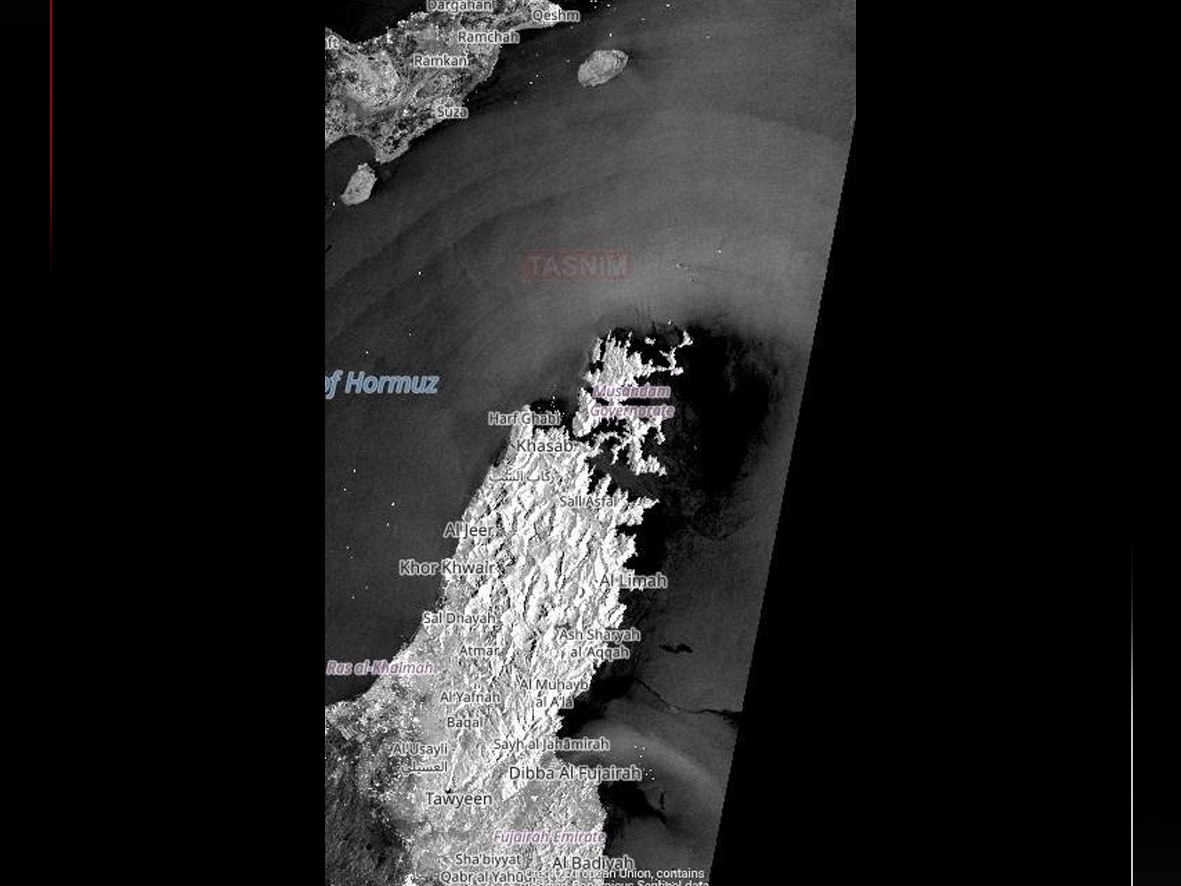
Published satellite images from Sunday to Monday showed no vessel had passed through the Strait of Hormuz on the Oman coast side of the Strait, the designated route given by US forces, while several ships and oil tankers were allowed to transit through a route designated by Iran, according to Tasnim News.
Head of the Kong Kong Ship Owners Association, Richard Hext, said that around 100 ships registered in Hong Kong or owned by Hong Kong companies were stranded in the Strait of Hormuz, adding that if there was approximately 23 sailors per ship, a total of around 2300 sailors would be trapped on Hong Kong ships.
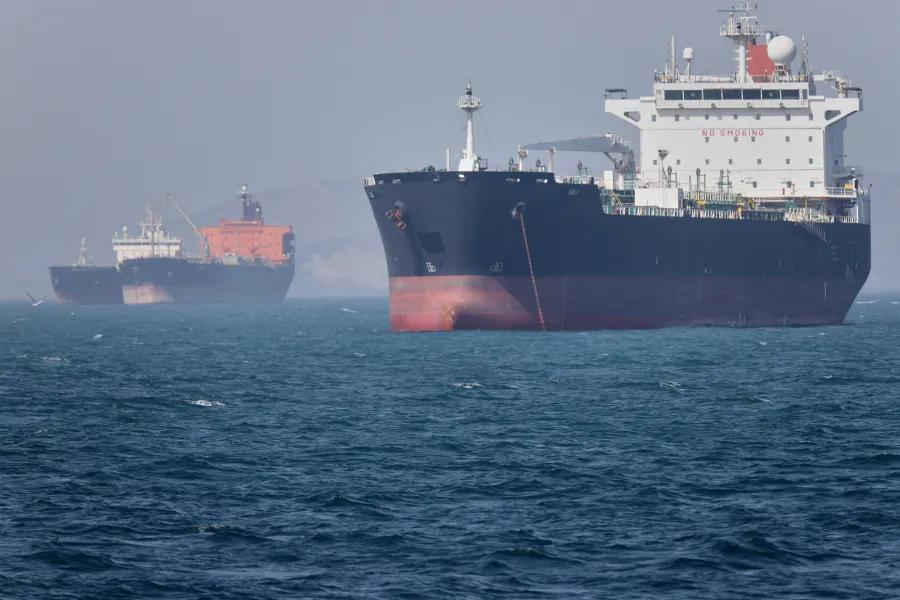
Saudi Aramco CEO Amin Sasser warned the global oil market was losing 100 million barrels of oil every week as the disruptions continued in the Strait of Hormuz, adding that demand rationing is expected to persist for as long as supplies are disrupted, but said oil demand would likely rebound strong if normal shipping and trade resumed.
Official conversations:
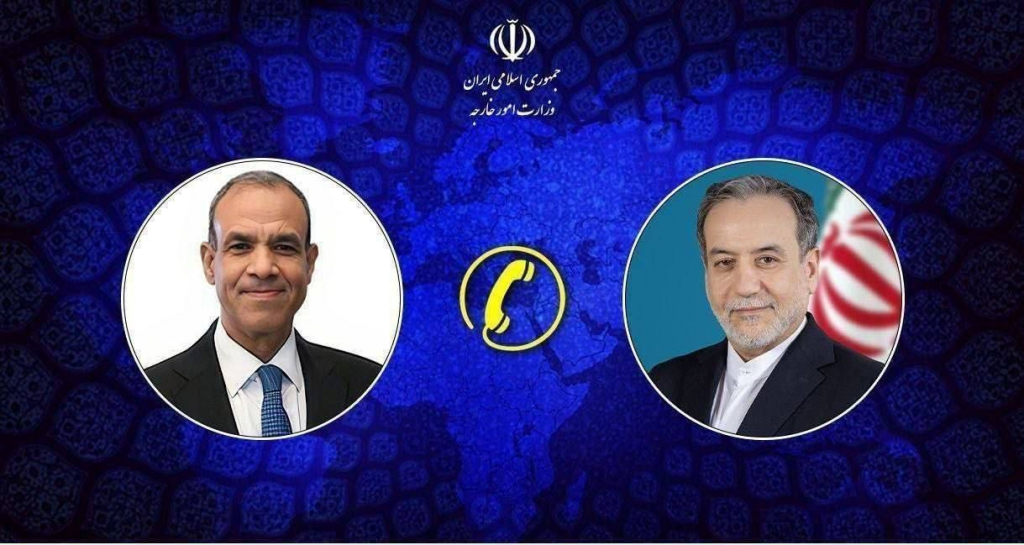
Egyptian Foreign Minister Badr Abdelati held a phone call with Iranian Foreign Minister Abbas Araghchi, in which they discussed the latest regional developments and issues related to ongoing diplomatic processes between Iran and the United States, mediated by Pakistan.
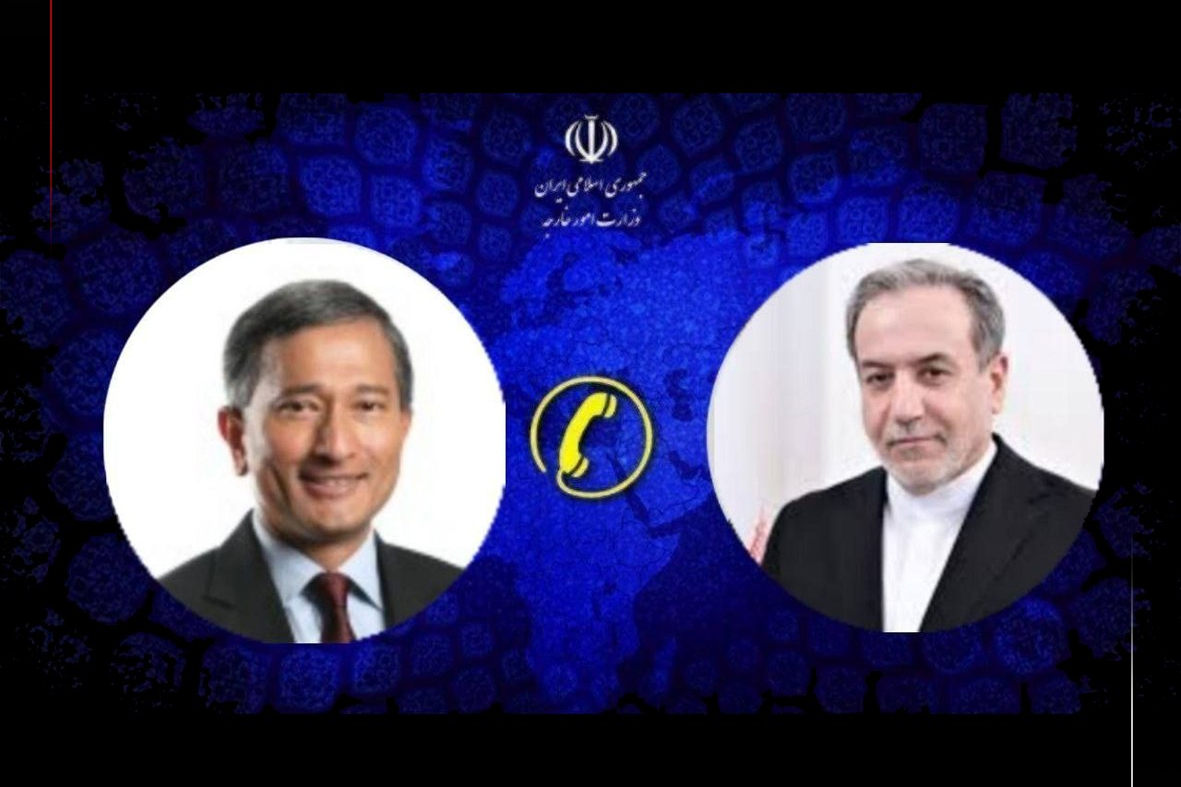
Singaporean Foreign Minister Vivian Balakrishnan was called on Monday by FM Abbas Araghchi, where they discussed bilateral relations, as well as the latest regional and diplomatic developments.
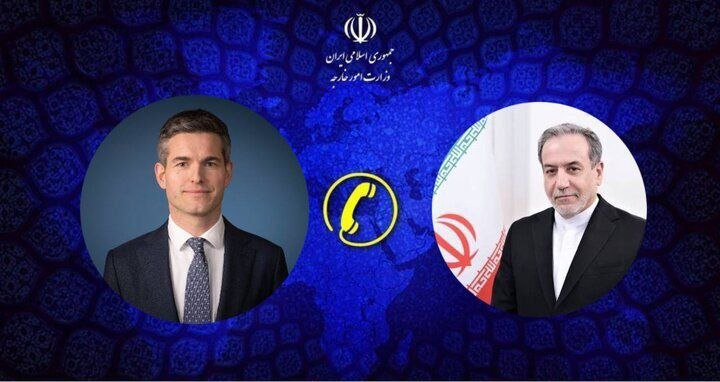
Netherlands Foreign Minister Tom Berendsen spoke with Iranian Foreign Minister Abbas Araghchi by phone, where they discussed bilateral relations and the latest ongoing regional and diplomatic developments.
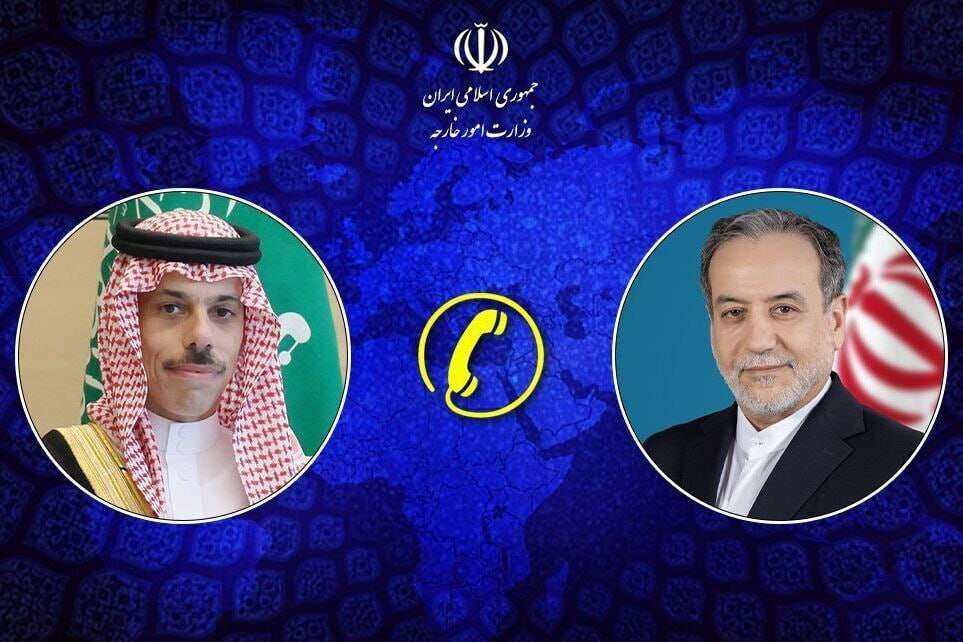
Saudi Foreign Minister Faisal bin Farhan spoke with Abbas Araghchi on Monday afternoon, the second time in 24 hours, to discuss the latest developments related to the ongoing diplomatic processes between Iran and the United States, after the US rejected Iran’s response on Sunday night.
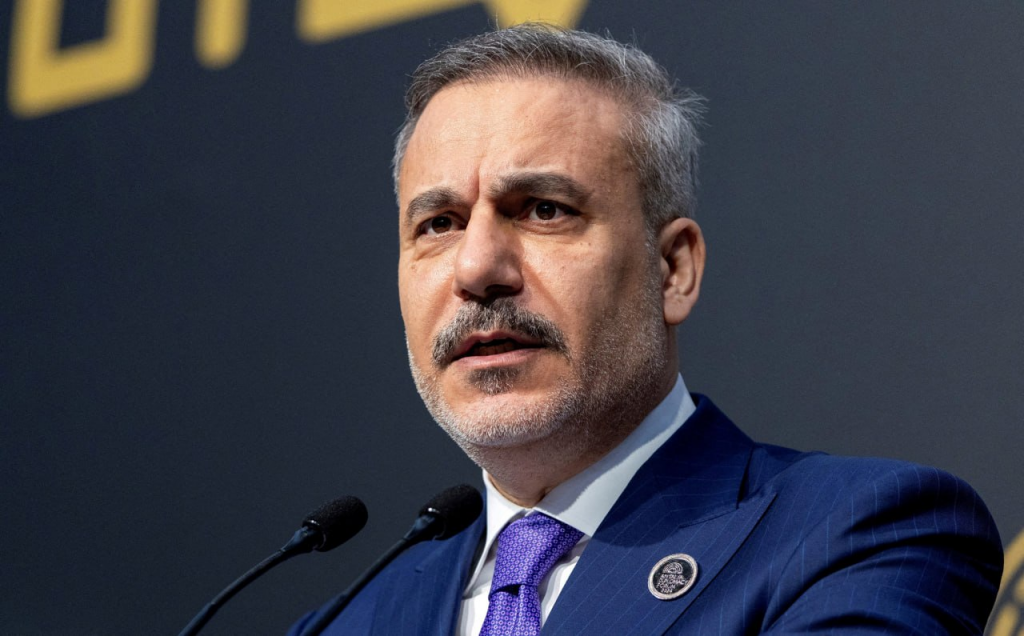
Turkey’s Foreign Minister Hakan Fidan is scheduled to travel to Qatar on Tuesday for discussions focused on the US-Israeli war on Iran, its regional repercussions across the Gulf, and measures to ensure the safe navigation in the Strait of Hormuz, a Turkish diplomatic source told Reuters, adding that Fidan will also emphasise Ankara’s position that maritime safety in the Strait of Hormuz must be guaranteed, stressing its importance for regional security and economic stability.

Qatar’s Foreign Minister Mohammed bin Abdulrahman Al Thani held a phone call with Kuwaiti Foreign Minister Sheikh Jarrah Jaber Al-Ahmad Al-Sabah on Monday evening.
The officials discussed bilateral relations and latest regional developments, including the current ceasefire in the region, emphasising the necessity of all parties to cooperate with mediation efforts to reach a sustainable agreement.
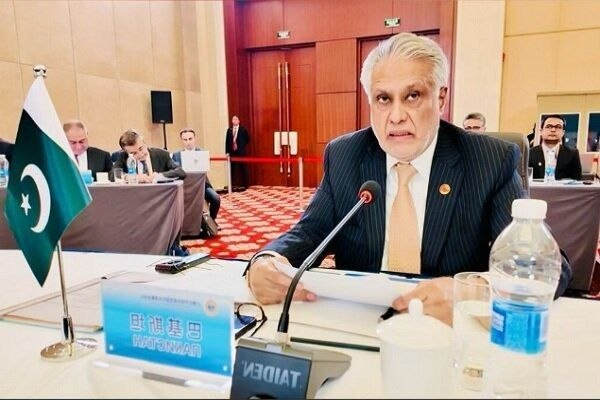
Consultations between Pakistan and US officials on achieving peace between Tehran and Washington were ongoing on Monday, as the Pakistan Ministry of Foreign Affairs announced in a statement that the country’s Foreign Minister held consultations with the US chargé d’affaires in Islamabad regarding diplomatic efforts related to achieving peace.
Talks between the US and Iran are not expected to make significant progress before President Trump’s meeting with China’s Xi Jinping later this week, CNN and N12 reported, stating that a source said the progress in the talks would ‘depend on the outcome of President Trump’s visit to Beijing.’
Trump also said that the proposal from Iran was not okay: “I have an amazing plan, and Iran was defeated,” stating Iran would not have nuclear weapons, because they were dangerous: “It’s terrible what is there, they killed thousands of people just recently,” he said.
News from Iran:
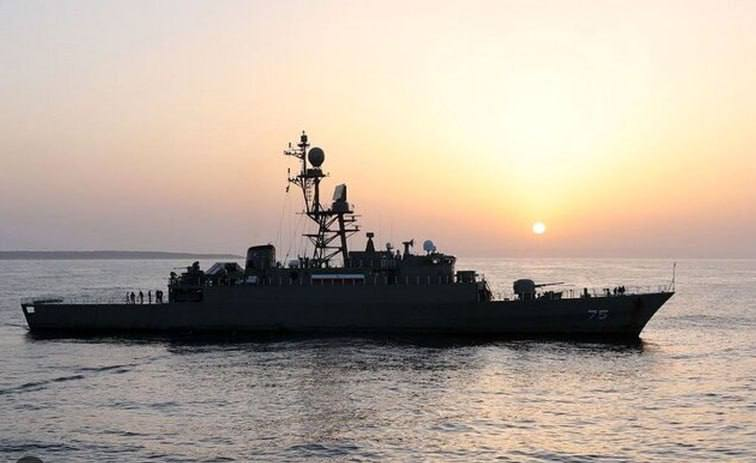
The Human Rights Headquarters of Iran published a statement condemning the US attack on the Iranian Dena patrol boat in international waters during the war, declaring that the ship had no operational role in the conflict, it wasn’t actively present in or near conflict zones, and one of the survivors commented: “This was not a war zone and we received no warning.”
Based on customary rules reflected in Article B of the Rome Statute (paragraph 2 – war crimes) and other customary international laws, The Human Rights Headquarters held the US and other relevant military and political authorities directly responsible for war crimes, adding that the UN Secretary-General and the Human Rights Council should officially condemn the attack on the Dena boat and the martyrdom of its 104 crew members.
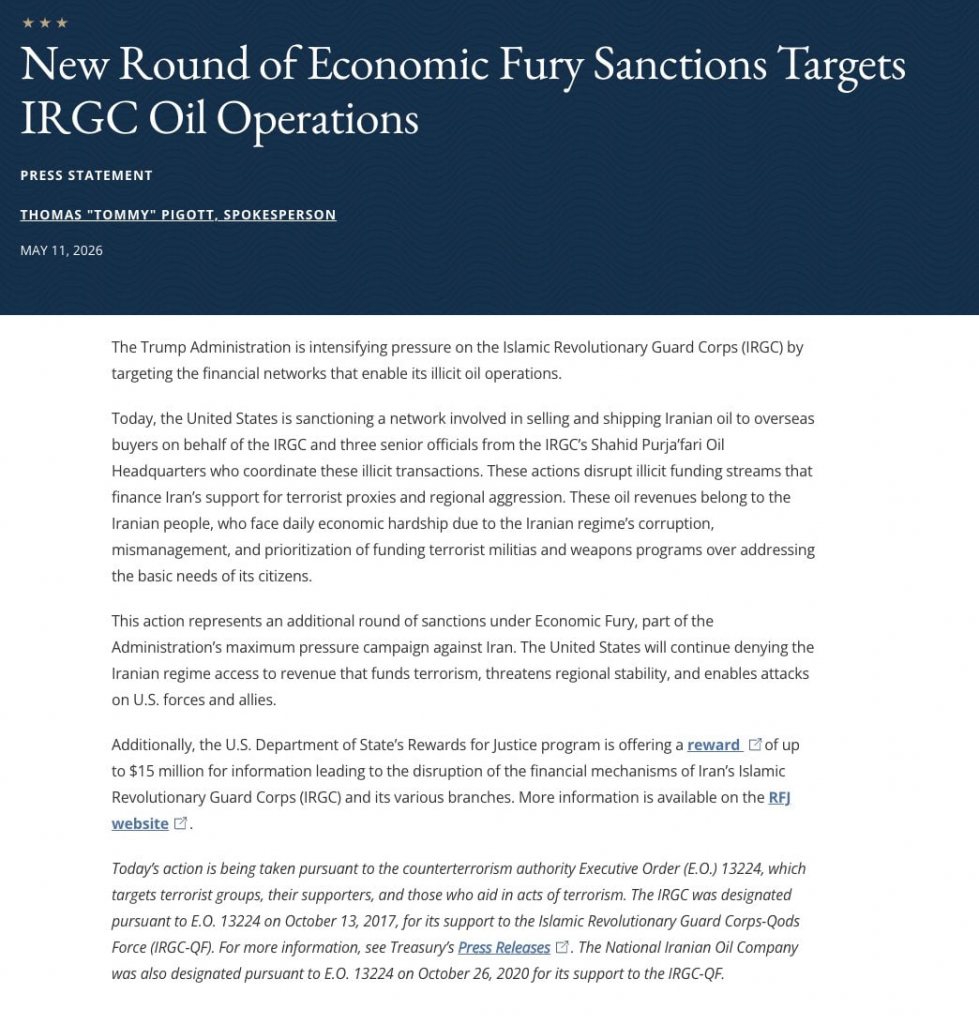
Sanctions were placed on 12 individuals and entities accused of helping the IRGC sell and transport Iranian oil to China through front companies and convert financial networks as part of Operation Economic Fury.
Measures targeted firms and individuals based in Hong Kong, the UAE, Oman and Iran, with Washington accusing them of facilitating billions of dollars in oil transactions used to fund the Iranian military, missile programmes and allied groups, as Treasury Secretary Scott Bessent reassured the US would continue to deprive Iran of their ability to finance their weapons program.

Former Qatari Prime Minister Hamad bin Jassim bin Jaber Al Thani said on Monday that Iran appeared politically stronger after the combined US and Israeli attacks, and any attempt to overthrow the country using military power would be an illusion from the start, adding that the Iranians would benefit from the war to develop their military capabilities and technology, just as the Gulf countries must do.
Foreign Ministry Spokesperson Esmaeil Baghaei said that the rhetoric being published does not change the fact the US positioned itself as the greatest threat to international peace and security, stating that Iran had proven to be a responsible power in the region, and at the same time ‘we are not bullies, but anti bullies – just look at our actions.’
Baghaei said: “Was it us who marched troops thousands of miles away to the US, or was it us who one one day killed 170 innocent people in bloodshed, and are we the ones bullying Cuba, Venezuela, and other countries in the Western Hemisphere,” he asked, adding: “Were we the ones who committed such a great crime in the diplomatic progress, and is attacking a country, destroying its infrastructure, assassinating its leader and citizens not an example of irresponsible behaviour.”
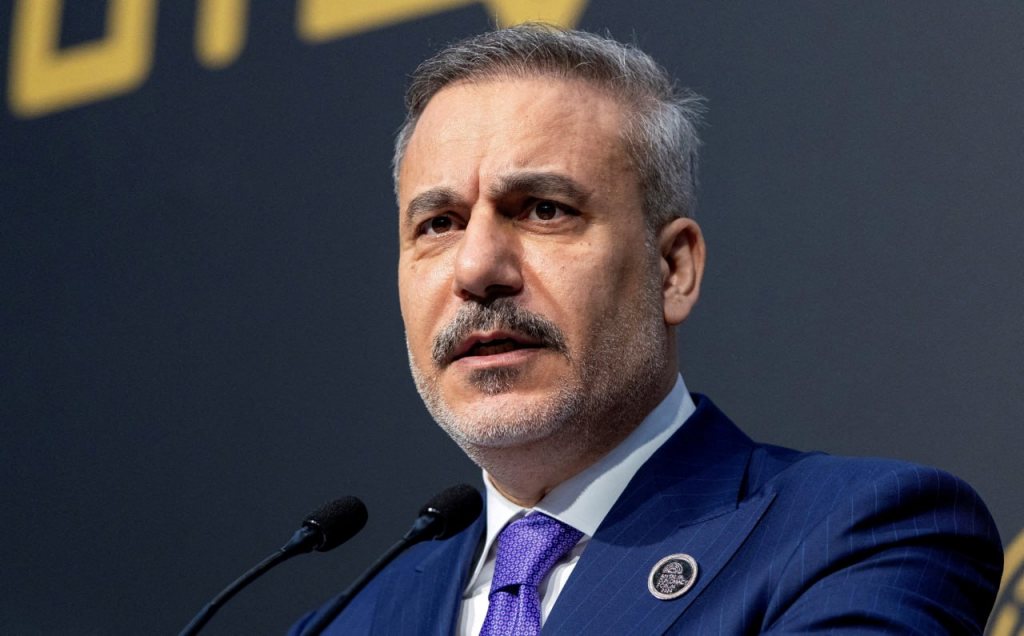
Spokesperson of the Parliament’s National Security Commission Ebrahim Rezaei told Tasnim News that some countries in the region had realised their mistake and sent messages to Iran.
Bahrain and the UAE were still going astray and Iran would not allow the UAE-Israel line to be established in the region, while the war was not over because there had been no real ceasefire, he said, adding that it was a good opportunity to put aside courtesies with regional countries.
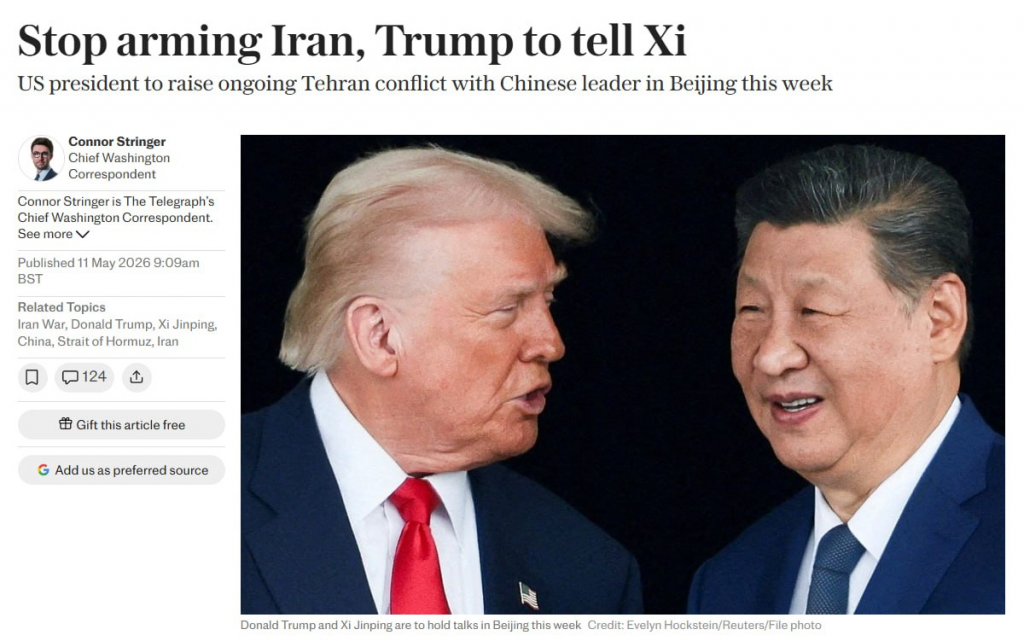
US intelligence said on Monday that Beijing had considered shipping air defence systems to Iran via other countries to mask its involvement, reported the Telegraph, stating Trump was expected to confront Xi Jinping during their summit over the claims.
While it remained unclear what Trump may offer in exchange for Chinese cooperation, possibilities could include the easing of the US naval blockade of the Strait of Hormuz, but Trump is also expected to encourage China to increase purchases of US oil.
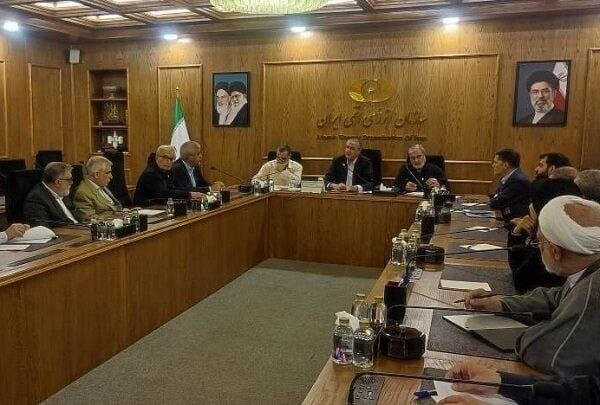
Spokesperson for Iran’s National Security Commission Ebrahim Rezaei quoted the head of the Atomic Energy Organisation in a meeting on Monday, explaining that nuclear technology is not on the agenda of negotiations, enrichment is non-negotiable, Iran’s nuclear industry activities have been and will remain peaceful, while necessary measures for the protection of nuclear centres and assessed had been planned and implemented.
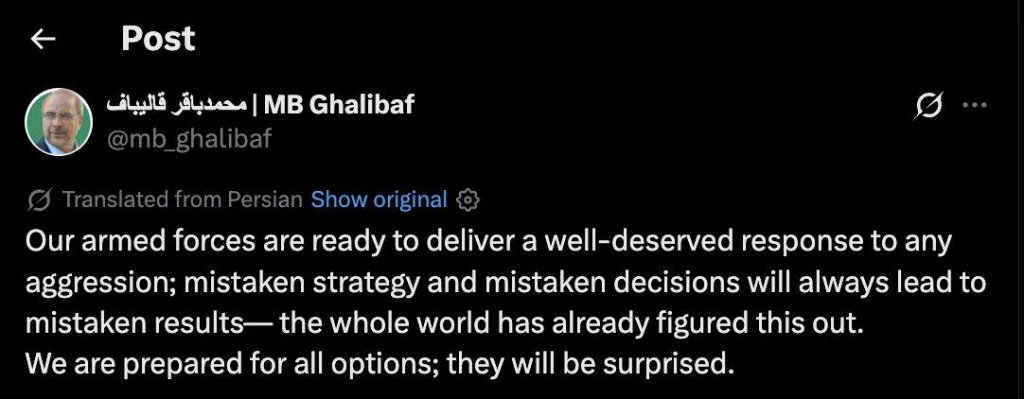
Iranian Parliament Speaker Mohammed Bagher Ghalibaf wrote on X: “Our armed forces are ready to deliver a well-deserved response to any aggression,” warning that mistaken strategy and mistaken decisions would lead to mistaken results: “We are prepared for all options; they will be surprised,” he added.
An Iranian source told Al Jazeera that Washington demanded its proposal to receive uranium enriched to 60%, stating it refused transferring the enriched Uranium to Russia, and proposed a third country, but according to the source, the US also demanded a halt to uranium enrichment for 20 years, which Iran also refused, and its claimed Washington is unwilling to pay compensation to Iran.
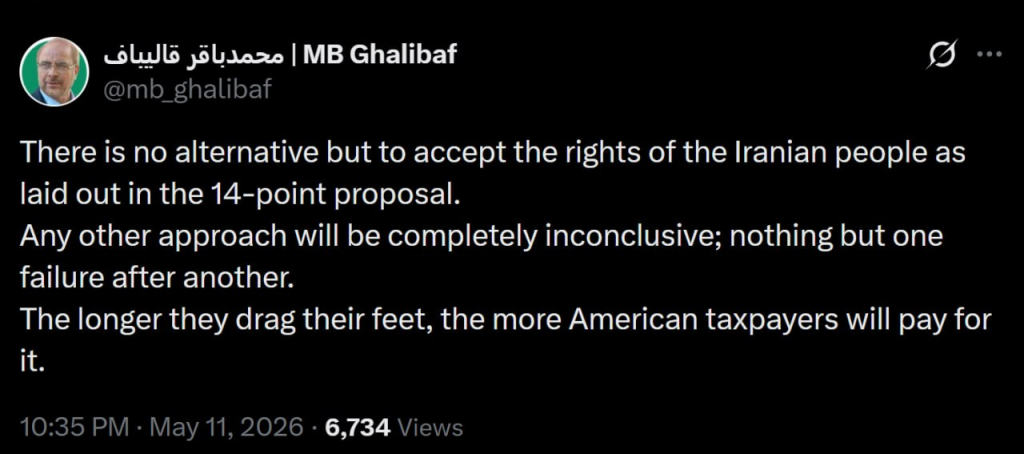
Iranian Parliament Speaker Mohammed Bagher Ghalibaf said on X there was no alternative but to accept the rights of the Iranian people as laid out in the proposal, adding that the longer the US dragged their feet, the more the American taxpayers would pay for it.
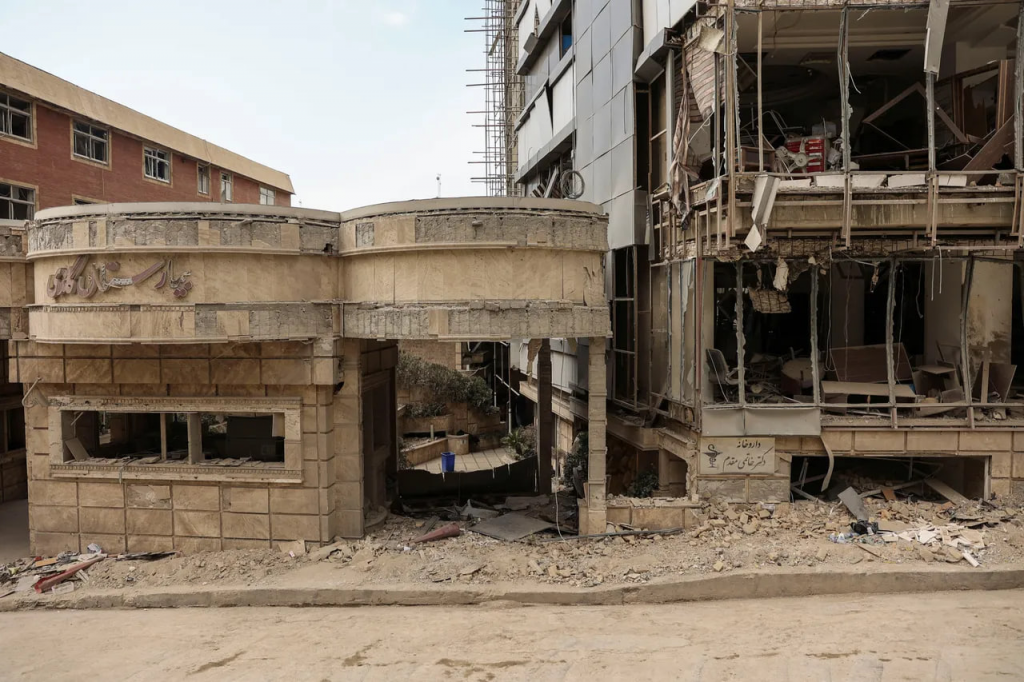
Head of the Tehran Province emergency services, Dr Mohammad Esmaeil Tavakoli, said that more than 3,300 people were killed in Iran, of which Tehran had accounted for 1,200, and services were provided to more than 8,700 injured in Tehran, adding that the majority of the injured were women and children, including 25 children under 12-years-old in Tehran city.
Damage was caused to 27 emergency bases in Tehran province, some of them completely destroyed, while 23 ambulances were destroyed, along with 10 support vehicles and one air ambulance, but the replacement of the new air ambulance was provided in cooperation with the Armed Forces General Staff.
News from the USA:
Another emergency landing of a US Air Force F-35A Lighting II took place on Monday morning after it transmitted the emergency code 7700 as it was seen flying over the Sea of Oman, then after transmitting the code, changed its course towards the UAE and landed at Al Dhafra Air Base.
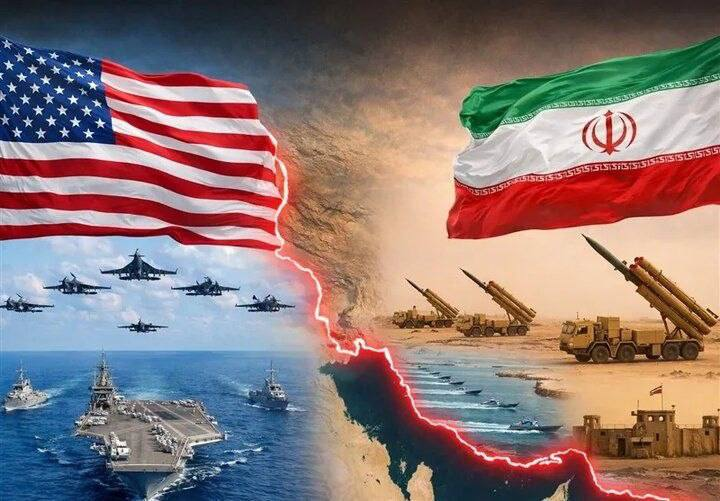
America’s 72 days of war have cost around $77 billion, according to data related to the White house and the US Department of War published by War Costs Tracker Against Iran, which showed that the war, or spending just over $1 billion per day.
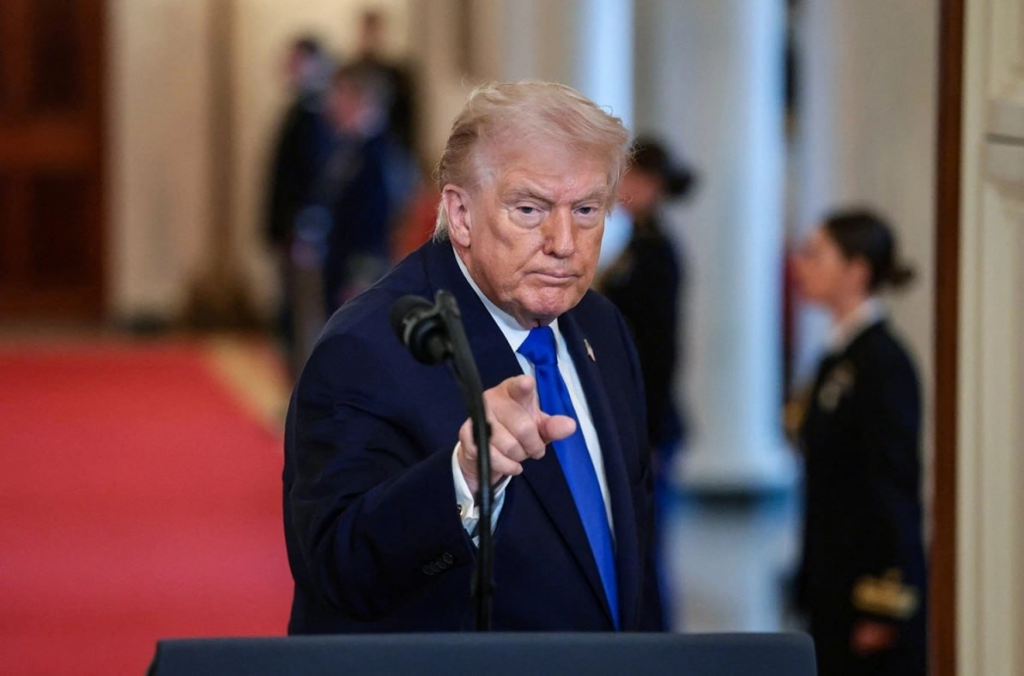
President Trump told Fox News on Monday that he was considering renewing ‘Project Freedom,’ but this time with an expanded scope beyond just escorting vessels through the Strat of Hormuz, while stating that Iranian negotiators told him: “The US will have to retrieve the ‘nuclear dust’ at Iran’s destroyed facilities, as Iran does not have the technology to do it.”
Trump told Channel 12 News that his conversation with Prime Minister Netanyahu also dealt with the issue of negotiations with Iran, but this wasn’t anyone else’s matter but Trumps, claiming he was the one who would decide where the conflict would go, and sounded very frustrated with the Iranian response to the US proposal, reported Barak Ravid.
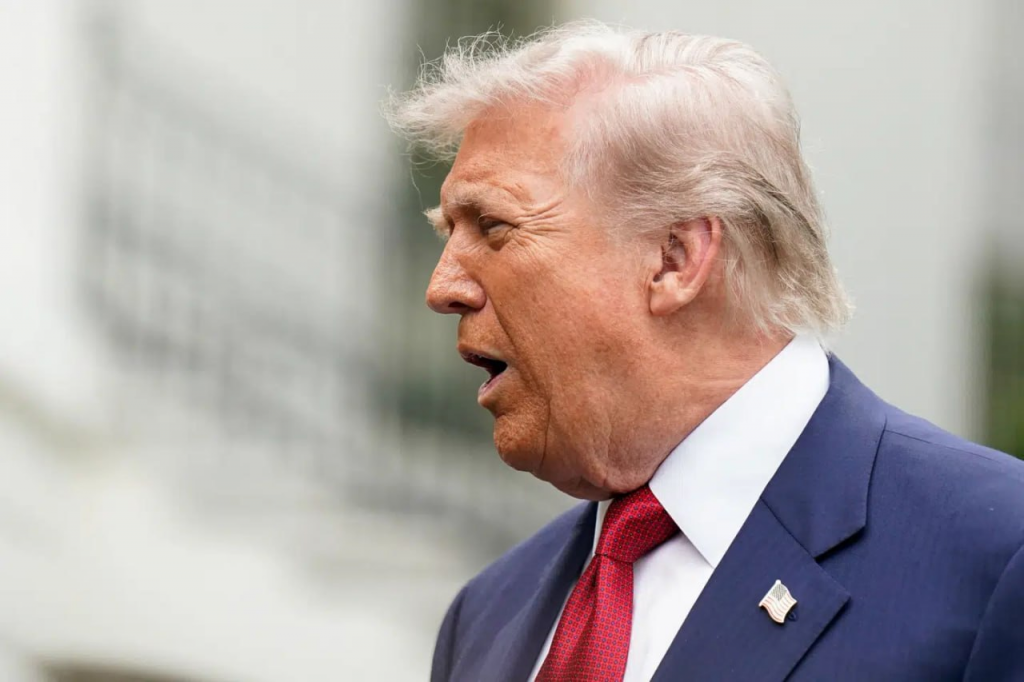
President Trump told reporters at the White House that Iran told him very strongly: “You are getting the nuclear dust, but you’re going to have to take it out because the site was so obliterated that there’s only one or two countries in the world that could get it,” he said, claiming they added: “You and China are the only ones that can take it out.”
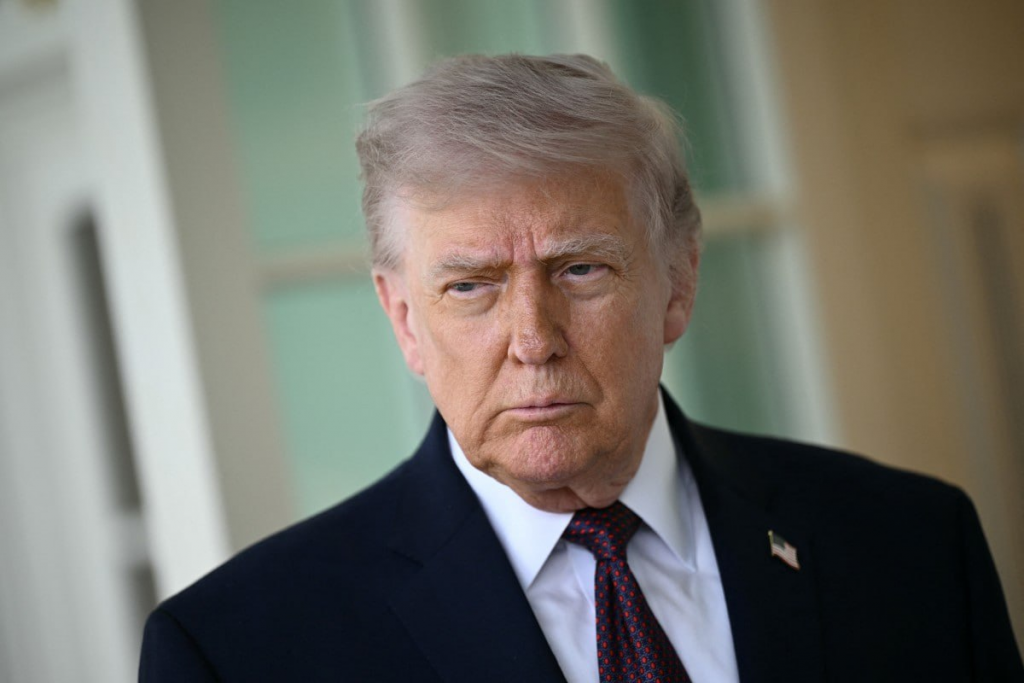
According to a report by the AP, citing regional diplomatic sources, one of the most frustrating issues for President Trump is the reparations demand, because this is traditionally given to the defeated side, and Trump fears the term in the Iranian proposals means it could be interpreted as an admission of defeat.
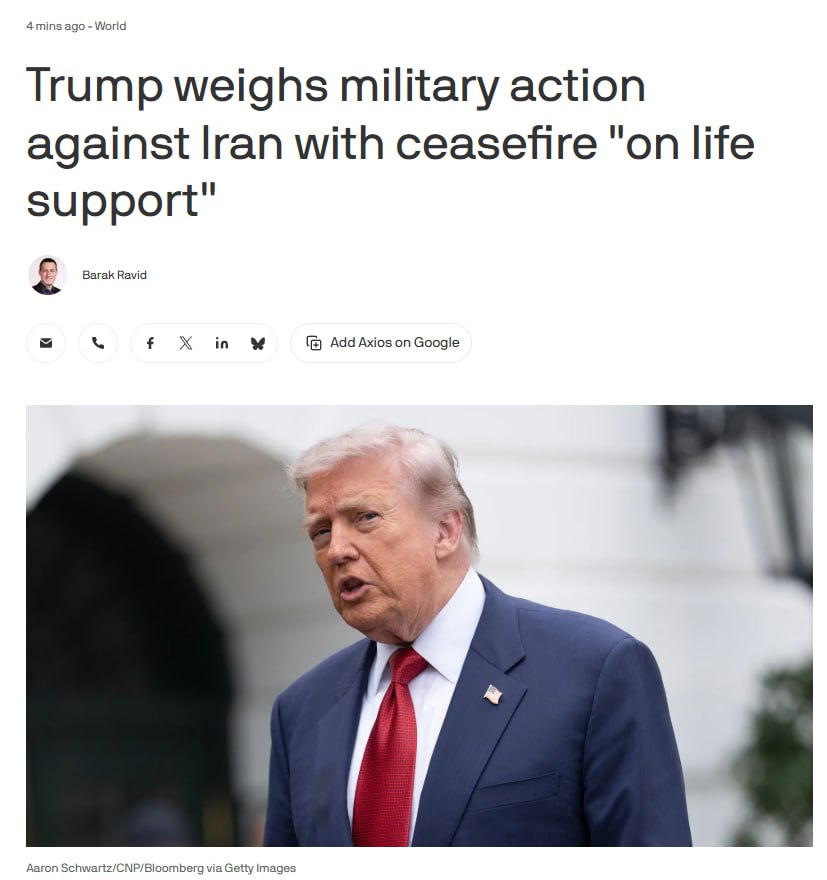
President Trump met with his national security team on Monday to discuss the next steps in the Iran war, reported Axios, before stating as usual that plans could include possible renewed military action, because the negotiations were at deadlock with Iran after Sunday.
Options included restarting Project Freedom, suspended less than 36 hours after it had begun after backlash from Saudi Arabia and Kuwait, in order to provide a naval escort operation in the Strait of Hormuz, while a second option is resuming airstrikes against the 25% of Iranian targets identified by the US military.
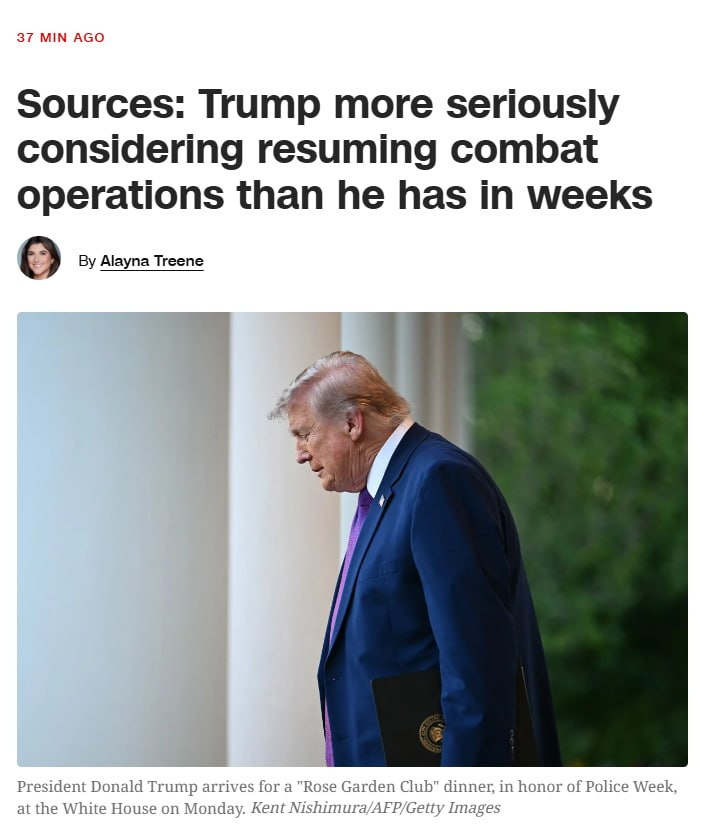
President Trump is more serious now than in recent weeks considering a resumption of major combat operations, after becoming increasingly frustrated with how Iran is handling the negotiations, CNN reported.
Trump’s particularly impatient over the closure of the Strait of Hormuz and what he sees as divisions within Iran’s leadership preventing meaningful concessions on nuclear talks, while officials inside the administration are divided, with some wanting a tougher strategy, while others are urging diplomacy.
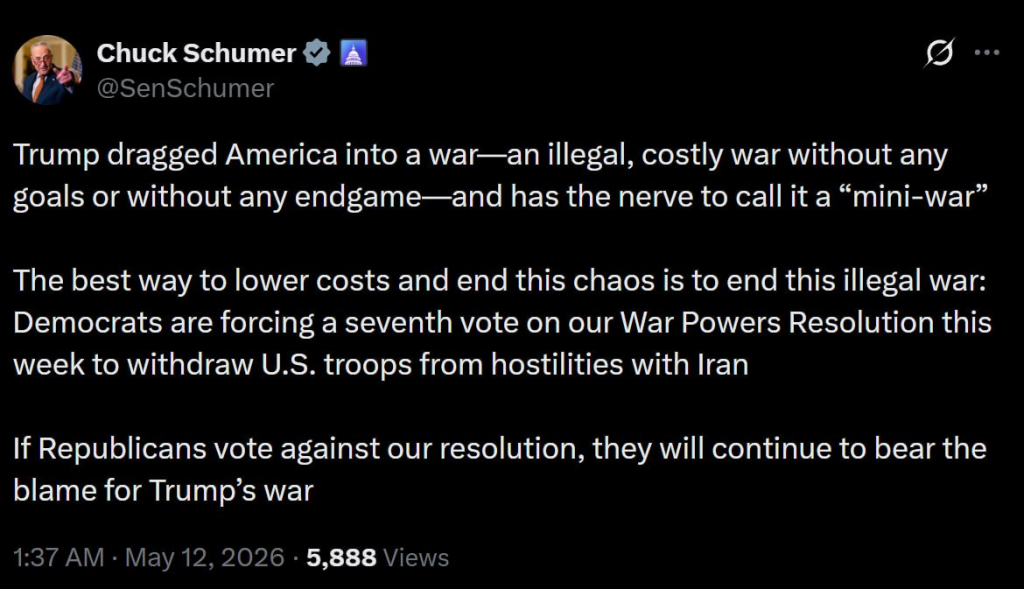
Senate Minority Leader Chuck Schumer took aim at President Trump on X, saying the President had dragged America into an illegal, costly war without any goals or endgame, and then had the nerve to call it a ‘mini-war.’
Schumer said the best way to lower costs and end this chaos is to end the illegal war, noting that the Democrats were forcing a seventh vote on the War Powers Resolution this week to withdraw US troops from hostilities with Iran.
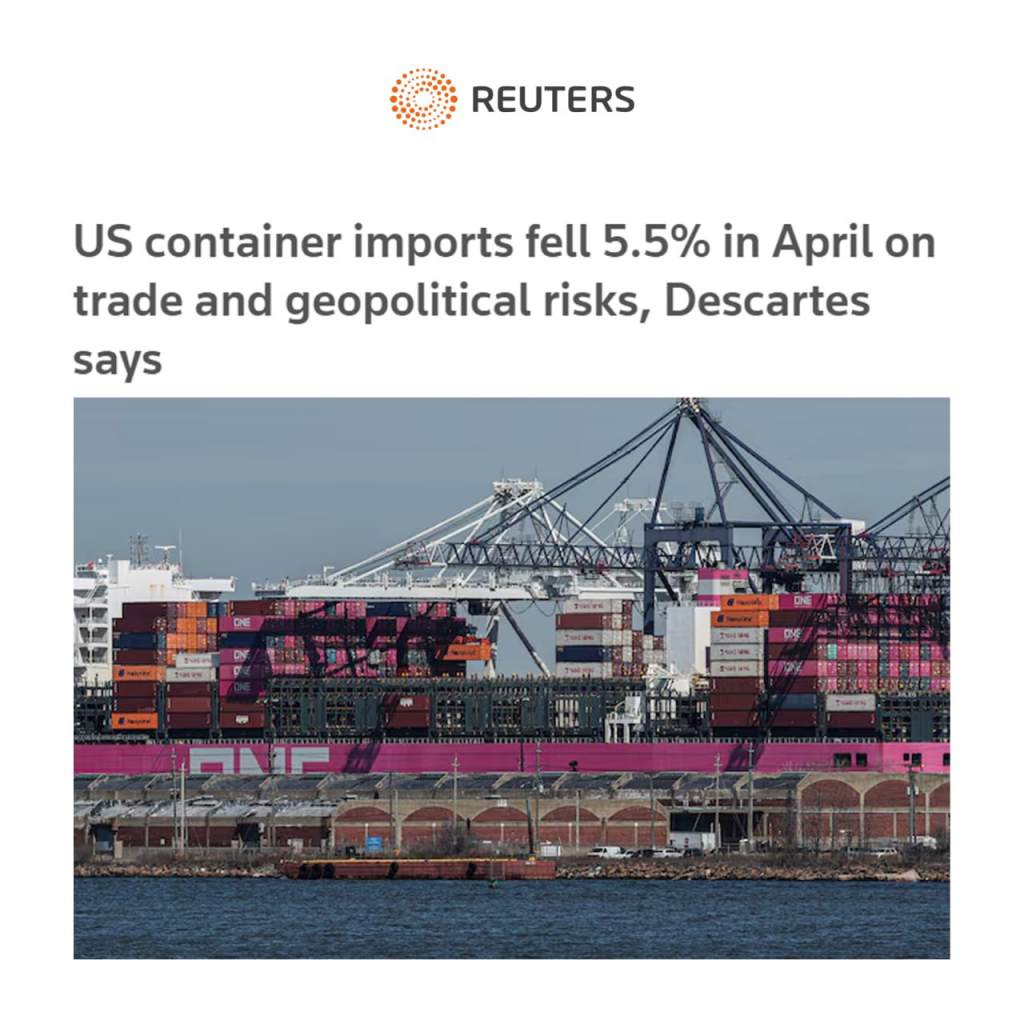
US imports have suffered due to the war with Iran, according to a report by the Descartes Institute, shared by Reuters, which showed container imports fell by just under 6% in April, as experts believe the blockage of sea routes and the risk of conflict at key ports have undermined confidence in the international logistics system, causing the volume of goods entering the US to fall to an unprecedented level in recent years.
Gasoline prices in the US have increased 55% since the start of the war with Iran, according to the latest gasoline prices in various US states, while no state has a price of gasoline under $4 per gallon, and the average gasoline price has reached over $4.5 per gallon, as reports suggested some western US states including California had exceeded $6 per gallon.
The US Strategic Petroleum Reserve released more than 1.22 million barrels of oil last week, bringing the total to around 8.6 million barrels, which is the largest weekly SPR release on record, surpassing the 2022 peak after Russia’s invasion of Ukraine.
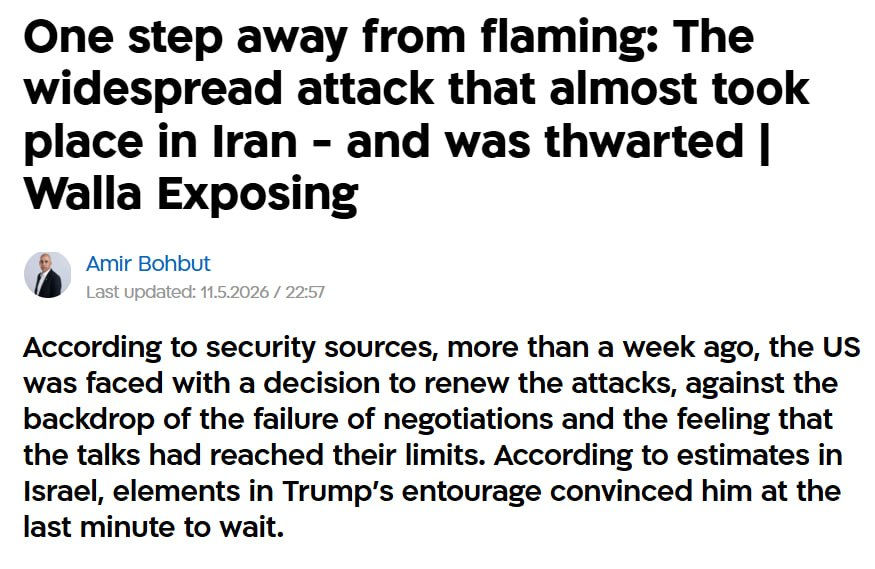
America came close to resuming strikes on Iran last week, but the decision was delayed after advisors in Trump’s inner circle urged him to allow a final attempt at negotiations, according to Israeli Walla.
Meanwhile, senior IDF officials were presenting a hardline stance in closed discussions, arguing that Israel’s political leadership should seriously consider strategic strikes on Iranian national infrastructure regardless of the current situation with negotiations.
Israel’s defence establishment have allegedly assessed that Supreme Leader Mojtaba Khamenei is the primary obstacle preventing any progress in the negotiation, Walla added.
Other News:
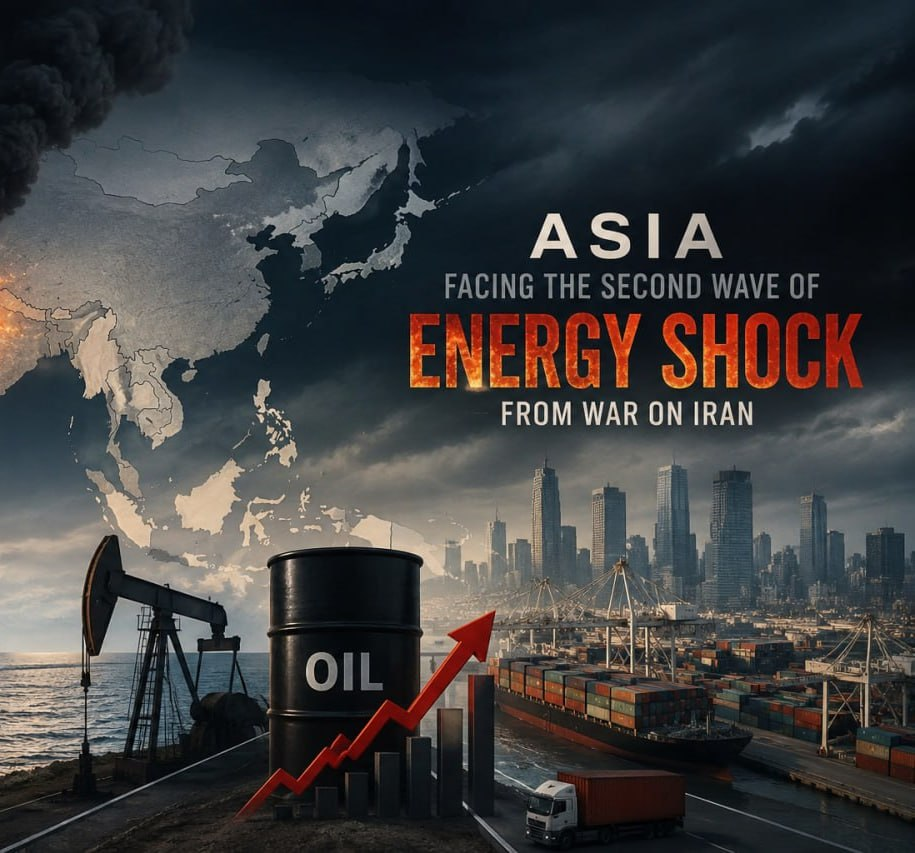
Asian countries passed the first stage of crisis management following the first phase of implementation as a result of the ongoing Middle East crisis, but are now feeling a second and deeper shock to their markets.
Costs of airplane tickets, maritime transport and energy bills have risen, while the UN’s Development Programme estimated almost 9 million people were at risk of poverty, with the Asian-Pacific region set to face losses of almost $300 billion, IRNA reported.
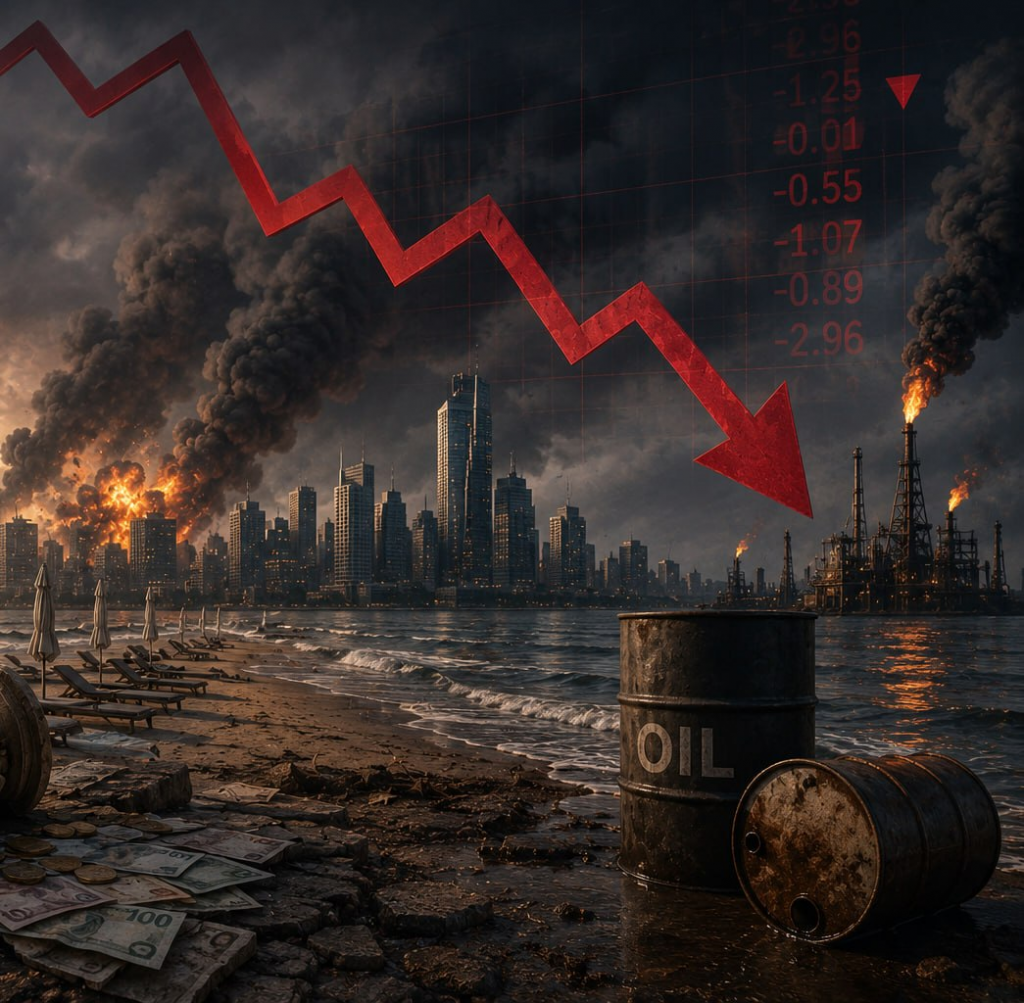
Tourism has been affected by the war against Iran on the regional economy, according to the Washington Post, reporting that the war against Iran had also put pressure on real estate and investment sectors in the Gulf, stating the damages from the oil and non-oil sectors had been simultaneously affected, adding that Qatar’s plan to rely on gas exports had also faced serious challenges, as both exports have stopped and its facilities had been damaged.
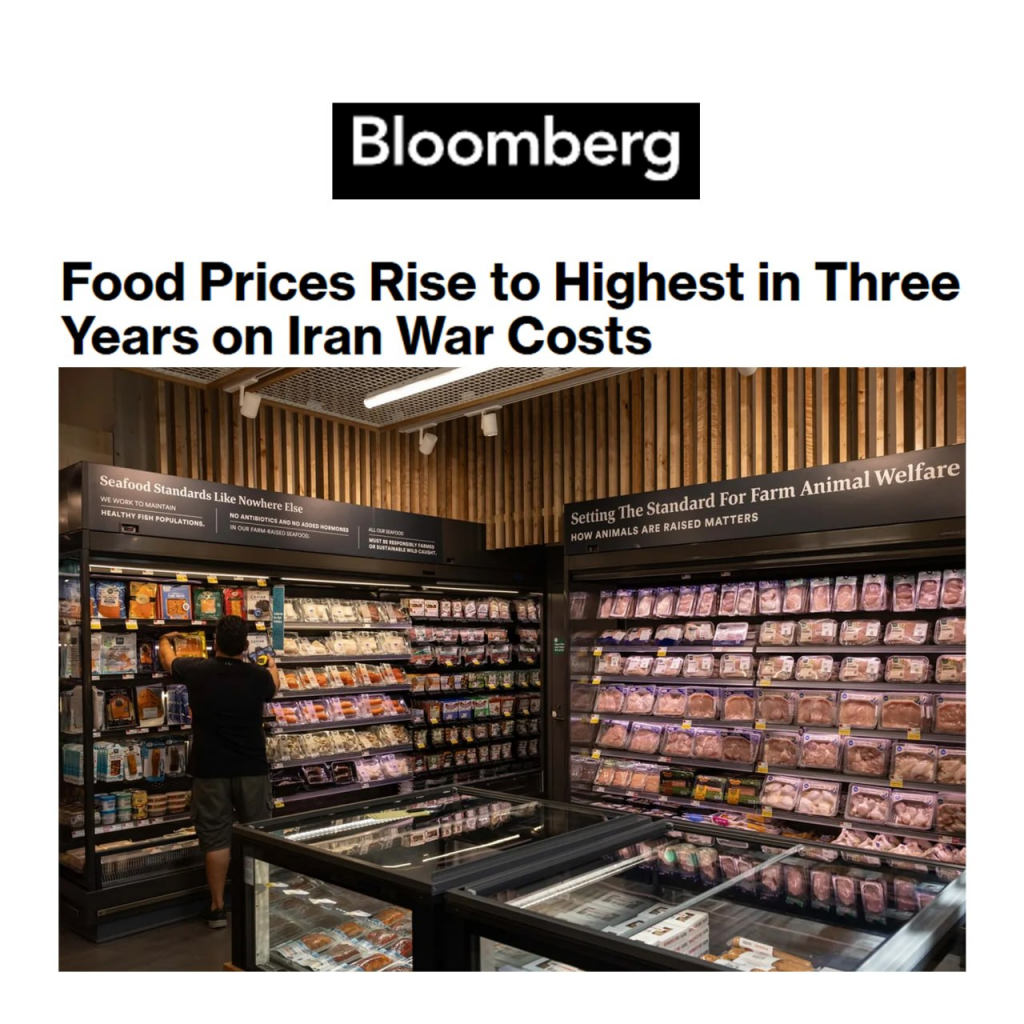
The US and Israel war with Iran has pushed global food prices to the highest level in the past three years, due to the blocking of key trade routes causing delays in the delivery of goods, but has also exponentially increased marine insurance and operational costs for major agricultural exporters, Bloomberg reported.
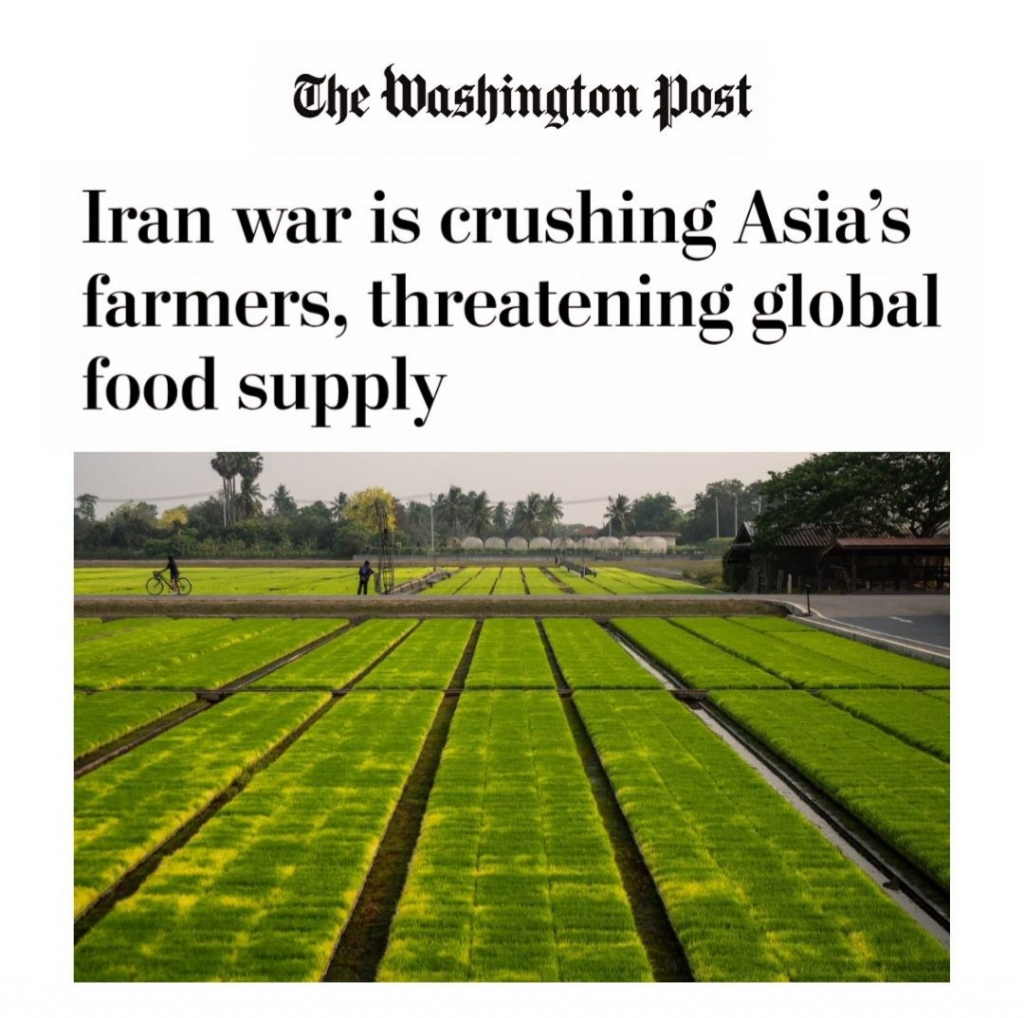
The war against Iran is devastating farmers across Asia and threatening global food security, according to the Washington Post, stating that farmers in Thailand and other Asian nations have abandoned planting crops due to skyrocketing costs for fuel, fertilisers, plastics, and other essentials, with the production costs now outweighing what they can earn from produce sales.
Sulfuric acid, the world’s most consumed chemical, has become scarce due to the war, which plays a vital role in the production of phosphate fertilisers, copper and nickel extraction, computer chip manufacturing and even municipal water treatment.
China is the largest sulphur producer in the world, but has imposed restrictions on its exports, putting pressure on countries like Chile and Indonesia to increase prices by up to 80%.
Germany:
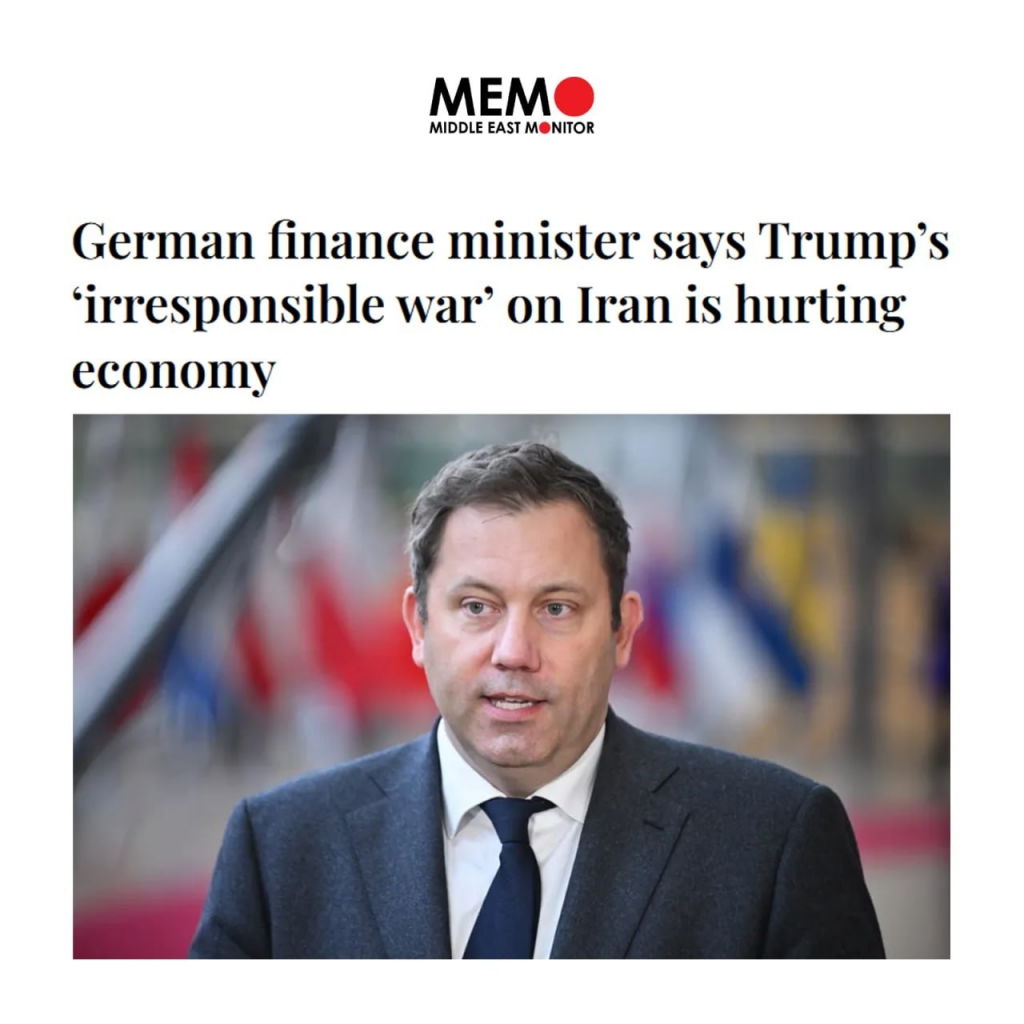
German Finance Minister Christian Lindner warned Trump’s irresponsible war against Iran not only endangered regional security, but also seriously harmed the economic growth of Germany and other European allies by disrupting the supply chain, calling on the US to return to diplomacy instead of provocative actions to prevent further collapse of global economic stability.
Iraq:
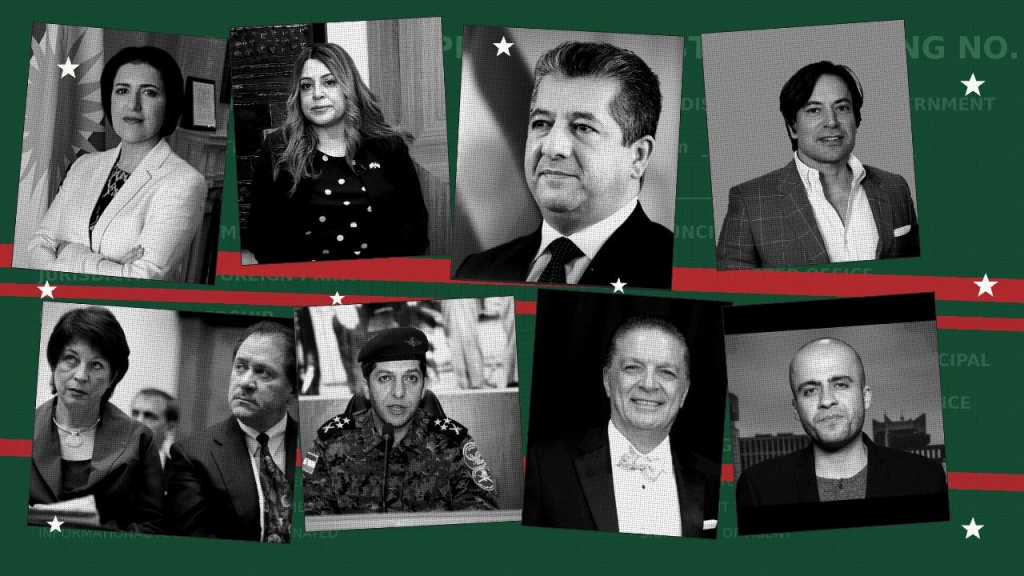
Iraq’s Kurdistan Regional Government have built an extensive lobbying network in Washington, according to The Amargi, stating the party is spending hundreds of thousands of dollars on law firms and consultants per year to advance its interests.
Recent filings showed the KRG’s contracts included $20,000 a month with ArentFox Schiff and $25,000 a month with Chartwell Strategy Group for PR and communications, while paying former Rudaw reporter Majeed Gly $318,000 per year as a special advisor.
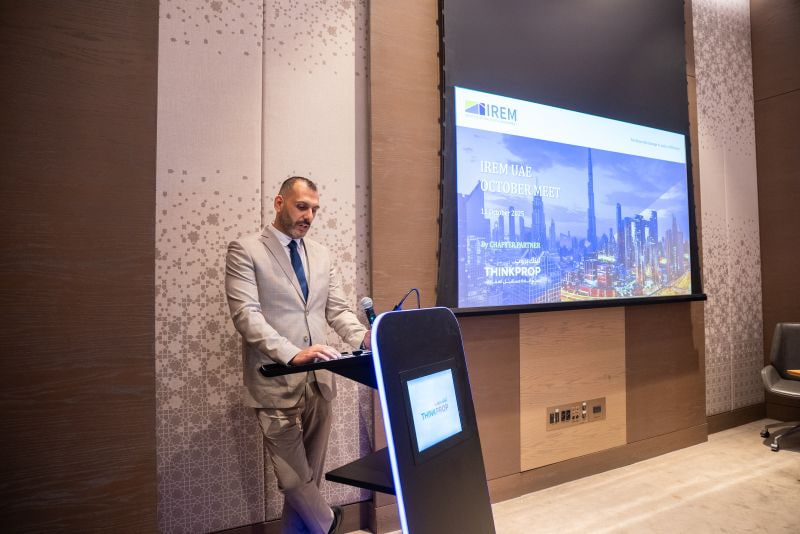
Iraqi security expert Ahmad Al-Hamdani said there is an important need to reconsider Iraq’s Security Strategy with the United States, stating Iraq needed a comprehensive security and intelligence review, to close the chapter on traditional security and reliance on other countries to access advanced air defence technologies.
According to the expert, what happened in the Najaf desert was carried out with the help of the United States, not only in Iraqi airspace but also in areas crossed by Israeli forces, calling for a reconsideration of all forms of US presence that are conducted under the banner of ‘fighting terrorism.’
Israel:
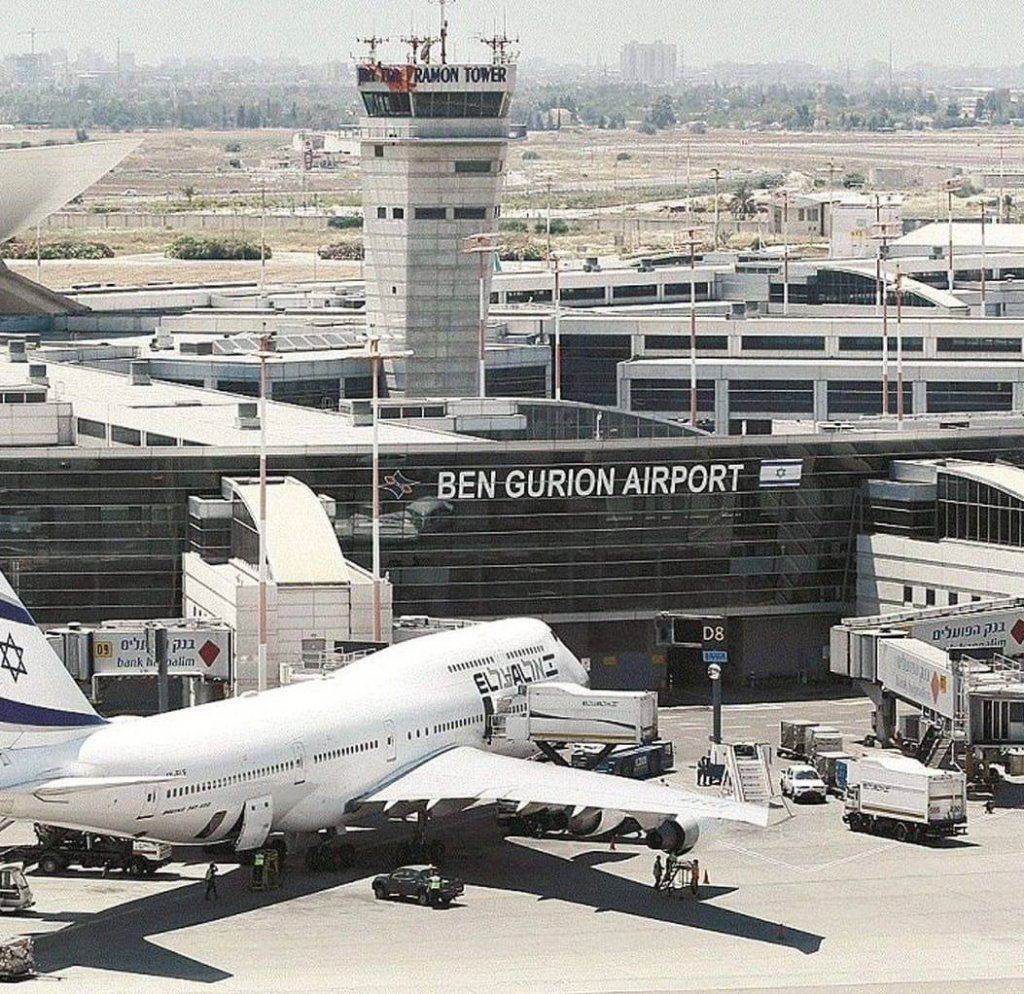
Aftershocks are being felt in the Israeli airline industry, as major airlines continue to avoid journeys to Tel Aviv, reported the Times of Israel, stating a committee in the Knesset had called on the regime to draft a plan to compensate passengers and airlines affected by the war.
Israeli and foreign airlines are facing a flood of lawsuits and class actions due to widespread flight cancellations during the war period, and the head of the economic committee warned the lack of intervention would lead to a significant rise in prices and the continued reluctance of foreign companies to return to Israel.
Ben Gurion airport in Israel near Tel Aviv is busy these days, mainly with US Air Force refuelling aircraft, after multiple airlines refuse to resume flights to Israel despite the current ceasefire in Iran.
Israel’s civil aviation chief Shmuel Zakay warned that Ben Gurion Airport had effectively become a US military base, stating the Israeli military does not fully understand the damage being caused to civilian aviation, and called for US military aircraft to be moved to dedicated military bases.
Pakistan:
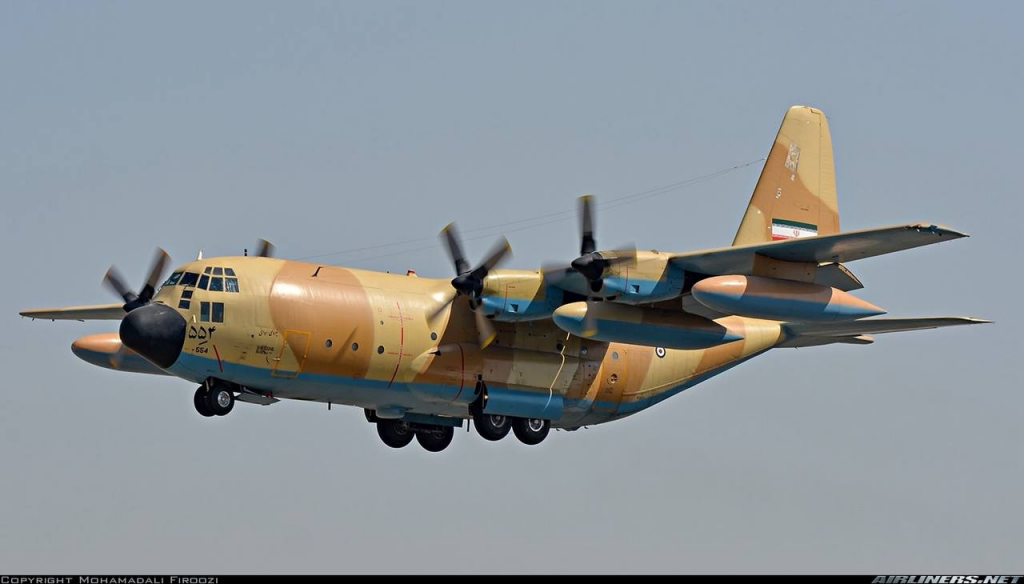
Pakistan allegedly allowed Iranian military aircraft, including an RC-130, to use airfields during the conflict with US, reported CBS, stating that the arrangement may have helped shield aircraft from American strikes.
Officials said Iran moved several aircraft to Pakistan including a plane that was parked at the Nur Khan airbase, while an Iranian Mahan Air plane remained parked in Kabul, before relocating to Herat for safety during Pakistan’s airstrikes on Kabul.
Pakistan rejected the CBS report, confirming some aircraft and support personnel remained in Islamabad at Nur Khan Airbase after the initial round of negotiations in anticipation of renewed strikes, but they deny these were part of military contingents.
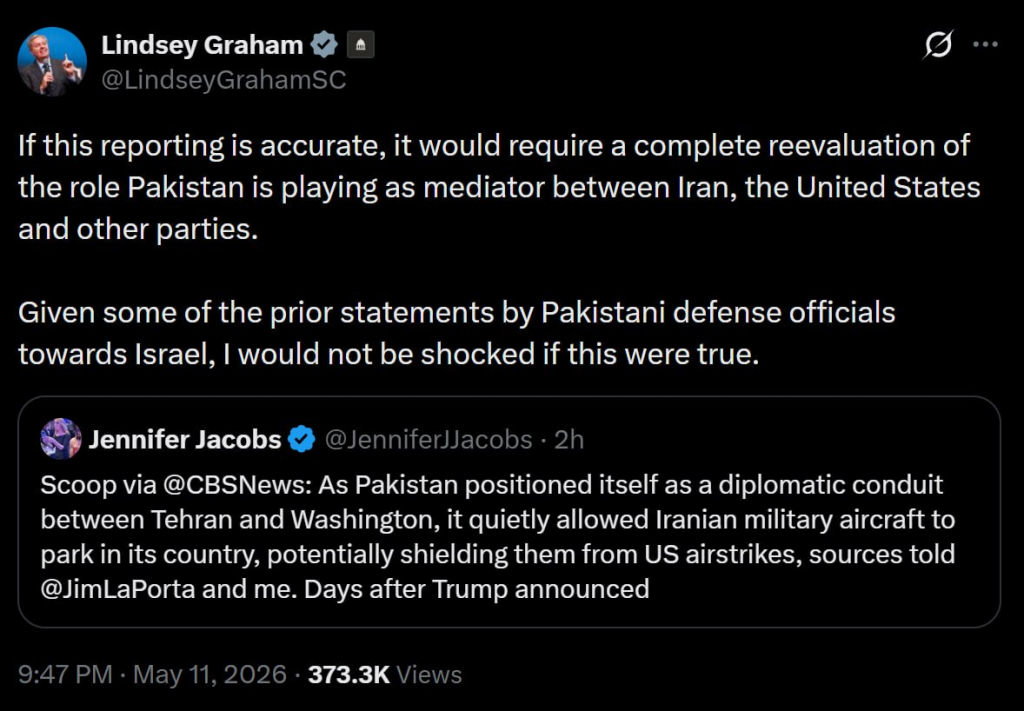
Republican senator and warmonger Lindsey Graham posted to X that if the reporting was accurate about the Iranian planes being moved to safety in Pakistan during the war, a complete re-evaluation of the role Pakistan was playing as mediator was needed.
Given some of the prior statements from Pakistani defence officials towards Israel, Graham said he wouldn’t be shocked if it were true.
United Arab Emirates:
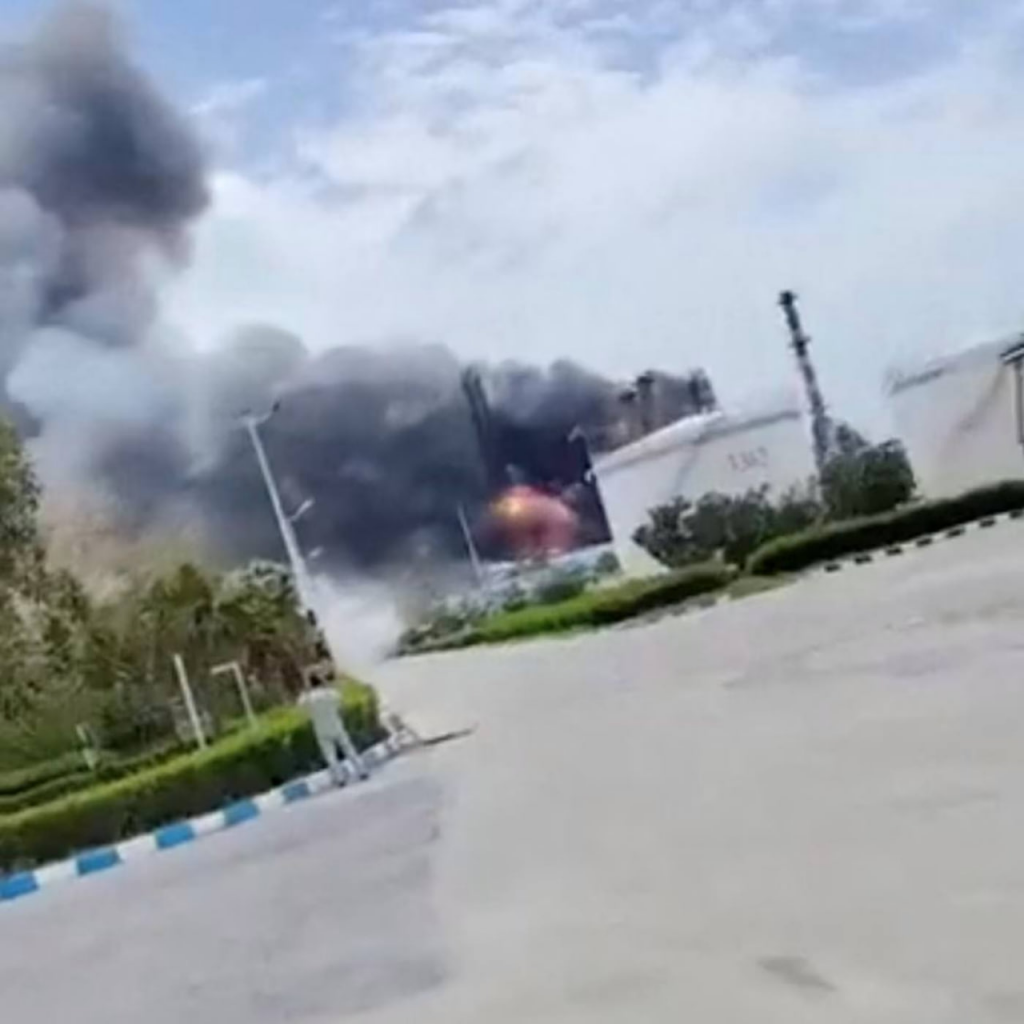
UAE carried out military strikes on Iran, including early in April after a ceasefire had been announced, when the refinery on Iran’s Lavan Island in the Persian Gulf was hit, and the strike caused a large fire, knocking much of the refining capacity offline for months, but the UAE has not publicly admitted the attacks.
United Kingdom:
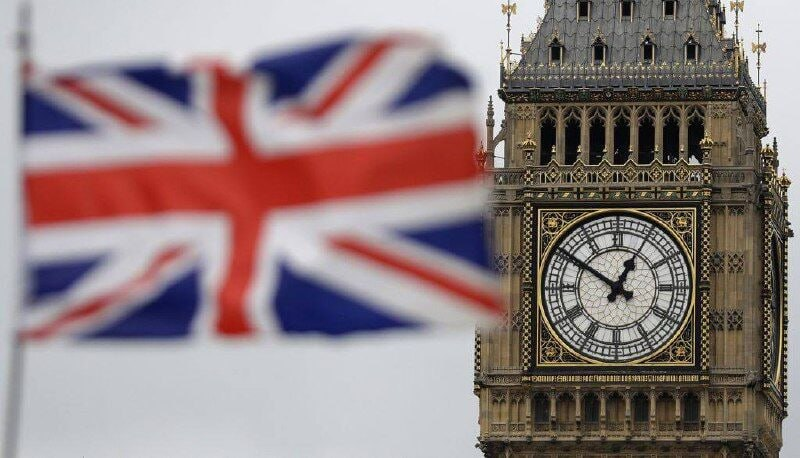
UK’s Ministry of Defence said on Monday that the decision to send the destroyer HMS Dragon to the region was to restore confidence in commercial shipping and not to be involved in the conflict: “The pre-planned deployment of the destroyer HMS Dragon is part of a precautionary planning to ensure that the UK, as part of a multinational coalition jointly led by the UK and France, will be ready to secure the Strait, when conditions allow.”
London’s Heathrow Airport announced its passenger numbers in April (from Mach 31 to April 30), decreased by 5% to just under 7 million, which the airport attributed to the war in Iran, which has affected several travel plans.
Heathrow stated the number of passengers from the West Asia region had dropped by more than 50% since the war, while data from analytical company Cirium showed that jet fuel shortages were also causing increasing concerns, with 2 million seats removed from global airlines’ April flights.