 AJ
AJ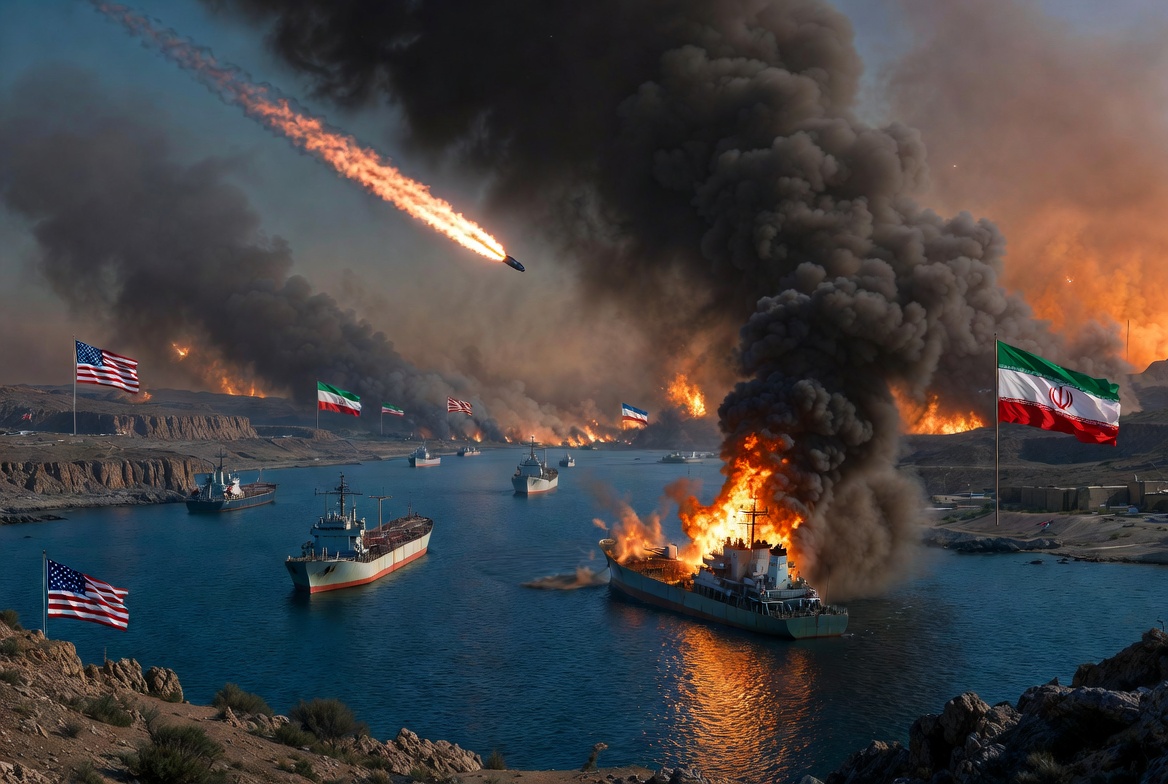
US President Donald Trump’s Operation Project Freedom began on Monday in a Hormuz Strait that was closed by Iran, who threatened that any movement would result in attacks, which is exactly what happened throughout the day, as alleged Iranian missiles attacked the UAE and ships, along with Iranian drones, which came with condemnations, and new alliances forming, in the Iran Recap for May 4.
Project Freedom:
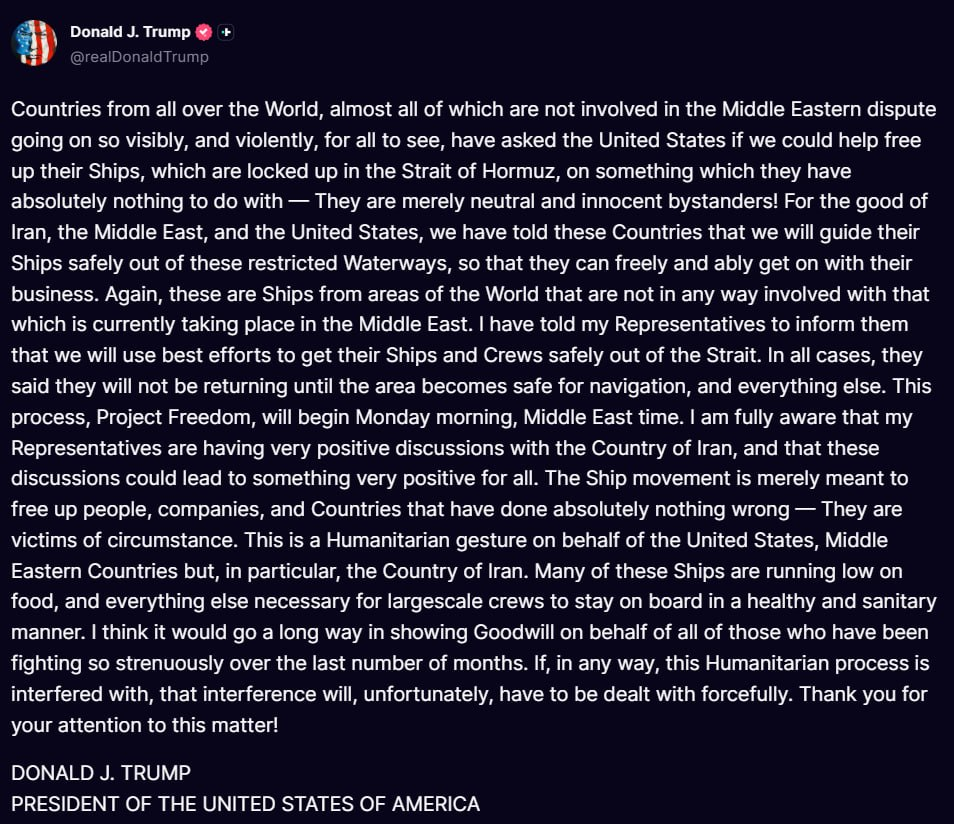

Having proudly announced that Project Freedom would begin on the morning of May 4 (Iranian time), along with Central Command stating they wouldn’t be escorting ships, but would aid them to help prevent them being attacked, the US waited for movement to begin within the Strait of Hormuz in coordination with the United States Navy.
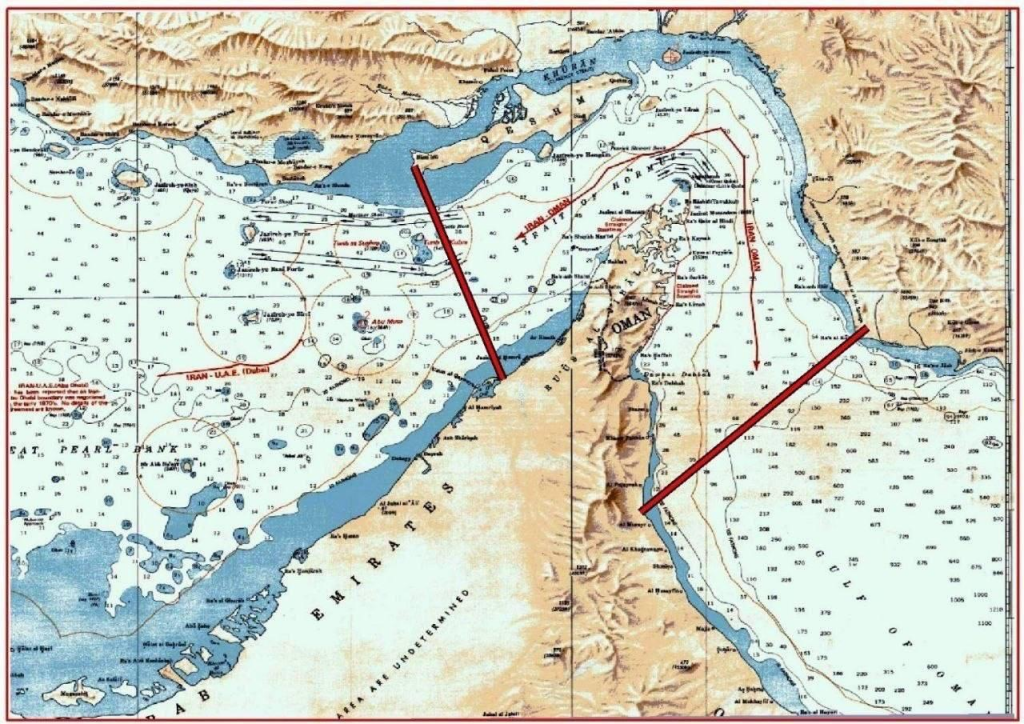
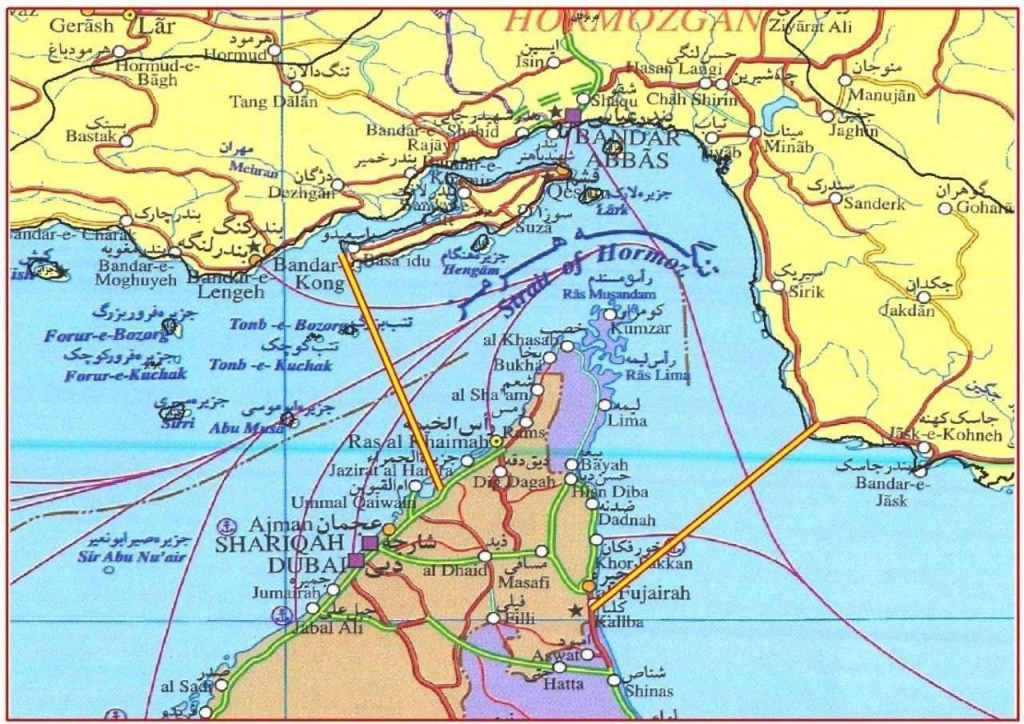
Iran’s IRGC said that any movement through the Strait was unacceptable, issuing VHF warnings to ships near the UAE to move further south on the night of May 3, then published a map on the morning of May 4 which showed the lines that vessels couldn’t cross – an exclusion zone of the Strait of Hormuz – stating anyone who violates this area without permission would suffer the consequences.
Warnings were also issued on Monday morning by Khatam al-Anbiya Central Headquarters stating commercial ships and oil tankers should refrain from crossing without coordinating with Iran to ensure safety, warning that any foreign force, especially the US military, would be attacked if it approached Hormuz, and any aggressive action by the United States would destabilise the situation and endanger the security of ships.
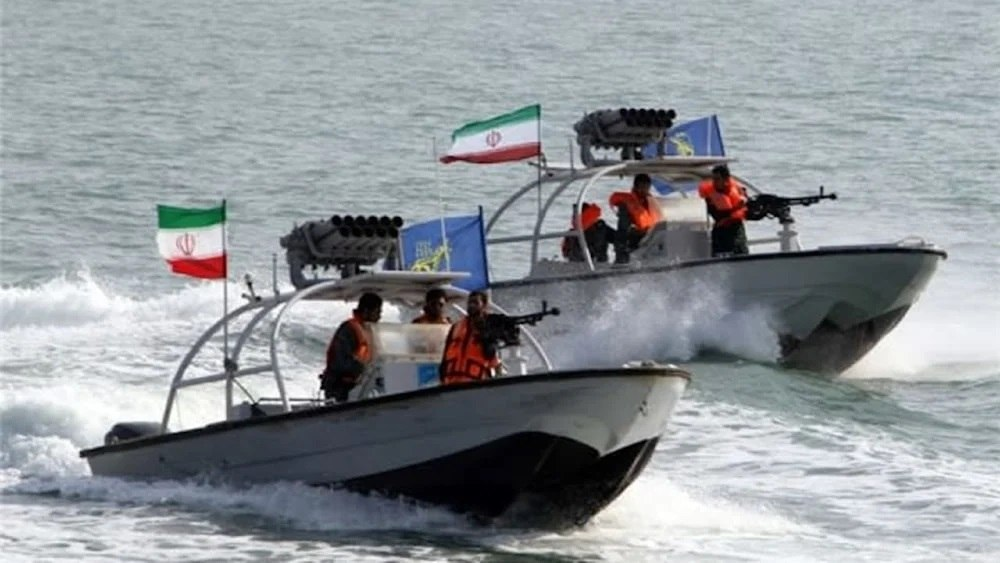
Avoiding contacting the IRGC to pay the tolls or ask for freedom of passage was always going to be a risk, due to previous warnings from Tehran that Iran now controlled the Strait of Hormuz and navigation needed to be coordinated with the Iranian Navy.
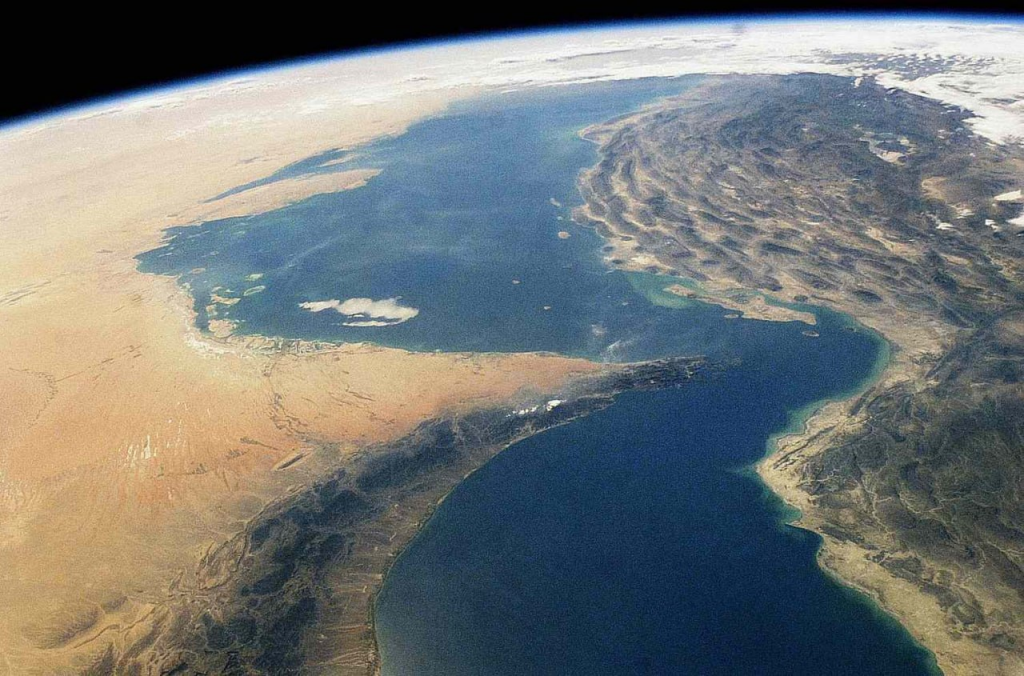
Iran was fully prepared for any scenario, and the Americans know that Iran would not allow bullying by Trump and the US forces, an informed military source told Tasnim News, stating that Iran wouldn’t allow the US forces to pass and any movement in the Strait would not be allowed without permission, that all vessels must learn from the experience of the 40-day war and not listen to the American’s advice, adding that in addition to firing at American combat vessels, Iran had also prepared other scenarios which it would implement if necessary.
US Treasury Secretary Scott Bessent told Fox News viewers that Iran were trying to cut off the international freedom of navigation through the Strait and the US were trying to open it up: “We’re saying the Iranian’s do not have control of the strait, we have absolutely control of the strait,” he said, adding that the Iranian economy was in freefall and everyone said they had a tolerance for pain: “Well, their soldiers will not have a high tolerance of not getting paid,” Bessent added.
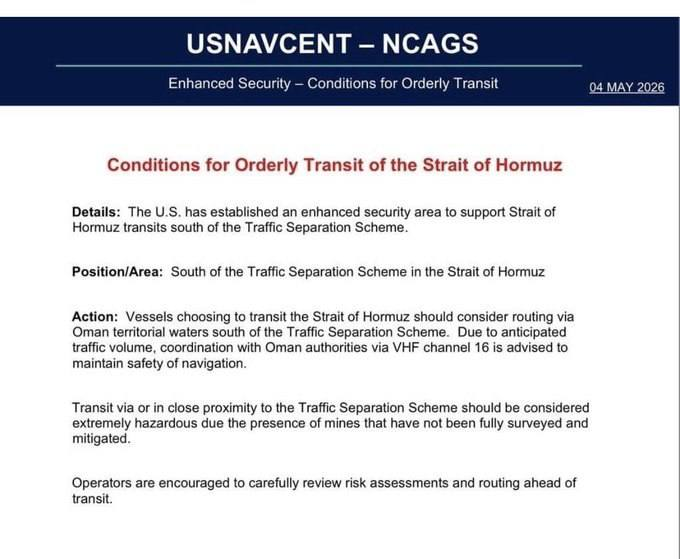
During the evening, the US Navy officially released its guidance for commercial vessels as part of ‘Project Freedom’ advising them to sail as close to the coast of Oman and ‘see if it works.’
France and Britain’s joint imitative to ensure freedom of navigation in the Strait of Hormuz is running parallel to that of the US, and a European official confirmed the US had expressed appreciation for the mission, Politico reported.
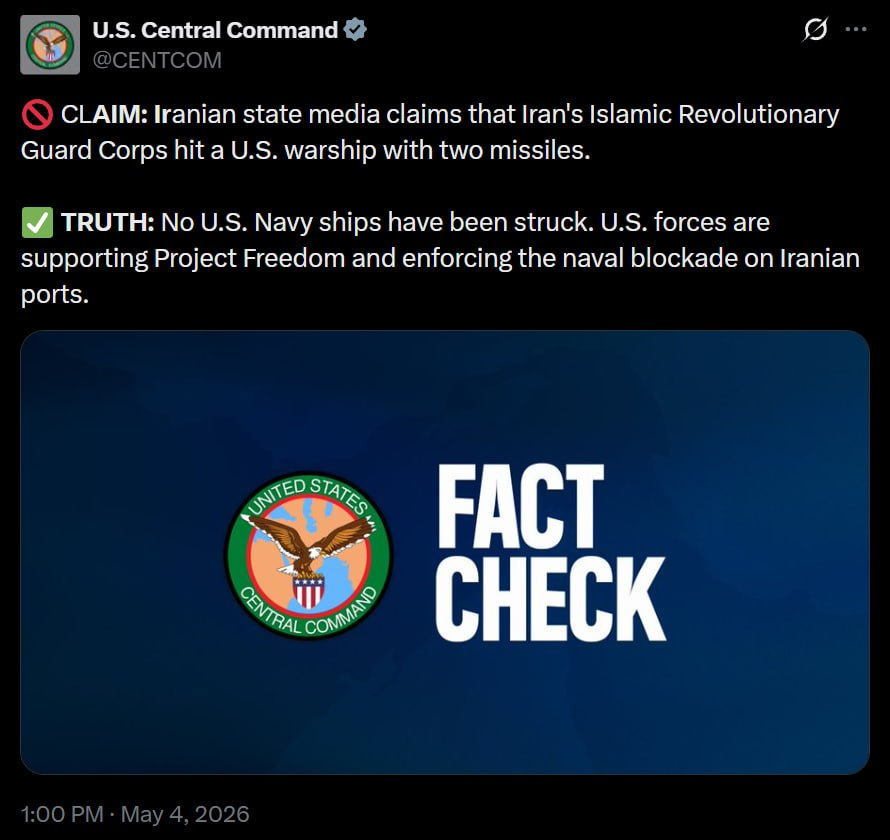
Missiles were fired at a US Destroyer that had approached the Strait of Hormuz to help ships with their navigational duties according to Fars News, who reported it had to perform a 180 and retreat from the area, which Central Command denied, while several other reports suggested the US Air Force were conducting helicopter and jet flights over the Persian Gulf, along with drone surveillance over Hormuz.
Two American ships reportedly made it through the blockade, despite the Iranians firing 3 missiles near them with no hits, while a total of four other foreign ships had been attacked in the Strait, so the United States announced if they were to identify Iranian missile launchers or combat boats, they would bomb them, later claiming that 6 IRGC fast attack boats had been destroyed, reported US Central Command, adding that Iran targeted US commercial and military ships with cruise missiles throughout the day, which a senior Iranian official denied according to Naya News agency.
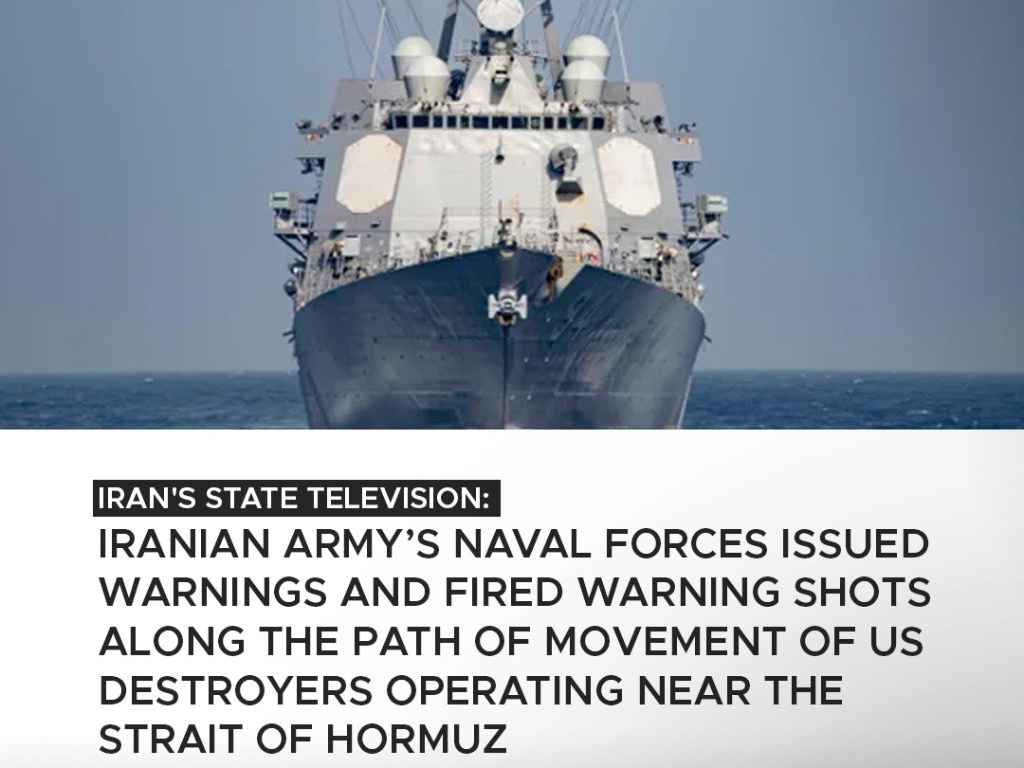
However, the Iranian Navy claimed the US Destroyers were detected in the Sea of Oman after turning their radars back on and were warned over the radio not to approach the Strait, Tasnim News Agency and Al Mayadeen reported, stating that after the ships ignored the initial warning, a second warning was issued stating that entry into the strait would be treated as a ceasefire violation and met with a response, at which point Iranian forces fired warning shots using missiles, rockets and drones near the vessels after they ignored the radio warnings.
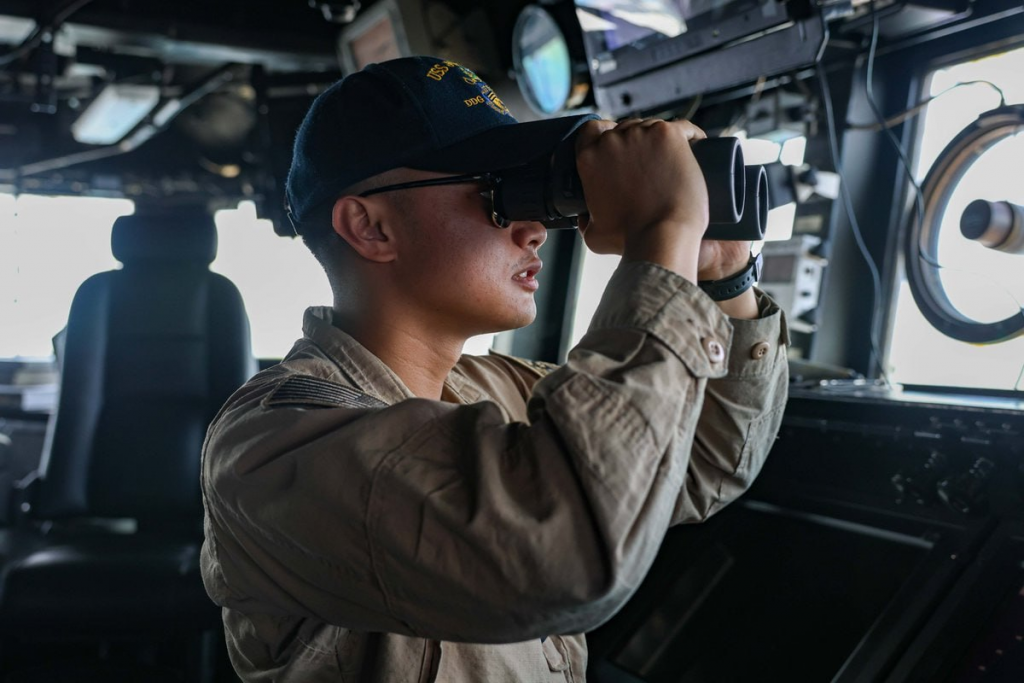
US publication CBS claimed they were informed by defence officials that the USS Truxtun and the USS Mason transited the Strait of Hormuz into the Persian Gulf while facing a sustained Iranian Barrage, noting that the two US Navy Destroyers were supported by Apache helicopters and other aircraft, while being targeted by small boats, missiles and drones, adding that no hits were reported, and officials said all threats were either intercepted or ‘deterred’ and no projectiles reached the ships.
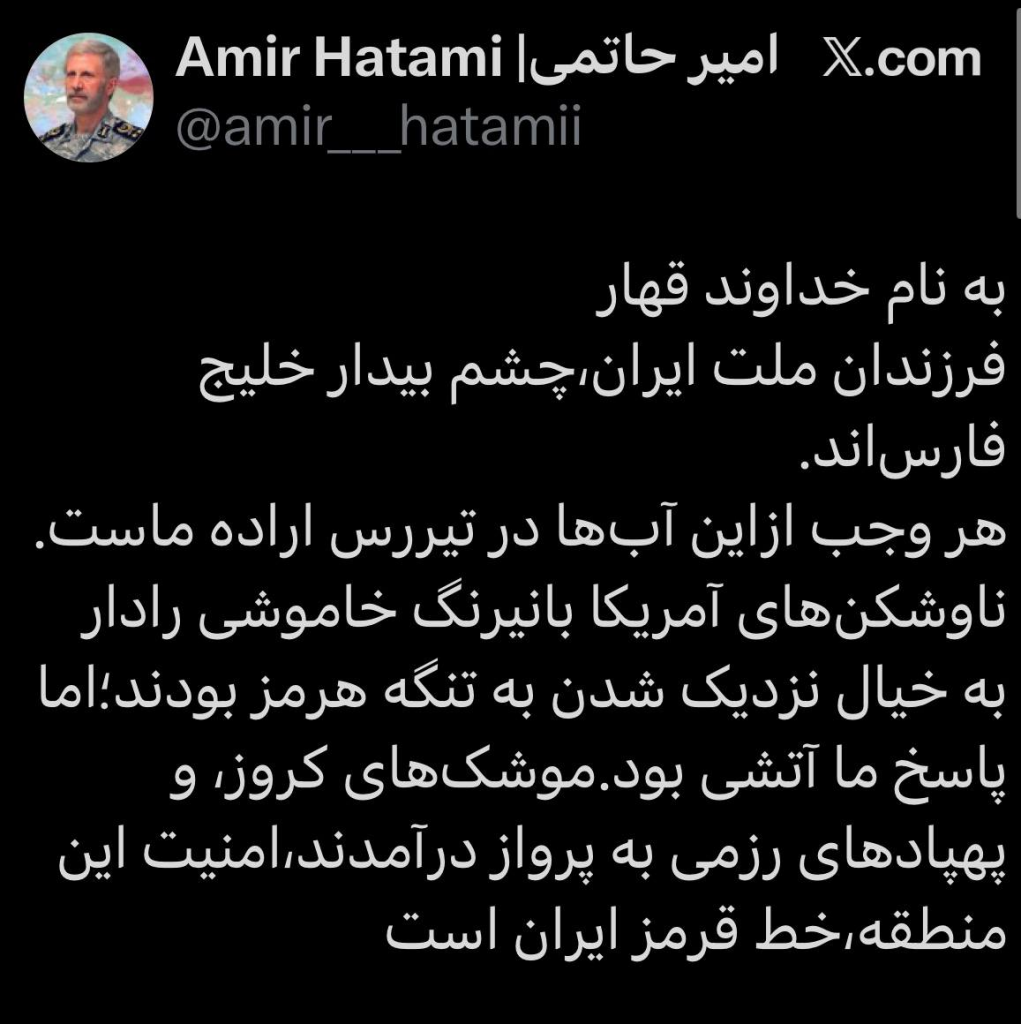
Iranian Army Commander Major General Amir Hatami said on X that every inch of the waters were under Iranian control following reports of two US Destroyers attempting to pass through the Strait: “The US destroyers thought they were approaching the Strait of Hormuz using radar stealth tactics, but our response was fire,” he said, adding that cruise missiles and combat drones were launched, and anyone approaching the ‘red zone’ was at risk.
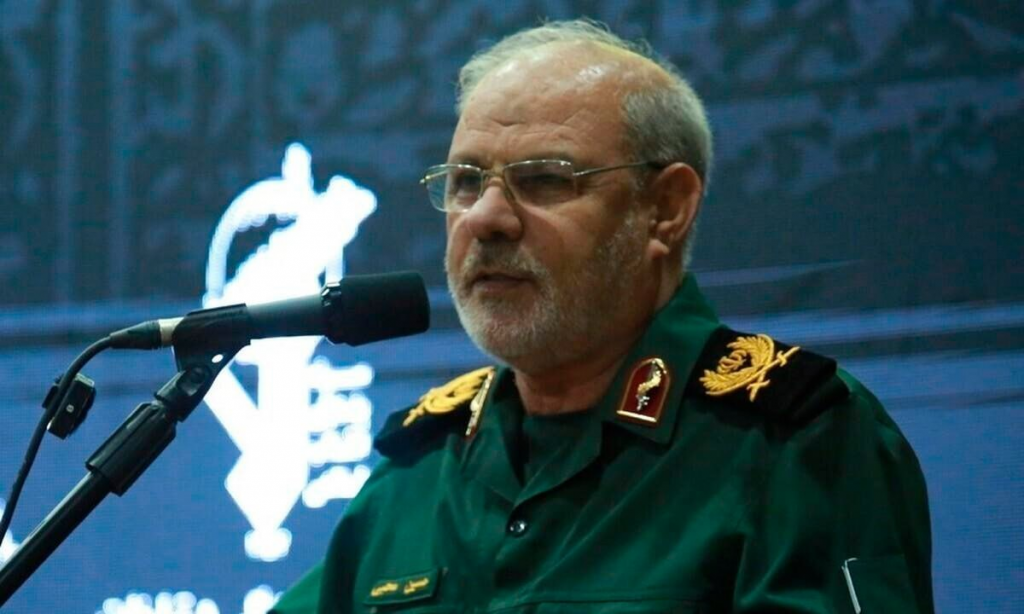
Brigadier General Hossein Mohebi also told Iranian State TV that no changes had been made to the management of the Strait of Hormuz, any civilian or commercial vessel operating in the ‘red line’ with the IRGC Navy’s transit protocols and moving alongside the designated route would be assured safe passage, warning that anyone who contradicted the declared rules faced serious consequences, and violating vessels would be stopped by force.
Hours after the start of the US operation in the Strait, international shipping navigation data reported that two ships which had previously made unsuccessful attempts to pass through the Strait, were forced to return from the Strait of Hormuz towards the middle of the Persian Gulf, Fars News reported, and the IRGC Public Relations said that no commercial ships or tankers had crossed the strait since the start of the US operation.
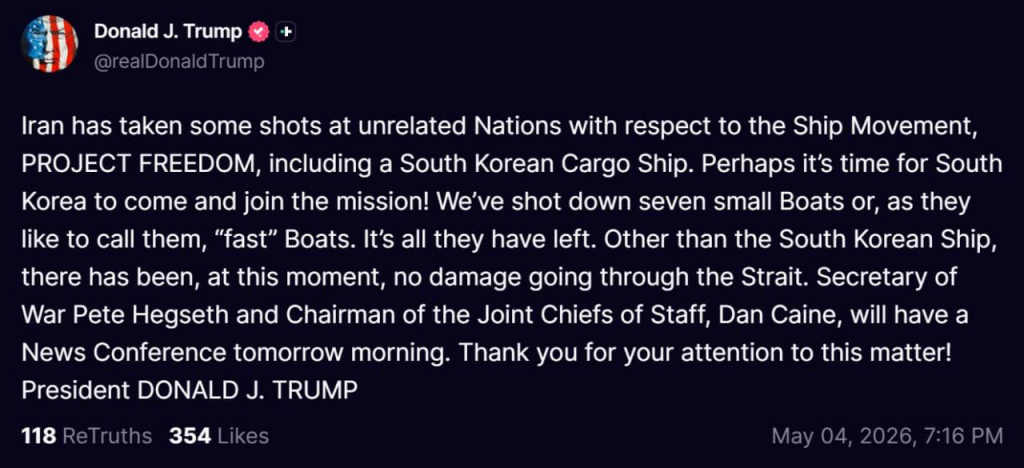
During the morning a South Korean cargo vessel called the HMM Namu was anchored off Umm Al Quwain, UAE, carrying 24 crew members (six South Koreans and 18 foreign Nationals), when it suffered an external impact that triggered an explosion and a fire in its engine room, but all onboard were confirmed safe and no injuries were reported, stated Yonhap, as President Trump urged South Korea to join Project Freedom, then later told ABC News the ship wasn’t being escorted and was ‘riding by itself.’
Reports also surfaced from ADNOC Logistics and Services stating their crude oil tanker ‘Barakah’ was struck by two Iranian drones off the coast of Oman, adding that no injuries were reported and the vessel was carrying no cargo at the time, as the UAE condemned the Iranian drone attacks and demanded that Iran stop attacking maritime vessels.
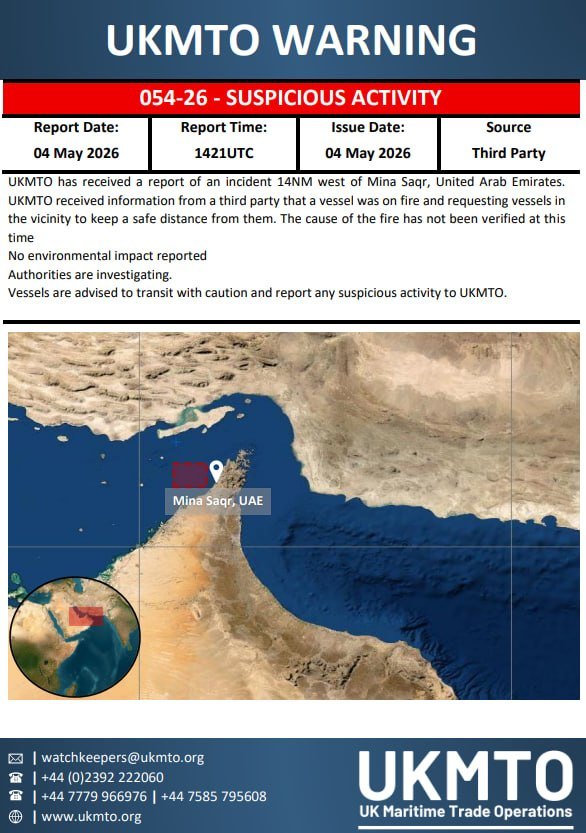
Just over an hour later and another vessel was allegedly struck, according to UKTMO, in an event which took place around 14 nautical miles west of Mina Saqr, UAE, but the cause of the fire hadn’t been verified, as vessels in the vicinity were asked to keep a safe distance.
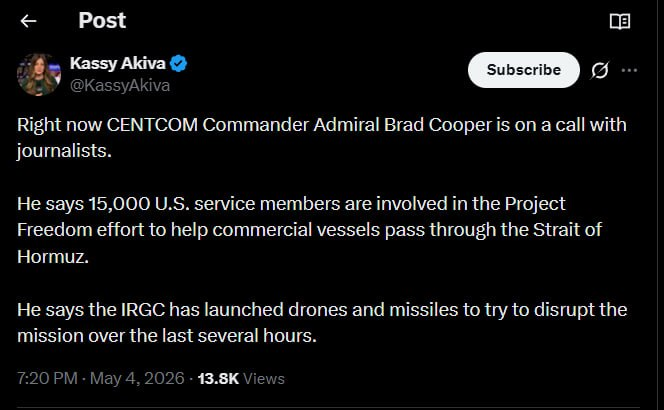
Centcom Commander Admiral Brad Cooper was on a call with journalists late in the evening, stating that 15,000 US service members were involved in Operation Project Freedom to help commercial vessels pass through the Strait of Hormuz, adding that the IRGC had launched drones and missiles in an attempt to disrupt the mission over several hours, Bellum Acta reported.
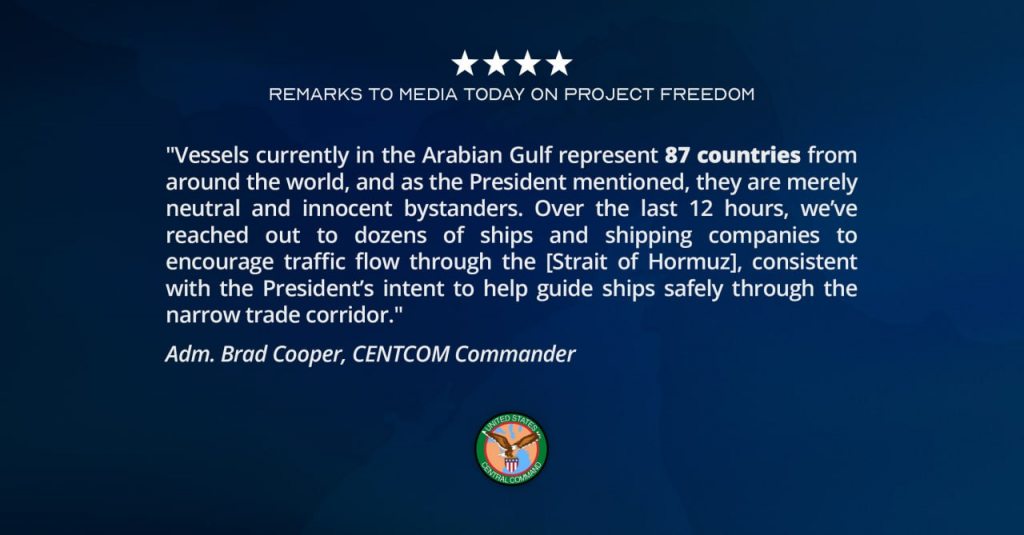
Admiral Cooper later reported that there were vessels from 87 countries in the Arabian Sea, adding that over the past 12 hours, they had reached out to dozens of shipping and insurance companies to encourage the resumption of traffic through the Strait.
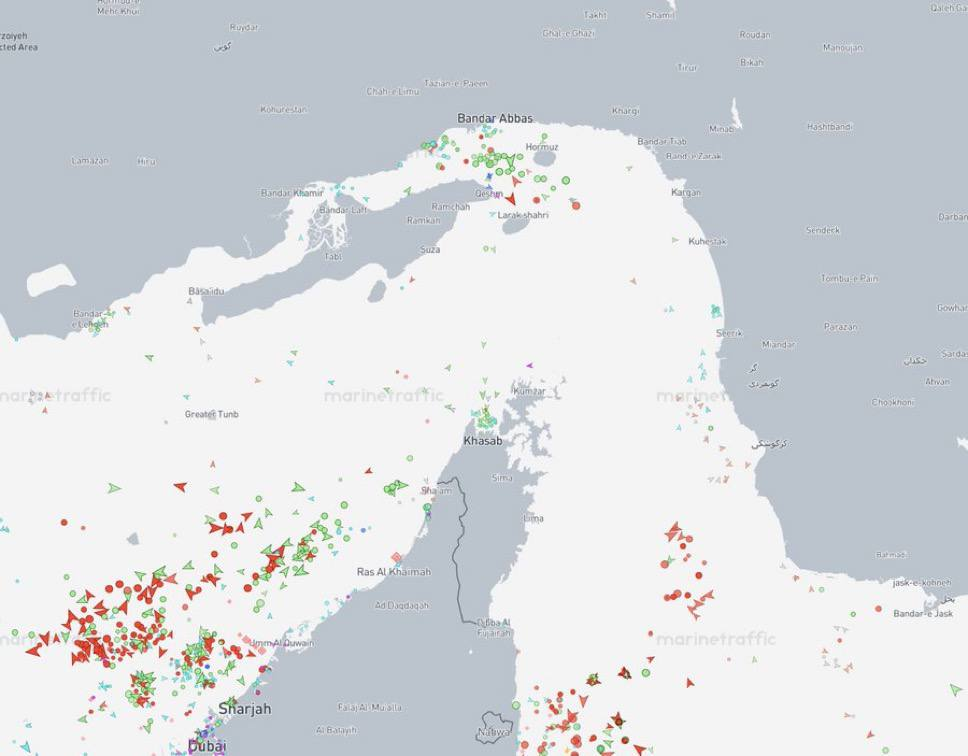
Despite the number of vessels waiting to pass through the Strait, the IRGC closure during Monday and the attacks on anyone attempting to pass through the Strait left it empty on both sides around the lines Iran had set on Monday morning.
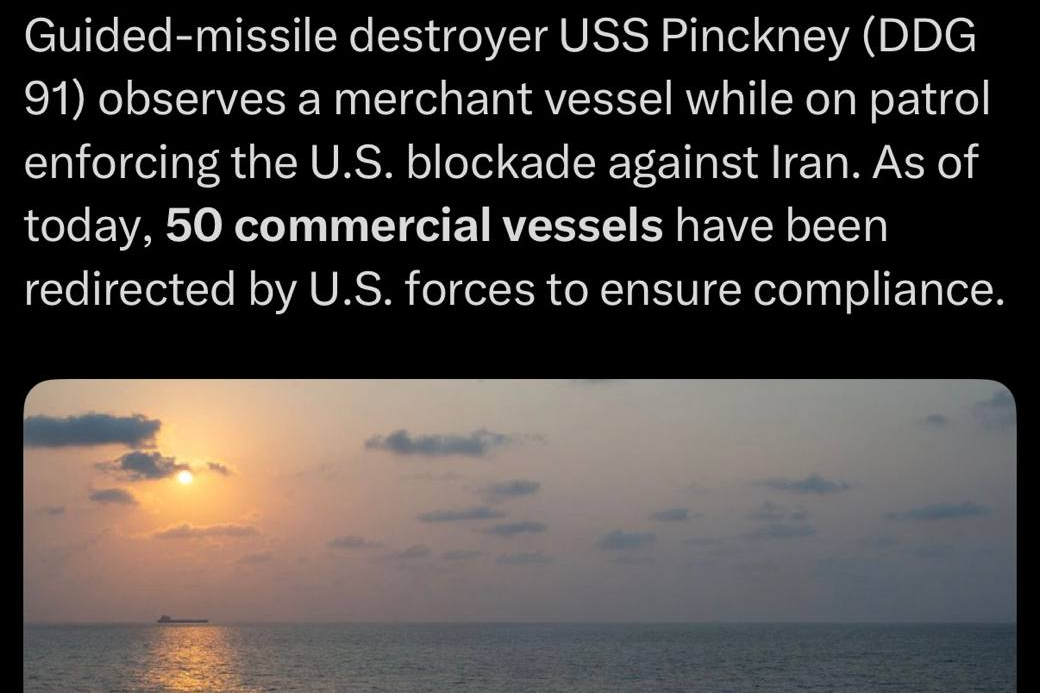
Centcom reported that 50 commercial Iranian vessels had approached the blockade and been redirected since it came into effect, rising from 49 in yesterday’s report.
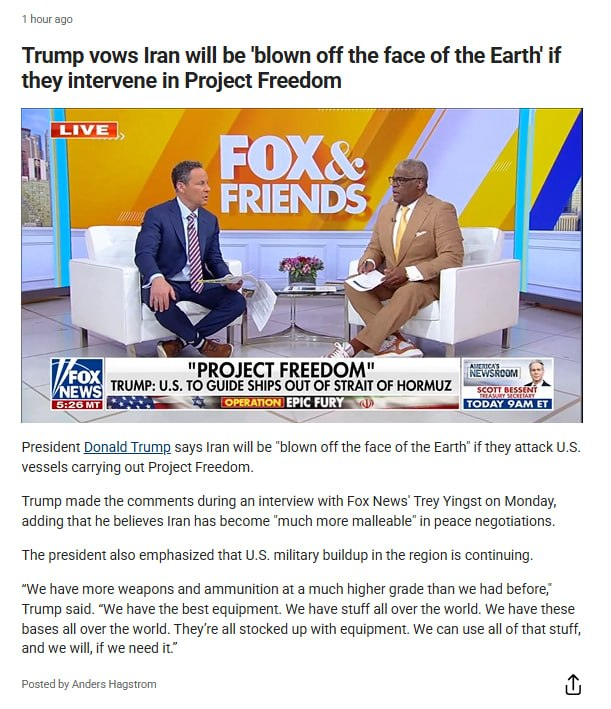
President Trump told Fox News in an interview that if Iran attacked American ships conducting freedom of navigation operations in the Strait of Hormuz, it would be wiped off the face of the earth.
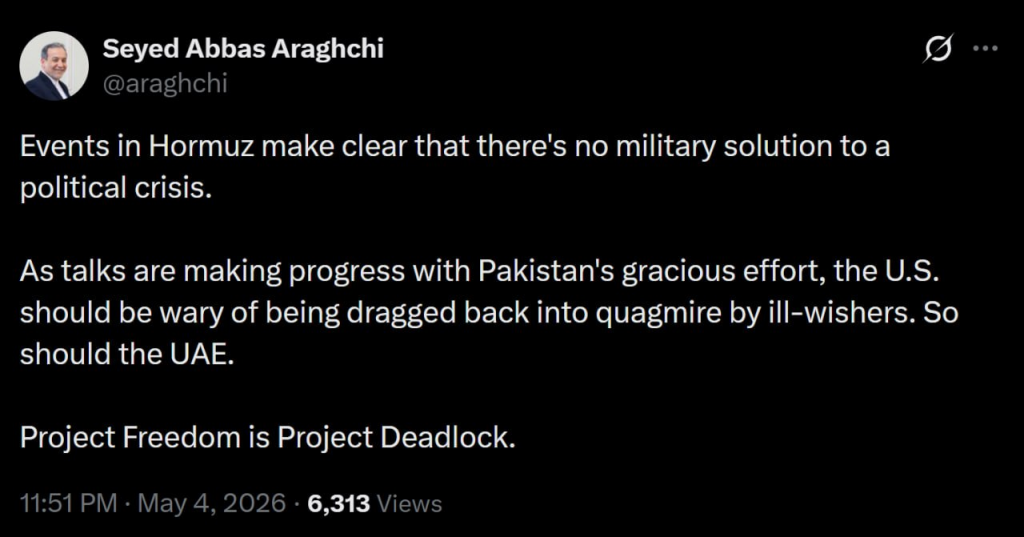
Iranian Foreign Minister Abbas Araghchi said that the events in Hormuz made clear there’s no military solution to a political crisis: “As talks are making progress with Pakistan’s gracious effort, the US should be wary of being dragged back into quagmire by ill-wishers, so should the UAE,” he wrote on X, adding that Project Freedom is ‘Project Deadlock.’
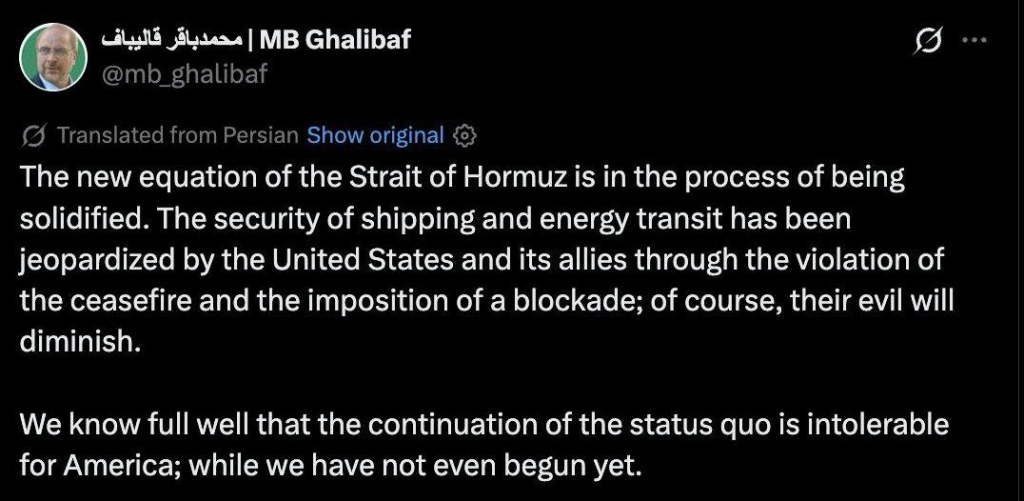
Parliament Speaker Mohammed Bagher Ghalibaf said on X that the new equation of the Strait of Hormuz is in the process of being solidified: “The security of shipping and energy transit has been jeopardised by the United States and its allies through the violation of the ceasefire and the imposition of a blockade – of course, their evil will diminish,” he wrote, adding that Iran know full well that the continuation of the status quo is intolerable for America, while Iran had not even begun.
UAE Attacks:
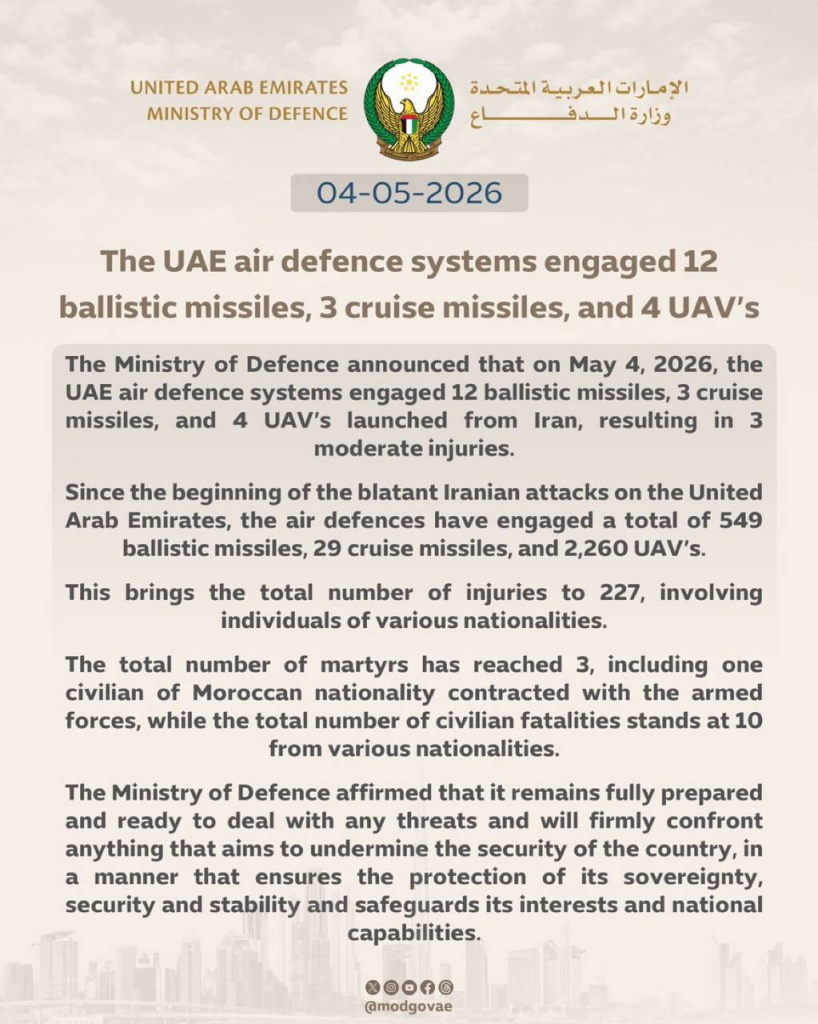
UAE’s Ministry of Defence announced they’d intercepted 19 missiles and drones launched from Iran, claiming successful interceptions of 12 ballistic missiles, 3 cruise missiles, and 4 drones, adding that 3 people were injured during the attacks.
An Iranian military official told IRIB that the Islamic Republic had no premeditated plan to attack the Fujairah Oil Industry Zone and what happened was as a result of the US Military’s adventurism to create a passage for illegal ship transit through the forbidden routes of the Strait of Hormuz: “The US military must be held accountable,” he said.
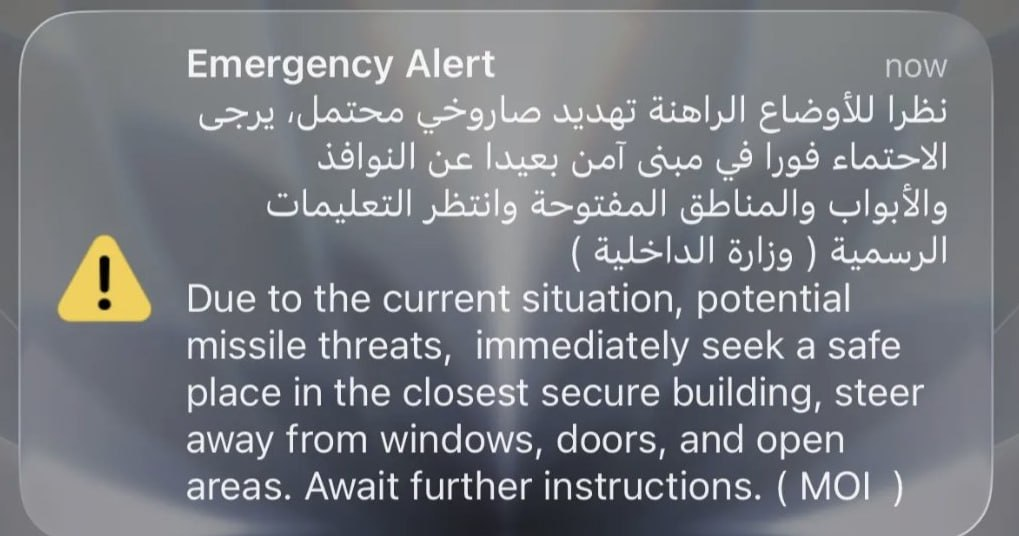
Attacks first began in the afternoon, with residents in the UAE receiving warnings of missile threats as Iran targeted a South Korean ship near the shore, and an all clear was issued around five minutes later claiming the situation was over.
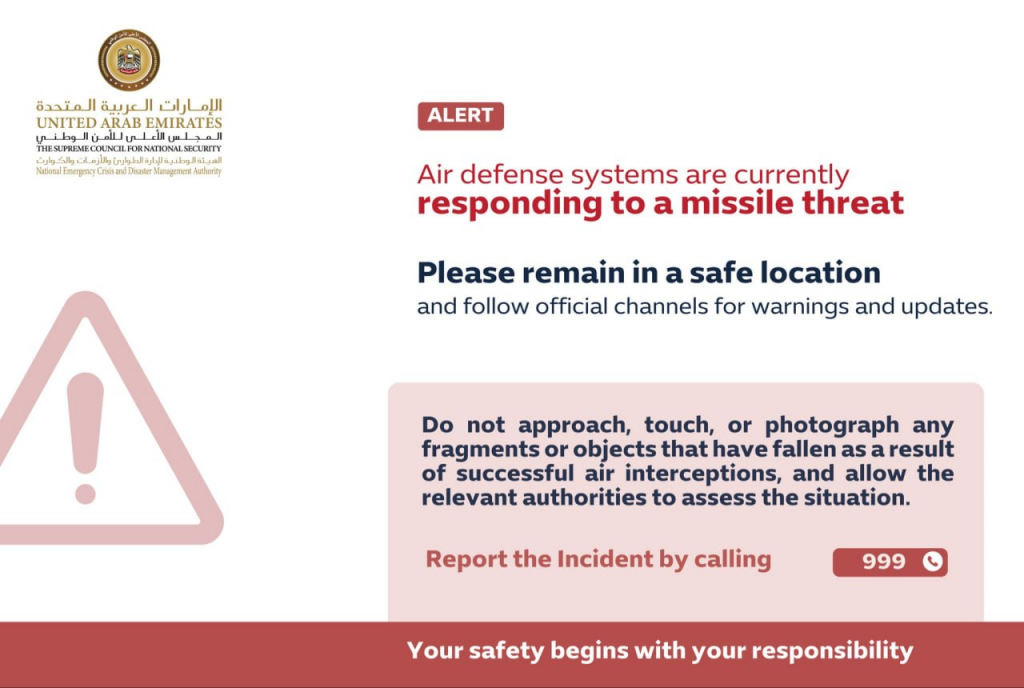
Two hours later and the UAE Ministry of Defence announced they were dealing with a missile threat, advising people to stay in a safe place, and follow warnings and updates on official websites.
Explosions were reported in the UAE which had coincided with the activation of the air defences, AlHaq News, while Middle East Observer reported Apache helicopters were flying in the UAE sky, and War Spectators reported that explosions were heard at the Jebel Ali port in Dubai, and in interception was recorded in downtown Dubai.
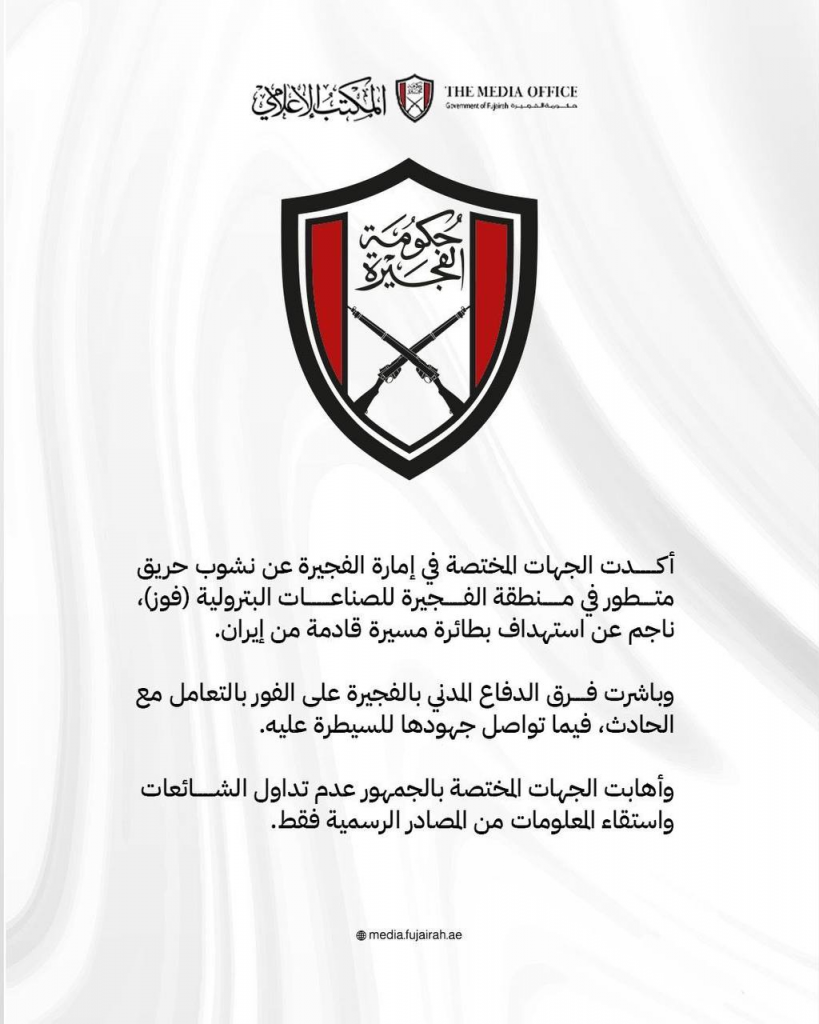
UAE published an official statement shortly after stating that drones had targeted and impacted at the Fujairah Petroleum Industry Zone and fires had broken out as a result.
Around 30 minutes after the statement was published, alerts were published across the UAE, while air defences were activated, leading to explosions heard in Jumeirah, Al-Sharja, and near Bujaira corniche in Sharjah.
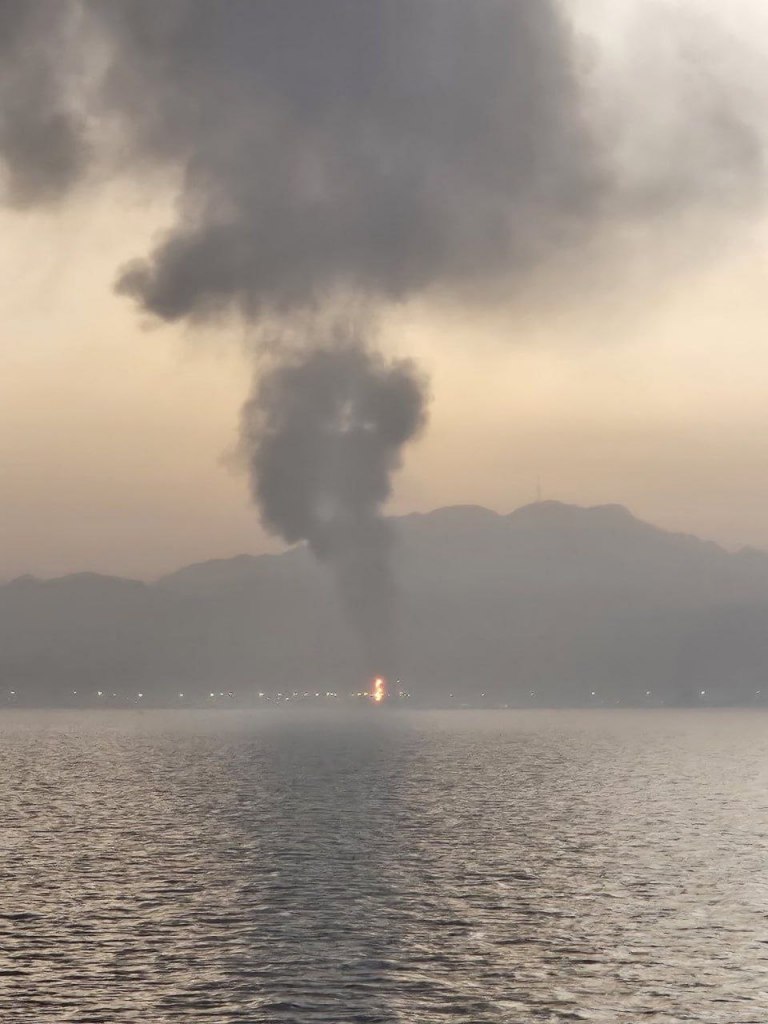
Images were beginning to be shared allegedly showing the outbreak of the fire at the Fujairah port, with some sources claiming it was hit by missiles and others claiming it was hit by drones, while three Indian nationals were confirmed to be moderately injured.
Video footage shared from a ship near the Fujairah oil facility in the UAE captured a blaze that had resulted from drone attacks on the facility, which the UAE had claimed had been shot down.
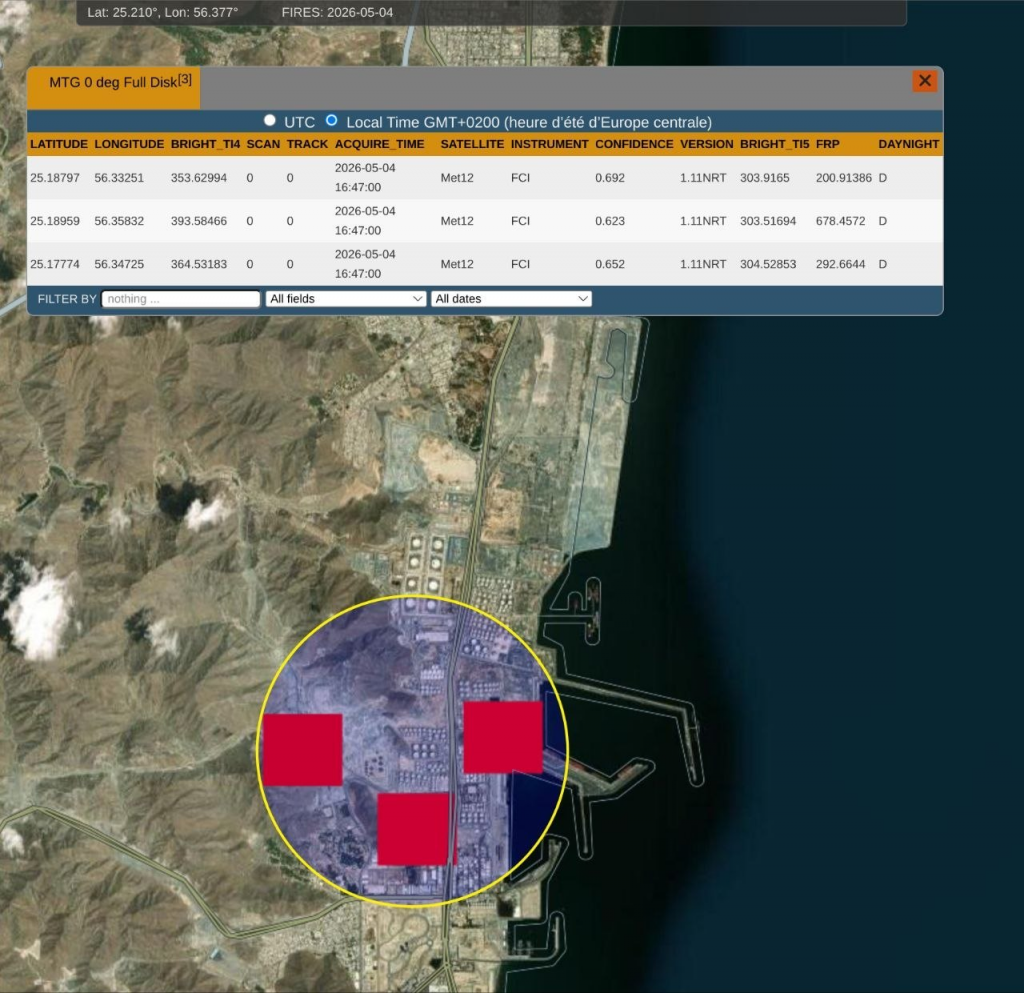
While the UAE claimed that Iran attacked its oil facilities in the port of Fujairah in response to the movements by the USA and their Emirati support, Iran had denied attacking the UAE, Tasnim News reported, while also sharing a NASA Firms image allegedly proving the fire at the Fujairah port.
Footage was shared of an oil tanker on fire near the city of Sharjah following Iran’s barrage of missiles and drones that targeted ships violating the Iranian demands, as well as US assets in the United Arab Emirates.
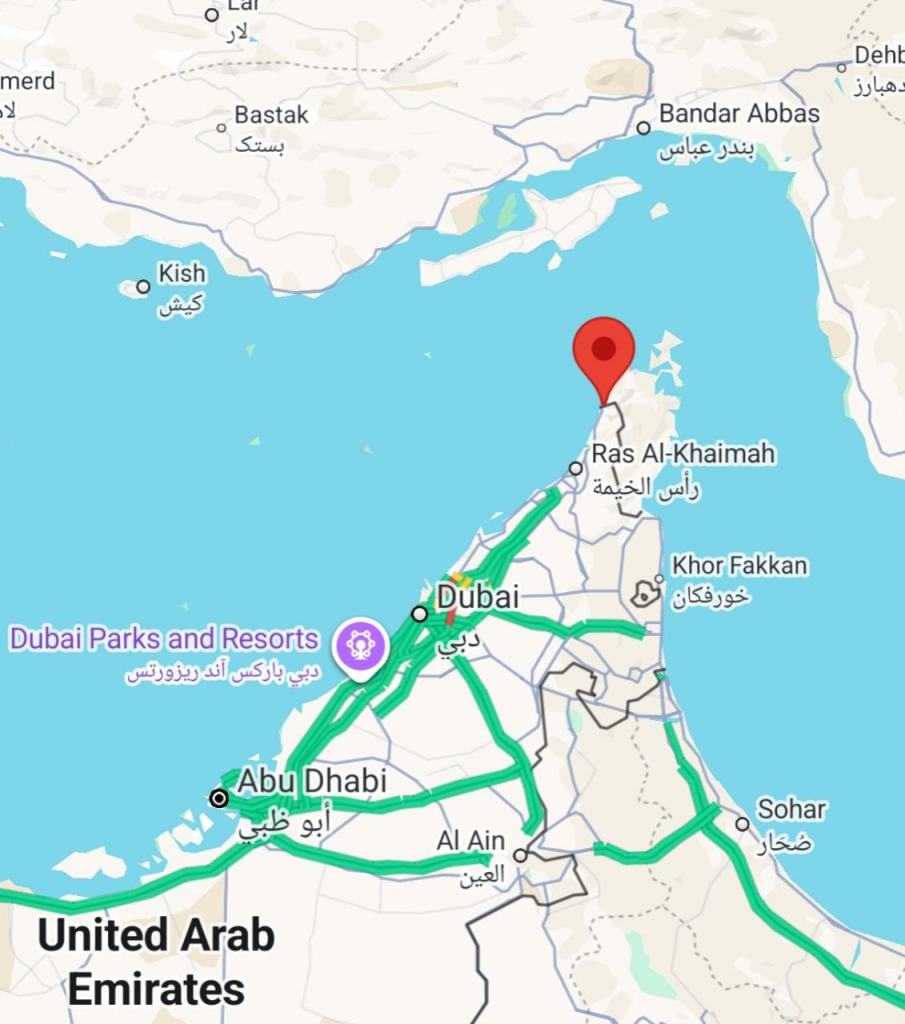
During the afternoon the Oman News Agency was told by a security source that a residential building housing employees of a company in the Tibat area of Bukha were targeted, resulting in moderate injuries to two expatriates, damage to four vehicles, and shattered windows in a neighbouring house: “The relevant authorities are investigating the incident and affirmed their commitment to taking all necessary measures to ensure the safety and security of residents,” they said.
An Israeli air defence system deployed to the UAE was used to intercept an incoming Iranian missile on Monday, reported CNN, stating that Israel had quietly deployed an Iron Dome system along with personnel to operate it at the start of the war with Iran in order to strengthen the country’s air defences.
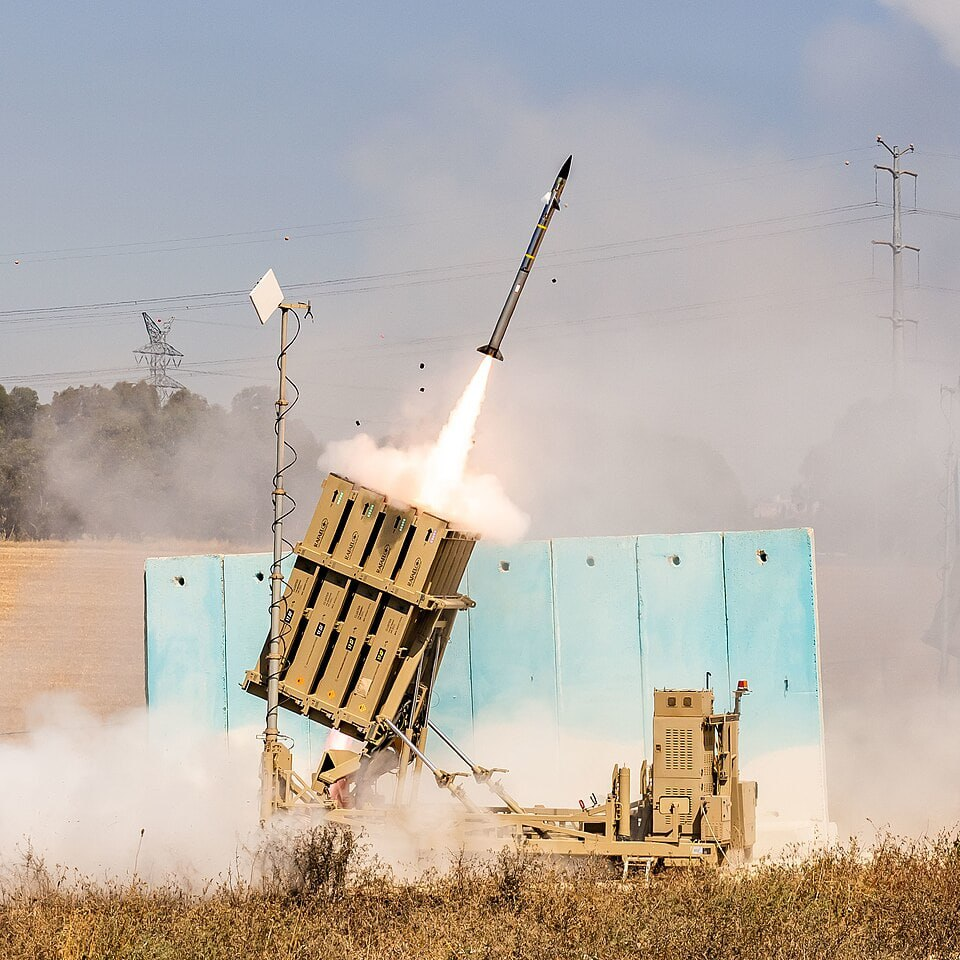
However, Tasnim News later hit back at CNN’s claim on the matter as ‘completely non-expert,’ claiming that Iran hadn’t confirmed firing any missile attack on the UAE, but if the missile had originated from Iran, then logically it must be assumed it was a ballistic or cruise missile, but the Iron Dome is fundamentally not designed for ballistic missiles, and even if a cruise missile had been fired, the Dome was still not built to counter the attack.
Condemnations:
The Qatari Ministry of Affairs reportedly condemned the attack on an Emirati oil tanker affiliated with ADNOC, stating it was targeted using two drones while transiting the Strait of Hormuz, and the statement described the incident as a violation of maritime security.
Qatari Royal Court confirmed a call had taken place between the Emir of Qatar and the UAE President, where the Emir condemned the attacks by Iran on civilian sites in the UAE.
UAE’s Foreign Ministry also condemned the attack on an Abu Dhabi National Oil Company ship in the Strait of Hormuz, vowing the right to respond.
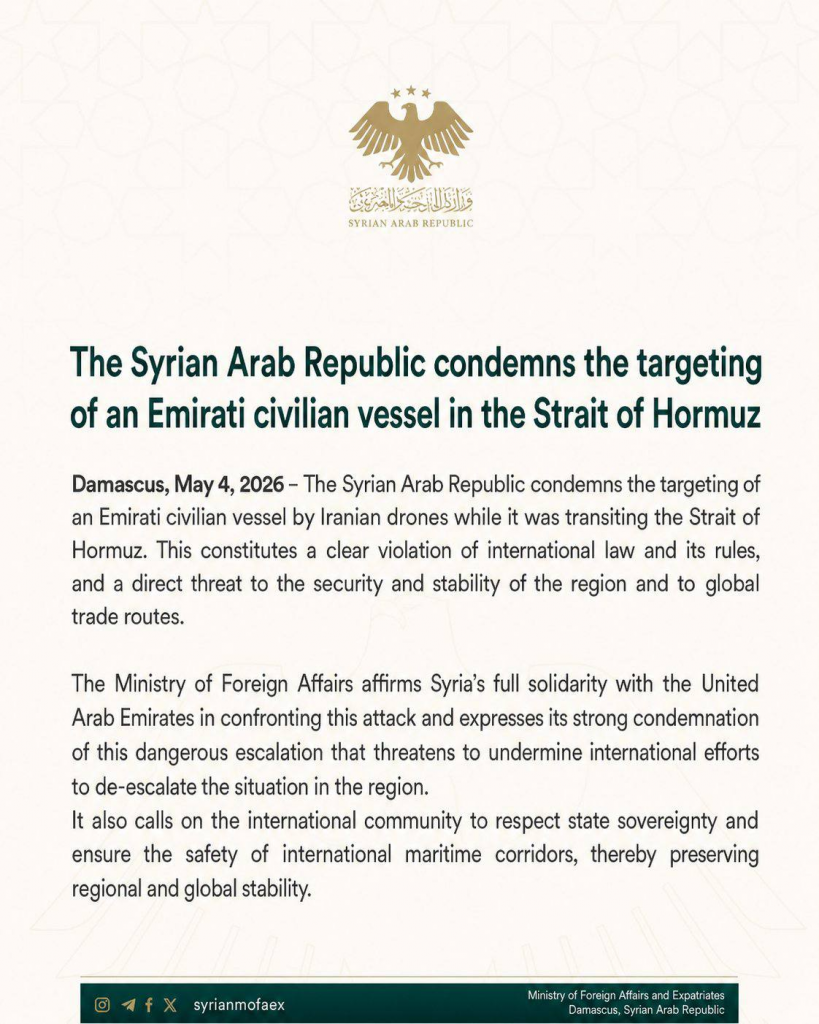
Jordan’s Ministry of Foreign Affairs condemned the attacks, describing them as a blatant violation of sovereignty, a dangerous escalation, as well as a threat to its security, stability and territorial integrity, and the Secretary-General of the Arab League Ahmed Aboul Gheit also condemned the attacks, along with Syria, Bahrain, and Egypt.
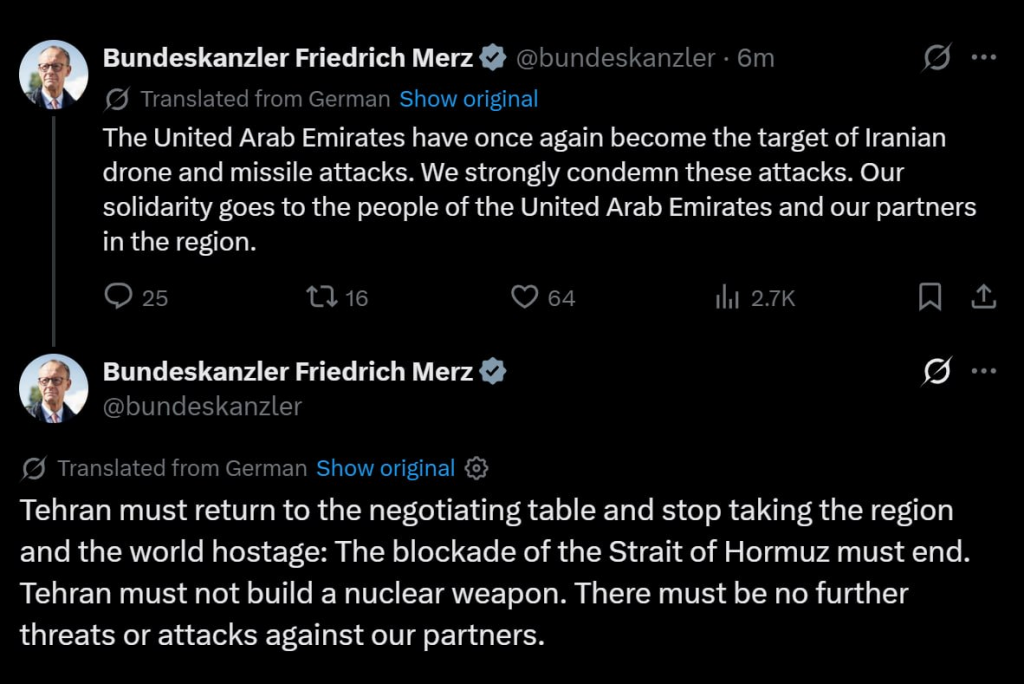
German Chancellor Friedrich Merz said the United Arab Emirates had once again become the target of Iranian drone and missile attacks, which Germany strongly condemned: “Our solidarity goes out to the people of the United Arab Emirates and our partners in the region,” he wrote on X: “Tehran must return to the negotiating table and stop taking the region and the world hostage, the blockade of the Strait of Hormuz must end, [and] Tehran must not build a nuclear weapon,” adding that there must be no further threats or attacks against partners.
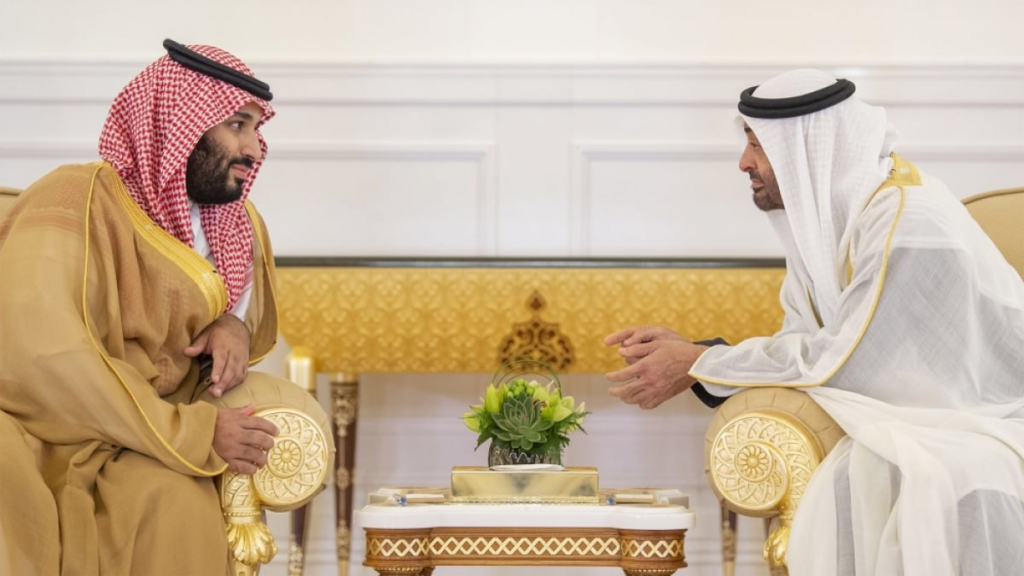
Saudi Crown Prince Mohammed bin Salman spoke with the UAE President Mohammed bin Zayed by phone, expressing strong condemnation for the strikes, denouncing the strikes as unjustified and reaffirmed Riyadh’s support for the UAE ‘in its defence of its security and stability.’
Canada also condemned the unprovoked missile and drone attacks launched by Iran against the United Arab Emirates, Mark Carney wrote on X, adding that Canada stood in solidarity with Mohamed bin Zayed and the people of the UAE, commending the efforts made to protect civilians and infrastructure, while reiterating that Canada called for de-escalation and diplomacy in the region.
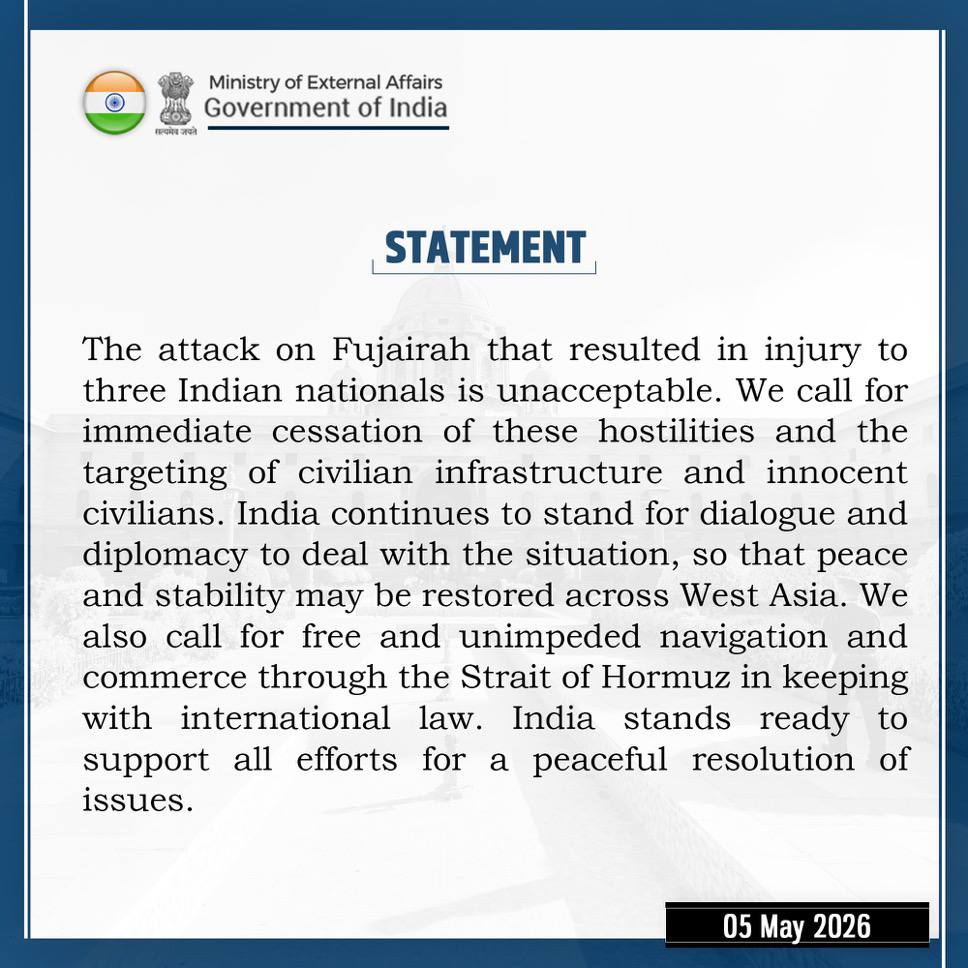
India published a statement that condemned the attack in Fujairah that injured three Indian nationals, calling it unacceptable and urging for an immediate end to hostilities, as New Delhi stressed the need for safe navigation through the Strait of Hormuz.
Pakistan’s Prime Minister Shehbaz Sharif condemned the attacks on X, stating thathe expressed full solidary with Mohamed Bin Zayed, and Pakistan stood firmly with their Emirati brothers and sisters as well as the Government of the UAE at this difficult time, adding that its absolutely essential that the ceasefire be upheld and respected, to allow necessary diplomatic space for dialogue leading to enduring peace and stability in the region.
Possible Escalation?
Israeli Channel 12 claimed they were told by an Israeli security source that the developments were being monitored and prepared defensively and, if necessary, offensively: “At the moment there is no change to Home Front Command instructions, if there is a change we will update the public,” he said.
Several countries began raising their alert levels following the alleged Iranian attacks on the UAE, with Israel, Kuwait, Qatar and Bahrain all announcing an heightened alert, while the UAE declared a state of emergency following several attacks throughout the afternoon.
An official source in the United Arab Emirates allegedly told CNN that a combined Israeli-US attack on Iran was expected within the next 24 hours, while the Emirati media were reporting that the UAE was preparing a severe retaliatory strike against Iran following the attacks, warning of ‘harsh revenge.’
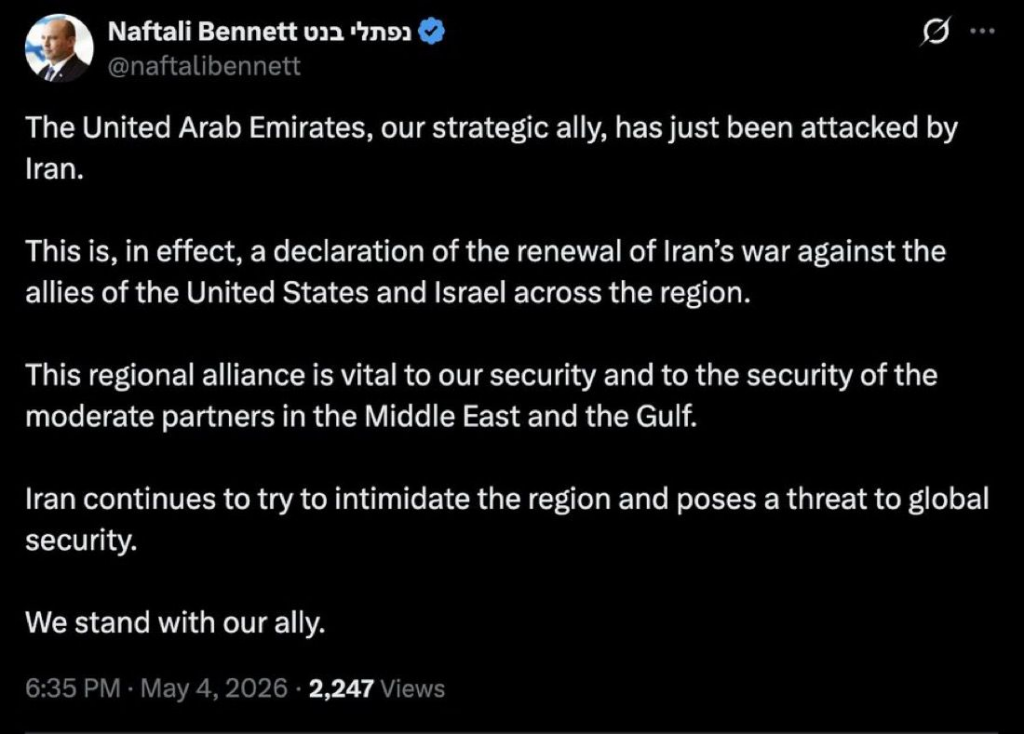
Former Israeli Prime Minister Naftali Bennett wrote on X that strategic ally UAE had been attacked by Iran, which was allegedly an acknowledgement of the resumption of Iran’s war against allies, and Israel stood by their allies.
Chairman of the UAE Defence Committee Ali Al Muaimi told his Israeli counterpart Boaz Bismuth that the Emirates would strike Iran in response to the attack: “We cannot remain silent about the launches,” he said, according to Kan News.
Diplomatic advisor to the President of the United Emirates Anwar Gargash said: “The dangerous Iranian escalation and the attack on civilians are nothing but moral bankruptcy of a regime that has chosen aggression as a way of acting towards its neighbours,” reported N12, stating that the firm and principled stance of the United Arab Emirates would not be deterred by escalation, nor would it allow it to shape the future relations in the region: “Once again, Iran has made a mistake in its target,” he added.
Tasnim News was told by an Iranian military source that if the UAE takes any irrational action, all its interests would become a target for Iran, claiming that the UAE realised it was sitting in a very fragile and vulnerable glass house, and the lack of security (including that provided by the US and Israel) posed a deadly threat to it.
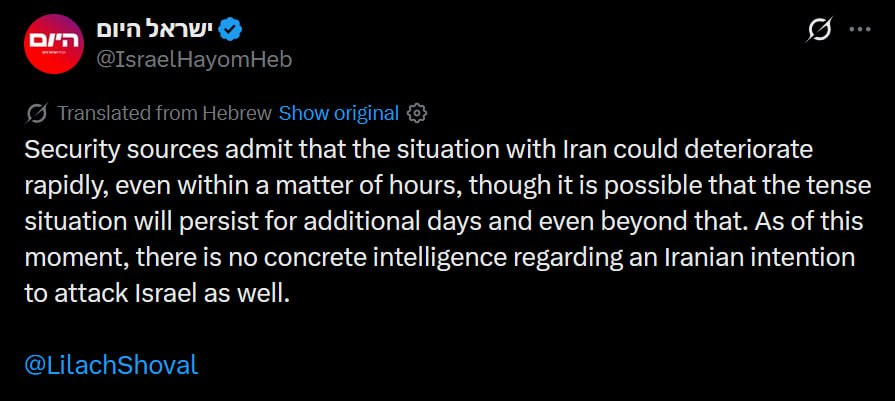
Israel intelligence assessed that the US-Iran ceasefire was going to collapse within the coming hours, but there wasn’t any indication that Iran was preparing to target Israel in the future, but despite this, Home Front Command had opened all shelters in the country in preparedness.
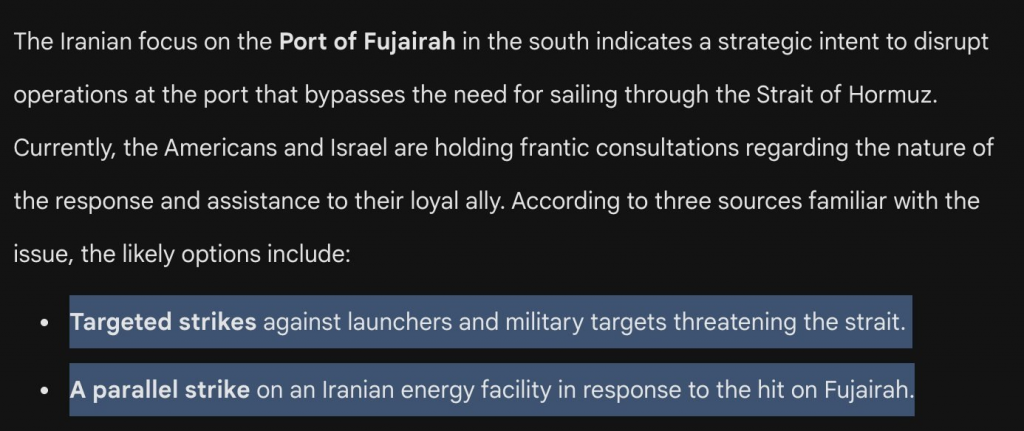
Another report by Israel Hayom suggested the US and Israel were considering hitting Iranian missile launchers and an energy facility in response to the Iranian attack in the UAE.
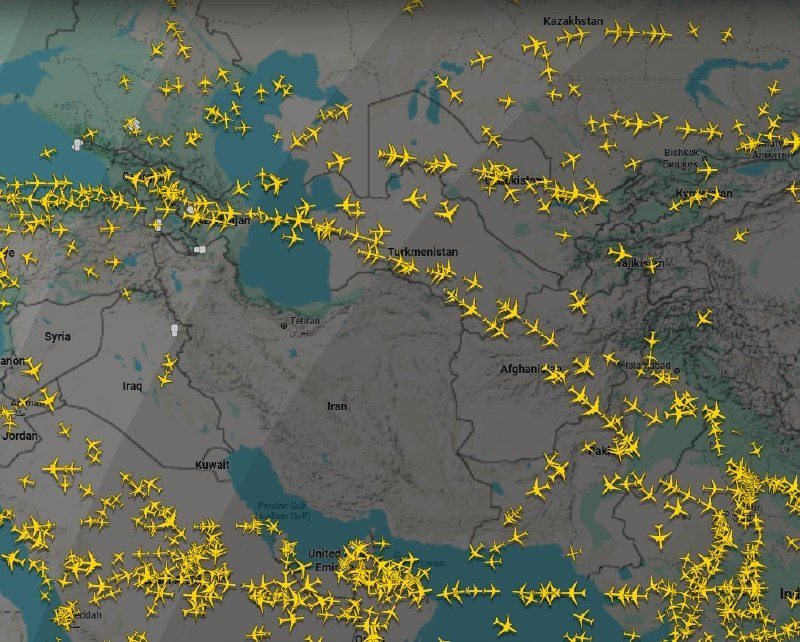
Walla reported that ‘the United Arab Emirates and Saudi Arabia pressured President Trump to renew the war over the past week,’ while Israeli Channel 12 stated the Israeli Army and Mossad were urging the political level to resume the war with Iran, and Channel 14 was told by Senior Israeli Official Hillel Bitton Rosen that Israel were ready to return to fighting and were waiting for the green light from the USA, as N12 published a FlightRadar24 image showing Iran’s airspace clear of traffic which was often the case at night prior to the war.
Meanwhile, the UAE had also closed their airspace, as N12 reported a plane with Israelis that was on route from Tel Aviv to Dubai had landed in Oman, refuelled and was transferred to Sharjah Airport in the Emirates.
News from Iran:
Pakistan said it had facilitated the transfer of the 22 Iranian crew members who were aboard the seized container ship ‘Touska’ who were flown in and are set to be handed over to the Iranian authorities, confirming the vessel will be moved to Pakistani waters for return after repairs, as part of coordinated confidence-building efforts involving the US and Iran.
Ministry of Foreign Affairs spokesperson Esmaeil Baghaei said that Iran have always welcomed any constructive role played by European countries in issues that can be somehow related to security to the region, claiming some EU parties had realised the fact that absolute dependence on American policies was not in the interest of peace and security, noting the division of Iran’s plan into stages was merely an act carried out by some media outlets, while adding that it was time for some countries of the region to engage in dialogue to a self-security mechanism and draw lessons from the events of recent months.
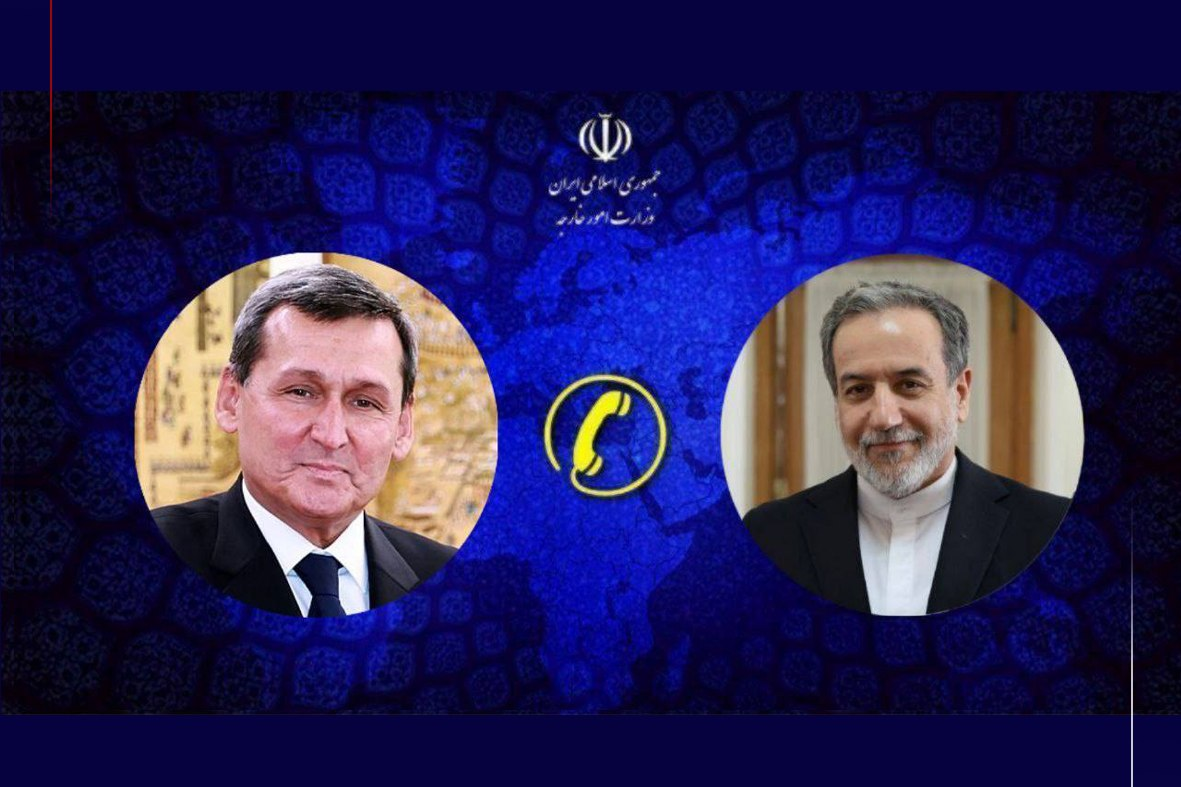
Foreign Minister Abbas Araghchi was still ringing up counterparts around the world seeking to assure them of the latest regional and international issues, which on Monday included calls with the Foreign Minister of Turkmenistan Rashid Meredov, and Algeria’s Minister of Foreign Affairs Ahmed Attaf, where Araghchi informed them of the latest developments to end the war.
Araghchi is due to fly to Beijing in the coming days for an official visit, where the Foreign Minister will meet with Chinese Foreign Minister Yi to discuss bilateral relations in addition to regional and international developments.
News from USA:
US Central Command boss Admiral Brad Cooper flew over regional waters in and near the Strait of Hormuz in an AH-64 Apache helicopter on May 3, the eve of the US military support for Project Freedom, interacting with US Army Soldiers following a visit with Sailors and Marines on Saturday aboard two US Navy warships patrolling the Arabian Sea.
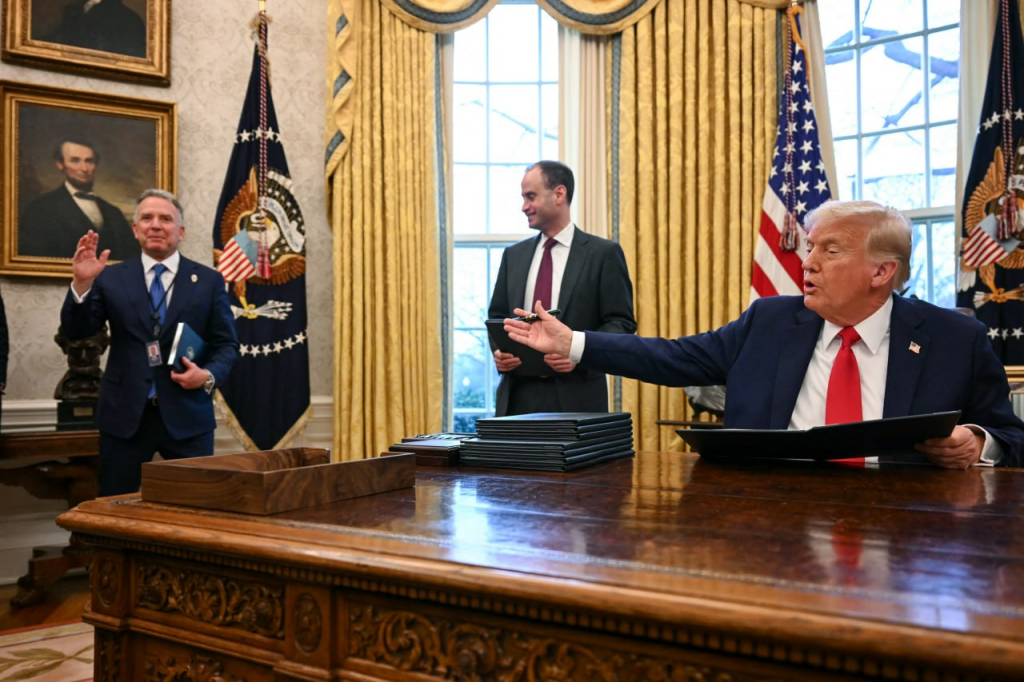
President Trump was said to be fed up with ‘no deal, no war’ stalemate in Iran and was pushing for more action in the Strait of Hormuz, Axios reported: “The president wants action, he doesn’t want to sit still, he wants pressure, he wants a deal,” a US official said, while Axios also claimed Envoy Steve Witkoff had been continuing negotiations with Iran, offering an optimistic assessment about the odds of a deal, although other senior US officials were more pessimistic about the chances of success.
Treasury Secretary Scott Bessent told Fox News he thought the Iranians were starting to believe their own propaganda, claiming the leadership were hunkered down in bunkers: “I don’t think they know what’s going on,” he alleged, stating the attacks from Iran had closed the Strait, and the US were looking to open it: “I would urge the Chinese to join us supporting this international operation,” he added.
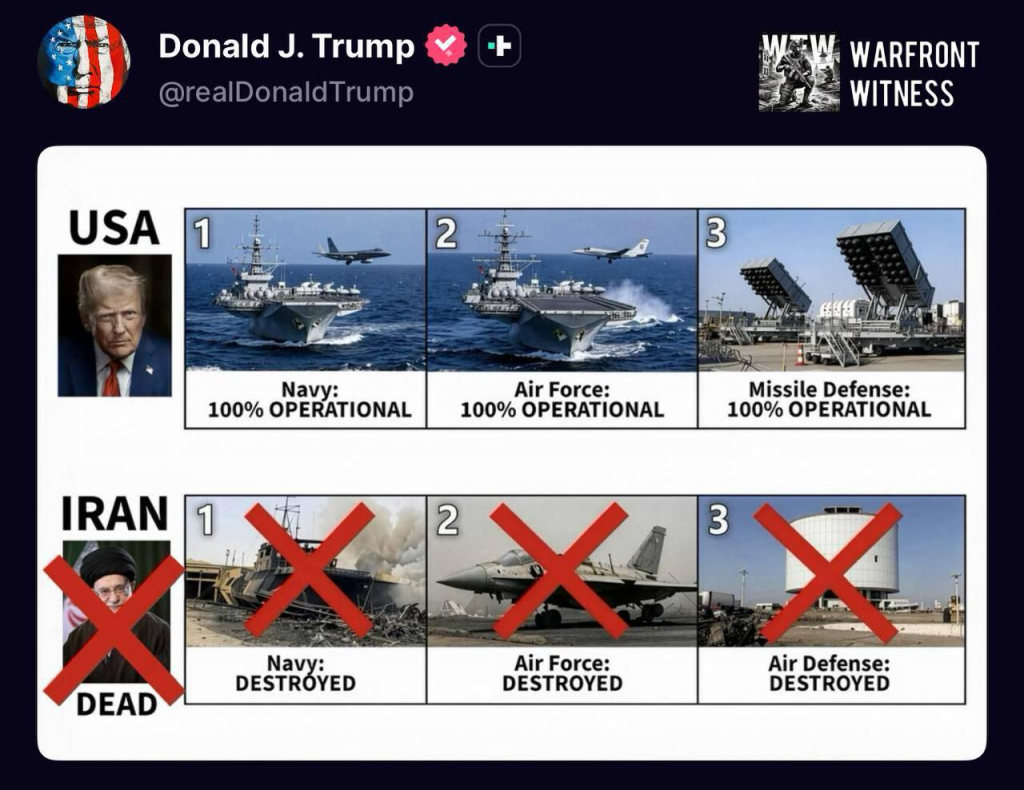
President Trump posted a photo of him and US military assets in the region as 100% operational on Truth Social, while also showing Supreme Leader of Iran Ali Khamenei and Iranian military assets as completely destroyed.

More than $520 billion dollars was erased from the US stock market in just sixty minutes as the market appeared to completely crash following Iran’s attacks on the Strait of Hormuz.
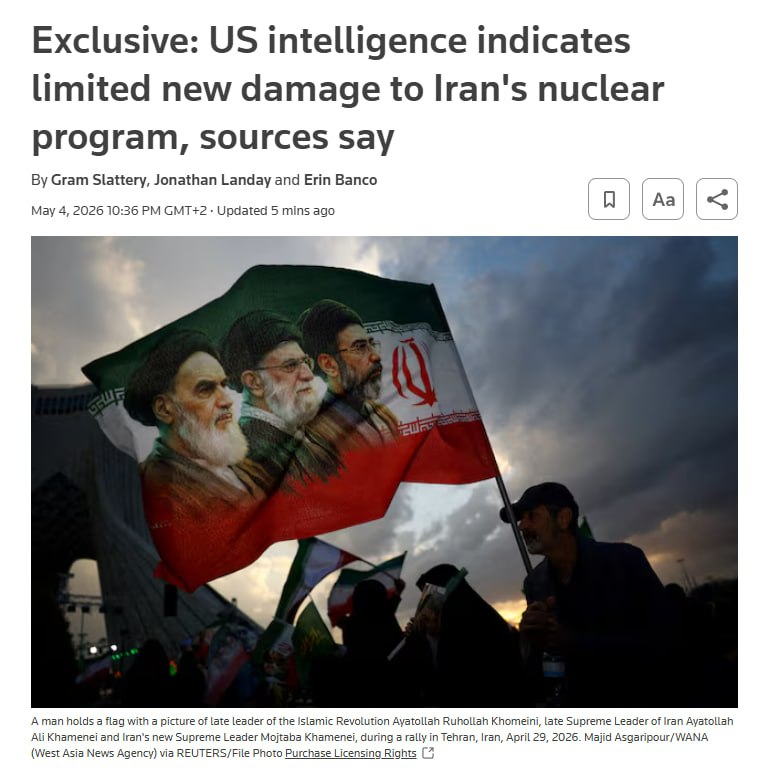
US intelligence said that Iran’s timeline to develop a nuclear weapon had remained largely unchanged since last summer, with estimates suggesting it would take about a year if Tehran chose to pursue one, according to Reuters, adding that despite the large-scale US-Israeli bombing campaigns during the ongoing war, assessments of Iran’s nuclear program remained relatively unchanged.
The US State Department issued a travel warning for the UAE after the alerts on Monday, clarifying that the travel advisory for the country remains at level three, while urging citizens to follow the instructions of the UAE and official channels.
Other News:
Oil prices jumped by around 6% as Iran escalated its attacks on the UAE and ships in the Gulf over the past 24 hours, Reuters reported, marking the most serious escalation since the ceasefire came into effect in early April.
Bahrain have begun revoking citizenships as a punishment that was abolished long ago, according to the Foreign Ministry spokesperson: “The Bahraini Government have revoked the citizenship of several Bahraini citizens, claiming that they sympathised with Iran during the war, without giving them a chance to defend themselves,” he said.
China has ordered its companies to ignore US sanctions in an unprecedented act of defiance that threatens to put a broad banking sector in the line of fire as tensions escalate between the world’s two largest economies, Bloomberg reported.
Egyptian government statistics have shown the country lost around $10 billion of revenue from Suez Canal tolls due to the ‘suboptimal conditions’ at the Bab el-Mandeb Strait, claiming there was nothing that could be done to resolve the situation other than the reopening of the Strait of Hormuz.
French President Emmanuel Macron said on Monday that France were trusted by the US, but were also respected and trusted by the Iranians: “We can provide services from the diplomatic, military, economic and financial sides in order to facilitate a reopening of the Hormuz Strait,” he said.
German Foreign Minister Johann Wadephul said that Germany fully supported the American negotiation position: “There is no justification for Iran blocking the Strait of Hormuz, they must reopen it,” he said.
Israeli iNews24 reported that if the enriched uranium isn’t removed from Iran, the recent war would be recorded as a failure, claiming a senior Israeli official confirmed that the final outcome of the war depends on the fate of the enriched stockpile – if these materials are not removed from Iran, the entire operation would be considered ‘a major failure.’
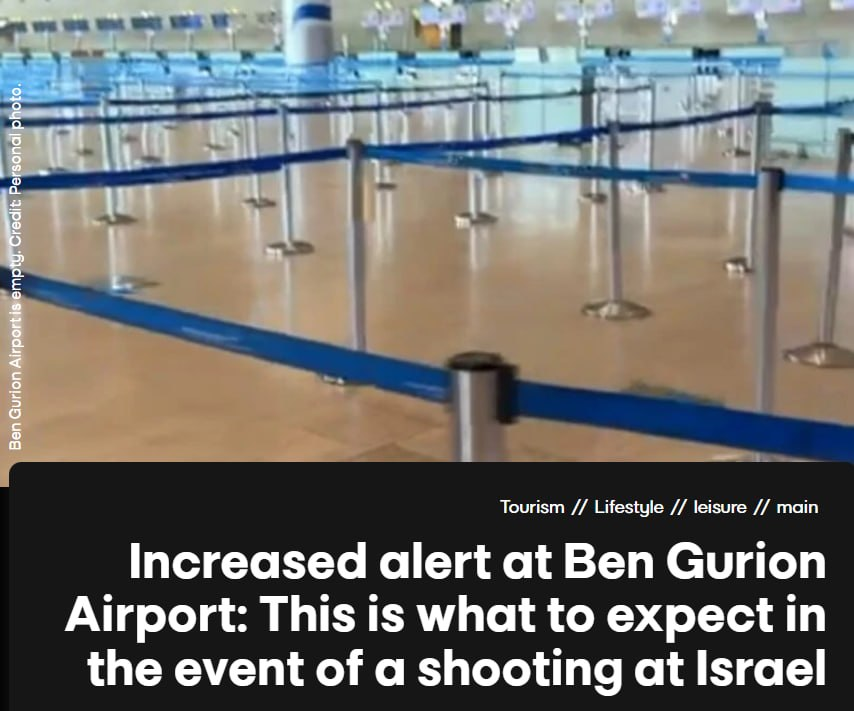
Ben Gurion Airport in Israel went on high alert in preparation for a possible closure of Israeli airspace and the evacuation of aircraft, according to Channel 14, adding that The Airport Authority and the Ministry of Transportation had conducted the situation assessments throughout the day.
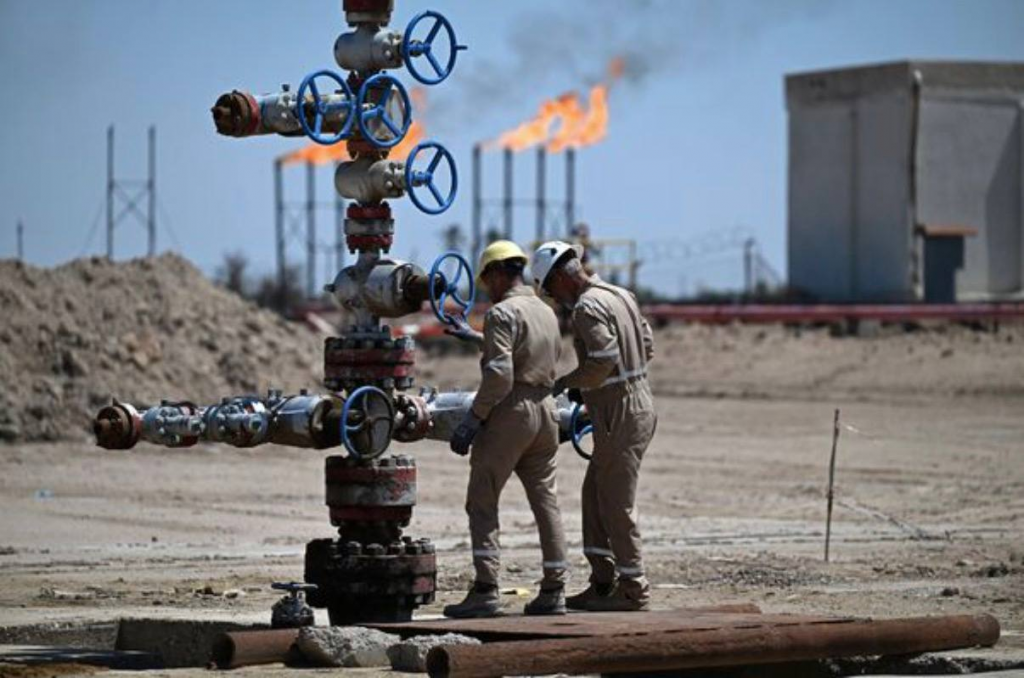
Iraq have slashed oil prices for buyers willing to send tankers through the Strait of Hormuz, in a move aimed at sustaining exports despite ongoing security risks, reported Bloomberg, claiming that discounts have been offered of almost $34 per barrel on its Basrah Medium crude to incentivise shipments through the waterway.
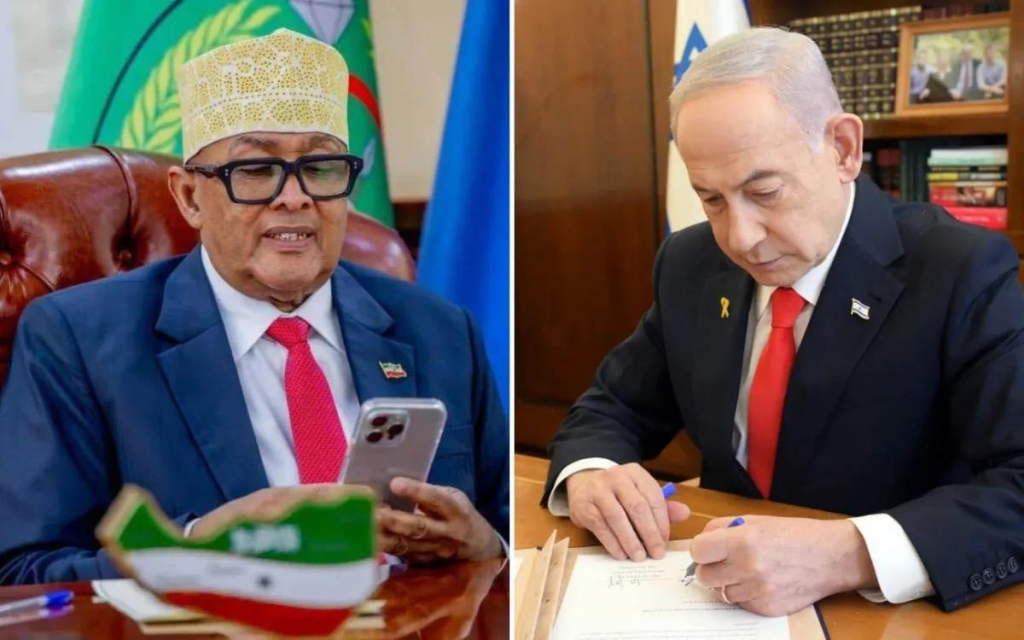
Somaliland are ready to cooperate with Israel against Yemen’s Houthis (Ansarullah), reported Channel 12 Israel, claiming a senior official from Somaliland said the self-declared state that unilaterally separated from Somalia said that they were ready to work with Israel against potential threats from Yemen towards the strategic Bab al-Mandeb Strait.
The official also claimed that disruption to maritime security could push Somaliland to elevate ties with Israel to the level of ‘security alliance,’ noting that it already cooperated with partners such as the US and UAE at the port of Berbera, adding that a similar partnership with Israel was also possible.
South Korea’s presidential office held a meeting led by Chief of Staff Kang Hoon-sik to review the ship fire incident in the Strait of Hormuz and discuss response measures, which was attended by officials from crisis management, foreign policy, and maritime agencies to assess the situation and coordinate the next steps.
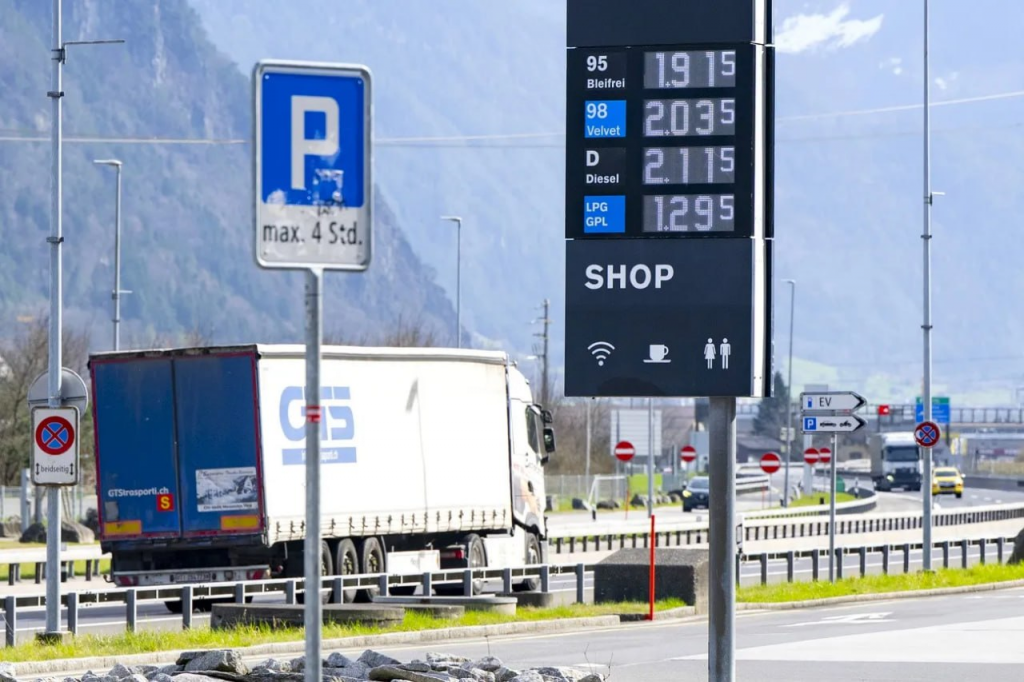
Switzerland are facing an energy collapse as the US blockade of Iran paralyzes global markets, reported the Secretary-General of the Swiss Commodities trade association, Suissenegoce, warning on Monday that the risk of fuel shortages had reached a critical level, while Florence Schurch noted the situation was becoming increasingly complicated as strategic reserves in multiple nations began to run dry this month.