 AJ
AJ
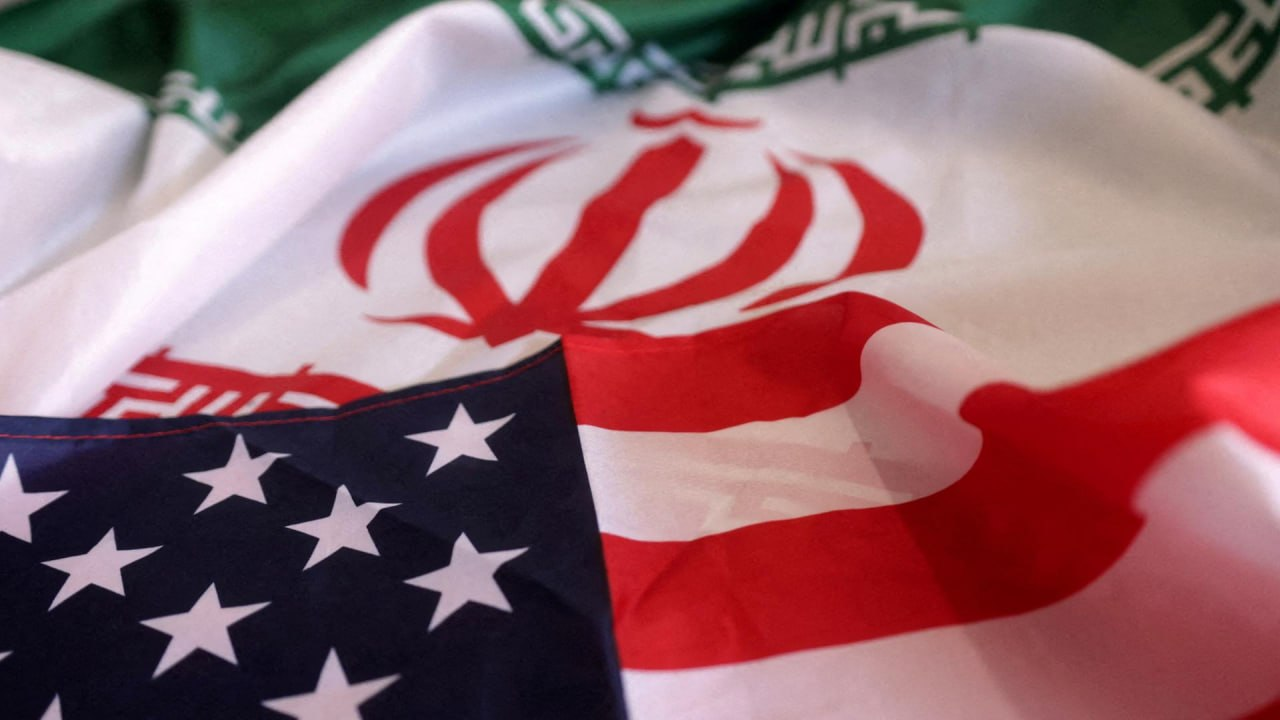
Iranian negotiators headed by Parliament Speaker Mohammad Bagher Ghalibaf met with a United States delegation headed by JD Vance in April 2026, hosted in Islamabad by Pakistani mediators including Prime Minister Shehbaz Sharif, Foreign Minister Ishaq Dar and Field Marshal General Asim Munir, discussing an end to a war that eventually led to a ceasefire.
During the talks, several conditions were asked for a ceasefire to be implemented, including the cessation of all hostilities by Israel in Lebanon, which meant that Israel would be restricted from attacking Hezbollah and no fire would be exchanged between the two.
Israel immediately sought changes to the ceasefire agreement following a hasty telephone call from Prime Minister Benjamin Netanyahu’s regime, asking that Lebanon not be included in the ceasefire at all, eventually getting that promise as the US woke up, and launched several simultaneous aerial attacks across Lebanon that resulted in hundreds of deaths and more than a thousand casualties.
Hardly any condemnations came from the attacks, with only France, Spain and Turkey prepared to initially speak out, but rather than solving what was happening in Lebanon itself, the rhetoric exchanged appeared to be a ploy by Israel to distract from what was taking place inside southern Lebanon.
The Iranians had witnessed what had happened in Lebanon, not only issuing condemnation, but hours after Iranian Foreign Minister Abbas Araghchi had published an X post declaring the Strait of Hormuz had been reopened for transit (subject to tolls), the IRGC closed the Strait again, citing the mass murder of civilians in Lebanon and Israel continuing to attack despite a ceasefire.
President Donald Trump wasn’t too happy that the IRGC had reclosed the Strait, as this occurred moments after a Truth Social had been published claiming a deal had been worked out, meaning they were back to square one, so the President ordered Central Command to move their ships into place to blockade Iranian ships.
Overall, this led to a complete blockade in the Strait of Hormuz which has continued for around 22 days, and is likely to continue for at least a month to two months, unless the US decide to commit any further attacks, which they allege can happen, thanks to a loophole with the ceasefire allowing the War Powers Resolution clock of 60-days to be reset under a new military operation.
Israel continued monitoring Hezbollah positions using drones and other means, calling in aerial attacks to target multiple members, in violation of the ceasefire, and although Hezbollah initially held off retaliating, as they did when the US-Iran ceasefire was announced, Israel attacked again and again, leading to retaliatory strikes on Israeli positions.
What’s been evident is that multiple Lebanese civilians are still killed and injured each day during the strikes taking place by Israel, on motorcycles, on vehicles, on houses and alleged stronghold, the retaliation by Hezbollah has only been against Israeli troops operating in southern Lebanon, causing multiple fatalities and hundreds of casualties, along with multiple ’emergency situations’ requiring helicopter evacuations to hospitals in northern Israel.