 AJ
AJ
Recap from the fourth day of the ceasefire, which includes what happened at the negotiations in Islamabad, Pakistan, as well as the ongoing conflict between Hezbollah and Israel, along with other major news from day four.
Ceasefire Talks:

Ahead of the scheduled talks taking place, President Donald Trump spoke with reporters, who asked whether Trump was going to allow Iran to toll the Strait of Hormuz, to which the President said the US were not going to let them do it, and when asked what a good deal looked like, Trump replied that no nuclear weapons is number one, because there had already been a regime change.
Iranian Parliament Speaker Mohammad Bagher Ghalibaf said in Islamabad that experiences in negotiating with the Americans had always been accompanied by failure and breach of commitments, as twice within less than a year, during the middle of negotiations – despite the goodwill of the Iranian side – they attacked Iran and committed multiple war crimes, noting that lack of trust runs deep ahead of the talks.
Tasnim News said the delegation for Iran includes Foreign Minister Abbas Araghchi, Parliament Speaker Mohammed Bagher Ghalibaf, Secretary of the Supreme National Security Council Mohammed Bagher Zolghadr, Foreign Ministry Spokesman Esmaeil Baghaei, and Deputy Foreign Minister Kazim Gharibabadi, adding that the participation of Zolghadr indicates top IRGC commanders wanted direct representation during the meetings, unlike the previous rounds of negotiations.
According to Tasnim and NYT, the American delegation had around 300 members, including Special Envoy Steve Witkoff, Jared Kushner, Vice President JD Vance, Andy Baker (Vance’s national security adviser), Michael Vance (special adviser to the vice president for Asian affairs), and a variety of subject matter experts, while the Iranian delegation had around 70 members, including 20 main negotiators, noting that Iran had also taken along IRGC General Ali Akbar Ahmadian in case Centcom Commander Brad Cooper participated in negotiations.
Vice President JD Vance was greeted by Pakistani Field Marshal Asim Munir, Deputy Prime Minister Mohammad Ishaq Dar, and Interior Minister Mohsin Navqi upon arriving in Islamabad on Saturday morning local time for talks with Iran.
High stakes negotiations on Saturday were expected to begin indirectly before shifting to direct talks later in the day, with officials saying both sides would likely first agree on the agenda through the Pakistani mediators, before moving to the face-to-face discussions as diplomacy progresses, according to CNN.
The Iranian delegation met with Pakistani Prime Minister Shehbaz Sharif on Saturday at 1pm local time while awaiting the arrival of VP JD Vance and the US delegation, reported Tasnim News, stating that Iran would discuss the preconditions needed to begin negotiations, which included a ceasefire in Beirut and reduction of fire in Lebanon, and a release of assets currently held.
Iranian news began to share a Reuters report that said the United States had agreed to release Iran’s frozen assets held in Qatar and other foreign banks, quoting a source who requested anonymity due to the sensitivity of the talks, who said Tehran views the decision as a ‘test of goodwill and a sign of seriousness’ from Washington in pursuing a durable peace agreement, however, this was later disputed by several sources who claimed no such deal had been made.
According to Tasnim News, Iranian officials held intensive consultations with Pakistani authorities to compel the United States to fulfil its commitments ahead of possible talks, stating progress had been made, but Israel and Prime Minister Benjamin Netanyahu continued to sabotage efforts to prevent a deal.
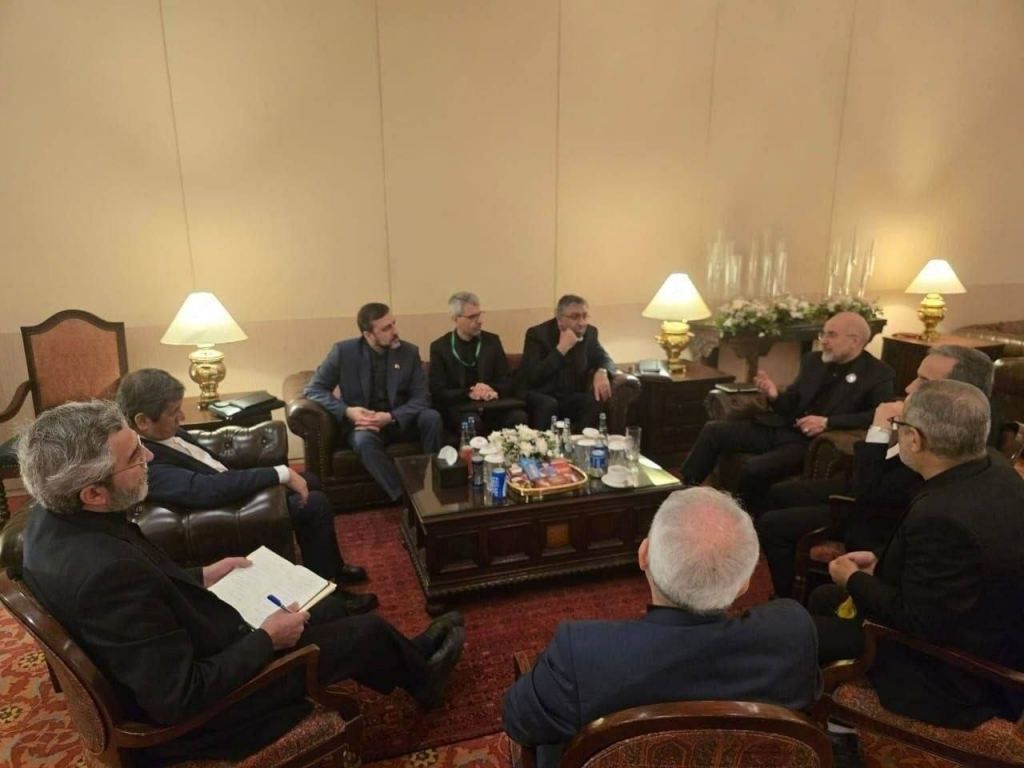
Two major demands had already been accepted by the United States as pre-conditions, as Pakistan was informed Iranian assets would be unfrozen and a ceasefire in Lebanon would be maintained, a Pakistani official quoted in local media, but CBS stated a senior US official denied reports Washington had agreed to unfreeze assets, telling reporters that no agreements had been discussed, and a White House official later told Reuters the same.
After the talks between the Iranians and the Pakistani PM, VP JD Vance held a bilateral meeting with Sharif, which had delayed any negotiations between Iran and the US taking place so far, and no agreements had yet been discussed.
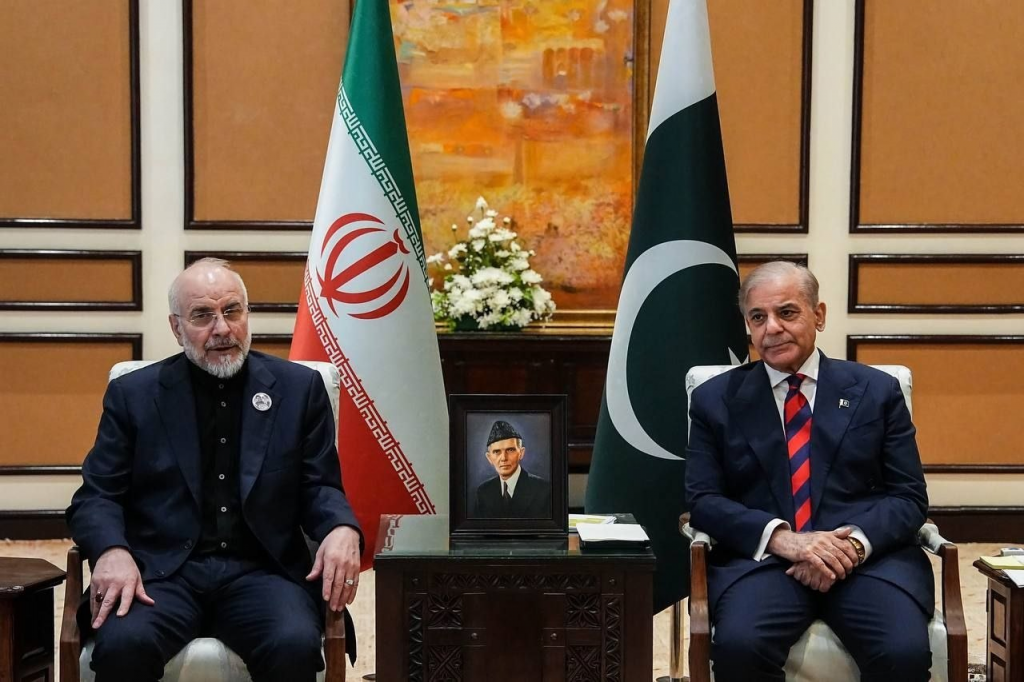
Following the behind-closed-doors talks with the Pakistani PM, Iran conveyed its red lines to mediators ahead of the talks, reported IRIB News, which included control and sovereignty over the Strait of Hormuz, receiving war reparations, securing the release of frozen assets, and achieving a comprehensive, lasting ceasefire across the entire region – Tehran insisted these demands must be met before any final deal.
Due to the belief that two of the requests had been adhered to by the United States, including the unfrozen assets and the ceasefire in Lebanon, the trilateral talks between Iran, the US, and Pakistan had begun in Islamabad, a Pakistani source told Reuters.
The trilateral talks in Islamabad took place between Witkoff, Vance, Kushner, Ghalibaf, Araghchi, and Pakistan’s Army Chief, according to Reuters, citing a Pakistani source, while Tasnim News reported the talks had entered the ‘expert phase’ and members of the Iranian delegation’s specialised committees were set to join the negotiation venue.
After two hours of trilateral talks, the delegation paused for a break, reported Reuters, as Tasnim noted that following the initial exchanges, the US and Iran delegations had moved past general positions and were engaging in detailed, technical discussions on ‘several key issues.’
Discussions continued into the evening which included the experts in attendance at one point, as discussions still focused on key issues such as frozen Iranian assets and the establishing of a tangible truce that included Lebanon, reported IRIB, stating Iranian officials warned if the country’s interests were not secured, they were ready to walk away from the talks.
Iran’s news agency Mehr reported that the Americans had agreed to release frozen Iranian funds, while Al Jazeera stated Iran and the US had agreed to limit strikes on Southern Lebanon, however, sources told the channel that an agreement on a full ceasefire in Lebanon had not been reached, and the issue of unblocking the Iranian assets held in Qatar and other foreign banks could be advanced, but Washington was still denying the information, according to the AFP.
After four hours of discussions, at 9:30pm local time, the discussions were still taking place, with expert teams added to the discussions as the talks moved to technical details, and the two delegations took short breaks for consultations, but resumed direct talks and no word of progress had been published at this point.
Talks ended soon after, with the Iranian and American experts and negotiating teams exchanging written texts about the discussed topics and passing messages to each other through a Pakistani mediator, reported Tasnim News, as CNN reported that talks were expected to last well into the night and possibly extend into Sunday, citing a Pakistani source.
Negotiators had reached a deadlock, reported Al Jazeera, citing US media, with one of the main issues being the Strait of Hormuz, in which the US had appeared to acknowledge that tolls would be charged on the Strait, but insisted on sharing responsibility for the security of the Strait, also reported by the FT.
A senior security official claimed to Kan News that the talks in Pakistan remained uncertain, warning that the ceasefire was fragile, and Israel were more pessimistic than optimistic, noting that both Israel and the US were preparing for a possible return to war if the negotiations collapse, (something Israel is pushing for anyway). Although Israel is not directly part of the talks, it has provided key demands to Washington, including removing enriched uranium, dismantling facilities at Fordow, ending Iran’s nuclear program, and separating the Lebanon issue from the Iran track, stating that US officials largely agreed with these positions and had little confidence Iran would compromise.
Two rounds of talks had already been held, and a third was still due to take place, despite the time passing midnight in Islamabad, reported IRIB News, stating that this may be the ‘last efforts’ to see whether Pakistan-mediated talks could bring the two delegations closer, as draft texts were still being exchanged, but the US was still showing an ‘ambitious approach’ similar to past rounds, talking an excessive demands approach, while the shadow of mistrust based on past American behaviour remained.
Although the Trump administration were putting forward unreasonable demands ahead of the third round of talks, as Iran insisted on its demands and conditions to consolidate the military achievements it had gained, however, the third round of talks was still scheduled to take place in the early hours of the morning, aiming to make a final effort to reach an acceptable framework, reported Tasnim News, and a senior White House official told NYT that trilateral in-person negotiations were going to take place soon.
Pakistan’s State media PTV announced that the Iranian and American sides had entered into direct face-to-face talks, with issues surrounding the Strait of Hormuz said to be a major stumbling block, but Axios stated that the Trump administration were considering releasing billions of dollars of frozen assets to Iran as a goodwill gesture.
Fars News Agency said a source close to the Iranian negotiating team said US demands regarding the Strait of Hormuz and several other issues were excessive, adding that Washington expected to achieve through negotiations what it failed to gain during the 40 days of war – including through schemes such as ship insurance, tanker escorts and other military-economic ideas – the Iranian delegation team is determined to protect what the battlefield has achieved.
Iranian Foreign Ministry Spokesman Baghaei said negotiations had been intense and ongoing, with indirect exchanges continuing throughout the day via Pakistani mediation, stating discussions during the previous 24 hours included the Strait of Hormuz, Iran’s nuclear programme, war reparations, sanctions relief, and a complete end to the conflict, stressing that Iran remained committed to defending its national interests, while warning that the success of the diplomatic process depended on the good faith and seriousness of the US as well as respect for Iran’s rights.
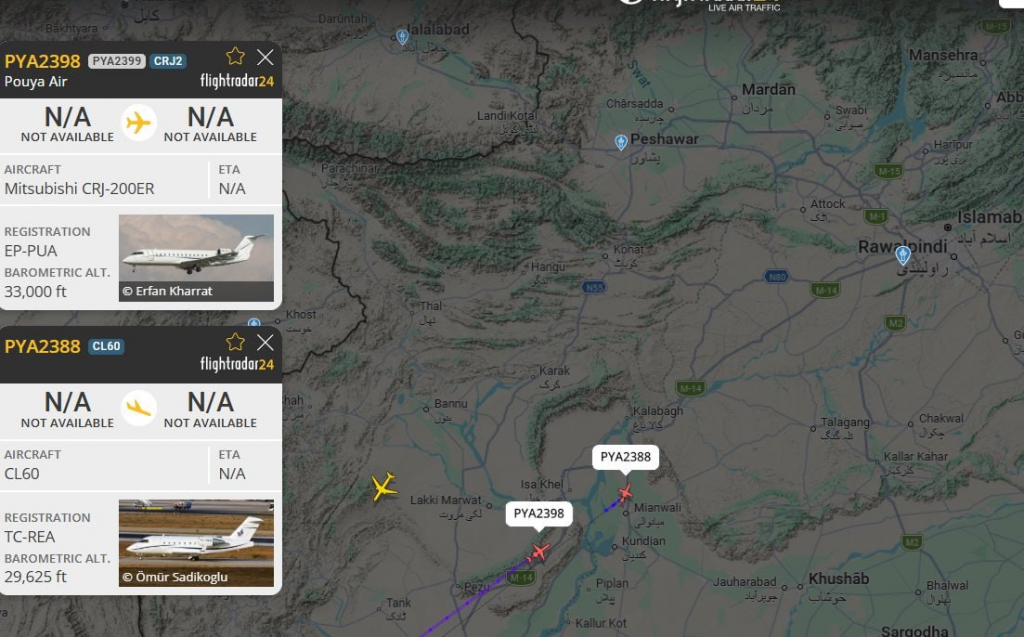
Two Iranian aircraft took off from Tehran and landed at Nur Khan Airbase in Pakistan, which sources claimed were IRGC figures, suggesting that negotiations may have entered a very crucial stage.
An imminent trip of Pakistan’s Prime Minister to Saudi Arabia was announced by the UK iNews network, stating that the emergency trip is regarding the US-Iran negotiations, reported Tasnim News.
Multiple reports began to surface from Tasnim News and Fars News that the talks may be extended for a day, as Al Jazeera reported that Pakistan proposed operating joint patrols of the Strait of Hormuz, while senior members of the IRGC were in Islamabad for consultations with the Iranian delegation, reported CNN.
After more than 14 hours of talks and message exchanges, an announcement was made that Vice President JD Vance was going to make a statement to the press, and 30 minutes later Vance spoke, saying: “We have not reached an agreement after 21 hours of talks with Iran,” adding that: “This is bad news, more so for Iran than America – so we go back to the US not having come to an agreement, they have chosen not to accept our terms.”
When a journalist asked Vance what had been rejected, Vance said: “The simple fact is that we need to see an affirmative commitment that they will not seek a nuclear weapon, and they will not seek the tools that would enable them to quickly achieve a nuclear weapon.”
Reports began to surface from US and Iranian media saying that the American delegation is returning to the United States immediately, no agreement has been made between the US and Iran, and the war will resume.
“It has always seemed unlikely that the US Vice President would be able to reach an agreement with Iran in a single round of negotiations,” reported the New York Times, while a source close to the Iranian delegation told CNN that the US made unacceptable demands over several issues.
The Status of the Strait of Hormuz will remain unchanged until Iran and the United States agree on a ‘common framework’ for negotiations, according to CNN, quoting an Iranian security source, saying the US had excessive demands over the critical shipping route blocked progress towards a shared basis for talks, warning that the strait will remain closed until the US adopts a more realistic approach, reporting that Tehran made clear without an agreed framework, even previously discussed arrangements on limited ship passage will not be implemented, adding that Iran had shown their ability to reinforce restrictions.
Negotiations were conducted between the United States and Iran directly, with participation from Pakistan, as the Pakistani delegation put forward a proposal aimed at regulating the Strait of Hormuz, reported Al Jazeera, noting that a Pakistani source reported the proposal included the implementation of joint patrols in the waterway as part of efforts to ensure stability and safe passage.
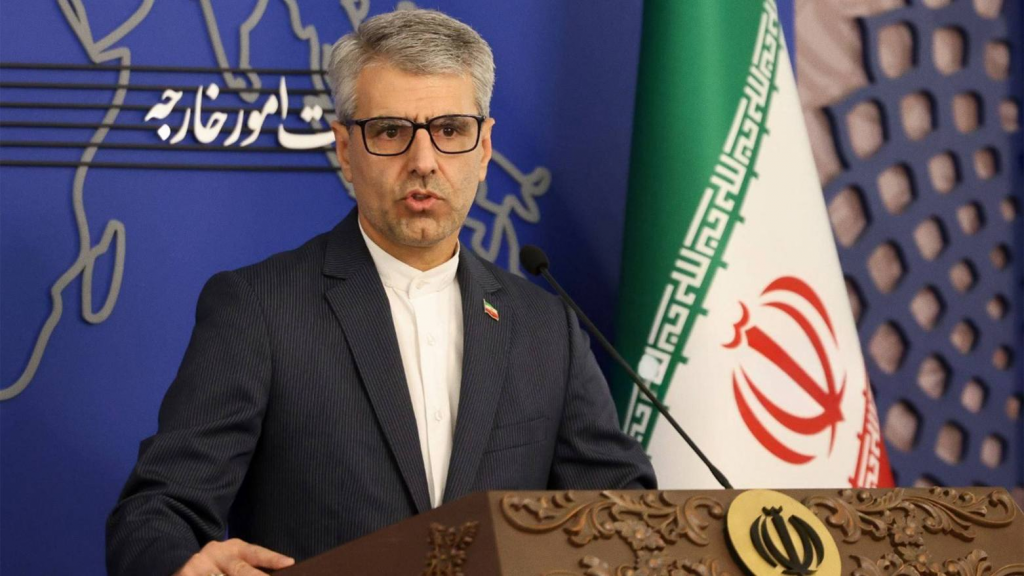
FM Spokesman Baghaei later issued a statement after the talks had ended, saying: “We reached an understanding on a number of issues, but on 2-3 important topics, the views differed and ultimately the talks did not lead to an agreement,” adding that the the negotiations took place after 40 days of imposed war and were conducted in an atmosphere of ‘mistrust and suspicion,’ saying: “It is natural that we should not have expected to reach an agreement in just one session from the start – no one had such an expectation either.”
Pakistan’s Foreign Minister Ishaq Dar issued a statement after VP Vance said talks had failed, expressing gratitude to both sides for recognising Pakistan’s role in helping achieve the ceasefire, adding that it is imperative that the ceasefire holds and urged continued dialogue, stating that Pakistan will keep facilitating dialogue between both sides.
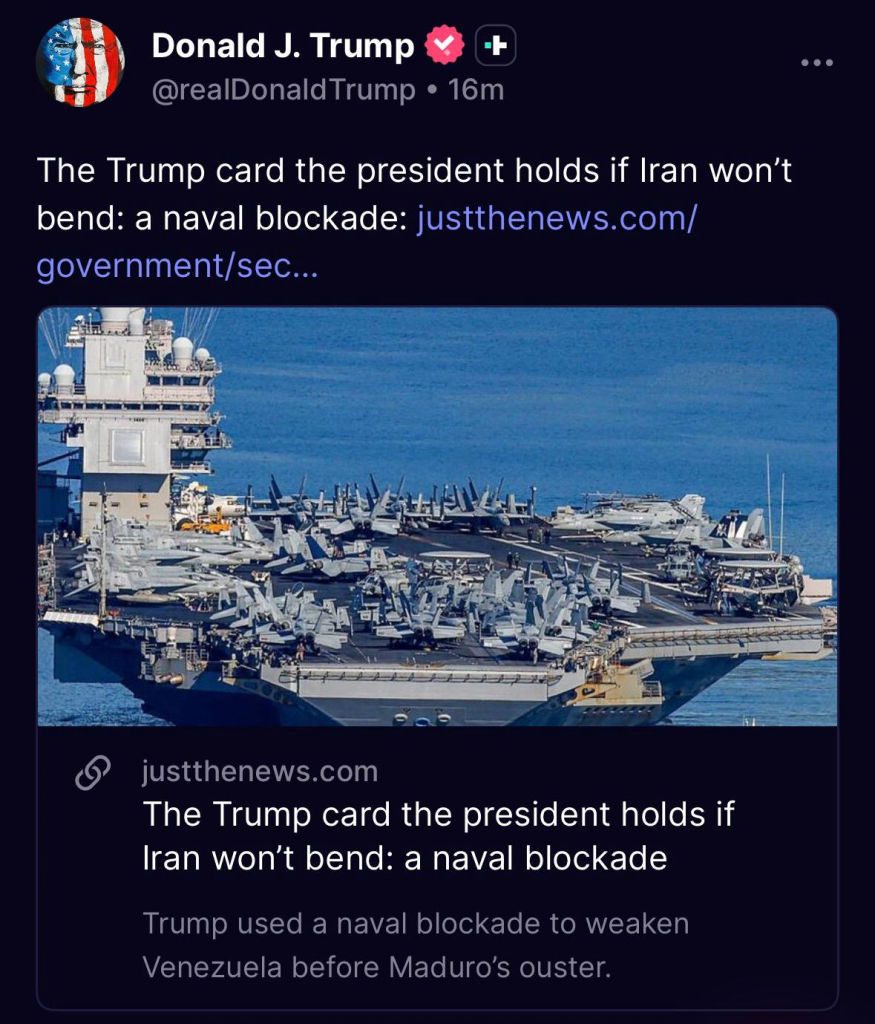
President Trump’s first social media article on Trump Social after the failed peace talks with Iran was linked to an article that suggested a possible naval blockade if Iran didn’t comply with demands.
Lebanon:
The Lebanese government and the Trump administration have both asked Israel to pause strikes on Lebanon ahead of direct talks next week, according to Axios, stating that Lebanon proposed Israel return to the understandings of the 2024 ceasefire and limit strikes to imminent Hezbollah threats, and while the US supported the request, urging Israel to agree, it was still undecided by Prime Minister Benjamin Netanyahu.
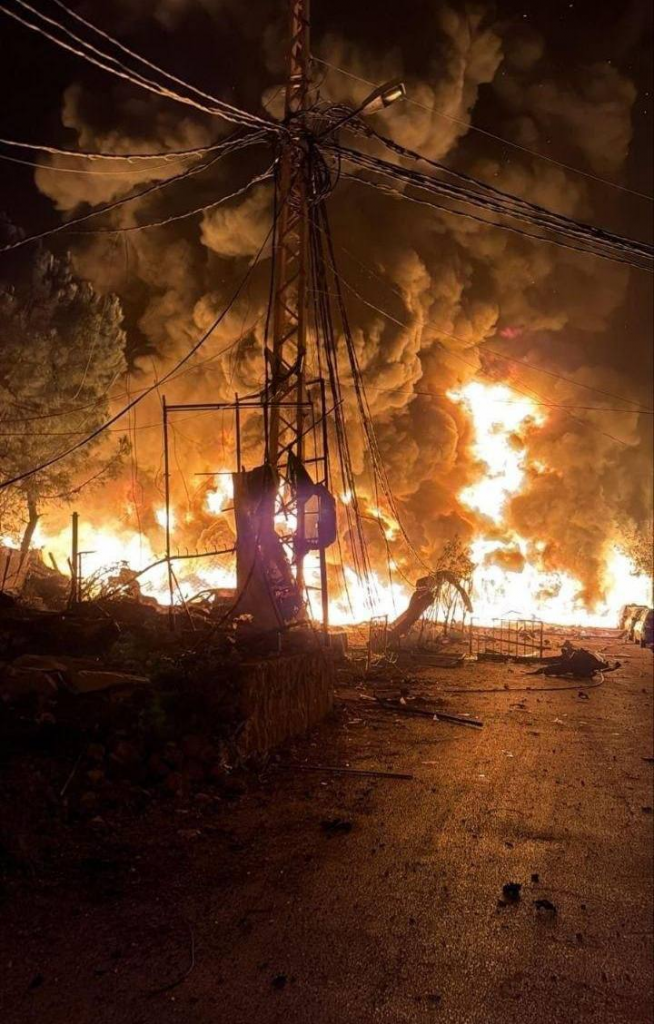
Two Israeli airstrikes targeted the towns of Toul and Jibchit in the Nabatieh region of southern Lebanon.
Lebanon’s presidency announced the US administration had tasked the State Department with mediating between Lebanon and Israel, following a diplomatic initiative by Lebanese President Joseph Aoun. A phone call took place between Lebanese and Israeli ambassadors in Washington, with the US ambassador to Lebanon participating, and the parties agreed to hold a first meeting on Tuesday at the State Department to discuss a ceasefire announcement and the start of negotiations under US auspices.
Israeli ambassador to the United States Yechiel Leiter told Axios that Israel had agreed to a follow-up meeting on Tuesday to advance a peace agreement with Lebanon, but Israel didn’t agree to a ceasefire with Hezbollah, which continues to attack Israel and constitutes the main obstacle to peace.
A Lebanese official told Saudi Channel Al-Hadath that US guarantees have been received that Israel will not attack the Beirut area until Tuesday – the date of the first meeting between Lebanon’s ambassador to the US and Israel’s ambassador to Washington.
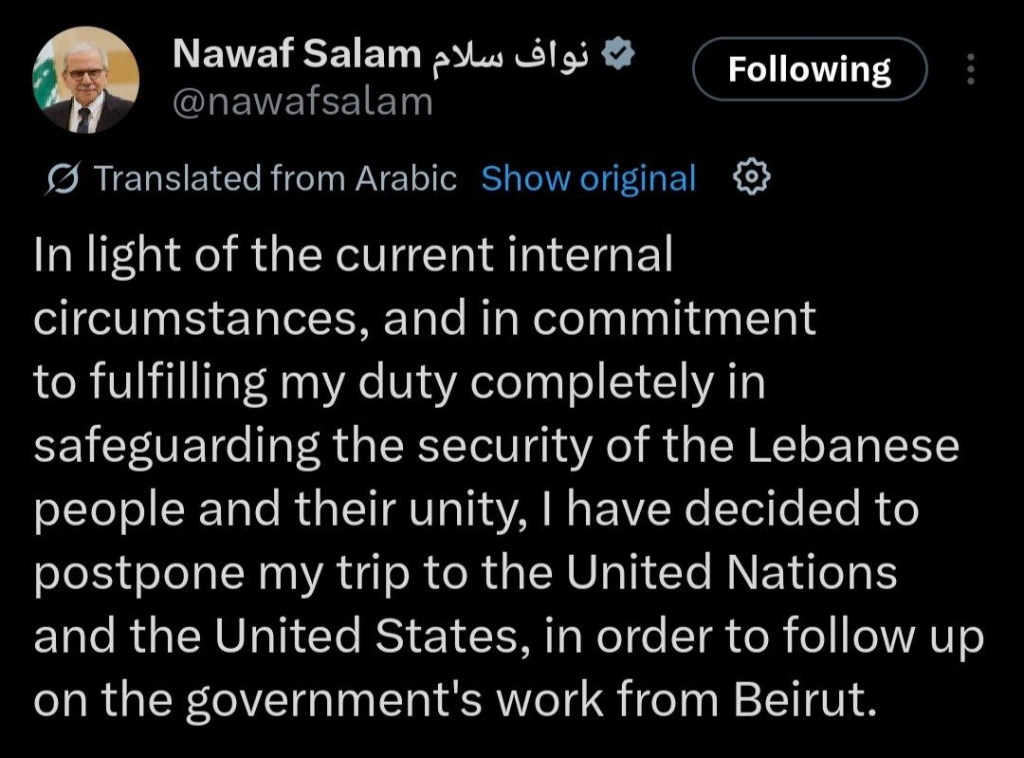
Lebanese Prime Minister Nawaf Salam decided to delay his trip to the United Nations and the United States in order to continue managing the government’s work from Beirut amid the current situation, he reported on X.
Israeli Ambassador to the US Yechiel Leiter stated that the country doesn’t intend to discuss a ceasefire with the Lebanese movement ‘Hezbollah,’ reported Al Jazeera, stating that Hezbollah continued to strike Israel and remained the main obstacle between the two countries, despite the fact Hezbollah actually help up their end to a ceasefire when Iran, the US and Israel announced one, only to keep being attacked by Israel for a period of at least 16 hours before any retaliatory attacks, on a day where more than 200 civilians and 200 alleged Hezbollah members were killed within 1 minute thanks to simultaneous airstrikes on Lebanon.
During the morning, the Lebanese Health Ministry said the death toll from Israeli attacks since March 2 had risen to 1,953 with 6,303 injured, adding that 357 people were killed and 1,223 injured in the April 8 strikes alone, with figures still preliminary as identification efforts continued, but 97 people were killed and 133 wounded just between Thursday and Friday due to the Israeli aggression.
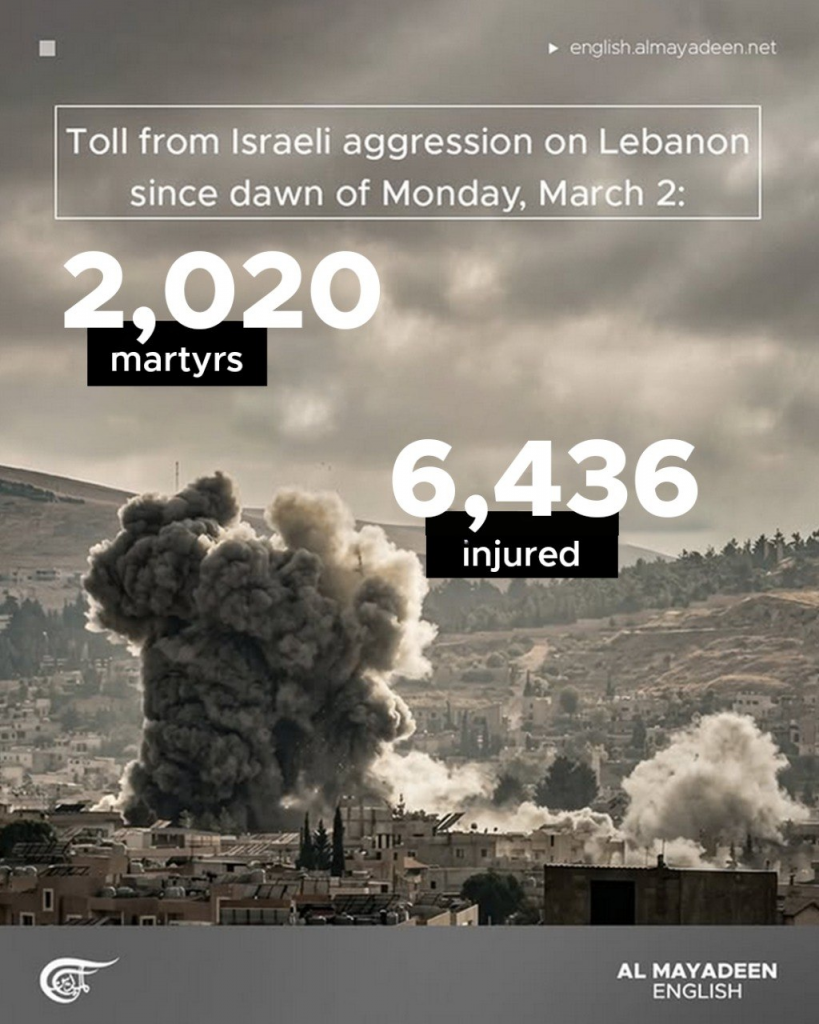
By afternoon, the Lebanese Health Ministry reported that 2,200 people had been killed and 6,436 injured due to the Israeli strikes.
Strikes by Israel on southern Lebanon’s Nabatieh district killed at least 10 people across three towns on Friday: Four people in Kfar Sir were killed, including a paramedic, while four others were injured; Three people were killed in Zefta including a member of the Lebanese Civil Defence and two others wounded, while another strike in Toul killed three and injured three others.
The IDF reported that they had struck around 200 Hezbollah targets in Lebanon between Thursday and Friday, including rocket launching positions and other infrastructure.
Israel’s Defence Forces were investigating a failure to detect rockets launched from Lebanon towards the northern city of Kiryat Shmona, after no sirens were activated during the attack. Two rickets struck the city overnight, causing damage but no injuries, and the IDF said a preliminary inquiry found that the launches were not identified by detection systems, which in turn prevented alerts from being issued.
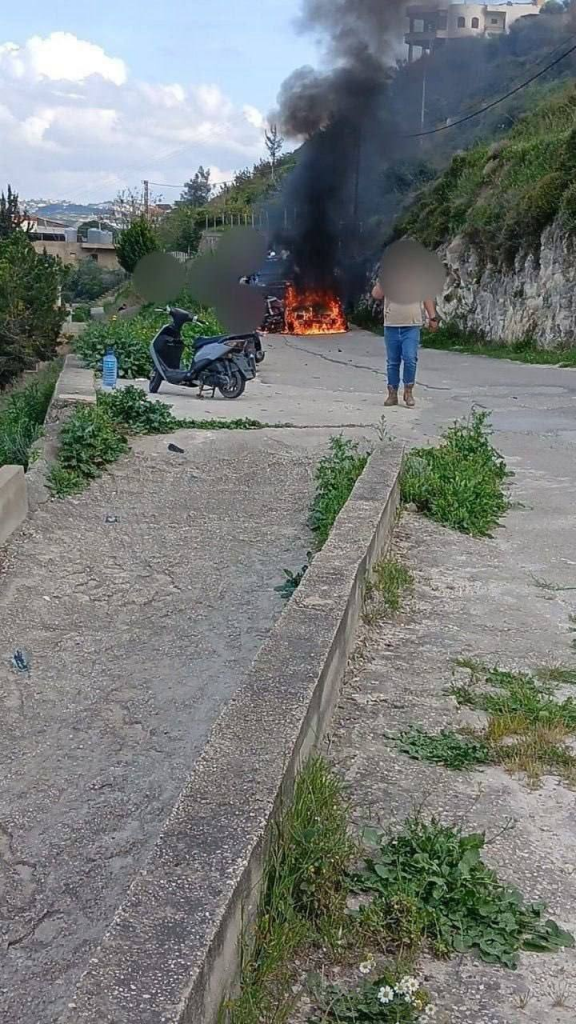
Following four Israeli missiles targeting a vehicle in the Sidon district, reports began to surface that Israel had committed a targeted assassination attempt.
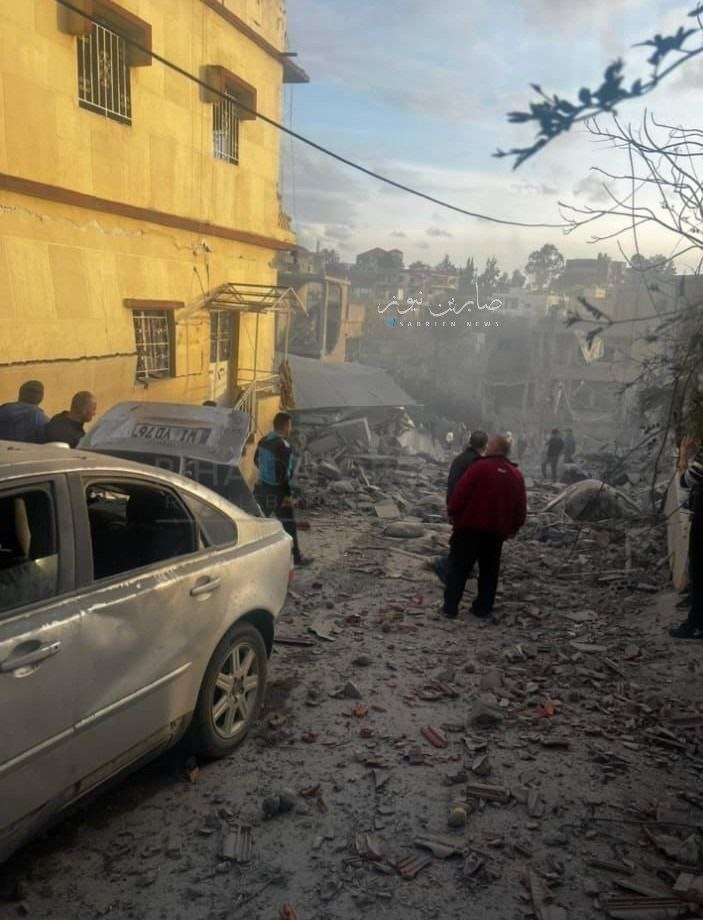
Soon after, Israeli aircraft carried out an airstrike on the town of Al-Babliyah in southern Lebanon causing damage to vehicles and buildings, while several people were reported injured, as locals reported that the Israeli forces targeted a house in the centre of the town.
Thirteen people from the Risala Scouts (affiliated with the Amal Movement) were killed and more than a dozen more injured during a strike on Tefahta in the Sidon district, as drones continued to fly over the town. It was reported the strike targeted a Rapid-type vehicle, then when the first civil defence team arrived, they were targeted by a drone, and when the second civil defence team arrived in two vehicles, aircraft returned and struck them.
President Emmanuel Macron spoke with President Masoud Pezeshkian stating that the Lebanese government alone is authorised to determine Lebanon’s future, while also reaffirming its support for Lebanon’s sovereignty and for a ceasefire that includes Lebanon.
Hezbollah had reportedly used more than 40 rockets targeting Israel in retaliation for attacks, which included northern settlements, while Hezbollah told Al Mayadeen that they had targeted a gathering of Israeli vehicles and soldiers on the outskirts of Bint Jbeil with a barrage of rockets, as well as a Merkava tank within the vicinity of Al-Ishraq school in Bint Jbeil, with a guided missile, resulting in the tank being ablaze.
In what appeared to be an attempt to justify attacks on UNIFIL structure, the IDF stated that Hezbollah was increasingly using these positions to operate against Israeli forces, including firing from or near the UNIFIL posts, reported Israeli Channel 12, adding that the Northern Command was striking Hezbollah operatives, even when they were using UNIFIL assets.
An Israeli official told Kan News that the Lebanese government has a ‘clear interest’ in acting against Hezbollah in Beirut to prevent Israeli strikes there, adding that in a later phase, Israel will allow the Lebanese army to operate south of the Litani River, though this step is expected to take some time.
Israel began tightening instructions for border towns on Friday night after Channel 12 reported that there was the possibility of escalation from Hezbollah within 48 hours, as the Home Front cancelled classes that were scheduled to resume on Saturday in towns near the Lebanese border.
Channel 12 Israel reported that Lebanon had contacted Israel several times appealing for direct talks, and wanting a real peace agreement that would last for generations,” while also stating that Netanyahu realised the public was not convinced by his first statement about achieving tremendous accomplishments in Iran, and that there was a need to film another statement.
More fearmongering came from Kan News, who said Lebanese political sources from the anti-Hezbollah camp feared if a permanent ceasefire was reached with Israel, that Hezbollah would turn its attention to domestic rivals, including assassinations of senior figures and topping the Lebanese government to prevent any progressin negotiations aimed at disarming the group.
Evidence appeared on multiple social media accounts of what appeared to be further proof that Israel have been using internationally-prohibited phosphorous bombs, this time on the town of Al-Tiri in southern Lebanon.
Hezbollah MP in the Lebanese Parliament Ibrahim al-Musawi said Lebanon shouldn’t make free concessions in the enemy and rejected Lebanese authorities going into direct negotiations with the enemy, considering it a major sin, while stating there was no general national consensus allowing the authorities in Lebanon to negotiate, and didn’t want anyone to negotiate on behalf of Lebanon, adding that they had fulfilled their duties in defending Lebanon. In general, there isn’t any objection to engaging in negotiations, but they should not be direct and not take place under fire, al-Musawi stated.
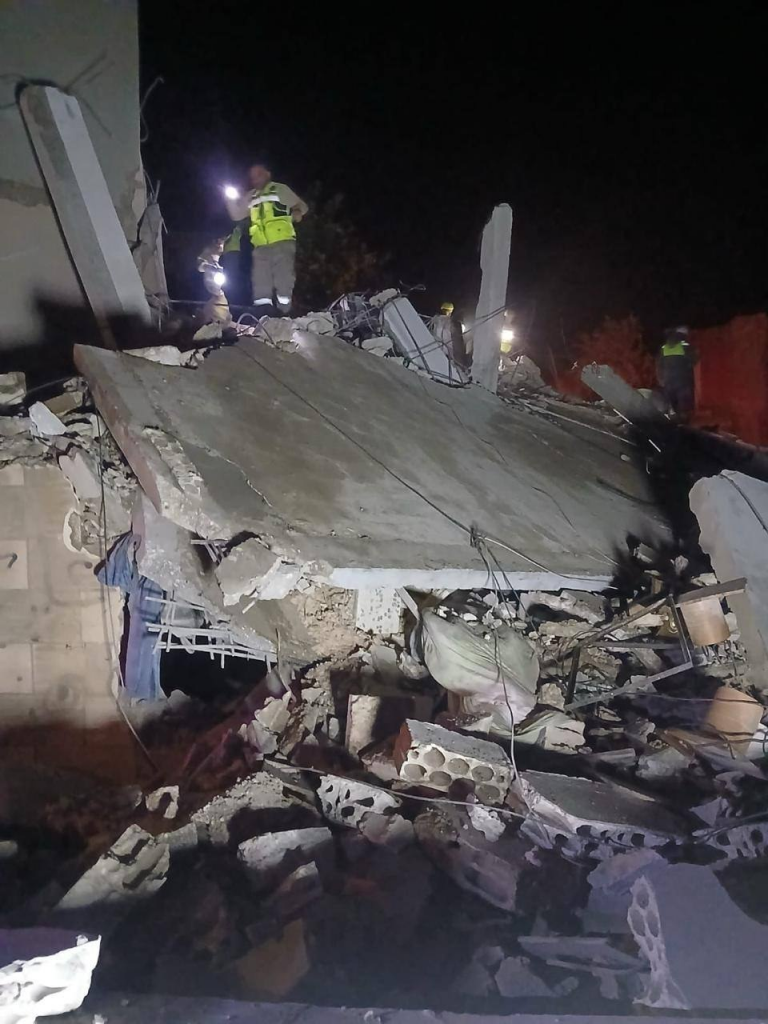
An Israeli air force strike destroyed a three-story building in the town of Abbasiya, southern Lebanon, while another strike targeted a mosque in the centre of Al-Zarariya, southern Lebanon.
Haaretz claimed the IDF had admitted it was unable to disarm Hezbollah, noting that Hezbollah continue to maintain its capabilities, and the situation has evolved in a way that makes the organisation and its supporters more prepared to wage a long-term war.
Strait of Hormuz:
Iran hasn’t been able to reopen the Strait of Hormuz to more shipping because it can’t locate the mines it laid in the waterway and lacks the capability to remove them, US officials told the New York Times, sating that safe routes announced by the IRGC are limited in large part because Iran mined the strait haphazardly.
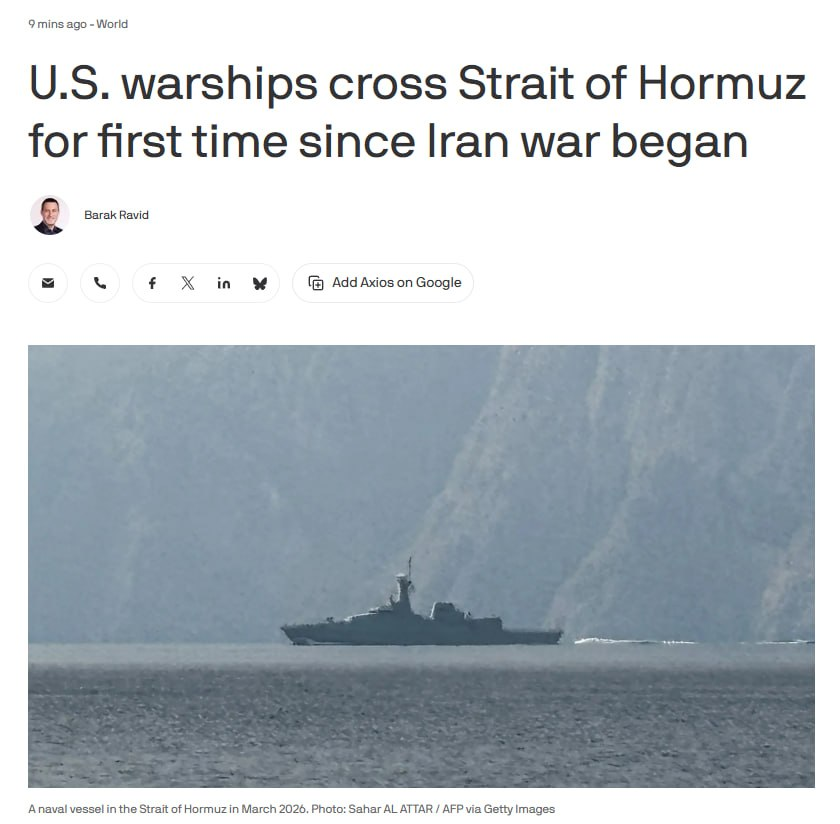
Several US Navy ships were reported to have crossed the Strait of Hormuz on Friday, marking the first such movements since the war began, and the transit was not coordinated with Iran, US officials told Axios.
Soon after, Fars News Agency reported that a US destroyer moving from Fujairah in the UAE towards the Strait of Hormuz had been warned by Iran and encountered a drone before it halted movement, noting Iran tracked the vessel and relayed the situation to its team in Pakistan, which then warned the US through mediators that ‘if the ship’s movement continues, it will be targeted within 30 minutes,’ adding that ongoing talks would also be affected, and the warning, combined with military monitoring and diplomatic pressure, allegedly led to the ship halting its movements.
Two US Navy guided-missile destroyers were alleged to have transited the Strait of Hormuz today, three US officials reportedly told the WSJ, stating the ships were not escorting any commercial vessels.
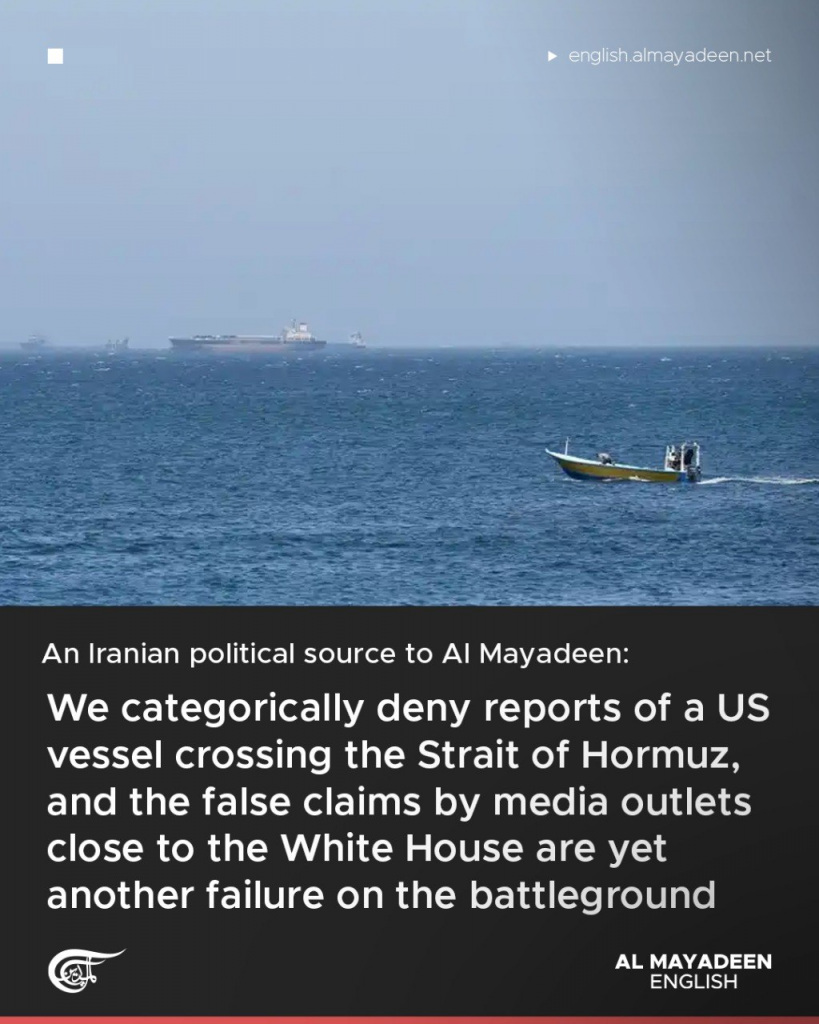
A senior Iranian political source told Al Mayadeen that the United States suffered a failure in attempting to cross the Strait of Hormuz, dismissing reports of such an achievement as fabrication of unreal accomplishments meant to promote illusionary victories in the media, adding that such claims stem from a continued ‘domino’ effect of US failures and are being promoted as part of an effort to manufacture artificial achievements aimed at influencing the global energy market prices.
On Saturday morning, Two Chinese-owned oil tankers, Cospearl Lake and He Rong Hai, sailed across the Strait of Hormuz after waiting at the entrance since last week, having loaded crude in Iraq and Saudi Arabia respectively, reported the WSJ, noting that they exited via a new route south of Iran’s Larak Island outlined by Iran’s Navy last week.
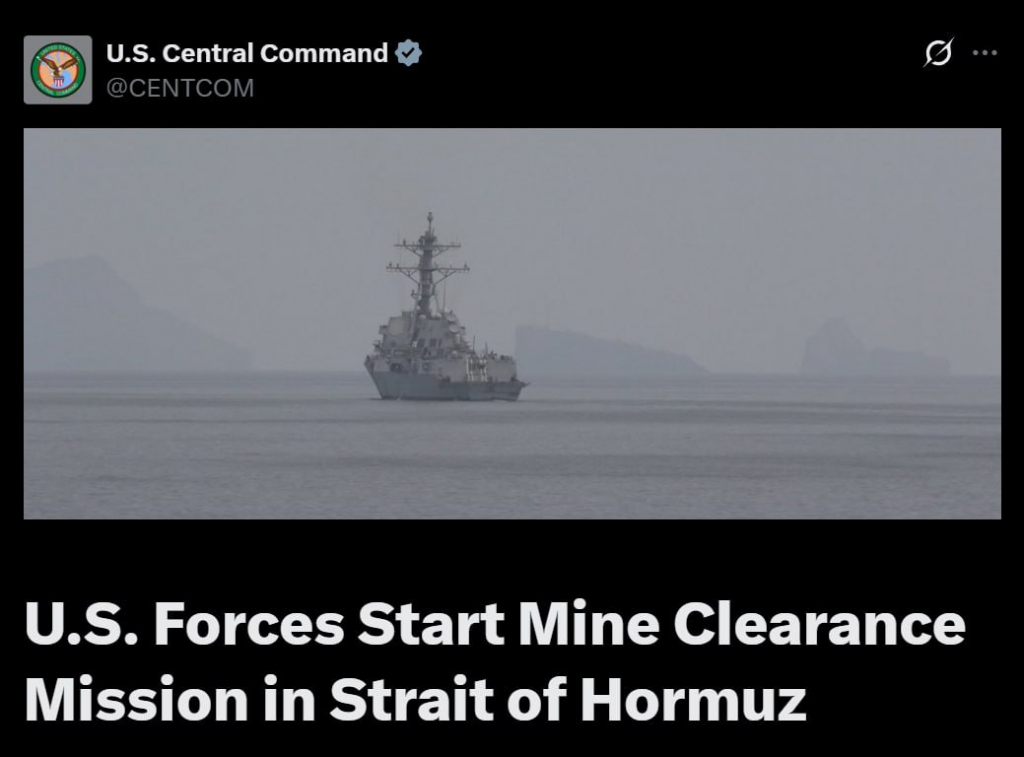
US Central Command said forces began preparations on Friday to clear naval mines in the Strait of Hormuz, as two US Navy-guided missile destroyers, USS Frank E Peterson and USS Michael Murphy were operating in the area, adding that the ships transited the strait and conducted operations in the Arabian Gulf as part of a broader mission to ensure the waterway is cleared of mines previously laid by Iran’s IRGC.
Two French Navy mine hunters and a frigate redeployed from the Atlantic ocean to the Mediterranean, where they’re expected to sail towards Djibouti and ultimately the Hormuz strait for a potential mine-clearing operation.
Qatari Ministry of Transport announced the full resumption of maritime activities for all types of maritime vessels and ships starting Sunday April 12, 2026, during 6am to 6pm, noting that vessels and ships holding a licence to engage in marine fishing activities were allowed to sail throughout the day.
Other News:
Al Jazeera showed for the first time the moment Iranian missiles struck Qatar’s Ras Laffan Industrial City, the world’s largest LNG production facility and export port, which caused massive damage to critical infrastructure.
Another piece of footage shown parts of the wreckage of two Iranian Su-24 fighter jets which Qatar say were shot down on March 2 as they intended to target the American Al Udeid Air Base, but a Qatari F-15 reportedly intercepted and downed the aircraft, which crashed into Qatari territorial waters, and the pilots were never found, reported Al Jazeera.
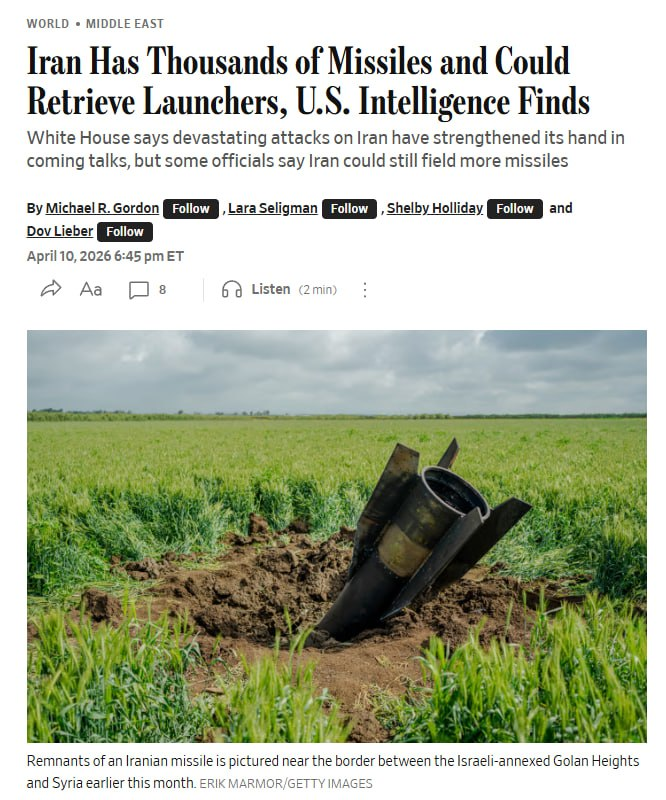
US intelligence has still indicated that Iran has thousands of ballistic missiles and could restore part of its launch capability by recovering launchers from underground storage sites, despite repeated strikes throughout the war to disable the facilities, reported the Wall Street Journal while citing US officials, noting that while more than half of Iran’s launchers are believed to have been damaged, destroyed, or trapped underground, US officials assess that many could eventually be repaired or dug out.
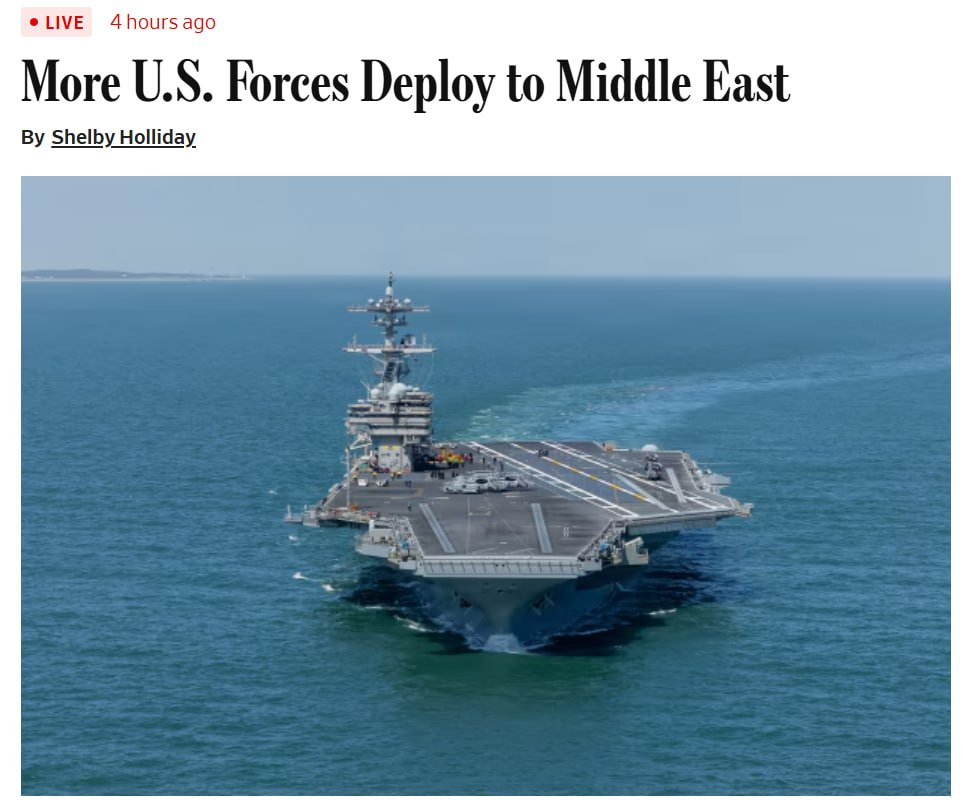
The US is continuing to build up forces in the Middle East under Trump’s ‘big reset’ ahead of the renewed talks with Iran, with more fighter and attack aircraft already deployed and plans to send 1,500-2,000 troops from the 82nd Airborne Division, according to the WSJ, noting additional naval and Marine forces are also moving into the region, including the USS George H W Bush carrier strike group and the USS boxer with the 11th Marine Expeditionary Unit.
US intelligence allegedly indicated China was preparing to deliver air defence systems, including MANPADS, to Iran in the coming weeks, with the shipments reportedly routed through third countries to obscure their origin, and could help Iran replenish capabilities during the current ceasefire, reported CNN and NYT, adding that China denied the claims, saying it has not provided weapons to any party and is working to support de-escalation.
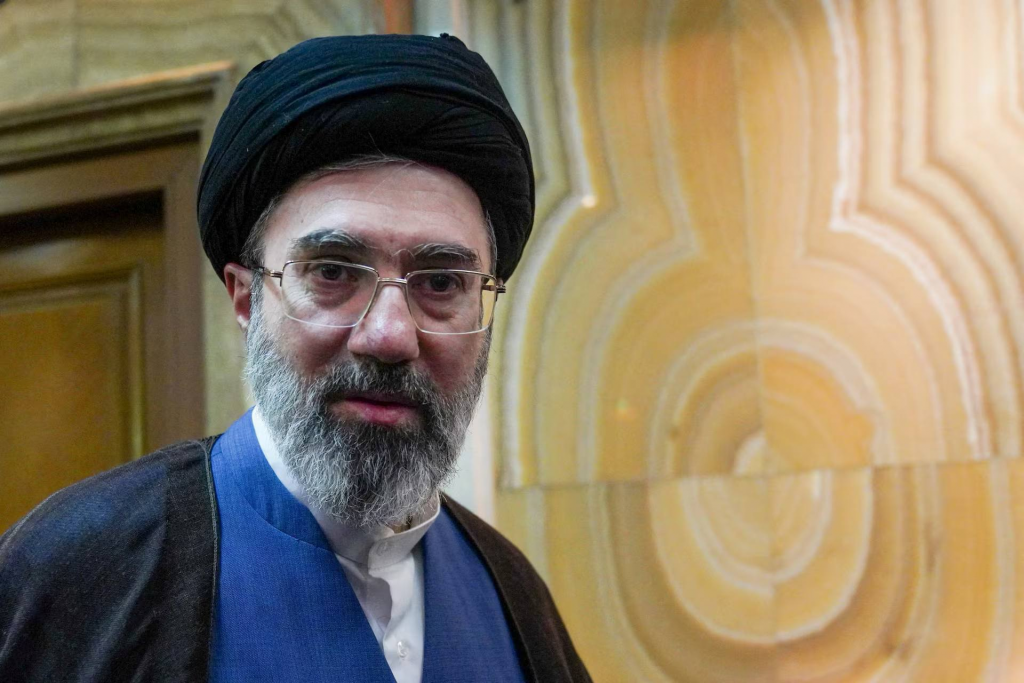
Iran’s Supreme Leader Mojtaba Khamenei is still recovering from several injuries, including reported facial disfigurement and leg wounds, which were sustained in an earlier strike, according to Reuters, stating that Khamenei is said to remain involved in decision-making via remote communication, though his condition hasn’t been officially confirmed and no public images or appearances have been released since the attack.
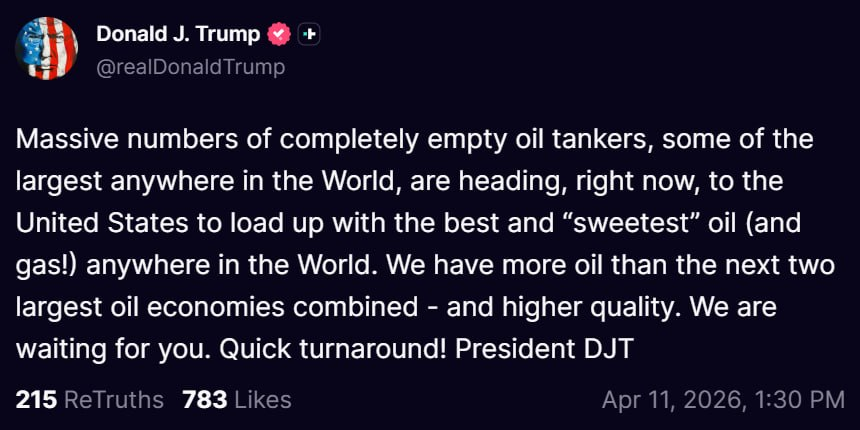
President Trump wrote on Truth Social that massive numbers of completely empty tankers were heading to the United States to head up with oil, stating they had more oil than the next to largest oil economies combined, as an alternative to transiting oil through the Strait of Hormuz.
Trump later told NewsNation: “Take a look at the great seas of our world, many of them are heading to the United States to load up with oil, we have plenty of it – this isn’t because Iran isn’t opening the Strait of Hormuz, because it will be open in the not-too-distant future, but I think people are seeing there are other alternatives to going through the Strait.”
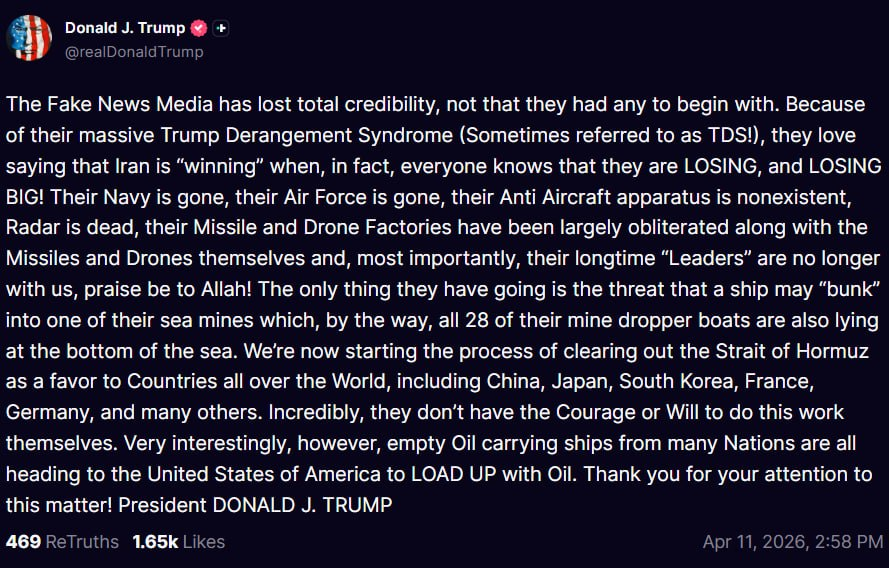
In another post on Truth Social, Trump said that Iran’s longtime ‘Leaders’ are no longer with us, ‘praise be to Allah,’ claiming the process of clearing the Strait of Hormuz had started, and the US were undertaking the task because other countries, including China, Japan, South Korea, France, Germany, and many others, didn’t have the courage or will to do the work themselves.
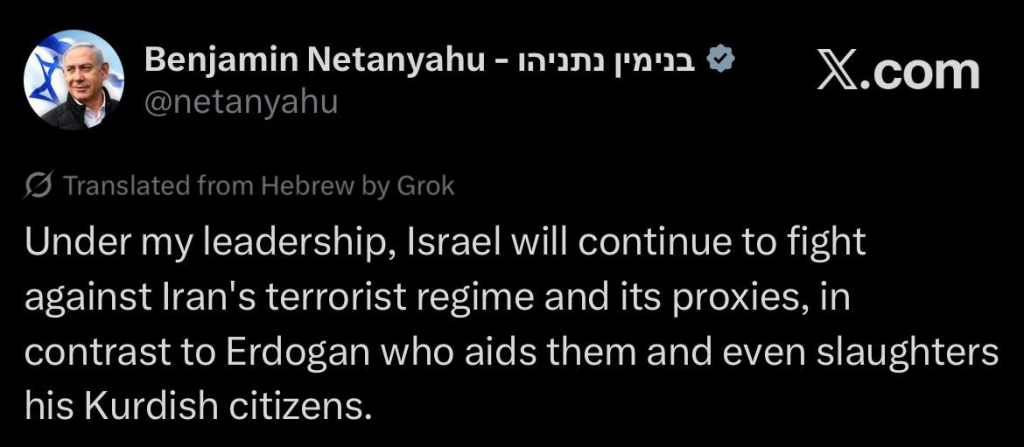
PM Netanyahu tweeted: “Under my leadership, Israel will continue to fight against the Iranian terrorism regime and its proxies, unlike Erdogan, who embraces them and even massacres his own Kurdish citizens,” which was believed to have been timed to disrupt the negotiations in Islamabad, but later it was confirmed that Turkey had issued notices against multiple Israeli officials, leading to a sharp-tongued response from officials.
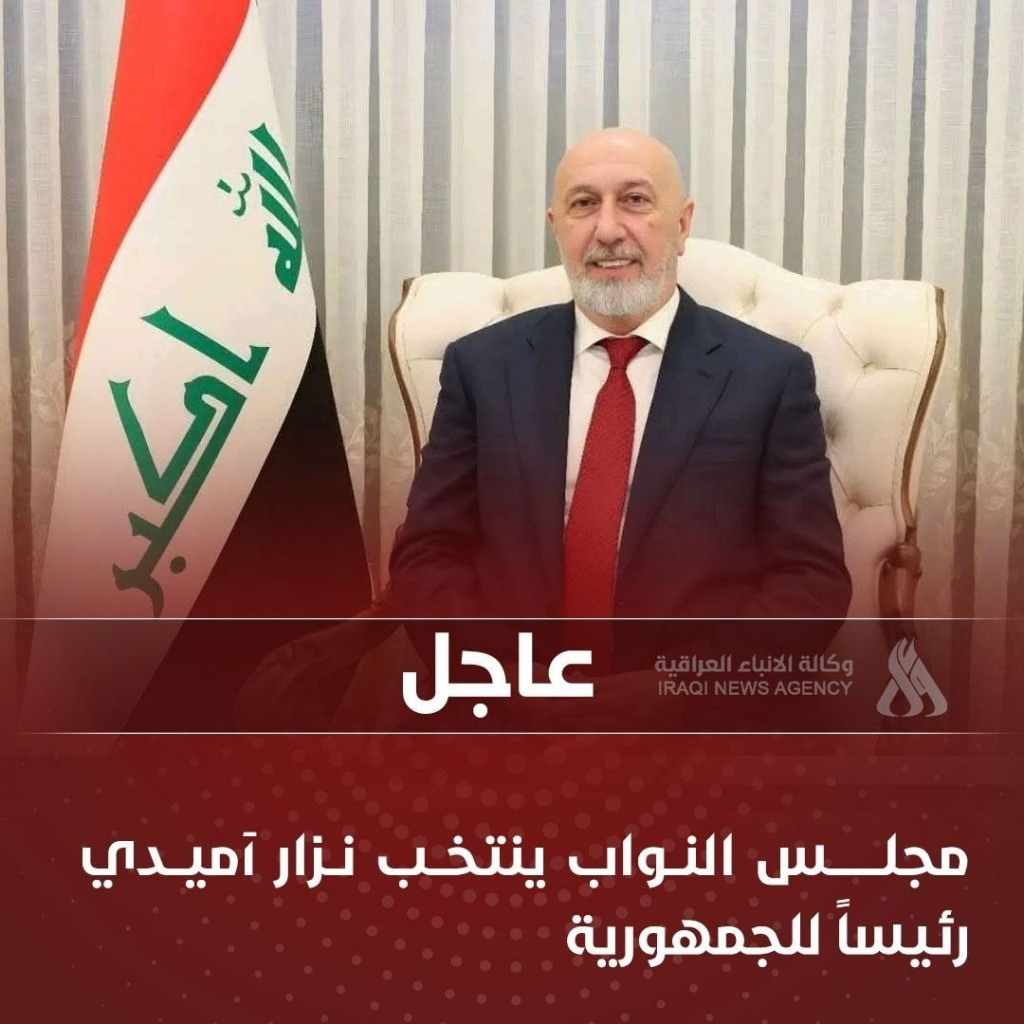
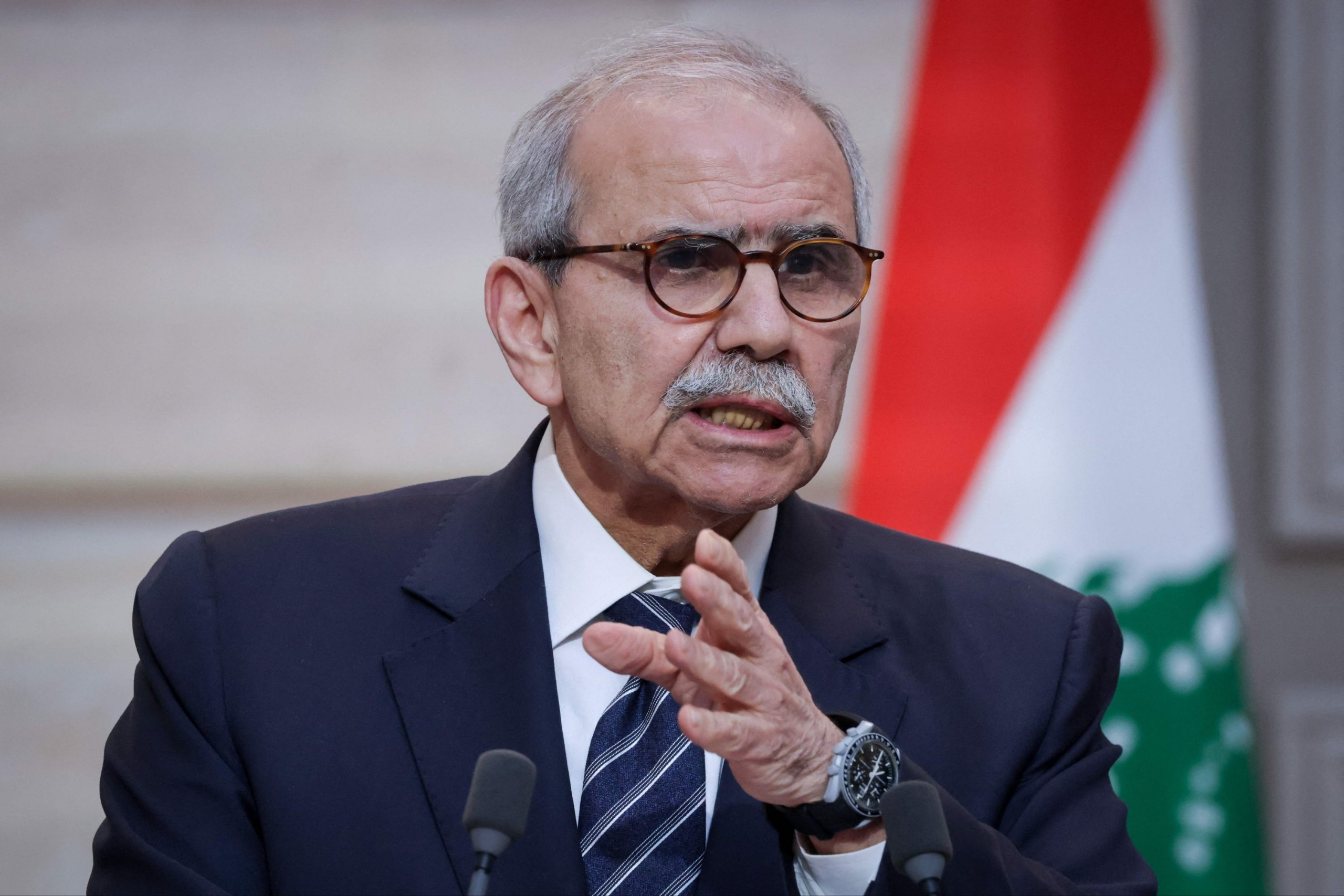
PUK candidate Nizar Amidi has been voted in as the new President of Iraq, which comes as Iraq’s economy is trying to repair from the damage done due to the recent war. Amidi also heads the PUK’s Politburo office in Baghdad, making him a key bridge between the Kurdistan Region and the federal government in the capital.
According to the Spokesperson for the Ministry of Foreign Affairs Baghaei, elements within the American political and media circles were openly recommending the assassination of Iranian mediators in the event that talks fail, stating that public and explicit incitement to state terrorism should be condemned by everyone, adding that incitement to assassinate negotiators constituted blackmail through threats.
PM Netanyahu said in a statement that the campaign with Iran isn’t over and there was more to do, recalling breaking the fear barrier to operate in Iran, describing the moment with emotion and pride, while stating that if not for Operation Roaring Lion, Iran would have had a nuclear weapon, and that he had received timely intelligence.
“Iran tried to throw us into a swamp of hatred, they wanted to humiliate us, and we are humiliating them – they threatened us with destruction, and now they are fighting to survive – the campaign against Iran is not over, we still have work to do,” Netanyahu said, adding: “I have sacrificed a significant part of my life to prevent one thing: that this heinous regime will achieve a nuclear weapon, by means of which it seeks to destroy the State of the Jews and bring an end to Jewish history.”
Netanyahu continued: “If I had told you a year ago that the United States of America, the most powerful power in the world, would fight alongside us, shoulder to shoulder, wing to wing, for nearly 40 days against the common enemy, who would have believed that – but all of this happened because we initiated, we acted, we attacked.”
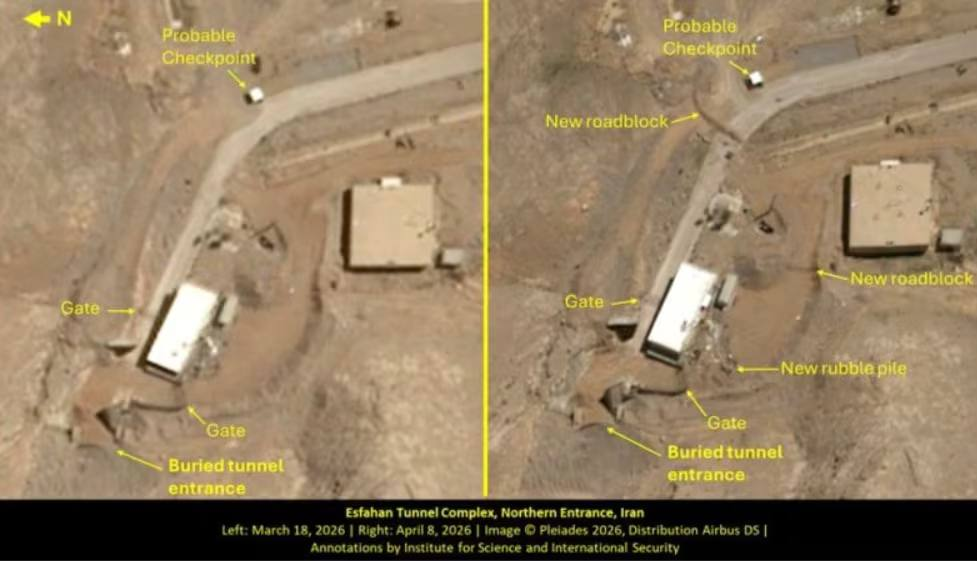
Iran has begun barricading the entrances to the Isfahan underground nuclear facility in an attempt to prevent the potential seizure of Iran’s enriched Uranium, reported the Institute for Science and International Security.
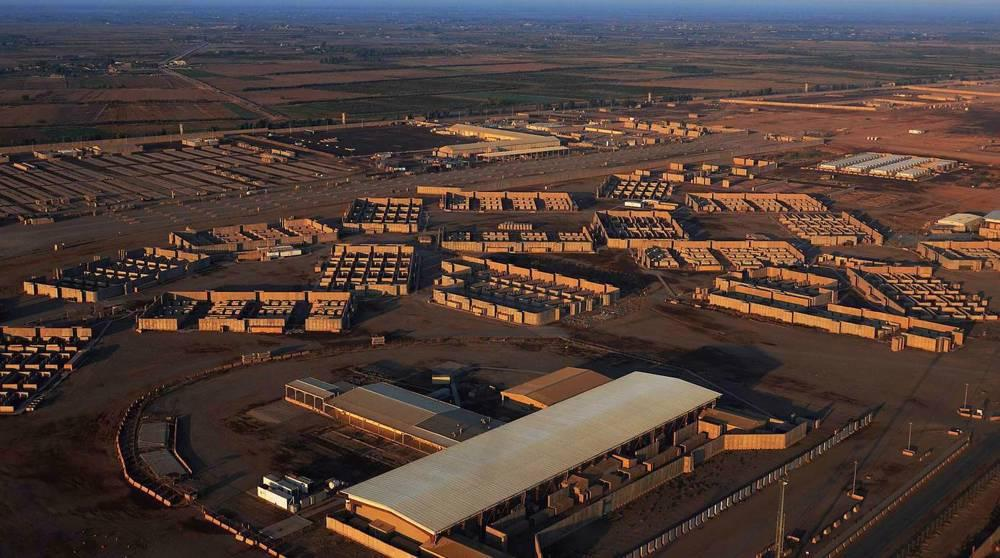
A drone reportedly crashed near a group of US diplomats at Baghdad International Airport earlier this week, Iraqi officials said, as they were escorting an American journalist recently released by Kataeb Hezbollah.
“Netanyahu’s current objective is to sabotage the ongoing peace negotiations, otherwise, he would face trial in his own country and likely be in prison,” stated Hakan Fidan, Turkey’s Foreign Minister, adding that Turkey will continue to stand by innocent civilians and persist in efforts to ensure that Netanyahu is held accountable.
The Chinese Embassy in the US denied that China was preparing to send weapons to Iran, stating they had never provided weapons to any party to the conflict, so the information in question was untrue, adding that as a responsible country, China consistently fulfils its international obligations: “We urge the US side to refrain from making baseless allegations, maliciously drawing connections, and engaging in sensationalism – we hope that the relevant parties will do more to help de-escalate the situation.”