 AJ
AJ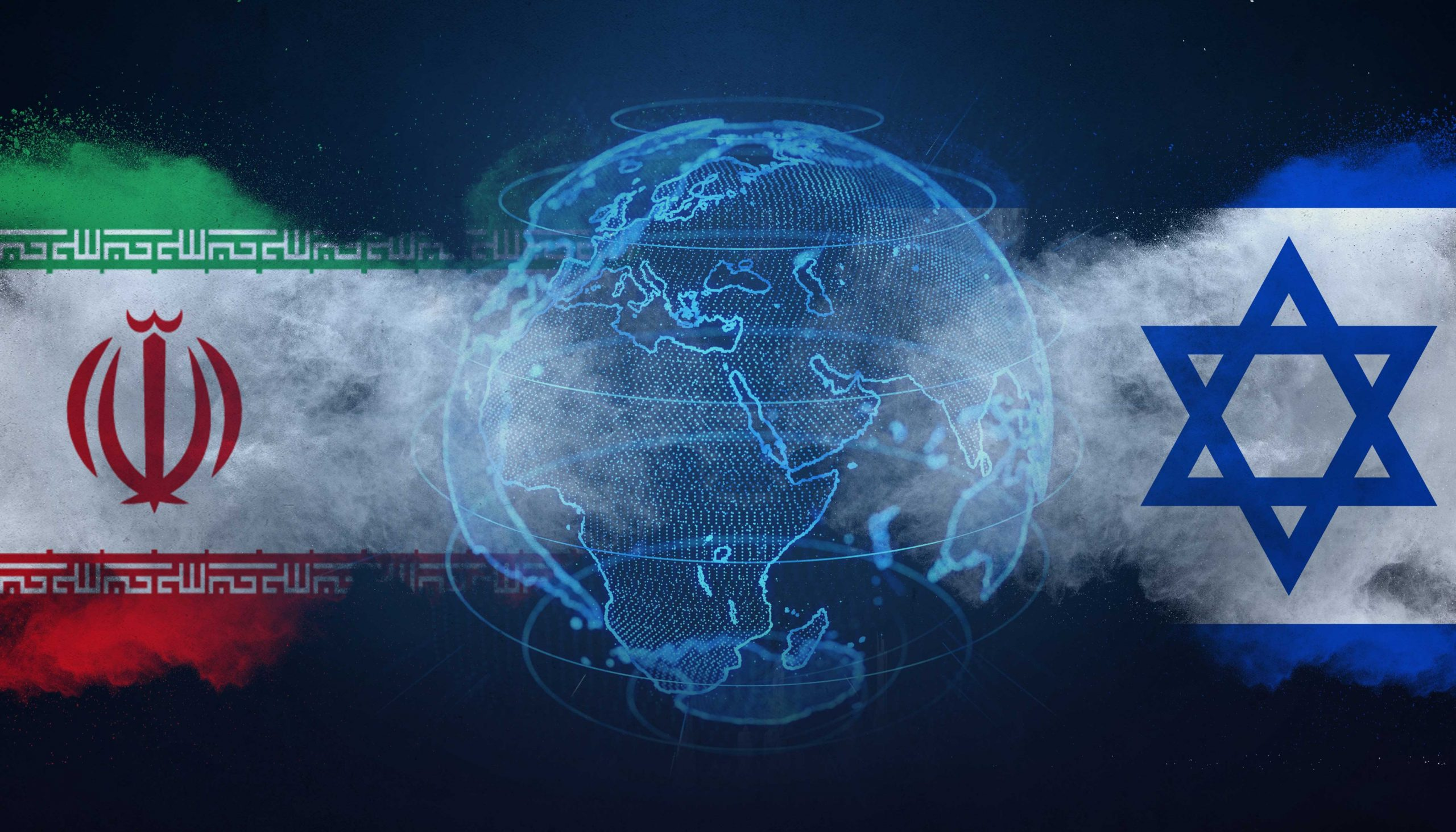
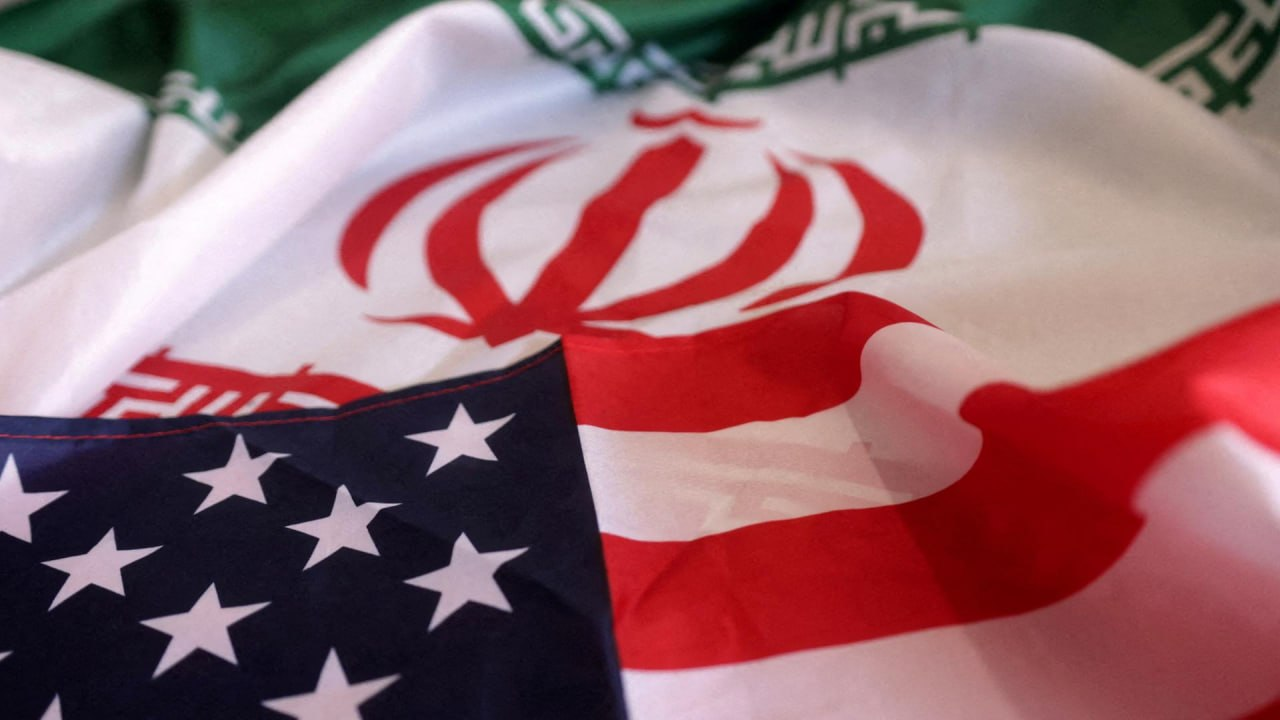
Recap from the second day of the ceasefire, which looked into the attacks on Siri Island in Iran, further attacks inside Iran last night, as well as Iran’s retaliation to the UAE, the opening and closure of the Strait of Hormuz, and what the officials have said during day two.
Ceasefire News:

President Donald Trump used Truth Social to say: “All US ships, aircraft and military personnel, with additional ammunition, weaponry, and anything else that is appropriate and necessary for the lethal prosecution and destruction of an already substantially degraded enemy, will remain in place in, and around, Iran, until such time as the real agreement is fully complied with. “If for any reason it is not, which is highly unlikely, then the “Shootin’ starts,” bigger, and better, and stronger than anyone has ever seen before. It was agreed, a long time ago, and despite all the fake rhetoric to the contrary – no nuclear weapons and, the Strait of Hormuz will be open & safe. In the meantime our great military is loading up and resting, looking forward, actually, to its next conquest. America is back!”
Iran’s Ambassador to Pakistan confirmed that an Iranian delegation was set to arrive in Islamabad ahead of Friday’s peace talks, which was later deleted after the ceasefire issue didn’t include Lebanon, and soon after, it was revealed that Islamabad’s Serena Hotel had been requisitioned by the Pakistani government on Sunday evening, believed to be the likely negotiations for the US and Iran this weekend.
French President Emmanuel Macron told US President Trump that the ceasefire with Iran must include Lebanon.
Iranian Deputy Foreign Minister told the BBC that the US must choose a ceasefire or allow Israeli strikes on Lebanon to continue: “The US cannot have its cake and eat it,” he said.
Mohammad Akrami-Nia, Iranian army spokesman, said that Tehran forced America to accept the ceasefire by showing strength, and that the United States’ position had been weakened regionally and internationally, while accusing Washington of having no logical reason for the war and failing to provide a convincing narrative.
Iran’s ambassador to Russia Kazem Jalali said that Tehran is ready for negotiations but they must yield tangible results and lasting peace, noting the US initially claimed it would topple the Iranian regime but failed, and that trust between Iran and the US was insufficient because American officials are unable to keep to commitments, adding that Iran had never sought to close the Strait of Hormuz, but aimed to create a legal framework for it, which should be determined by littoral states (Iran and Oman).
The Head of Iran’s Atomic Energy Organisation, Mohammad Eslami, said the ‘enemy’ will not succeed in limiting Iran’s nuclear programme: “The enemies’ demands to restrict Iran’s enrichment programme will not be achieved,” he stated.
Iraq entered a phase of cautious waiting after the ceasefire, with militia factions maintaining a state of permanent alert, after an estimated 117-120 people were killed in the conflict, including civilians, security forces, Popular Mobilisation Forces and Peshmerga, while economic losses are estimated at $6-10 billion due to halted oil exports and closed airspace, reported Al-Akhbar. A faction leader said there was no trust in President Trump and ‘fingers were on the trigger,’ while the Iranian consulate in Basra stated Iran didn’t need foreign volunteers, as they already had over 14 million volunteers inside the country, but still expressed appreciation for Iraqi solidarity.
European Union’s Foreign Policy Chief Kaja Kallas said the ceasefire with Iran must be expanded to include Lebanon, while also stating that Hezbollah must fulfil its commitment to disarm, adding that Israel’s right to self-defence does not justify the massive destruction in Lebanon, and that Israel’s excessive measures do not fall within the scope of self-defence.
Iran will limit transit through the Strait of Hormuz to no more than 15 ships per day under the ceasefire framework, as Tehran also demands the United States unfreeze Iranian assets within two weeks as part of the broader arrangements, reported TASS, adding that Iran further insisted that any end to the war must be formalised through a United Nations Security Council resolution in order for the ceasefire to be legally binding.
Qatari Emir Tamim bin Hamad Al Thani held a phone call with Lebanese President Joseph Aoun, expressing his country’s readiness to help stop the military escalation in Lebanon, voicing solidarity with Lebanon during these difficult circumstances and affirmed that he is seeking to include Lebanon in the ceasefire agreement between the United States and Iran.
French Foreign Minister Jean-Noël Barrot strongly condemned Israeli strikes on Lebanon and said that destroying the Lebanese state will not destroy Hezbollah – on the contrary, it would strengthen the group, adding that Lebanon should not be a scapegoat for a government upset that a ceasefire was reached between Washington and Tehran.
Pakistani sources familiar with the matter told Reuters that Pakistan was working to secure a ceasefire that includes the Lebanese and Yemeni fronts, which will be discussed during the talks, and s solution will be reached regarding them.
Hezbollah initially upheld the ceasefire, thinking Lebanon were part of that agreement, but promised swift responses for those killed and injured during the large-scale Israeli attack on Wednesday, so on Thursday morning Hezbollah fired around 30 rockets from Lebanon, according to the IDF, stating no damage or injuries had been reported because the rockets were either intercepted or struck open areas.
Lebanon’s Information Minister announced that the Lebanese cabinet had filed a complaint with the UN Security Council following Israel’s ‘dangerous escalation,’ saying the preliminary toll of Wednesday’s Israeli airstrikes on Lebanon left 203 dead and 1,078 injured.
Operation ‘Eternal Darkness’ delivered a very powerful blow to Hezbollah, leaving the group stunned and confused stated Defence Minister Israel Katz, adding that more than 200 alleged members were killed yesterday, bringing the total to 1,400 during the war, noting that Hezbollah was desperate to be included in a ceasefire and Iran was threatening out of concern that Israel would crush the group, adding that Israel had secured the ground up to the Litani river, and would control the Litani area to prevent infiltrations or the return of residents.
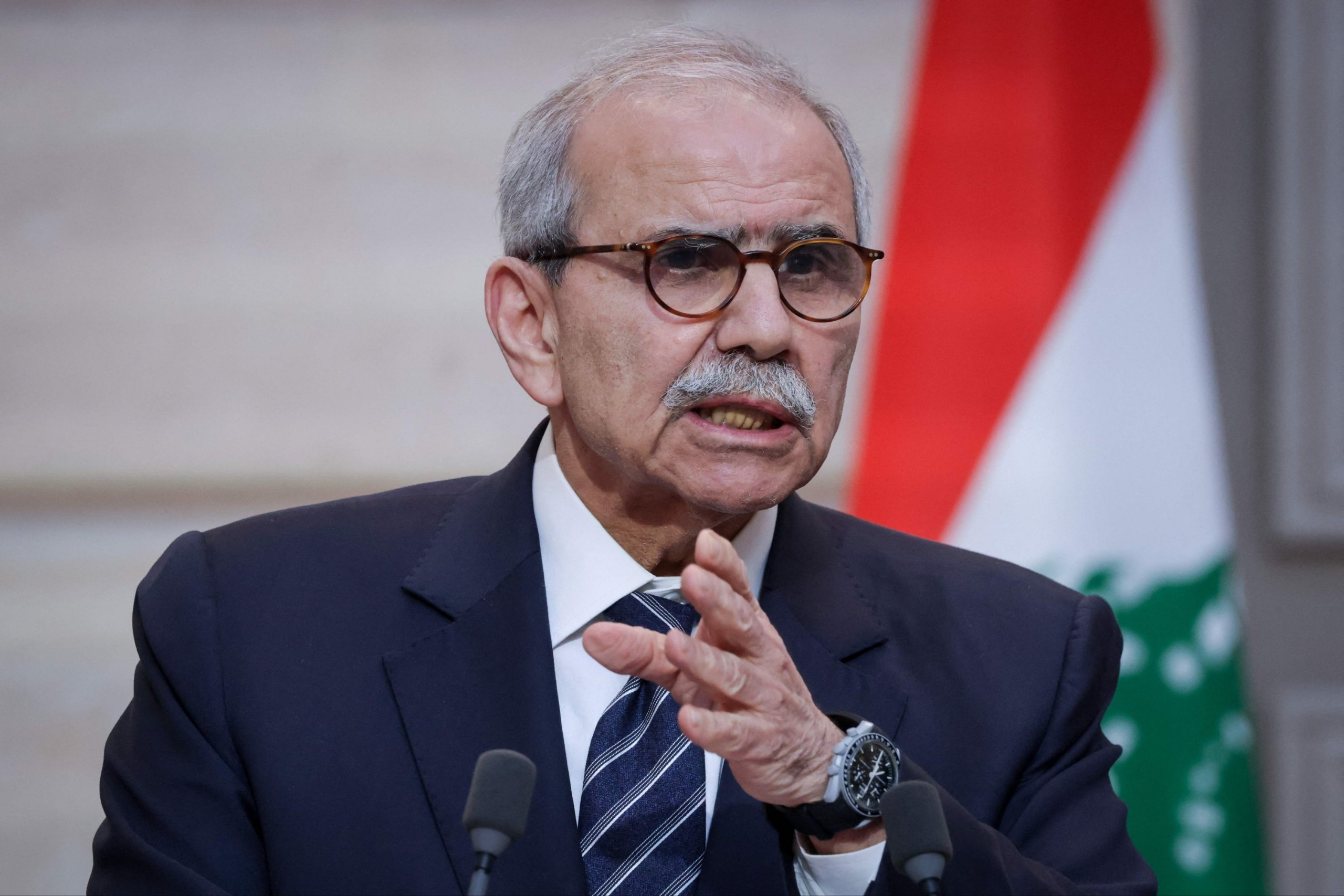
Pakistan’s PM Sharif spoke with Lebanese Prime Minister Nawaf Salam, strongly condemning Israel’s ongoing aggression against Lebanon, offering condolences for the loss of thousands of lives, while reaffirming Pakistan’s commitment to facilitate dialogue through the upcoming talks for peace efforts, while Salam expressed appreciation for Pakistan’s efforts and called for continued support to secure an immediate end to the attacks on Lebanon.
According to Fars News, a senior Iranian official said that stopping the war against Hezbollah is and will remain an important part of Iran’s plan, stating that if attacks Lebanon didn’t stop, negotiations wouldn’t take place, adding that after Iran’s threat, the volume of Hezbollah attacks had increased, as Hezbollah inflicted heavy blows on Israel.
Later, Israel Hayom reported that Israel was considering halting attacks on Lebanon and returning to the pre-‘Roaring Lion’ operational posture to help the US begin negotiations with Iran, in a move which would allow Israel to continue acting against immediate threats and rocket fire, but with reduced scope, adding that there is no demand for Israel to withdraw from territory captured in recent weeks.
Iranian FM Araghchi held calls with his counterparts from Egypt, Russia, France and Saudi Arabia to discuss regional and international developments following the ceasefire.
The Iranian Embassy in London welcomed the UK’s support for a ceasefire, but reminded that the Strait of Hormuz was open before the illegal aggression by the United States and the ‘Zionist regime,’ an aggression that Britain didn’t condemn.
Iranian Parliamentary Speaker Mohammad Bagher Ghalibaf said Lebanon and the entire Resistance Axis are an inseparable part of the ceasefire, citing point one of Iran’s 10-point proposal, noting that Pakistani Prime Minister Shehbaz Sharif publicly stressed the Lebanon issue, leaving no room for denial, warning that ceasefire violations carry explicit costs and will be met with strong responses.
The Director of Russian state nuclear corporation said Rosatom is ready for bilateral and trilateral cooperation to resolve the issue of Iran’s enriched uranium.
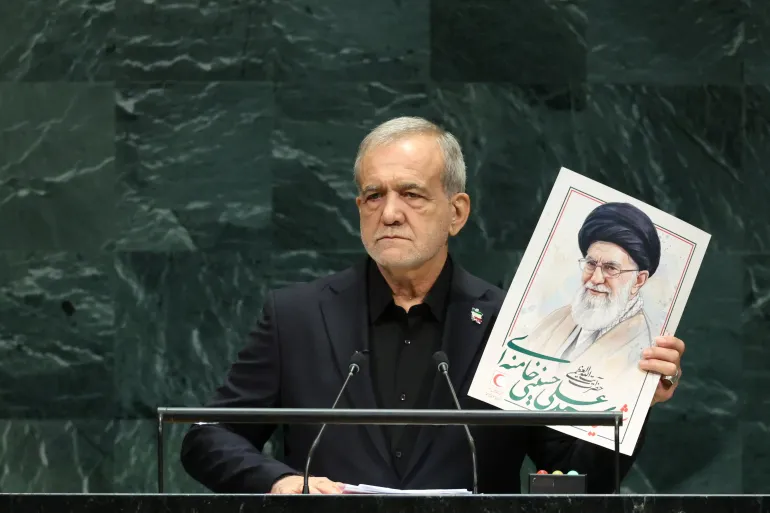
Iranian President Masoud Pezeshkian said the renewed Israeli aggression against Lebanon was a flagrant violation of the initial ceasefire agreement and a dangerous sign of deceit, lacking commitment to potential accords: “The continuation of these actions will render the negotiations meaningless, our hands remain on the trigger,” he said, adding that Iran would never leave its Lebanese brothers and sisters alone.
Egypt’s ambassador to Beirut Alaa Moussa told Lebanese Parliamentary Speaker Nabih Berri that US President Trump’s two-week ceasefire must apply to Lebanon, saying Egypt and its partners are working to include Lebanon in the truce, as continued Israeli attacks harm regional security: “Efforts to stop the fire in Lebanon are continuing and will not stop,” he added.
Iranian Deputy Foreign Minister Khatibzadeh reaffirmed that Lebanon is in the ceasefire and that Iran is committed to peace in the region, blaming Israel as the root cause for the issues, and when asked by a reporter whether Iran is committed if there is a change, he said that Iran was very much committed to what is happening in the whole Middle East.
President Trump held a phone call with PM Netanyahu on Wednesday ordering Israel to scale back on airstrikes in Lebanon to help ensure the success of the Iran negotiations, a senior administration official told NBC, but while the Trump administration and Israel have both said Lebanon isn’t covered by the ceasefire, Israel has agreed ‘to be a helpful partner.’
Iran’s Foreign Ministry spokesman Esmaeil Baghaei strongly condemned Israeli crimes in Lebanon and praised the Lebanese people’s legendary resistance, stating that the ceasefire in Lebanon is an inseparable part of the Pakistan-proposed truce, and that the US committed to stopping the war on all fronts, stating that any action contrary to this constituted a breach of US obligations, adding that any talks on ending the war were contingent on US fulfilments of its ceasefire across all fronts, including Lebanon.
Direct negotiations will begin next week in relation to Lebanon, with the first being at the US State Department building in Washington, reported Axios, noting that US Ambassador to Lebanon Michel Issa, Israeli Ambassador to the US Yechiel Leiter, and Lebanese Ambassador to Nada Muaqad would all be present.
Israel has agreed to a US request to refrain from conducting large military operations in Lebanon, similar to the strikes on Wednesday, over the next two weeks, noting that fighting will still continue at a regular level alongside negotiations, reported i24NEWS, adding that the cabinet had disagreements on Wednesday night on how to act in Lebanon in light of the American request, but the decision was made to comply.
Supreme Leader Ayatollah Mojtaba Khamenei declared that the Iranian nation had achieved a decisive victory in the ‘third imposed war’ against the US and Israel, marking the 40th day since the death of his father, Ali Khamenei, saying that Iran will demand full compensation for all damages, blood money for the dead, and would introduce a new phase of management over the Strait, warning Gulf neighbours to witness the miracle of Iran’s resilience, abandon arrogance, and stop trusting false promises of the enemies.
Turkey’s embassy released a statement about the developments in Lebanon, strongly condemning the escalating attacks, which resulted in numerous casualties and are further exacerbating the humanitarian situation in Lebanon, because despite the ceasefire recently established in the region, Netanyahu’s government continued to target international efforts to establish peace and stability, adding that the international community must act immediately to end Israel’s occupation of Lebanon and protect civilians.
PM Netanyahu addressed the nation on Thursday evening, stating there was no ceasefire in Lebanon as Israel continued to strike Hezbollah until security is restored for northern residents, but after repeated requests from the Lebanese government to open peace talks, Netanyahu instructed the cabinet to open direct negotiations with Lebanon to achieve two goals, which is the disarmament of Hezbollah and a historic, sustainable peace agreement between Israel and Lebanon.
FM Araghchi took to X in the evening to argue that a region wide ceasefire, including Lebanon, wasn’t in Israeli Prime Minister Netanyahu’s interests as it would mean a faster decision on his bribery case.
Araghchi later held a call with Spanish Foreign Minister Albares to discuss the ongoing situations, in which Araghchi expressed appreciation for Spain’s stance on opposing US and Israeli military action, continuing on to report that Iran had responded positively to mediation efforts towards a US ceasefire, but the US needed to satisgy its commitments, while Albares reaffirmed Spain’s commitment to international law and opposition to war, welcoming the agreement and stating that Madrid has consistently viewed military strikes against Iran as illegitimate.
President Trump told Israeli Channel 13: “We’re going to have a very successful agreement, it’s gonna be very good, everything’s gonna work out very good,” adding that Netanyahu supported the ceasefire agreement with Iran: “He’s totally fine with it.”
General News:
Hungary has privately offered assistance to Iran following a major Israeli operation targeting Hezbollah, raising concerns among Western officials about Budapest’s geopolitical positioning, following Hungarian Foreign Minister Szijjártó telling Iranian Foreign Minister Araghchi that Hungary’s intelligence services would share information related to the incident, despite Hungary publicly maintaining a pro-Israeli stance, reported WaPo, adding that the report intensified scrutiny of Hungary’s role within NATO and the EU, particularly as it navigates relationships with competing global powers during a period of heightened Middle East tensions.
Two US officials confirmed the US has not launched any strikes against Iran since the start of the ceasefire: “We have not conducted strikes against Iran since the agreement started, if anyone is striking Iran now, it isn’t our military,” Newsmax reported.
Israeli officials were telling Kan News that they were worried Iran was considering launching attacks in response to Israel strikes in Lebanon, after the Israeli leadership begged Trump not to include Lebanon in the ceasefire, however, despite the current truce, some Israeli officials are claiming the ceasefire could become permanent and lead to a broader agreement with Iran, even though concerns remain over Tehran’s ballistic missile programme and enriched uranium stockpiles. Sources in Israel expressed frustration over the situation, suggesting the current arrangement may only delay future conflict, while acknowledging the decisive role of the United States in shaping outcomes.
The White House is considering a plan to punish certain NATO allies that Trump believed didn’t support the United States and Israel during the Iran war, reported the Wall Street Journal, noting the proposal includes potentially relocating US troops away from countries deemed unhelpful, such as Spain, Germany, Italy, and France, and redeploying them to more supportive nations, particularly in Eastern Europe, but the plan remains in early stages despite gaining traction among senior officials.
50 newly created Polymarket wallets placed large ‘Yes’ bets on a ceasefire on April 7th, despite escalating rhetoric at the time from US President Trump suggesting no imminent agreement, reported the AP, stating that some accounts made significant profits within hours, including one wallet reportedly turning a $72,000 position into around $200,000, while others recorded gains exceeding $100,000. The episode renewed calls in Washington to regulate prediction markets more tightly amid concerns they could be exploited by insiders with advanced knowledge of geopolitical or military developments.
President Trump interjected during a meeting on Iranian ceasefire negotiations, listing the bridges and power plants he was prepared to strike, telling aides that the Iranian government would be responsible if any civilians around the structures were killed, but prior to the announcement of the last minute agreement, talks had been progressing with Supreme Leader Mojtaba Khamenei appearing to approve of negotiations moving forward on Monday, however by Tuesday morning, the White House had gown impatient, leading Trump to post his threat against Iran. This lead furious Iranian leaders to strike at critical infrastructure before passing a message along through Pakistan that communications with the US would cease, believing the Iranians had the upper hand due to the control over the Strait, but it was China that was able to break the impasse in negotiations by telling Iran to think of the economic impact on their allies, including China, of keeping the Strait closed, reported the NYT.
Ship traffic through the Strait remained extremely limited on Wednesday, despite President Trump calling for its reopening as part of the ceasefire conditions, reported the WSJ, stating that the NJ Earth, sailing under a Greek flag, and the Daytona Beach, sailing under a Liberian flag, were the first to cross the Strait, but shipping uncertainty remained high, with reports that some operators had paid fees in excess of $1 million to secure passage, highlighting continued risks to global energy and trade flows.
Bloomberg reported that hours after the ceasefire, several tankers, including three Chinese supertankers (two linked to Cosco) and a Saudi vessel, sailed east towards the Strait of Hormuz, joining a pool of vessels waiting to exit the Persian Gulf, as shipowners said details for safe transit remained unclear, and Iran warned via radio transmissions that vessels still require Tehran’s permission to cross the Strait.
Iran’s Ports and Maritime Organisation announced two designated safe routes for vessels entering and exiting the Strait, established to avoid the potential presence of sea mines in the area, and was a rare official reference to the mining of the strategic waterway.
British Foreign Secretary Yvette Cooper is expected to call for shipping through the Strait to remain toll-free, rejecting Iran’s plans to charge fees, during her foreign policy speech at Mansion House, where she will stress that freedom of navigation cannot be unilaterally withdrawn or sold and must remain open to all, while Cooper is also expected to call for Lebanon to be included in the ceasefire, according to Reuters.
America is pressing NATO allies to provide concrete plans within days to help secure the Strait of Hormuz once fighting subsides, reported Bloomberg, stating that the request was raised during meetings in Washington between President Trump and NATO Secretary-General Mark Rutte, as well as in discussions at the Pentagon and State Department.
German Chancellor Merz announced that Germany will support the US efforts to secure freedom of shipping on the Strait of Hormuz following a call with NATO Secretary-General Mark Rutte, adding that Germany had resumed direct talks with Iran in coordination with the US and European partners.
Commander Admiral Brad Cooper said that in less than six weeks of launching Operation Epic Fury, the United States had dismantled Iran’s ability to project power beyond its borders, noting that more than 13,000 strikes were conducted on Iranian military targets, and that US forces and paused operations under the ceasefire agreement, but remained vigilant.
UAE’s Ministry of Defence reported the airspace had been free from threats for several hours, calculating that Iran had fired in total 537 ballistic missiles, 26 cruise missiles, and 2,256 UAVs at the country during the conflict, which injured 224 people and killed 10 more.
The Iranian ambassador to the UN called for the creation of an international fund to compensate governments and nations harmed by unilateral sanctions, condemning sanctions as a tool for pressure and destabilisation, urging for a binding mechanism for compensation by sanctioning countries.
34 new West Bank settlements were approved during the 5-week Iran war, citing a ‘political window of opportunity that may not last long,’ reported i24NEWS, stating the plan, drafted by Smotrich and Katz, included six settlements in the northern West Bank, including Noa near Kabatiya, to create a settlement bloc surrounded by Palestinian villages, while further settlements were around Jericho, along with two locations, Aloni Shomron and Nofei Yam, which are described as future urban centres intended to hold thousands of housing units.
According to Israeli Finance Minister Bezalel Smotrich said there would be a concluding political leg that would expand Israel’s borders to the Litani River in Lebanon, approximately 30km north of the current frontier, calling the expansion a revolution and a privilege tied to the settlement movement, adding that there would also be a concluding political leg in Gaza that will expand borders, referring to maintainiing control over the ‘Yellow Line’ ceasefire cordon. There will be also be a concluding political leg in Syria, ‘the crown of the Hermon and the buffer zone at the least,’ while in the West Bank “there is a concluding political leg in Judea and Samaria that completely kills the idea of the division of the land and the establishment of a terror state at its heart,'” arguing that for thirty years the political leg was one of defeat and surrender, but now Israel has both strong military and a political leg of strength, resolve and faith.
As midnight approached in Israel, Kuwait stated several drones were intercepted that were approaching vital infrastructure in the country: “One of the Kuwaiti National Guard sites was targeted by hostile drones, resulting in significant material damage, but no casualties,” Kuwait’s National Guard reported.
Missiles had also been launched towards the Gulf just before the drone alerts in Kuwait, which was initially believed to have been launched from Iran, later confirmed to have been launched from Azerbaijan.