 AJ
AJ
The US/Israel/Iran recap for 12 May includes details about the arrests of Iranians who entered Kuwait by a fishing boat, President Trump’s comments on Iran before heading to China, and news from Asia, Europe and the Middle East.
Kuwait arrests of alleged Iranians infiltration:
Kuwait’s Ministry of Defence arrested four people attempting to enter the country near Bubiyan island on a rented fishing boat, claiming they confessed to being ordered to carry out a sabotage operation by the IRGC, and Kuwait have a strict penal code for terrorism-related offences, including the death penalty or life imprisonment for foreign nationals.
According to Kuwaiti authorities, those captured include Naval Colonel Amir Hossein Abdolmohammad Zaraei, Naval Colonel Abdolsamad Yedaleh Ghanavati, Naval Captain Ahmad Jamshid Gholamreza Zolfaghari, and First Lieutenant Mohammad Hossein Sahrab Faroughi Rad.
Iran’s Ambassador to Kuwait was summoned to the Kuwaiti Ministry of Foreign Affairs, emphasising the actions were taken following what it called ‘the infiltration of a group from the IRGC into Bubiyan and their clashes with the Kuwait forces.’
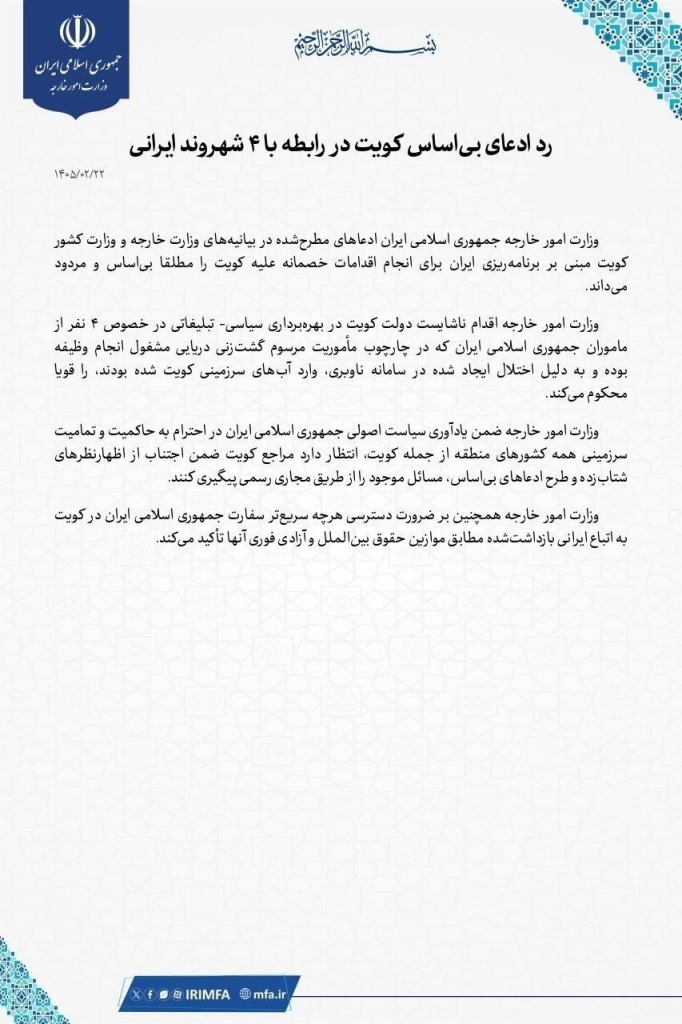
Later, Iran rejected Kuwaiti accusations in relation to an infiltration as ‘baseless,’ stressing that Iran respected the sovereignty and territorial integrity of all regional states, including Kuwait, adding that the four detained citizens had entered Kuwaiti waters after a navigation system malfunction during a routine maritime patrol mission.
The statement condemned Kuwait’s handling of the incident, accusing Kuwait of exploiting the case politically, while also calling for immediate consular access to the detained Iranians in accordance with international law and demanded their immediate release.
Official conversations:
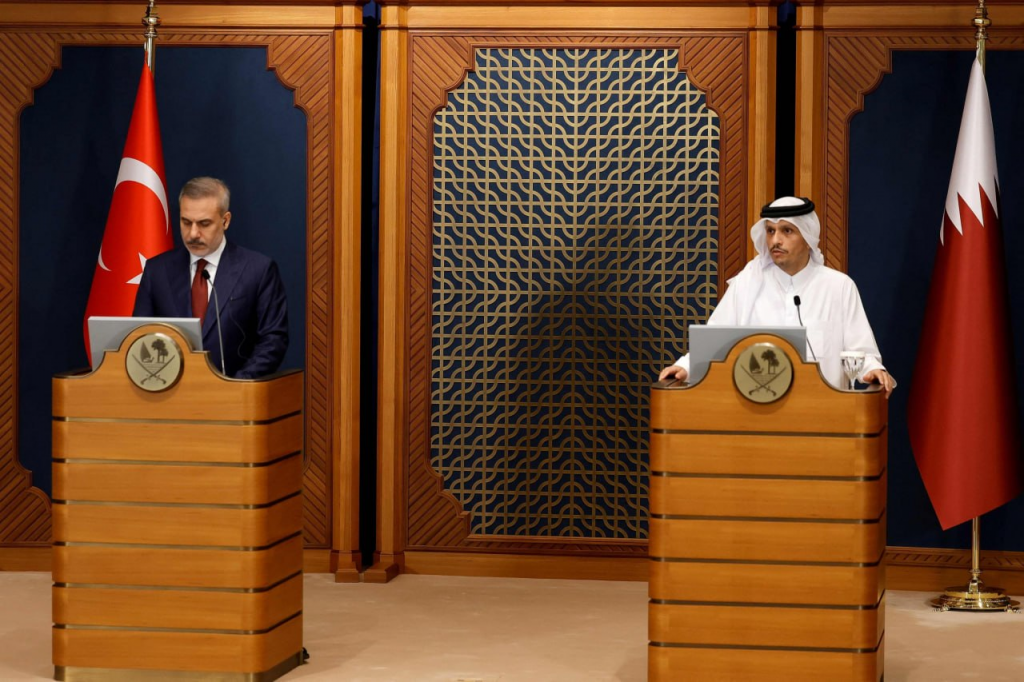
Qatari Prime Minister Mohammed bin Abdulrahman bin Jassim Al Thani held a joint press conference with Turkish Foreign Minister Hakan Fidan on Tuesday, emphasising the Strait of Hormuz should not be turned into a weapon during the US-Israeli war on Iran, while also backing Pakistani-led efforts aimed at securing a negotiated resolution to the war.
Al Thani said his recent trip to Washington was intended to strengthen the mediation efforts focused on ending the war: “This visit focused primarily on supporting the Pakistani diplomatic efforts and ensuring a positive response to these efforts as quickly as possible,” he said.
Iranian Foreign Minister Abbas Araghchi welcomed Norway’s Deputy Foreign Minister Andreas Motzfeldt Kravik to Tehran, where they discussed regional and international developments, and methods of reopening the Strait of Hormuz.
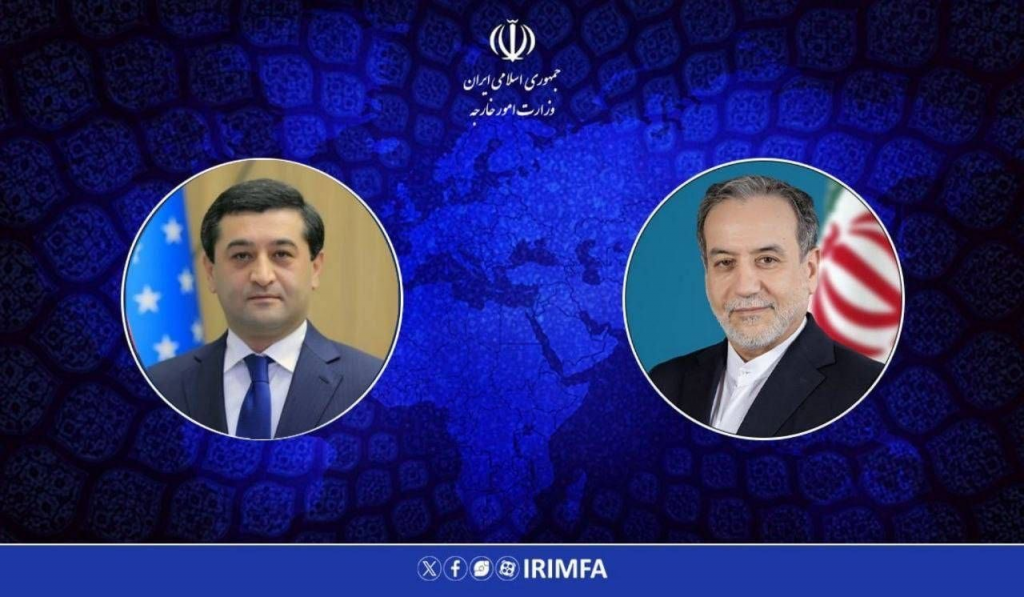
Uzbekistan Foreign Minister Bakhtiyor Saidov and Iranian Foreign Minister Abbas Araghchi shared a call where they discussed issues related to bilateral relations, while also consulting and exchanging views on the latest regional diplomatic trends and ongoing diplomatic trends.
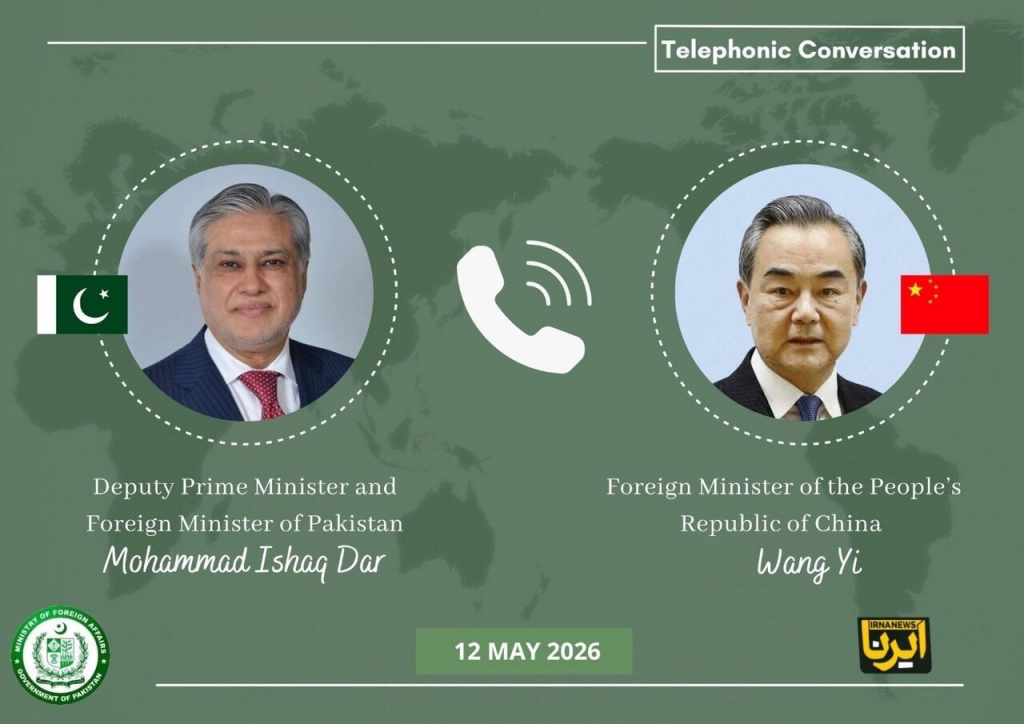
Deputy Prime Minister and Foreign Minister of Pakistan Ishaq Dar held a call with Chinese counterpart Wang Yi, where they emphasised the importance of a sustainable ceasefire between Iran and the United States, while calling for negotiations to guarantee normal passage through the Strait of Hormuz.
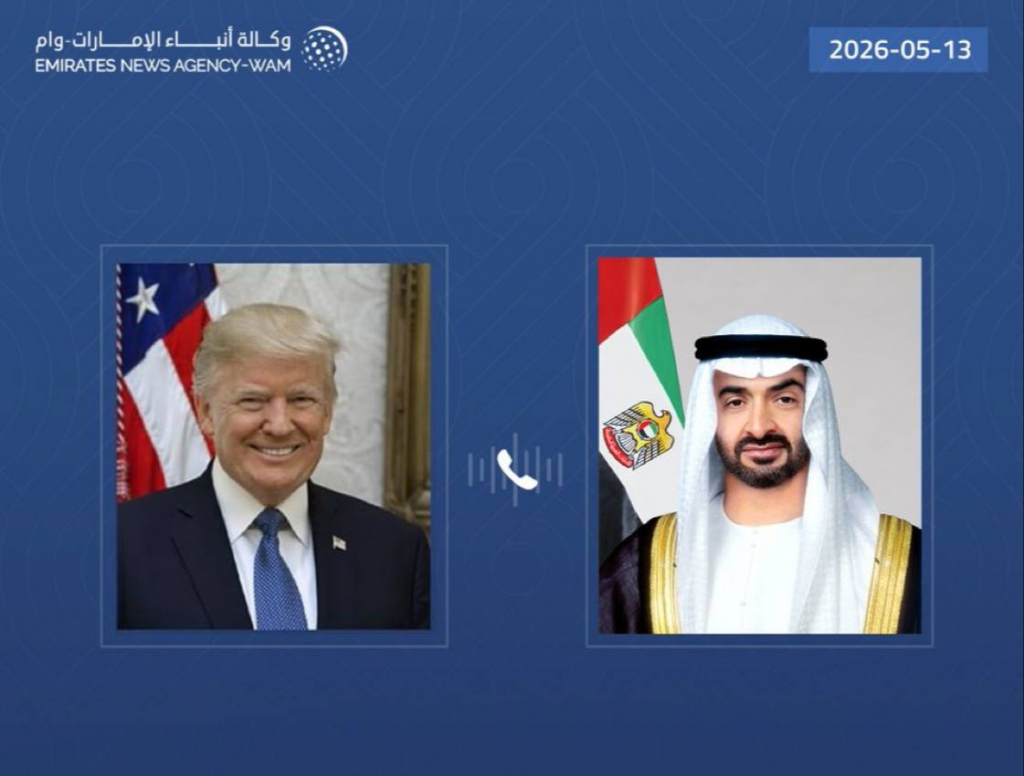
UAE President Sheikh Mohammed bin Zayed Al Nahyan received a phone call from President Trump on Tuesday, where the two discussed strategic cooperation and strengthening bilateral relations between the two nations, while the two leaders also reviewed developments across the Middle East and exchanged views on the regional situation.
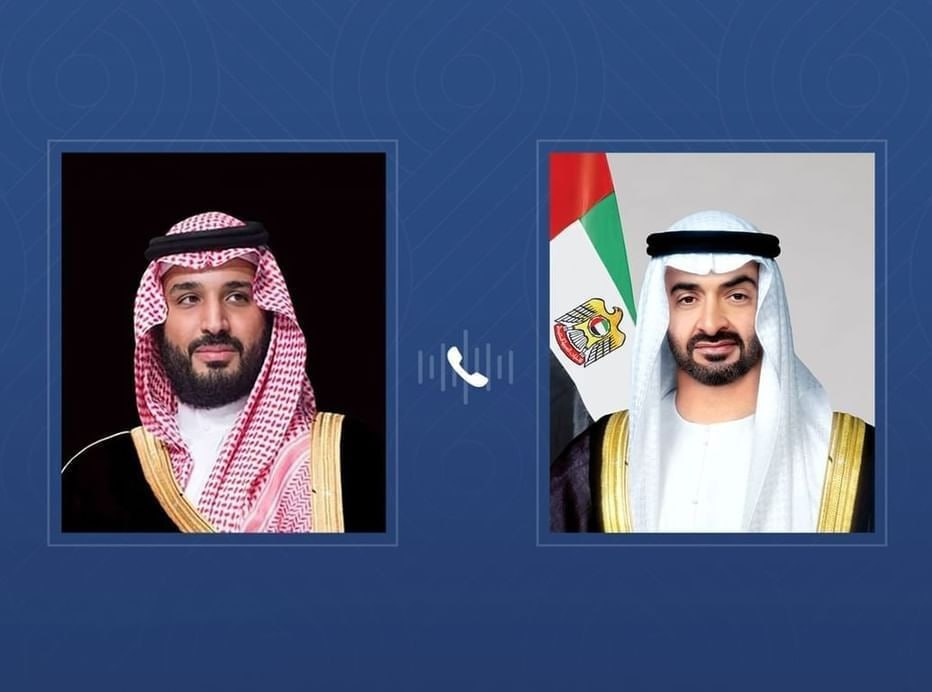
The Crown Prince of Saudi Arabia, Mohammed bin Salman, held a call with UAE President Mohammed bin Zayed Al Nahyan, discussing regional developments, bilateral relations, and efforts to restore navigation in the Strait of Hormuz.
News from Iran:
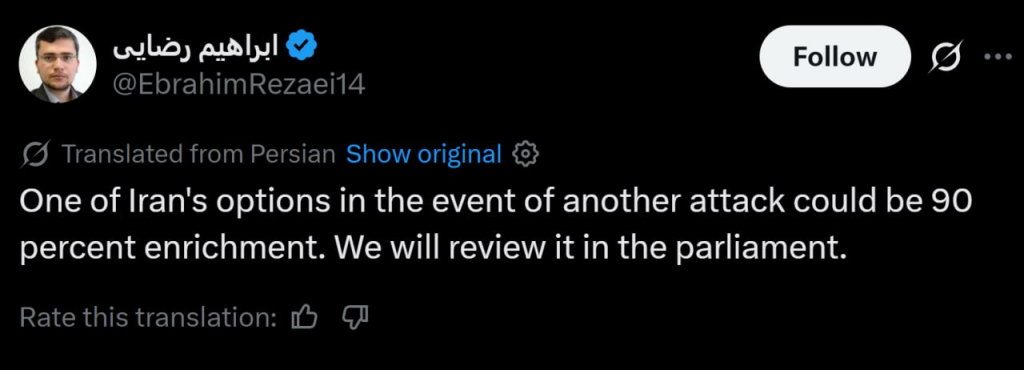
Spokesperson for Iran’s Parliament Foreign Policy and National Security Commission, Ebrahim Rezaei, warned on Tuesday: “One of Iran’s options in the event of another attack could be 90% uranium enrichment, we will examine this in parliament,” in a move meant to give Iran more negotiating power as a regional superpower in the future.
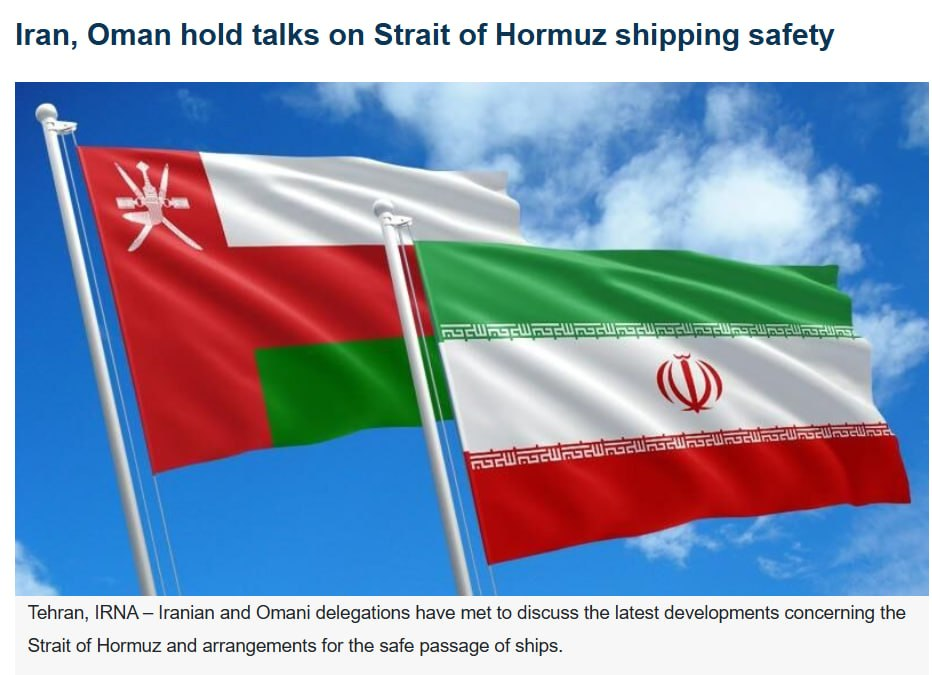
Iran and Oman had a technical and legal meeting in Muscat on Tuesday focussing on the Strait of Hormuz and the safe passage of ships, IRNA reported, noting the talks were part of ongoing bilateral consultations on regional developments and mutual relations in which both sides emphasised their sovereign rights and jurisdictions over the Strait as part of their territorial waters.
Talks were led on the Iranian Side by Abbas Bagherpour, Director General for International Law Affairs at the Foreign Ministry, alongside representatives form other government agencies.
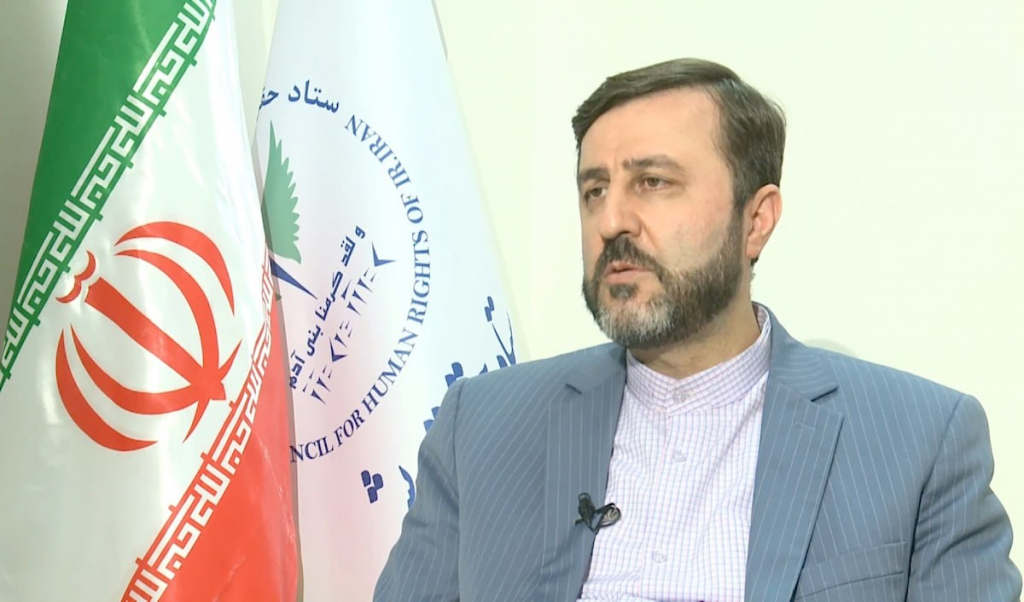
Iranian Deputy Foreign Minister Kazem Gharibabadi said a US-led draft resolution on the Strait of Hormuz at the UN Security Council was an attempt to escape the real problem, which is the aggression and illegal blockade against Iran.
Gharibabadi argued that no maritime security initiative can ignore the use of force, the naval blockade, and the role of the US and Israel in creating the crisis, while claiming neutrality or legal legitimacy, stating any text that failed to mention the aggression blockade, threat of force, and Iran’s legitimate right to defend its security and vital interests would be incomplete, biased, and doomed to fail.
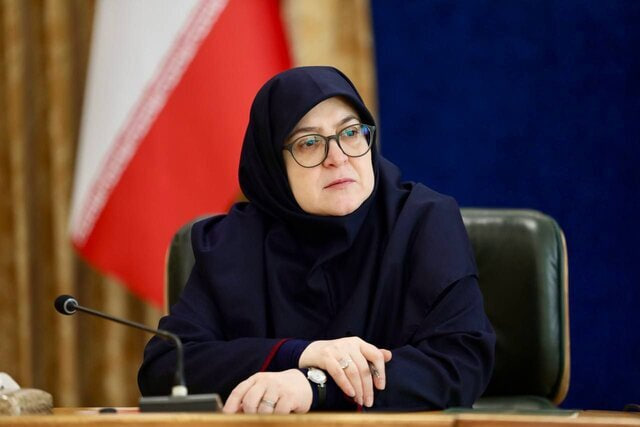
Iran’s government spokesperson Fatemeh Mohajerani, said at a press conference on Tuesday that Iran had been attacked many times, but risen like a phoenix each time, stating that this time too, Iran are strong and ranked as a superpower, vowing to rebuild the damages again.
Mohajerani said: “We fought the world’s greatest military power for 40 days and are still ready to pull the trigger, waiting for the negotiation space to determined,” but added the main focus is on lasting peace, pursuing diplomacy with dignity, wisdom and expediency: “People should know that Iran’s atmosphere is one of construction, development, and trust,” he said.
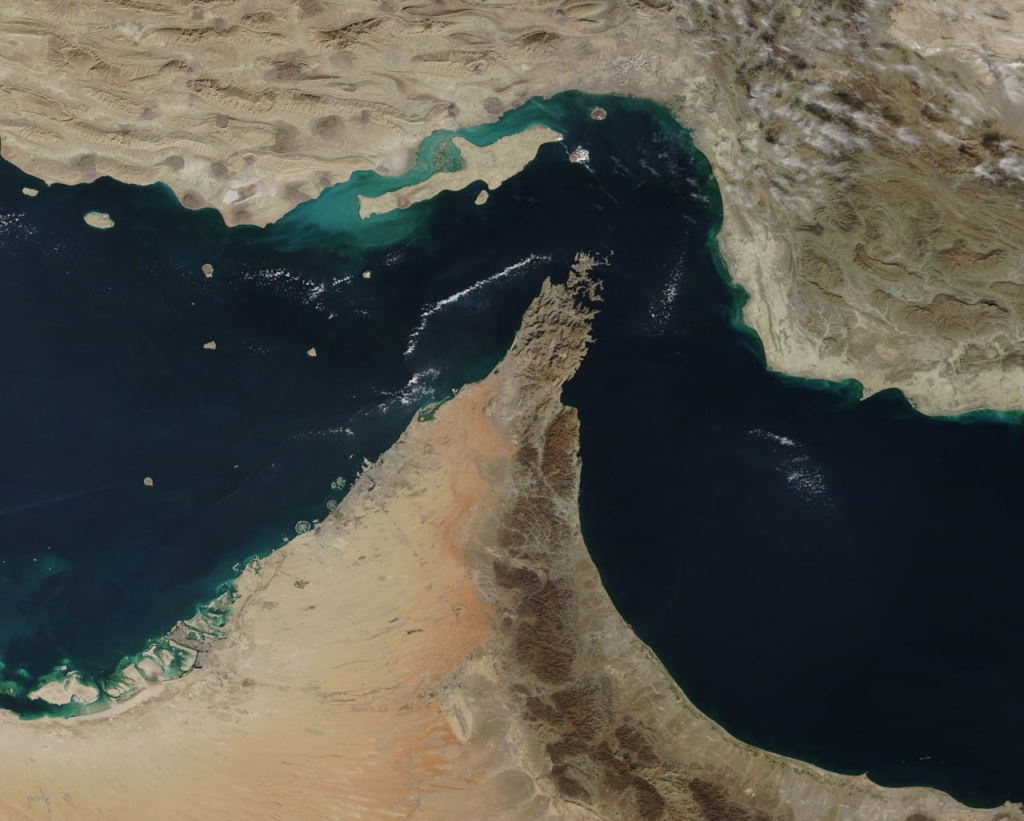
Iran significantly expanded its definition of the Strait of Hormuz, describing it as a much broader ‘operational area’ than before the war, because Tehran lo longer views the Strait as a narrow passage around several islands but as a greatly enlarged zone of military and strategic significance, with the IRGC Navy warning that Iran ‘will not allow any kind of encroachment upon its waters and interests.’
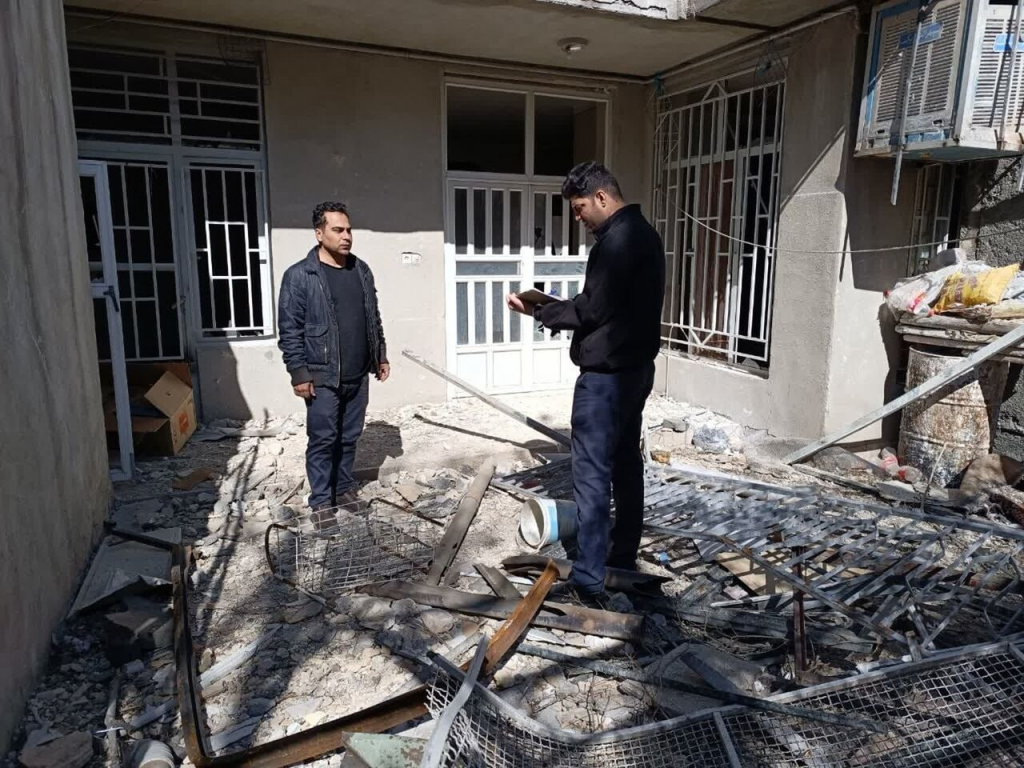
Director General of Reconstruction at the Housing Foundation of the Islamic Revolution Mohsen Rashtian said that 24 provinces were attacked during the war, with 122,940 damage assessment forms submitted, noting the majority of the damage was in Ilam, Kurdistan and Tehran.
In metropolitan areas (except Kermanshah), damage assessments, debris removal and reconstruction had been assigned to municipalities, but matters related to the city of Kermanshah were temporarily under the responsibility of the Housing Federation until a final decision is made.
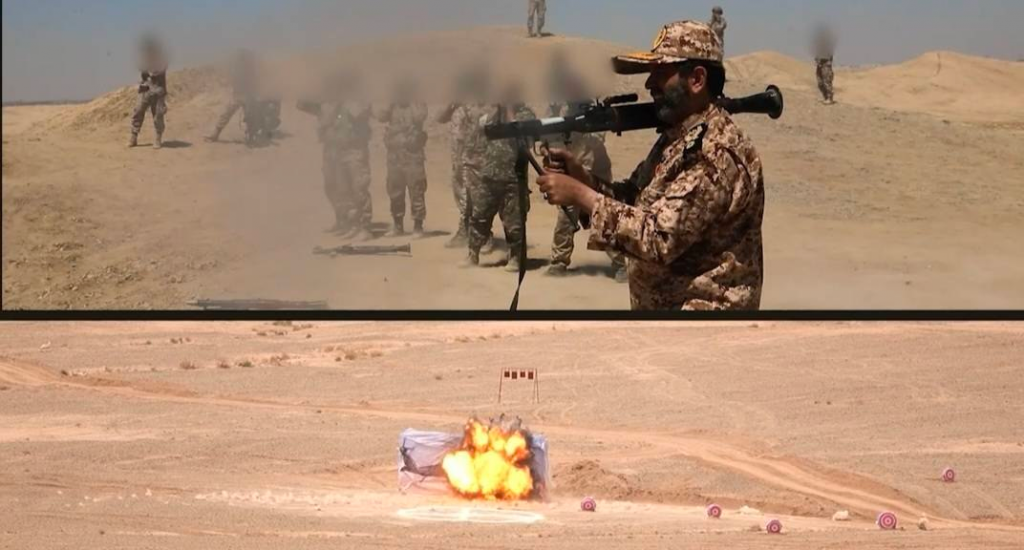
IRGC’s Tehran-based Mohammad Rasulullah Corps carried out unannounced wartime exercises focused on countering infiltration and anti-heliborne operations in the event of a potential US invasion, which included the use of FPV drones during the operation.
Iran’s IRGC intelligence service said it had dismantled five weapons-smuggling networks linked to Israel, with 20 individuals connected to what it described as ‘organised insecurity networks’ tied to ‘terrorist groups and arms smugglers,’ identified and arrested following intelligence and operational measures monitoring unauthorised weapons shipments, claiming more than 50 firearms, 70kg of explosives, around 2,000 cartridges and additional ammunition were seized during the operation.
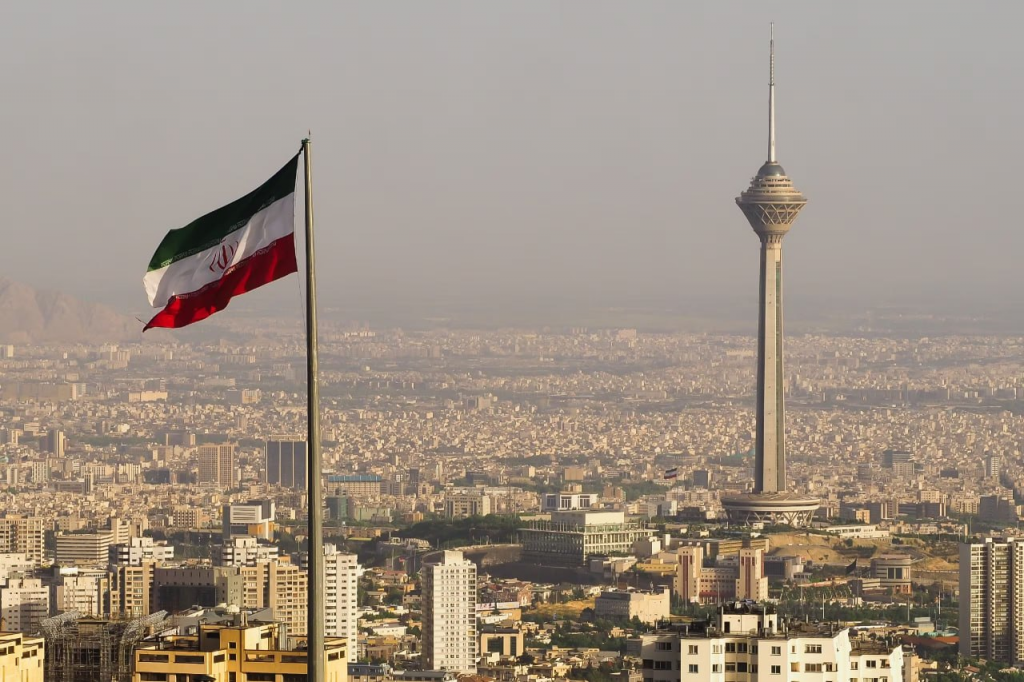
Iran’s leadership issued five conditions that the US must meet before Iran will enter any talks on the nuclear file, reported Al Jazeera, with the first key point being an end to the war on all fronts, including Lebanon, which wouldn’t please Israel due to the ongoing escalations against Hezbollah.
As well as lifting of sanctions and releasing of frozen assets, Iran requested compensation for war damages and losses, something which President Trump has a hard time accepting due to fears of acceptance also being admittance of defeat, while recognizing Iran’s sovereign right over the Strait of Hormuz included accepting the new order, including toll fees.
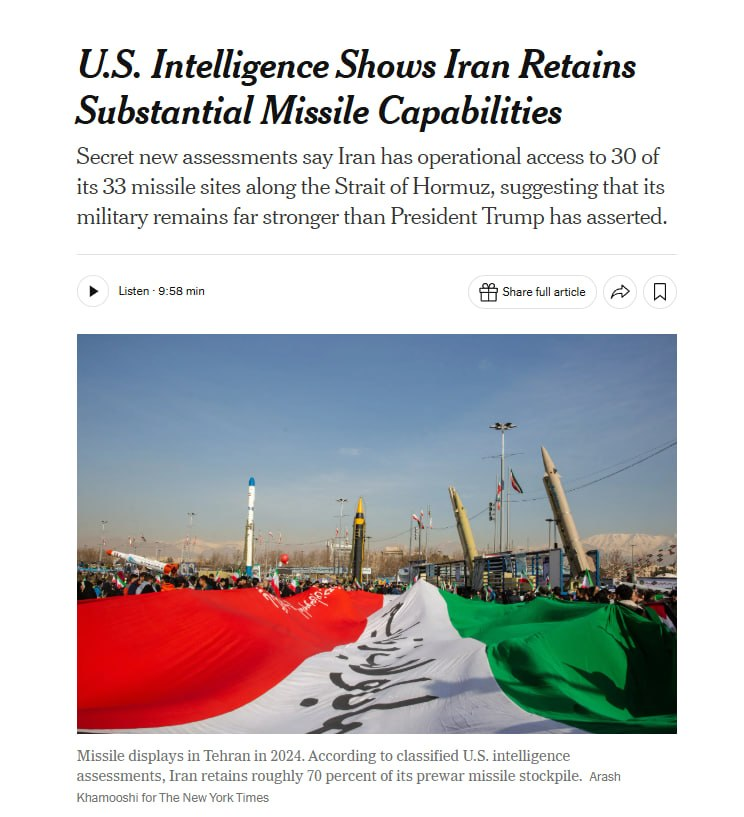
Classified US intelligence assessments allegedly showed Iran retained much of its missile capability, despite claims by the Trump administration that Iran’s military had been ‘decimated,’ reported NYT, stating Iran had regained access to around 90% of its underground missile storage and launch facilities nationwide, many of which are considered partially or fully operational.
Iran has restored operational access to 30 of its 33 missile sites along the Strait of Hormuz, with only three remaining inaccessible, according to the report, which stated that the intelligence agencies assessed that Iran still possessed around 70% of its mobile missile launchers, and roughly 70% of its pre-war ballistic and cruise missile stockpile.
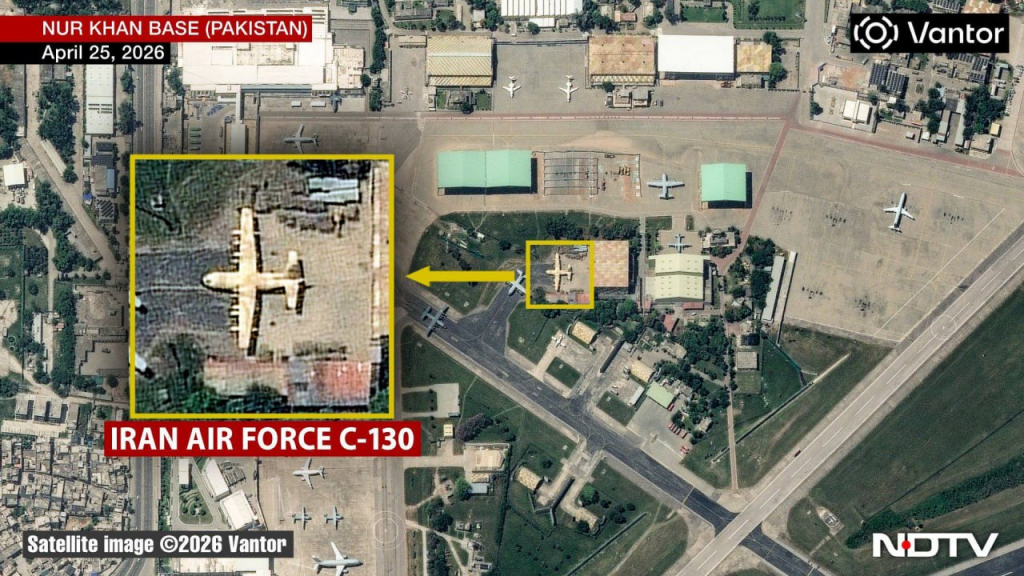
Satellite imagery from 25 April showed an Iranian Air Force C-130 aircraft parked near a hangar at Pakistan’s Nur Khan airbase, despite Pakistan claiming there were no military planes sent to Pakistani airbases for safety during the US-Israel war on Iran.
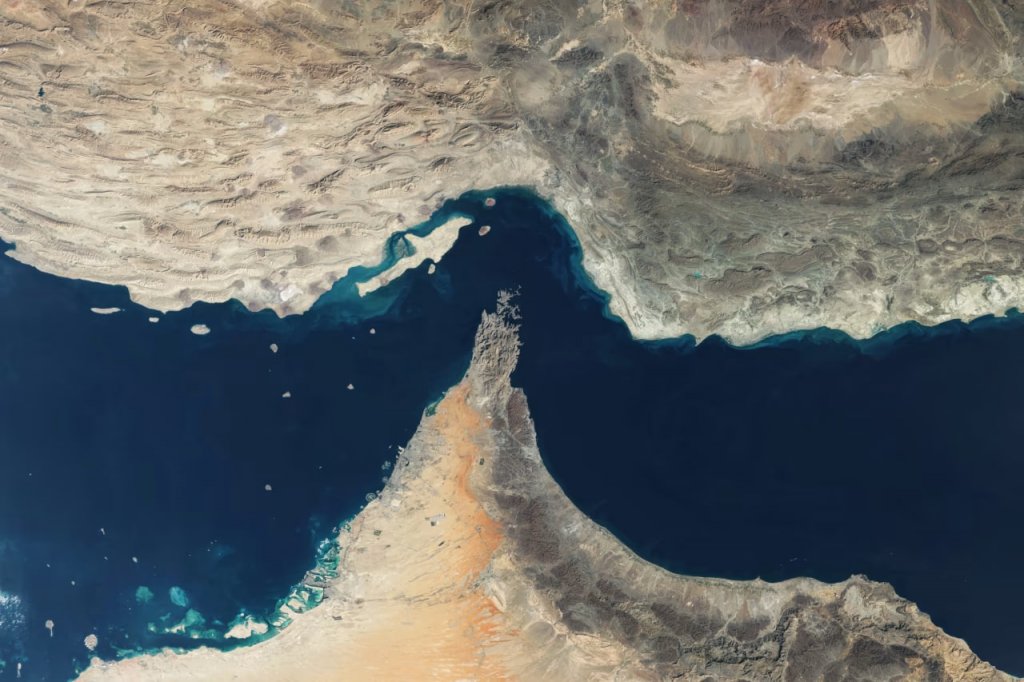
Iran hasn’t successfully exported any crude oil past the US navy blockade line by sea over the past 28 days, reported TankerTrackers.com, noting some refined products managed to escape because US OFAC didn’t slap sanctions on those tankers.
In addition, Kharg Island hasn’t loaded any tankers since 6 May as a result of an oil leak which Tehran initially denied taking place, then admitted it was water contaminated with oil released from a ballast tank, however, there are plenty of empty tankers both inside and outside the blockade perimeter, as well as plenty of cargo-laden tankers grouped together close to Pakistan.
Spokesperson for the Iranian Parliament’s National Security Committee Ebrahim Rezaei spoke with Tasnim News on Tuesday, saying that the Strait of Hormuz will under no circumstances be allowed to return to its pre-war status.
“Iran is not seeking to permanently close the Strait of Hormuz, but rather for the Strait of Hormuz to be under Iranian control and to benefit Iran,” he said, adding: “Parliament is about to approve a legal framework for the Strait of Hormuz that all entities will be required to implement.”
News from the USA:
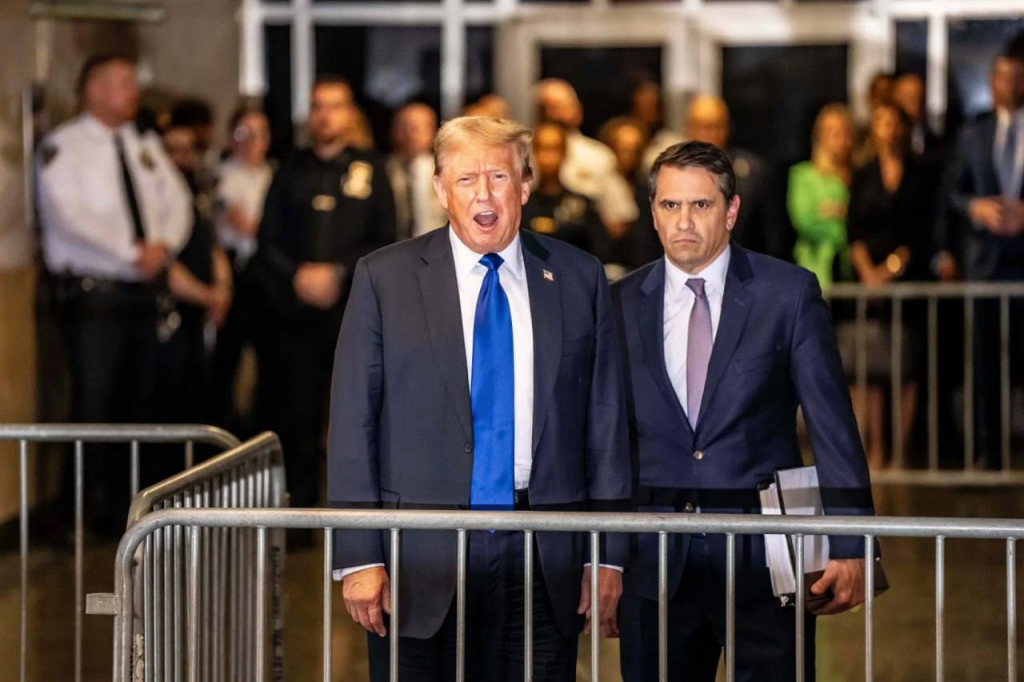
The Trump administration are aggressively pursuing investigations into reported leaks from senior officials to the national media before the war, Netanyahu’s lobbying of Trump, and the rescue operations of the downed US jets in Iran.
President Trump has handed over a large number of news articles labelled ‘Treason’ to Todd Blanche, the acting Attorney-General, and forced the Department of Justice to collect records of journalists from media outlets including the Wall Street Journal, the New York Times, and the Washington Post.
America and Israel’s war on Iran has caused the US economy to suffer $200 billion in losses due to rising interest rates, according to the FT.
According to the report, in February, investors expected the Federal Reserve to cut interest rates twice this year, but now, any support from the US central bank to ease pressure on the US labour market seemed unlikely, because rising fuel prices had pushed inflation to the highest level in 3 years.

DHL Group said on Tuesday it had signed a sustainable aviation fuel agreement (SAF) with the Bahraini SAF One production facility, which will secure long-term access to 25,000 metric tons of unbended SAF annually to its subsidiary DHL Express.
According to the statement, the arrangement amounts to a total supply of 250,000 metric tones over a 10-year period beginning from the planned start of production in 2028, which is intended to support DHL’s global goal of raising SAF usage to 30% by 2030.
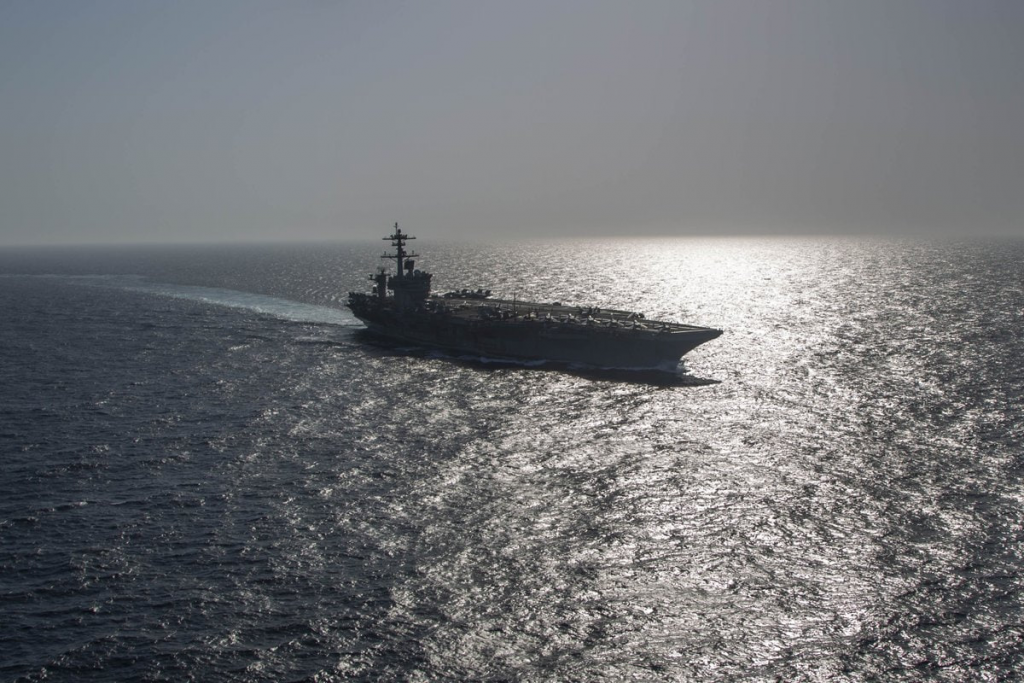
US Central Command said the Navy was still enforcing the blockade around the Strait of Hormuz, and had turned away more Iranian cargo vessels in the past 24 hours, taking the total to 65 redirected and 4 disabled.
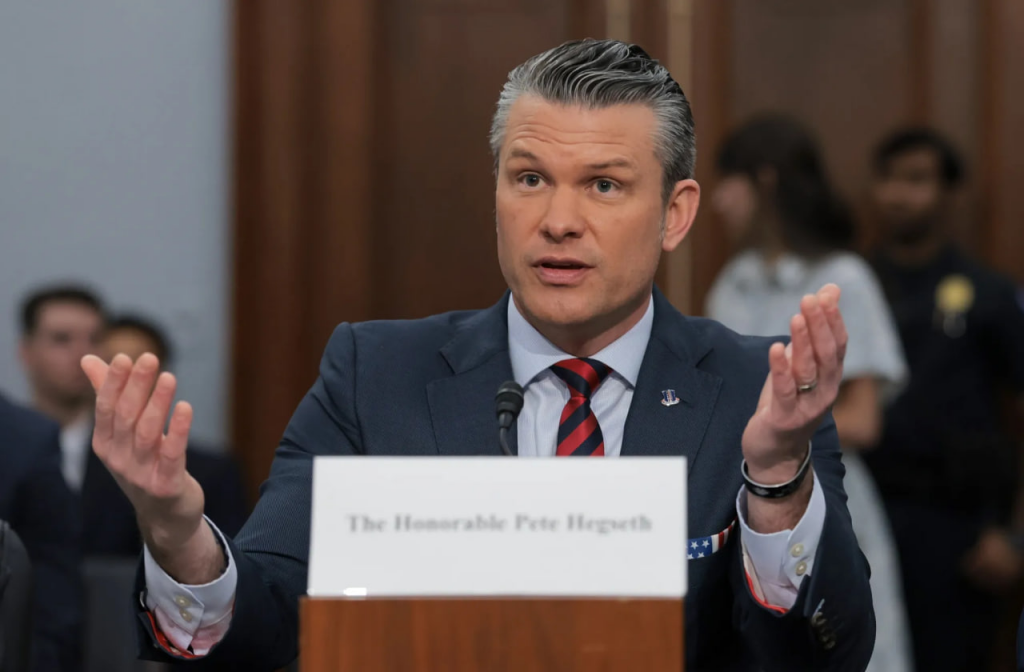
Secretary of War Pete Hegseth answered questions in relation to the war in Iran again on Tuesday, saying that the US have a plan to escalate if necessary, as well as a plan to retrograde if necessary, and also a plan to shift assets.
Hegseth said: “Certainly in this setting, we wouldn’t reveal what the next step may be, considering the gravity of the mission that President Trump is undertaking to ensure that Iran never has a nuclear bomb.”
The Secretary added: “We are winning; we have won every component of what we fought in this conflict,” stating that Iran knew that based on the incredible degradation of their capabilities, which is why they wanted to come to the table: “How this gets resolved will be on our terms, on President Trump’s terms, and we have all the munitions and capabilities necessary to enable that,” he stressed.
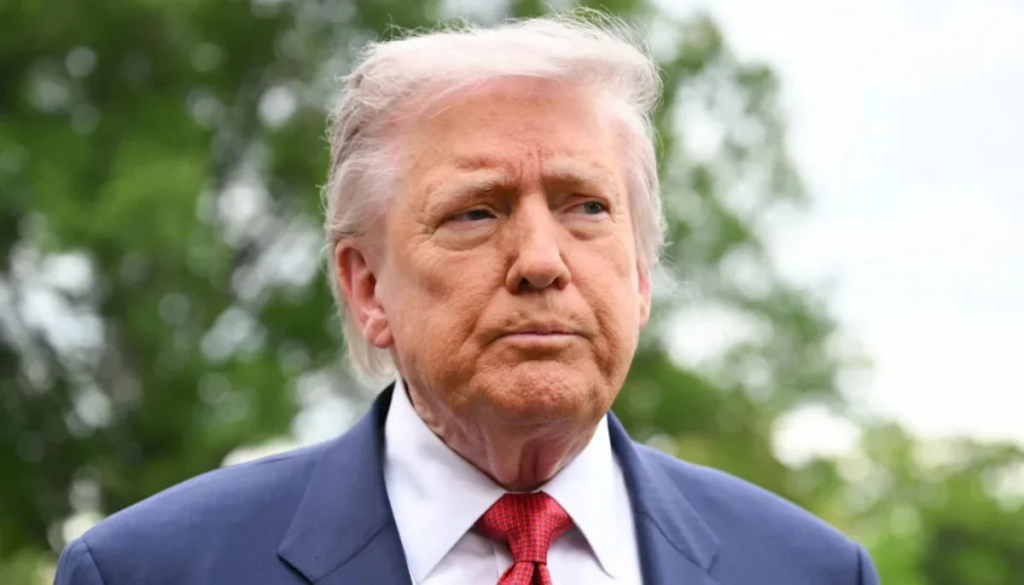
Sid Rosenberg asked President Trump whether he felt in his heart of hearts that he could stop Iran from enriching uranium and building a bomb, Trump replied: “100%, they’re going to stop, the Iranians told me that were going to get the nuclear dust, but then they changed their mind.”
Asked about his relationship with Prime Minister Netanyahu, Trump said: “I get along great with Bibi, we’ve been partners in the true sense – you wouldn’t have an Israel without the both of us, and you wouldn’t have it without me.”
President Trump also said that there’s no rush in the current operations in the Middle East: “We have a blockade which allows them no money – it’s a very simple thing; we cannot let them have a nuclear weapon – because they’d use it.”
Data from the maritime tracking company WINDWARD indicated that GPS disruption was continuing in the Strait of Hormuz, which started around one week ago and resulted in disruptions in maritime navigations and GPS systems due to movements by the United States through the Strait.
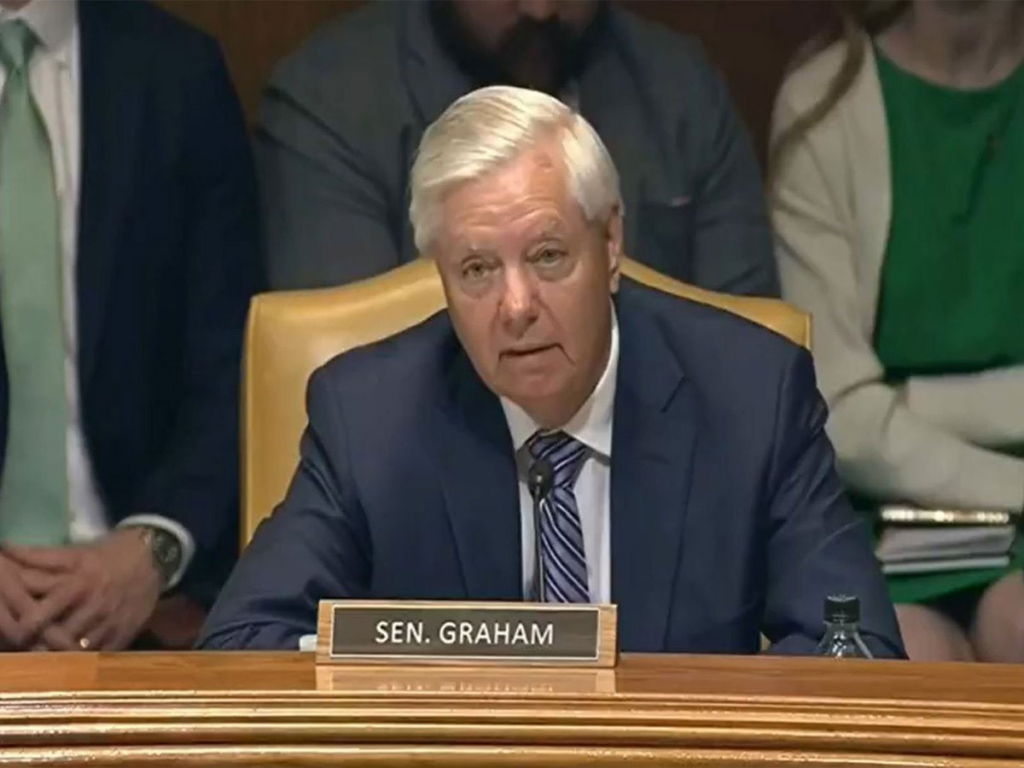
US Senator Lindsey Graham said during a Congressional hearing that if the mediator (Pakistan) was allowing reconnaissance aircraft to be parked in Pakistani airbases, did Hegseth think it was consistent with being a fair mediator, to which the Secretary of War replied: “I wouldn’t want to get in the middle of these negotiations.”
Graham said: “Well I do, I want to get in the middle of these negotiations, I don’t trust Pakistan as far as I can throw them,” adding that if they actually had Iranian aircraft parked in Pakistani bases to protect Iranian military assets: “That tells me we should be looking for somebody else to mediate – no wonder this damn thing is going nowhere.”
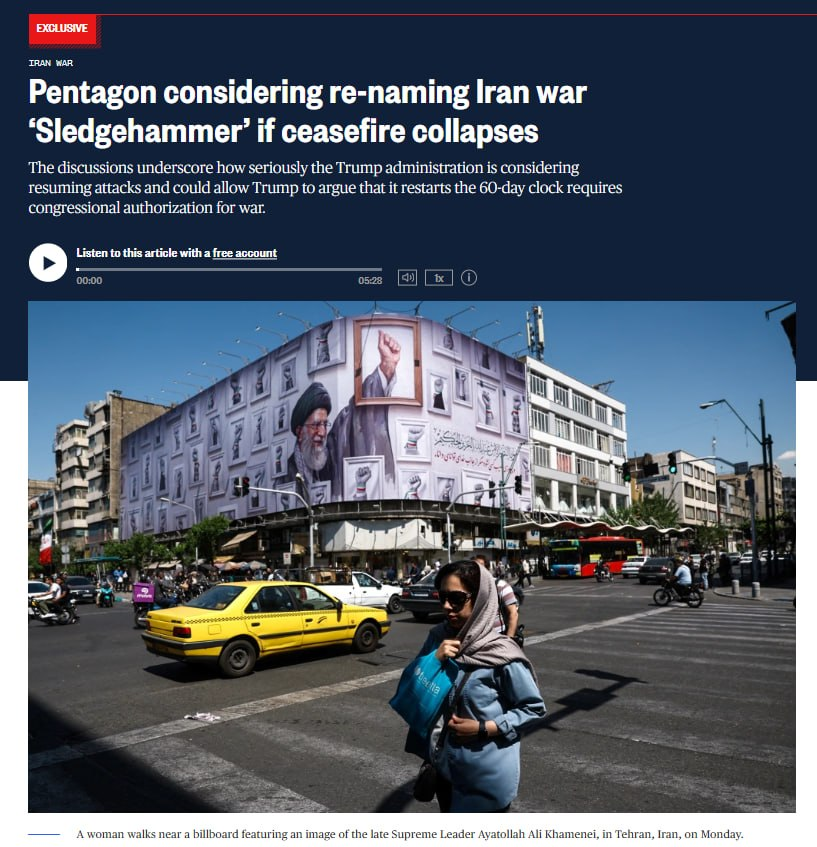
The Pentagon is considering renaming the war with Iran from ‘Operation Epic Fury’ to ‘Operation Sledgehammer’ if the ceasefire collapses and Trump orders a resumption of major combat operations, NBC News reported.
According to the report, the proposed name change would allow the administration to argue that renewed fighting constituted a new military operation, effectively restarting the 60-day congressional authorisation clock under the 1973 War Powers Resolution, but Trump hasn’t yet approved renewed hostilities, and officials are drawn between a return to fighting or the diplomatic approach.
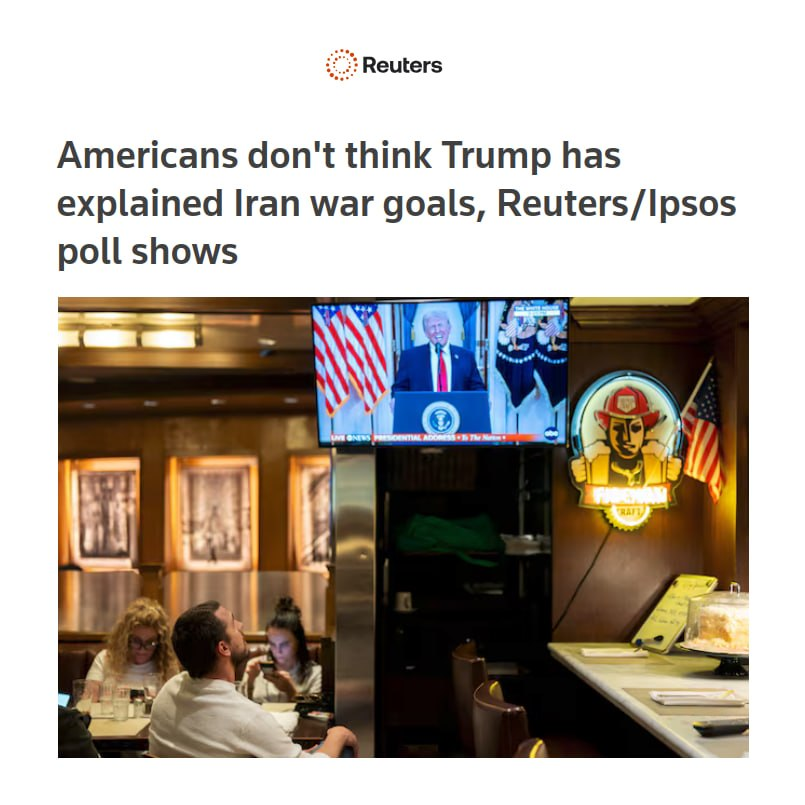
Almost two-thirds of the American population believe President Trump hasn’t explained the reason for war with Iran to them, according to a joint Reuters/Ipsos poll showing that 62% of Americans felt Trump had not presented a clear strategy, while only 28% of participants believed Trump had provided convincing reasons for confronting Iran.
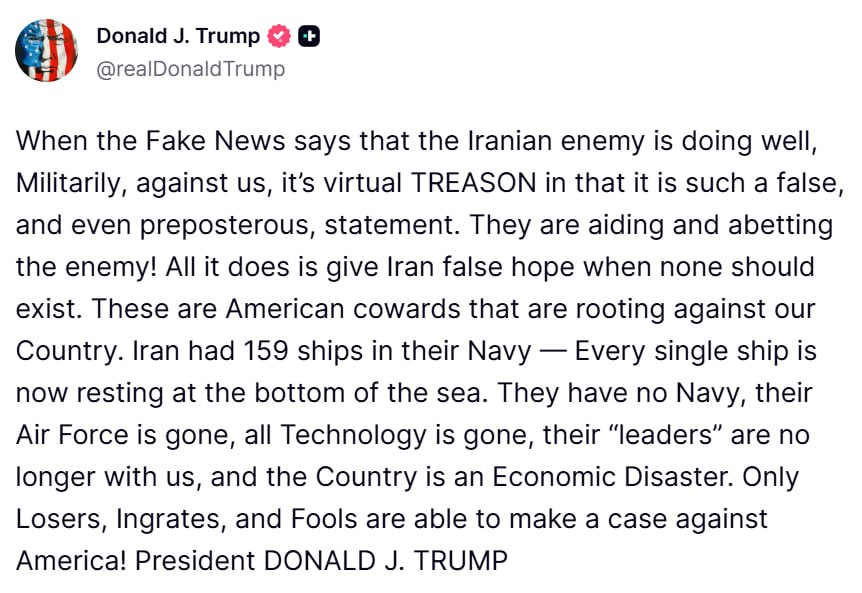
President Trump’s attacks on news outlets and media companies continued via Truth Social after the President had boarded Air Force One and headed to China for talks, disagreeing this time with some reporting, claiming it as fake news and ‘virtual treason.’
“These are American cowards that are rooting against our country,” he said, citing again that 159 ships in their Navy, every single ship (except the fast attack boats) is now resting at the bottom of the sea, alleging they have no Navy, Air Force, or Technology, while the leaders are also no longer with us and the country is in an economic disaster: “Only losers, ingrates, and fools are able to make a case against America,” he added.
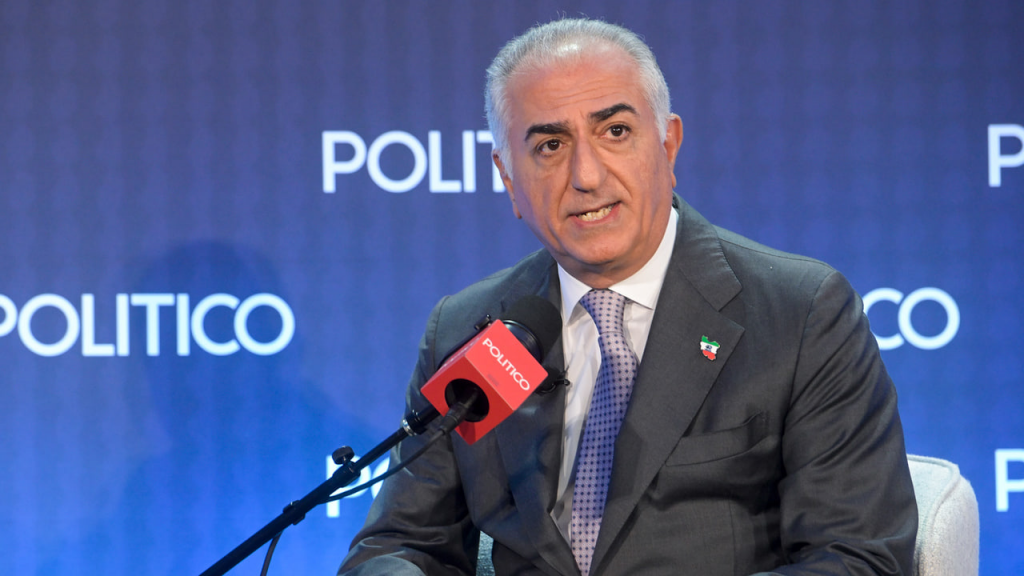
Reza Phalavi criticised President Trump over mixed signals sent to Iran, saying that on the one hand, people needed to rise and at the same time they were told to wait due to negotiations; “It’s confusing the hell out of everyone, and I think this is the kind of issue that has been a little bit concerning for all of us watching and observing how the situation is unfolding,” he said at the Politico conference on Tuesday, while allegedly being booed by pro-Iranian supporters.
US President Trump’s comments on Iran:
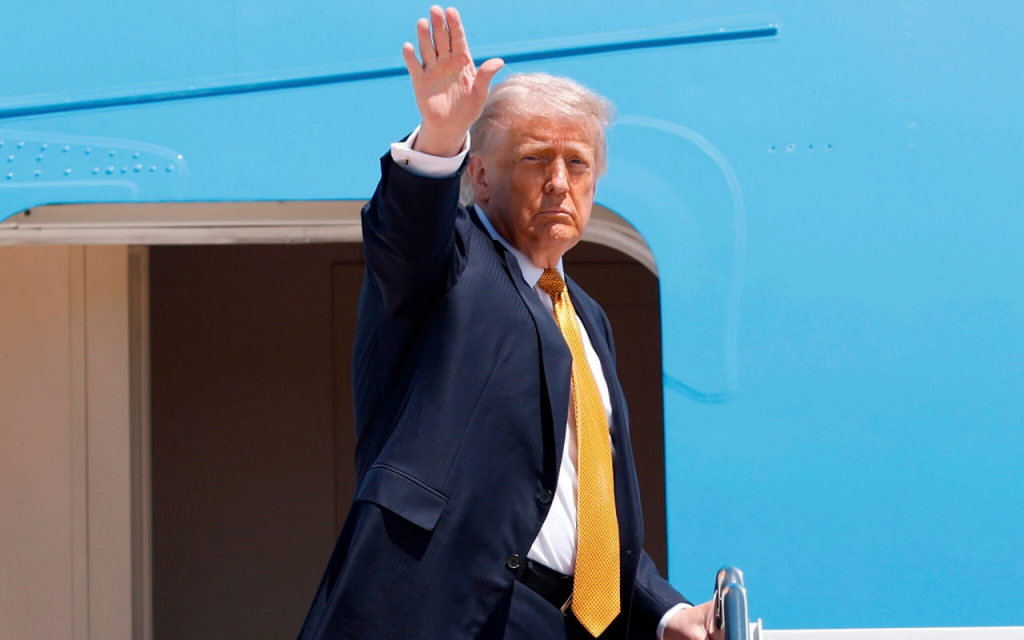
Before President Trump boarded Air Force One to head to Beijing for an important Chinese summit alongside tech giants and plane manufacturers, reporters were given the chance to ask some questions of the man in charge.
Reporter: At what point are you done negotiating with Iran?
Trump: We’re going to see what happens, we’re only making a good deal. I believe that one way or another, it’s going to be very good for the American people, and I think actually very good for the Iranian people.
Reporter: Are you reconsidering the Pakistanis as mediators?
Trump: No, they are great – the Field Marshal and the Prime Minister of Pakistan have been absolutely great.
Reporter: What is your message to President Xi as it relates to the Iran war?
Trump: I think number one, we’re going to have a long talk about it – I think he’s been relatively good, to be honest with you – we’ve had no problem, and he’s been a friend of mine. I think you’re going to see that good things are going to happen, and this is going to be an exciting trip.
Reporter: Do you think Xi needs to intervene at all with the Iranians, or do you think he can help in any way?
Trump: I don’t think we need any help with Iran, we’ll win it one way or another, we’ll win it peacefully or otherwise – every single element of the war machine is gone.
President Trumps other comments to reporters included: “I don’t think about American financial situations, I don’t think about anybody, I think about one thing: we cannot let Iran have a nuclear weapon, that’s all.”
Trump also said that Iran’s leaders will either do the right thing, ‘or we will finish the job,’ adding: “We have Iran very much under control, we are either going to make a deal, or they’re going to be decimated, but one way or the other, we win.”
In terms of markets and inflation, Trump said: “Every American understands that Iran cannot have a nuclear weapon – if the stock market goes up or down a little bit, the American people understand.”
Other News – Asia:

Japan’s printing industry, relying on ink made with naphtha, an oil-derived substance which is normally imported from West Asia and accounts for roughly 40% of Japan’s consumption, have had to be change how they operate due to the Middle East crisis.
Tokyo-based Calbee announced on Tuesday it would limit packaging to just two ink colours across 14 products, including potato chips, Kappa Ebisen, and Frugra cereal, with the updated packaging expected to hit shelves in stores starting from 25 May.
Following a visit to the USA, South Korea’s Defence Minister Ahn Gyu-baek said Seoul would consider a phased contribution to securing maritime traffic in the Strait of Hormuz, including possible information sharing and limited military support, after the visit and discussions with US officials in Washington.
Australia said it would continue to contribute to the UK and France-led multinational military mission to help secure the freedom of navigation through the Strait of Hormuz, with Defence Minister Richard Marles stating Australia was prepared to deploy E7A Wedgetail aircraft to protect the UAE from Iranian drone attacks.
Other News – Europe:
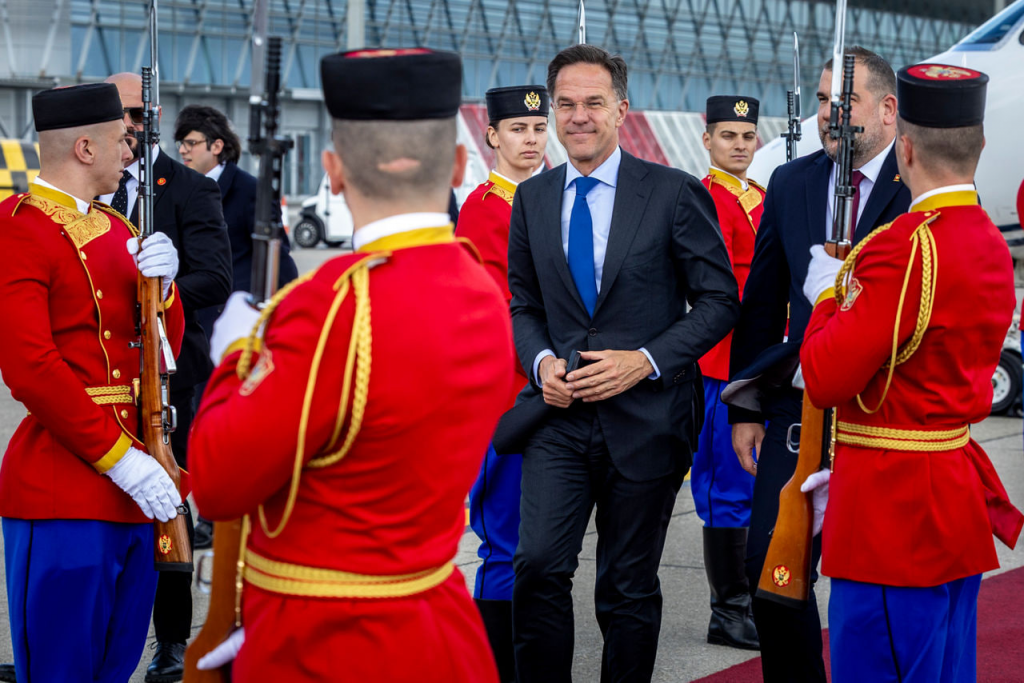
NATO Secretary-General Mark Rutte said there had been discussions about the Strait of Hormuz, and he was seeing that there was a massive amount of activity pre-positioning critical close to the theatre, ready for the next phase: “We clearly see that the Europeans have heard the American President and are responding,” he said.
EU’s Foreign Policy spokeswoman Kaja Kallas said its clear the region wouldn’t be the same when the war ends, while Gulf countries have said that they clearly see Europe’s role there: “Just look at the kind of help Ukraine has given to the Gulf countries,” she said, adding: “In the long term, there is definitely a road for us.”
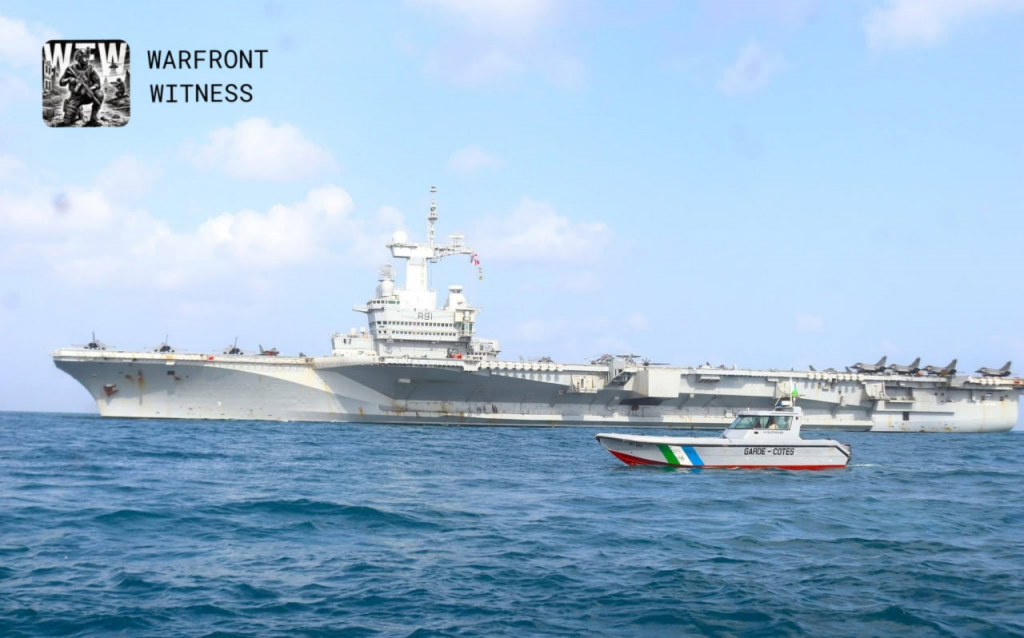
The French Navy FS Charles de Gaulle aircraft carrier arrived at the port of Djibouti on Tuesday, located right next to the Bab el-Mandeb strait and less than two days navigation away from the Strait of Hormuz, but its unlikely to enter the Arabian Sea to avoid the area of operations by the US Navy, Warfront Witness reported.

French farmers gathered in the Lyon area of France following a call from the Rural Coordination Union to protest the rising fuel costs related to the situation in the Middle East, with at least 50 farmers blocking the road with around 20 tractors to protest against a price hike.
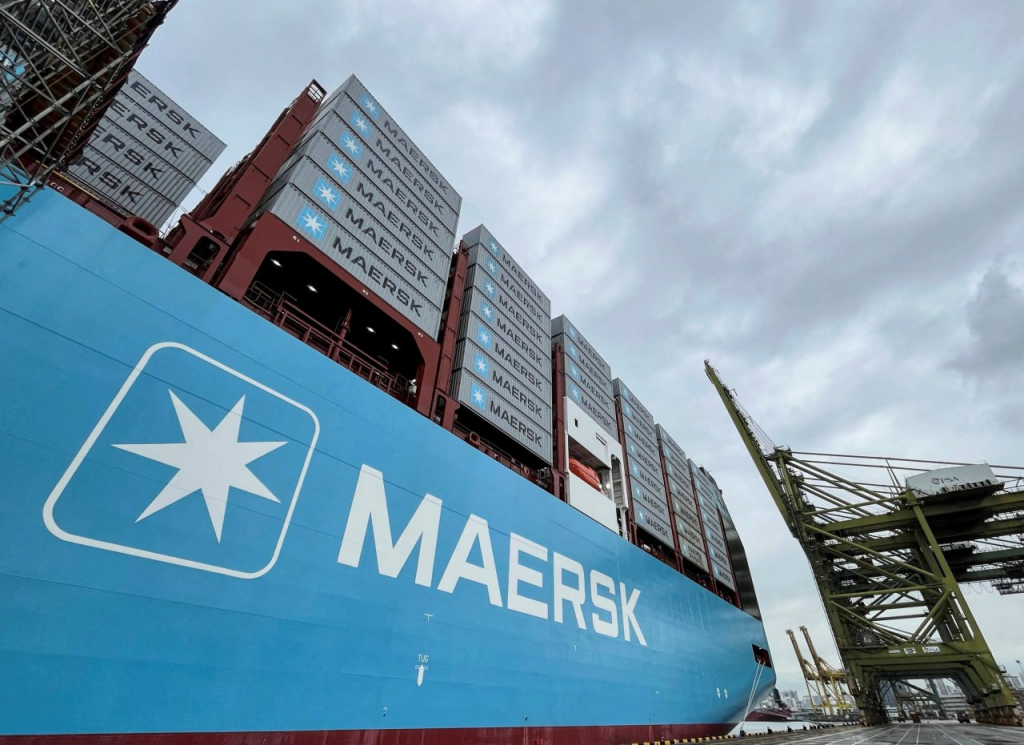
Danish shipping giant Maersk, the world’s second-largest container shipping company, has stated on Tuesday that it is still avoiding any transit through the Strait of Hormuz and are looking at alternative routes to pass.
Lithuania’s Defence Chief Raimundas Vaikšnoras said on Tuesday that the country could contribute minesweeping capabilities for any Strait of Hormuz mission, as long as the security situation allowed.
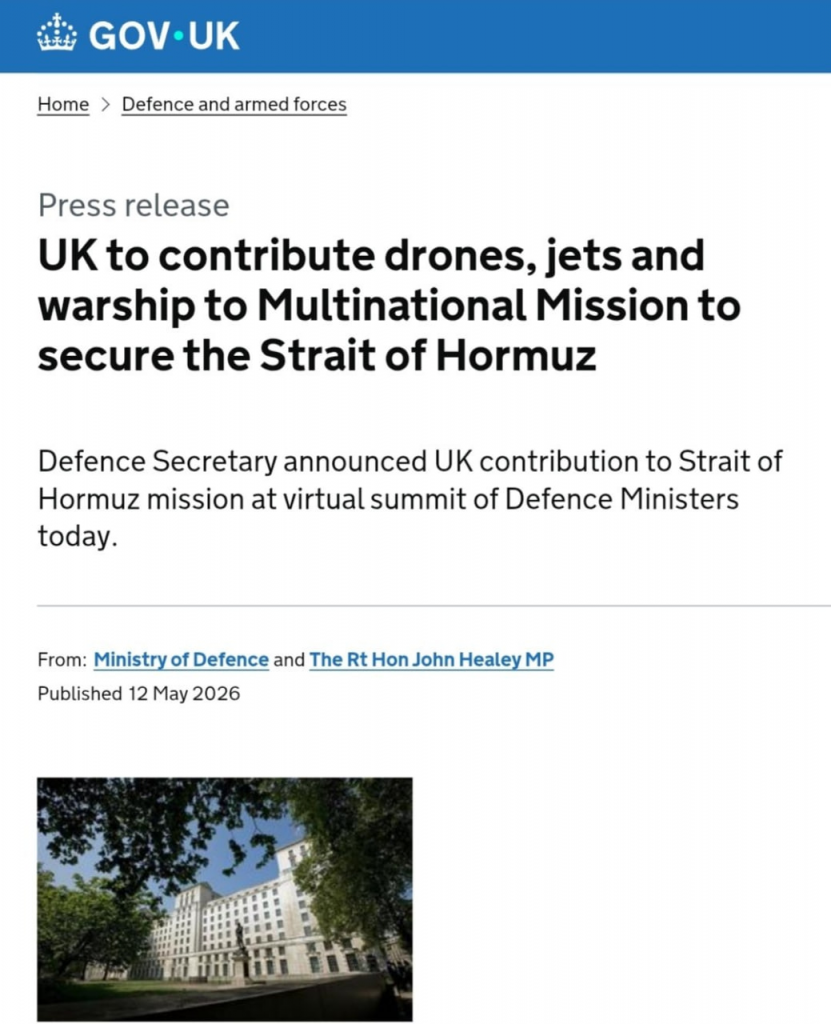
The UK are set to contribute drones, Typhoon jets and a warship to a multinational mission aimed at securing freedom of navigation in the Strait of Hormuz, according to a UK Government announcement.
According to the report, the package is backed by £115 million in new funding, which includes advanced autonomous mine-hunting equipment, the Royal Navy’s modular ‘Beehive’ drone boat system, along with HMS Dragon deploying to the Middle East with its Sea Viper counter-drone system, for operations Defence Secretary John Healey described as strictly defensive.
Other News – Middle East:
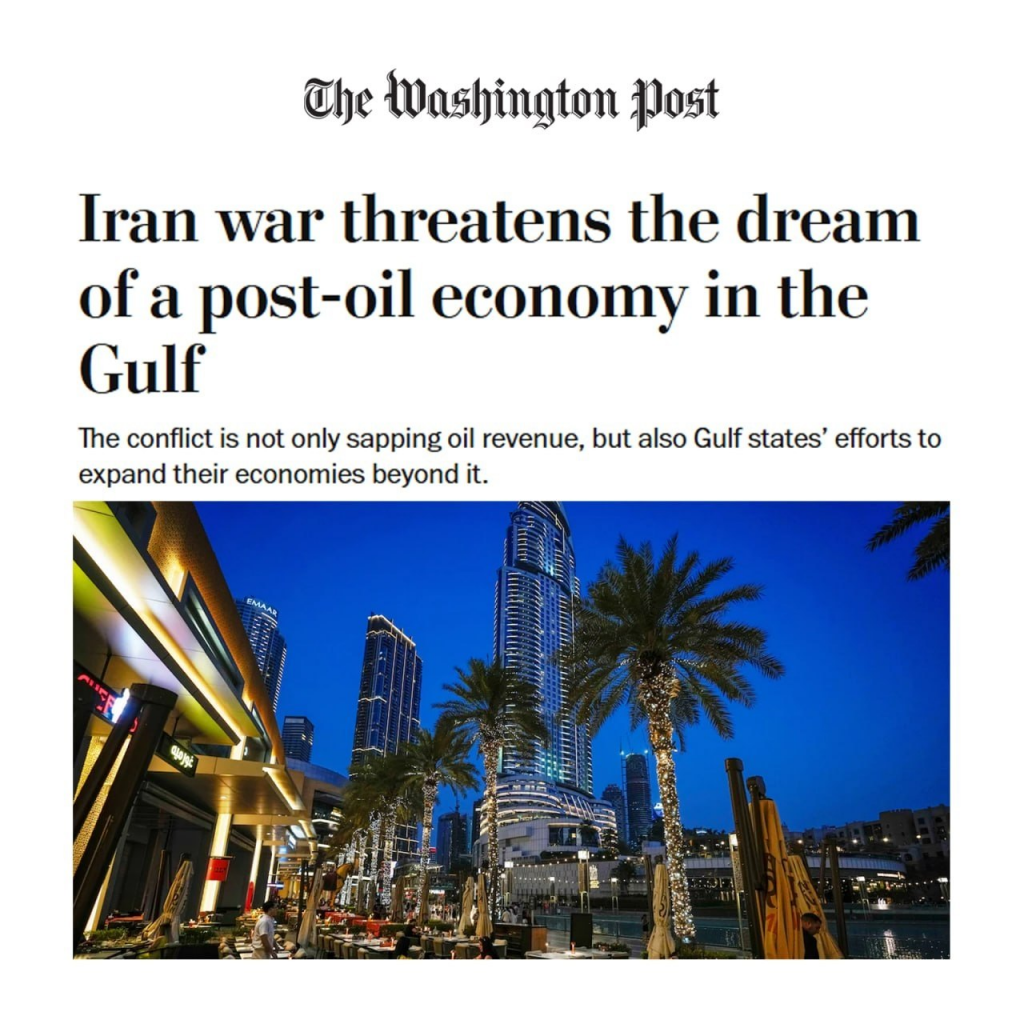
The war against Iran is threatening the Gulf countries’ dreams of building oil-free economies, amid a decrease in tourism due to the conflict, shaking investor confidence and undermining their efforts to expand beyond oil, reported the Washington Post.
According to the report, the conflict slashed oil revenues while also dealing a blow to Gulf nations’ ambitions of becoming global hubs for finance, tourism and technology, and Iran’s ability to keep the Strait of Hormuz closed for as long as it wishes has eroded foreign investor confidence and dented the region’s reputation as a safe haven for business.
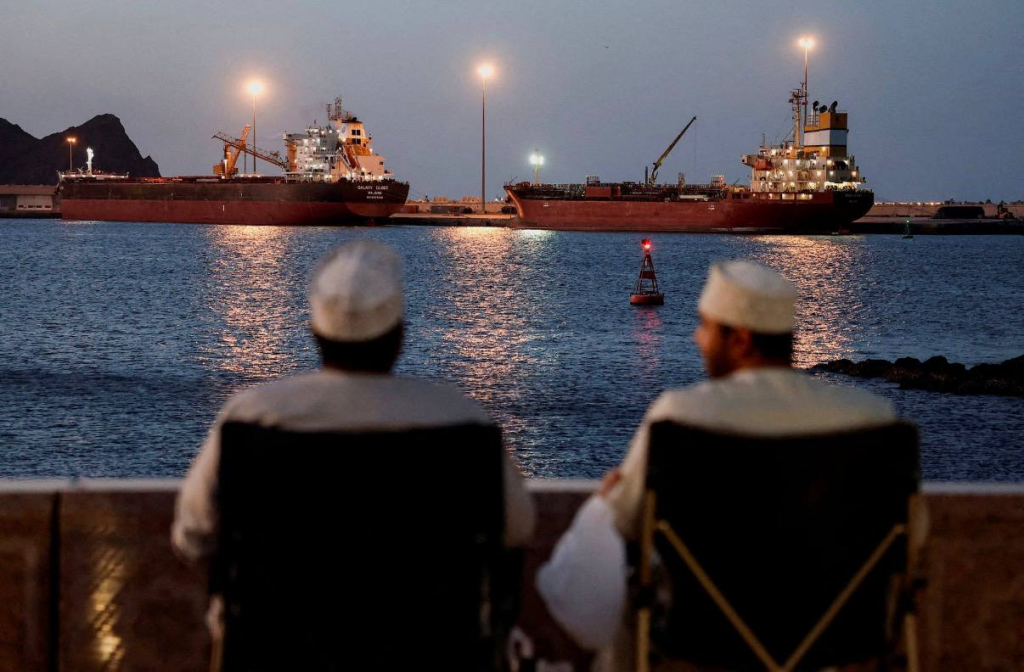
Iraq and Pakistan have struck separate energy transit agreements with Iran to secure the movement of crude oil and LNG shipments through the Strait of Hormuz, underscoring Tehran’s growing leverage over traffic through the waterway amid the conflict with Iran and the disruption of Gulf energy exports.
According to Reuters, Iraq secured safe passage for two crude tankers carrying roughly 2 million barrels each, while Pakistan arranged the transit of Qatari LNG cargo through the Iranian-approved maritime corridors.
Iraq’s Popular Mobilisation Forces (PMF) have launched a large-scale operation, named ‘Imposing Sovereignty,’ in the Najaf and Karbala deserts of Western Iraq, following reports of the establishment of a secret Israeli military base, reported Iraq News Agency.
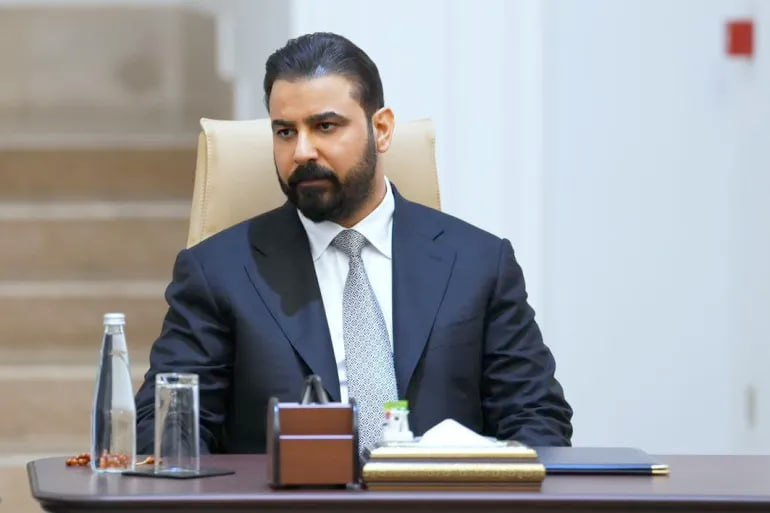
Iran unexpectedly vetoed the formation of a new Iraqi government, reported Asharq Al-Awsat, stating that Iran demanded its allied factions not be excluded from the cabinet, according to Iraqi officials.
Tehran instructed representatives of the Shia Coordination Framework not to vote for a government that would harm the influence of its allies, in a move which came as the Quds Force commander Ismail Qaani arrived in Baghdad for surprise talks, while US pressures to form a cabinet fully aligned with Washington has intensified.
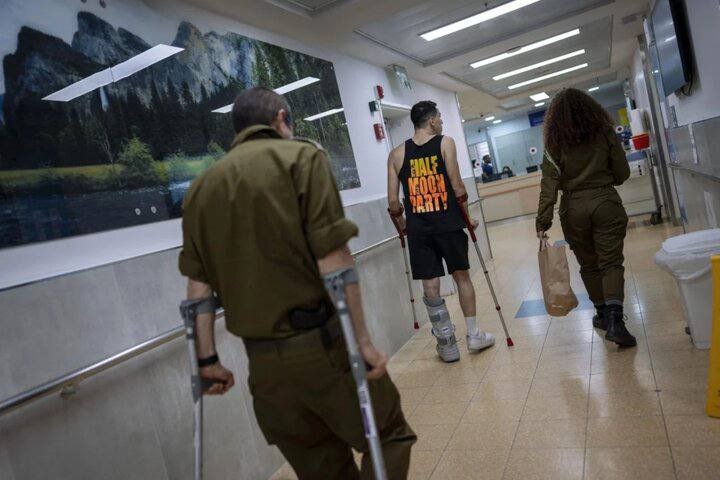
Israel reported more than 8,683 Israelis were wounded since the start of the war with Iran, reported the Israeli Ministry of Health.
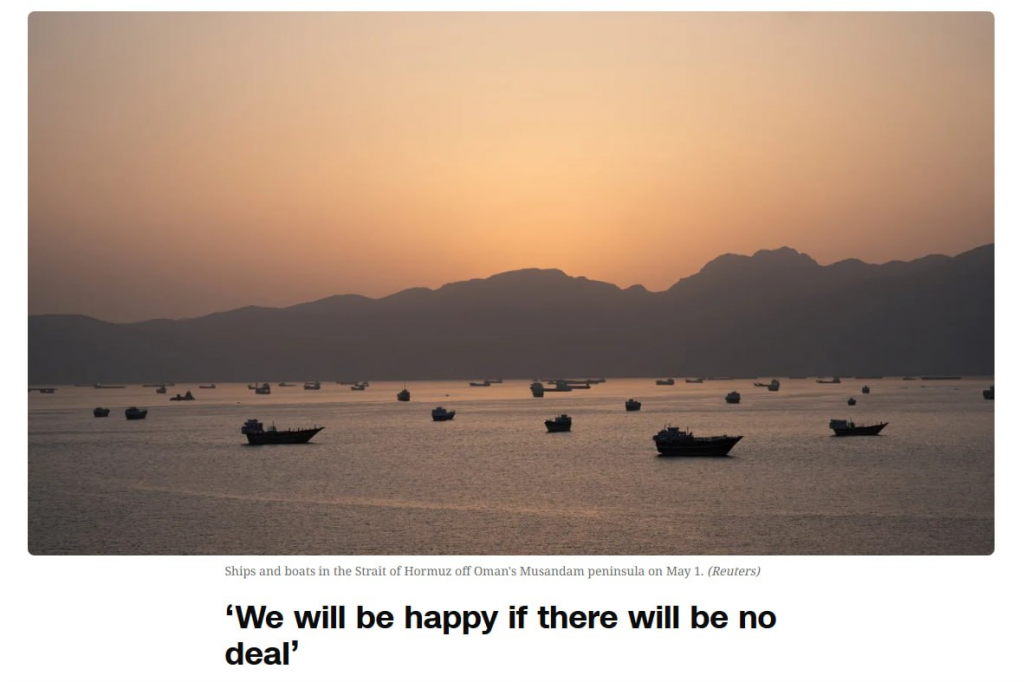
CNN were told by a senior Israeli official that Israel would be happy if there was no deal, if the siege of Hormuz continues, and if Iran gets a few more strikes: “Escalation is a realistic scenario if the Iranians continue to play and drag negotiations,” they said.
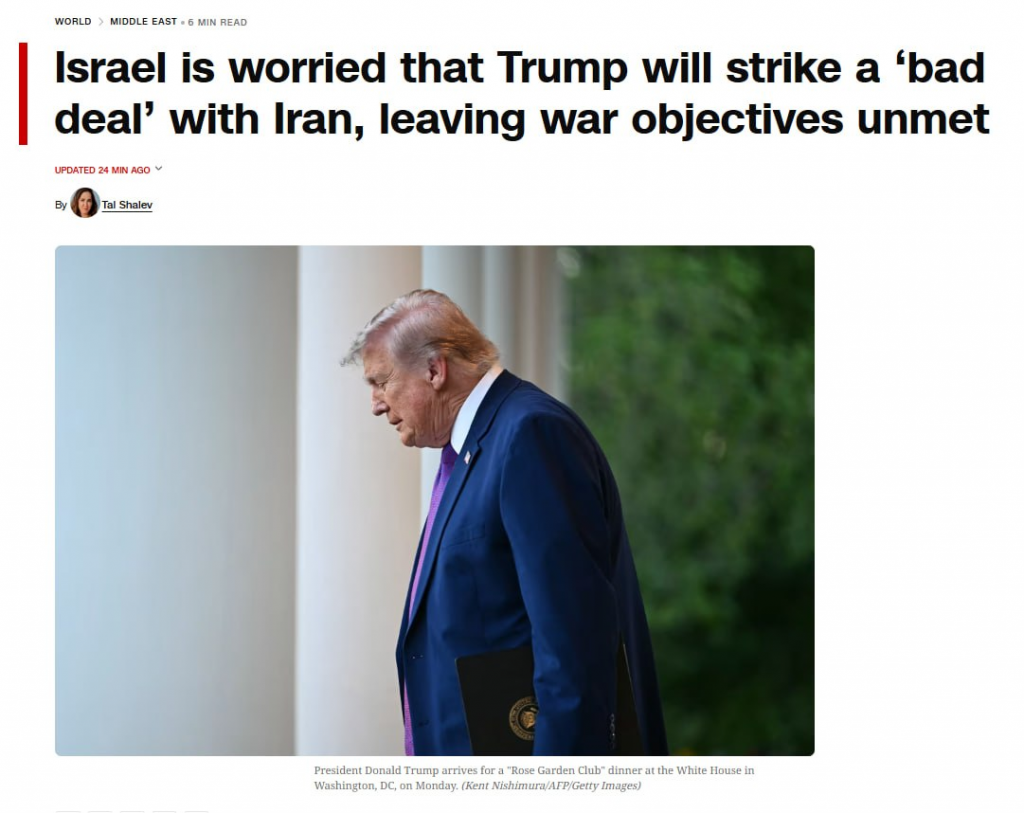
Israel are concerned that President Trump could reach a deal with Iran before addressing some key issues that led to the war, according to CNN, stating the main fear is that Trump could become frustrated with the negotiations and agree to ‘any deal’ involving last-minute concessions.
While US officials have assured Israel that Iran’s highly enriched uranium stockpile will be addressed, Israeli officials are worried that ballistic missiles and Iran’s regional proxy network may be left out of the talks, while also fearing that a partial agreement easing economic pressure on Iran without fully dismantling its capabilities could strengthen and financially stabilise the Iranian government.
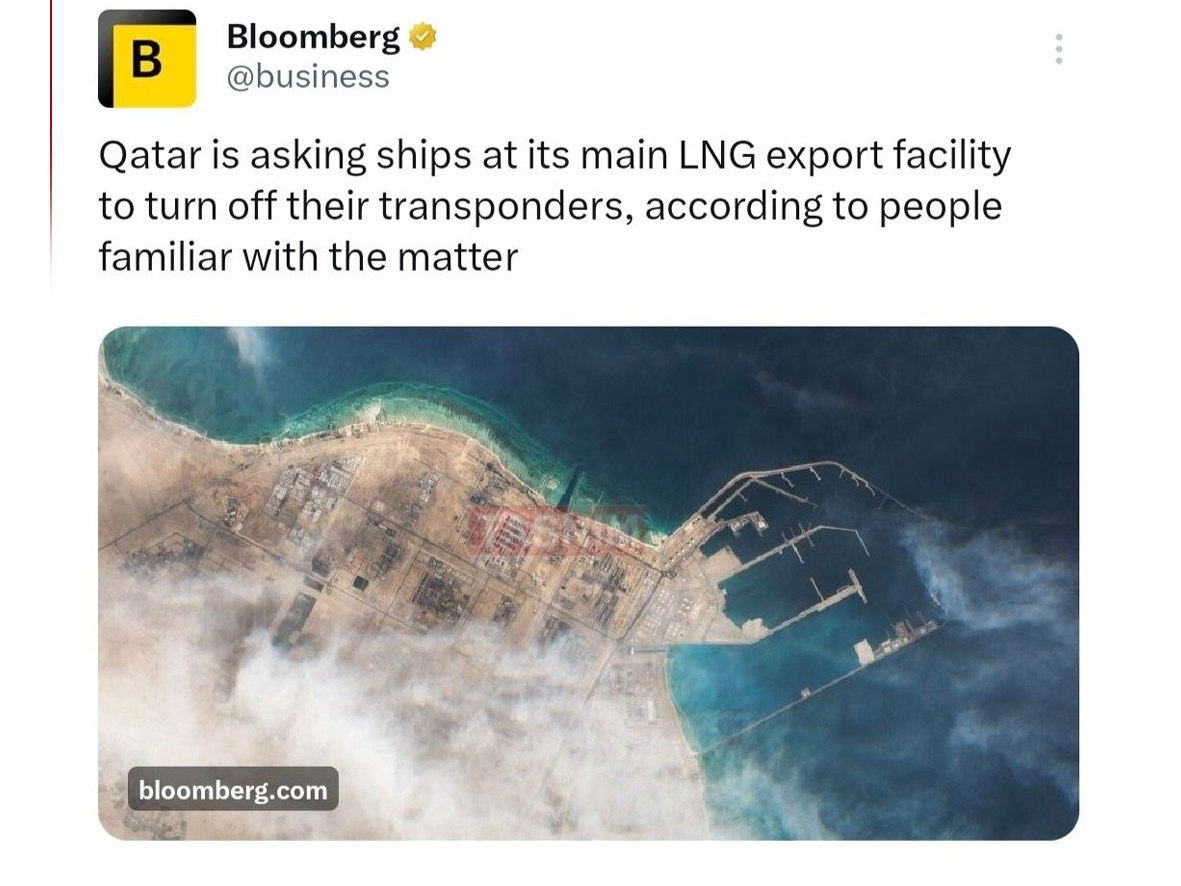
Qatar have asked ships at its main liquefied natural gas (LNG) export facilities to turn off their transmitters, issuing a warning to ships present at Ras Laffan port, docks, and Qatar’s harbour waters to turn off their Automatic Identification Systems, according to Tasnim News and Bloomberg.
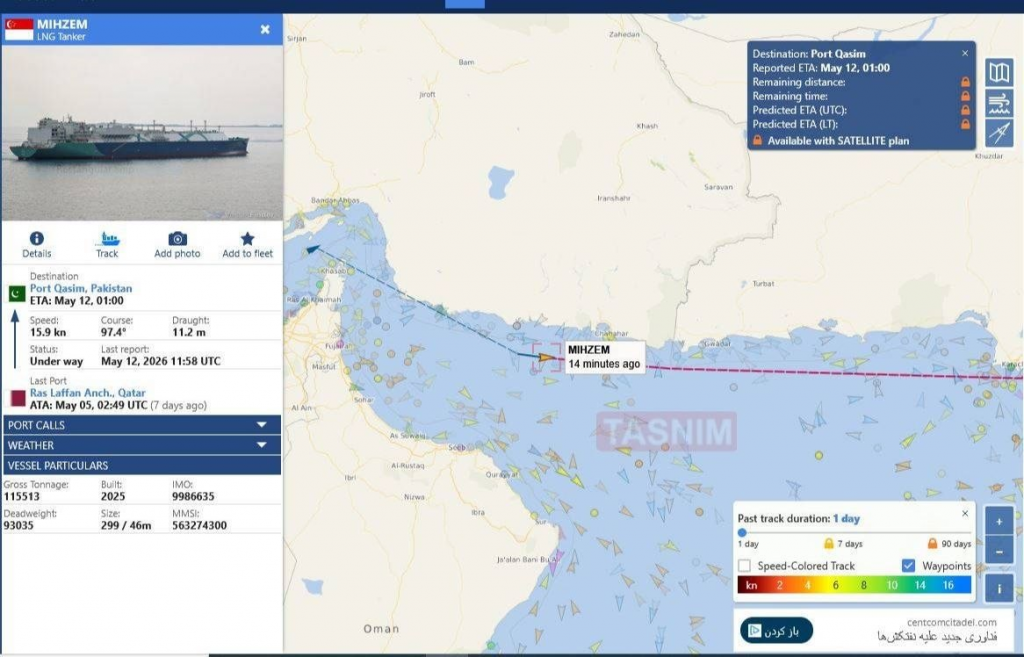
Qatari tanker MIHZEM finally appeared to have received permission from Iran to cross the Strait of Hormuz, having turned around yesterday while approaching, but on Tuesday afternoon the tanker registered its position in the Sea of Oman and had passed through the Strait on the designated route, while Bloomberg reported a second Qatari tanker carrying natural gas also passed through the route.
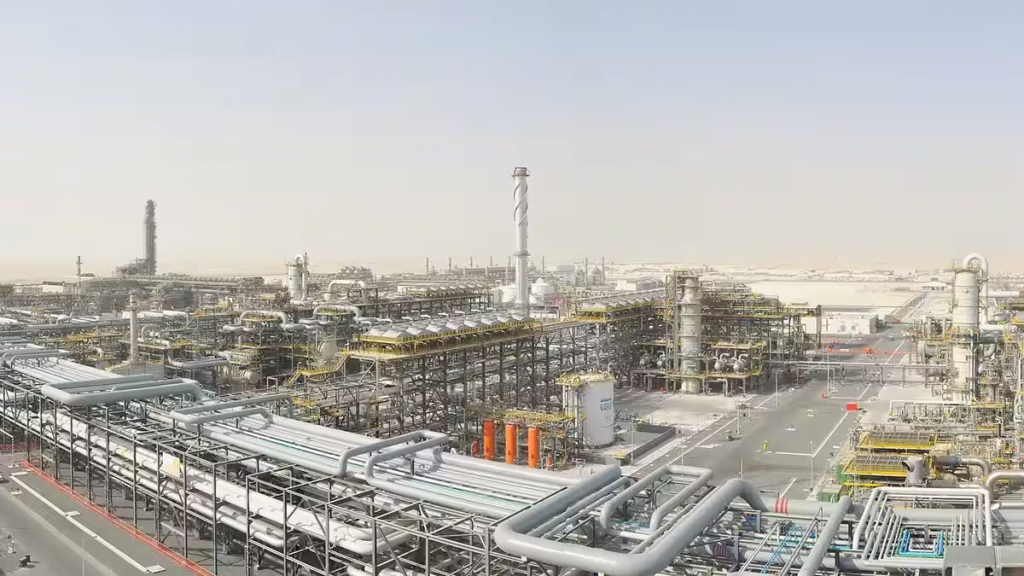
ADNOC’s Habshan facility, a major gas processing plant damaged during Iranian attacks in the war, is not expected to be fully repaired until 2027, according to the FT, stating the company expects to restore 80% of operations by the end of the year, with the full recovery targeted for 2027.
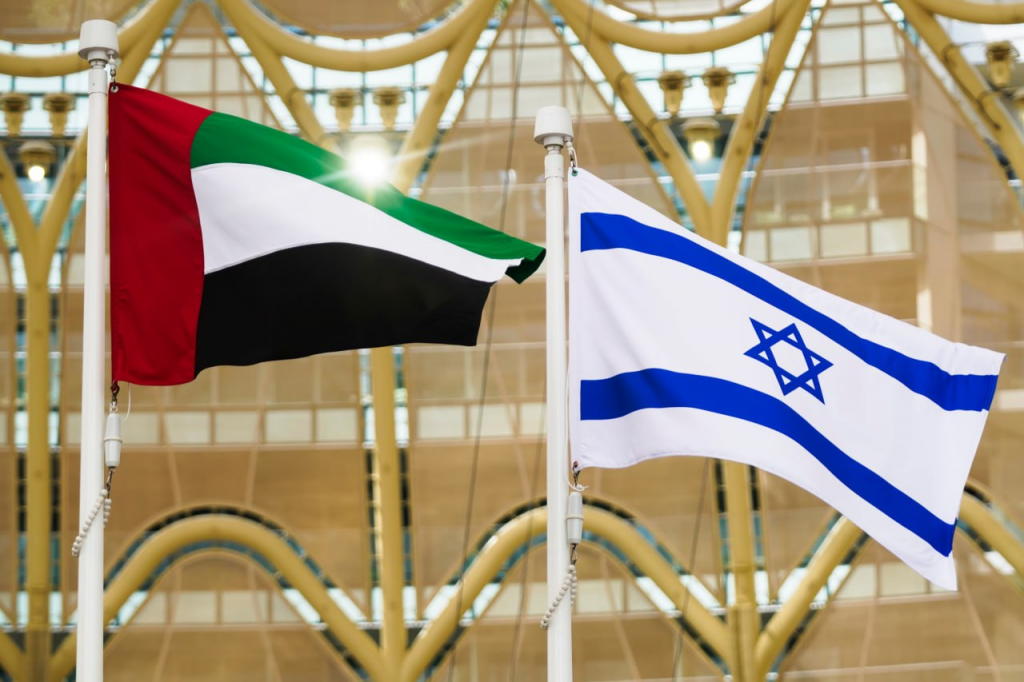
Bloomberg reported that the UAE carried out retaliatory strikes against Iran both before and after the 8 April ceasefire, with one of the strikes allegedly coordinated with Israel in response to an Iranian attack on the UAE’s Borouge petrochemical facility in April.